
Hormones are chemical messengers that circulate in the blood and play a role in the proper functioning of many vital processes. Various glands in the endocrine system produce them, such as the ovaries, adrenal glands, and thyroid. Optimal hormone production is essential for our well-being and affects various systems such as the menstrual cycle, metabolism, sleep, appetite, body temperature and even mood.
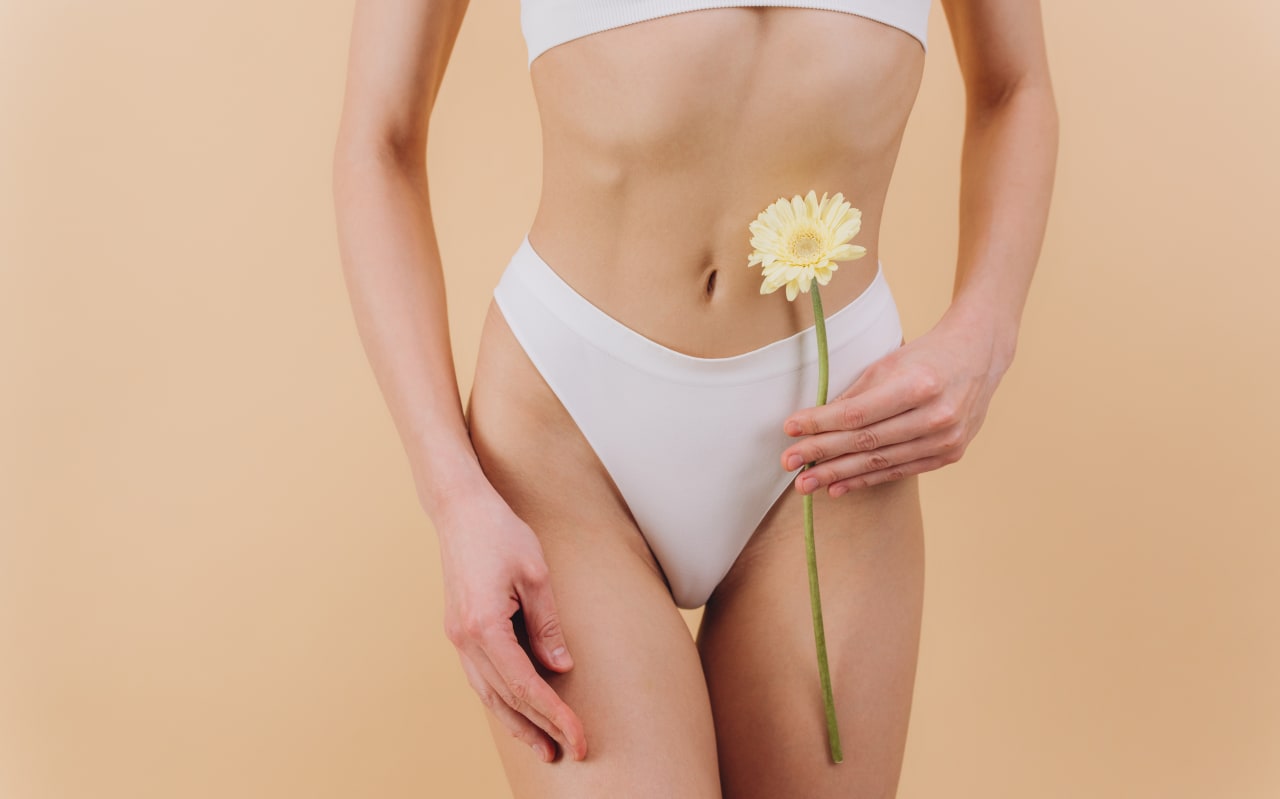
Restoring Hormonal Balance After Stopping the Pill: Our Advice
Published on: Tuesday, August 05, 2025, Updated on: Wednesday, October 28, 2026
Stopping the pill is a personal decision that often marks the start of a new connection with your body. Your hormone levels may take a little time to readjust, which is perfectly normal. Naturopathy offers a gentle, natural, holistic approach to supporting you through this transition. With supportive habits and a little patience, you can give your body time to settle into its own rhythm.
Contents
Related products
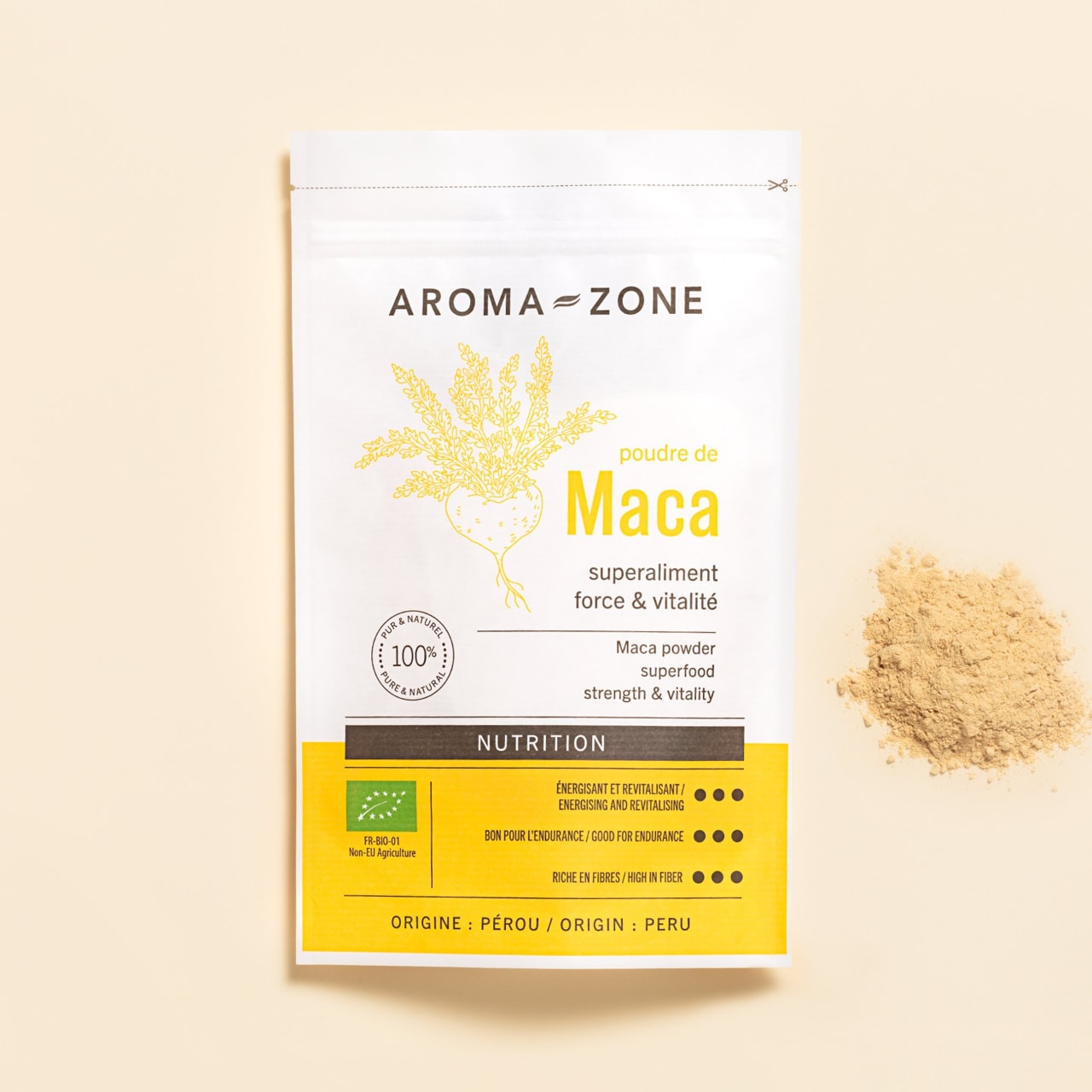
Organic Maca Powder
Vitality
£7.00
200 g
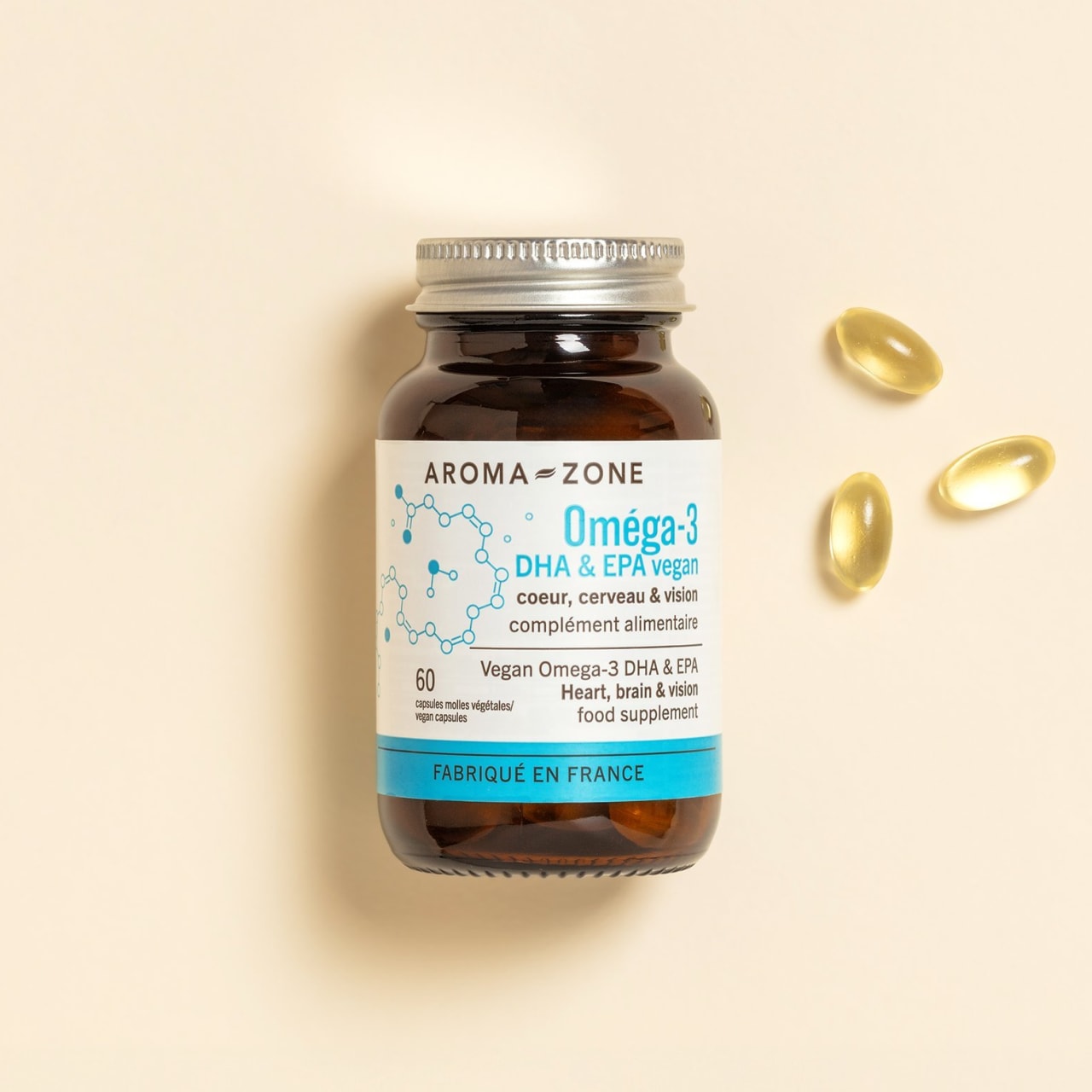
Vegan Omega-3 - 60 Capsules
Heart
Vision
£20.00
article
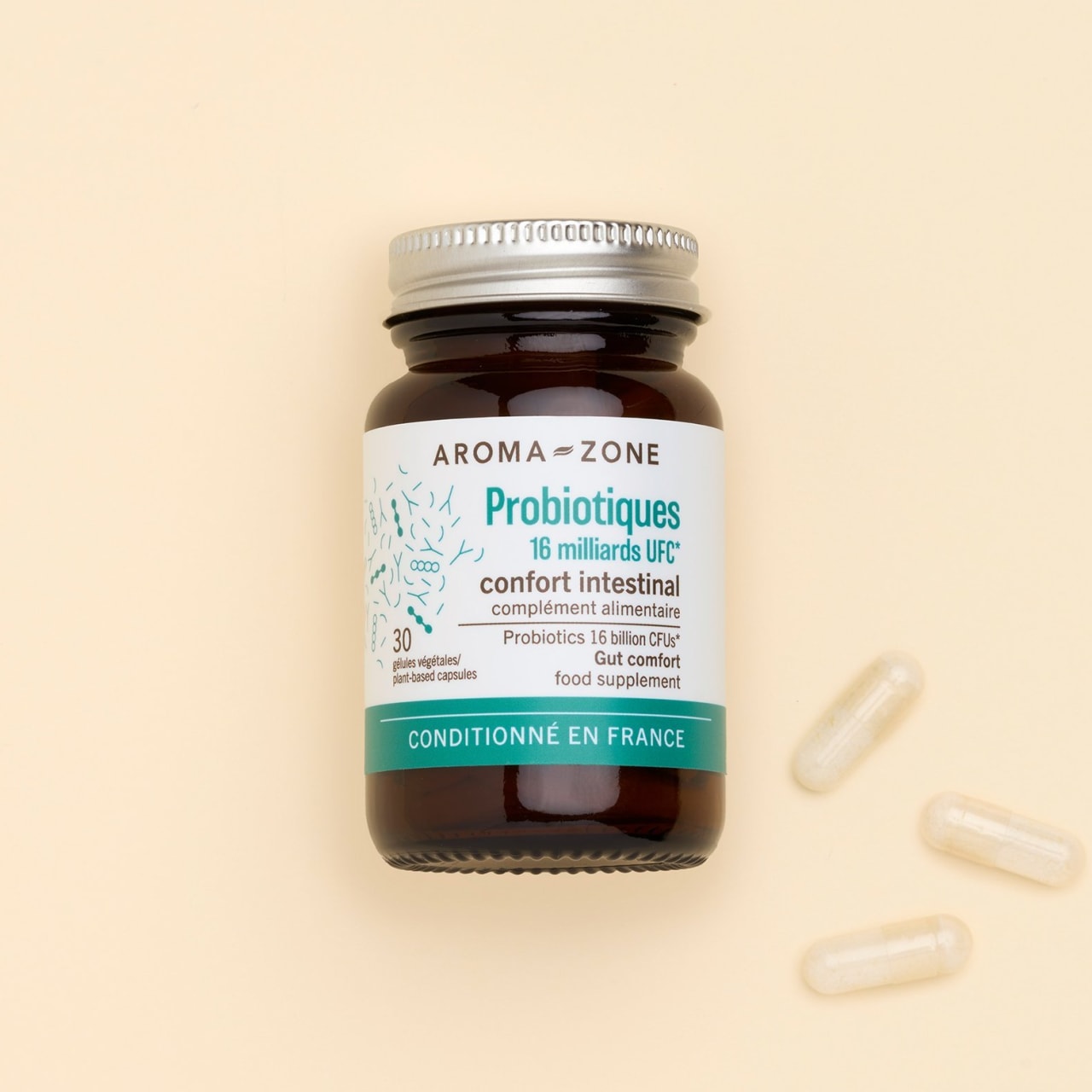
Gut Comfort Probiotics - 30 Capsules
Digestive comfort
£17.00
1 article
What are hormones?
Good to know: Even though hormones are present in our bodies in very small quantities, they have a huge impact on our general health. When everything works in harmony, your body is in balance; this is known as homeostasis. But as soon as one link in the system weakens (due to stress, diet, stopping the contraceptive pill, nutritional deficiencies, etc.), the entire hormonal system can become unbalanced.
Hormonal imbalance: What is it?
We talk about hormonal imbalance when certain hormones are produced in excess, are deficient, or are no longer properly regulated. This can lead to various problems depending on the type of hormones involved: acne, menstrual irregularities, chronic fatigue, anxiety, digestive problems, weight gain, hot flushes, insomnia or even a reduced sex drive are all symptoms of a hormonal imbalance. In naturopathy, the aim is not to ‘suppress’ the symptoms, but to understand the root cause of the imbalance.
What might be the causes of a hormonal imbalance?
The causes of hormonal imbalance can be varied and are often interlinked. They differ from person to person, depending on your hormonal history, lifestyle, emotions, and current needs. We recommend seeking professional guidance to understand the root cause of your hormonal imbalance.
Stopping hormonal contraception
When you stop taking hormonal contraception, your body has to take back control after what may have been several years’ break. This takes time to adjust to: your ovaries gradually start up again, and it’s common to experience some hormonal fluctuations at first.
Chronic stress
Occasional stress is normal and does not affect your hormonal balance. However, in the event of prolonged stress, your adrenal glands produce large amounts of cortisol. This can disrupt the production of other hormones such as progesterone or oestrogen. Your body then prioritises survival over hormonal balance.
An unbalanced diet
Too much fast-acting sugar, processed foods or unhealthy fats can affect your insulin levels and disrupt your hormonal system. Conversely, if you’re lacking essential nutrients (such as Magnesium, zinc or omega-3s), your body may struggle to produce or regulate its hormones.
A tired liver
The liver filters out and eliminates hormones your body no longer needs. If it is overloaded or your gut is out of balance, certain hormones may not be eliminated properly and may re-enter the bloodstream, perpetuating the imbalance.
Poor-quality sleep
During sleep, your hormonal system regenerates. Nights that are too short or of poor quality can disrupt the production of certain important hormones such as melatonin, progesterone or leptin. Even if you feel you’re getting enough sleep, your hormones may suffer if your sleep isn’t restorative enough. Sleep quantity is essential, but you mustn’t neglect its quality.
Excessively intense exercise
Exercise is essential, but if you train too intensely or don't allow time to recover, it can become a source of stress for the body. This can slow down or block certain hormonal functions, especially if your body doesn’t have enough energy available. In women, a small amount of body fat is essential for hormonal balance, as oestrogen is also produced from adipose tissue. A BMI below 18.5 can disrupt the cycle. The ideal range is often between 19 and 24 for optimal hormone production.
Endocrine disruptors
Some everyday products (plastics, cosmetics, washing powders, pesticides, etc.) contain chemicals that mimic or block the action of your natural hormones. These disruptors can throw your system out of balance, sometimes without you even realising it.
Major hormonal transitions
Certain periods, such as the postpartum period, puberty or pre-menopause can cause significant hormonal fluctuations. These phases are natural and temporary, but often require support to prevent an imbalance from taking hold.
What are the symptoms of hormonal imbalance?
Careful observation of your symptoms is a key tool for better understanding what is happening in your body and taking appropriate action. Here are the most common signs associated with hormonal imbalance in women:
Irregular menstrual cycle: If your periods come early, late or stop altogether, this may indicate a disruption in sex hormones
Premenstrual syndrome (PMS): It’s normal not to feel at your best before your period, but if the symptoms are severe, this may indicate an imbalance between oestrogen and progesterone, often with progesterone levels being too low in the second half of the cycle
Hormonal acne: Spots concentrated on the lower part of the face, often deep-seated and painful, are a typical sign of hormonal imbalance. They often appear around the time of ovulation or before your period
Weight gain: Weight gain without any change in lifestyle, particularly around the tummy or hips, may be caused by excess cortisol or oestrogen
Chronic fatigue: A persistent feeling of tiredness, even after a good night’s sleep, may be linked to excess cortisol or reduced thyroid function
Mood swings: Your hormones also affect brain chemistry. Significant fluctuations can influence your mood, motivation and emotional well-being
Sleep disturbances: Difficulty falling asleep or waking frequently during the night may be linked to imbalances in cortisol, melatonin or progesterone, particularly during periods of stress or hormonal upheaval
Decreased libido: A drop in sexual desire may reflect a lack of testosterone or progesterone
Hair loss: Hair that is becoming thinner or falling out more than usual may indicate a thyroid imbalance or a drop in oestrogen levels. It is worth noting that this may also be a sign of a nutritional deficiency
Cold extremities: this symptom is often linked to hypothyroidism. When your thyroid is underactive, your entire metabolism slows down, which can make you feel colder, particularly in your hands and feet.
Although it is important to understand the symptoms of a hormonal imbalance, nothing can replace an accurate diagnosis from your healthcare professional. If you have any doubts at all, do not hesitate to make an appointment with your GP to discuss your situation, particularly after stopping hormonal contraception.
The pill: What is it for and what are its effects?
The contraceptive pill is primarily designed to prevent pregnancy by blocking ovulation using synthetic hormones. It also changes cervical mucus and the endometrium, making it harder for a fertilised egg to implant. Beyond its contraceptive purpose, the pill is also often prescribed to help regulate the menstrual cycle and relieve certain symptoms of hormonal imbalance, such as painful periods or hormonal acne. From a naturopathic perspective, the pill does not regulate your hormones, but rather puts your natural cycle on hold. What you refer to as periods whilst on the pill are, in fact, withdrawal bleeding, caused by the cessation of hormone intake. Your body is therefore operating under an artificial hormonal pattern, which differs from its natural rhythm.
The contraceptive pill and hormonal imbalance: What’s the link?
Stopping a hormonal contraceptive is one of the main causes of hormonal imbalance. There is therefore a clear link between taking the pill, its impact on the body and our body’s ability to regulate its hormones. When you’re on the pill, your body stops producing its own sex hormones. The synthetic hormones contained in the pill take over, which naturally puts your menstrual cycle on hold. Consequently, the hormonal axis linking the brain, the pituitary gland and the ovaries – which is essential for ovulation – is temporarily deactivated. As long as you continue taking the pill, you may therefore feel that your cycle is regular. However, when you stop taking the pill, your body has to relearn how to produce its own hormones, restart the ovulation process and regain its natural rhythm. For some women, this happens quickly and without difficulty. For others, the transition is slower and accompanied by hormonal imbalances. Generally, the hormonal system simply needs time, but in some cases, it may help to support the body to facilitate this rebalancing process.
Hormonal Rebalancing: What You Need to Know
After stopping hormonal contraception or during a period of hormonal imbalance, your body goes through several stages before returning to natural and stable hormonal function. This rebalancing happens gradually, often over several months, and can vary from one woman to another. Understanding these phases helps you move through this transition with more peace of mind and confidence. Here are the main stages of hormonal rebalancing you should be aware of, along with some tips to help you manage them as effectively as possible:
Communication Between the Brain and the Ovaries Resumes
When you’re on the contraceptive pill, your brain stops sending signals to your ovaries because it detects that you already have enough hormones circulating. After stopping the pill, it takes a little time for the hypothalamus and pituitary gland to restart production of FSH and LH – the two hormones that stimulate follicle growth and trigger ovulation.
What should you do during this phase? Gentle methods such as deep breathing, massaging the lower abdomen, or getting a good night’s sleep can help support this natural recovery process.
The Body Resumes Ovulation
Ovulation is the key moment in the female cycle. Without ovulation, your body does not naturally produce progesterone, a hormone essential to your overall balance. After stopping the pill, it is common not to ovulate straight away, which can lead to a lack of progesterone and a disrupted cycle for a few weeks, or even several months.
What should you do during this stage? Look for signs of fertility, such as cervical mucus or your basal body temperature, to help you determine whether ovulation has resumed and predict when your period will return, about two weeks later.
Oestrogen and Progesterone Levels are Rebalancing
When ovulation has not yet resumed or remains irregular, the body often produces more oestrogen than progesterone. This imbalance can cause symptoms such as oilier skin, breast tenderness, irregular periods or cyclical fatigue. Excess oestrogen is also common when the liver struggles to metabolise synthetic hormones.
What can you do during this stage? Support the liver and help eliminate excess. This involves a high-fibre diet, staying well hydrated, and sometimes using digestive herbs such as artichoke or rosemary. Placing a hot water bottle on the liver for 15 to 20 minutes at a time is a simple and natural way to support its self-cleansing processes.
Your Cycle Will Become Regular Over Time
Over time, your body will regain its own rhythm. Your cycles will become more predictable, symptoms will subside, and your periods will return to a certain stability. Once your periods have returned and your cycles seem regular, with no monthly symptoms, you can consider your hormonal system to be back in balance. Of course, these observations are in no way a substitute for a precise diagnosis from your healthcare professional.
What should you do during this stage? This rebalancing stage is the perfect time to review your lifestyle and make a few adjustments to maintain your hormonal wellbeing. Remember, it doesn’t have to be complicated. A varied diet, good-quality sleep and gentle but regular physical activity are more than enough to keep you in good shape.
Stopping the Pill: Tips for a Smooth Transition
Are you thinking of stopping your hormonal contraception? First, contact your GP to discuss the best course of action for your needs. In the meantime, here is our expert advice to help you navigate this transition calmly and with respect for your body:
Always finish the pack you’re currently on: This ensures you complete the artificial cycle properly, without further disrupting your body. Stopping halfway through can cause bleeding or disrupt your cycles for longer.
Keep a record of your symptoms after stopping: To help you stay in tune with your body during this transition, keep a small notebook or use an app to track your cycle, mood, or skin. It’s also useful to share this information with a healthcare professional if needed.
Ask for a blood test if necessary: If your periods do not return after 3 to 6 months, or if unusual symptoms persist (hair loss, severe acne, pelvic pain), ask for a full hormonal profile (FSH, LH, oestradiol, progesterone, androgens). This can help detect PCOS, hypothalamic amenorrhoea, or a thyroid disorder.
Avoid trying to restart your cycle at all costs: It is common to want to take a progestogen-based treatment to bring your periods back more quickly. However, unless a doctor advises otherwise, it is sometimes better to let the body take control naturally. Your cycle will often return on its own if the hormonal environment is favourable.
Eat cruciferous vegetables: Broccoli, kale, black radish and rocket are real allies in helping to metabolise oestrogen stored in the liver. Rich in indole-3-carbinol, they promote the elimination of poorly broken-down oestrogens and support natural hormonal balance, thereby helping to restore hormonal equilibrium.
Limit your exposure to endocrine disruptors: Try to reduce your exposure to heated plastics, conventional cosmetics or harsh household products. Choose paraben- and phthalate-free skincare products, and opt for natural alternatives that are gentler on your hormonal system whenever possible.
Be patient with your body: Some women’s cycles return quickly, whilst others may take several months. There’s no one-size-fits-all approach – just your own rhythm. Be kind to yourself during this time.
It goes without saying, but if you do not wish to become pregnant straight away or are planning to switch to another method of contraception, make sure you use protection during sex as soon as you stop taking the pill. Remember, ovulation precedes your period and may return sooner than expected.
What are the natural solutions to support hormonal rebalancing after stopping the pill?
After stopping the pill, it is common to experience hormonal imbalance, which can affect your daily life. Fortunately, there are natural solutions to support your hormonal system and restore balance and well-being. Here are our recommendations to help your body get through this delicate phase:

Clary Sage Hydrosol
This hydrosol is recommended for painful or irregular periods, amenorrhoea, hot flushes or mood swings. It is an ideal companion to help restore balance after stopping hormonal contraception. To enjoy its benefits, we recommend taking 1 tablespoon of clary sage hydrosol in a glass of water once a day between meals for 20 days, followed by a 10-day break. This cycle can be repeated over several cycles to gently support your hormonal rebalancing, at your own pace and according to your needs. Please remember to store this product in the fridge between uses.
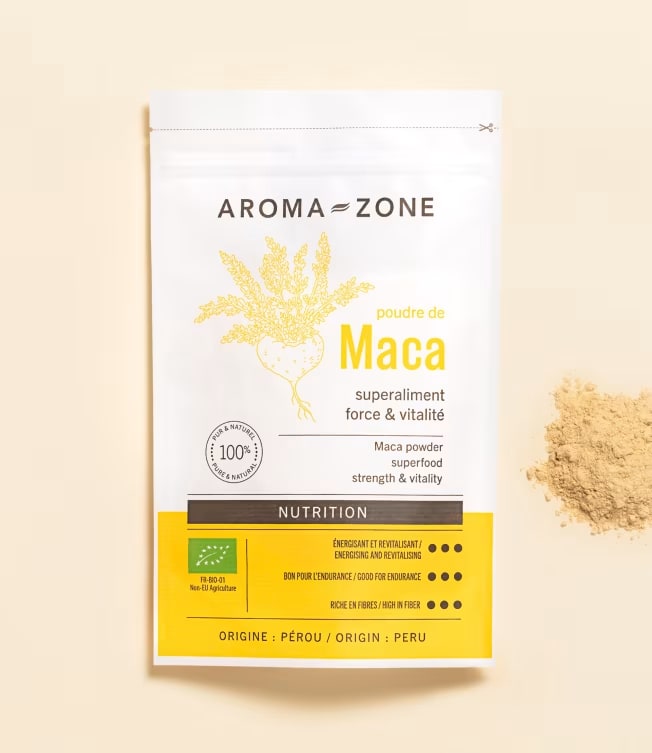
Organic Maca Powder
This root, native to Peru, is traditionally used to support female hormonal balance, particularly during transitional periods such as coming off the pill. As a natural adaptogen, Maca helps to boost overall vitality, stimulate libido and regulate menstrual cycles, which are often disrupted after stopping hormonal contraception. Add 1 level teaspoon of Maca powder to a plant-based drink, a smoothie or yoghurt, preferably in the morning or at lunchtime, as it can have a slightly stimulating effect. Start with small amounts and increase gradually if you feel well. A 3-week course, followed by a one-week break, can be repeated over 2 to 3 months, depending on how you feel. Maca is not recommended for children, pregnant women or breastfeeding women. If you have high blood pressure, seek advice from your doctor.
How can you prevent a hormonal imbalance after coming off the pill?
When you stop taking the pill, a few healthy lifestyle habits can help you return to balance more smoothly. Here are our top tips to help you feel your best during this time and give your hormonal system everything it needs to regain its natural rhythm:
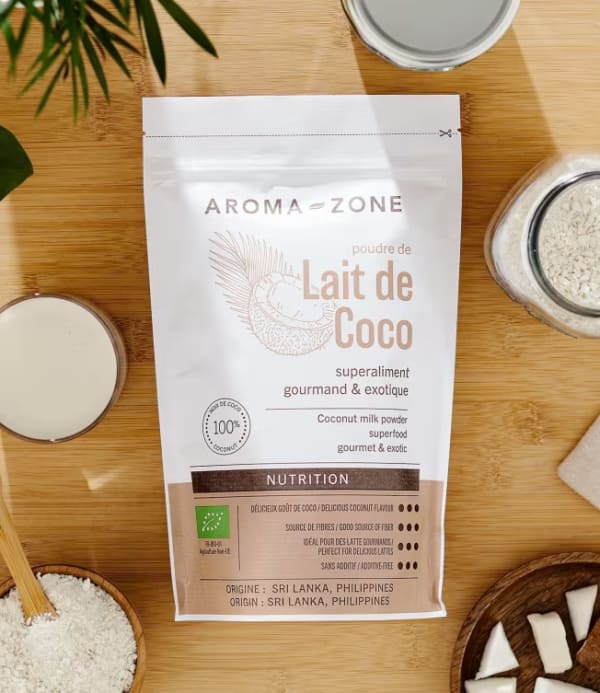
1. Focus on regular, nourishing meals: This is not the time to go on a diet. Aim for well-balanced meals, emphasising protein, healthy fats and fibre. Avocados, nuts, coconut oil, coconut milk, olives, etc., will be your allies.
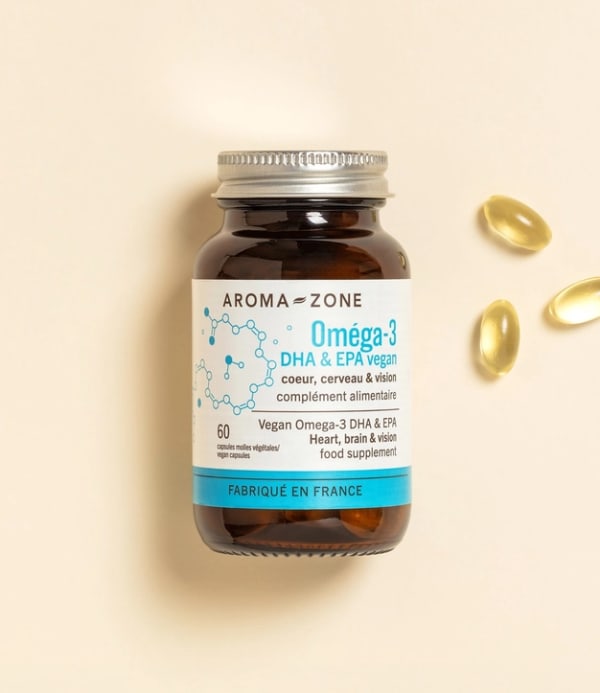
2. Add omega-3s to your diet: eat oily fish (sardines, mackerel, salmon), chia seeds or nuts regularly. Omega-3s are recommended to supporting the normal functioning of the nervous system and will help you feel fit and well during this transition phase.
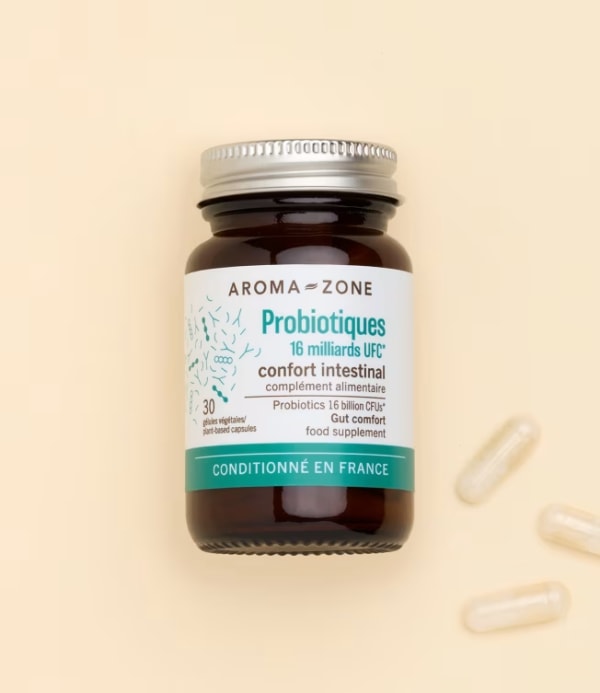
3. Look after your gut flora: eat fermented foods (kefir, sauerkraut, plain yoghurt) and fibre-rich foods (fruit, vegetables, pulses). A healthy gut helps to eliminate excess hormones more effectively. Feel free to take a probiotic supplement to take things a step further.
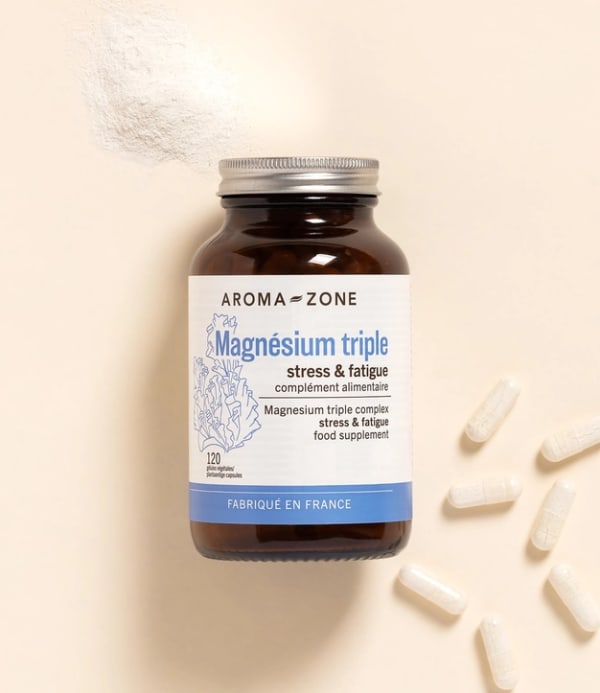
4. Ensure you get enough zinc and magnesium: these two minerals are essential for hormonal balance. They are found in eggs, almonds, lentils, pumpkin seeds, bananas or in the form of supplements if necessary, taking care to follow the recommended dosage and be aware of any contraindications.
Precautions for use
The advice provided in this article is for information purposes only. It is in no way a substitute for the advice of your healthcare professional. If you have any doubts, please do not hesitate to seek advice from your GP before changing your lifestyle, taking dietary supplements or using natural remedies.
Expert advice
On average, it takes the body 3 to 6 months to return to a natural cycle after stopping the pill, though it may take longer depending on your hormonal profile, stress levels or lifestyle. During this period, it is common not to ovulate straight away or to experience slightly irregular cycles. This does not mean that ‘something is wrong’, but simply that your hormonal system is resetting at its own pace. Be patient with your body, and use this phase as an opportunity to look after yourself and gently relearn how your natural cycle works.
Spotlight on Our Naturopathic Writer: Marine Leleux

Marine is a naturopath specialising in children’s well-being and a parenting coach. With 10 years’ experience supporting families, she now channels her passion into serving her community by sharing natural and caring advice.
Bibliography
The Big Book of Hormones, Sylvie Hampikian, Éditions Leduc, 2021
Hormonal imbalances: how to recognise them? Passeport Santé, 2023
The Pill and its side effects, Améli, 2024
Understanding the Hypothalamic-Pituitary-Ovarian Axis, Vidal, 2023
Hormonal Balance After Birth Control, Lara Briden, 2024.

Frequently Asked Questions
Associated tip
Hormonal balance


