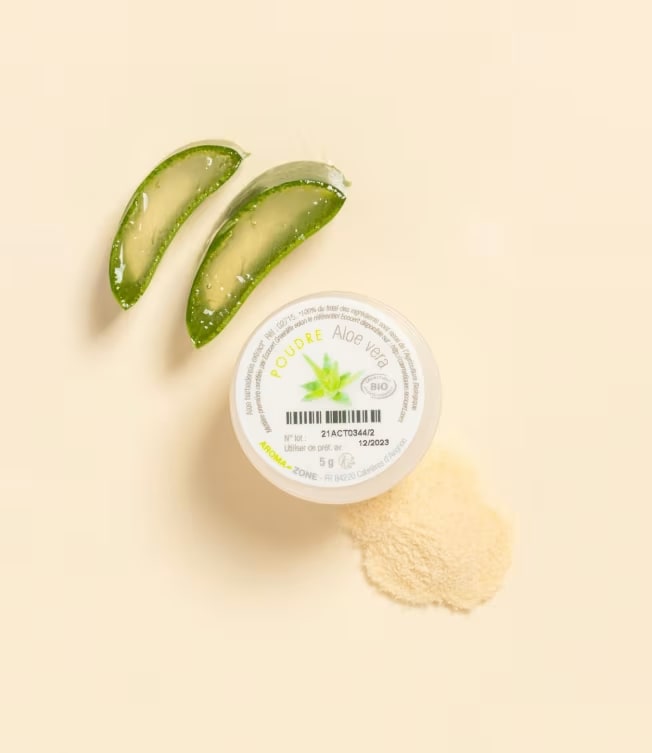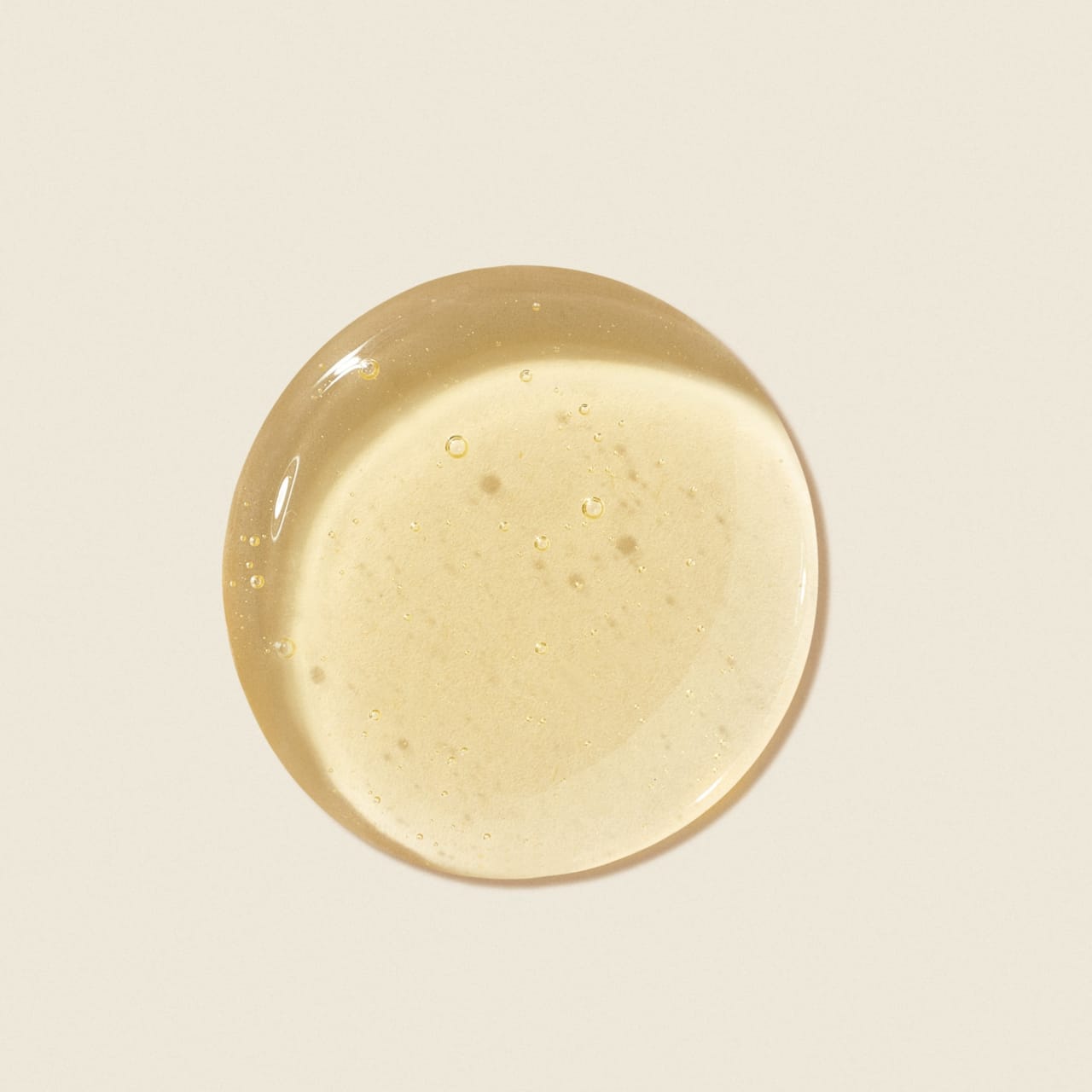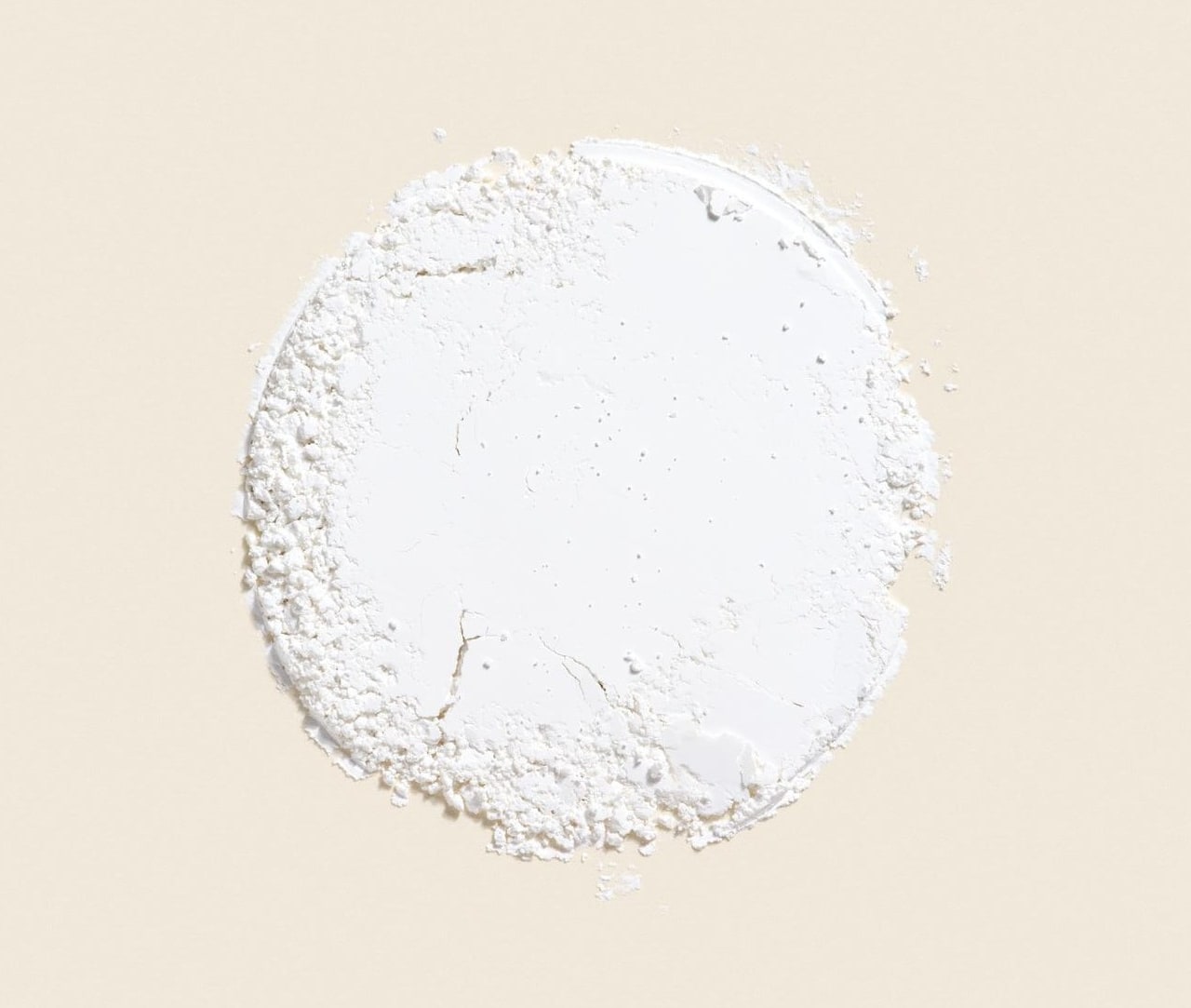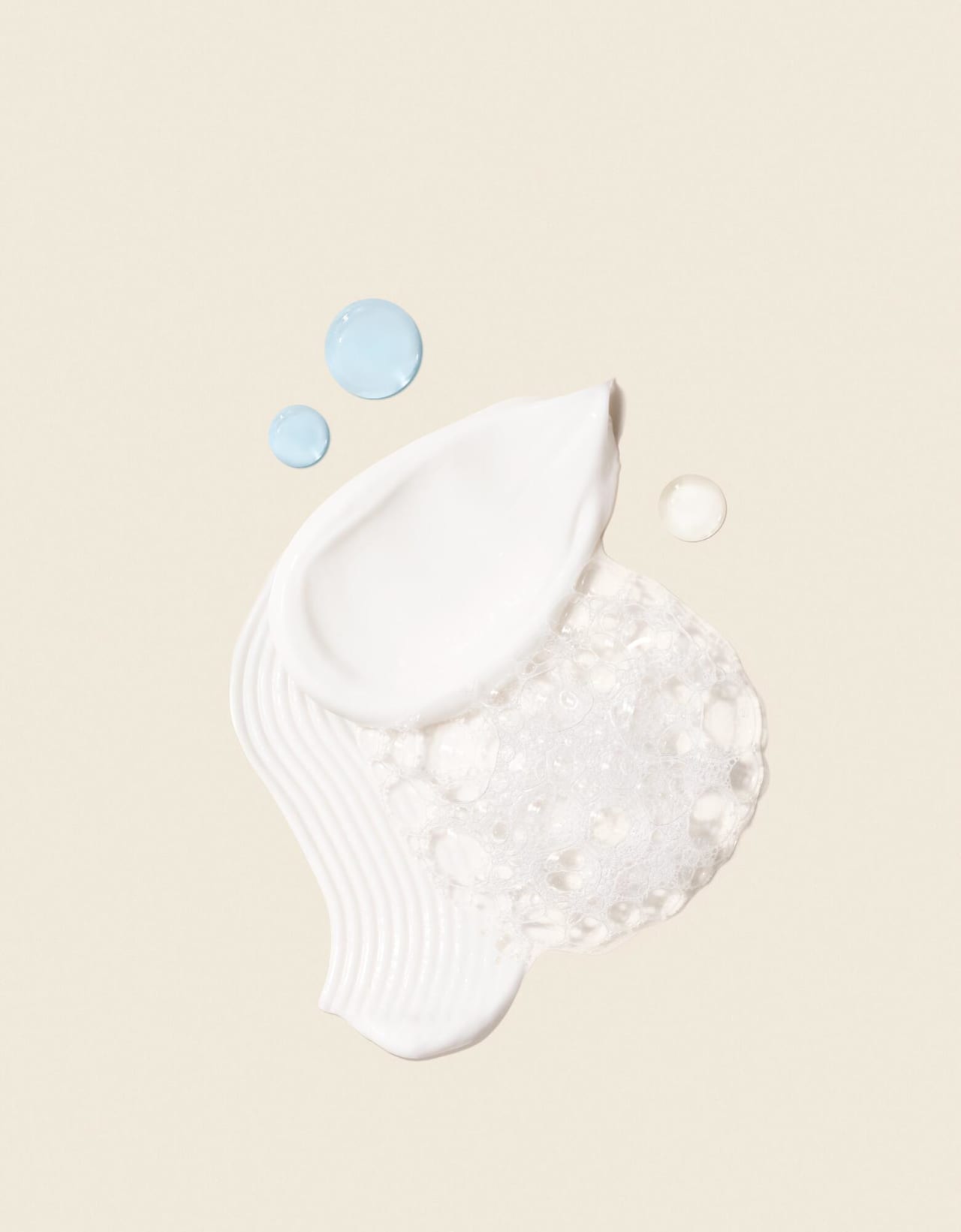
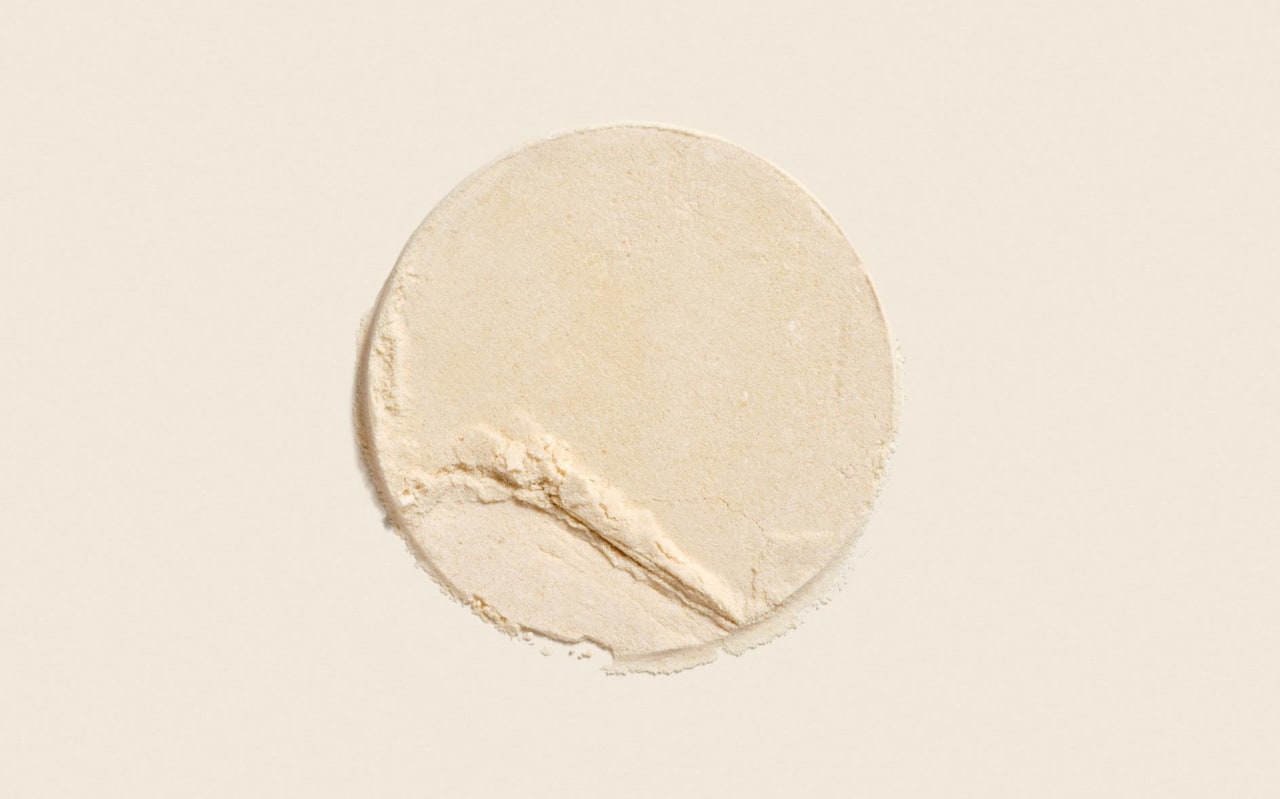
This versatile powder can easily be incorporated into your skincare routine as a base ingredient for making creams, lotions, soaps or shampoos. Thanks to its humectant properties, it helps to retain moisture within the stratum corneum for revitalised skin.
Aroma-Zone Aloe Vera Powder
REPAIRING SOOTHING HYDRATING
The versatile plant-based ingredient that revitalises and regenerates the skin
A true concentrate of essential nutrients, this extract acts as an intense moisturising shield whilst promoting skin vitality and repair.
By Delphine Duc

Aloe vera powder Aroma-Zone Profile
INCI Name: Aloe barbadensis leaf juice powder.
VEGAN
METHOD OF PRODUCTION
This extract is obtained by freeze-drying the fresh gel contained in the leaves of Aloe vera (Aloe barbadensis Miller) in order to preserve its molecular richness.
BIOCHEMICAL COMPOSITION
Aloe vera gel contains a multitude of active compounds, including carbohydrates, minerals, vitamins, enzymes and amino acids.
ACTIVE MOLECULES
Polysaccharides: The main constituents responsible for its moisturising and soothing properties
Vitamins: Notably A, C, E and the B vitamins
Minerals and trace elements: Magnesium, zinc, calcium, potassium, etc.
Plant sterols: Such as cycloartenol and lophenol, which are involved in the synthesis of essential skin components.
SUSTAINABILITY / TRACEABILITY
The plants are grown in regions suited to hot climates, such as Mexico or Thailand, where they require little water to thrive.

Aloe vera powder: What Effect Does It Have on the Skin?
Aloe vera powder acts as a veritable reservoir of hydration thanks to its exceptional content of polysaccharides, such as acemannan, which capture and retain water deep within the skin through a humectant mechanism. This plant extract is notable for its ability to alleviate signs of skin discomfort and reduce temporary redness, thus offering a soothing solution that is highly appreciated after exposure to the sun.
Beyond moisturisation, it exerts an intense regenerative action by stimulating the vitality of fibroblasts—the cells responsible for the skin’s youthfulness—thereby promoting the natural production of collagen and hyaluronic acid. Another major benefit lies in its ability to improve the bioavailability and penetration of the other ingredients in your formulations, acting as a carrier that optimises the overall effectiveness of your skincare products. Finally, its rich molecular composition enables it to form a non-occlusive protective film that helps maintain the integrity of the skin barrier against external aggressors.
Aloe vera powder: Scientifically Proven Efficiency
The efficacy of this active ingredient is confirmed by rigorous research* showing that the application of freeze-dried gel at concentrations of 0.25% to 0.50% significantly increases hydration of the stratum corneum in a dose-dependent manner. In vitro studies reveal that its specific sterols double collagen production and increase hyaluronic acid production by fibroblasts by a factor of 1.5, resulting in a visible reduction in wrinkle depth in women.
Its regenerative potential is equally remarkable: it accelerates the average time taken for tissue reconstruction following skin grafts and significantly reduces redness after exposure to UV rays. In cases of burns or caesarean section scars, it enables faster tissue repair, particularly within the first 24 hours, whilst offering excellent skin tolerance. Finally, clinical trials highlight its ability to relieve the discomfort associated with certain scaling conditions, such as psoriasis, with visible symptoms disappearing in 83 per cent of those affected.
*Please refer to the scientific bibliography for further information.
Skin Tolerance
A Note from Adeline Nalin, Head Pharmacist and Toxicologist at Aroma-Zone

“Aloe vera powder is generally well tolerated by the skin. However, it must be properly diluted and not too concentrated. People with allergies to the lily family should avoid using aloe vera. Although this is not a major cross-allergy, cases of cross-allergy with latex have been reported in the literature. By choosing high-quality aloe vera extracts, this risk is significantly reduced.”
Adeline Nalin - Head Pharmacist and Toxicologist
A Plant Extract Safe for Your Health
A Note from Our Aroma-Zone Toxicologist
“It is important to check the amount of aloin (anthraquinone) in aloe vera powder, as this can be irritating and sensitising. We therefore carry out strict, systematic checks on our supplies.”
Adeline Nalin - Head Pharmacist and Toxicologist

A Note from the Dermatologist
“Aloe vera powder, obtained by freeze-drying the gel, concentrates the plant’s active compounds whilst making it easier to incorporate into formulations. It is renowned for its moisturising, soothing and protective properties, contributing to the skin’s comfort and balance.
It also supports skin renewal and helps protect against external aggressors, whilst helping to regulate excess sebum.
Tip: ideal for daily use, it can be easily incorporated into aqueous formulations to provide a soothing and moisturising effect on both the skin and the scalp.”
Dr Agathe Aoun – Dermatologist
Formulation Focus with the Aroma-Zone R&D Laboratory
Aloe vera is obtained from the gel extracted from fresh leaves, which is then processed through a drying process to remove the water.
Unlike a ready-to-use gel, the powder contains virtually no free water. This characteristic significantly limits the growth of microorganisms and results in a product that is naturally more stable over time, without the need for a preservative system equivalent to that used in aqueous gels.
To benefit from its cosmetic properties, the powder must be rehydrated before use.
For Which Skin Types?
Thanks to its exceptional molecular richness, aloe vera powder stands out as a universal solution for all skin types, gently adapting to the needs of every complexion.
It is an indispensable ally for dehydrated and dry skin. By acting as a powerful humectant, it significantly increases the water content of the stratum corneum, thereby restoring suppleness and comfort to the skin. Mature skin finds in this active ingredient a true secret to youthfulness. By naturally stimulating the production of collagen and hyaluronic acid, it helps to visibly reduce the depth and width of wrinkles, particularly in women over 40. For sensitive, reactive or irritated skin, this plant extract offers a precious soothing routine. Its ability to reduce redness and signs of discomfort following sun exposure makes it the treatment of choice for soothing stressed skin.
Its intense regenerative power is particularly beneficial for damaged skin. Whether dealing with cuts, minor burns or post-operative marks, it supports tissue repair and accelerates the natural healing process. Finally, skin prone to blemishes or specific discomforts, such as acne or scaly conditions like psoriasis, benefits from its purifying properties and its beneficial effect on skin renewal.
In which types of products?
This versatile active ingredient blends seamlessly into a wide range of skincare solutions. In the cosmetics industry, it is used as a key ingredient in the formulation of moisturisers, soothing lotions and facial cleansers. Its benefits also extend to hair care, where it is used in shampoos to soften and moisturise the scalp.
In the form of a dried powder, it can also serve as a technical excipient for the manufacture of tablets or capsules when it is of food-grade quality, or be incorporated into specific skincare products to promote skin tissue repair.
Which Concerns Does This Address?
Aloe vera powder offers a natural and versatile solution to help the skin cope with a range of everyday concerns. Thanks to its humectant polysaccharides and its ability to reduce redness caused by UV exposure, it supports tissue reorganisation whilst maintaining an optimal moisture level for dehydrated skin. It stimulates collagen production and reduces the depth of wrinkles in mature skin, whilst preserving the skin’s suppleness for mature skin. It is also an active ingredient of choice for issues such as cuts or redness. Indeed, its action visibly accelerates healing in the case of cuts or post-operative marks, promoting rapid restructuring of the epidermis. Finally, this active ingredient is particularly effective for skin prone to dehydration; it soothes feelings of irritation and restores comfort to even the most delicate skin.
What does Aloe vera powder Does for the Skin
Here are the main benefits this active ingredient offers the skin:
Intense hydration: Thanks to its high content of polysaccharides such as acemannan, it acts as a powerful humectant that binds water and significantly increases the water content of the stratum corneum
Comprehensive anti-ageing action: By naturally stimulating the vitality of fibroblasts, it promotes the production of collagen and hyaluronic acid, thereby helping to reduce the depth of wrinkles and preserve tissue elasticity
Valuable soothing properties: It is an ideal solution for relieving feelings of discomfort and reducing temporary redness, particularly by reducing erythema following exposure to UV rays
Support for regeneration: It supports the skin’s natural restructuring process by accelerating re-epithelialisation, enabling the skin to regain its original appearance more quickly following damage
Nourishing and revitalising ritual: A veritable cocktail of wellbeing, it provides essential vitamins, minerals and amino acids that restore strength and radiance to tired skin
A key to effectiveness: It stands out for its ability to enhance skin penetration and the bioavailability of other active ingredients in your skincare formulations, thereby optimising their benefits.
Aloe vera powder: An Essential Ingredient for the Skin
For your homemade recipes, our aloe vera powder is the ideal ingredient to add a range of benefits to your formula:

Organic Aloe vera powder
This 200-fold concentrated powder is obtained by freeze-drying aloe vera juice, concentrating all its active ingredients. Known for its exceptional moisturising, soothing and regenerating properties, aloe vera can therefore be incorporated very easily into all types of homemade water-based skincare products. This powder rehydrates very easily in water to reconstitute aloe vera juice, which can then be used as the aqueous phase in your homemade cosmetics.
Precautions
To fully benefit from this active ingredient, avoid any direct contact with the eyes. It is essential to store your powder in a cool, dry place, away from moisture, to ensure the stability of its active molecules. As a safety precaution, we recommend always carrying out a patch test on the inside of your elbow 48 hours before using your recipes for the first time to check for any allergic reactions. Keep out of reach of children.
FAQ

How do you use aloe vera powder?

How do you use aloe vera powder?

Is aloe vera good for eczema?

Is aloe vera good for eczema?
Although scientific research often focuses on other types of skin concerns such as redness or flakiness, aloe vera is a solution of choice for reactive skin in need of gentleness. For mature and dry skin, using this extract helps to reduce the depth of wrinkles whilst promoting skin suppleness. It helps to reduce the visible signs of flaking and to relieve the discomfort associated with dryness. By supporting the skin’s protective barrier, this plant-based active ingredient helps to preserve the integrity of the epidermis against external stresses. However, it is recommended that you seek advice from a healthcare professional regarding any concerns about a skin condition such as eczema.

How should you use aloe vera on a superficial burn?

How should you use aloe vera on a superficial burn?
To support the skin’s natural regeneration process, this extract can be applied topically twice a day to the affected area. It is recommended to use a clean dressing or gauze after application to maintain an environment conducive to tissue repair. Clinical observations* indicate that this method promotes early re-epithelialisation, enabling the skin to regain its original appearance more quickly than with a conventional treatment protocol.
*Please refer to the scientific bibliography for further information.
Spotlight on our specialist writer, Delphine Duc.

I'm Delphine Duc, a biological engineer specialising in cosmetology, and I've been passionate about the field of cosmetics for almost 10 years. I started making my own homemade cosmetics using Aroma Zone products to tackle my skin problems. Eventually, I decided to train as a cosmetologist and ultimately to create a bespoke cosmetics brand to address everyone’s individual skin concerns.
Bibliography
1
Burusapat, C., et al. (2018). Topical Aloe Vera Gel for Accelerated Wound Healing of Split-Thickness Skin Graft Donor Sites.
DOI: 10.1097/PRS.0000000000004515
2
Dal’Belo, S. E., et al. (2006). Moisturising effect of cosmetic formulations containing Aloe vera extract in different concentrations.
DOI: 10.1111/j.0909-752X.2006.00155.x
3
Hamman, J. H. (2008). Composition and Applications of Aloe vera Leaf Gel.
DOI: 10.3390/molecules13081599
4
Molazem, Z., et al. (2014). Aloe Vera Gel and Caesarean Wound Healing; A Randomised Controlled Clinical Trial.
DOI: 10.5539/gjhs.v7n1p203
5
Reuter, J., et al. (2008). Investigation of the Anti-Inflammatory Potential of Aloe vera Gel in the Ultraviolet Erythema Test.
DOI: 10.1159/000114871
6
Sharrif Moghaddasi, M. (2011).
Aloe vera: its chemical composition and applications: A review. [Primary Source]
7
Syed, T. A., et al. (1996). Management of psoriasis with Aloe vera extract in a hydrophilic cream.
DOI: 10.1046/j.1365-3156.1996.d01-91.x
8
Tanaka, M., et al. (2015). Effects of plant sterols derived from Aloe vera gel on human dermal fibroblasts in vitro and on skin condition in Japanese women.
DOI: 10.2147/CCID.S75441
9
Visuthikosol, V., et al. (1995).
Effect of aloe vera gel on the healing of burn wounds: a clinical and histological study. PMID: 7561562