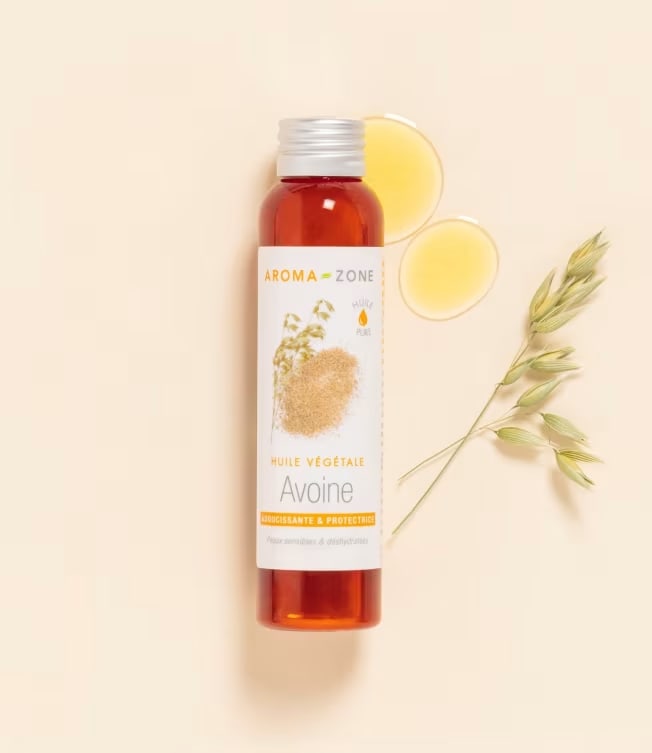
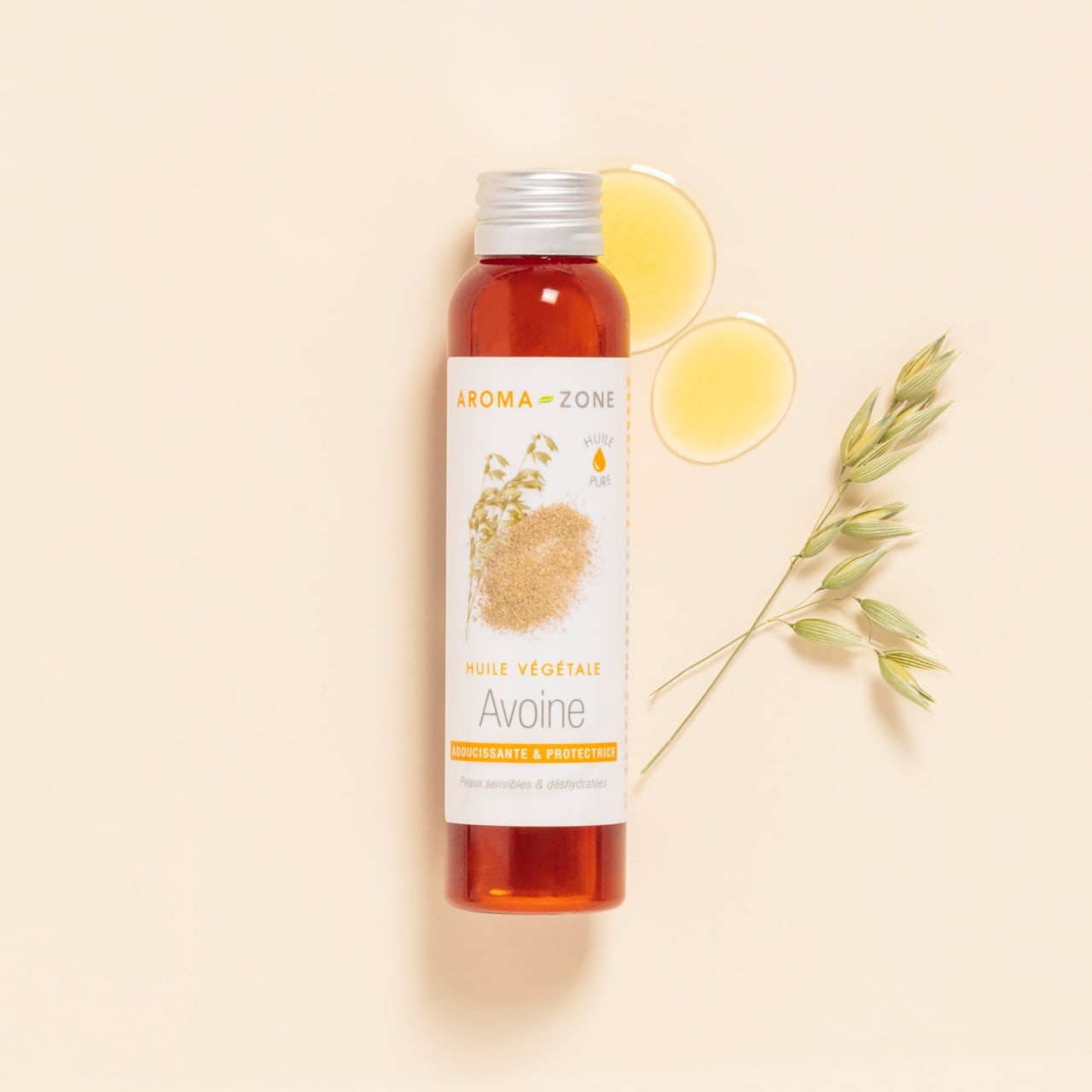
Aroma-Zone Oat vegetable oil

SOOTHING PROTECTIVE REPAIRING


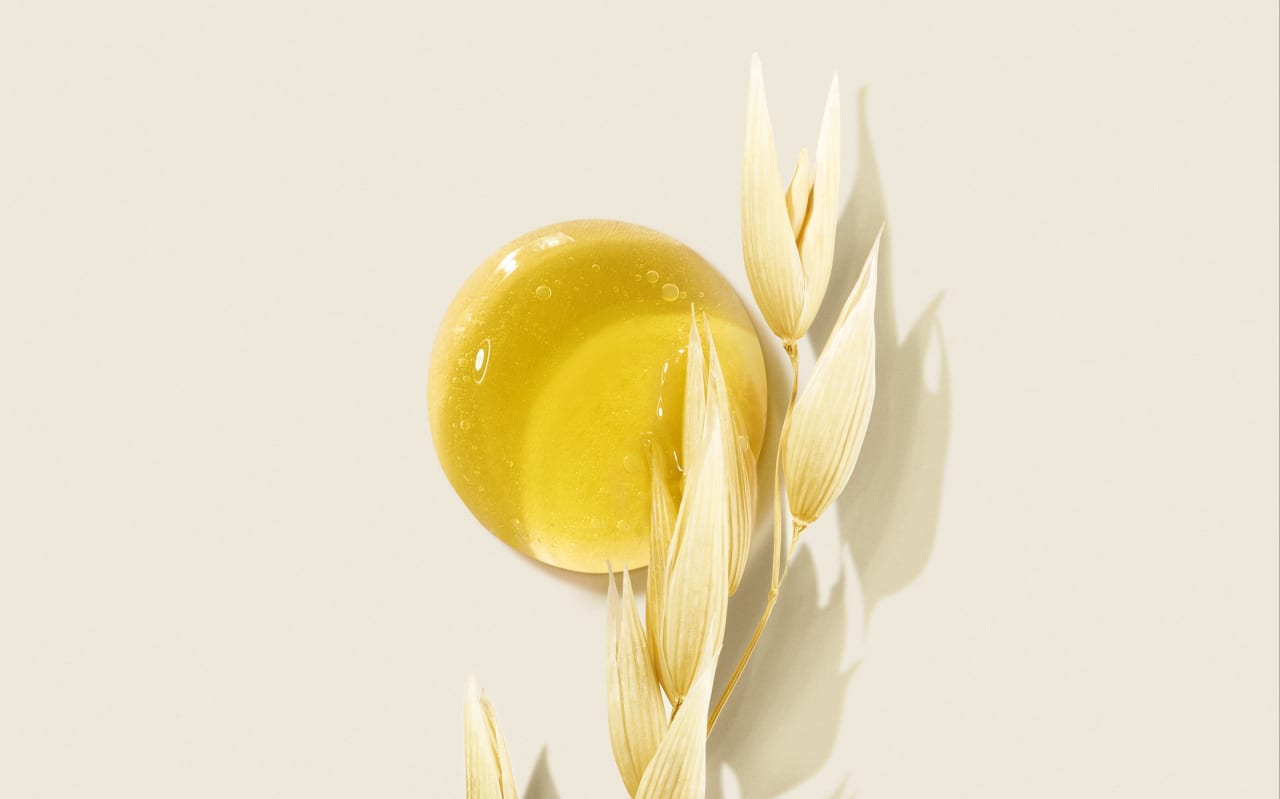
Rich in ceramides and phytosterols, this oil extracted from oat seeds is exceptionally gentle on the skin, protecting, softening, and repairing it. Nourishing and silky, without feeling greasy, it is the perfect soothing oil for sensitive and irritated skin.


Reading time: 0 min.

Aroma-Zone Oat vegetable oil profile

INCI Name : Avena sativa kernel oil

Part of the plant used : Seeds. Oat seeds contain approximately 6% oil.

VEGAN

METHOD OF EXTRACTION

Extraction with vegetable ethanol, solvent evaporation, and purification. Alcohol-free finished product.

BIOCHEMICAL COMPOSITION

  • Oleic acid : 40–46%, linoleic acid: approximately 40%, palmitic acid: approximately 15%

  • Ceramides (1-2%)

  • Other bioactive compounds : tocopherols (Vitamin E), tocotrienols, phenolic acids, flavonoids

ITS ACTIVE MOLECULES

Both nourishing and easily absorbed, oat oil leaves the skin feeling silky smooth thanks to its similar content of linoleic acid and oleic acid. Linoleic acid is polyunsaturated : it is easily absorbed by the skin and promotes its regeneration. Oleic acid, which is monounsaturated, penetrates the skin more slowly and forms a film on its surface.

Oat oil is particularly rich in phospholipids, glycolipids, ceramides, and phytosterols compared to other vegetable oils. This characteristic also helps make it easily absorbed by the skin.

Phospholipids and glycolipids are amphiphilic lipids : they have both a nonpolar end (oil-soluble) and a polar end (water-soluble). They are essential components of cell membranes, which gives them excellent affinity with the skin; they keep the skin hydrated by attracting water molecules. They also enhance the skin penetration of the active ingredients in the formula.

Phytosterols and ceramides, meanwhile, strengthen the skin barrier of the epidermis and thus limit its dehydration. Protected from environmental stressors, the skin is soothed and supple.

The vegetable oil is also rich in Vitamin E, particularly when extracted with ethanol (unlike oil extracted with hexane, which contains very little). As an antioxidant, vitamin E helps combat skin aging caused by free radicals.


Oat vegetable oil : scientifically proven efficiency

A study demonstrated the effectiveness of a cream containing Oat Oil (7.5%) used by women with dry skin. After 28 days of use, their skin was significantly more hydrated (+25% on average).

Skin tolerance

A note from Adeline Nalin, our Head Pharmacist and Toxicologist at Aroma-Zone

“Oat plant oil is renowned for its excellent skin tolerance, even on sensitive or reactive skin. Its composition, rich in biomimetic lipids (unsaturated fatty acids, phospholipids, phytosterols) and unsaponifiable fractions (ceramides, vitamin E), helps restore the skin barrier without causing irritation by replicating the lipids naturally present in the stratum corneum, thereby limiting transepidermal water loss.”

Adeline Nalin - Head Pharmacist and Toxicologist

A plant extract safe for your health

A note from our Aroma-Zone Toxicologist

“Gently extracted oat vegetable oil has an excellent toxicological profile: according to the Cosmetic Ingredient Review, all ingredients derived from Avena sativa—including the oil—are considered safe at concentrations used in cosmetics, presenting no sensitization or concerning impurities, and being particularly compatible with even the most delicate skin.”

Adeline Nalin - Head Pharmacist and Toxicologist

A note from the Phytotherapist


“Oats are one of the highest-fat grains available, which gives their oil this film-forming action on the skin that is so softening and soothing in cases of eczema. Oat baths for babies with sensitive skin are already highly beneficial; complementing them with a massage using a product containing oat oil completes this treatment to help restore the compromised hydrolipidic film. If your skin suffers from both dryness and reactive redness, in my opinion, this is one of the most soothing treatments available.”


Caroline Gayet - Phytotherapist

For which skin types ?

All skin types : dry skin, sensitive and reactive skin, dehydrated skin, mature skin.

What issues does this address ?

Dry skin, tightness and irritation, redness, dehydration, oxidative stress.

What Oat vegetable oil does for the skin

  • Provides a silky feel

  • Softens, smooths, and soothes the skin

  • Protects the skin from dehydration

  • Protects against oxidative stress

  • Promotes skin regeneration

Oat vegetable oil : an essential ingredient for the skin

Oat Oil

FAQ

What is the difference between oat oil and aqueous or colloidal oat extracts?

Oat oil and Organic Colloidal Oat Powder do not provide the same active compounds or the same benefits. Aqueous or colloidal extracts mainly contain water-soluble molecules, such as beta-glucans and certain proteins, known for their soothing effect on the skin’s surface. Oat oil, on the other hand, concentrates the seed’s fat-soluble compounds: fatty acids, ceramides, phytosterols, and vitamin E. It acts more specifically on the skin barrier, nourishing and protecting the skin.

Which active compounds are fat-soluble and actually present in the oil?

Oat oil contains only the fat-soluble compounds naturally present in the seed. It is particularly rich in essential fatty acids, especially linoleic acid and oleic acid, which help nourish the skin and enhance its comfort. It also contains ceramides and phytosterols, whose structure is similar to the lipids naturally present in the epidermis, as well as phospholipids and glycolipids, which play a role in the hydration and cohesion of the skin barrier. Finally, oat oil provides Vitamin E, in the form of tocopherols and tocotrienols, known for its antioxidant properties. All of these compounds contribute to the skin’s protection, suppleness, and comfort.

How do its fatty acids help restore the hydrolipidic film?

The high content of linoleic acid and oleic acid in Oat Oil provides a complementary effect on the hydrolipidic film. Linoleic acid, a polyunsaturated fatty acid, is easily absorbed by the skin and helps support its regeneration. Oleic acid, a monounsaturated fatty acid, penetrates more slowly and forms a protective film on the skin’s surface.

This combination helps limit water loss, strengthen the skin barrier, and improve skin suppleness.

Why is oat oil particularly recommended for skin prone to atopic conditions?

Skin prone to atopy often exhibits an impaired hydrolipidic film, leading to dryness and discomfort. Thanks to its high content of ceramides, phytosterols, and biomimetic lipids, Oat Oil helps strengthen the skin barrier and preserve skin hydration.

Its gentleness and excellent skin tolerance make it an ingredient particularly suited for fragile, sensitive, or reactive skin, in a gentle, skin-friendly cosmetic formulation.

Does Oat Oil contain gluten or detectable traces of gluten?

Gluten is a water-soluble protein fraction found in oat seeds. However, oat oil is composed exclusively of lipids. Proteins, including gluten, are not soluble in oil and are not found in properly purified vegetable oil.

Oat oil therefore contains no detectable gluten, making it suitable for cosmetic use on sensitive skin.

Spotlight on our specialist editor, Marion Alves De Oliveira

Marion is a Doctor of Pharmacy, naturopath, and life coach. After twelve years in the cosmetics industry, she now guides her clients toward holistic balance and a more mindful lifestyle, drawing on her expertise in sustainable food practices. As the creator of a podcast, she shares her insights to promote a philosophy of living that respects both health and the environment.

Bibliography

1

SKIN CARE, Skin,

An Aroma-Zone publication by La Plage

2

Banaś, K.; Harasym, J. Current Knowledge of Content and Composition of Oat Oil—Future Perspectives of Oat as Oil Source. Food Bioprocess Technol 2021, 14 (2), 232–247.

3

Chen, H.; Qiu, S.; Gan, J.; Li, Z.; Nirasawa, S.; Yin, L. New Insights into the Antioxidant Activity and Components in Crude Oat Oil and Soybean Oil. J Food Sci Technol 2016, 53 (1), 808–815.

4

Diadora, Cendana, W., Saragih, A.D., Martinus, A.R., & Ikhtiari, R. (2019).

Potential Effect of Avena Sativa Cream on Skin Hydration. Proceedings of the International Conference on Health Informatics and Medical Application Technology.