Food and Diarrhoea - What Should You Eat?

Food and Diarrhoea - What Should You Eat?


By Laura Almeras

Published on: Friday, January 26, 2024, Updated on: Friday, October 30, 2026

When you’re dealing with diarrhoea, it can be helpful to adjust your diet to manage digestive discomfort. While there is no natural cure that can stop diarrhoea immediately, certain dietary choices may help manage symptoms. We’ll tell you everything you need to know: which foods to prioritise, which to avoid, and what other tips may help relieve digestive discomfort.

Contents

Related products

What is diarrhoea? What causes it?

Diarrhoea is a intestinal condition characterised by frequent, loose, and watery stools. A person is considered to have diarrhoea when the number of bowel movements generally exceeds three per day.

There are many causes of diarrhoea. Viral infections, such as norovirus or rotavirus, as well as bacterial infections, such as salmonella or shigellosis, are among the most common triggers. In addition, pathogens such as Giardia lamblia can also cause episodes of diarrhoea.

In addition to infections, diarrhoea can result from taking certain medications, such as antibiotics, which disrupt the natural balance of the gut flora. Food intolerances, particularly lactose intolerance, can also cause digestive disorders, which trigger episodes of diarrhoea.

Stress and anxiety can affect the functioning of the digestive system, causing gastrointestinal disorders, including diarrhoea. Finally, underlying medical conditions such as inflammatory bowel disease (IBD), coeliac disease, or irritable bowel syndrome can cause recurrent diarrhoea.

What Foods Should You Avoid if You Have Diarrhoea?

When you’re experiencing an episode of diarrhoea, it’s essential to adjust your diet. Certain foods that are too fatty, too acidic, or too sweet can disrupt the intestinal balance and make stools even looser. Here are the food groups to eliminate from your diet if you have diarrhoea: 

Dairy Products High in Lactose:

Dairy products, especially cow’s milk, are high in lactose, a sugar that can be difficult to digest during gastrointestinal issues. Avoid cow’s milk, sweetened yoghurts, dessert creams, and soft cheeses, which are high in lactose. Instead, opt for lactose-free alternatives or dairy products that are easier to digest, such as probiotic-rich yoghurt.

Spicy and Hot Foods:

Since diarrhoea results from irritation of the gastrointestinal tract, you shouldn’t further irritate it with overly spicy or hot foods. Avoid hot sauces, chili peppers, and overly strong condiments that could intensify symptoms. If you want to add flavour, opt for milder seasonings, such as mild curry instead of hot curry.  

Fruits and Fruit Juices That Are Too Acidic

Acidic fruits such as citrus fruits (lemons, oranges, grapefruit) and fresh juices may be irritating to the gastrointestinal lining. Limit your intake of these fruits while you recover and opt for milder options such as bananas and cooked apples, which may be easier to digest.

Cruciferous Vegetables:

Certain cruciferous vegetables such as cabbage, broccoli, and Brussels sprouts can cause gas during digestion and thus worsen diarrhoea. Skip the broccoli and rocket and opt for cooked vegetables instead. Milder options like cooked carrots are ideal for avoiding aggravating symptoms. 

Caffeine and Carbonated Drinks:

Caffeine can have a stimulating effect on the digestive system, which can worsen diarrhoea. Avoid coffee, strong tea, and carbonated drinks that contain caffeine, opting instead for milder beverages like herbal tea. Also, don’t forget to stay well-hydrated to help the diarrhoea pass more quickly. 

What Foods Should You Eat to Stop Diarrhoea?

The main goal in managing diarrhoea is to make stools firmer and more solid. Therefore, avoid foods that make them runny and opt for foods that add bulk. Here is a selection of the best foods to eat when you have diarrhoea:

White Rice

Rice, particularly white rice, is a staple food and can be a suitable option when experiencing diarrhoea. It is easy to digest and may help make stools firmer, making it a practical choice during an episode of diarrhoea.

Bananas

Bananas are an excellent source of potassium and soluble fibre, making them a smart choice for stopping diarrhoea. They help thicken stools while providing essential nutrients that we tend to lose when we have diarrhoea. 

Applesauce

Applesauce, especially those with no added sugar, is gentle on the digestive system and can help relieve diarrhoea. Baked apples are also a good, well-tolerated option if you want to continue eating fruit.

Cooked Carrots

Cooked carrots are a source of gentle fibre that can help stabilise bowel movements. However, we recommend choosing well-cooked carrots over raw ones to aid digestion.

Skinless Chicken Breast

Cooked, skinless chicken is a source of lean protein that is easily digested. It offers a nutritious option to settle the stomach when dealing with diarrhoea.

Refined Starchy Foods

While they aren’t usually very healthy if consumed in excessive amounts, in cases of diarrhoea, they can be a lifesaver. White bread, pasta, semolina, and anything made with T45 flour can help reduce the frequency of bowel movements. However, avoid their wholegrain versions, as they are too high in fibre. 

What Should You Drink When You Have Diarrhoea?

Diarrhoea causes varying degrees of fluid loss, so it’s essential to drink plenty of fluids, even more than usual. You’ll need at least 1.5 litres of water per day to prevent dehydration, and opt for water rich in magnesium. 

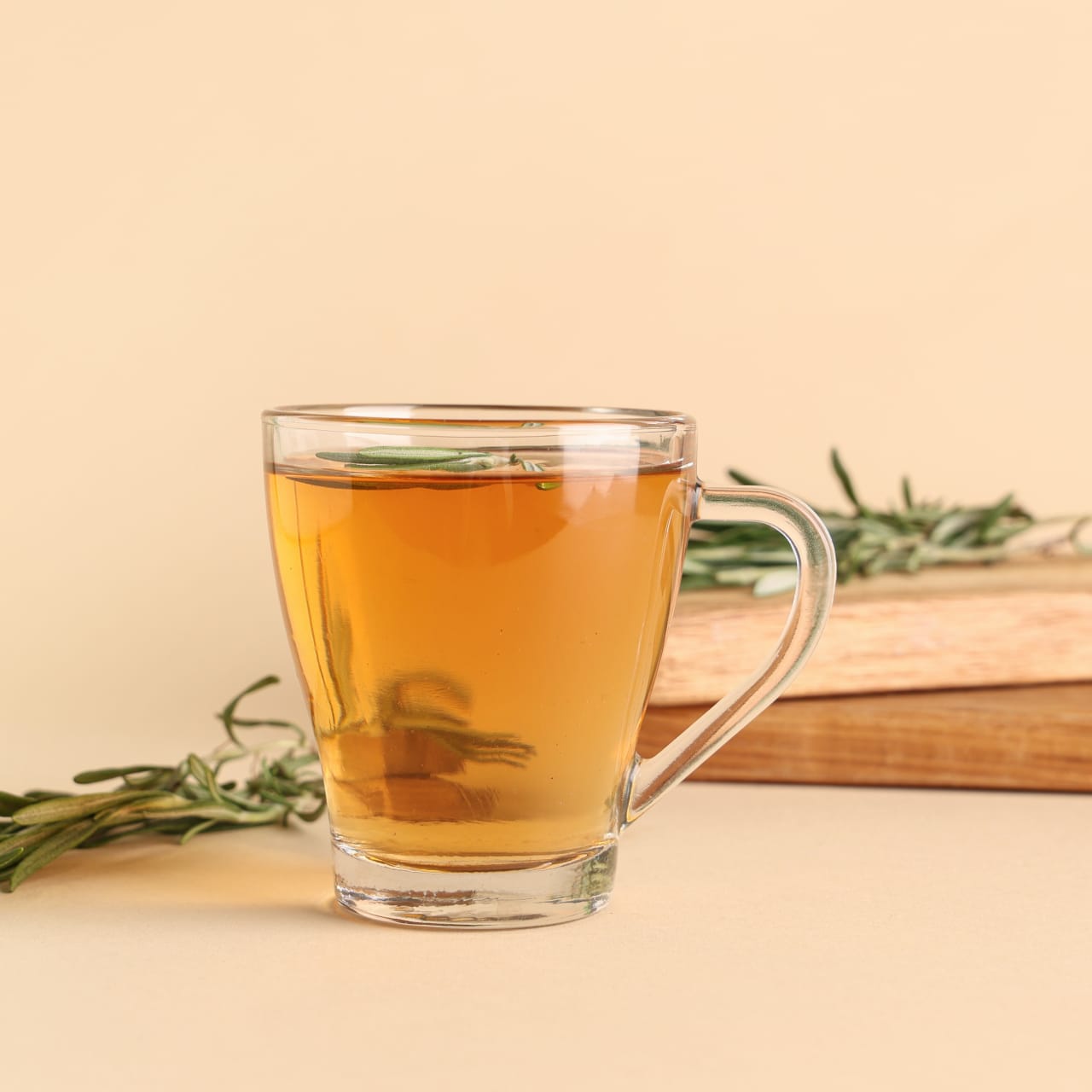
For a change from plain water, you can prepare herbal teas made from plant. Depending on your symptoms, you can choose the plant that suits you best. Ideally, thyme, peppermint, or rosemary can relieve digestive discomfort.

What Should You Eat for Breakfast If You Have Diarrhoea?

Breakfast is a key meal for maintaining good health, especially when you have diarrhoea. 

  1. Light Cereals: Choose cereals that are low in sugar and high in fibre. Oatmeal is an excellent option because it’s easy to digest and helps thicken stools.

  2. Lactose-free or probiotic-rich yogurt: Lactose-free yoghurt or yoghurt enriched with probiotics will support your gut health. They provide beneficial probiotics to restore the balance of your gut flora.

  3. Bananas: Bananas are gentle on the digestive system, rich in potassium, and help thicken stools.

  4. Applesauce: Unsweetened applesauce is gentle on the stomach and can help relieve diarrhoea.

  5. Chamomile tea or peppermint tea: Opt for mild herbal teas, such as chamomile or peppermint, which you’ll appreciate for their soothing properties.

  6. Plain water: Stay well-hydrated by drinking plain water throughout breakfast, and continue doing so throughout the day.

Unfortunately, freshly squeezed orange juice is off the menu, as it is too acidic and too irritating for the intestinal lining. 

What to Eat After a Stomach Bug?

After a case of gastroenteritis or a bout of diarrhoea, you can continue the diet you followed throughout your illness. Don’t hesitate to increase your intake of probiotic-rich foods to restore your gut health. 

After diarrhoea, the number of good bacteria in your stomach has been reduced, so you need to help them multiply again. The same goes for nutrients that were lost in your stool; you need to restore your electrolyte balance. To do this, feel free to drink, for example, a good chicken broth to replenish your electrolytes. However, be careful not to choose one that’s too fatty. 

Be careful with rice, even though you should continue to eat it to help firm up your stools, too much rice could have the opposite effect and cause constipation in some people.

How Can You Relieve and Stop Diarrhoea Quickly? Our Natural Tips

Diarrhoea can be uncomfortable, but certain natural remedies can help relieve symptoms and promote a quick recovery. Here are some natural tips to stop diarrhoea:

  • Proper Rehydration: Dehydration is a major risk during diarrhoea. Make sure to drink plenty of plain water to compensate for fluid loss. Rehydration drinks, rich in electrolytes, can also be beneficial for restoring fluid balance

  • Herbal teas: Herbal teas such as peppermint, chamomile, or ginger can help soothe the digestive system. Drink these mild teas throughout the day for a calming effect

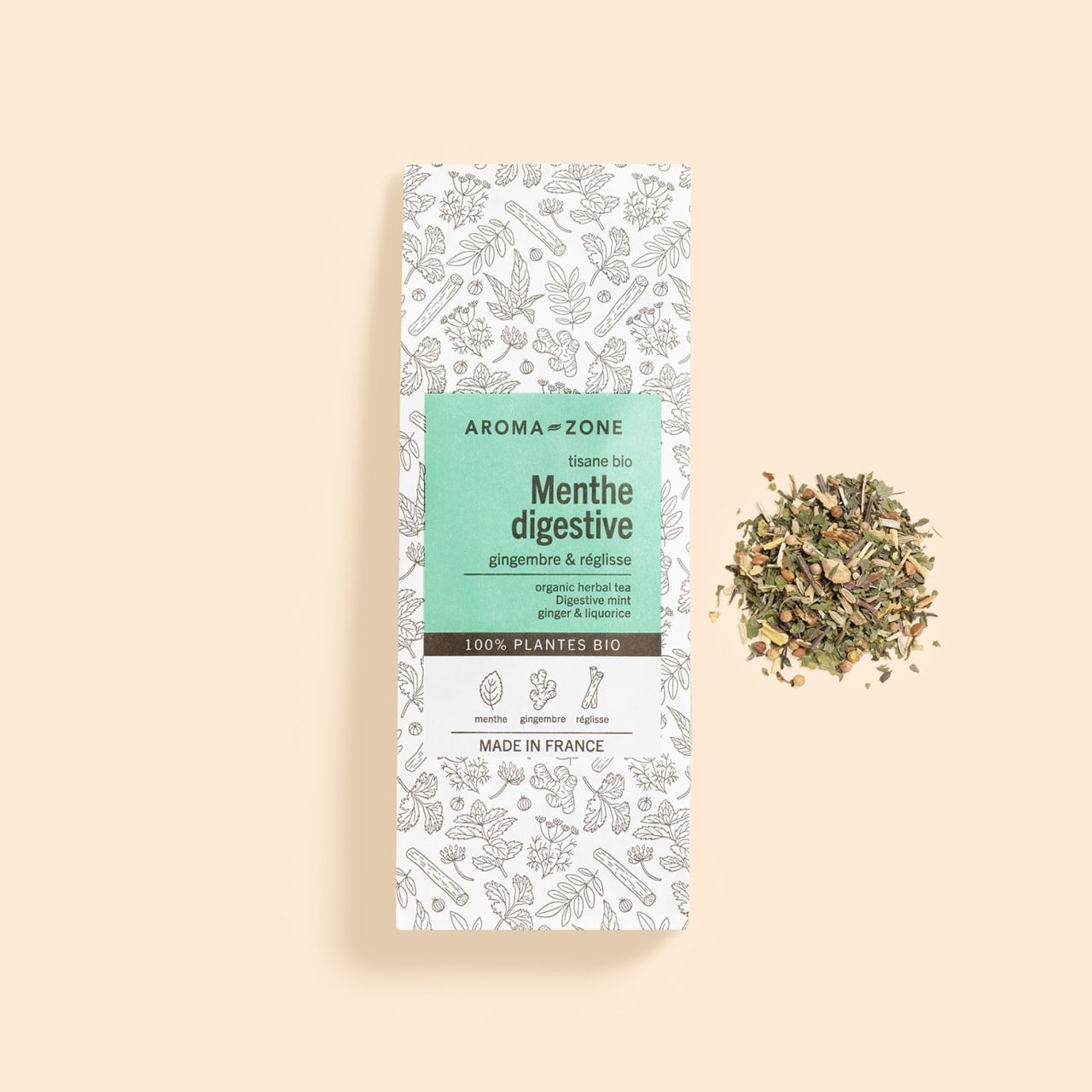
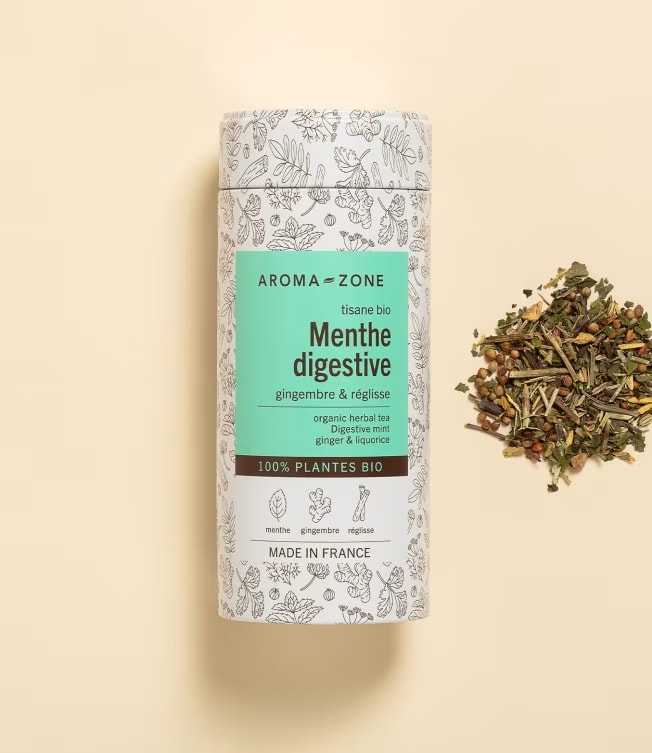
Spotlight on Organic Digestive Mint Herbal Tea

Deliciously fresh, perfectly minty, and slightly spicy, the Organic Digestive Mint Herbal Tea is particularly pleasant after a meal. Its unique blend combines seven herbs known to aid digestion and promote well-being after meals. A deliciously effective tea to soothe digestive discomfort. Caffeine-free, it can be enjoyed at any time of day.

Discover the Organic Digestive Mint Herbal Tea
  • Rest: Rest is crucial to allow the body to recover. Give your digestive system the time it needs to get back on its feet and avoid strenuous activities

  • Taking activated charcoal: Activated charcoal can help absorb toxins in the digestive system, thereby helping to relieve diarrhoea. Consult a healthcare professional before taking activated charcoal, as it may interact with other medications

Certified organic, this plant-based activated charcoal in capsules is sourced from sustainably managed French chestnut forests and activated using steam without any chemical agents. Thanks to its highly developed ultra-microporosity and high adsorption surface area, this activated chestnut charcoal is particularly effective at absorbing intestinal gas. A ally for digestive comfort and renowned for its detoxifying properties, this 100% French plant-based activated charcoal is used as a natural dietary supplement to reduce bloating and gas after meals. Ideal for helping you get a flat stomach!

  • Taking Probiotics: Probiotic supplements or fermented foods rich in probiotics, such as yoghurt, can promote the growth of good bacteria in the gut, thereby restoring the balance of the gut flora.

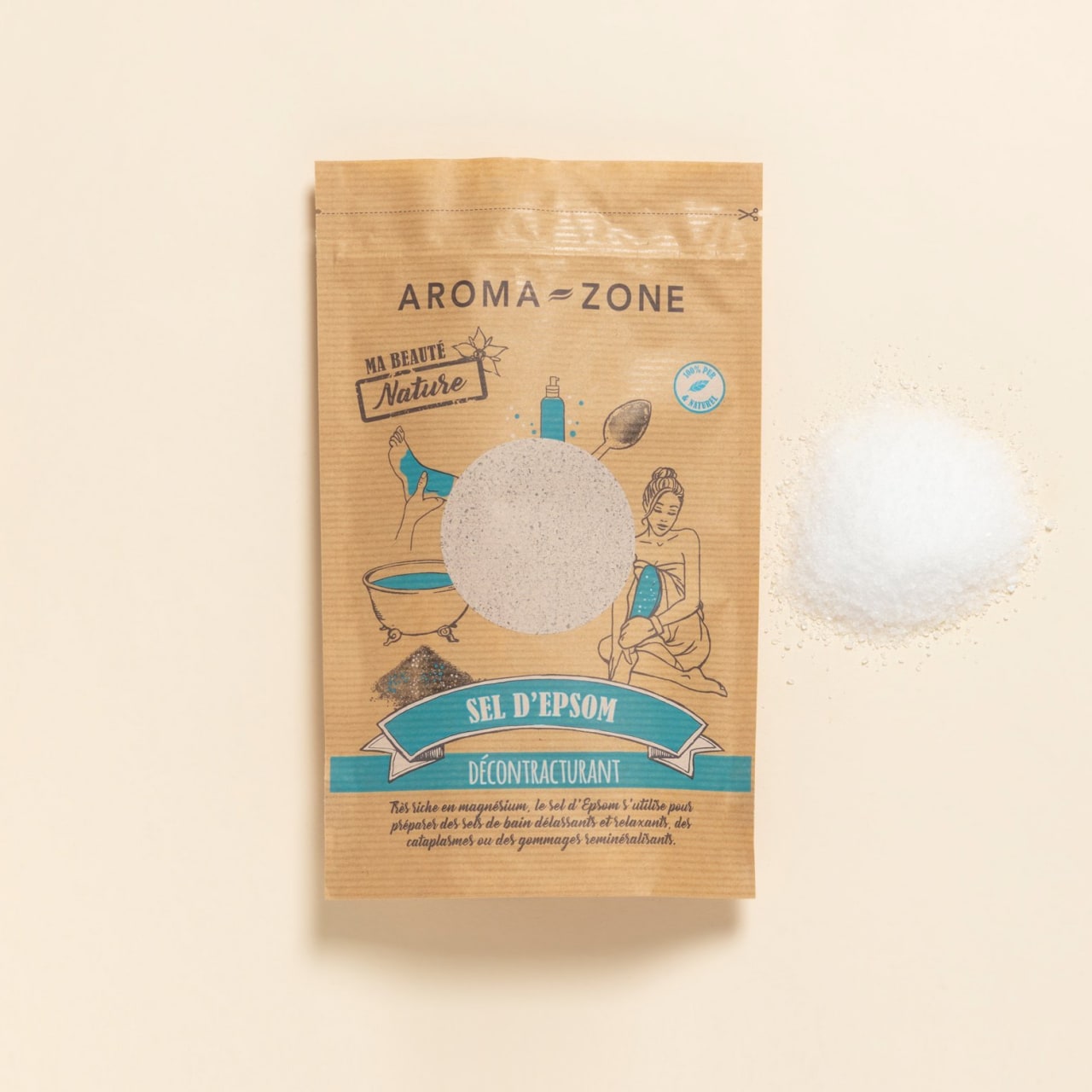
  • Taking an Epsom Salt Bath: A bath with Epsom salt can help relieve abdominal cramps and relax muscles. Be sure to stay hydrated while bathing.

  • Using Essential Oils: Certain essential oils are known for their antispasmodic and anti-inflammatory properties. Peppermint essential oil can help soothe abdominal cramps and regulate digestion. Dilute 1 to 2 drops in a neutral carrier oil and apply this mixture in a circular massage motion to the abdomen. Exotic basil essential oil is also known for its digestive benefits and can be used in a similar way. Remember to always follow the recommended dosages and consult a healthcare professional before use.

What Should You Do if You Have Chronic or Persistent Diarrhoea?

If your diarrhoea persists, we recommend that you see a doctor immediately. Persistent diarrhoea can lead to dehydration and electrolyte imbalance. Your doctor may prescribe dietary supplements and recommend rest to help you recover from prolonged diarrhoea. 

If the diarrhoea is persistent, your doctor may order blood and stool tests to identify the underlying causes and prevent the diarrhoea from becoming chronic. You may need to adjust your diet and lifestyle habits. 

Spotlight on Our Wellness Editor, Laura Almeras

The_Luuxx_Photographer_-_Pro_Shoot_Laura-15.jpg

Laura is a health, beauty, and lifestyle writer. Passionate about travel and gastronomy, she shares all her nutrition tips for combining pleasure with well-being. Through her articles, she is committed to providing you with meaningful information and practical advice to nourish your body and mind.

Bibliography

  1. https://www.livi.fr/en-bonne-sante/que-manger-en-cas-de-diarrhee/

Associated tips