Feet that swell in the heat: What are the natural remedies?

Feet that swell in the heat: What are the natural remedies?


By Amandine Granger

Published on: Tuesday, June 11, 2024, Updated on: Wednesday, September 30, 2026

When temperatures rise, some people find that their feet or ankles swell as the day goes on. This phenomenon is most often due to oedema, that is, a build-up of fluid in the tissues. Heat can contribute to this, particularly after standing for long periods, a long journey, or in people with pre-existing vein problems. In many cases, this is a temporary discomfort. That said, swelling of the feet should not always be dismissed lightly, as certain situations require medical advice.

Contents

Related products

Why do feet swell in the heat?

When it is hot, blood vessels dilate to help the body dissipate heat. This vasodilation – in other words, the widening of the blood vessels – can partially slow down the return of blood to the upper body. Some of the fluid contained in the small blood vessels then passes more easily into the surrounding tissues. Under the influence of gravity, this fluid tends to accumulate in lower areas, particularly the feet and ankles.

This mechanism is often more pronounced when you've been standing or sitting for long periods, especially towards the end of the day. Heat-related swelling is therefore frequently a form of positional oedema, i.e. swelling caused by posture and gravity. Heat then acts as a triggering or aggravating factor. It does not, on its own, account for all cases of swollen feet.

What are the most common causes of swollen feet?

Heat

In summer, a rise in the outside temperature is sometimes enough to cause slight swelling of the feet and ankles. For some people, this swelling is barely noticeable. For others, it becomes clearly visible as soon as the weather turns hot or after spending a few hours outdoors. Heat is therefore the most immediate cause, or at least the factor that makes the problem more noticeable.

Prolonged standing or sitting

Remaining stationary for long periods also contributes to swelling. The calf muscles normally act as a pump to help venous blood flow back up. When this muscular pump is not working effectively, fluid is more likely to pool in the lower limbs. This is a common occurrence after a long day on one’s feet, a car journey or a flight.

Venous insufficiency

Some people have less efficient venous return. This is known as venous insufficiency, meaning that the veins have difficulty properly returning blood to the heart. Heat can exacerbate this condition and increase the sensation of heavy legs, as well as swelling in the feet and ankles. In this case, heat is not the sole cause. It reveals or exacerbates an underlying circulatory weakness.

Pregnancy

During pregnancy, swelling of the feet and ankles is common, especially later in pregnancy and towards the end of the day. This is caused by an increase in blood volume, hormonal changes and pressure on the venous return. Heat can exacerbate this discomfort. When the swelling is gradual and moderate, it is often nothing to worry about. However, a sudden or marked increase requires closer attention.

Certain medicines

Several medicines can contribute to oedema of the feet or ankles. The NHS specifically mentions certain antihypertensive treatments, contraceptives, hormone treatments, certain antidepressants and corticosteroids. In this situation, heat can make the swelling more noticeable, without necessarily being the main cause.

Lymphoedema

Lymphoedema is an accumulation of fluid linked to an abnormality in the lymphatic system, that is, the network responsible for draining fluids from the body. The swelling is therefore often more persistent, sometimes more asymmetrical, and is not merely a case of summer discomfort. This condition requires specific treatment.

Certain medical conditions

Swollen feet may also be associated with heart, kidney or liver disease, thyroid disorders or other systemic conditions. In these cases, heat may exacerbate the symptom, but is not the underlying cause. This is why persistent or unusual swelling, or swelling in conjunction with other symptoms must be assessed with due care.

How do you recognise oedema of the feet and ankles?

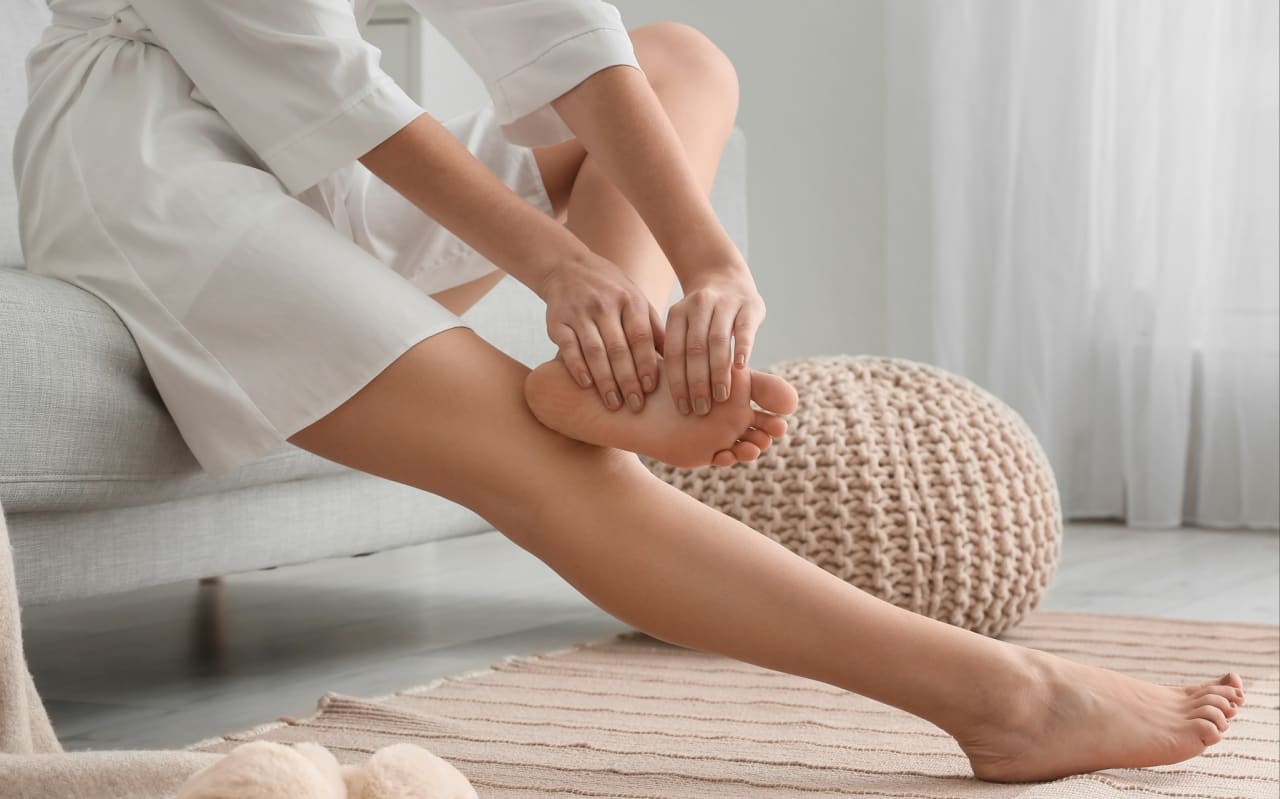
  • Visible swelling: the feet, ankles, and sometimes the top of the foot or the toes appear larger than usual, especially at the end of the day

  • Feeling of heaviness: the feet feel heavier, less comfortable, and sometimes tire more easily when walking

  • Taut skin: the skin may appear tighter, smoother, and sometimes slightly shiny when fluid accumulates in the tissues

  • Markings from shoes or socks: straps, seams or elastic bands are more likely to leave marks on the skin

  • Discomfort in shoes: shoes that are usually comfortable may feel tighter, especially in the evening or on hot days

  • Discomfort or mild pain: swelling may be accompanied by a general feeling of discomfort caused by tissue tension, without severe pain.

What natural remedies are available to relieve swollen feet?

When feet swell in the heat, the first realistic aim is to restore comfort. With this in mind, treatments applied directly to the feet and ankles have their place. They do not address the underlying medical cause of oedema, but can help provide a sensation of coolness, relaxation and lightness, which is often much appreciated at the end of the day. 

Start by applying cooling treatments directly to the feet

When seeking relief for hot or tense feet, cooling solutions are often the option you reach for first.

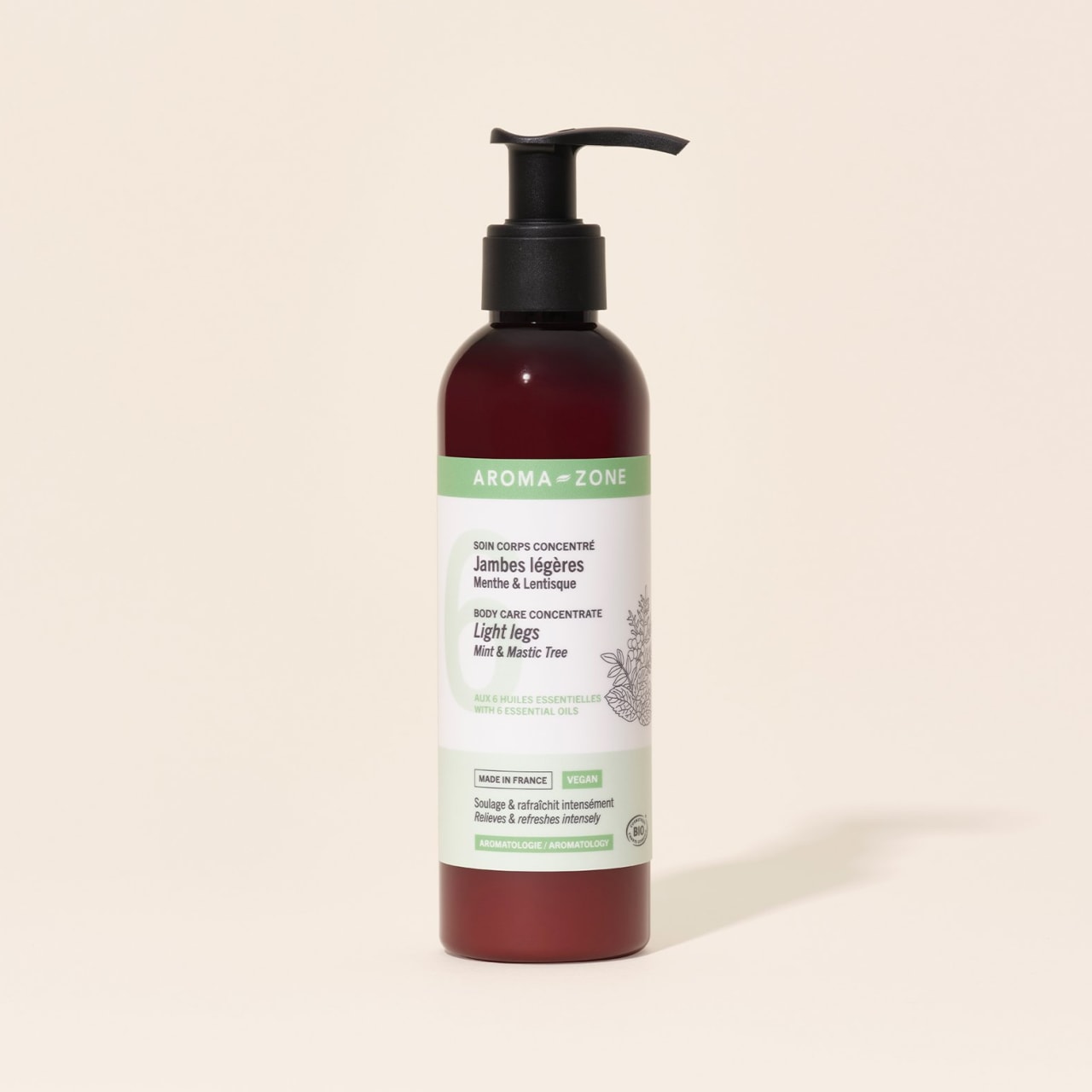
The ‘Light Legs’ Care Gel has been specially formulated to relieve swollen legs, ankles and feet. It combines the properties of mastic, Provençal cypress and peppermint. This plant synergy gives the gel toning, refreshing and decongestant properties. Its creamy, melt-in texture, rich in aloe vera, absorbs very easily without leaving a greasy film on the skin. Applied with a massage, it soothes and relieves tired, heavy legs, leaving the skin feeling fresh and soft.

Directions for use: Massage this creamy gel into the skin until fully absorbed, focusing on the affected areas, starting from the ends of the limbs and working upwards towards the heart. Apply it in the morning after a cool, invigorating shower and in the evening to refresh and soothe your legs.

Discover our Light Legs Care Gel

Storage and precautions: The recommended use-by date for this product is 18 months. Store away from heat and light. Do not use on children, pregnant women or breastfeeding women. Do not use on irritated or broken skin, or on mucous membranes.

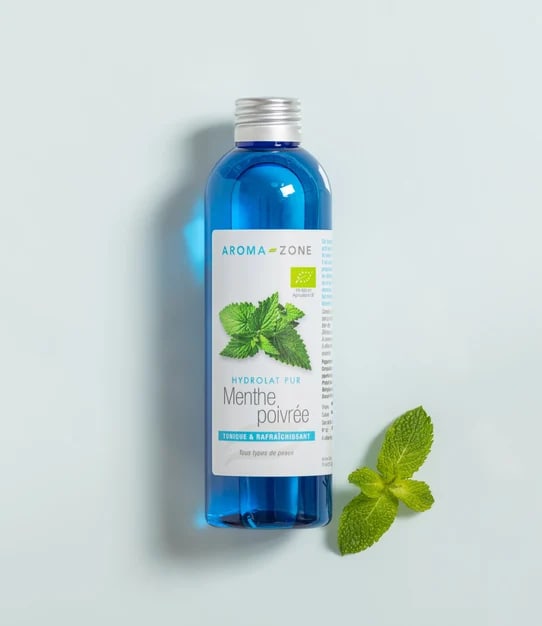
Organic Peppermint Hydrosol can be incorporated into this type of routine as a quick refreshing treatment for the feet and ankles. It has a cooling and soothing effect on the skin, especially when the feet feel heavy after a hot day.

Directions for use: Use as an ingredient in your homemade preparations to mist onto your face and neck after cleansing. Then apply your moisturiser or skincare oil immediately to damp skin. When incorporated into the aqueous phase of your homemade cosmetic formulations, it is ideal for creating a invigorating morning shower gel or a refreshing cooling gel for ‘light legs’ and ‘refreshed feet’. 

Discover Organic Peppermint Hydrosol

Storage and precautions : Hydrosols are sensitive to contamination. As our Aroma-Zone hydrosols are fresh, pure products containing no preservatives, we strongly advise you to store them in the fridge and use them within 6 months of opening. When using them, always ensure your hands are clean and that you disinfect all utensils and containers that come into contact with the hydrosols when making your own homemade cosmetics. If you notice any change in appearance or smell, stop using your hydrosol.

Add a relaxing massage to prolong the feeling of lightness

Beyond the chosen treatment, the technique itself is also important. At the end of the day, a gentle massage of the feet, ankles and then calves can help to relax the area and enhance the feeling of comfort. In this context, it's best thought of as a ‘wellness massage’ or a ‘comfort massage’.

The term ‘drainage’ does indeed require further clarification, as in medicine, manual lymphatic drainage refers to a specific technique, used in particular for lymphoedema. In cases of confirmed or suspected lymphoedema, treatment should therefore not consist of a simple home massage, but should be carried out in a specialist setting.

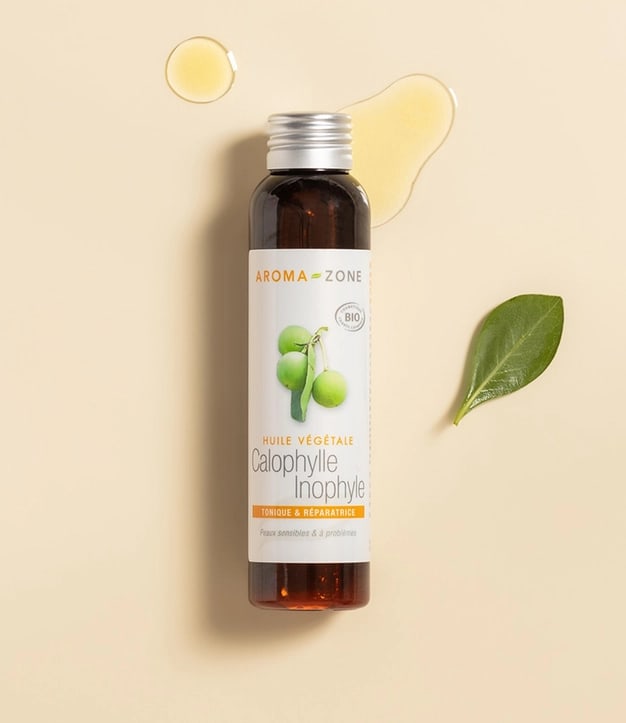
Calophylle Inophyle Organic Vegetable Oil

Organic Calophylle inophyle vegetable oil is a 100% pure and natural cosmetic oil obtained by cold pressing. It is often used as a massage oil to relieve heavy legs, thanks to its reputation for improving circulation. Its texture makes it a valuable ingredient in body care routines aimed at skin comfort and wellness massages.

Use : Use as an ingredient in your formulations (creams, lotions and gels for light legs, in combination with suitable essential oils). 

Storage: A stable vegetable oil. Store in a dry place, away from heat and light.

Discover Organic Calophyllum inophyllum Oil

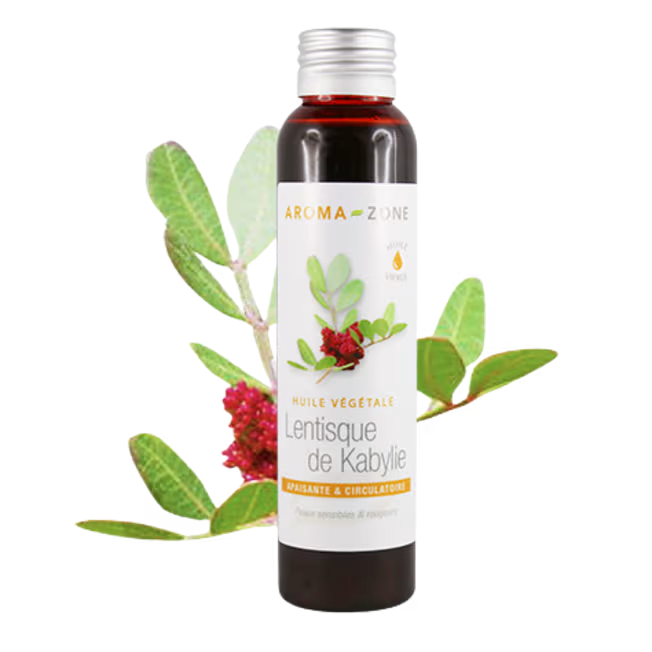
Kabylie mastic tree vegetable oil is a rare oil, obtained by cold-pressing the berries of the pistachio mastic tree. It is particularly valued in treatments for light legs. Its toning properties also make it a valuable ingredient for relaxing massages. 

Usage : Pistachio mastic plant oil can be used as an ingredient in your formulations to create ‘light legs’ oils, soothing creams, circulation-boosting body lotions or massage oils. 

Discover Kabylie Lentisk Oil

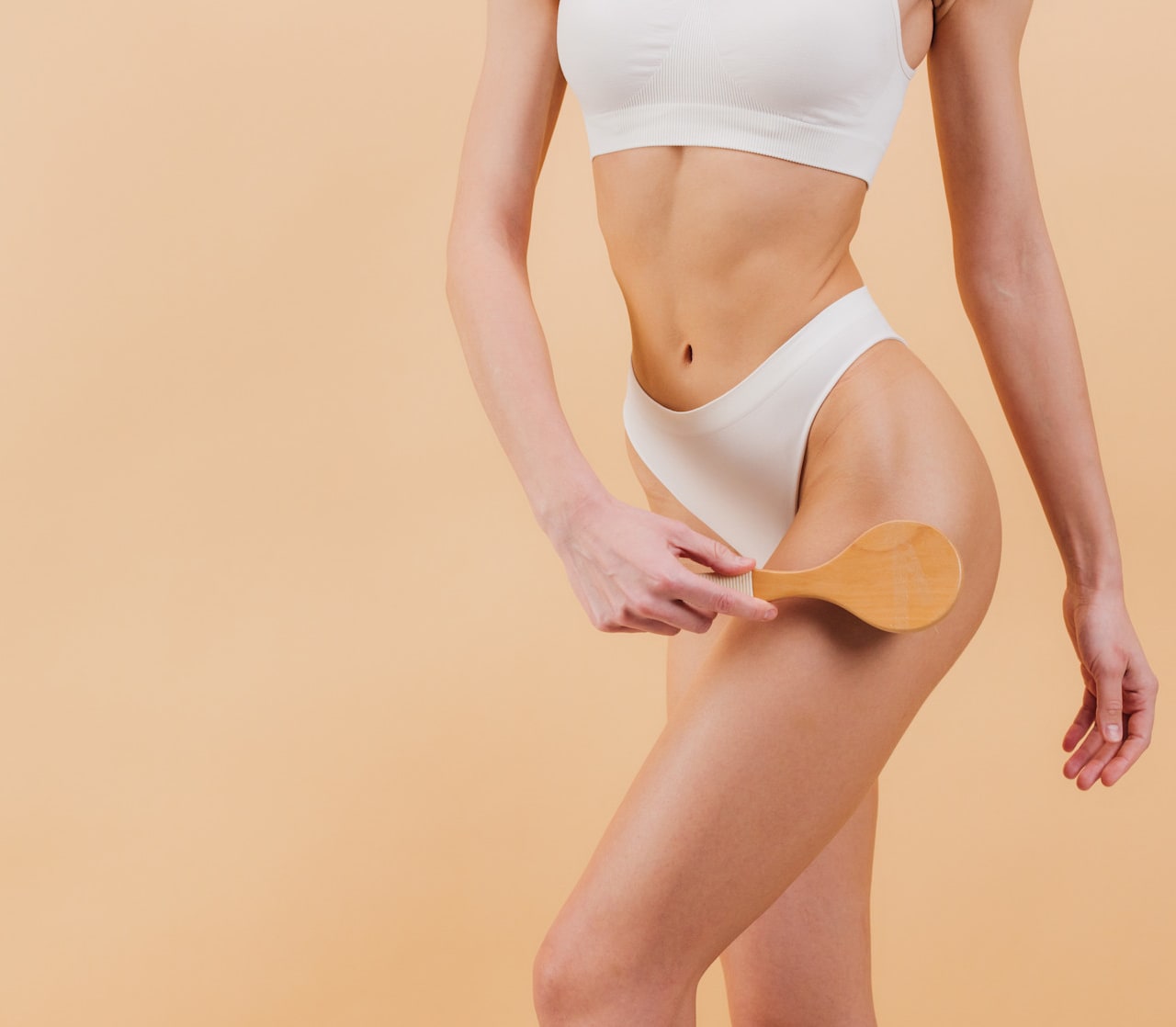
Try dry brushing

Lymphatic_drainage_brush

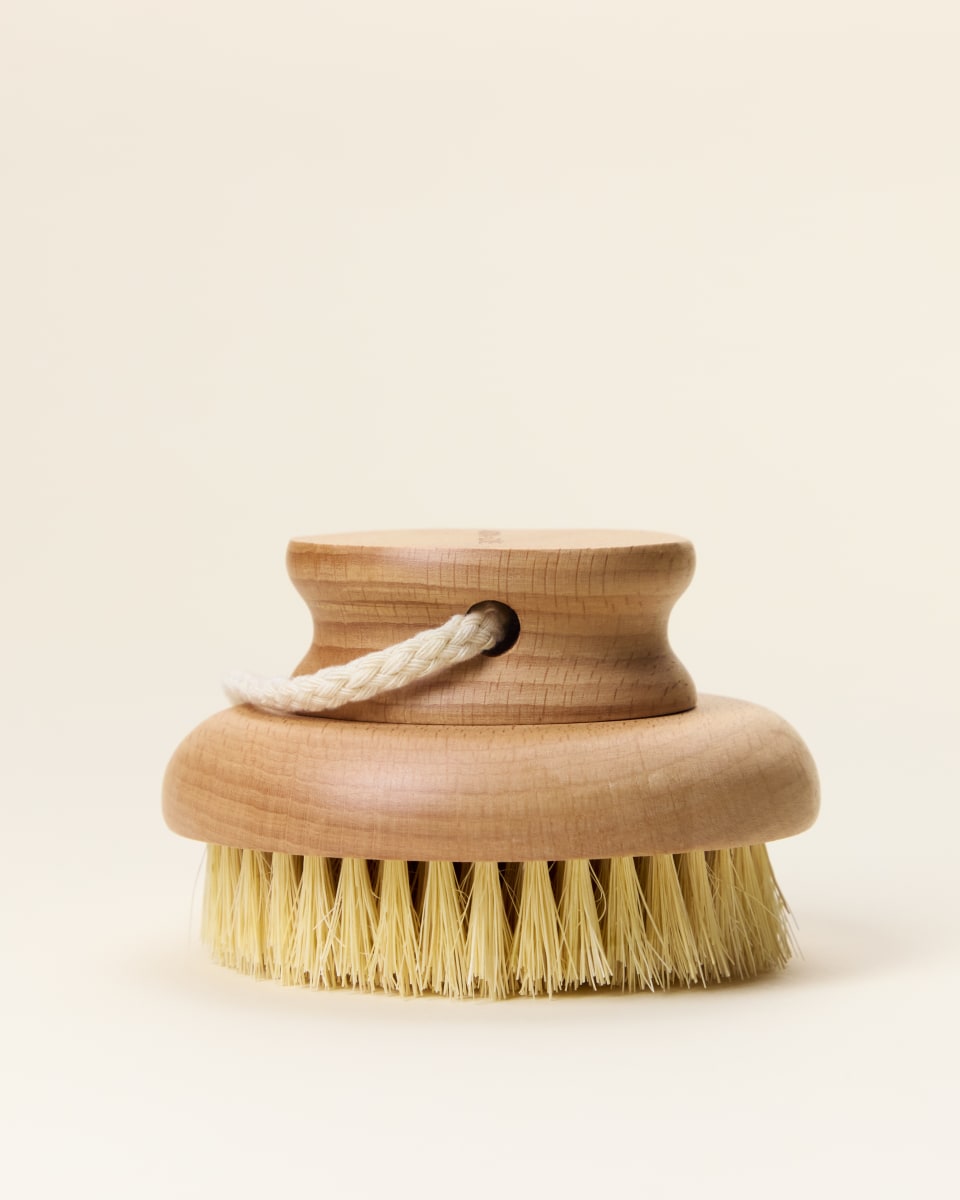
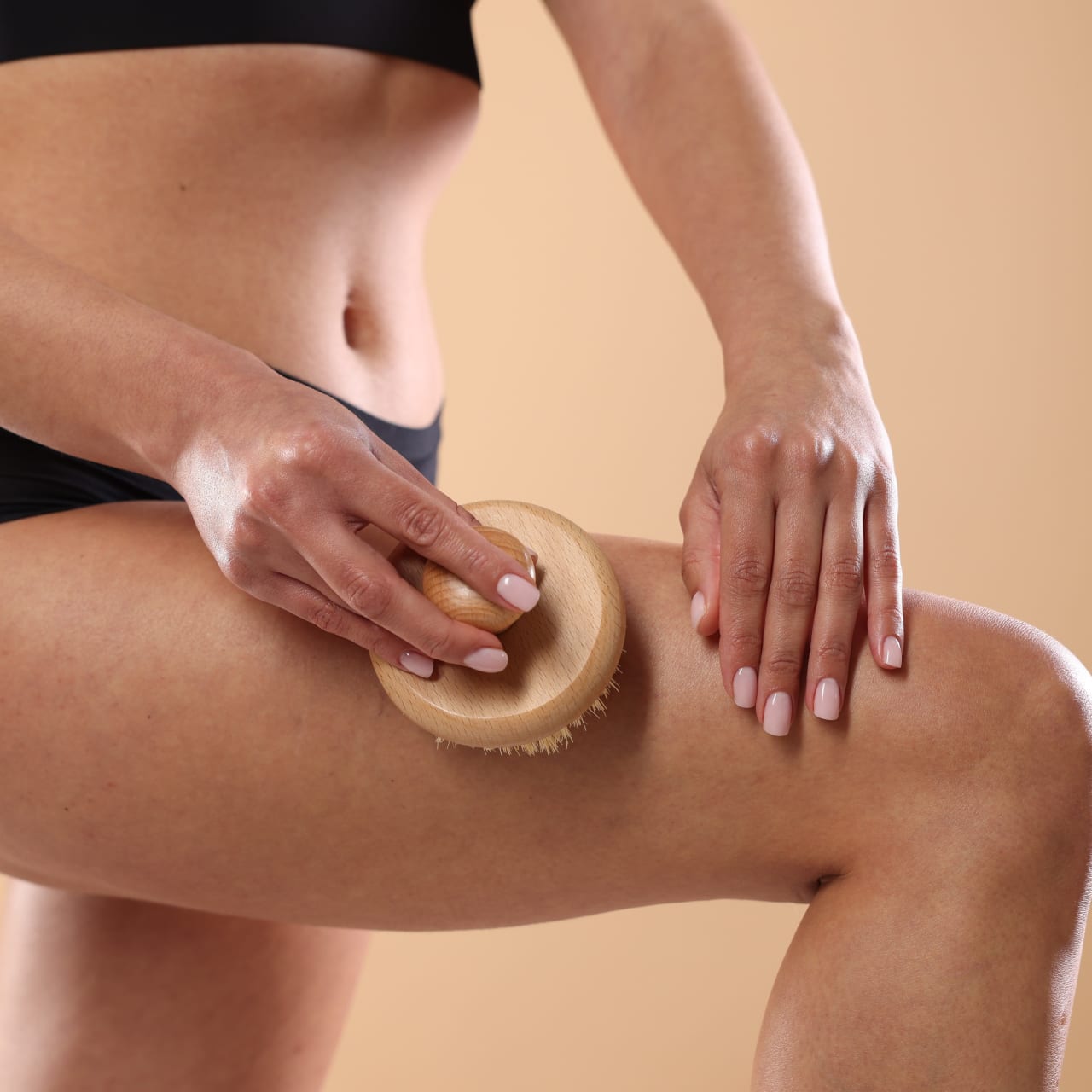
Although still relatively unknown, dry brushing offers numerous benefits. It helps reduce cellulite, stimulate lymphatic circulation and combat water retention, whilst improving the appearance of the skin. Using a lymphatic drainage brush, make circular movements from the lower body upwards. To find out more, take a look at our article which explains everything about dry brushing.

Cleaning and maintenance of the brush: To maintain the effectiveness and hygiene of your brush, rinse it regularly with lukewarm clean water to remove dead skin cells. Then leave it to air dry, ideally hung up by its cord.

Discover the lymphatic drainage brush

Use: The aim of dry brushing is to stimulate lymph flow towards the lymph nodes located specifically in the armpits, on the upper torso and in the groin. These nodes filter and eliminate toxins from the body. On dry skin, using a dry brush, follow a daily 5- to 10-minute body routine for a day of wellbeing. Always massage towards the heart, from bottom to top: from the feet up to the top of the legs, and from the fingers up to the shoulders. On the stomach, use small circular movements around the navel in a clockwise direction. Your skin will immediately feel smoother and softer. Use light strokes to avoid irritating the skin. Once you’ve finished brushing, it’s time to take a lukewarm or even cool shower, then massage your body with a nourishing oil that absorbs perfectly, leaving your skin soft, silky and toned!

Making yourself a herbal tea

Certain plants are known to improve venous circulation. 

Organic Ginkgo biloba powder

Organic Ginkgo biloba powder

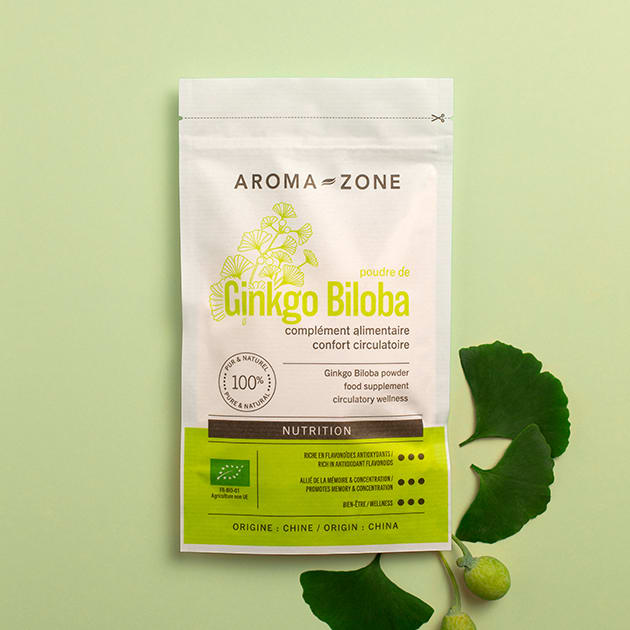
Organic Ginkgo biloba powder is a superfood designed to support healthy circulation. It is rich in flavonoids with antioxidant properties, and recommended for its benefits in ‘light legs’ routines, whilst also being associated with supporting memory and concentration. Its powdered form makes it easy to use in a herbal tea, in a drink or in capsules. 

Directions for use : Take half a level teaspoon (500 to 750 mg) per day in a herbal tea, a glass of water, a fruit or vegetable juice, or sprinkled over your meals.

Discover organic Ginkgo biloba powder

Storage and precautions: Store away from light, heat and moisture, in the tightly sealed sachet. Keep out of reach of children. Not a substitute for a varied and balanced diet and a healthy lifestyle. Do not exceed the recommended daily dose. For adults only. Do not use during pregnancy or whilst breastfeeding. Consult your doctor if you are taking anticoagulants or antidepressants at the same time.

How can you prevent your feet from swelling in the heat?

Prevent your feet from swelling in the heat

To prevent your feet from swelling in the heat, you can incorporate some helpful habits into your daily routine:

  1. Drink at least 1.5 litres of water a day: This may seem counterintuitive when you’re retaining fluid. But on the contrary, your body needs an adequate daily intake of water to flush out the system and eliminate excess sodium.

  2. Adjust your diet: Swap salt for spices when seasoning your meals. Avoid processed, ultra-processed foods that are often too salty, such as crisps, sauces and cured meats. Prioritise fruit and vegetables as much as possible for their high antioxidant content.

  3. Take up a gentle form of exercise: Get regular exercise to stimulate your blood circulation. Swimming is ideal, as it massages your legs and encourages a feeling of relaxation throughout your body.

  4. Finish your shower with a splash of cold water: Before stepping out of the shower, splash your legs and feet with cold water for 1 to 2 minutes. If you’re not too sensitive to the cold, you can also enjoy the many benefits of a cold shower.

  5. Sleep with your feet elevated: Place a cushion under the mattress at the foot-end, or raise the foot of your bed slightly. The incline will help improve venous return throughout the night.

Preventative measures

Benefits

Recommended frequency

Adequate hydration

Helps eliminate toxins

1.5–2 litres of water per day

Regular physical activity

Stimulates blood circulation

30 minutes, 5 times a week

Elevating the legs

Facilitates venous return

15–20 minutes, 3 times a day

Precautions for use

Feet that swell in the heat are often a harmless nuisance, but not always. Swelling that mainly affects a single foot or leg, or swelling that is painful, red, warm, highly inflamed or accompanied by a fever, requires prompt medical advice. The same precaution is advised if the swelling persists for several days, recurs frequently, or is accompanied by shortness of breath, chest pain or unusual tiredness. Heat can exacerbate oedema, but it does not explain everything.

Expert advice

If you tend to experience swelling in your feet in the heat, the natural solutions and remedies suggested in this article will help to relieve the symptoms. However, to resolve this problem permanently, it is necessary to identify the exact cause of this tendency. Naturopathic support can help with this. Based on a comprehensive analysis of your medical history and lifestyle habits, a naturopath can offer you a thorough programme to restore better circulatory health.

Spotlight on Our Specialist Writer, Amandine Granger

Amandine is a writer specialising in natural health. Passionate about alternative medicine, she is training to become a naturopath. Through her articles, she aims to make her knowledge accessible to a wide audience, helping readers bring greater wellbeing and balance to their everyday lives.

Bibliography

  1. Health Insurance. Heavy legs: symptoms, causes and contributing factors. March 2026.

    https://www.ameli.fr/assure/sante/themes/jambes-lourdes/symptomes-causes-facteurs-favorisants

  2. Health Insurance. Intolerance to heat: skin rash, swollen legs, cramps. June 2025.

    https://www.ameli.fr/assure/sante/themes/canicule-chaleur/maladies-liees-canicule

  3. Vidal. Heavy legs: symptoms, causes, treatments. March 2024. Available at:

    https://www.vidal.fr/maladies/coeur-circulation-veines/jambes-lourdes.html

  4. Dermato-Info. Everything you need to know about chronic venous insufficiency. November 2019.

    https://dermato-info.fr/sites/default/files/files/2025-10/insuffisance%20veineuse%20chronique.pdf

  5. NHS. Lymphoedema: treatment.

    https://www.nhs.uk/conditions/lymphoedema/treatment/

Frequently Asked Questions

Frequently Asked Questions