Everything You Need to Know About Colon Detox

Everything You Need to Know About Colon Detox


By Christine Barris

Published on: Tuesday, February 13, 2024, Updated on: Monday, October 26, 2026

The intestines are made up of two main parts: the first is the small intestine, and the second is the colon, also known as the large intestine.

After the small intestine has absorbed the main nutrients, the colon absorbs any remaining nutrients and stores waste before it is eliminated through stools.

In this article, we will explore why a colon cleanse may be considered, how to approach it, and what benefits you can expect.

Contents

Related products

Why Detox the Colon?

A colon cleanse is often described as a deep cleansing process. It helps remove accumulated waste that may build up when bowel movements are insufficient in frequency or quantity.

It can be particularly beneficial for people who tend to experience constipation, as waste may accumulate over time and further disrupt digestive comfort.

If you are prone to digestive discomfort such as bloating or gas, a colon cleanse may also help support digestive wellbeing.

When food waste remains in the colon for too long, it may affect intestinal balance and have consequences beyond the digestive system.

Presence of Bacteria in the Colon: What Are the Consequences?

These can vary and are undesirable.

Here are the main ones:

  • Constipation: The presence of waste in the colon can interfere with the normal elimination of stools. These wastes can harden over time, making stools too hard to move properly through the colon and reach the anus for elimination. This can contribute to haemorrhoids, a painful condition caused by excessive dilation of the veins in the anus.

  • Fermentation: Food residues that are not eliminated may eventually ferment, leading to gas production in the colon. This can result in uncomfortable bloating, a swollen or sometimes painful abdomen, and flatulence.

  • Intestinal dysbiosis: This refers to an imbalance between the beneficial and less beneficial bacteria that make up the gut microbiota. This imbalance may contribute to bloating and reduced nutrient absorption.

  • Passage of waste into the bloodstream: If waste remains in the colon for too long, it may irritate the intestinal lining. This can increase intestinal permeability, potentially allowing unwanted substances to pass into the bloodstream.

  • Megacolon: If waste accumulates over time and becomes significant, it can lead to excessive dilation of the colon, which requires urgent medical attention.

What Are the Benefits of a Colon Cleanse?

Cleaning your colon regularly helps prevent the issues mentioned above.

Improvements can be seen in several areas:

  • Improved intestinal transit

  • Greater digestive comfort

  • Reduced stomach discomfort, headaches, or nausea linked to digestive issues

  • Improved skin appearance

  • A general feeling of wellbeing and renewed energy

How to Naturally Cleanse the Intestines and Colon?

There are several methods for effectively cleansing the colon:

A Fibre Cleanse

This involves consuming fibre sachets, often made from Ispaghul husks or Psyllium, for around 3 weeks. It is important to drink enough water during the cleanse so that the fibres can swell properly. This increases stool volume to support easier elimination while helping clear accumulated residues from the colon.

Colon Hydrotherapy

Colonic hydrotherapy is performed by a professional using specialised equipment.

It is a deep colon cleansing process, as a large amount of water is introduced to reach further into the colon.

A colon cleanse can be carried out between one and four times a year at most, depending on individual needs.

Contraindications to a Colon Cleanse

It is strongly discouraged to perform a colon detox in the following cases:

  • Irritable bowel syndrome (IBS)

  • Crohn’s disease

  • Polyps

  • Benign or malignant disorders affecting the intestines and colon

  • Haemorrhoids

  • Children under 15 years old

  • Pregnant women

In all cases, medical advice is strongly recommended.

Which Foods Support a Better Intestinal Cleanse?

A healthy and balanced diet is essential for optimal digestive function and a healthy colon.

Foods that support intestinal function should be prioritised. These mainly include foods rich in water, fibre, probiotics, and prebiotics.

1- Water-Rich Foods

  • Vegetables

  • Fruits

Water helps soften stools and promotes better bowel movement.

2- High-Fibre Foods

  • Vegetables

  • Fruits

  • Whole grains (whole-grain bread, pasta, or rice)

  • Legumes (chickpeas, lentils, kidney beans...)

  • Nuts (almonds, walnuts, hazelnuts, etc.)

Fibre helps increase stool bulk, which gives it a laxative effect.

3- Foods Rich in Probiotics and Prebiotics

  • Lacto-fermented vegetables

  • Kefir

  • Garlic

  • Onions

Probiotics and prebiotics nourish the good bacteria in the gut flora, ensuring its balance.

Daily consumption of various foods from these different categories helps prevent waste buildup and supports a healthy colon.

Conversely, it is recommended to avoid heavy meals, excessive consumption of dairy and processed foods, and meats high in saturated fats. It is also advisable to limit sugary foods, as all these foods can lead to constipation.

What to Drink for a Natural Colon Cleanse?

Herbal teas to cleanse the intestines and liver

Colon detoxification can be facilitated by consuming certain plants with digestive or soothing properties for the intestines.

You can prepare delicious herbal teas and infusions using the following plants:

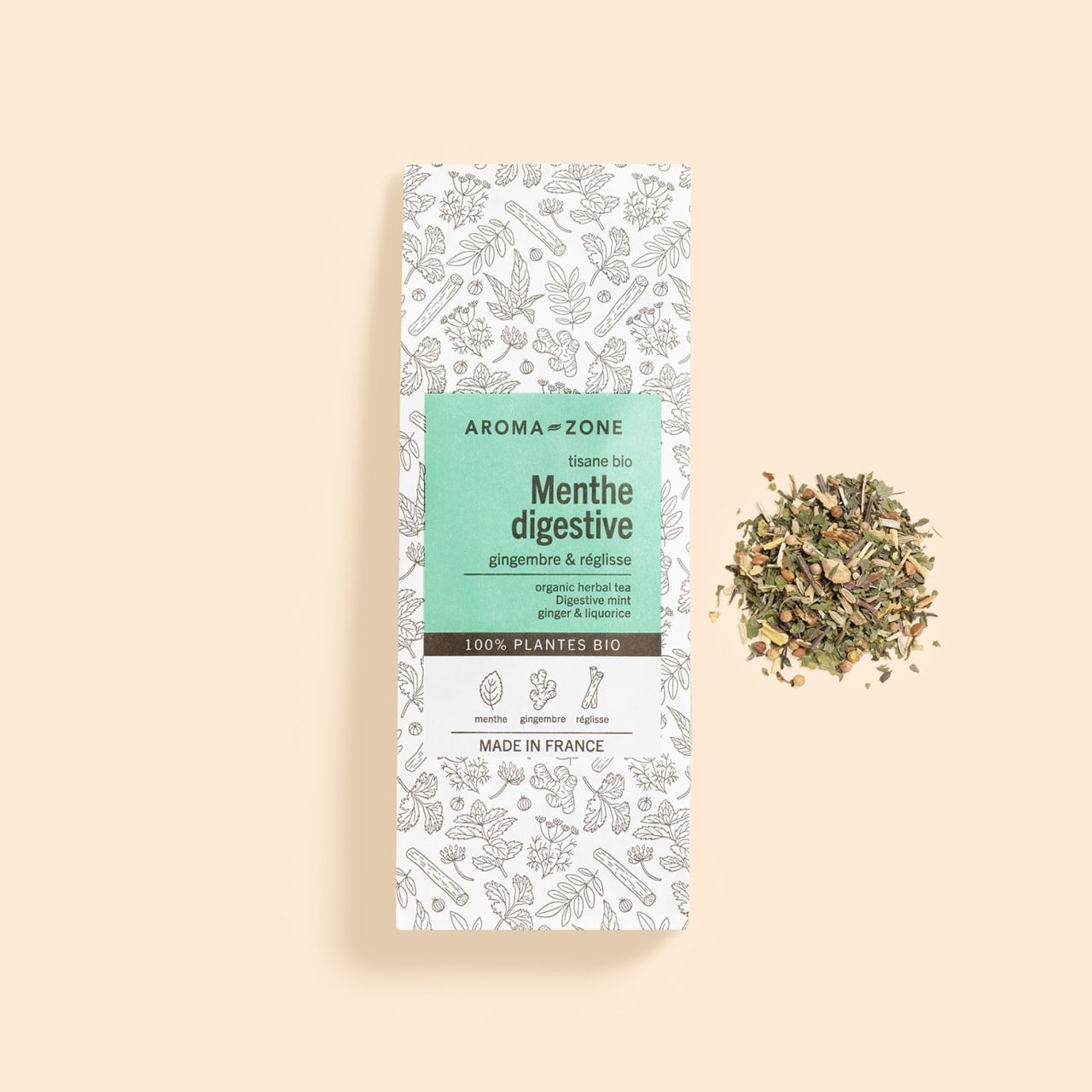
Mint: Mint is one of the most recommended herbs for digestive issues. Try our delicious Organic Digestive Mint Herbal Tea, bursting with freshness.

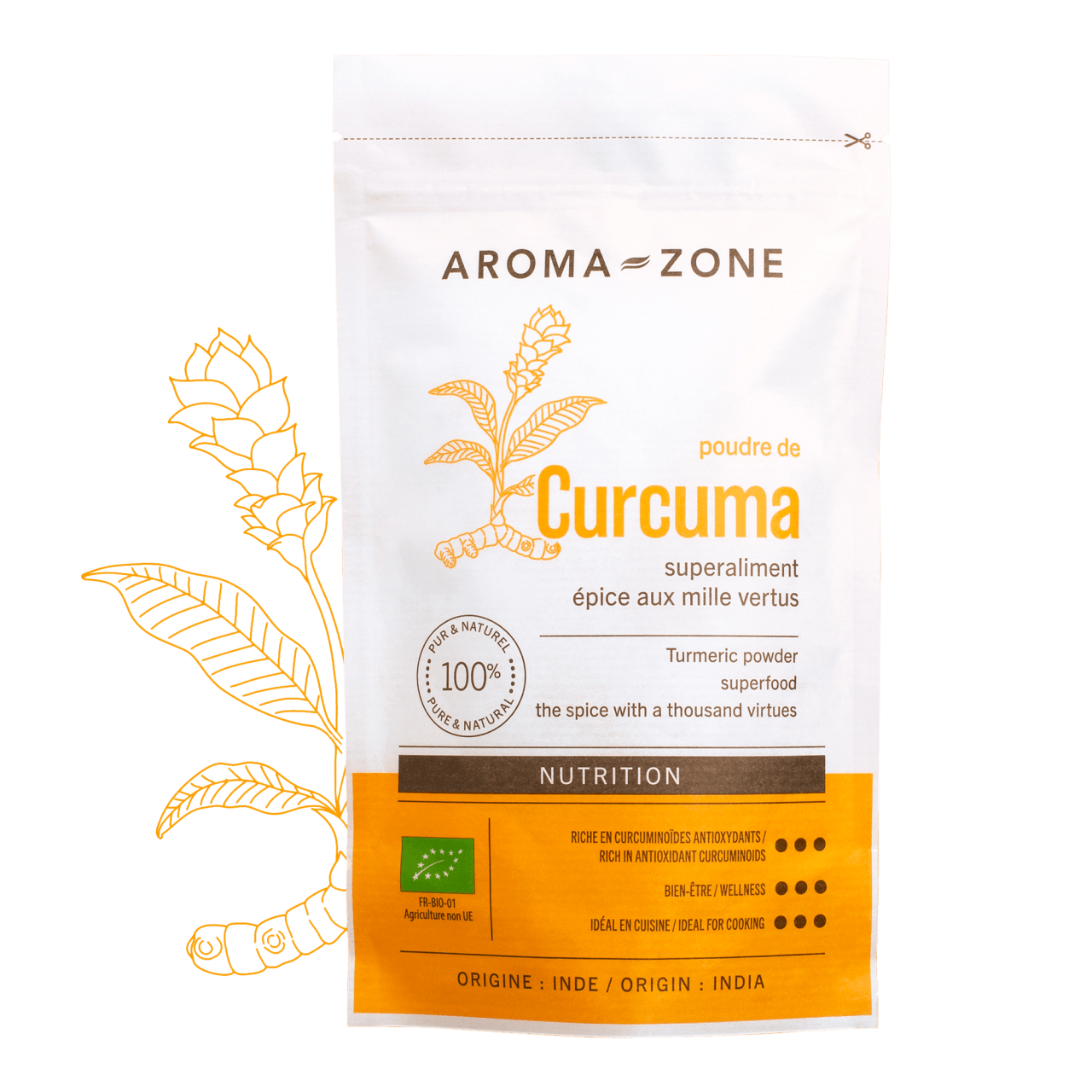
Turmeric: Turmeric is a powerful anti-inflammatory. You can prepare teas using our Turmeric Powder to prevent intestinal inflammation that disrupts the balance of the microbiome.

Verbena, Meadowsweet, and Calendula: The synergy of these three plants has complementary effects and properties that are digestive, anti-inflammatory, and soothing.

Chamomile: Known for its soothing and antispasmodic properties, chamomile helps relieve bloating and intestinal cramps while promoting smoother digestion.

Rosemary: A tonic and digestive aid, rosemary stimulates liver function and promotes the elimination of toxins, thereby helping to naturally purify the colon.

Fennel: Valued for its carminative properties, fennel reduces bloating and facilitates the release of intestinal gas, while supporting digestion.

Charcoal and Aloe Vera for Colon Detoxification

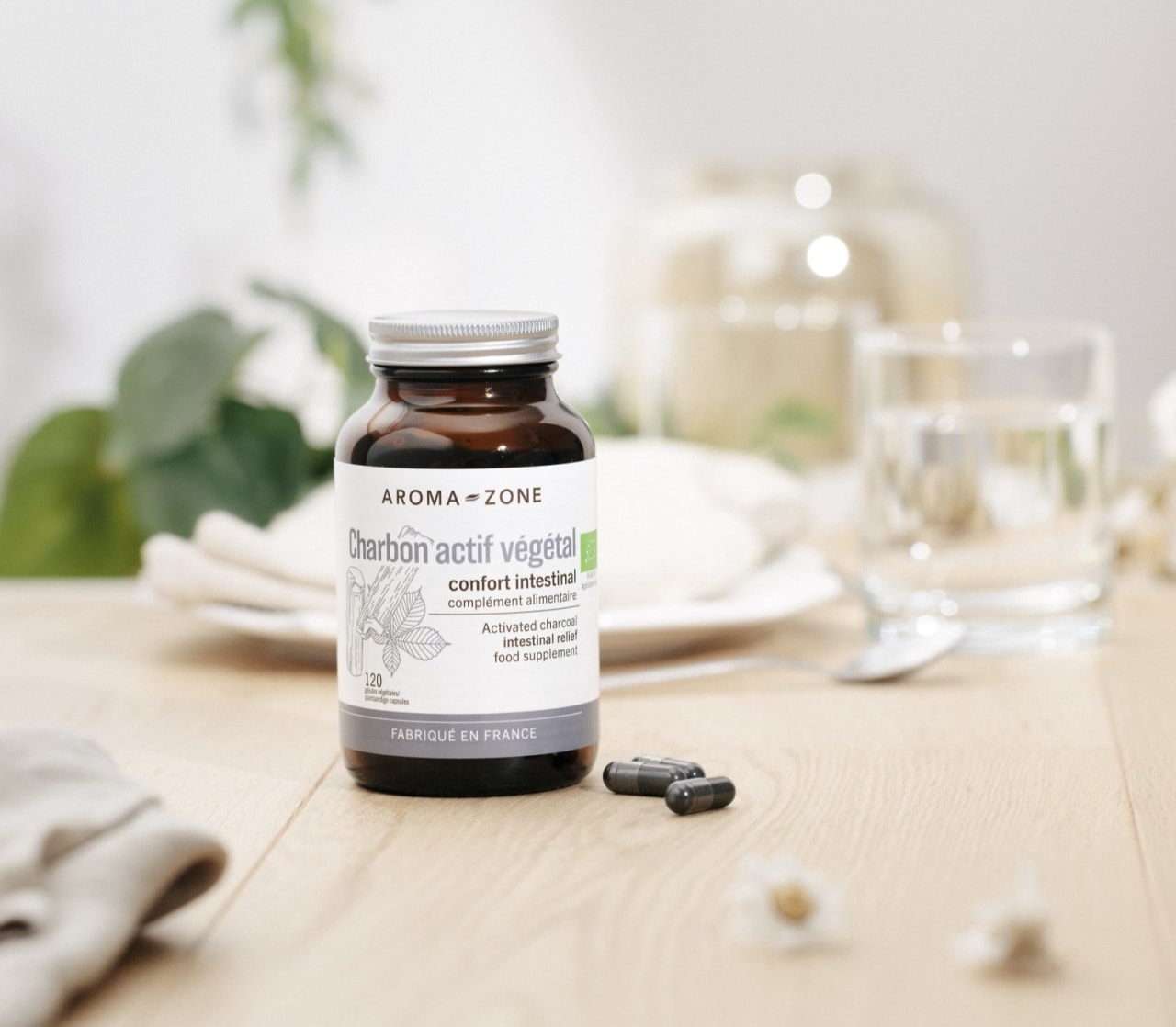
Product Spotlight: Plant-Based Activated Charcoal

Vegetable Charcoal has absorbent properties that are particularly beneficial for colon cleansing. It naturally filters out toxins.

Certified organic, this activated vegetable charcoal in capsules is sourced from sustainably managed French chestnut forests and activated using steam without any chemical agents. Thanks to its highly developed ultra-microporosity and large adsorption surface area, this activated chestnut vegetable charcoal is particularly effective at absorbing intestinal gas. A ally for digestive comfort and renowned for its detoxifying properties, this 100% French plant-based activated charcoal is used as a natural dietary supplement to reduce bloating and flatulence after meals.

Discover our Activated Plant-Based Charcoal Capsules

You can also make your own capsules using our recipe based on activated vegetable charcoal.

It is recommended to use charcoal on an occasional basis, ranging from a few days to a maximum of one week. 

Extra-fine green montmorillonite clay (smectite)

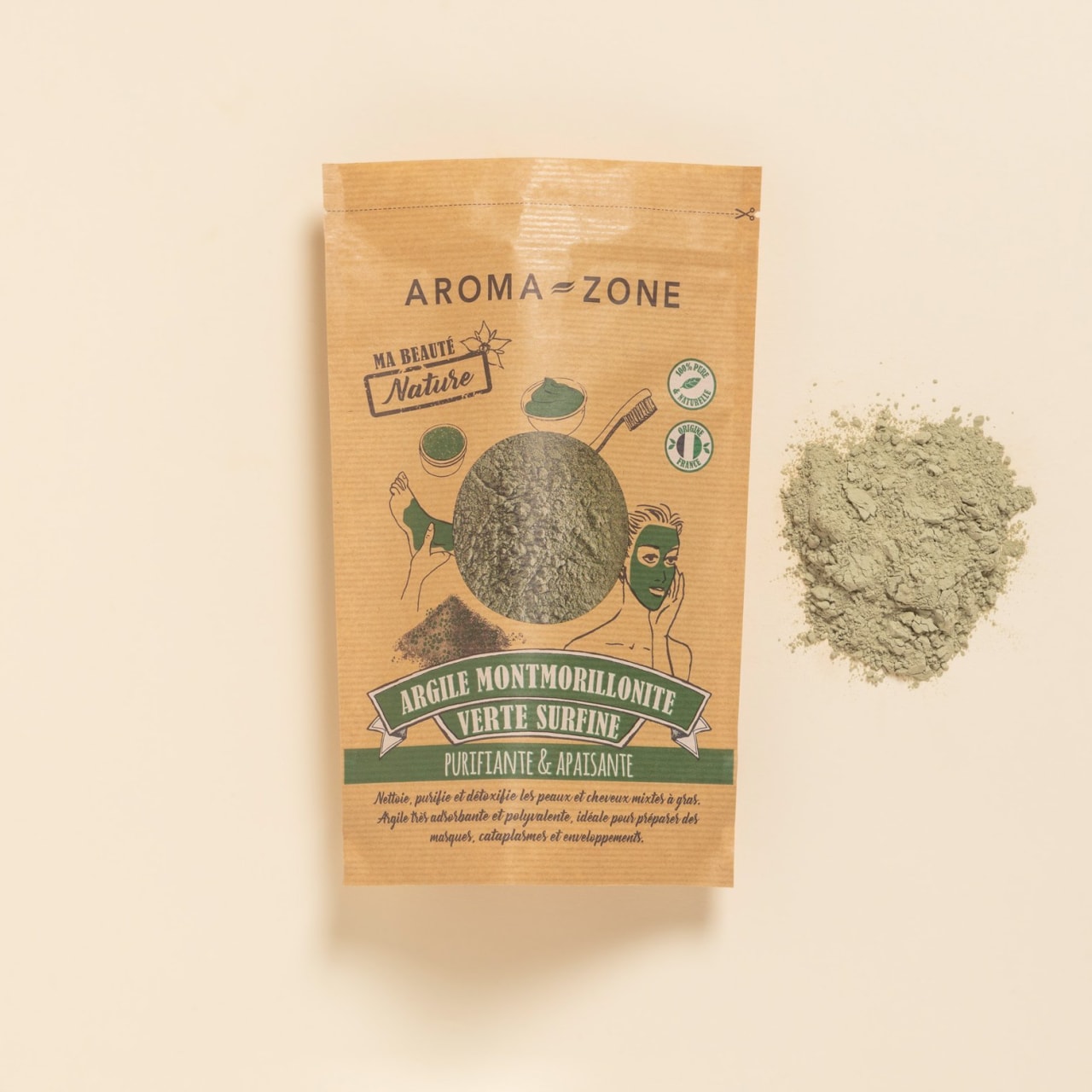
Product Spotlight: Fine Green Clay

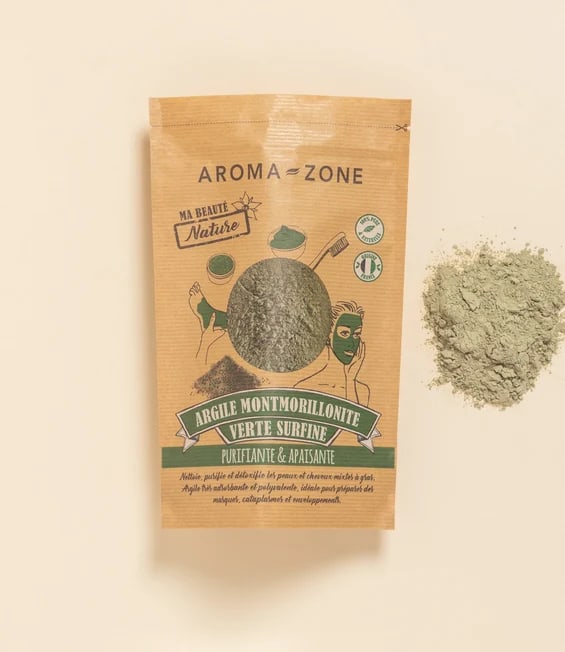
Clay also has absorbent properties. It can be used in the form of poultices prepared using our Surfine Green Clay, which is applied to the lower abdomen, over the intestines and colon, to facilitate the absorption of toxins that have accumulated in the digestive system.

Discover our Surfine Green Montmorillonite Clay

To prepare it, mix the clay with pure water using a wooden spoon. Adjust the amount of water until you achieve a consistency that is easy to spread but thick enough to stay in place without running. You can cover the clay with gauze and leave it on for several hours while it dries. It is recommended to repeat this process several times a day, making sure to discard used clay, which has absorbed impurities.

If colon detox methods such as enemas or hydrotherapy are not recommended for you, you can still turn to herbal teas and food supplements as part of a healthy diet. These can help support regular bowel movements and promote the body's natural elimination processes.

You can also follow these recommendations:

  1. Support the elimination of waste by increasing your fibre intake and drinking enough water.

  2. Massage your intestines regularly to promote digestive comfort.This abdominal massage involves applying gentle pressure along the colon in a clockwise direction.

  3. Engage in regular physical activity. This is part of a healthy lifestyle that is essential for proper colon function and efficient digestion.

For more information, you can check out our articles on the same topic:

Spotlight on Our Naturopathic Writer: Christine Barris

Christine Barris

After completing a master’s degree in management, Christine spent 20 years working for leading companies in the food supplement and natural cosmetics sectors. She then turned her passion for nature into a career. Today she practises naturopathy for people and animals, as well as sophrology, and mentors aspiring naturopaths and sophrologists at various schools.

Bibliography

  1. www.elsan.care/fr

  2. sante.journaldesfemmes.fr

  3. https://www.doctissimo.fr