Does coffee affect iron absorption?

Does coffee affect iron absorption?


By Marie Anne Vion

Published on: Wednesday, January 21, 2026, Updated on: Friday, October 02, 2026

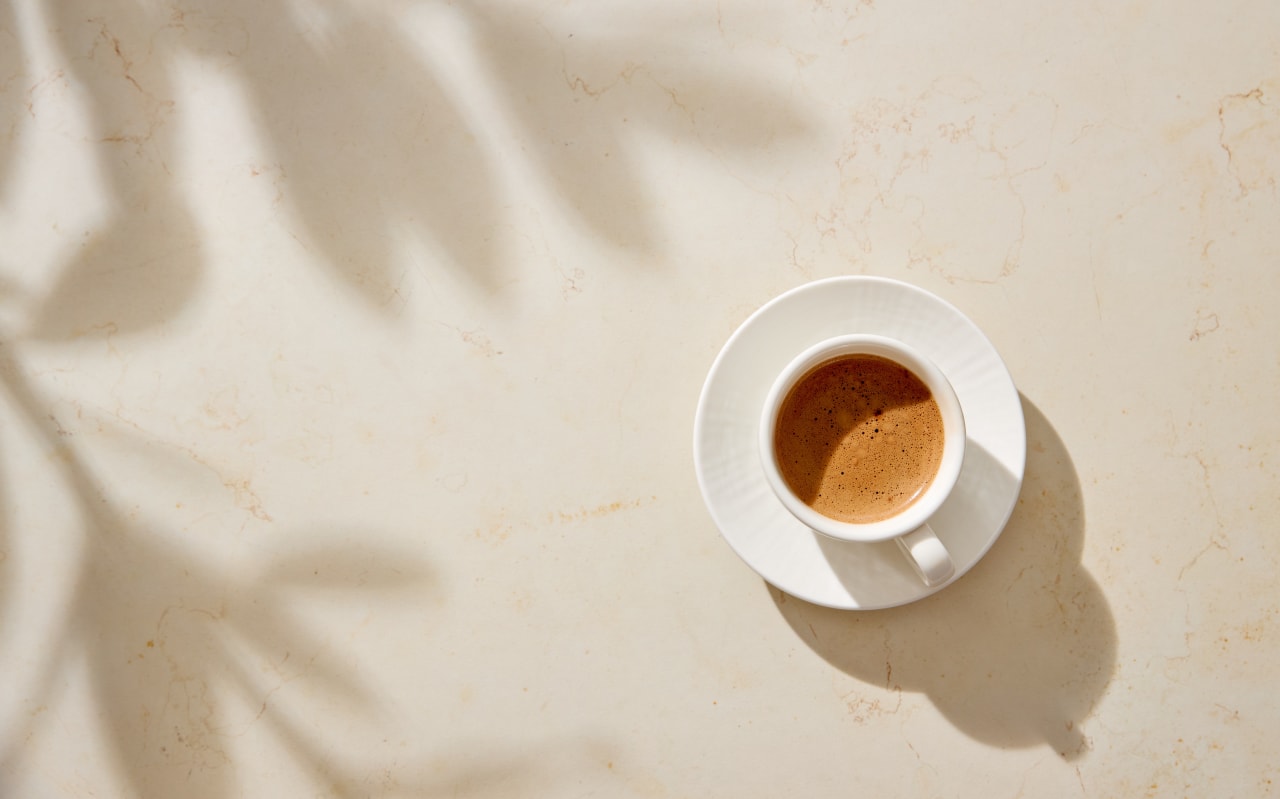
Do coffee and iron, which we consume every day, go well together? Although it’s a staple drink for many, coffee could interfere with the absorption of this essential mineral. So, should you limit your intake after meals or adjust your habits? Understanding the link between coffee and iron is essential for maintaining your energy levels and good health. This article explores their interactions and provides some useful tips to adopt in your daily routine.

Contents

Related products

Why is iron important for the body?

Iron is a trace element that is essential for the body to function properly. It plays a central role in the formation of haemoglobin, the protein found in red blood cells that enables oxygen to be transported to the cells. It also contributes to the production of myoglobin (found in muscles), the proper functioning of the immune system, energy production and the synthesis of certain neurotransmitters.

An adequate intake of iron is therefore essential to prevent fatigue, support concentration, maintain good vitality and prevent deficiencies such as iron-deficiency anaemia, one of the most common forms of anaemia worldwide.
Coffee can interfere with iron absorption, particularly from plant sources (non-haem iron), which is less readily absorbed by the body. This interaction is mainly due to the presence of polyphenols, such as tannins, which bind to iron in the gut and partially block its absorption.

The effect is more pronounced when coffee is consumed at mealtimes or immediately afterwards. This can become problematic for people at risk of iron deficiency: pregnant women, children, women going through the menopause, vegetarians or people suffering from anaemia.

However, spacing out coffee consumption by about one to two hours before or after a meal helps to limit this impact. Drinking coffee is therefore not incompatible with good iron absorption, but a few adjustments to one’s habits can make all the difference.

What are the signs of iron deficiency?

An iron deficiency can lead to various symptoms, which may be subtle at first but can become more severe if the deficiency persists. As iron is essential for the production of red blood cells and the transport of oxygen, a deficiency directly affects energy levels and physical and mental capacity.

Here are the most common signs of iron deficiency:

  • Persistent tiredness, even after rest

  • Shortness of breath on exertion or palpitations

  • Paleness

  • Frequent headaches or dizziness

  • Difficulty concentrating, irritability, attention problems

  • Brittle nails, hair loss or dry skin

  • Feeling cold, often with cold hands and feet

  • More frequent infections (weakened immunity)

  • Restless legs syndrome

If in doubt, only a blood test can confirm an iron deficiency. Medical supervision is always recommended before considering supplementation.

What factors influence the effect of coffee on iron?

The effect of coffee on iron absorption is not universal: several factors influence the extent of this interaction. Here are the main points to bear in mind:

  • The type of iron consumed: non-haem iron (found in plants, eggs and dairy products) is more susceptible to inhibition by coffee than haem iron (found in meat and fish). Coffee has only a minimal impact on haem iron.

  • The timing of consumption: drinking coffee during or immediately after a meal reduces iron absorption more than when it is consumed between meals, at least 1–2 hours before and after eating.

  • Coffee strength and type: the higher the polyphenol content of the coffee, the more it can inhibit iron absorption.

  • Meal composition: the presence of ascorbic acid (vitamin C) can counteract the inhibitory effect of coffee by significantly increasing the absorption of non-haem iron. Therefore, eating foods rich in vitamin C (peppers, citrus fruits, kiwi fruit) with a meal can mitigate the impact of coffee.

  • An individual’s iron status: the body increases iron absorption in the event of a deficiency. Consequently, in people with an iron deficiency, the inhibitory effect of coffee could be partially offset by more efficient intestinal absorption.

These factors show that the effect of coffee on iron is not uniform, and that it is possible to modulate this interaction through simple dietary choices and consumption habits.

What natural solutions are there to minimise the interference between coffee and iron?

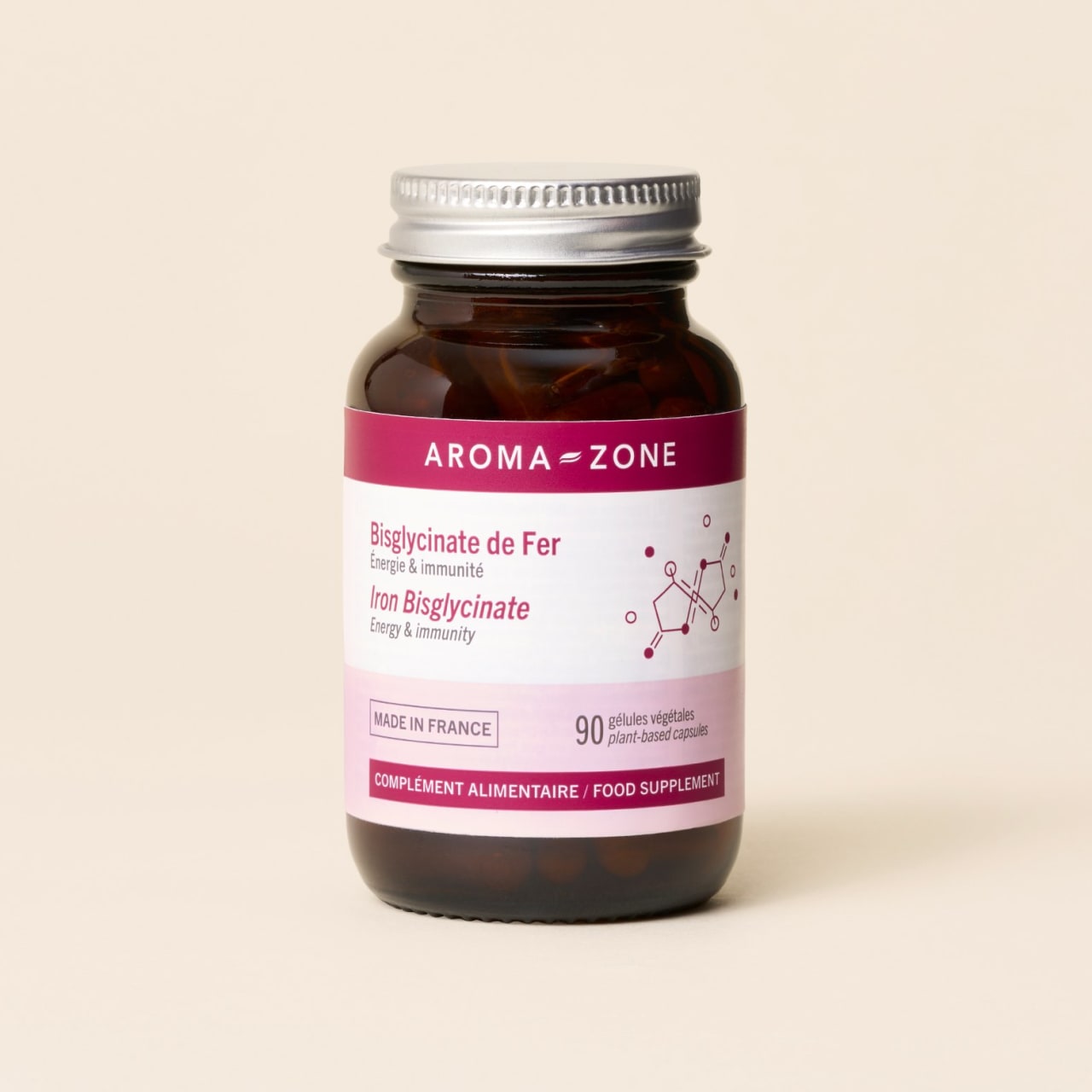
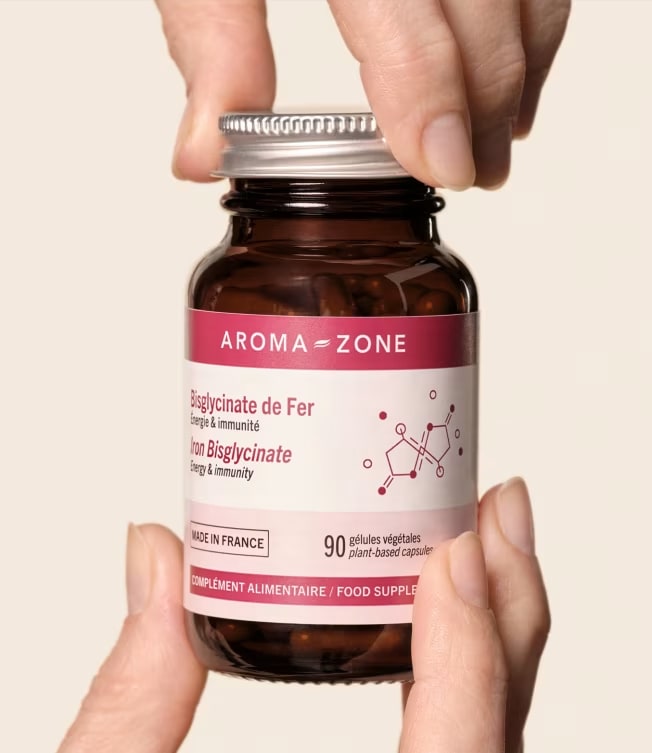
Iron Bisglycinate – 90 capsules – Dietary supplement

Iron Bisglycinate dietary supplement

This Iron Bisglycinate dietary supplement combines Ferrochel® iron – a patented chelated form with high bioavailability – with PureWay-C® vitamin C, for optimal iron absorption and antioxidant action. Just one capsule a day is enough to meet 100 per cent of the recommended daily intake of iron and vitamin C, helping to reduce tiredness, support the formation of red blood cells and boost the body’s natural defences.

Discover the Iron Bisglycinate dietary supplement
Spirulina_France_Organic_-_Dietary_supplement

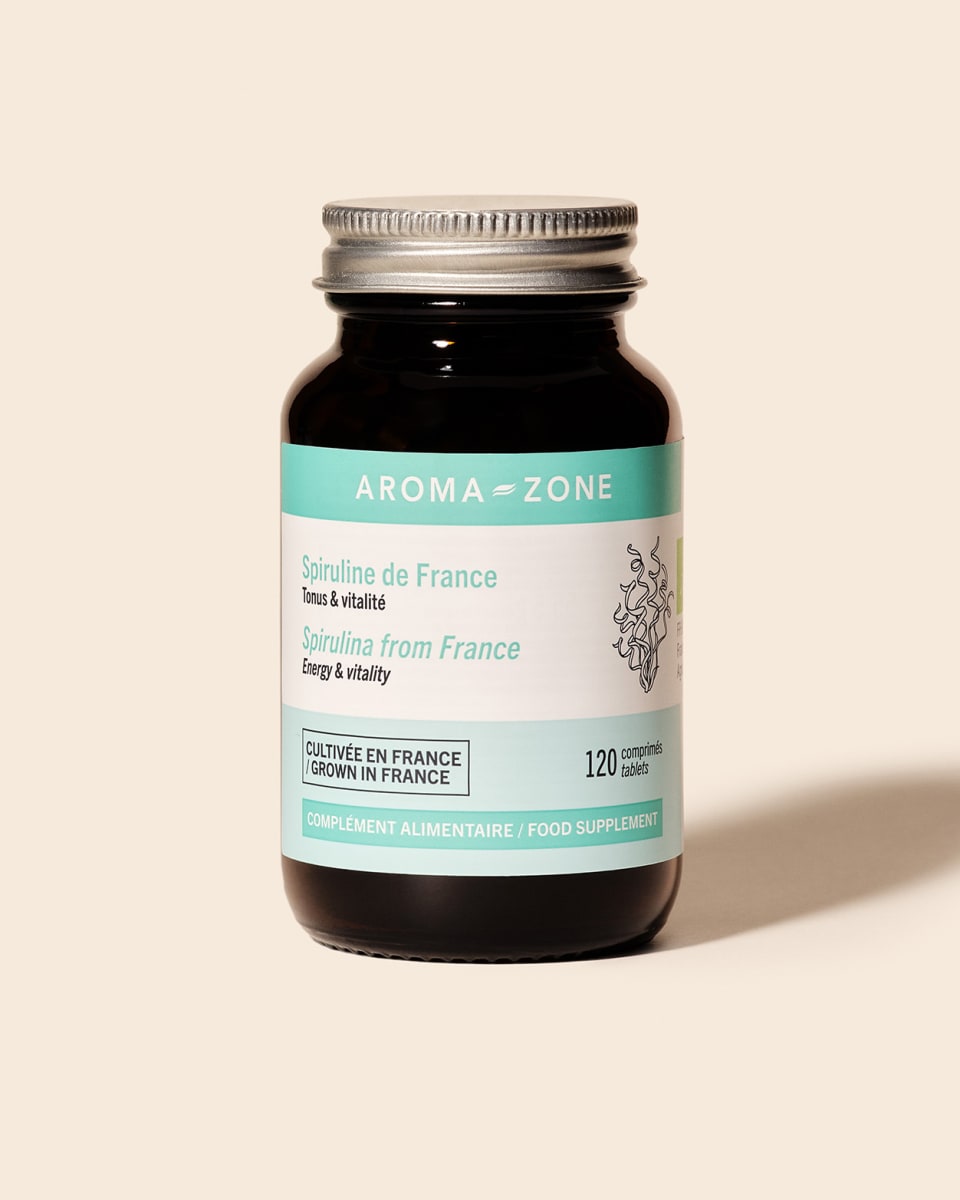
Organica Spirulina from France

Rich in protein (over 60 %) and naturally high in iron, organic spirulina grown in France is an excellent ally during periods of temporary fatigue or to support increased nutritional needs. Its exceptional levels of phycocyanin – a powerful antioxidant – also makes it a valuable aid against oxidative stress. Ideal for people with limited iron intake, particularly women experiencing heavy periods or vegetarians, it helps reduce fatigue and maintain normal energy metabolism. This premium-quality spirulina, cold-pressed without additives, fits easily into a wellness routine, particularly for athletes, those recovering from illness or during seasonal changes.

Food supplement for adults only. Not recommended in cases of phenylketonuria, haemochromatosis, excess uric acid, or liver or muscle disorders. Do not exceed the recommended daily dose. Medical advice is recommended for pregnant or breastfeeding women. The presence of phycocyanin may cause allergic reactions in sensitive individuals.

Discover Spiruline France BIO

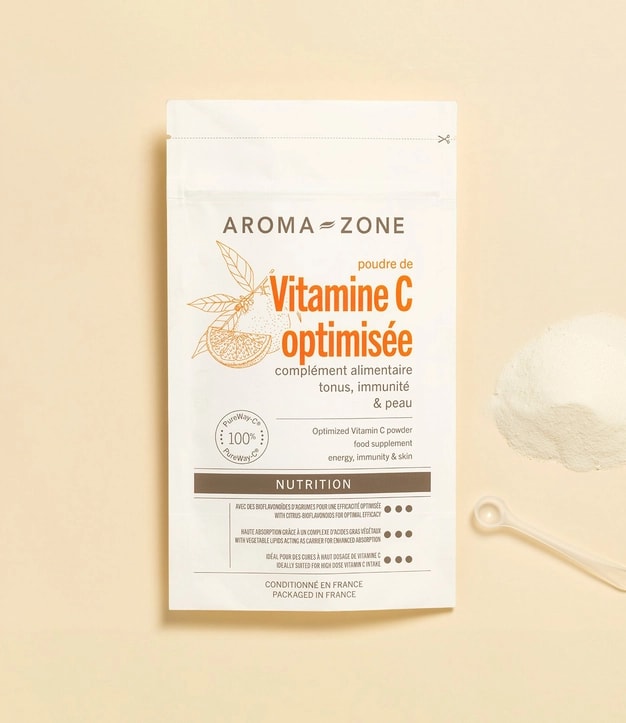
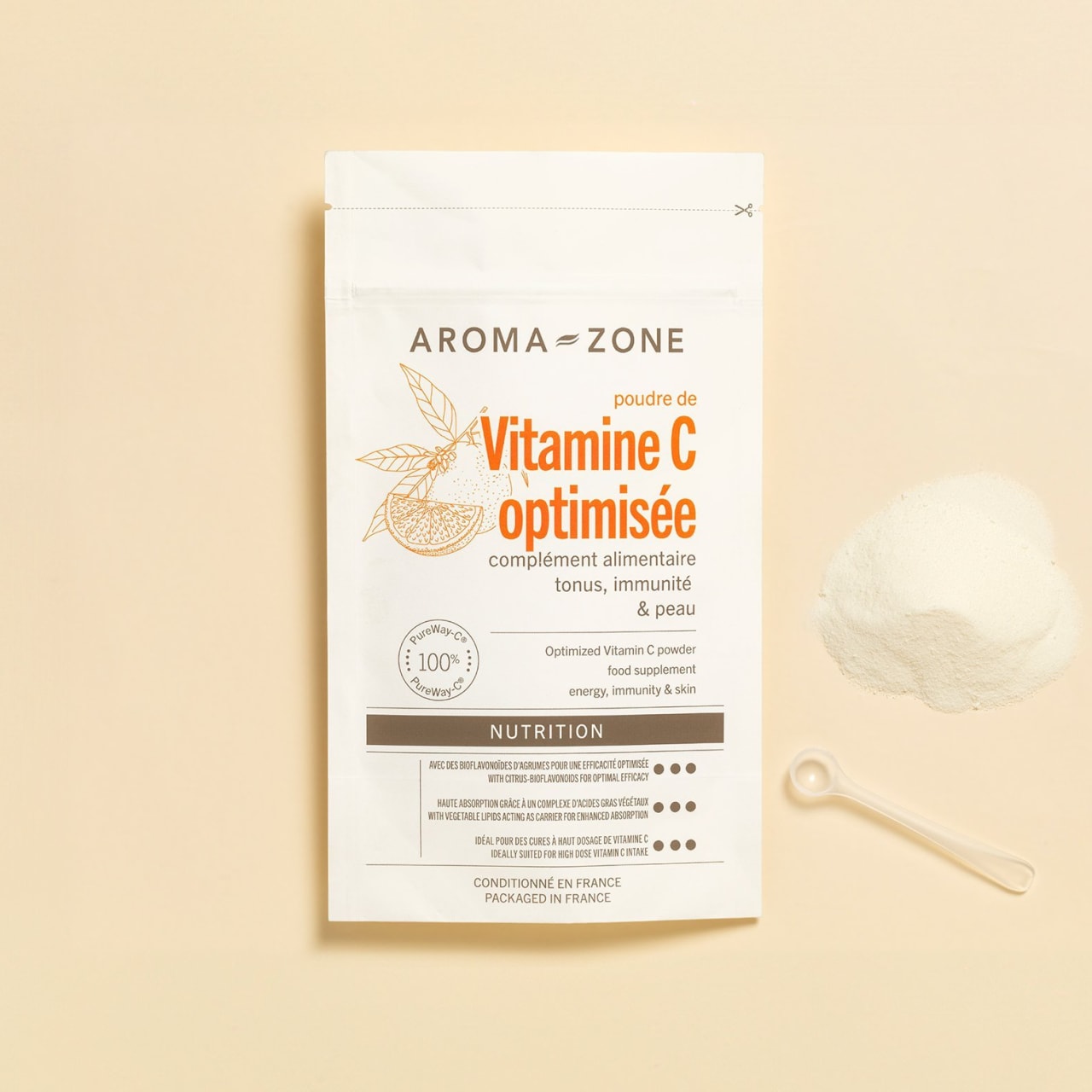
Optimised Vitamin C powder

Formulated with the innovative PureWay-C® complex, this Vitamin C powder combines citrus bioflavonoids and plant-based lipids for optimal absorption and excellent digestive tolerance. Ideal when taken as a course of treatment, it helps reduce fatigue, strengthen the body’s natural defences, stimulate collagen synthesis and protect cells against oxidative stress. It also supports iron absorption, making it a valuable ally in cases of deficiency. Easy to dissolve, it fits seamlessly into a wellness or fitness routine.

Store away from light, in a cool, dry place. Close the sachet tightly after opening or transfer to an airtight jar. Do not exceed the recommended dose. For adults only. Not recommended for pregnant or breastfeeding women without medical advice. Keep out of reach of children.

Discover Optimised Vitamin C Powder
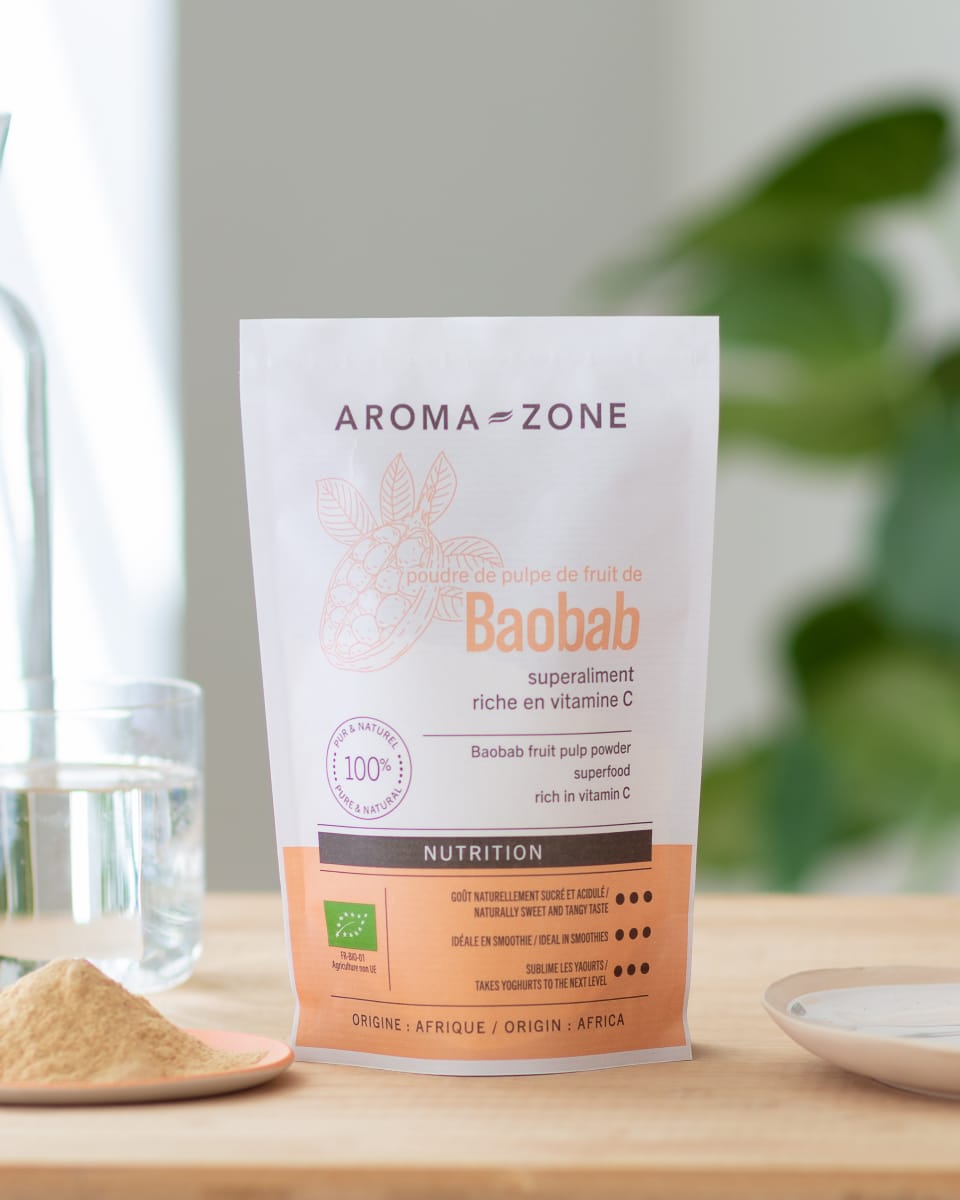
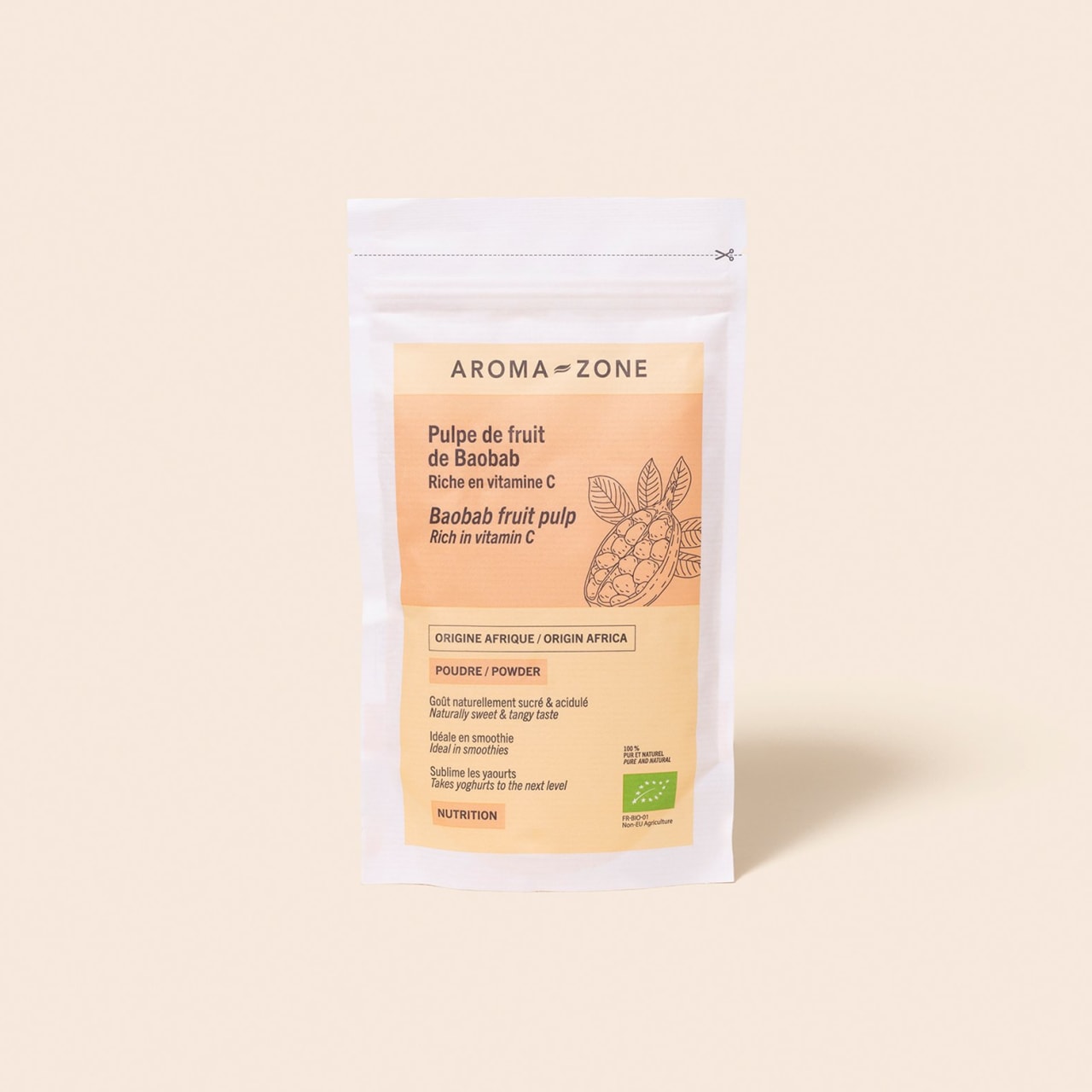
Organic Baobab Fruit Pulp Powder

Organic Baobab Fruit Pulp Powder

Originating in Africa, Baobab Fruit Pulp Powder is as appealing for its nutritional richness as it is for its tangy, refreshing taste. Naturally rich in vitamin C – containing up to six times more than oranges – and calcium, it supports energy levels and vitality and contributes to a balanced diet. A valuable source of antioxidants, minerals and fibre, it helps prevent nutritional deficiencies while adding a delicious tang to your dishes. Ideal in juices, smoothies, yoghurts or iced teas, it also allows you to naturally sweeten your recipes without overdoing it.

Store away from light, in a cool, dry place. Close the sachet tightly after opening. Keep out of reach of children.

Discover Organic Baobab Fruit Pulp Powder

Which foods are naturally rich in iron?

To prevent iron deficiency, it is essential to prioritise iron-rich foods in your daily diet, varying both animal and plant-based sources. Haem iron (found in animal products) is absorbed more effectively than non-haem iron (from plants), but a balanced diet can be sufficient to meet your needs.

Here are the main natural sources of iron:

  • Liver (poultry, beef): one of the foods richest in haem iron.

  • Seafood (mussels, oysters): mussels contain more iron than beef.

  • Red meat, black pudding, eggs: very good sources of easily absorbed iron.

  • Pulses: lentils, chickpeas, red kidney beans, broad beans.

  • Oilseeds: pumpkin seeds, sesame seeds, pistachios, cashew nuts.

  • Wholemeal cereals and iron-fortified products.

  • Green leafy vegetables: spinach, Swiss chard, parsley, watercress.

  • Seaweed: spirulina, wakame.

  • Dried fruit: dried apricots, raisins.

Combining these iron-rich foods with a source of vitamin C (lemon juice, citrus fruits, peppers, baobab, etc.) during the same meal significantly improves the absorption of non-haem iron.

What routine should you follow to ensure proper iron absorption when drinking coffee?

Drinking coffee is not incompatible with maintaining a healthy iron balance, provided you adopt a few simple habits to limit its impact on iron absorption:

  1. Space out your coffee consumption from meals: ideally, drink coffee 1 to 2 hours before or after a meal to reduce its inhibitory effect on dietary iron.

  2. Limit the number of cups per day: particularly if you have a confirmed deficiency or increased requirements, reducing your intake to a maximum of 1 to 2 cups can make a difference.

  3. Opt for milder coffees: such as light filter coffee, which is lower in polyphenols than espresso or instant coffee.

  4. Include sources of vitamin C with meals: such as citrus fruits, parsley or peppers, to counteract the effect of coffee on non-haem iron.

  5. Monitor your iron intake: by regularly including iron-rich foods that are easily absorbed (red meat, eggs, seafood, pulses, etc.) as part of a varied diet.

  6. Adjust your routine if necessary: in the event of persistent tiredness or a deficiency, a health assessment and personalised adjustments may be helpful, in consultation with a healthcare professional.

With these simple adjustments, it is entirely possible to enjoy your daily coffee without compromising your iron status.

Recipes

Precautions

If coffee is part of your daily routine, it is important to be aware of its potential impact on iron absorption, especially if you are at risk of deficiency (pregnant women, children, people following a vegetarian or vegan diet, etc.). Consumed in excess, particularly around mealtimes, coffee can reduce the absorption of non-haem iron from plant sources.

The aim is not to give up coffee altogether, but to make a few simple adjustments: space out your coffee intake, ensure a balanced diet, and, if necessary, consider taking iron supplements under medical supervision. If you experience persistent tiredness, unusual paleness or shortness of breath, a blood test is recommended to check your iron status before taking any supplements.

Expert advice

Coffee need not be avoided altogether, but it should be consumed mindfully. To ensure good iron absorption, it’s best to have it at least an hour away from main meals and to ensure your diet is rich in both haem and non-haem sources of iron. At the same time, combining these foods with sources of vitamin C (citrus fruits, peppers, parsley, etc.) can optimise absorption. Finally, if in doubt, consult a healthcare professional to get help adjusting your habits without feeling frustrated.

Spotlight on Our Nutrition and Food Expert, Marie-Anne Vion

Marie-Anne Vion.jpg

Faced with digestive disorders such as IBS and SIBO, Marie-Anne turned to nutrition and natural solutions. Passionate about wellbeing, she is now studying dietetics and nutrition. She shares her expertise through articles that offer accessible advice and insights. Drawn to the brand's natural approach, she helps promote a balanced diet and self-reliance in health matters.

Bibliography

  1. Lynch SR, Cook JD. Interaction of vitamin C and iron. Ann N Y Acad Sci.

    1980;355:32–44. doi: 10.1111/j.1749-6632.1980.tb21325.x. PMID: 6940487.

  2. ANSES. Everything you need to know about iron. 27 October 2022. Accessed in January 2026.

    https://www.anses.fr/fr/content/tout-savoir-sur-le-fer

  3. ANSES. Nutritional reference values for vitamins and minerals. 21 February 2025. Accessed in January 2026.

    https://www.anses.fr/fr/content/les-references-nutritionnelles-en-vitamines-et-mineraux

  4. Morck TA, Lynch SR, Cook JD. Inhibition of food iron absorption by coffee. Am J Clin Nutr.

    1983 Mar;37(3):416-20. doi: 10.1093/ajcn/37.3.416. PMID: 6402915.

  5. Nanri H, Hara M, Nishida Y, Shimanoe C, Iwasaka C, Higaki Y, Tanaka K. Association between green tea and coffee consumption and body iron storage in Japanese men and women: a cross-sectional study from the J-MICC Study Saga.

    Front Nutr. 10 August 2023;10:1249702. doi: 10.3389/fnut.2023.1249702. PMID: 37637954; PMCID: PMC10449390.

  6. Delimont NM, Haub MD, Lindshield BL. The Impact of Tannin Consumption on Iron Bioavailability and Status: A Narrative Review.

    Curr Dev Nutr. 19 January 2017;1(2):1-12. doi: 10.3945/cdn.116.000042. PMID: 29955693; PMCID: PMC5998341.

  7. Sholzberg M, Hillis C, Crowther M, Selby R. Diagnosis and management of iron deficiency in women.

    CMAJ. 10 August 2025;197(27):E819-E827. French. doi: 10.1503/cmaj.240570-f. PMID: 40789601; PMCID: PMC12350412.

  8. Améli. Symptoms and diagnosis of iron-deficiency anaemia. 08/09/2025. Accessed in January 2026.

    https://www.ameli.fr/assure/sante/themes/anemie-par-carence-en-fer/

  9. Aurélie Jourdain. Iron deficiency without anaemia: aetiology and management. THESIS FOR THE STATE DIPLOMA IN PHARMACY. 2021.

    https://dumas.ccsd.cnrs.fr/dumas-05073836v1/document

Frequently Asked Questions

Frequently Asked Questions

Associated tip