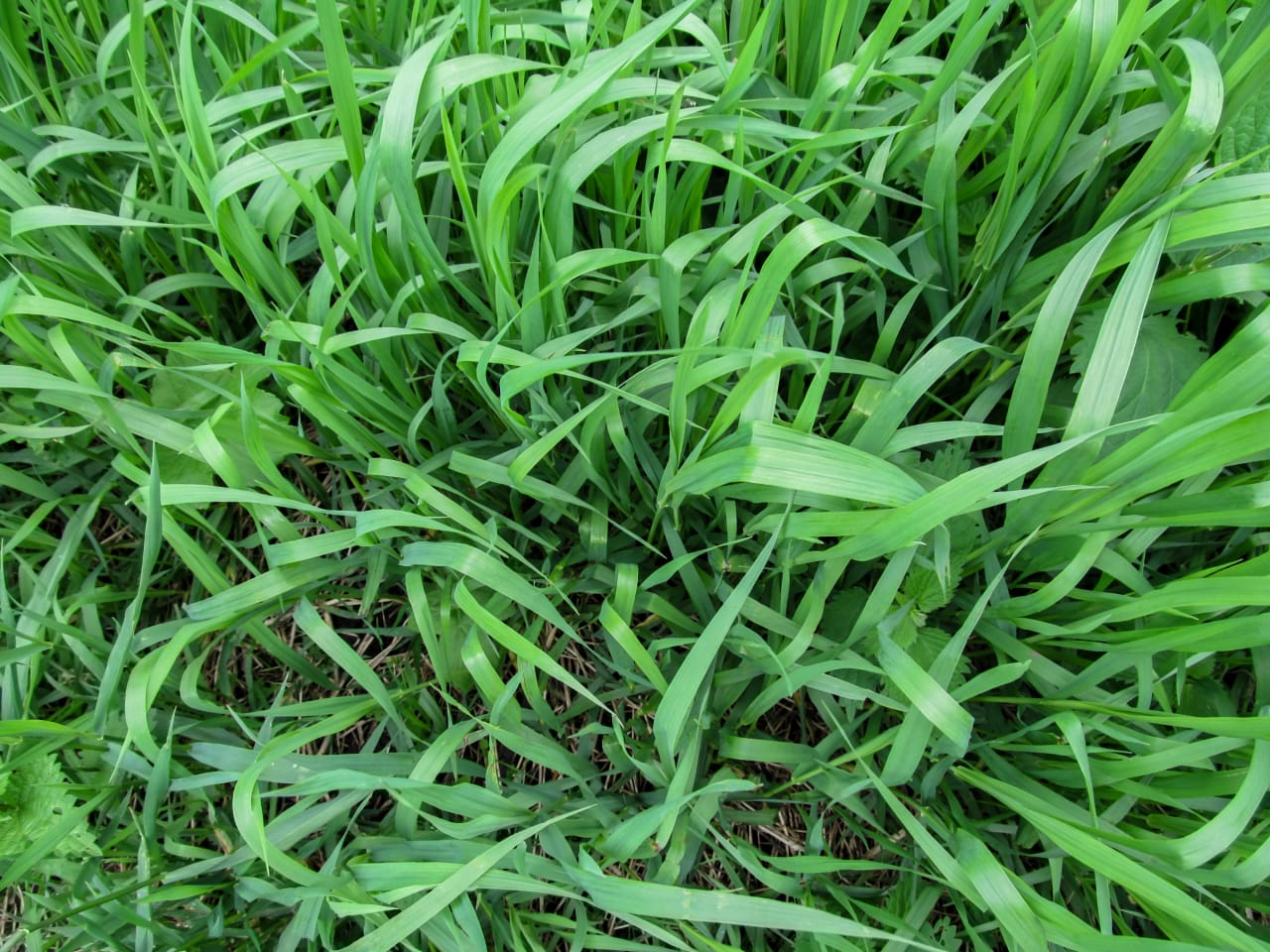

Couch grass (Elymus repens) is a perennial plant in the Poaceae family, just like wheat, barley, and corn. It is commonly found in meadows, gardens, and along roadsides, where its long, creeping rhizomes often make it an unwanted weed for gardeners.
Yet, behind its seemingly ordinary appearance, couch grass possesses an interesting botanical and biochemical richness. Its rhizomes, the underground part of the plant, have been used since ancient times for their diuretic, purifying, and soothing properties. Their composition includes mucilages, polysaccharides, mannitol, and triticine—compounds that explain its traditional uses and documented effects.
Used primarily in herbal medicine and certain European medicinal traditions, couch grass is now recognized for its natural applications in supporting kidney, digestive, and urinary functions.