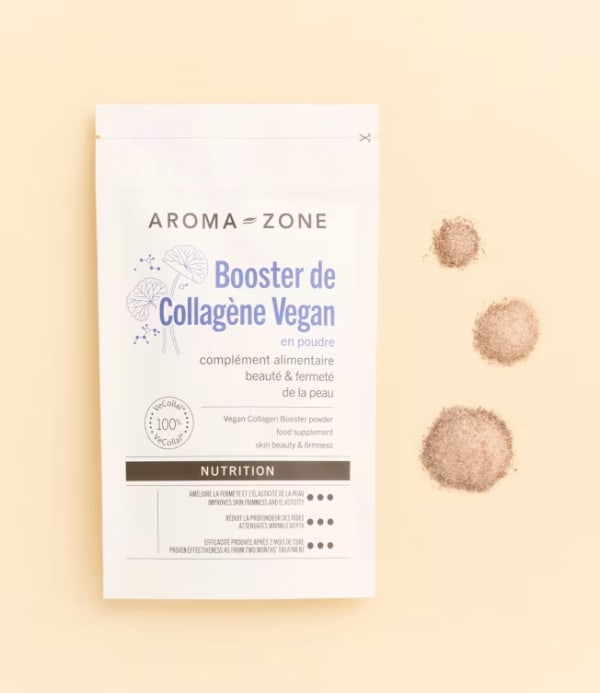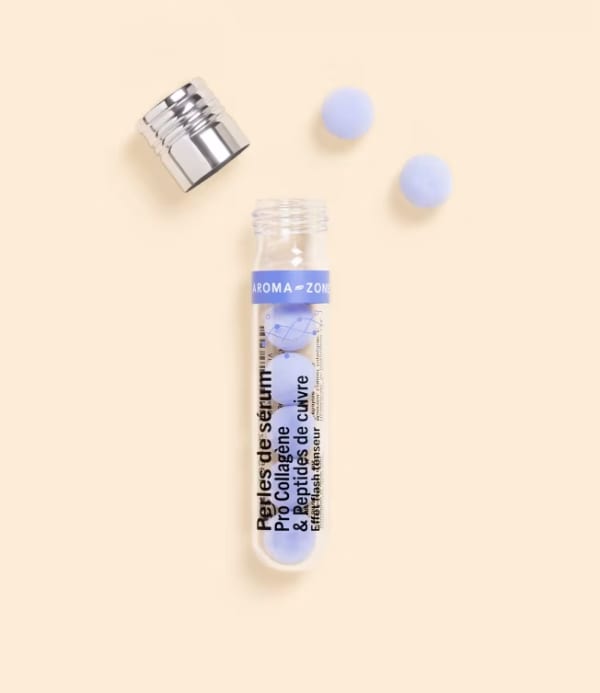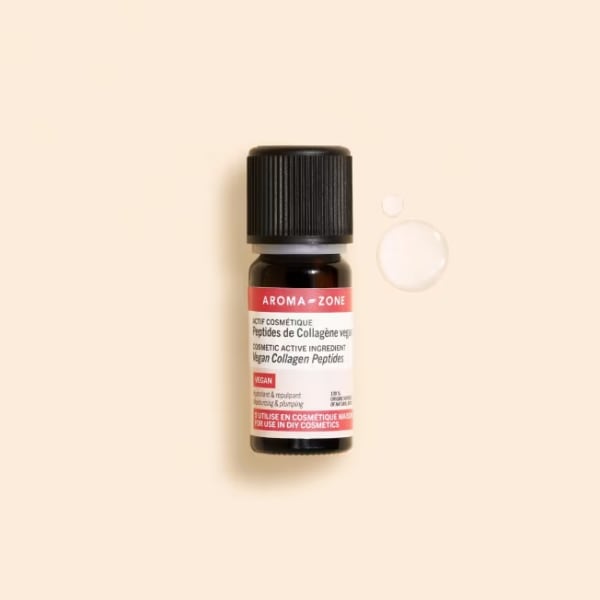
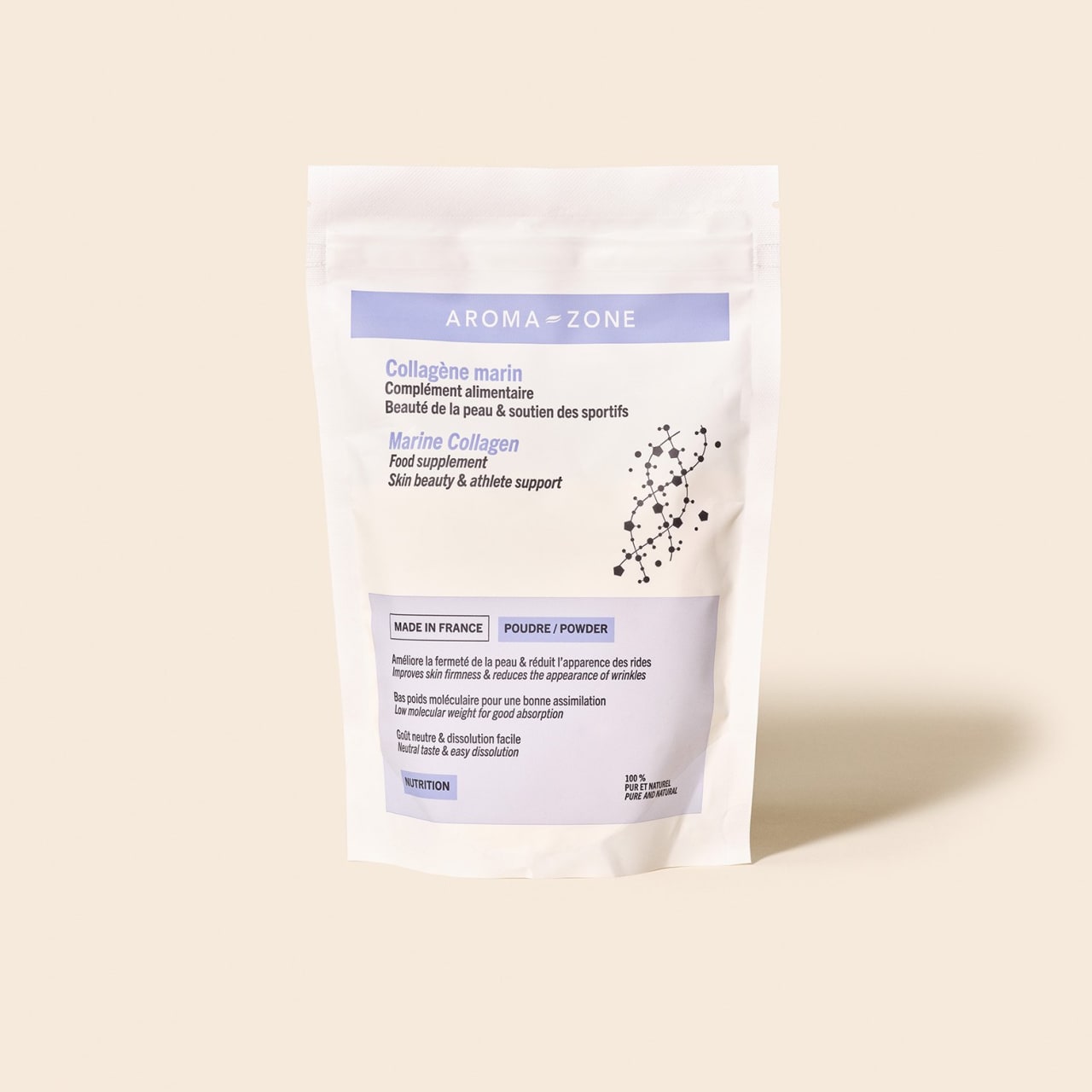

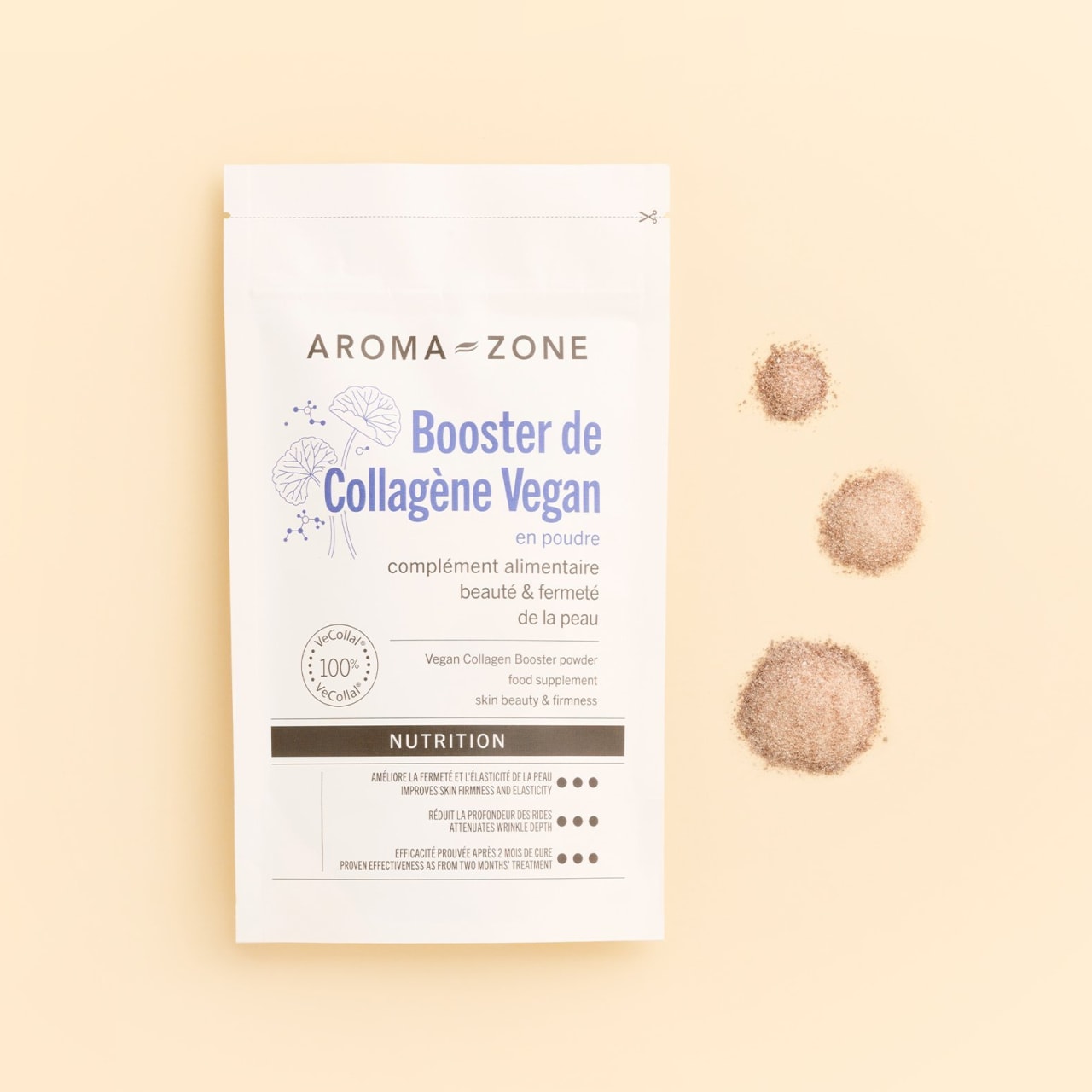
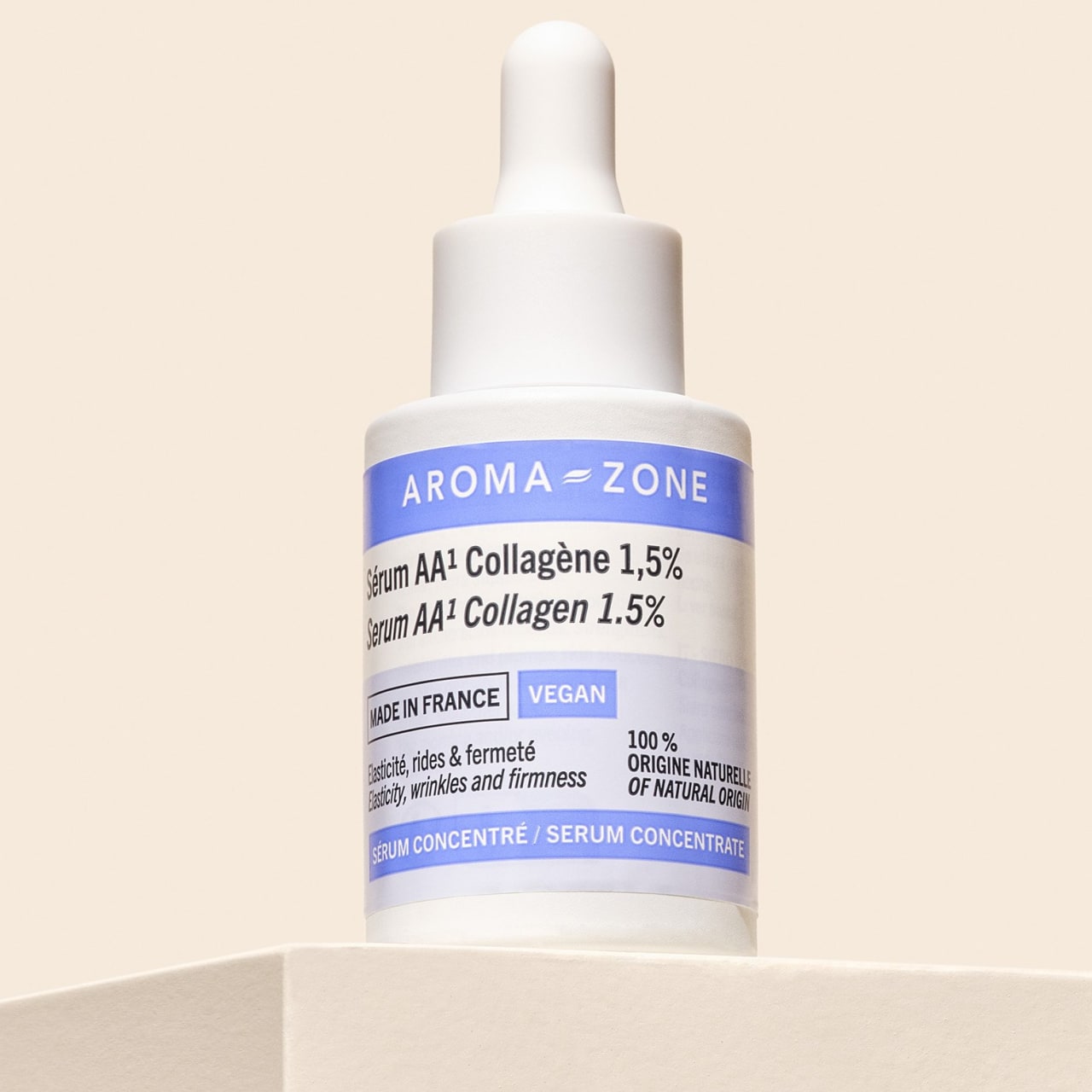
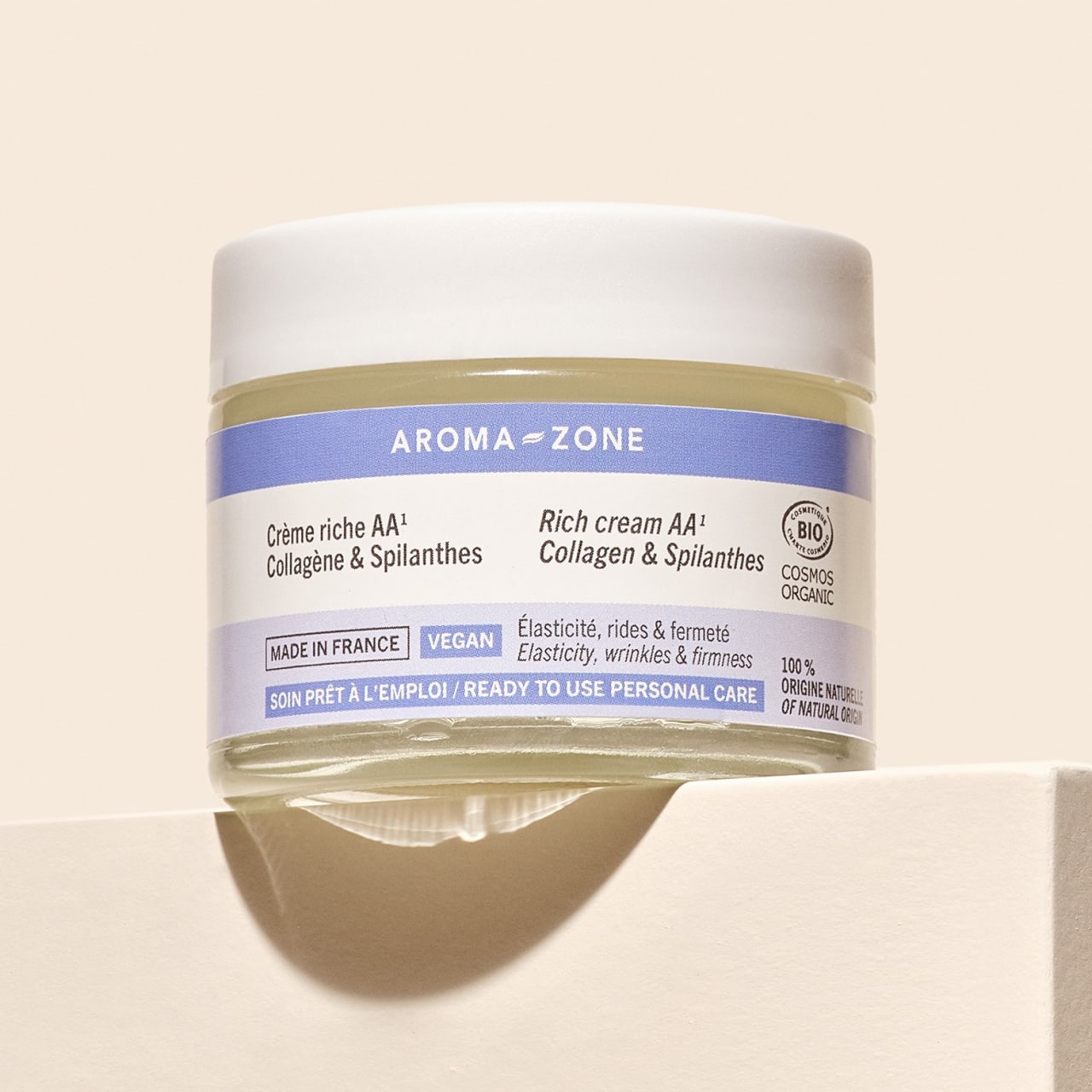
In fact, collagen is already a substance present in our skin. And not just in our facial skin: it is the most abundant protein in our body. Its fibres serve as a supporting structure for our tissues, much like the foundation of a house. Over time, its production decreases, which causes (among other things) our skin to sag. That’s why some of us choose to incorporate skincare products such as collagen masks into our routine.
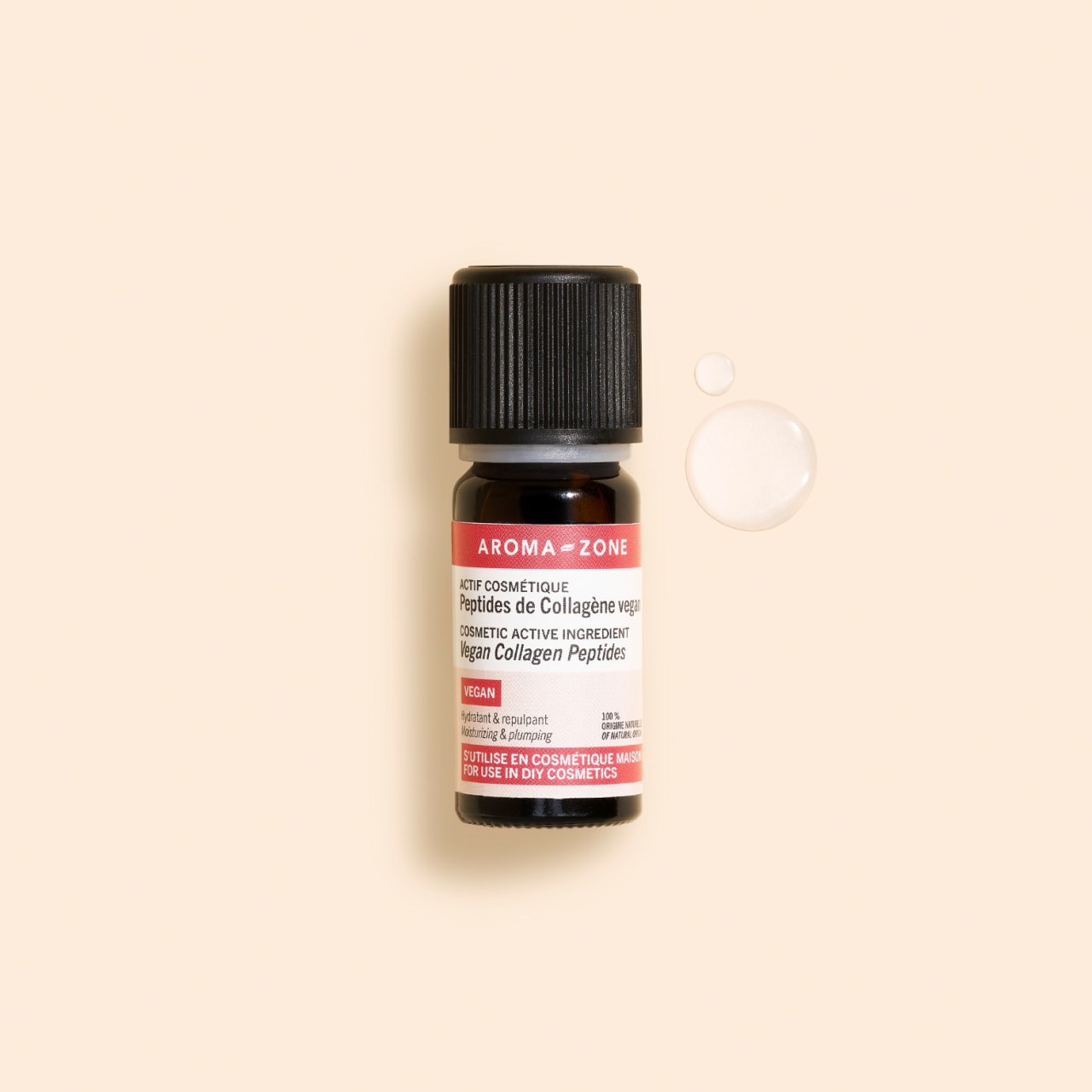
In cosmetics, collagen is often hydrolyzed (= collagen peptides) to more easily penetrate the upper layers of the epidermis. This is because it is a large molecule that tends to remain trapped on the surface if it is not broken down. Some formulas may also rely on amino acids (such as Glycine and Proline) believed to stimulate natural collagen production. However, in this case, it is not strictly speaking a collagen-based product.