Which Soaps Should You Use for the Face?

Which Soaps Should You Use for the Face?


By Charlie Morel

Published on: Wednesday, March 20, 2024, Updated on: Thursday, October 29, 2026

The skin is the largest organ in the human body and protects it from external aggressors. To ensure it fulfils this role, maintain the skin’s balance with a skincare routine tailored to your skin type.

Facial skincare is an integral part of this routine and includes make-up removal and cleansing. Many products are available for cleansing the face, and soap is one of them. Economical and eco-friendly when made from natural ingredients, it is an excellent alternative for gentle cleansing and maintaining healthy, radiant skin.

From solid soap to cold-processed soap, read this article to find out more about soap and discover which type is best for cleansing your face.

Contents

Related products

What Is a Facial Soap?

Facial soap is a cosmetic product used to cleanse the skin. It is generally produced through a chemical reaction between a fatty substance (such as oils or animal fats) and a strong base (usually caustic soda). This reaction, known as saponification, creates a substance that removes dirt and impurities that have built up on the skin.

Soap can be produced in various ways:

  • Cold-Process Saponification: This process involves mixing a fatty substance with a strong base such as caustic soda. It is when the caustic soda is added to the fatty substances that the saponification reaction takes place. This method of production requires no heating and preserves the natural glycerine produced during the reaction, which gives the soap its moisturising properties. Several weeks of drying are required before the soap can be used; this is known as ‘curing’

  • Hot Saponification (the so-called ‘cauldron’ method): Soaps produced by hot saponification are heated to around 100 degrees for several hours to speed up the saponification process. This is the case with Marseille soaps and Aleppo soaps, for example. The paste is then washed in salt water to remove excess lye and glycerine

  • Manufacture Using Soap Pellets: The method predominantly used for commercially available industrial soaps; it involves using a base of industrial soap pellets to which additives are added: colourings, fragrances, preservatives, oils, etc. The soap comes out ready to be cut. There is no ‘curing’ process

Superfatting is a common soap-making technique, and superfatted soaps are widely available. They are enriched with oils and butters, which help nourish the skin and reduce moisture loss.

Each type of soap has its own characteristics and may suit certain skin types better. Soaps made with gentle, natural ingredients are generally milder on the skin and can help maintain its natural balance. Others, such as those containing synthetic ingredients (surfactants, fragrances, etc.), may be more irritating.
Why Should You Cleanse Your Face?

Cleansing your face is an important step in your beauty routine, to be carried out morning and evening. This cleansing process involves unclogging the skin’s pores by removing all accumulated impurities, as well as excess sebum.

When the skin’s pores become clogged, the skin is unable to breathe properly. The complexion quickly loses its radiance and blemishes, such as spots and blackheads, appear.

In the morning, cleansing helps to refresh the skin after the night and prepare it for the skincare products that follow. A gentle cleanse using a hydrosol or facial toner is sufficient.

In the evening, cleansing is an essential step after removing make-up; it removes any traces of make-up, as well as pollution, excess sebum and all the impurities that have built up during the day.

The Benefits of Natural, Ultra-Moisturising Soap

Natural, ultra-moisturising soap is the ideal product for looking after your facial skin. As it is richer in oils and butters, it provides an extra source of nourishment that helps maintain the skin’s natural balance.

  • It is effective at gently cleansing the skin, without irritating or drying it out

  • It preserves the hydrolipidic film, thereby providing enhanced protection for the skin barrier

  • Thanks to its nourishing and regenerating properties, it helps to prevent the natural ageing of the skin. Gentle and soothing, it is also ideal for dry and sensitive skin

This natural superfatting soap is enriched with nourishing active ingredients such as plant-based butters and oils (shea butter, cocoa butter, coconut oil, etc.), which provide additional benefits for the skin. It is a versatile product, suitable for use on both the face and body.

Spotlight on Cold-Processed Soaps

The Cold Process Soap-Making Method

Cold-process soap-making is an artisanal process that involves transforming fatty substances, such as plant oils, into soap. This process happens without heating, which helps preserve the benefits of the base ingredients.

The fatty substances are mixed with an alkaline agent, usually caustic soda, which triggers a chemical reaction that forms soap and natural glycerine. The latter, known for its moisturising properties, remains entirely present in the finished product.

The resulting mixture is then poured into moulds, where it sets within 24 hours, before undergoing a drying period lasting several weeks (usually 4 to 6 weeks). This resting period, also known as ‘curing’, is essential to allow the soap to harden and the saponification process to complete.

Finally, additional ingredients such as essential oils, pigments or active ingredients may be added to enrich the soap and give it specific properties.

To find out more and get started, take a look at our How-To Guide on Cold-Process Soap-Making

The Benefits of Cold-Processed Soaps

Soaps produced using the cold-process method are particularly environmentally friendly as they require very little energy to produce. 

Because they are not heated, the properties of plant oils and butters, essential oils, and other natural active ingredients are preserved. The resulting soaps are of high quality and are particularly well tolerated by all skin types, especially the most sensitive. Genuine soap does more than just cleanse; it also cares for the skin and, depending on its properties, can help with problem skin conditions (eczema, acne, psoriasis, etc.).

Choosing the Right Soap for Your Skin Type

Choose a soap that meets your skin’s needs.

Which Soap is Best for Oily Skin?

Oily skin produces excess sebum; it looks shiny, and pores can get blocked quickly. It needs regular cleansing to unclog pores, balance sebum production, and mattify the complexion. However, avoid harsh products, as they can worsen excessive sebum production (the skin’s defence mechanism).

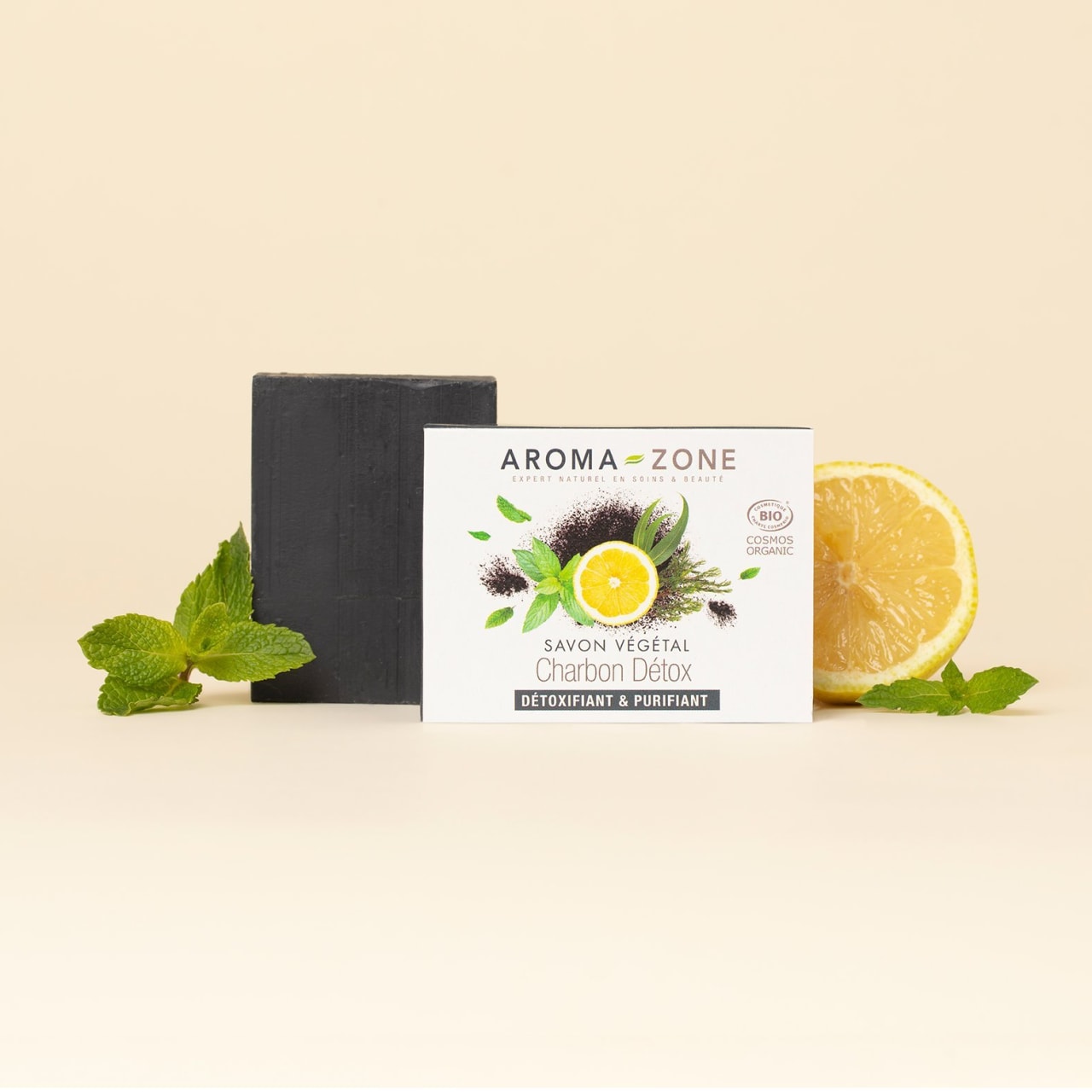
Choose a gentle soap containing activated charcoal, clay, or essential oils such as peppermint or tea tree, which regulate sebum production and purify the skin.

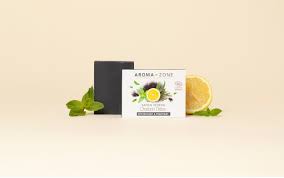
At Aroma-Zone, we recommend the Detox Charcoal Soap, which is ideal for combination to oily skin!

ARTISANAL DETOX CHARCOAL SOAP

Spotlight on the Detox Charcoal Handcrafted Soap – Plant-Based & Cold-Processed

This organic, cold-processed plant-based charcoal soap is a must-have for detoxifying, unclogging pores and deeply cleansing the skin. Rich in organic plant oils such as calophyllum and black cumin, and organic essential oils including tea tree, eucalyptus, mint, and lemon, this purifying soap leaves the skin clear and clean while preserving its hydrolipidic film. Ideal for combination and oily skin, it absorbs impurities and combats blemishes without drying out the skin. Handcrafted in Provence using the cold-process method, this gentle, ultra-nourishing soap with a fresh, invigorating fragrance can be used daily on the face, body and hands.

Discover the Charcoal Detox Handcrafted Soap – plant-based & SAPO

Which Soap Is Best for Acne-Prone Skin?

Acne-prone skin requires careful consideration when choosing products. To cleanse it effectively, choose a soap with antiseptic, anti-inflammatory, and healing active ingredients. Our Purifying Plant-based Soap is a great option.

Spotlight on the Purifying Plant-Based Soap

Thanks to a blend of oils known for their purifying, cleansing and soothing properties – including lavender, tea tree, lemon, and linalool-rich thyme – this certified organic soap is particularly suitable for purifying blemish-prone skin and for washing hands.

Discover the Purifying Plant-Based Soap

Which Soap Is Best for Sensitive Skin?

For sensitive skin, it is crucial to choose a gentle, hypoallergenic soap that won’t cause irritation or discomfort.

Start by choosing a soap that is free from fragrance and colourants, as these ingredients can be irritating. Next, ensure the soap is ultra-moisturising, enriched with soothing ingredients such as donkey milk or calendula, as well as moisturising agents (glycerine, shea butter, etc.).

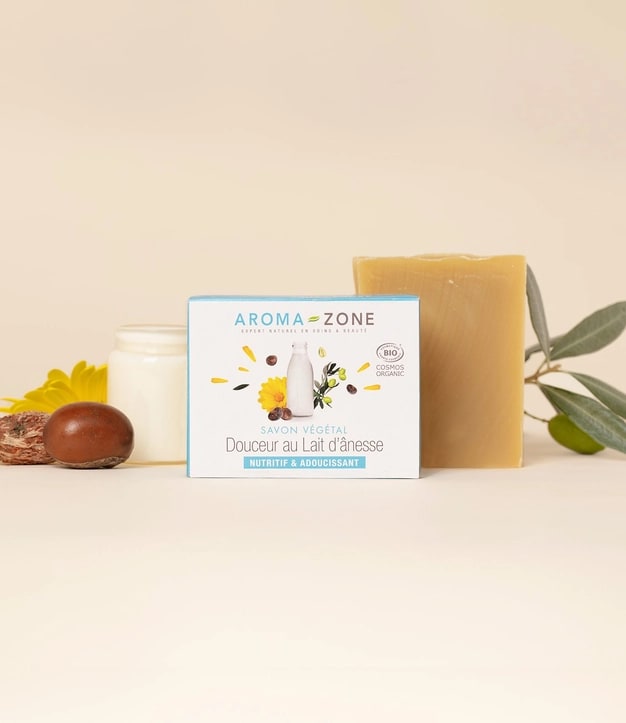
At Aroma-Zone, the gentle donkey milk soap will care for even the most delicate skin. Are you looking for a vegan alternative? Try the handmade ‘Douceur d’Amande’ soap.

Gentle organic donkey milk soap – plant-based & SAF

Spotlight on the Gentle Organic Donkey’s Milk Soap – plant-based & SAPO

This organic and natural donkey milk soap is ideal for the whole family and particularly soothing for dry, sensitive and delicate skin. Renowned for its benefits since ancient times, donkey milk imparts its nourishing, soothing and regenerating properties to this handcrafted cold-processed soap. Enriched at the end of the saponification process with 40% fresh organic donkey milk, organic shea butter and organic plant-based oils of calendula and avocado – all with soothing and softening properties – this soap is a soothing balm crafted by a passionate couple in Corrèze, with the utmost respect for animal welfare.

Discover the Gentle Organic Donkey’s Milk Soap – plant-based & SAF

Which Soap Is Best for Dry Skin?

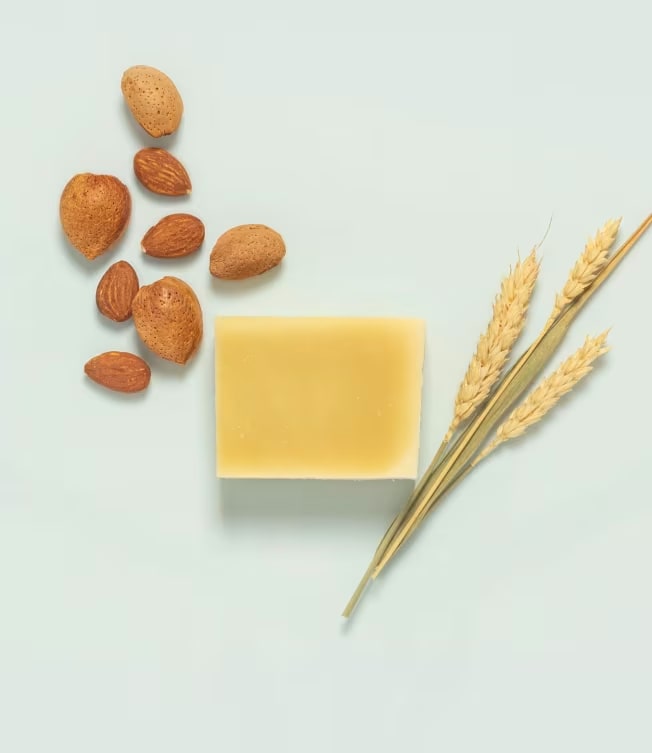
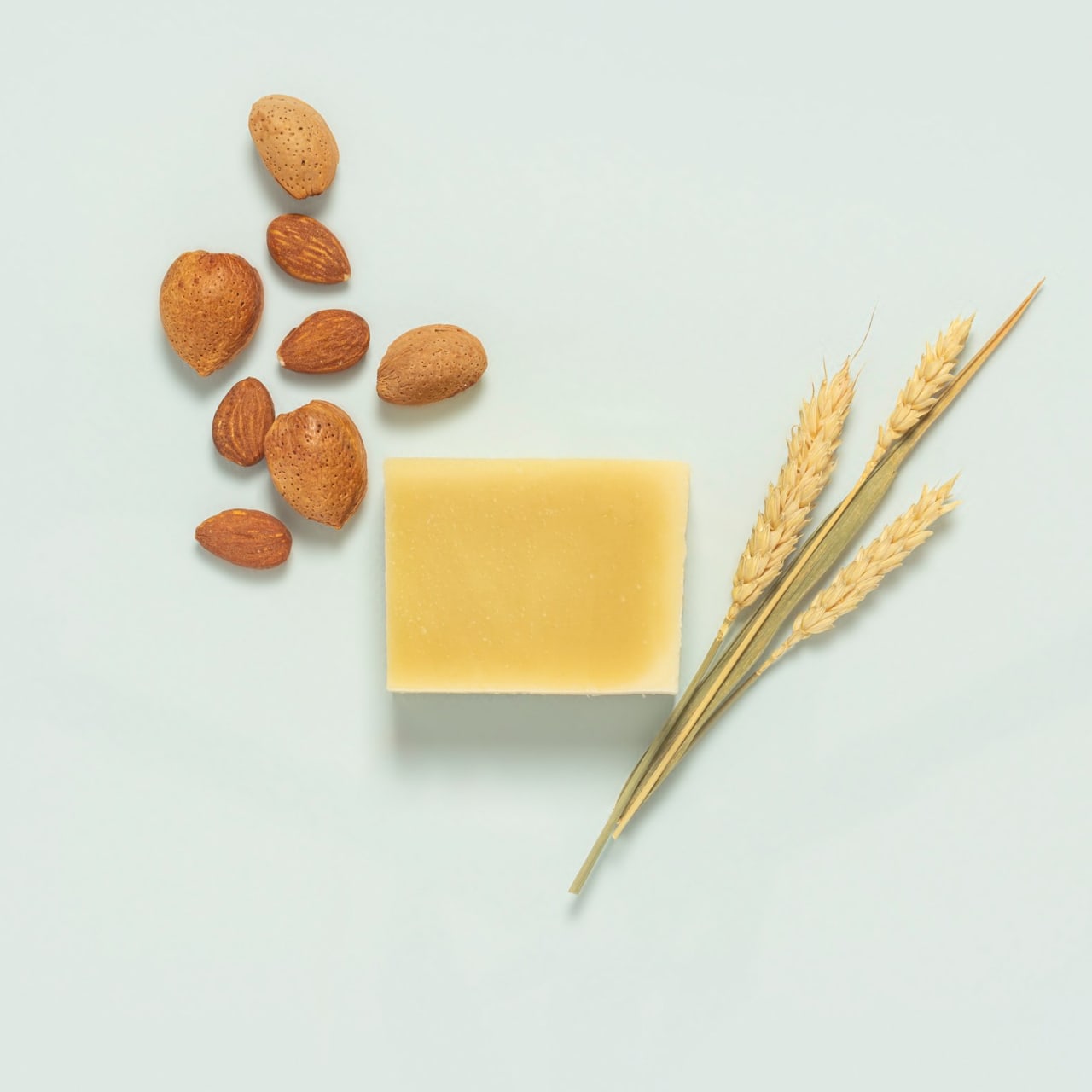
For dry skin, it is crucial to choose a gentle soap with moisturising properties. To do this, the soap should be formulated with moisturising, nourishing agents such as glycerine, sweet almond oil, olive oil, or shea butter. These ingredients help to nourish the skin while gently cleansing it. Try our ‘Douceur d’Amande’ Handmade Soap; your dry skin will love it!

Spotlight on the ‘Douceur d’Amande’ artisanal soap – plant-Based & Cold-Processed

Handcrafted using the cold-process method, this soap, made with grains and almonds, is a truly gentle treatment for all skin types. Certified organic, it is enriched with organic shea butter, plant-based oils including wheat germ and organic sweet almond, and an organic vanilla oil macerate – all known for their nourishing and softening properties. Delicately scented with the indulgent notes of bitter almond, this soap is also enriched with oat powder, which is ideal for delicate skin. A treat of softness for your skin!

Discover the ‘Douceur d’Amande’ handmade soap – plant-based & SAF

Key Ingredients in Facial Soaps

Olive Oil in Facial Soaps

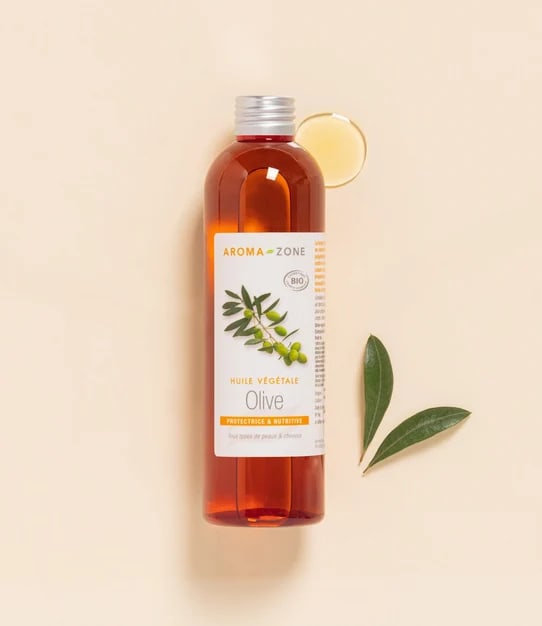
Olive oil is often used in facial soaps because of its many benefits for the skin. Rich in fatty acids and antioxidants, it helps to deeply nourish and moisturise, which is beneficial for dry and dehydrated skin. It also contains antioxidants such as Vitamin E, which has anti-ageing properties and protects the skin against damage caused by free radicals. Soothing and anti-inflammatory, it is ideal for sensitive or irritated skin.

Discover Olive Oil

Calendula Macerate in Children’s Soaps

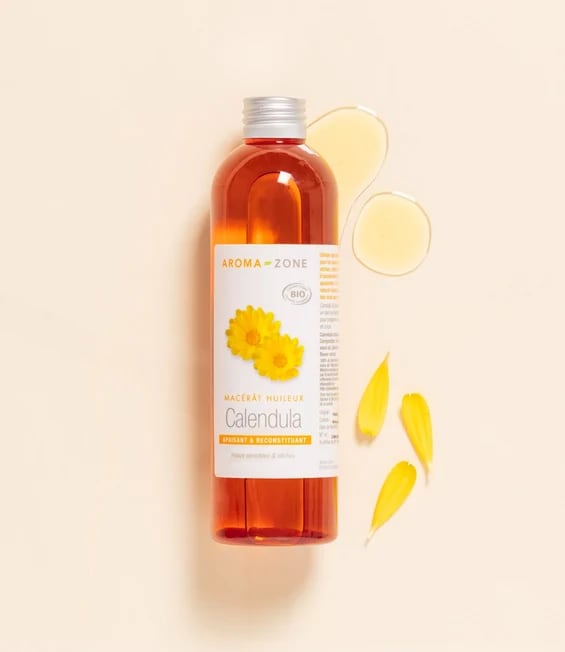
Known for its gentle properties, calendula flower macerate is ideal for making superfatting, cold-process soaps without essential oils, suitable for even the most delicate skin. It is often combined with oat oil, known for its soothing, protective and softening properties.

Discover calendula flower macerate

Aloe Vera and Its Benefits for the Skin

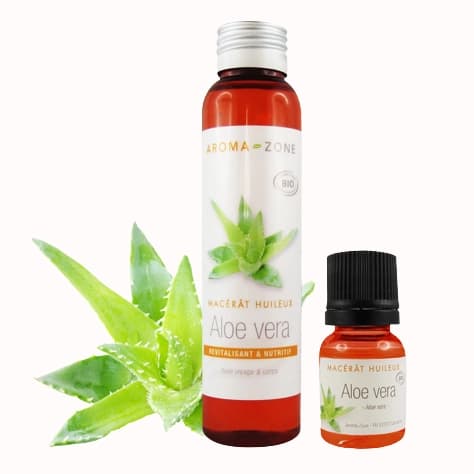
Aloe vera in the form of an oil macerate is a commonly used ingredient in facial soaps. This ingredient has soothing and anti-inflammatory properties that help calm irritation, redness and skin inflammation.

Aloe vera is also found in our Melt & Pour Soap Base, which is ideal for easily creating your own customised soaps and getting started with soap-making at home.

Discover the Organic Aloe Vera Oil Macerate

The Role of Goat’s Milk in Facial Soaps

Goat’s milk is a popular ingredient in skincare products, including facial soaps. Naturally rich in fatty acids and Vitamin A and Vitamin E, it is an excellent moisturiser that helps prevent skin ageing. It also contains lactic acid (AHA), which helps to gently exfoliate the skin.

If you prefer a vegan alternative, try coconut milk and almond milk.

Discover the cosmetic active ingredient: Organic coconut milk powder

How Do You Wash Your Face Properly With Soap?

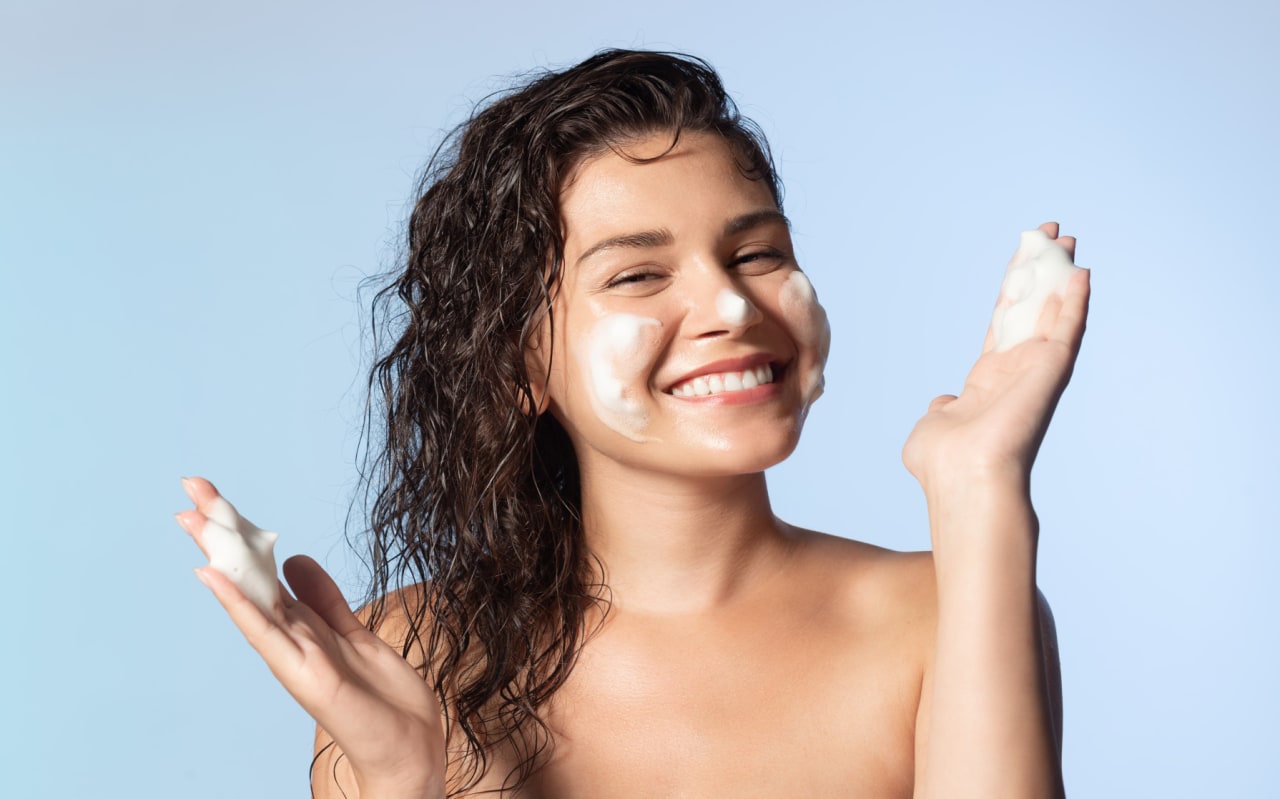
To wash your face properly with soap, follow these simple steps:

  1. Wet your face with lukewarm water. Avoid water that is too hot, as it dries out the skin

  2. Apply the soap: take a small amount of facial soap in your clean hands, then work it into a lather by gently rubbing your hands together

  3. Apply the soap lather to your face using gentle circular movements. Avoid rubbing too vigorously, especially if you have sensitive skin

  4. Rinse thoroughly with lukewarm water to remove any soap residue

  5. Dry gently by patting your face lightly with a clean towel. Avoid rubbing vigorously so as not to irritate your skin

  6. After cleansing, apply a moisturiser suited to your skin type to maintain hydration and protect your skin

It is recommended that you wash your face with soap in the evening to keep your skin clean and healthy. In the morning, a toner or hydrosol is sufficient to cleanse your skin.

Our Natural Recipes for Your Facial Soap

Using Facial Soap on a Daily Basis: Precautions to Take

What Is the Best Soap for Washing Your Face?

To cleanse your face, opt for natural cold-processed soaps: they gently cleanse the skin and are enriched with various natural active ingredients. With a wide range of choices on the market, there are cold-processed soaps suitable for all skin types.

Also make sure to choose a superfatting soap; produced using a special manufacturing process where superfatting ingredients (plant oils and plant butters) are added to the formula, they provide extra nourishment for the skin and help preserve the skin barrier and its hydrolipidic film.

Is It Okay to Wash Your Face With Soap?

There are no contraindications to washing your face with bar soap. Soap is a cleanser in its own right, suitable for different skin types depending on its composition and the active ingredients it contains. Always use a mild soap specifically designed for the face, as it is less irritating to the skin, which is more delicate in this area. Body soaps can be too harsh and disrupt the skin’s natural balance. It is also important to choose a soap suited to your skin type (oily, dry, combination, sensitive, etc.) to achieve the best results.

Why Is Using Soap on the Face Sometimes Not Recommended?

The skin on the face has a more acidic pH than the rest of the body. This naturally occurring pH helps to protect the skin’s surface from the proliferation of germs. Using a soap that is too alkaline can disrupt the skin’s natural pH balance, leading to problems such as dryness, irritation or increased sensitivity.

However, most soaps formulated for the face have a neutral to acidic pH, which is perfectly suited to caring for the skin barrier. Skincare products applied after cleansing will also help to rebalance the skin’s pH if necessary.

Spotlight on Our Specialist Writer: Charlie Morel

charlie.jpg

Charlie holds a Master’s degree in cosmetic formulation. Passionate about cosmetology and a lover of words, she decided in 2020 to become a web editor specialising in cosmetics and beauty. Her desire for a career change inspired her to go freelance, giving her the freedom to work from anywhere in the world.