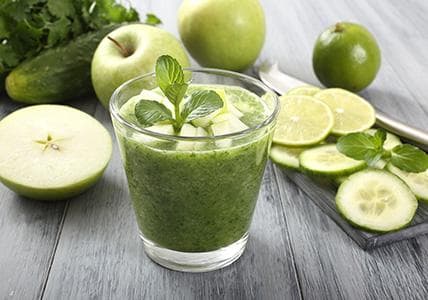
A detox, or detoxification, is a process designed to support the body’s natural elimination functions. The body has specialised organs, known as emunctory organs (the liver, the kidneys, the intestines, the lungs and the skin), whose essential role is to eliminate toxins from food, the environment and metabolism. However, our modern lifestyle, characterised by stress, pollution and highly processed foods, can slow down these mechanisms and encourage the build-up of toxins. A detox programme therefore aims to stimulate these organs in order to optimise the elimination of waste and restore internal balance, in particular through a targeted diet and appropriate natural practices.

Which Detox is Best for Weight Loss?
Published on: Friday, April 04, 2025, Updated on: Wednesday, September 30, 2026
Do you want to lose weight and regain a sense of general wellbeing? Detox programmes are often promoted as a way to help eliminate toxins and boost your metabolism. They can be a real asset in your weight-loss journey. But how can you follow them safely and effectively? Let’s take a look at the benefits of a weight-loss detox and the best practices to follow.
Contents
Related products
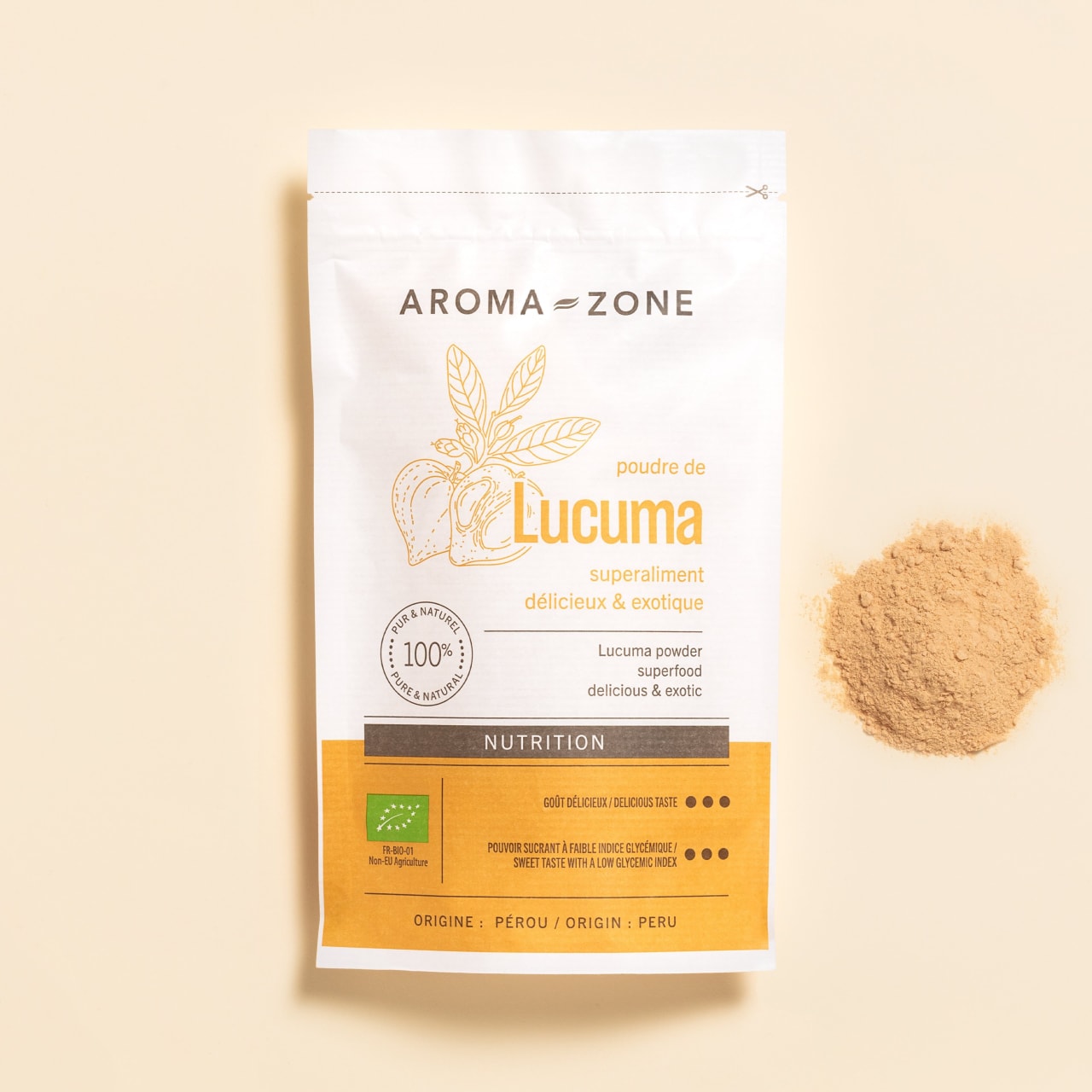
Organic Lucuma Powder
Sugar substitute
£9.50
200 g
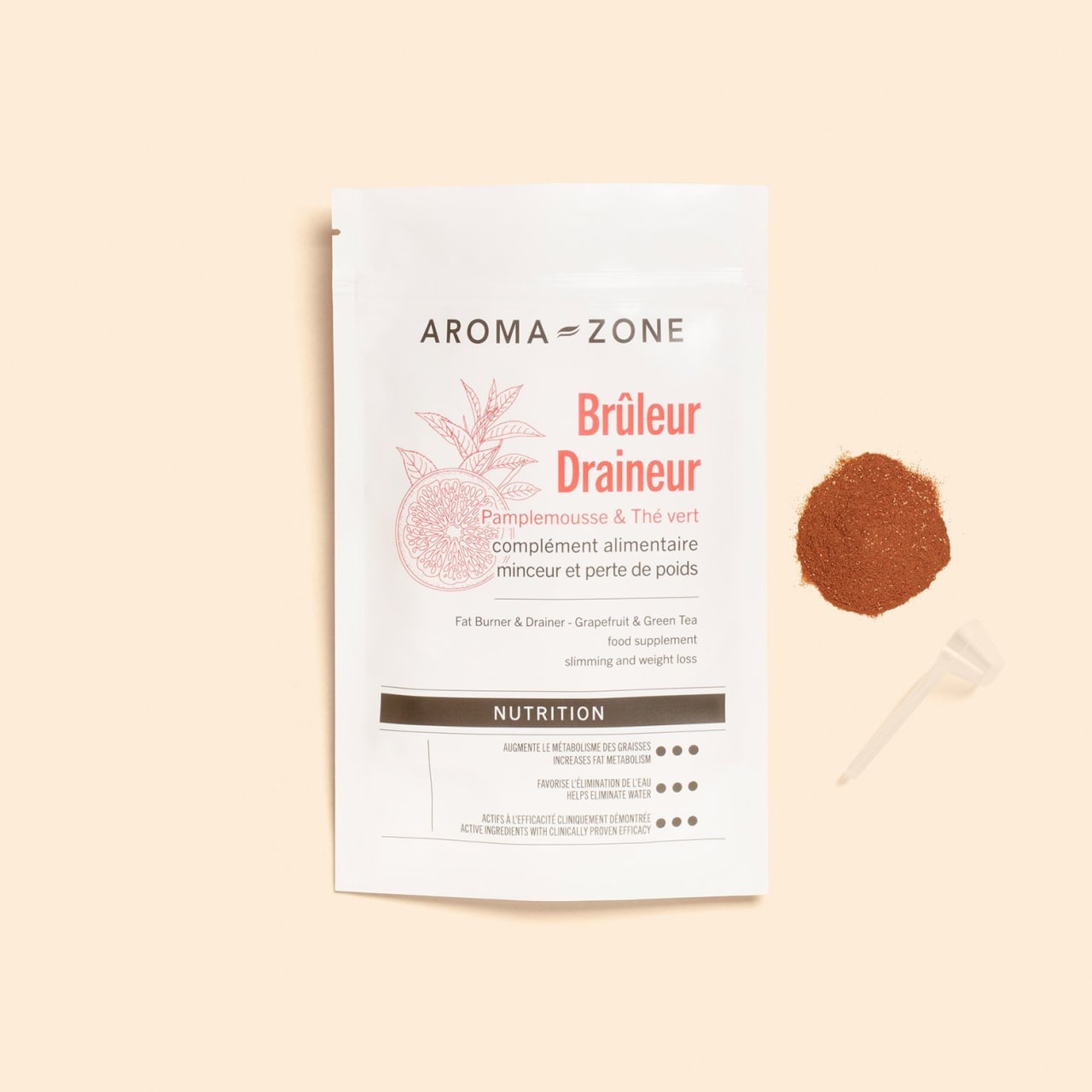
Fat Burner & Drainer
Weight management
£22.00
120 g
What Is a Detox?
Why Do a Detox to Lose Weight?
A detox can be a real asset in the weight-loss process. On the one hand, it helps eliminate toxins stored in fat cells, which can be released into the bloodstream as fat is broken down. On the other hand, it prepares the body for a change in diet by optimising digestion, reducing fatigue and promoting better nutrient absorption. Finally, by supporting the functions of the excretory organs and strengthening the immune system, it contributes to overall well-being, which is essential for maintaining a healthy lifestyle in the long term.
What Are the Benefits of a Detox?
A properly carried out detox programme can bring numerous benefits for the body:
Toxin Elimination: It helps flush out unwanted substances and supports the work of the excretory organs (liver, kidneys, intestines, lungs, skin) by reducing their workload
Liver Detoxification: Closely linked to the previous point, certain plants such as milk thistle and black radish stimulate liver function and optimise the elimination of toxins
Improved Digestion: By reducing the intake of processed foods and opting for a natural diet, digestion becomes smoother and the gut functions more effectively
Boosting Metabolism: By providing essential nutrients and reducing toxins that can slow down biological processes, a detox helps to boost metabolism. This can support better weight management and more efficient energy use
Optimised Hydration: A detox programme encourages increased consumption of water and diuretic herbal teas, which are essential for the elimination of waste
Increased Energy: By reducing toxin overload, a detox can alleviate fatigue, promote vitality and enhance mental clarity
Strengthened Immune System: By eliminating certain pro-inflammatory substances, it helps create a healthier internal environment and improves resistance to external stressors
Improved Sleep: A less burdened body promotes deep relaxation and more restorative sleep
Stimulation of Blood and Lymphatic Circulation: A detox helps to eliminate toxins more effectively by promoting microcirculation and lymphatic drainage
Reduced Inflammation: By limiting the intake of toxins and pro-inflammatory foods, it can help reduce chronic inflammation
Mental and Emotional well-being: By promoting greater internal balance, a detox can improve mood, concentration, and creativity
Weight Loss and Reduced Water Retention: By lightening the diet and stimulating elimination, a detox can lead to slight weight loss and improve the appearance of the skin by reducing cellulite
When Should You Do a Detox?
A detox programme can be beneficial in several situations:
During Seasonal Changes: Particularly in spring and autumn, to help the body adapt to environmental changes and boost its elimination functions
After Overeating or Excessive Alcohol Consumption: For example, after the festive season or holidays featuring rich, heavy meals, to relieve the liver and promote the elimination of accumulated toxins
In You Have a High Protein Intake or Smoking: To support the excretory organs in their filtration and elimination functions
When Persistent Fatigue or Recurrent Digestive Problems Occur: These may be signs of a toxic overload
Before Starting a Weight-loss Programme: To boost the metabolism and adopt better eating habits
After a Weight-loss Diet: To eliminate the toxins released as fat is broken down and to stabilise the results achieved
How Do You Go on a Detox?
A well-managed detox involves several key steps. Here’s how to go about it, step by step:
Setting Your Goal
Before you start, identify why you want to do a detox. This will help you tailor your approach:
To Eliminate Excess Water: Opt for diuretic herbs such as dandelion, Meadowsweet, and Cherry Stem
Improve Digestion: Choose Fennel and Black Radish
Support the Liver: Milk thistle and Desmodium are particularly effective
Boosting the Smmune system: Probiotics and immune-boosting plants such as Echinacea can be beneficial
Eating a Balanced Diet
Diet plays a key role in the effectiveness of a detox. It should be light, focus on minimally processed foods and help eliminate toxins.
Foods to Prioritise
Fresh Fruit and Vegetables (preferably organic): Rich in fibre, antioxidants and essential nutrients
Wholegrains (brown rice, quinoa, buckwheat): For an energy boost without putting a strain on the digestive system
Plant-based proteins (pulses, tofu, oilseeds): To limit the metabolic burden on the liver
First-cold-pressed oils (olive, linseed, walnut): For their benefits for circulation and inflammation.
Foods to avoid
Ultra-processed products, high in additives and preservatives
Refined sugars and excessive amounts of fast-acting carbohydrates, which overload the liver
Saturated fats and fried foods, which are difficult to metabolise
Dairy products, which can be pro-inflammatory for some people
Coffee, alcohol, and fizzy drinks, which place excessive strain on the liver and kidneys
Optimise Your Hydration
Staying well-hydrated helps the kidneys, liver and skin eliminate toxins.
Drink 1.5 to 2 litres of water a day, preferably with a low mineral content
Opt for draining herbal teas (birch, dandelion, hawkweed) and digestive teas (fennel, mint, ginger) to support the elimination process and improve digestion
Add a little fresh lemon juice to the water to stimulate the liver and alkalise the body
Supporting the Body’s Elimination Systems
As well as diet, certain practices and natural remedies can boost the function of the excretory organs:
Useful Herbs and Supplements
For the Liver: Milk thistle, black radish, Desmodium
For the Kidneys: Birch, Orthosiphon, cherry stems
For the Intestines: psyllium, probiotics, vegetable charcoal
For Lymphatic Circulation: Hawkweed, Ash
Complementary Practices
Regular Physical Exercise: Walking, yoga, swimming, cycling to stimulate blood and lymphatic circulation
Lymphatic Massages: Help eliminate toxins and improve lymphatic circulation
The Sauna and the Hammam: Help to eliminate toxins through sweating
Deep Breathing and Cardiac Coherence: To oxygenate the cells and facilitate the elimination of CO₂
Choosing the Right Duration
The duration of a detox depends on your goal and your individual tolerance:
Short Detox (3 to 7 days): Ideal for a quick boost after a period of overindulgence
Medium-term Detox (10 to 14 days): Allows for a more thorough cleanse, particularly of the liver and kidneys
Extended Programme (up to 21 days): Should only be undertaken under supervision to avoid nutritional deficiencies
What Options Are Available to Support a Weight-loss Detox?
To effectively support a weight-loss detox, here are a few specific products that can help you:
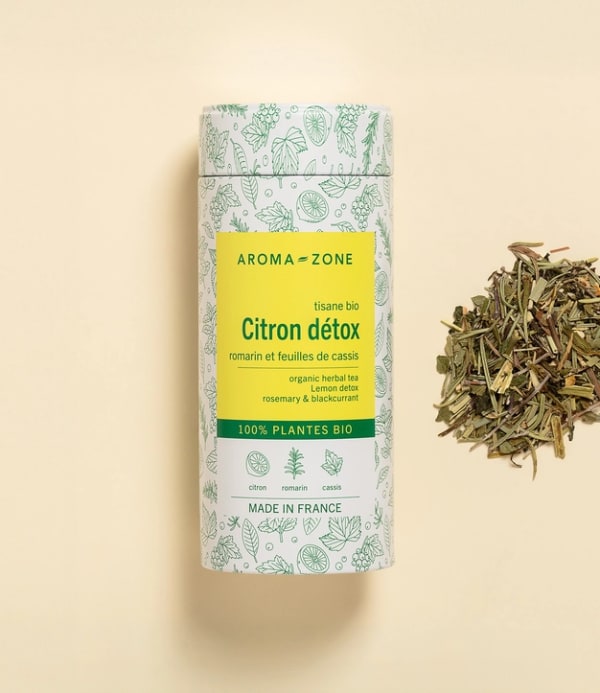
Start With a Detox Herbal Tea
Make yourself a cup of Organic Lemon Detox Herbal Tea to stimulate your digestive system and kick-start the detoxification process. This herbal tea helps eliminate toxins and supports a healthy metabolism.
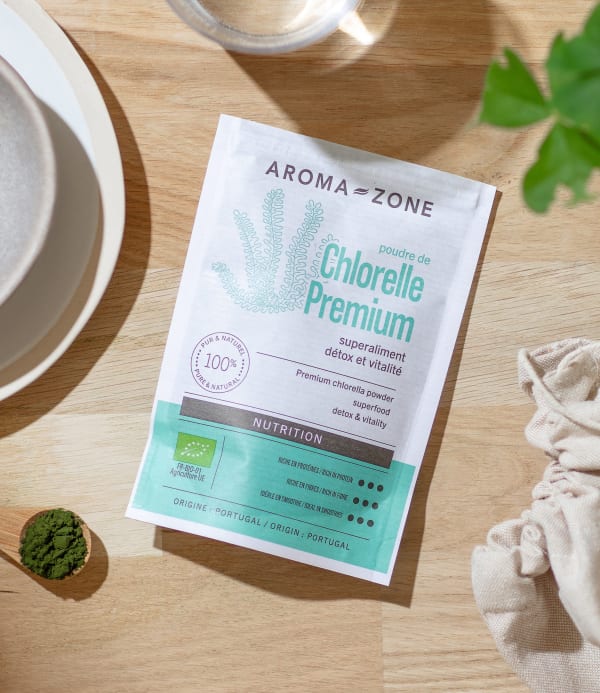
Supporting Detoxification
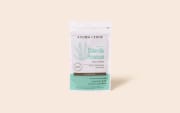
The Premium Chlorella Powder is an excellent aid to detoxification thanks to its exceptional properties. Rich in protein, vitamins, minerals and antioxidants, it helps to eliminate heavy metals and purify the body. This superfood is also known to support the immune system and is particularly recommended during seasonal cleansing regimes or periods of temporary fatigue.

Promoting Lymphatic Drainage and Supporting Weight Loss
To aid drainage and support your weight-loss journey, the Fat-Burning and Drainage Dietary Supplement combines patented active ingredients such as Sinetrol® and Cactinea™, which have draining and lipolytic properties and help to eliminate fat, water retention and toxins.
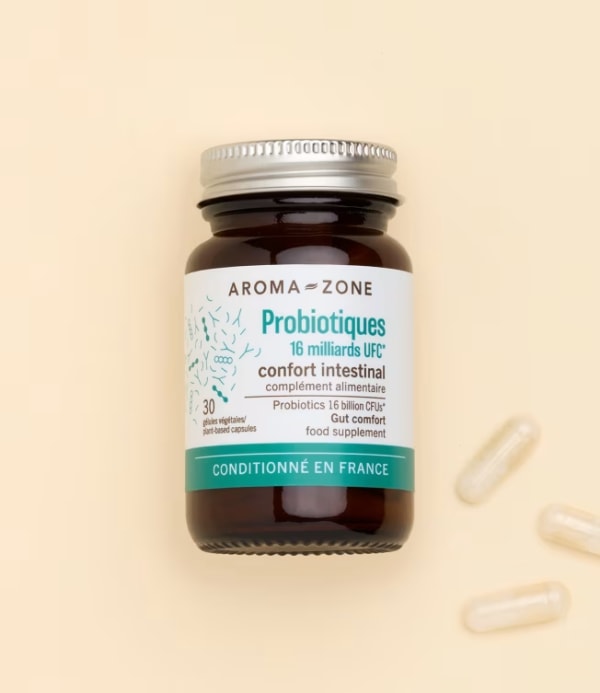
Balancing the Gut Microbiota
A healthy gut microbiota is essential for optimal digestion and proper nutrient absorption. The Probiotics for Gut Comfort – 30 capsules provide five patented probiotic strains and prebiotic fibres, which help to restore and maintain the balance of the gut flora.
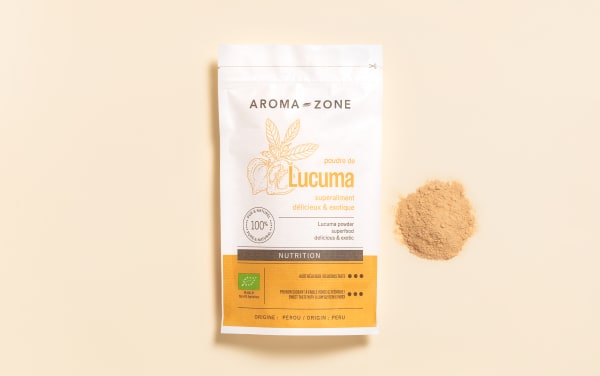
Healthy Alternatives to Sugar
To sweeten your dishes whilst avoiding refined sugars, opt for Organic Lucuma Powder. This superfood offers natural sweetness with a low glycaemic index, whilst providing beneficial nutrients for your body.
Precautions
A detox isn’t suitable for everyone. Certain situations require special precautions:
Contraindications: Pregnancy, breastfeeding, kidney failure, severe digestive disorders, chronic conditions requiring a specific diet
Medical Supervision Recommended: In cases of diabetes, cardiovascular disease or high blood pressure
Avoid Overly Restrictive Diets: A prolonged fast or a poorly supervised mono-diet can lead to nutritional deficiencies and fatigue
Gradually Reintroduce Foods After the Detox: To avoid suddenly overloading the excretory organs
Our Detox Recipes
Standard Precautions
A detox should not replace a balanced diet in the long term.
Avoid overly drastic detox programmes, which can put a strain on the body and disrupt its normal functioning
If you experience severe tiredness, persistent headaches or any other adverse effects, stop the detox immediately and consult a healthcare professional
Chlorella: Introduce gradually. Do not exceed the recommended dose. Start with a low dose if you have digestive problems. Seek professional advice if you are pregnant, breastfeeding or undergoing specific medical treatment
Probiotics: Consult a healthcare professional before starting, particularly if you have gut problems or a weakened immune system, or if you are taking antibiotics
Lucuma: Consult a healthcare professional if you have blood sugar issues or diabetes, as this may affect blood sugar levels
Fat Burner & Detox: Must not be consumed by pregnant or breastfeeding women, children under 18, or by anyone with heart conditions or hyperthyroidism. Consult a healthcare professional before use, especially if you are taking medication or have any health issues
-> Before starting a detox, it is important to consult a healthcare professional, especially if you have any pre-existing medical conditions. It is also important to maintain an adequate calorie intake to avoid nutritional deficiencies and associated health problems.
Expert Advice
Intermittent fasting can also be a useful method to complement your detox. By alternating between periods of fasting and eating, it helps your body to regenerate and eliminate toxins naturally. It is essential to introduce it gradually and to ensure you maintain a balanced and adequate diet. If you have any doubts, do not hesitate to consult a healthcare professional to tailor it to your needs and pace.
Spotlight on Our Naturopathic Writer: Stéphanie Catrysse

Stéphanie Catrysse is a naturopath (certified by the FENA), a wellness massage and lymphatic drainage practitioner, and a personal development coach. She is passionate about alternative medicine and practices a holistic approach to health.
Bibliography
"Juices: the detox and weight-loss programme",
Joe Cross, 2015, Larousse
https://www.compagnie-des-sens.fr/detox-conseils/
"The Comprehensive Guide to Naturopathy",
"My Herbal Medicine Bible",
Caroline Gayet, 2018, Éditions Leduc pratique
https://lasante.net/fiches-conseil/infos-pratiques/au-quotidien/detox-apres-les-fetes.html
https://www.dr-cocchi.fr/detoxication-detox-bordeaux-bassin-arcachon-aquitaine-33/bienfaits-cure-detox-bordeaux-gironde-aquitaine-33.html