What are the common mistakes people make when it comes to moisturising their skin, according to our dermatologists?

What are the common mistakes people make when it comes to moisturising their skin, according to our dermatologists?


By Vanessa Houpert

Published on: Monday, May 11, 2026, Updated on: Monday, October 12, 2026

Contrary to popular belief, certain practices or products claimed to be moisturising are actually best avoided. They can disrupt the skin barrier and exacerbate dryness or cause occlusion. In this article, we review the common mistakes people make in their daily moisturising routine, their actual impact on the skin and the best practices to adopt, with expert insight from our dermatologists.

Contents

Related products

In brief

  • An effective moisturising routine relies on a balance between hydration, maintaining the lipid barrier and choosing the right active ingredients.

  • Certain common mistakes (over-exfoliation, choosing the wrong products, harsh skincare techniques) can, on the contrary, make dehydration worse.

  • Adopting simple, regular and consistent skincare practices helps to restore the skin’s comfort and condition in the long term.

What are the main mistakes to avoid when it comes to moisturising?

Using unsuitable products (harsh cleansers, nourishing creams instead of moisturisers, etc.), applying water that is too hot to the face or using harsh techniques can irritate the skin, damage the lipid barrier, cause transepidermal water loss (TEWL – the continuous, invisible loss of water through the skin), exacerbate dryness and lead to tightness. 

Furthermore, applying multiple layers of products can create an occlusion.

Finally, another mistake is to think that oily skin does not need moisturising. If it is dehydrated, it will, on the contrary, produce even more sebum without balancing its moisture levels.

You may be making these mistakes if…

  • You experience tightness despite applying a moisturiser, or a feeling of discomfort by the end of the day.

  • Your skin has both shiny and dry patches, or reacts easily (redness, heat).

  • Your skincare routine involves layering numerous products without any visible improvement in hydration.

Why do certain habits exacerbate skin imbalances?

In a nutshell: skin hydration is all about striking a balance between water intake, hygroscopic factors (which bind water), the lipids in the skin barrier and the environment (1).

Dehydrated skin is often linked to a compromised skin barrier. Trans-epidermal water loss (TEWL) increases when the stratum corneum is no longer able to retain water effectively, particularly due to aggressive factors (over-exfoliation, hot water, irritating active ingredients, a dry environment) (2, 3).

Furthermore, over-application of products can disrupt the balance of the skin barrier and lead to discomfort in certain sensitive or blemish-prone skin types (3).

What are the best habits to adopt?

  1. Opt for gentle cleansers that respect the hydrolipidic film, limit the water temperature and avoid abrasive actions. Overly aggressive cleansing (harsh surfactants, hot water, repeated rubbing) damages surface lipids and weakens the skin barrier. The result: water loss through evaporation increases and the skin becomes more vulnerable to external aggressors (2). Choosing a gentle cleanser with a physiological pH and drying the skin without rubbing helps to preserve the integrity of the stratum corneum and limit dehydration (1, 2).

  2. Combine humectants (hyaluronic acid, glycerine) with emollients and occlusives to retain water in the skin. Humectants attract and retain water in the superficial layers of the epidermis, but their effectiveness depends on the skin’s ability to retain it. The addition of emollients (oils, lipids) and occlusive agents (balms, ceramides) helps to strengthen the skin barrier and limit water evaporation. This combined approach mimics the function of the natural moisturising factor (NMF) and optimises overall hydration (1, 4).

  3. Adapt your skincare routine to your skin type and environment (climate, season, lifestyle). Hydration needs vary depending on external conditions (cold, wind, dry air, pollution) and individual characteristics (age, skin type, physical activity). For example, a dry or heated environment increases water loss, whilst some oily skin types may be dehydrated despite excess sebum. Adjusting the texture of skincare products and the frequency of application helps maintain optimal hydration balance and supports the skin’s barrier function (1, 3).

Key points to remember for adopting beneficial skincare practices

  • Moisturising does not mean using more products, but rather building a consistent and gradual routine.

  • Consistency, gentle application and a balance between moisturising and protecting the skin barrier are the keys to comfortable, long-lasting hydration.

Expert advice

As well as following a suitable skincare routine, there are some specific tips from our team of dermatologists that are worth bearing in mind.

A word from the dermatologist

"Polyglutamic acid can retain up to 5,000 times its weight in water, making it an excellent ally for intensely hydrating the skin and strengthening the skin barrier. I therefore recommend it particularly for dry, dehydrated or irritated skin. It can be used in the morning and/or evening, either on its own or in combination with other active ingredients, for example after a vitamin C-based serum or after applying an exfoliant.”

@docteur_skin, dermatologist and member of the Aroma-Zone College of Dermatologists

A word from the Doctor of Pharmacy

"Micronutrition can make a targeted contribution to improving skin quality by providing essential nutrients, each of which acts at different levels of the skin’s structure and function. Essential fatty acids (omega-3s, omega-6s, particularly linoleic acid) play a role in the composition of cell membranes and in the formation of the hydrolipid film. They contribute to the suppleness and cohesion of the skin barrier, helping to prevent dryness and dehydration. Supplementation can improve the skin’s hydration, radiance and elasticity.”

Dr Valérie Espinasse, Doctor of Pharmacy and qualified in micronutrition, preventive medicine and personalised anti-ageing medicine

A word from the dermatologist

"In your practice, what signs indicate to you that a moisturising routine is unsuitable? The most common scenario is the use of vegetable oils in cases of seborrhoeic dermatitis. This inflammatory condition is characterised by the presence of flaky skin, which patients mistakenly interpret as dryness. Vegetable oil then encourages the proliferation of Malassezia, a lipid-loving yeast, which exacerbates the inflammation. The solution is to use antifungal active ingredients and limit the use of oils.”

Dr Reyhan Amode, dermatologist and member of the Aroma-Zone College of Dermatologists

Our tailored skincare products

To support a balanced moisturising routine, various types of skincare products can be combined or used separately, depending on the needs of your body and skin.

Hydrating the skin

catalogue_other-ingredients_organic-vegetable-glycerine-palm-free_1

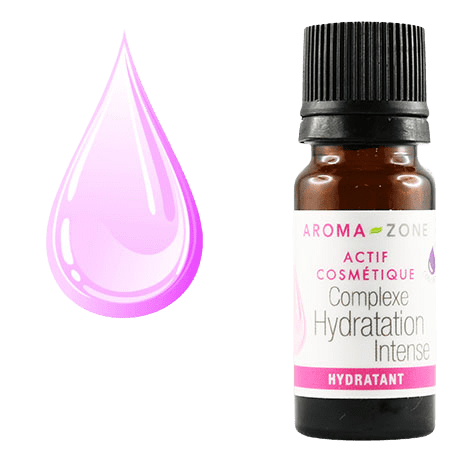
Intense Hydration Active Complex

The skin’s ‘Natural Moisturising Factor’ (NMF), i.e. the combination of compounds that naturally maintain moisture in the upper layers of the epidermis, is optimally replicated in this active ingredient, which combines several complementary and synergistic components. It can be incorporated into all types of formulations, including creams, gels and foaming products. Dosage: 1–3 per cent of the total weight of your formulation.

Discover the Intense Hydration Complex

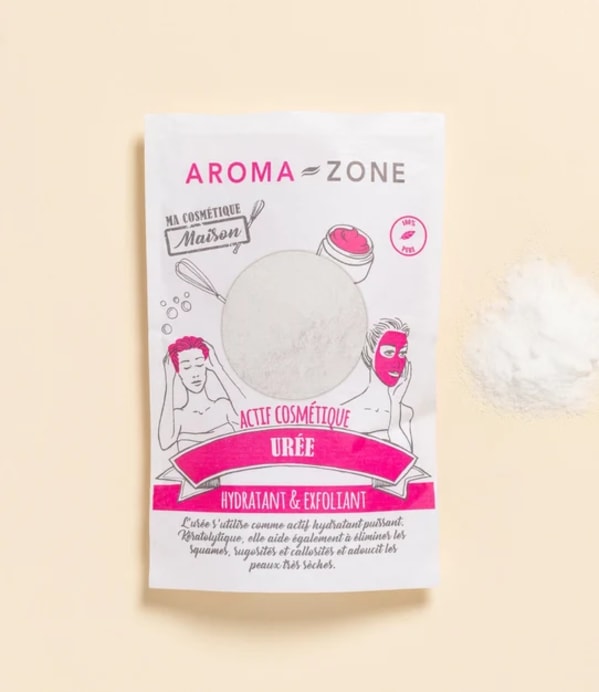
Urea active ingredient

In cosmetics and dermatological formulations, urea is known for its intense moisturising properties on the upper layers of the epidermis. When incorporated into formulations, it helps remove dead skin cells and restores suppleness and softness to very dry, rough or flaky skin. Concentration: between 1 and 10 per cent of the total weight of your formulation.

Discover the active ingredient: urea

Organic, palm-free vegetable glycerine

Guaranteed palm-derivative-free and certified organic, this moisturising agent – a must-have thanks to its humectant and emollient properties – is incorporated as an active ingredient in formulations to provide softness and hydration to the skin. Dosage: between 1 and 10 per cent of the total weight of your formulation.

Discover Organic, Palm-Free Vegetable Glycerine

3.5% Hyaluronic Acid Concentrated Serum

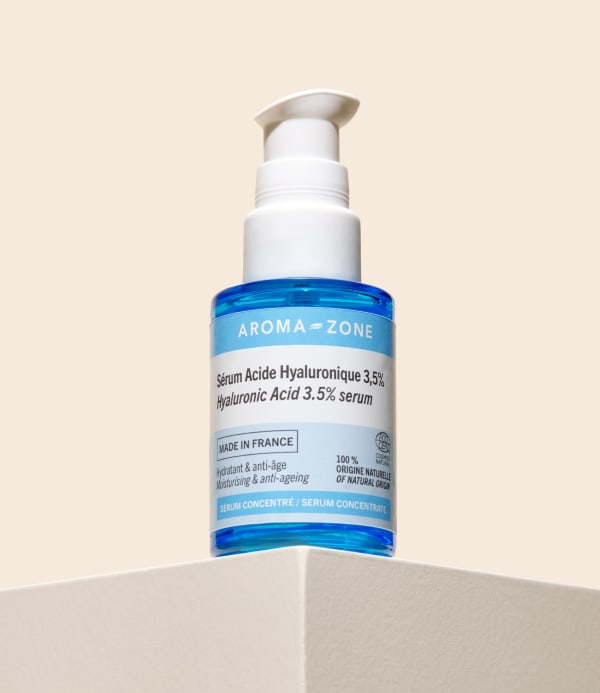
3.5% Concentrated Hyaluronic Acid Serum

Containing 3.5 per cent hyaluronic acid, compared to the 0.1 to 1 per cent found in conventional cosmetics, this serum – renowned for smoothing, moisturising and plumping the skin – is one of the most concentrated on the market. By applying a pump of the serum to the face after moistening it with a hydrosol or spray, the absorption and moisturising effects of the active ingredient are maximised. 

Discover the 3.5% Concentrated Hyaluronic Acid Serum

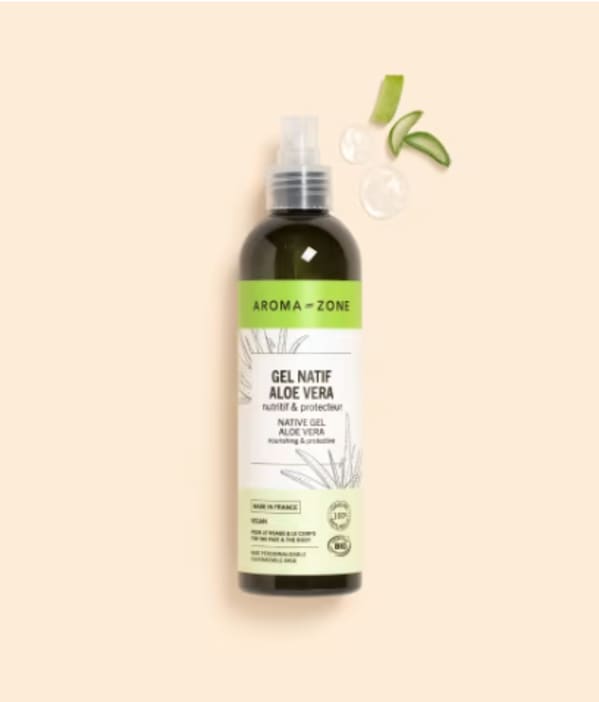
Organic Aloe Vera Gel

Organic Aloe Vera Native Gel

With a minimum aloeverose concentration of 1,200 mg/L, this 100% natural gel intensely moisturises the upper layers of the epidermis and helps the skin retain moisture for long-lasting comfort. It is ideal on its own or as a base for homemade skincare treatments for dehydrated, dry, flaky, mature, wrinkled, devitalised, undernourished, dull, atopic-prone, irritated or sensitive skin. Remember to store this product in the fridge between uses.

Discover the Organic Aloe Vera Gel

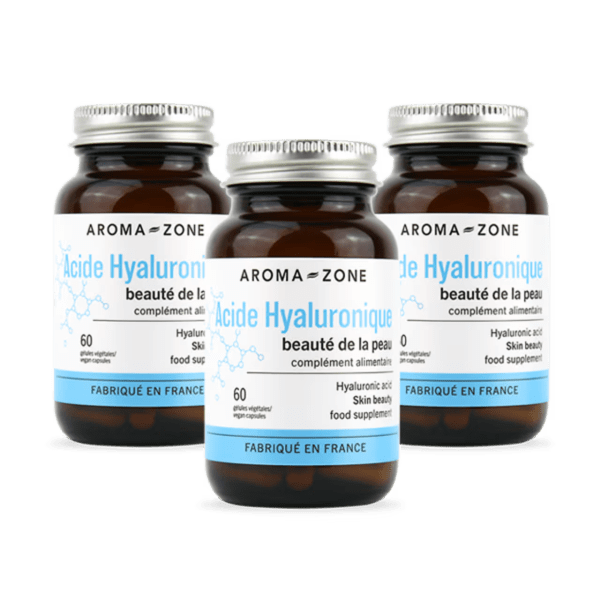
Hyaluronic Acid Treatment – 6-month course – Set of 3

Hyaluronic acid capsules

With a view to hydrating the skin from the inside out, this hyaluronic acid treatment is part of a 6-month programme, designed for regular daily use over the long term. Naturally present in the body, hyaluronic acid helps to hydrate tissues and contributes to maintaining the skin’s suppleness, elasticity and smooth appearance. For adults only; not recommended for pregnant or breastfeeding women.

Discover hyaluronic acid capsules

Sealing in moisture

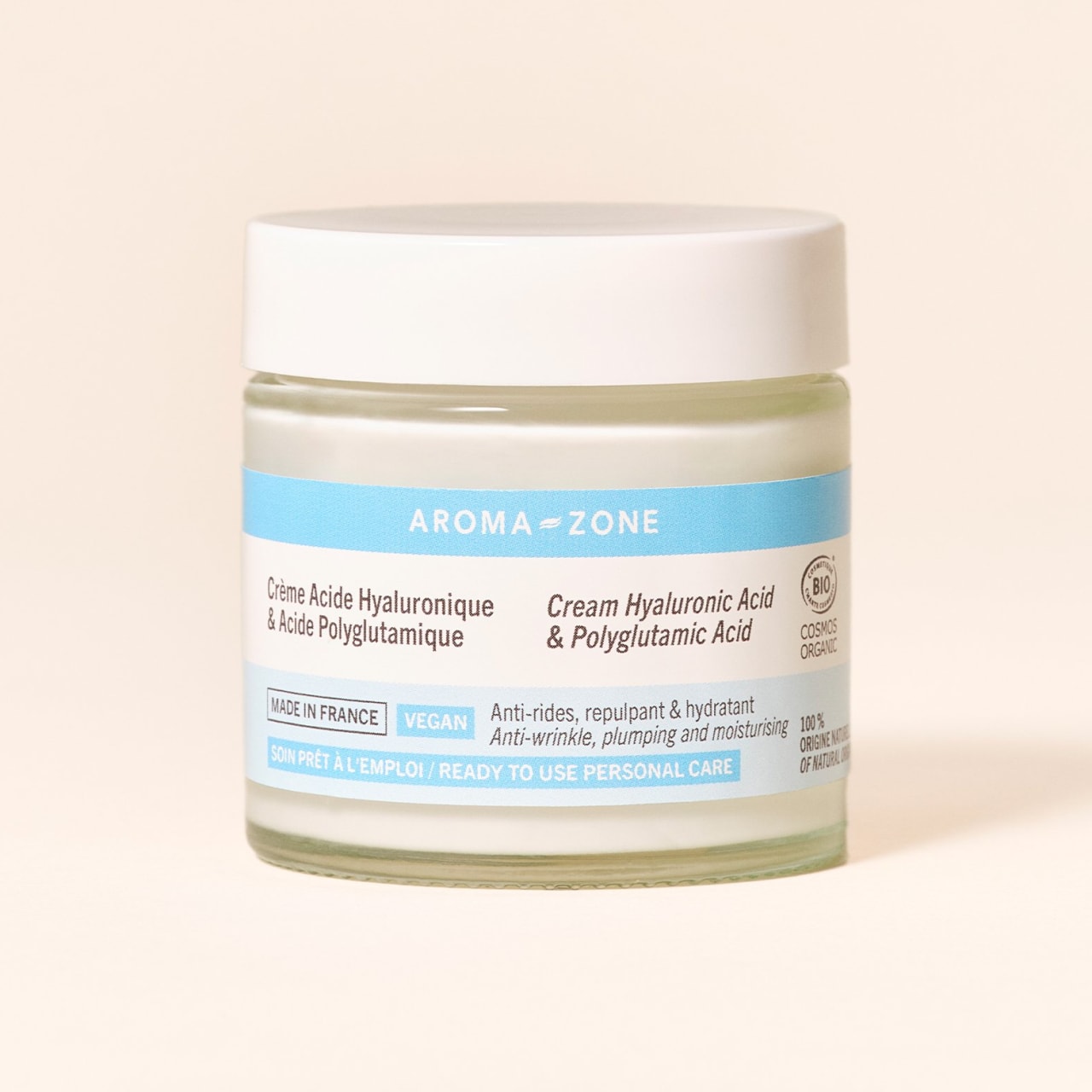
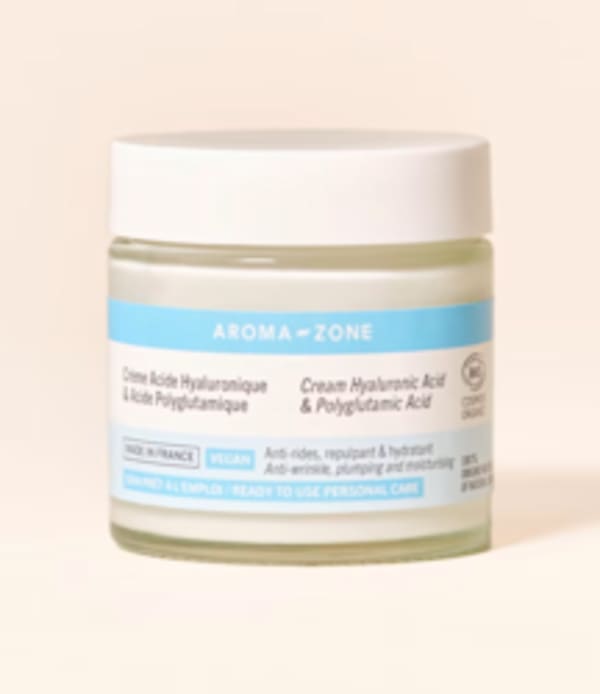
Hyaluronic Acid & Polyglutamic Acid Cream

Hyaluronic Acid & Polyglutamic Acid Cream

Combining next-generation hyaluronic acid and polyglutamic acid, this rich, non-greasy cream provides immediate and long-lasting hydration to reduce the discomfort associated with dehydration, prevent the first signs of ageing and correct established signs of ageing. Its enhanced moisturising action leaves the skin supple, soft and plump, for a ‘baby-soft skin’ effect. Avoid contact with the eyes; in case of contact, rinse immediately and thoroughly with clean water.

Discover the Hyaluronic Acid & Polyglutamic Acid Cream

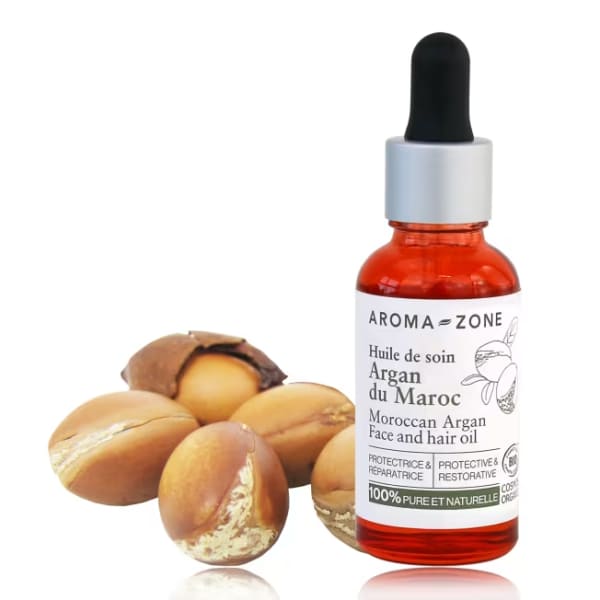
Organic Moroccan Argan Oil

Organic Moroccan Argan Oil

Wrinkled, dry or lacklustre skin will benefit from this antioxidant-rich virgin argan oil, which helps maintain the skin’s barrier and hydration levels whilst combating the effects of external aggressors. Apply neat or customised to the entire face after your serum. Customisation is recommended for adults only.

Discover the Organic Moroccan Argan Skincare Oil

Strengthening the hydrolipidic film

Capture 02 02

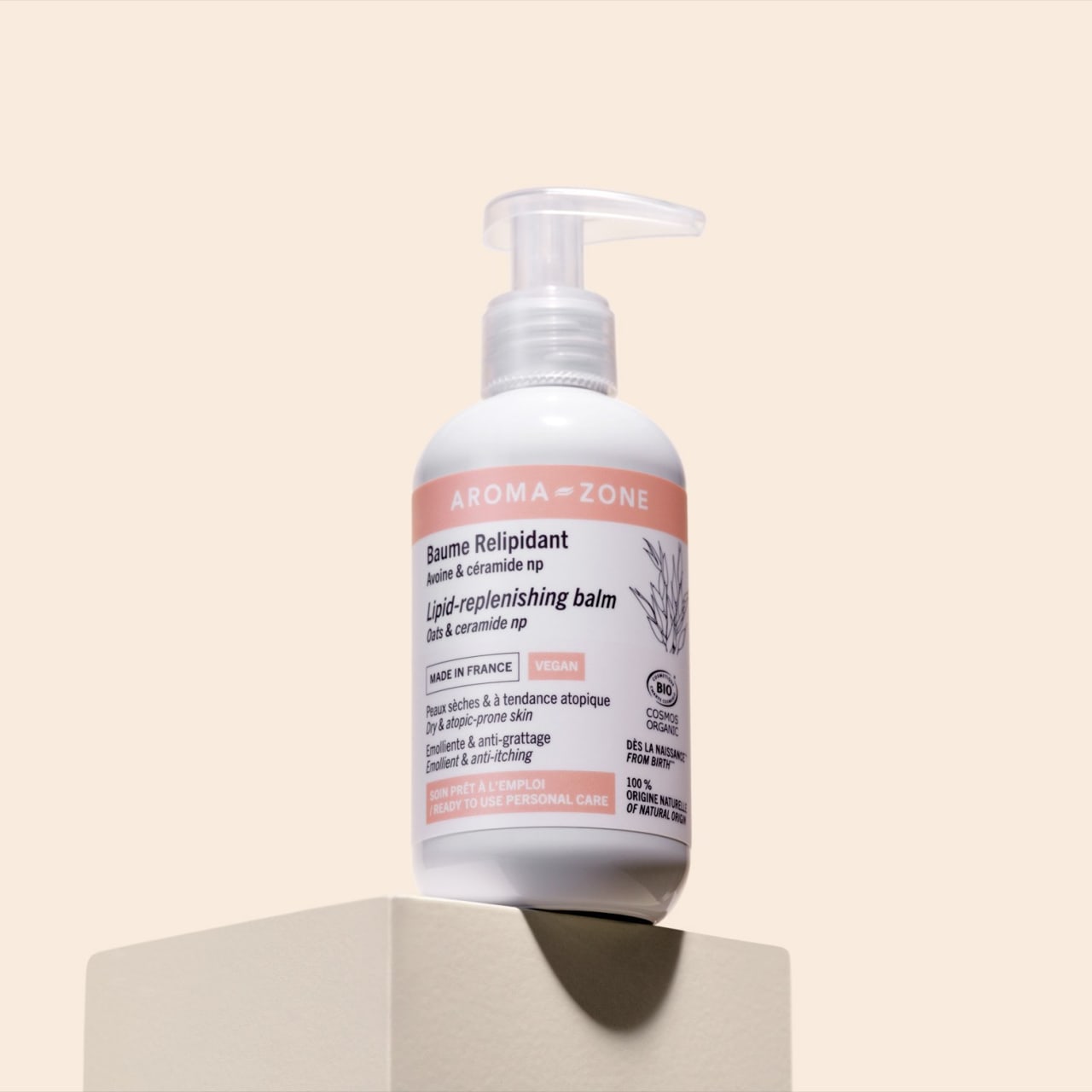
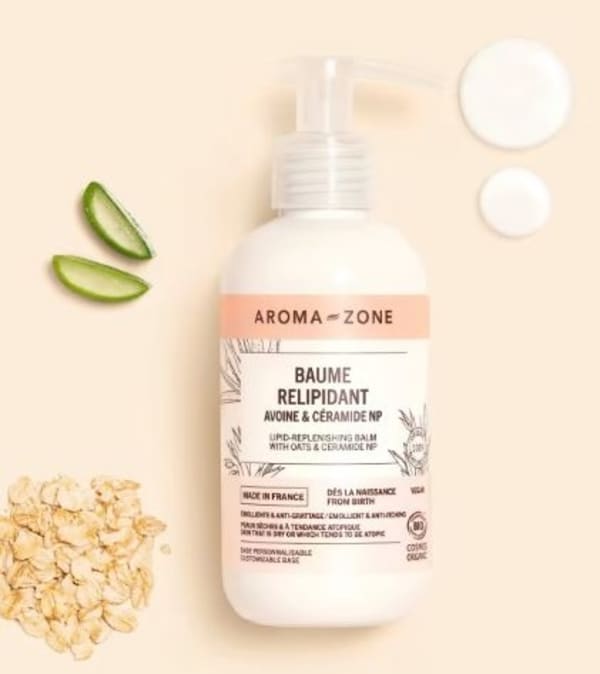
Oat & Ceramide NP Lipid-Restoring Balm

Its anti-dryness formula, enriched with restorative oat plant oil and lipid-replenishing Ceramide NP, strengthens the skin barrier and protects even the most sensitive skin. Designed for dry, fragile or atopic-prone skin, this triple-action lipid-replenishing balm soothes irritation and redness, reduces itching and intensely nourishes the skin. Apply to the face and/or body morning and evening to clean, healthy skin. Customisation of this product is recommended for adults only.

Discover the Oat & Ceramide NP Lipid-Restoring Balm

Precautions

Avoid using too many products at once, particularly on sensitive or reactive skin. Introduce new active ingredients gradually to assess how your skin reacts. Follow the recommended dosages for moisturising ingredients. If you have a skin condition (such as eczema or rosacea), seek advice from a healthcare professional before adjusting your skincare routine.

Expert advice

Among the best habits for proper hydration and achieving perfectly healthy skin, internal hydration plays a key role alongside topical skincare. Drinking enough water every day helps to maintain the body’s overall water balance, on which the quality of skin hydration also depends. This ‘inside and out’ approach, combining regular water intake with suitable skincare, helps to keep skin more supple, comfortable and radiant.

Spotlight on our editor Vanessa Houpert

Vanessa Houpert

Vanessa HOUPERT, who holds a Master’s degree in cultural journalism from the Sorbonne Nouvelle University (Paris 3), has been working as a journalist, copywriter and editorial consultant for media organisations and brands for over 10 years. Inspired by all things related to beauty, good living and wellbeing, her holistic approach to consumer trends enables her to analyse the times.

Bibliography

  1. Skin hydration: interplay between molecular dynamics, structure and water uptake in the stratum corneum, 2017

    PubMed: https://pubmed.ncbi.nlm.nih.gov/29146971/

  2. Clinical Measurement of Transepidermal Water Loss, 2025, PMC

    https://pmc.ncbi.nlm.nih.gov/articles/PMC12359141/

  3. Effects of Investigational Moisturisers on the Skin Barrier and Microbiome following Exposure to Environmental Aggressors: A Randomised Clinical Trial and Ex Vivo Analysis, 2023

    PMC: https://pmc.ncbi.nlm.nih.gov/articles/PMC10532330/

  4. SKIN CARE, La Peau, Aroma-Zone, published by La Plage, 2025.

Frequently Asked Questions

Frequently Asked Questions

Associated tip