Both may seem appealing if you have wrinkles. However, they are not always interchangeable. Find out the essentials you need to know to get off to a good start when selecting your best anti-wrinkle active ingredients.
What are the best anti-wrinkle active ingredients?
Published on: Monday, August 31, 2026, Updated on: Friday, October 09, 2026
Do you think retinol is the universal solution to wrinkles? In truth, not always. The best anti-wrinkle active ingredients depend above all on a personalised approach. It’s about finding the ingredient that will work in the right place at the right time. And because our wrinkles don’t all have the same tissue origin, the choice of the most effective cosmetic active ingredients is likely to vary from one person to another, and even from one age to another. This article draws on scientific research to offer you a practical overview of the anti-wrinkle treatments to prioritise on a case-by-case basis.
Contents
Related products
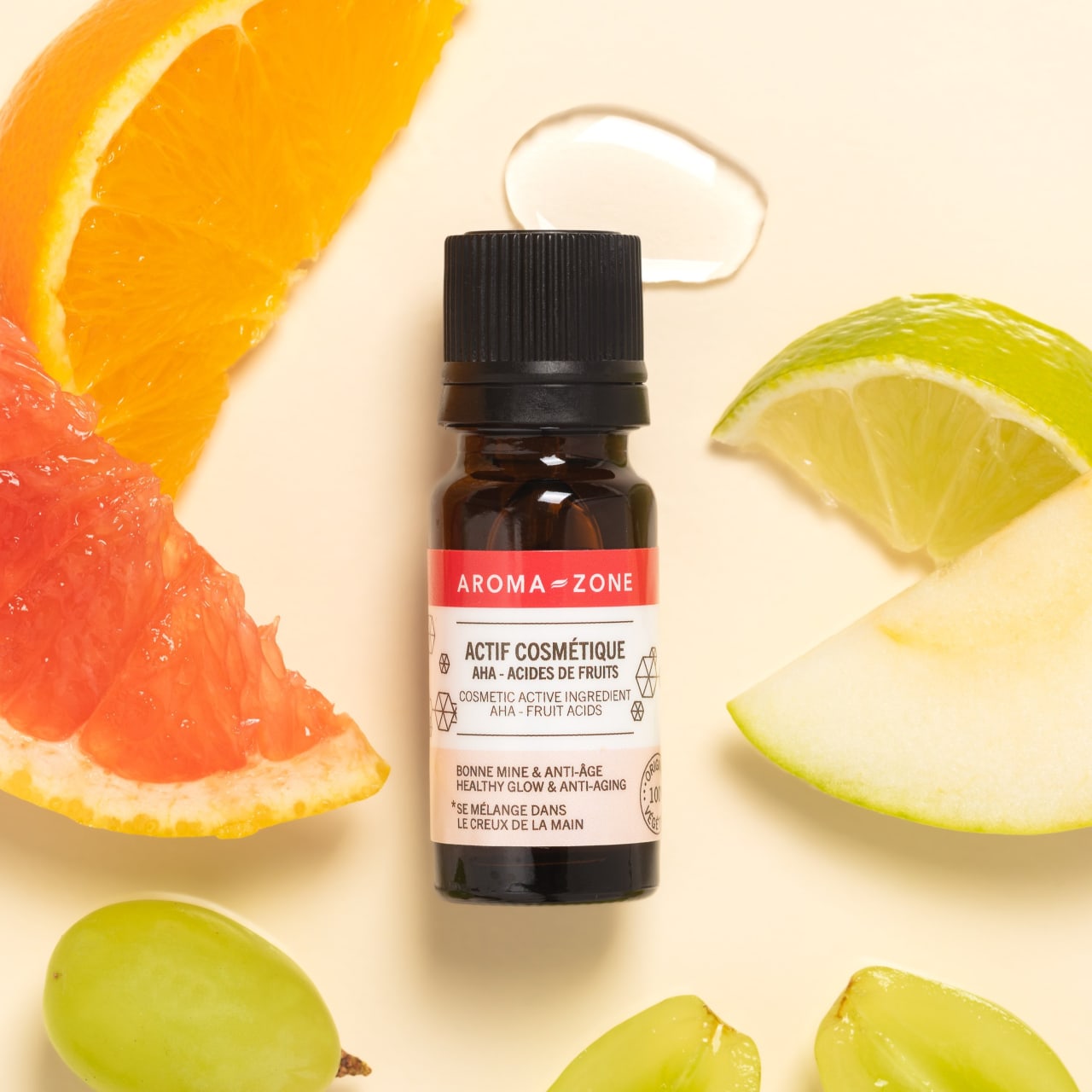
AHA Fruit Acids Active Ingredient
Anti-ageing
£3.00
10 ml
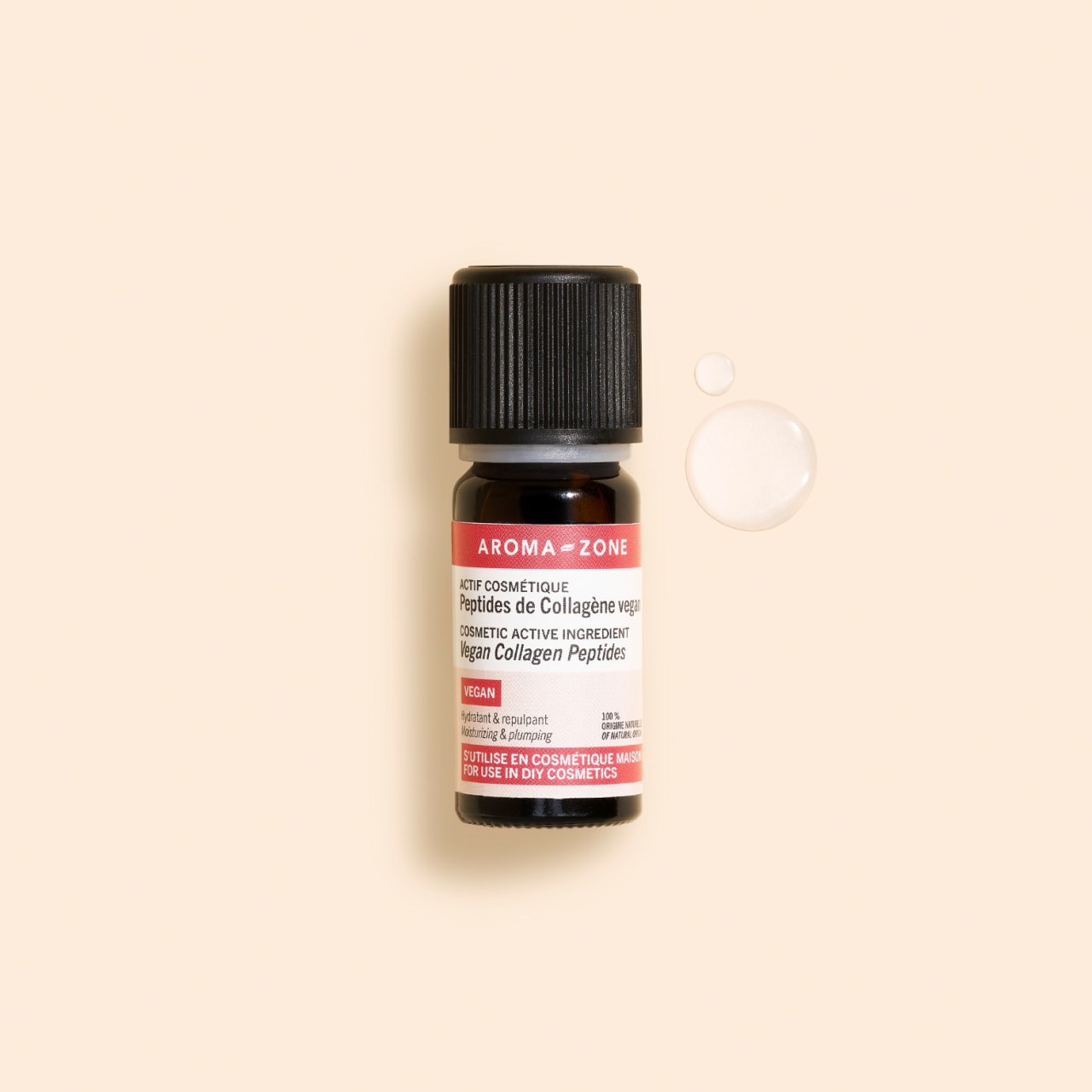
Vegan Collagen Peptides Active Ingredient
Moisturising
Plumping
£4.00
10 ml
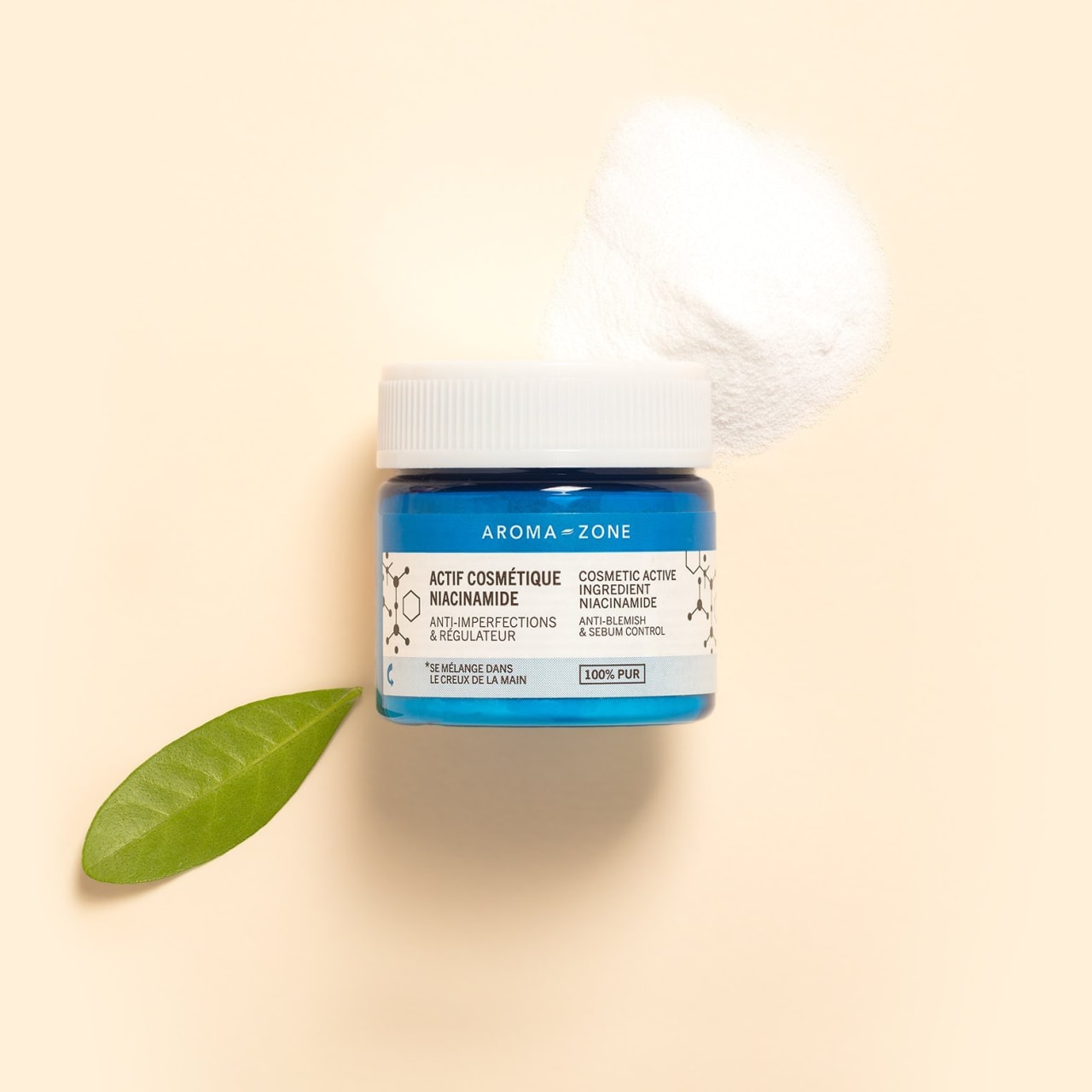
Niacinamide Active Ingredient
Anti-blemishes
Sebum-regulating
£4.00
20 g
In brief
Each type of wrinkle corresponds to a specific tissue mechanism and a category of active ingredients.
The best anti-wrinkle active ingredients are generally those that go beyond a superficial smoothing effect.
Retinol is probably the most widely studied active ingredient, though it cannot be described as a panacea.
What is the difference between anti-wrinkle active ingredients and anti-ageing active ingredients?
Anti-ageing active ingredients target a wide variety of signs of ageing, not just wrinkles.
Anti-ageing ingredients are a broad category of cosmetic ingredients. They target various mechanisms and signs of skin ageing. Wrinkles are obviously one aspect of this, but the family of anti-ageing agents also covers hyperpigmentation, laxity (sagging skin), changes in skin texture and dryness, amongst others. In practical terms, they can:
Prevent the signs of ageing (UV filters)
Reduce the appearance of established signs of ageing (alpha hydroxy acids, depigmenting agents)
Optimise the skin’s environment (moisturising or barrier-supporting agents)
Target specific mechanisms of ageing (retinoids).
Good to know: an anti-ageing active ingredient can therefore also be an anti-wrinkle active ingredient. This is the case with niacinamide (1). Its remarkable versatility (redness, dark spots, wrinkles and fine lines, yellowing) means it is much more than just an anti-ageing ingredient, and cannot be reduced solely to its anti-wrinkle action.
Anti-wrinkle active ingredients: targeted effects on established wrinkles
Anti-wrinkle active ingredients have a specific effect on wrinkles and fine lines.
Anti-wrinkle active ingredients, on the other hand, have much more targeted effects. They act specifically on existing wrinkles, reducing their depth, number or appearance. Here again, these active ingredients achieve this through very different processes; some act on the surface, whilst others work at a deeper level. For example, they can:
Reshape the skin’s structure and strengthen the collagen network (retinoids) (2)
Hydrate the stratum corneum to plump up the surface of the wrinkle (humectants)
Smooth out surface irregularities that deepen the wrinkle (glycolic acid)
Modulate biological signals sent to the extracellular matrix (e.g. certain peptides).
What is the best anti-wrinkle product for the face?
The best anti-wrinkle product is generally one that supports the biological mechanisms of the extracellular matrix.
For many of us, the best anti-wrinkle product is, above all, the most effective one – the one that delivers visible results. And in this respect, it may seem more strategic not to settle for a fleeting, superficial effect. Instead, look for products formulated with anti-wrinkle active ingredients that directly target the biological processes linked to the formation of wrinkles.
In this case, the target is often the extracellular matrix, located in the dermis, as it is its gradual breakdown that causes your wrinkles to deepen. Over time, its components degrade and interact less effectively. These include fibroblasts, collagen, elastin and glycosaminoglycans (GAGs) such as hyaluronic acid. It is the skin’s entire supportive structure that weakens.
The best anti-wrinkle products, therefore, are those that are specifically capable of:
Maintain the normal functioning of fibroblasts
Regulate the synthesis of collagen, elastin and GAGs
Prevent the breakdown of collagen and the elastin network
Improve the quality and organisation of the matrix components (3).
What are the best anti-wrinkle active ingredients according to scientific evidence?
Retinol, vitamin C and certain peptides (signalling peptides, neuromodulators) are among the anti-wrinkle active ingredients most extensively studied in dermatological and cosmetological research.
The best anti-wrinkle active ingredients aren’t necessarily the same for everyone. In fact, they each work in their own specific way and target different areas of your skin. For example, bakuchiol may prove highly effective for a colleague at work, but be far less effective on your own wrinkles, simply because your wrinkles, unlike your colleague’s, are not caused by a factor addressed by the active ingredient you have chosen. It is therefore important to look beyond marketing hype and prioritise personalised advice.
Active Ingredients | Key features |
Retinol | Even a low concentration is sufficient to improve the appearance of wrinkles and fine lines (4). It is thought to be capable of remodelling the extracellular matrix, notably by stimulating the expression of several of its essential components, whilst limiting its degradation (5). |
Vitamin C | It is thought to reduce the depth of wrinkles and strengthen the extracellular matrix (6). It is also believed to have a surface-level effect that evens out the skin’s texture. |
Peptides | There are many types of peptides: not all of them are anti-wrinkle active ingredients. The category of signalling peptides is particularly interesting for sending cellular signals that prompt the skin to repair itself (e.g. palmitoyl pentapeptide-4 (7)). We should also mention neuromodulatory peptides, which target expression lines by inhibiting certain mechanisms of muscle contraction (e.g. acetyl hexapeptide-8). Copper peptides, meanwhile, are thought to support the production of certain matrix components, but the evidence for their efficacy is still limited. |
Niacinamide | This active ingredient has the advantage of acting not only on the appearance of wrinkles and fine lines, but also more broadly on the signs of ageing: it improves skin elasticity, reduces age-related yellowing of the complexion and evens out skin tone in cases of dark spots (1). |
Fruit acids (AHAs) | Their action is limited to the skin’s surface. Their exfoliating properties remove the small rough patches that tend to make wrinkles deeper and more visible. One of the best known is glycolic acid. |
Bakuchiol | It is often described as retinol’s ‘little brother’: naturally derived, but also gentler on skin that does not tolerate retinoids well. However, it has been studied far less extensively and does not yet feature amongst the top anti-wrinkle active ingredients (8). |
Hyaluronic acid | It reduces the appearance of wrinkles by improving hydration levels and the mechanical properties of the stratum corneum. However, this does not constitute genuine dermal remodelling, but rather an ‘optical illusion’ effect that occurs on the skin’s surface. |
Which anti-wrinkle active ingredients should you choose depending on the type of wrinkle?
For maximum effectiveness, choose an active ingredient that targets the right layer of skin and the right tissue mechanism.
You are no doubt familiar with the classic distinction between dynamic wrinkles (expression lines) and structural wrinkles (deep wrinkles). If you’re looking for the best anti-wrinkle active ingredients, it makes more sense to focus not on the behaviour of your wrinkles (whether or not they persist at rest), but rather on their underlying tissue mechanism. It’s by understanding which structure is affected that you’ll be able to choose the best ingredients to support your skin’s ageing process.
Fine lines caused by dehydration
This may apply to you if… Your skin appears parched, with numerous fine lines, which are generally more numerous around the eyes. Your complexion looks dull and your skin feels tight soon after applying your usual moisturiser. Fine lines caused by dehydration can appear even on young skin.
Active ingredients to look out for: prioritise humectants, such as hyaluronic acid. The aim is to hydrate the stratum corneum (the outermost layer of the epidermis) to restore a ‘plump’ and smooth appearance to the skin’s micro-relief (9).
Wrinkles caused by thinning skin
This may apply to you if… Your skin has become significantly thinner over the years. It probably feels weaker and more fragile. In this case, your wrinkles take the form of fine, often numerous lines.
Active ingredients to look out for: retinol to increase your collagen density, hyaluronic acid to restore texture to your stratum corneum, and AHAs for their potential thickening effect (10).
Wrinkles associated with elastosis
This may apply to you if… You show all the signs of skin that has been heavily exposed to the sun. Elastosis is a typical feature of actinic ageing: the ultraviolet rays emitted by the sun have damaged your skin’s elastin network. The result: very deep wrinkles.
The active ingredients to look for: retinoids and retinol-like ingredients, to reorganise and strengthen your network of elastic fibres. Retinol is primarily studied for its effects on collagen, but a 2011 publication suggests it has a positive effect on fibrillin (11), which acts as the framework for the formation of elastin fibres.
A dermatologist’s opinion
"Wrinkles are natural creases on the face that develop over time. The decision to prevent or treat these signs is the result of individual choices and societal pressures.
There are several types of wrinkles:
Expression lines, which result from the contraction of facial muscles. These include the well-known frown lines, crow’s feet and horizontal forehead lines. If these cause cosmetic concern, botulinum toxin injections administered by a qualified doctor can reduce their visibility by precisely relaxing the muscle fibres involved.
Static wrinkles : these are linked to chronological ageing and photoageing. Lifestyle factors influence their development. Quitting smoking, a varied diet rich in antioxidants, sufficient sleep and sun protection measures may help delay their onset. Cosmetics may be recommended as an adjunct to the measures outlined above. They work by stimulating collagen synthesis (retinoids, fruit acids) or by limiting oxidative processes (carotenoids, polyphenols, vitamin C).
Wrinkles associated with tissue ptosis. These are caused by gravity and result from the accumulation of tissue above an anatomical barrier. The best-known example is the nasolabial fold. The methods available to reduce these wrinkles are surgical."
Dr Reyhan Amode, dermatologist and member of the Aroma-Zone College of Dermatologists
Our related products
Choosing natural products can also mean choosing effectiveness. Whether you prefer a ready-to-use skincare product or making your own anti-wrinkle treatment, explore our selection to achieve smoother skin.
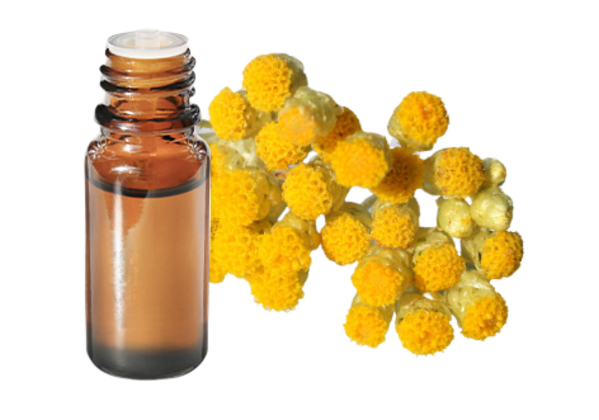
Italian Helichrysum (Immortelle) essential oil
Toning and restorative, this is one of the most renowned essential oils for its benefits in combating the signs of sagging skin. Recommended dosage: a maximum of 2 per cent of the total weight of your formulation. Do not use on pregnant or breastfeeding women, children under 6 years of age, or people with epilepsy.
Discover the Organic Italian Helichrysum Essential Oil from Corsica.
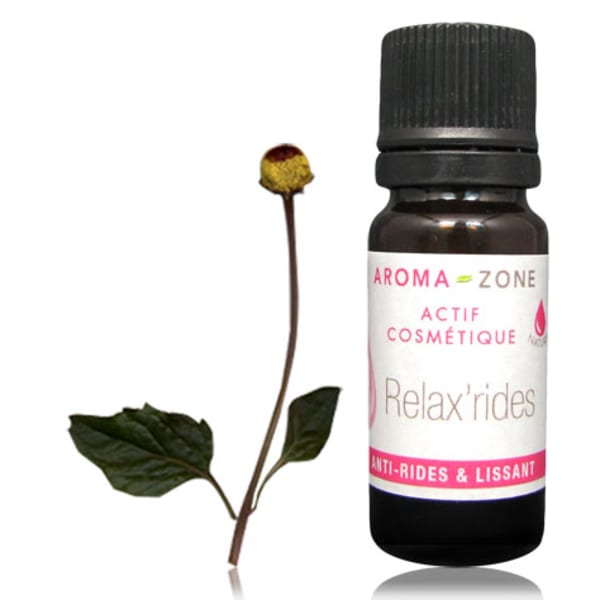
Relax’rides active ingredient
It helps to reduce the micro-contractions in the skin that cause expression lines to deepen or form. It has the advantage of providing a visibly smoothing effect shortly after application, whilst offering a gentle and reversible action, without any paralysing side effects. Recommended dosage: 2 to 5 per cent of the total weight of your formulation.
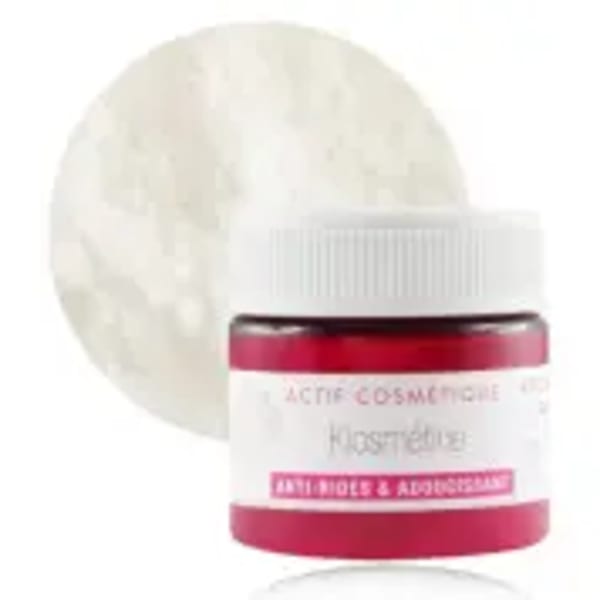
Kiosmetine
Ideal for mature and dry to very dry skin, it smooths the skin’s micro-relief whilst optimising skin hydration. It also helps to tone the extracellular matrix by stimulating pro-collagen synthesis and inhibiting the breakdown of existing collagen. Recommended concentration: 0.5 to 2 per cent of the total weight of your formulation.
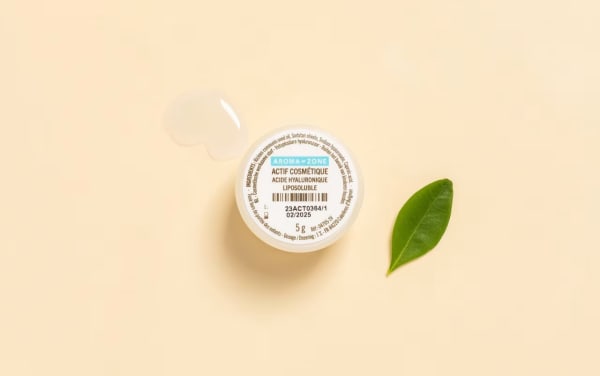
Cosmetic active ingredient: Fat-soluble hyaluronic acid
An essential active ingredient in anti-wrinkle skincare, it smooths and plumps the skin’s appearance, with optimised penetration thanks to its oily form. This version is 100% naturally sourced and compatible with your organic formulations. Recommended dosage: 1% of the total weight of your formulation.
Discover the Liposoluble Hyaluronic Acid Cosmetic Active Ingredient.
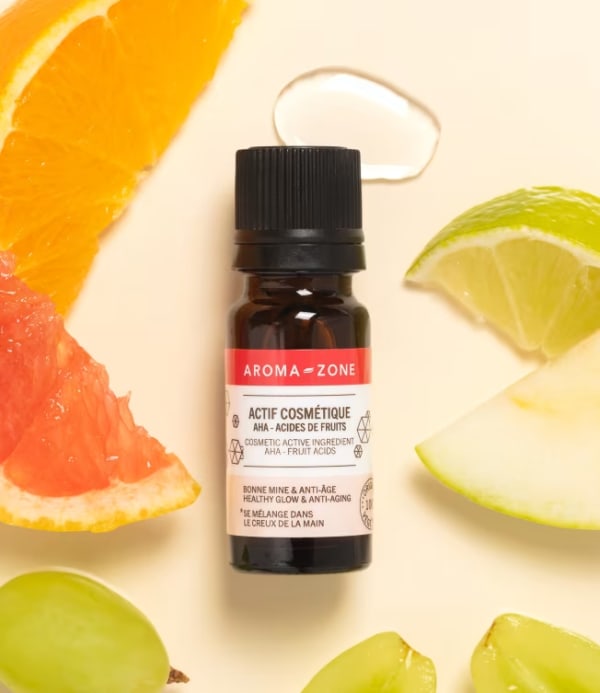
AHA active ingredient – fruit acids
This is the ultimate ‘new skin’ ingredient. By promoting skin renewal, it smooths out fine lines and reduces the dark pigmentation of blemishes. Recommended concentration: 1–5 per cent of the total weight of your formulation for regular use, or 5–10 per cent for an occasional exfoliating effect. Use daily sun protection and avoid sun exposure for up to a week after the last application.
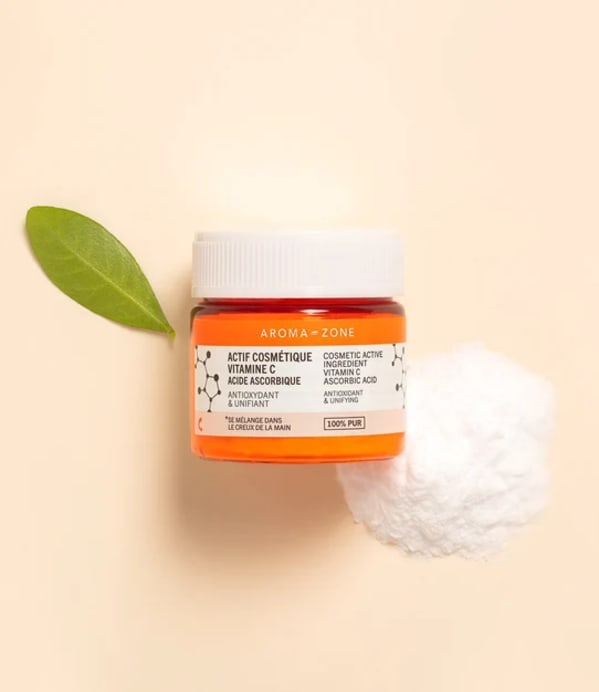
Active ingredient: Ascorbic acid – Pure vitamin C
It is known to support natural collagen synthesis whilst limiting the effects of oxidative stress. This handy active ingredient can be mixed directly into one of our neutral bases for an instant anti-wrinkle treatment. Recommended dosage: 1 spoonful (0.05 mL) mixed with 3 pump presses of cream or serum as part of our MIX – APPLY Beauty Routine.
Discover the Active Ingredient: Pure Ascorbic Acid (Vitamin C).
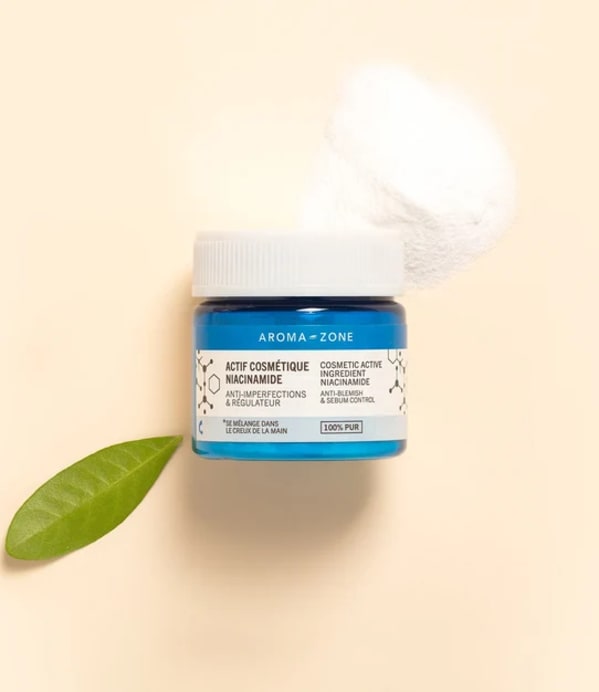
Niacinamide
This versatile active ingredient works in several ways to improve the overall appearance of the skin. It reduces the appearance of wrinkles, lightens the intensity of pigmentation spots, soothes redness and visibly refines enlarged pores. Recommended concentration: 1 to 7 per cent of the total weight of your formulation.
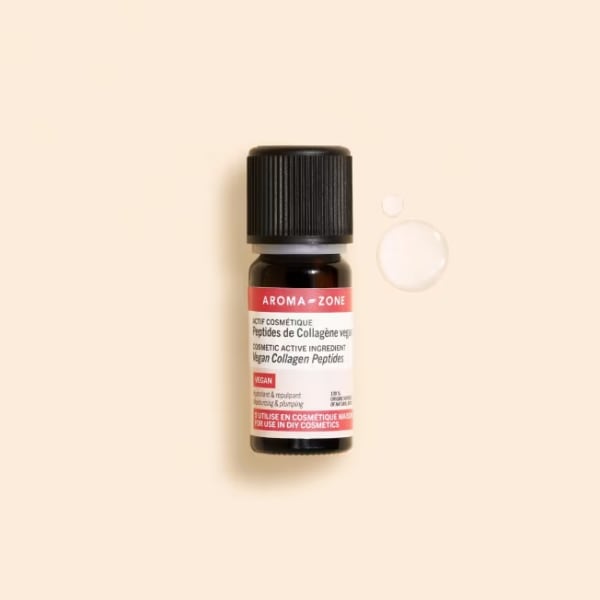
Cosmetic active ingredient: Vegan collagen peptides
Its biomimetic profile enables it to mimic the effects of collagen and restore firmness to the appearance of the skin, resulting in skin that appears firmer with continued use. Recommended dosage: 1–10 per cent of the total weight of your formulation.
Discover the vegan collagen peptides cosmetic active ingredient.
Precautions
Wrinkled skin is often drier, thinner and therefore more sensitive. Take the time to test any new skincare product before incorporating it permanently into your routine. Apply a drop to a small, hidden area of skin and check for any adverse reactions.
Expert advice
It would be a real shame to focus exclusively on ‘intensive treatments’ to reduce the appearance of your wrinkles. Research shows that a preventative approach remains a valuable complement to ensure your strategy is sustainable. Sun protection, to name but one example, helps to limit the progression of ageing and the worsening of existing wrinkles (12).
Focus on Our Writer: Hélène Betoux

Hélène Betoux is a French beauty journalist specialising in web media. Every day she writes tips, advice, and guides to help consumers choose the right beauty products. With a strong interest in natural, organic, and clean cosmetics, she analyses and shares trends and innovations in the sector.
Bibliography
Bissett DL, Oblong JE, Berge CA. Niacinamide: A B vitamin that improves the appearance of ageing facial skin.
Dermatol Surg. 2005 Jul;31(7 Pt 2):860-5; discussion 865. doi: 10.1111/j.1524-4725.2005.31732. PMID: 16029679.
Sitohang IBS, Makes WI, Sandora N, Suryanegara J. Topical tretinoin for treating photoageing: A systematic review of randomised controlled trials.
Int J Womens Dermatol. 25 March 2022;8(1):e003. doi: 10.1097/JW9.0000000000000003. PMID: 35620028; PMCID: PMC9112391.
Watson RE, Long SP, Bowden JJ, Bastrilles JY, Barton SP, Griffiths CE. Repair of photoaged dermal matrix by topical application of a cosmetic ‘anti-ageing’ product.
Br J Dermatol. 2008 Mar;158(3):472–7. doi: 10.1111/j.1365-2133.2007.08364.x. Epub 6 Dec 2007. PMID: 18070204.
Randhawa M, Rossetti D, Leyden JJ, Fantasia J, Zeichner J, Cula GO, Southall M, Tucker-Samaras S. One-year topical stabilised retinol treatment improves photodamaged skin in a double-blind, vehicle-controlled trial.
J Drugs Dermatol. March 2015;14(3):271–80. PMID: 25738849.
Fisher GJ, Talwar HS, Lin J, Voorhees JJ. Molecular mechanisms of photoageing in human skin in vivo and their prevention by all-trans retinoic acid.
Photochem Photobiol. 1999 Feb;69(2):154–7. doi: 10.1562/0031-8655(1999)069<0154:mmopih>2.3.co;2. PMID: 10048311.
Humbert PG, Haftek M, Creidi P, Lapière C, Nusgens B, Richard A, Schmitt D, Rougier A, Zahouani H. Topical ascorbic acid on photoaged skin. Clinical, topographical and ultrastructural evaluation: a double-blind study versus placebo.
Exp Dermatol. 2003 Jun;12(3):237–44. doi: 10.1034/j.1600-0625.2003.00008.x. PMID: 12823436.
Robinson LR, Fitzgerald NC, Doughty DG, Dawes NC, Berge CA, Bissett DL. Topical palmitoyl pentapeptide improves photoaged human facial skin.
Int J Cosmet Sci. June 2005;27(3):155–60. doi: 10.1111/j.1467-2494.2005.00261.x. PMID: 18492182.
Lau M, Mineroff Gollogly J, Wang JY, Jagdeo J. Cosmeceuticals for anti-ageing: a systematic review of safety and efficacy.
Arch Dermatol Res. 17 May 2024;316(5):173. doi: 10.1007/s00403-024-02908-2. PMID: 38758222.
Nisbet S, Mahalingam H, Gfeller CF, Biggs E, Lucas S, Thompson M, Cargill MR, Moore D, Bielfeldt S. Cosmetic benefit of a biomimetic lamellar cream formulation on barrier function or the appearance of fine lines and wrinkles in randomised proof-of-concept clinical studies.
Int J Cosmet Sci. 2019 Feb;41(1):1–11. doi: 10.1111/ics.12499. Epub 22 Feb 2019. PMID: 30414275; PMCID: PMC6849859.
Ditre CM, Griffin TD, Murphy GF, Sueki H, Telegan B, Johnson WC, Yu RJ, Van Scott EJ. Effects of alpha-hydroxy acids on photoaged skin: a pilot clinical, histological and ultrastructural study.
J Am Acad Dermatol. February 1996;34(2 Pt 1):187–95. doi: 10.1016/s0190-9622(96)80110-1. PMID: 8642081.
Rossetti D, Kielmanowicz MG, Vigodman S, Hu YP, Chen N, Nkengne A, Oddos T, Fischer D, Seiberg M, Lin CB. A novel anti-ageing mechanism for retinol: induction of dermal elastin synthesis and elastin fibre formation.
Int J Cosmet Sci. 2011 Feb;33(1):62–9. doi: 10.1111/j.1468-2494.2010.00588.x. PMID: 20704601.
Flament F, Mercurio DG, Catalan E, Bouhadanna E, Delaunay C, Miranda DF, Passeron T. Impact on facial skin ageing signs of a 1-year standardised photoprotection regimen compared with a conventional skincare routine in individuals with skin phototypes II–VI: A prospective randomised trial.
J Eur Acad Dermatol Venereol. Oct 2023;37(10):2090–2097. doi: 10.1111/jdv.19230. Epub 9 June 2023. PMID: 37247191.