Common mistakes that limit the effectiveness of anti-wrinkle skincare
Published on: Tuesday, August 25, 2026, Updated on: Friday, October 09, 2026
Undoing with one hand what you’re building with the other: that’s probably what you’re doing if you’re making these common mistakes with your anti-wrinkle treatments. Simply choosing the most innovative smoothing formulas on the market isn’t enough to guarantee they’ll be effective against your wrinkles and fine lines. Sometimes, we sabotage our results without realising it, by neglecting certain aspects that are closely linked to these small skin depressions. When it comes to wrinkles, science reminds us that consistency, patience and tolerance matter more than sophistication and using a multitude of products.
Contents
Related products
Anti-ageing
Firming
£15.50
1 article
£45.00
article
Anti-dark spots
Anti-ageing
£6.00
50 ml
Anti-ageing
Anti-wrinkle
£9.00
30 ml
2 options
Anti-ageing
Anti-blemishes
£9.00
30 ml
2 options
In brief
An anti-wrinkle routine loses its effectiveness when combined with habits that accelerate skin ageing, particularly unprotected sun exposure and smoking.
Using too many active ingredients, seeking out irritation or using products that are poorly tolerated can weaken the skin barrier and disrupt the consistency of your routine.
To achieve lasting results on the appearance of wrinkles, it is best to adopt a simple, well-tolerated strategy combining sun protection, moisturising and the regular use of suitable active ingredients.
What are the most common mistakes that make anti-wrinkle treatments ineffective?
The main mistake is adopting an aggressive anti-wrinkle strategy that disrupts the skin’s balance.
Neglecting sun protection is undoubtedly the best-known mistake to date. The effects of a lack of sun protection have a visible impact on all signs of ageing, including wrinkles (1). Skipping this step does not negate the effects of your daily anti-wrinkle skincare. However, it is enough to reduce their benefits: what you are trying to preserve on the one hand is being destroyed by UV rays on the other.
Smoking is also an important factor to bear in mind if you use anti-wrinkle skincare products. Smoking is a well-known accelerator of skin ageing. A 2013 study shows that it tends to accentuate wrinkles in the lower two-thirds of the face (nasolabial folds, around the mouth) (2). As with ultraviolet rays, this can limit the effectiveness of your smoothing formulations.
When it comes to skincare, research points to the inappropriate use of anti-wrinkle active ingredients. This may be due to application that is too irregular to yield convincing results (3), either because the product is forgotten or because the skin rejects the chosen active ingredient (irritation, discomfort, etc.) (4). Another point that is often overlooked is the storage of sensitive formulations under unsuitable conditions. Certain molecules that lose their stability also lose some of their effectiveness.
Finally, dry skin may contribute to the development of persistent wrinkles. When the stratum corneum is poorly hydrated, it ‘etches’ more permanently the creases that the skin naturally forms during facial expressions (5). It would therefore be a shame to rely solely on anti-wrinkle cosmetics at the expense of moisturisers, which remain essential at any age.
You may be making these mistakes if:
Your wrinkles are accompanied by other, more visible signs of ageing (dark spots, sagging, etc.).
You tend to layer on lots of products and anti-wrinkle active ingredients on a daily basis.
You look for a tingling sensation as proof of your skincare’s undeniable effectiveness.
Why can an anti-wrinkle routine actually accelerate the signs of ageing?
Inflam’aging and occasional minor irritation have very different effects on facial wrinkles.
When it comes to anti-wrinkle routines or anti-ageing, harsh treatments are rarely a guarantee of effectiveness. Today, research is focusing closely on ‘inflam’aging’: when skin inflammation accelerates biological ageing. Aggressively treating your skin disrupts the homeostasis of your skin barrier, which releases cytokines and sustains low-grade tissue inflammation (6). When this inflammation becomes chronic, it may play a role in several ageing mechanisms, particularly by promoting the breakdown of collagen and the extracellular matrix.
However, it is important to distinguish this from occasional irritation. Just because you scrub your skin too hard or have been a bit heavy-handed with retinol doesn’t mean your skin will become wrinkled overnight. Inflam’aging is based on low-intensity, long-term inflammation (7).
The main pitfall of an overly aggressive skincare routine is triggering a dermatitis-like reaction. In such cases, the skin may become red, feel tight, flake and appear drier. Consequently, this phenomenon can sometimes make wrinkles and fine lines more visible. However, this is only temporary, lasting just long enough for the skin to regain its physiological balance. Above all, this reaction risks undermining all your efforts to maintain a consistent skincare routine, which makes all the difference when it comes to wrinkles.
What really works against wrinkles?
Simplicity, consistency and skin tolerance deserve a prominent place in any anti-wrinkle strategy.
Wear suitable sun protection when you’re out in the sun. Your sun cream won’t make your wrinkles disappear, but it significantly reduces further damage. Remember to choose one suited to your skin type and, above all, to apply a sufficient amount. As a reminder, the standard amount is 2 mg of cream per cm² of skin. Applying half that amount is roughly equivalent to halving the SPF: that’s a huge difference (8).
Treat your skin gently. This helps avoid repeated irritation that could cause or exacerbate skin problems. If your skin reacts badly to a product, stop using it immediately. The fact that a product stings, itches or burns every time you apply it is not proof of its effectiveness. You should never persist with a product on skin that is already irritated (9).
Follow the instructions for use on your skincare products. Some active ingredients, such as retinoids, can be difficult to tolerate, even if your skin isn’t particularly sensitive. And anti-wrinkle formulas are sometimes highly concentrated. Take the time to introduce the strongest active ingredients gradually, allowing for any adjustment period and gradually increasing the concentration. An effective anti-wrinkle routine is one that you can stick to over the long term, without damaging your skin.
Key points to remember for adopting beneficial skincare habits:
Sun protection is neither optional nor something to be used only occasionally.
Gentleness must remain the foundation of a good anti-wrinkle strategy.
Consistency is key to maximising results for your skin.
A dermatologist’s view
“Which daily habits can negate some of the benefits of a well-formulated anti-wrinkle routine?
The action of a cosmetic active ingredient cannot be ‘cancelled out’ by a habit. However, certain habits are counterproductive as they accelerate the appearance of signs of skin ageing.
This is the case with smoking, sun exposure, poor sleep habits and a poor diet."
Dr Reyhan Amode, dermatologist and member of the Aroma-Zone College of Dermatologists
Our tailored skincare products
Prioritise gentleness and skin tolerance
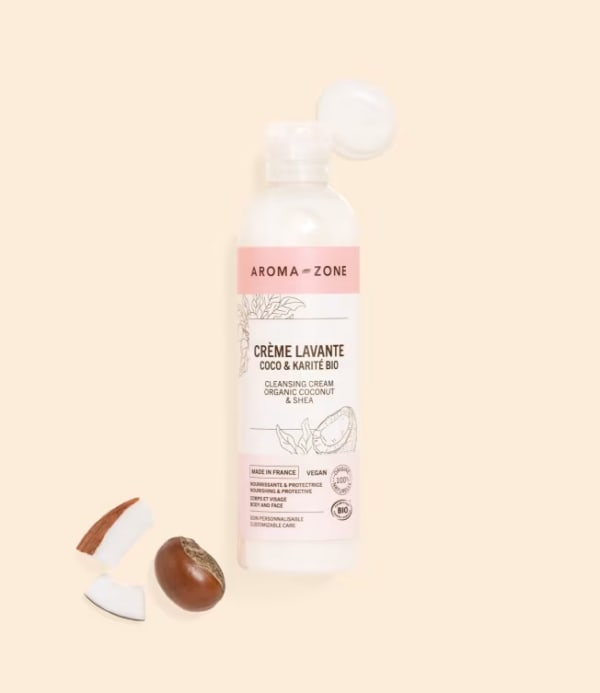
Coconut & Shea Cleansing Cream: Its 100% naturally derived formula combines lipid-replenishing shea butter, nourishing coconut oil and soothing aloe vera for skin that is thoroughly cleansed, soft, supple and moisturised. Fragrance-free, this cleansing product respects the skin’s natural pH balance and is suitable for all skin types from the age of 3.
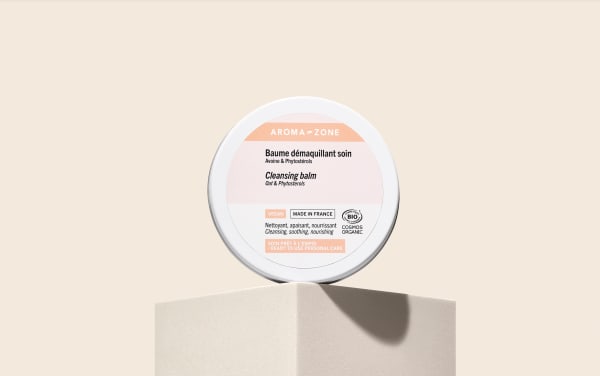
Oat & Phytosterols Make-up Removing Balm: Ideal for gently and nourishingly removing make-up in the evening. Its melt-in texture, enriched with biomimetic active ingredients, protects the skin barrier and relieves feelings of dryness, leaving skin instantly softer, clearer and soothed.
Protecting your skin from factors that cause wrinkles
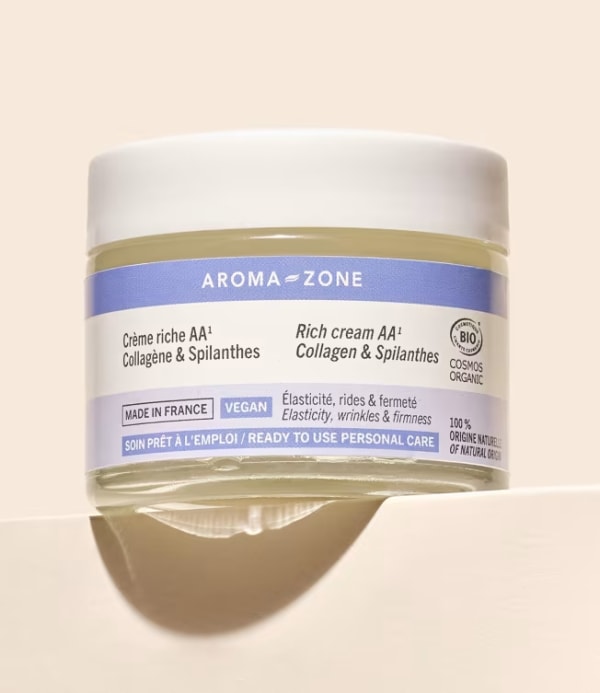
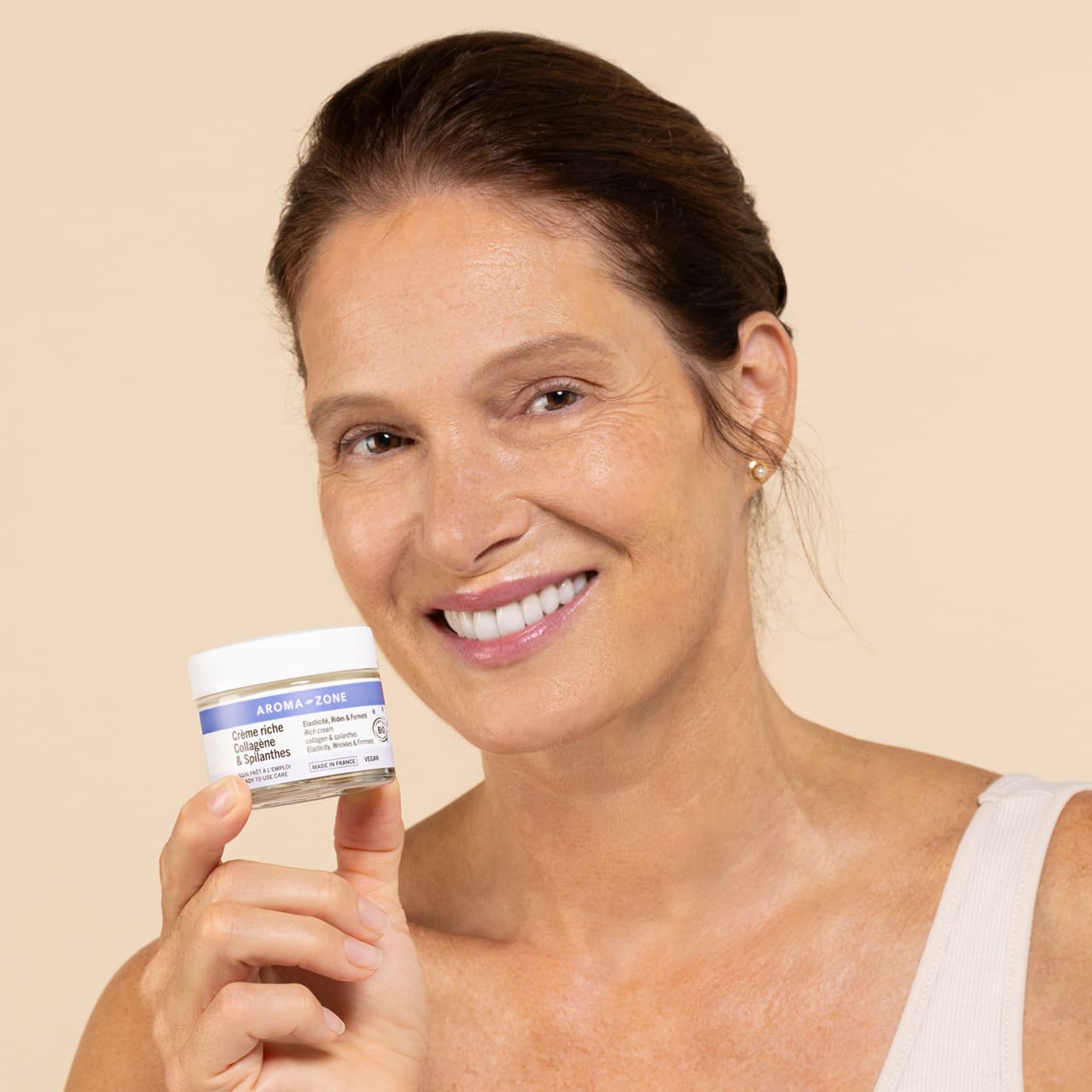
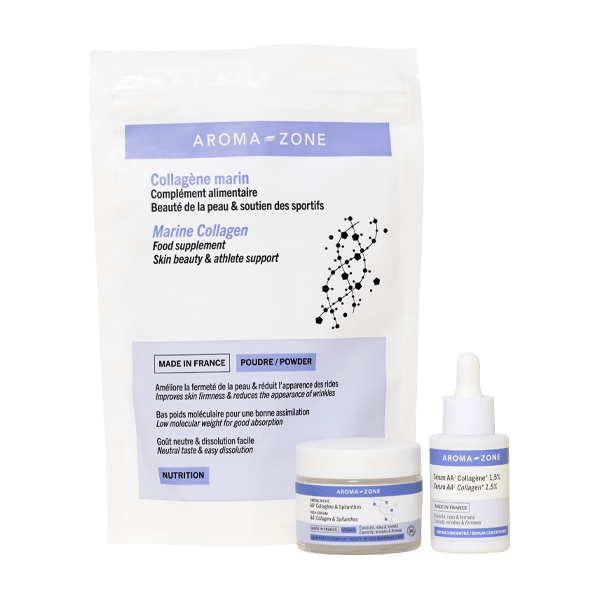
Vegan Collagen & Spilanthes Rich Cream: One of our richest creams for long-lasting hydration, day and night. Its innovative formula with an immediate lifting effect plumps up the appearance of the skin, prevents wrinkles and reduces the appearance of existing ones.
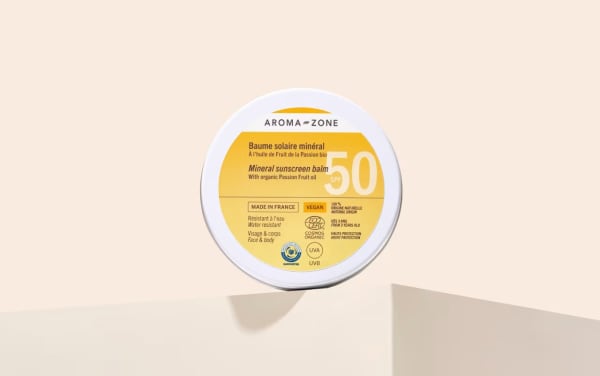
Mineral Sun Balm SPF50: Light and non-greasy, it leaves the skin supple, soft and nourished from the moment it is applied. Its certified organic formula, made from 100 per cent natural ingredients (mineral filter), protects the skin on the face and body from UVA and UVB rays, whilst offering a delicate summery scent.
Effectively targeting wrinkles and fine lines
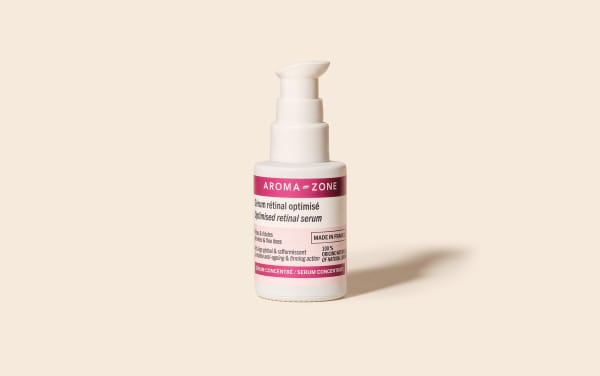
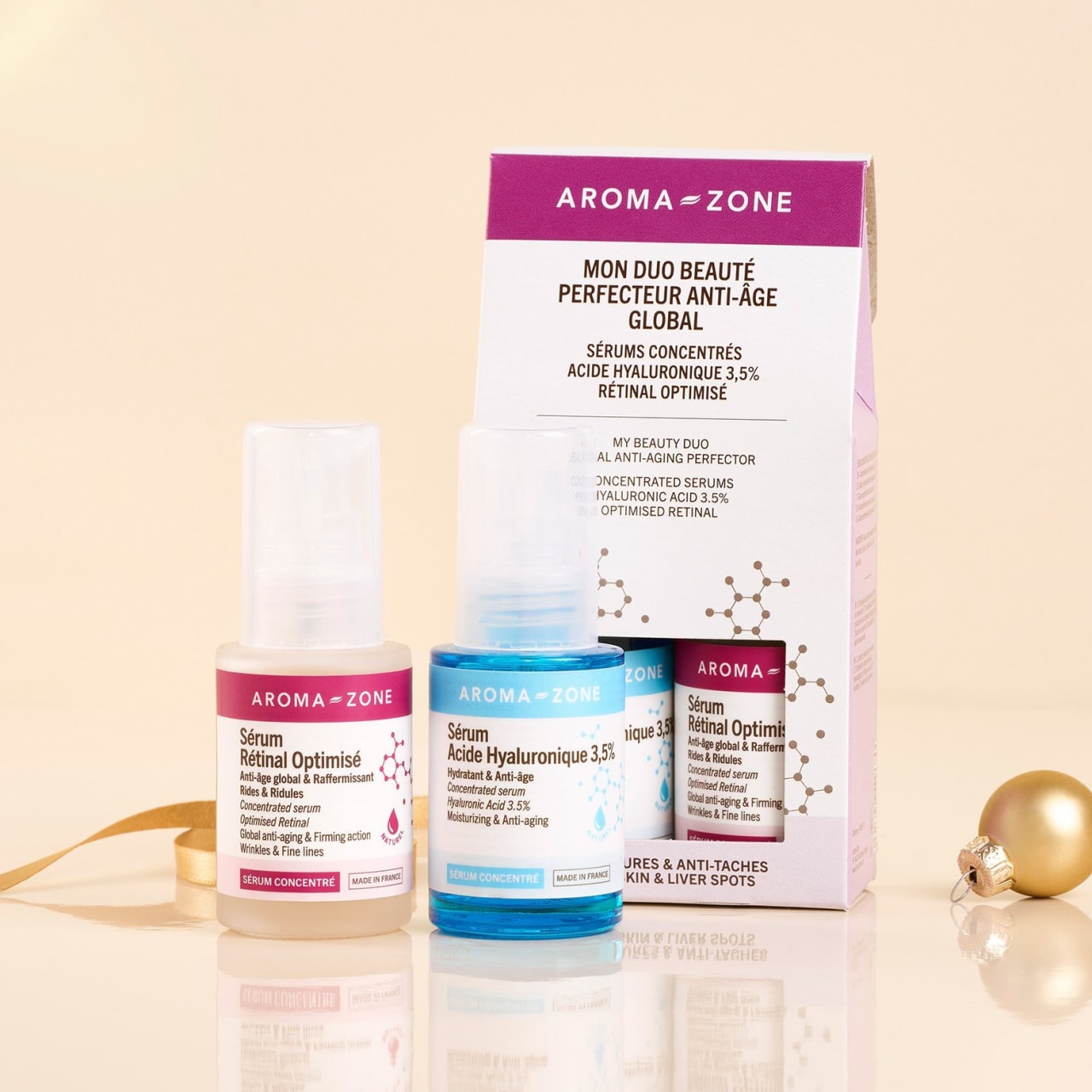
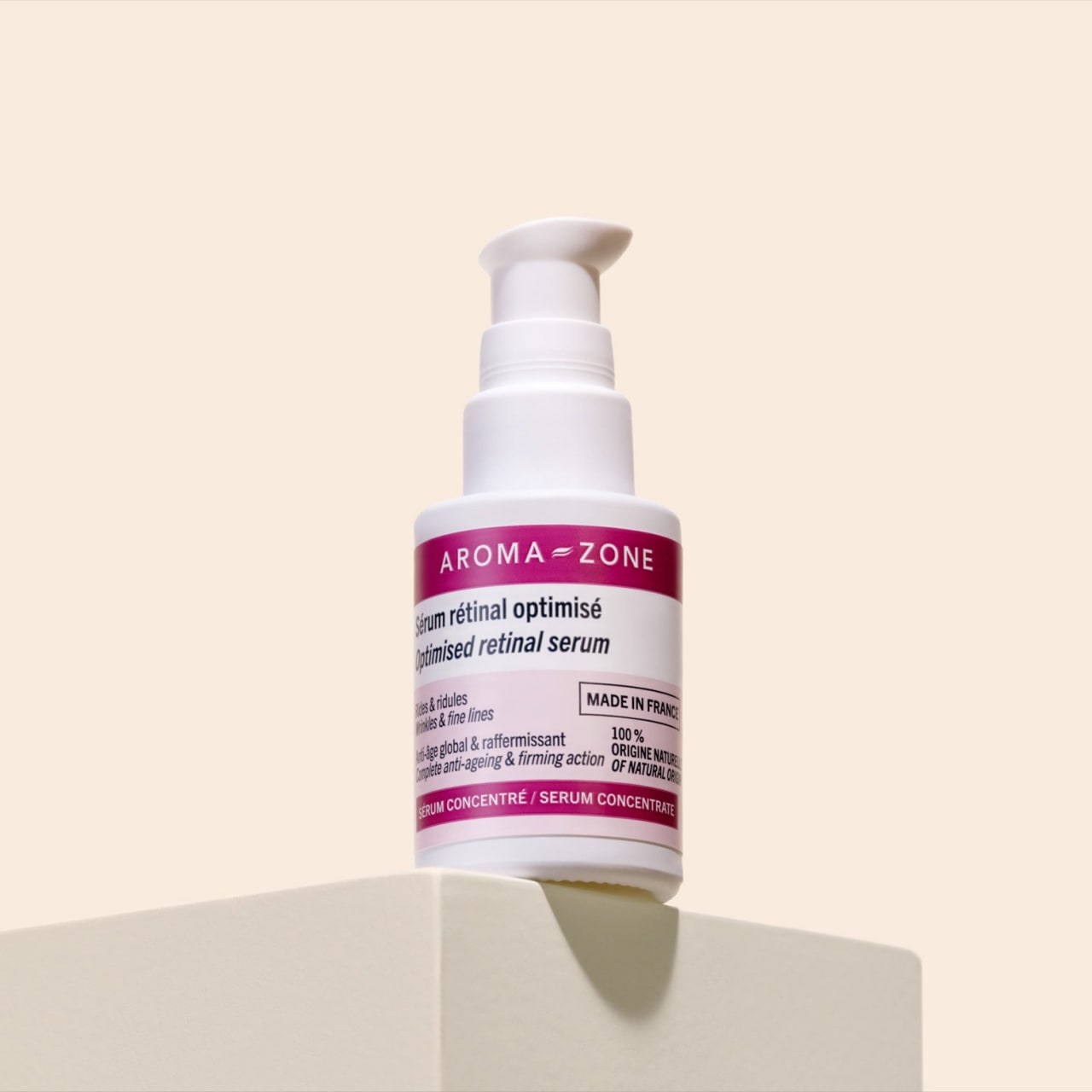
Optimised Retinal Concentrated Face Serum: The retinol alternative suitable even for sensitive skin. It reduces the appearance of fine lines and wrinkles, including deep wrinkles, whilst firming the skin and boosting radiance. Its gentle, lightweight texture is suitable for all skin types.
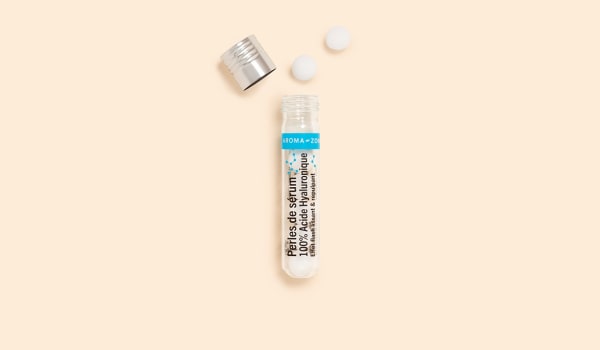
100% Hyaluronic Acid Serum Pearls: Just one pearl is enough to achieve an immediate lifting effect for an evening out or a special event. Used as a 7-day ‘youth’ treatment, they smooth the features, plump out the appearance of wrinkles and fine lines, and help to firm the skin. Do not use more than one 100% hyaluronic acid serum pearl at a time.
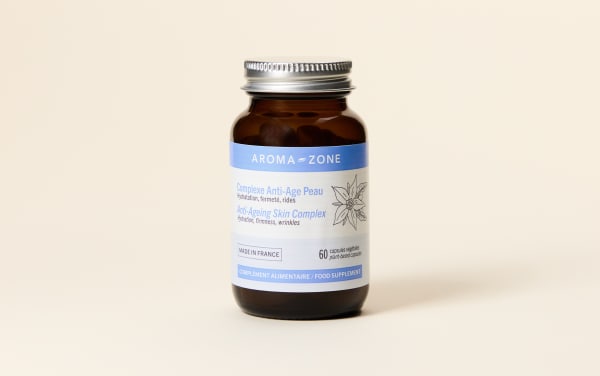
Anti-ageing skin complex (food supplement): Proven effectiveness: its active ingredient, Ceramosides™, reduces the depth of wrinkles and improves skin elasticity. Recommended dosage: 2 capsules per day. Not recommended for pregnant or breastfeeding women. Excessive consumption may have a laxative effect.
Precautions
Anti-wrinkle skincare products can contain high concentrations of active ingredients. To avoid any unpleasant surprises, take the time to test any new product on a small, hidden area of skin before applying it to your face. Check that there is no adverse skin reaction before making it a permanent part of your daily routine.
Expert advice
The most regrettable mistake when it comes to anti-wrinkle skincare? Prioritising our wrinkles over our emotions and memories. All those little lines that appear here and there also tell the story of our lives. Preserving them is also a kind way of looking after ourselves, without trying to start from scratch.
Focus on Our Writer: Hélène Betoux

Hélène Betoux is a French beauty journalist specialising in web media. Every day she writes tips, advice, and guides to help consumers choose the right beauty products. With a strong interest in natural, organic, and clean cosmetics, she analyses and shares trends and innovations in the sector.
Bibliography
Hughes MC, Williams GM, Baker P, Green AC. Sunscreen and prevention of skin ageing: a randomised trial. Ann Intern Med. 4 June 2013;158(11):781-90.
doi: 10.7326/0003-4819-158-11-201306040-00002. PMID: 23732711.
Okada HC, Alleyne B, Varghai K, Kinder K, Guyuron B. Facial changes caused by smoking: a comparison between smoking and non-smoking identical twins. Plast Reconstr Surg. November 2013;132(5):1085–1092.
doi: 10.1097/PRS.0b013e3182a4c20a. PMID: 23924651.
Griffiths CE, Voorhees JJ. Topical retinoic acid for photoageing: clinical response and underlying mechanisms. Skin Pharmacol. 1993;6 Suppl 1:70–7.
doi: 10.1159/000211166. PMID: 8142114.
Narsa AC, Suhandi C, Afidika J, Ghaliya S, Elamin KM, Wathoni N. A Comprehensive Review of the Strategies to Reduce Retinoid-Induced Skin Irritation in Topical Formulations. Dermatol Res Pract. 17 August 2024;2024:5551774.
doi: 10.1155/2024/5551774. PMID: 39184919; PMCID: PMC11344648.
Hara Y, Hirao T, Iwai I. Facial expression under a stiff stratum corneum leads to strain concentrations, followed by the formation of residual wrinkles. Int J Cosmet Sci. February 2017;39(1):66–71.
doi: 10.1111/ics.12349. Epub 1 August 2016. PMID: 27309128.
Borg M, Brincat S, Camilleri G, Schembri-Wismayer P, Brincat M, Calleja-Agius J. The role of cytokines in skin ageing. Climacteric. 2013 Oct;16(5):514-21.
doi: 10.3109/13697137.2013.802303. Epub 31 May 2013. PMID: 23659624.
Cevenini E, Monti D, Franceschi C. Inflamm-ageing. Curr Opin Clin Nutr Metab Care. Jan 2013;16(1):14–20.
doi: 10.1097/MCO.0b013e32835ada13. PMID: 23132168.
Ouyang H, Meyer K, Maitra P, Daly S, Svoboda RM, Farberg AS, Rigel DS. Realistic Sunscreen Durability: A Randomised, Double-blinded, Controlled Clinical Study. J Drugs Dermatol.
1 January 2018;17(1):116–117. PMID: 29320597.
Angelova-Fischer I, Becker V, Fischer TW, Zillikens D, Wigger-Alberti W, Kezic S. Repeated irritation in aged skin induces distinct barrier disruption and cytokine profile in vivo. Br J Dermatol. 2012 Oct;167(4):787-93.
doi: 10.1111/j.1365-2133.2012.11049.x. Epub 27 August 2012. PMID: 22578221.