Myth or reality: can anti-ageing cosmetics be considered effective?

Myth or reality: can anti-ageing cosmetics be considered effective?


By Lou Dumas

Published on: Friday, October 24, 2025, Updated on: Friday, October 09, 2026

Anti-ageing cosmetics play a central role in beauty routines and in the collective imagination: they promise youth, firmness and a renewed glow. But between marketing campaigns and scientific data, one question remains: can these products really be considered effective? This article aims to separate fact from fiction, in the light of the latest dermatological research and the perceptions of those who use them on a daily basis.

Contents

Related products

In brief

Anti-ageing cosmetics do show real, albeit limited, effectiveness: they visibly improve the quality of the skin without completely erasing the signs of ageing. Their effectiveness depends primarily on the active ingredients chosen, their quality and the regularity of use.

Can anti-ageing creams and serums really reduce wrinkles?

The issue of wrinkles is most frequently associated with anti-ageing cosmetics. Recent clinical studies show encouraging but nuanced results. A double-blind study showed that a cream combining retinol, peptides and vitamin C led, after several months’ use, to a measurable reduction in wrinkle depth and an improvement in skin elasticity (1). 

However, these effects do not amount to a complete ‘correction’: skin ageing remains a complex biological process, and no cosmetic product can halt it completely.

It is also important to emphasise that these results are observed over the long term: visible effects do not appear within a few days, but only after several weeks to several months of continuous use. This serves as a reminder that anti-ageing cosmetics are more about daily skincare and prevention than immediate correction.

In practice, their effectiveness depends on several factors: the concentration and stability of the active ingredients (hyaluronic acid, peptides, retinol…), the regularity of application, which is essential for the effects to become visible, and finally, use in combination with sun protection, which is vital for limiting photoageing.
Are the marketing claims made by anti-ageing cosmetics exaggerated?

The gap between expectations and objective results is clearly highlighted in a 2017 prospective study gathering the views of 137 people on the use of anti-ageing skincare products (2). Participants reported a noticeable improvement in their skin’s comfort, a feeling of firmness and a renewed radiance. However, these subjective impressions often exceeded the benefits objectively measured by the researchers: the improvement remained partial, with wrinkles not being completely erased. This discrepancy highlights the importance of the sensory experience – pleasant texture, fragrance, and the immediate effect of hydration – which strongly influences the perception of effectiveness. 

Conversely, the scientific literature emphasises gradual and measurable effects: a visible but limited reduction in wrinkles, improved hydration and skin texture, and, above all, a preventative effect against premature ageing. In other words, rather than “regained youth” as advertising messages sometimes promise, it is a realistic approach towards more balanced and better-protected skin.

Which anti-ageing active ingredients are actually effective, according to research?

Recent scientific advances have made it possible to identify ingredients whose effectiveness is measurable and reproducible. According to a 2023 review (3):

Anti-ageing active ingredient

Objectively measured effects

Hyaluronic acid

Retains water in the dermis, improves elasticity and temporarily plumps out wrinkles.

Retinol and retinal

Promote cell renewal, reduce pigmentation spots and stimulate collagen production.

Biomimetic peptides

Help to boost firmness and improve cellular communication.

Vitamin C and antioxidants

Neutralise free radicals, reducing the impact of oxidative stress (which causes premature ageing and loss of radiance).

Innovative molecules such as topical melatonin or certain plant extracts (Spilanthes, polyphenols)

Currently under evaluation, they show promising potential.

These active ingredients do not stop skin ageing, but can slow down certain major cellular processes such as glycation or oxidation, as described in anti-ageing theories (4).

Current research also shows that combining complementary active ingredients often yields better results than a single ingredient on its own. For example, combining an antioxidant such as vitamin C with a retinoid optimises both protection against oxidative stress and collagen stimulation.

Our conclusion, based on the scientific literature

Myth or reality?

Reality, but only partly. Anti-ageing cosmetics are effective, provided their role is viewed within a realistic context.

What they actually do

  • Visibly improve skin hydration and elasticity

  • Prevent and gradually reduce certain wrinkles and fine lines

  • Partially slow down photoageing, especially when used in combination with sun protection.

What they do not do

  • Do not rejuvenate the skin in a biological sense

  • Do not permanently correct the signs of ageing.

Their effectiveness relies on a regular routine, proven active ingredients and a holistic approach to skincare: diet, sleep, sun protection and stress management all play a complementary role.

Food for thought

The anti-ageing skincare market is also driven by a major demographic shift (5). In France, more than one in three women is now over 50, and this figure continues to rise. A demographic that has long been under-represented in cosmetics marketing, but which is now becoming impossible to ignore. According to a report from 2023, the global market for anti-ageing products is expected to record a Compound Annual Growth Rate (CAGR) of 6.5 per cent between 2024 and 2029 (6). Product ranges are adapting to meet these specific needs, whilst offering formulas that are more realistic and better suited to the skin’s physiology. Thus, the question of the effectiveness of anti-ageing cosmetics goes beyond the strictly dermatological sphere: it also reflects a societal and cultural shift, in which age is increasingly seen not as a limitation, but as a stage of life to be embraced.

Our top natural anti-ageing cosmetics

To care for your skin, we offer a selection of natural, targeted solutions, formulated with active ingredients recognised for their effectiveness:

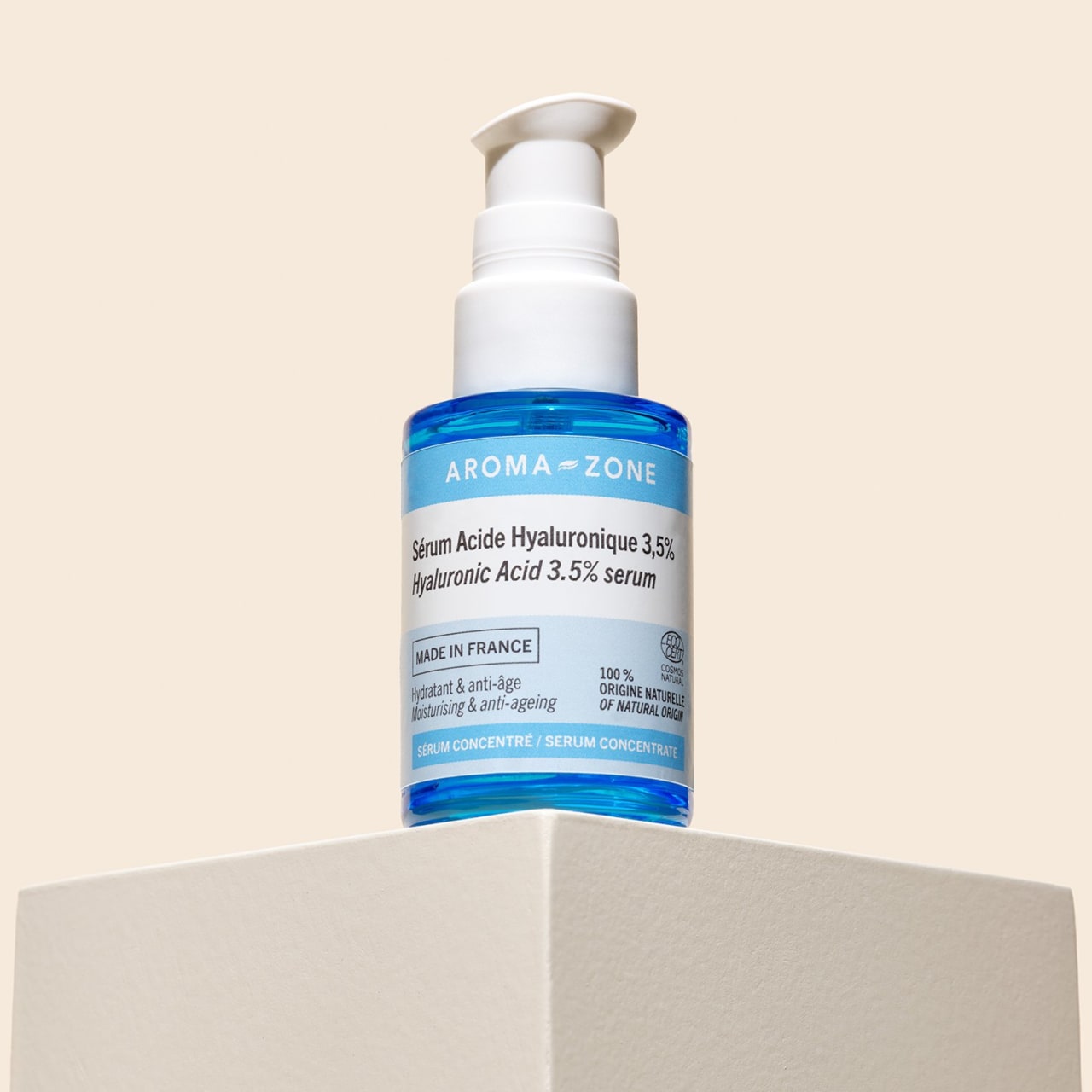
az 22072025 az packshot hyaluronic acid serum 1315 (1)

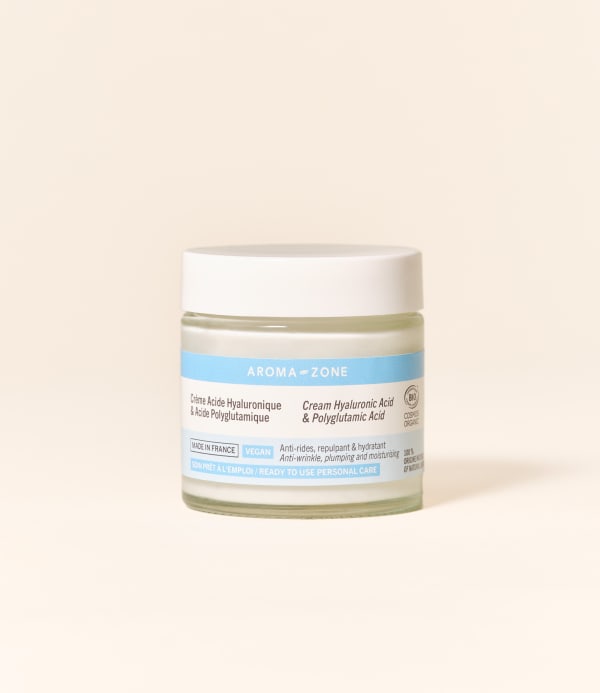
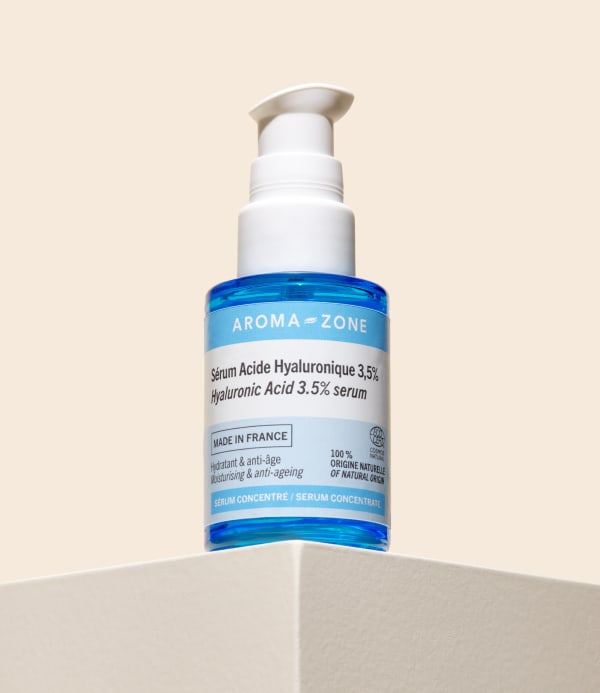
3.5% Hyaluronic Acid Concentrated Serum: plumps and intensely hydrates, improves skin elasticity and visibly fills in fine lines.

Discover the 3.5% Hyaluronic Acid Concentrated Serum

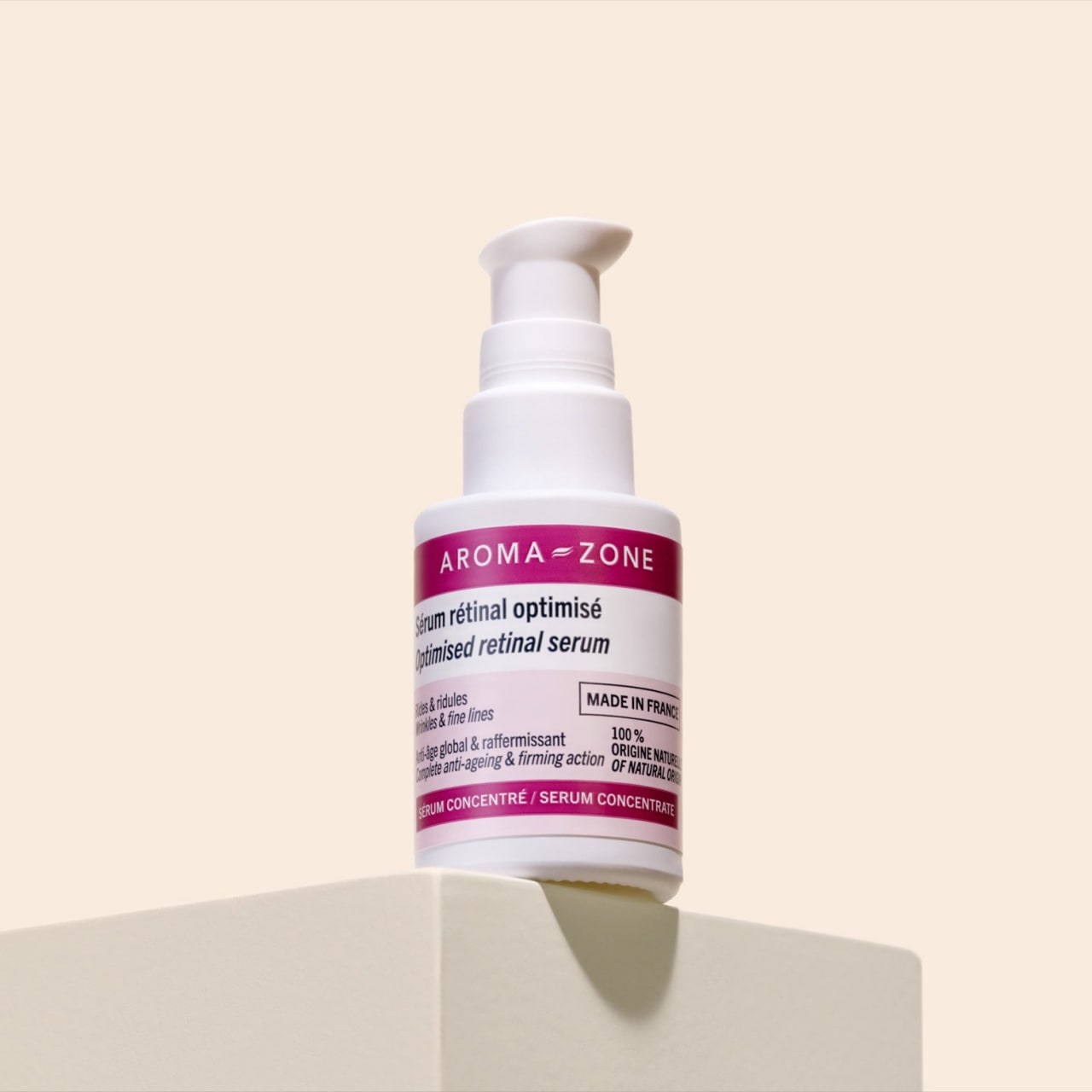
003-pack-aromazone-0109

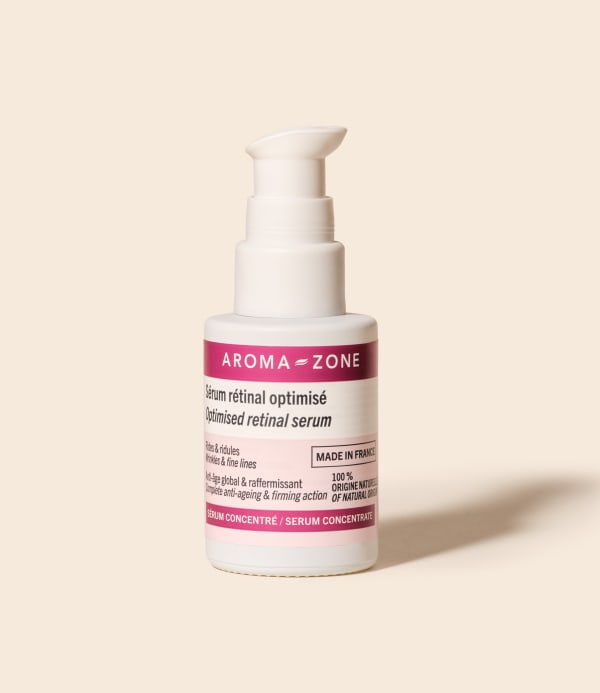
Optimised Retinal Concentrated Serum: a truly comprehensive anti-ageing treatment, it stimulates cell renewal, firms the skin and reduces wrinkles, fine lines and dark spots.

Discover the Optimised Retinal Concentrated Serum

002-pack-aromazone-0105 1

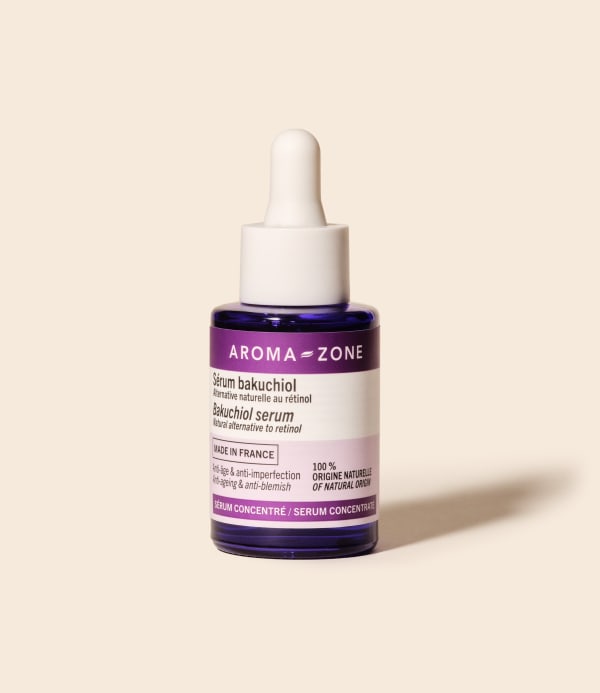
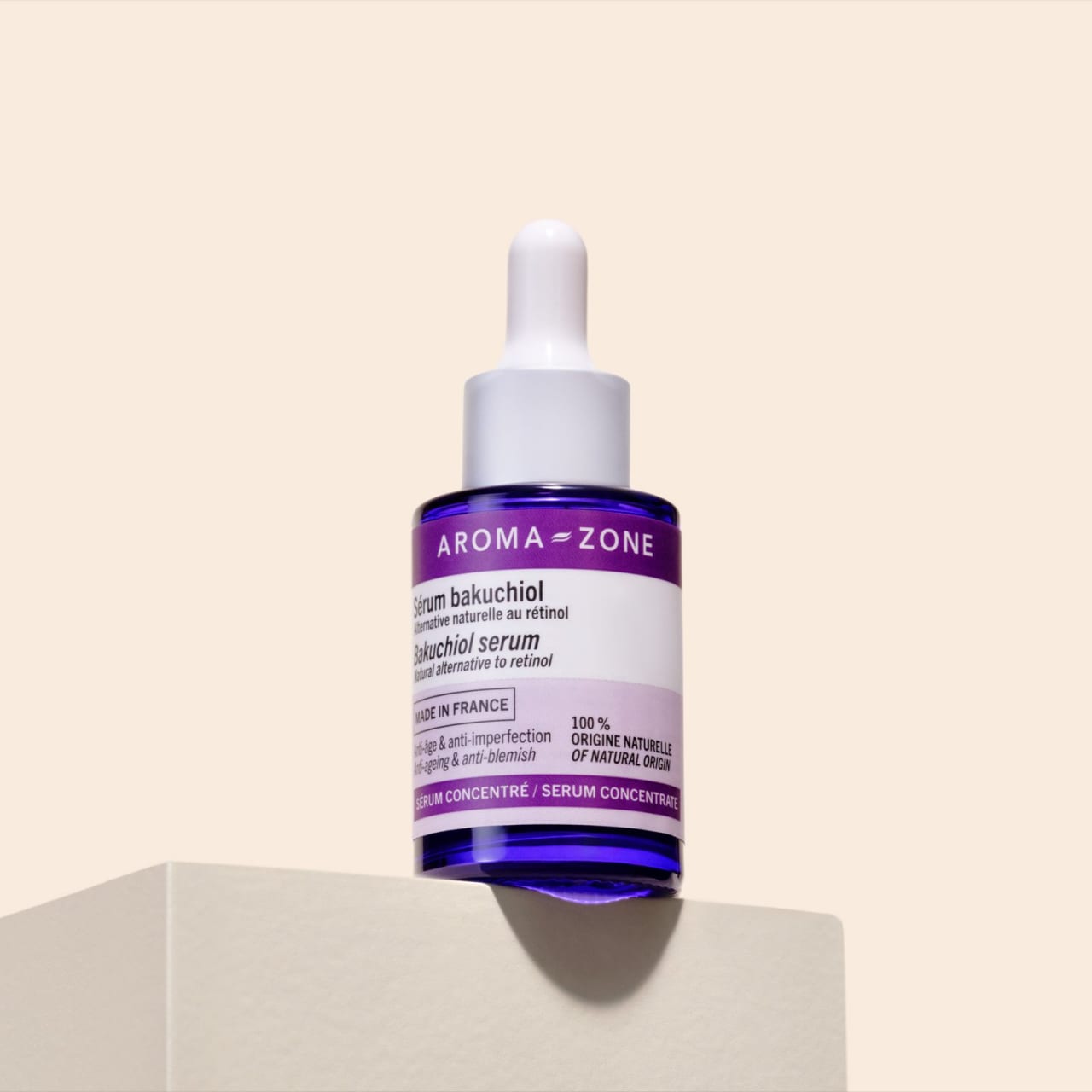
Bakuchiol Concentrated Serum: another plant-based alternative to retinol, it smooths fine lines, reduces dark spots and boosts collagen.

Discover the Bakuchiol Concentrated Serum

001-pack-aromazone-0098 3

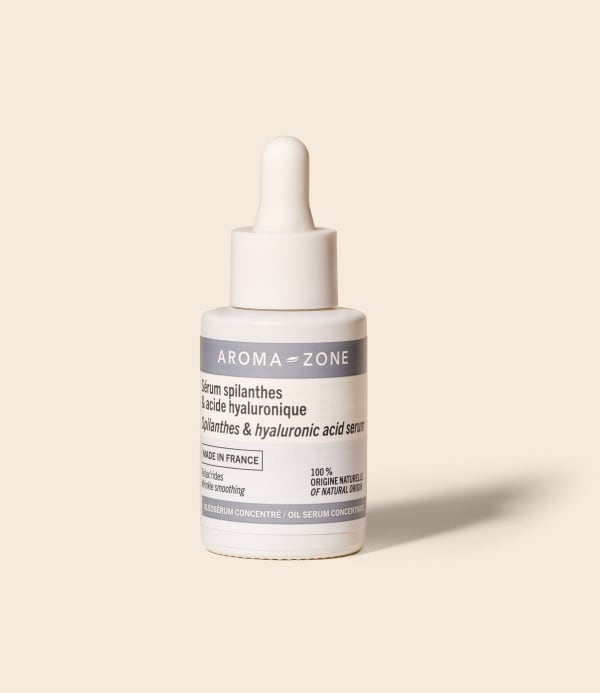
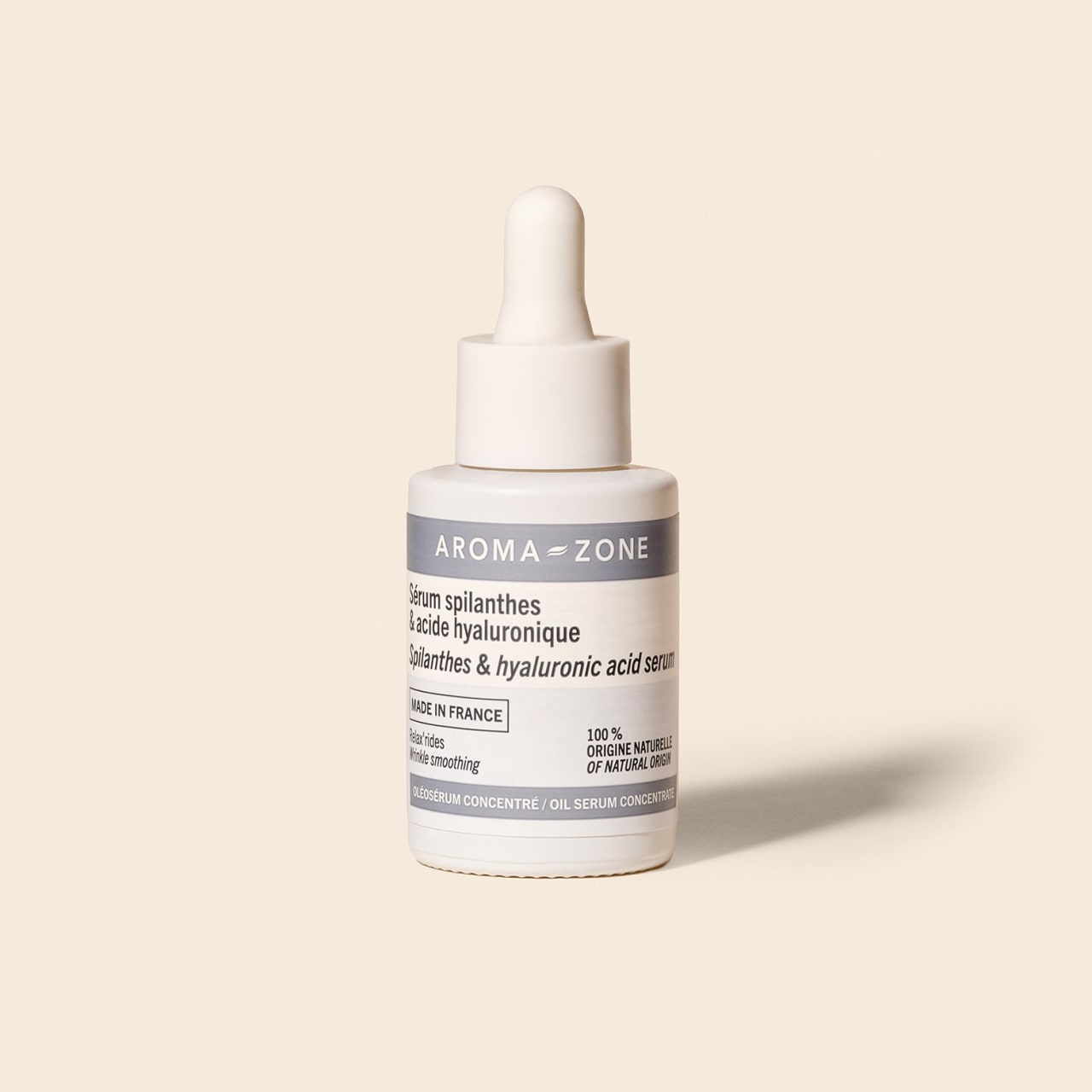
Spilanthes Plant Concentrated Serum : organic and vegan, it targets expression lines thanks to an innovative complex of Spilanthes and butterfly lavender.

Discover the Spilanthes Plant Concentrated Serum

image

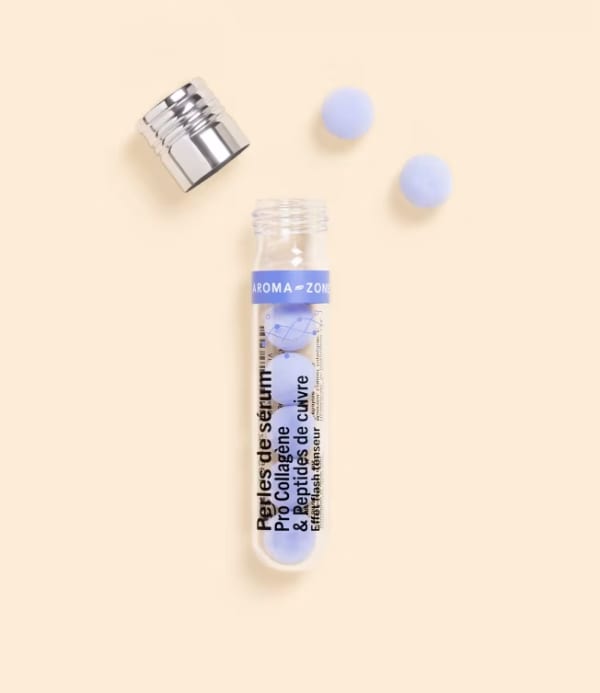
Pro-Collagen & Copper Peptide Serum Pearls: provide an instant lifting and smoothing effect from as early as 7 days, leaving skin looking regenerated, firmer and plumper.

Discover the Pro Collagen & Copper Peptide Serum Pearls

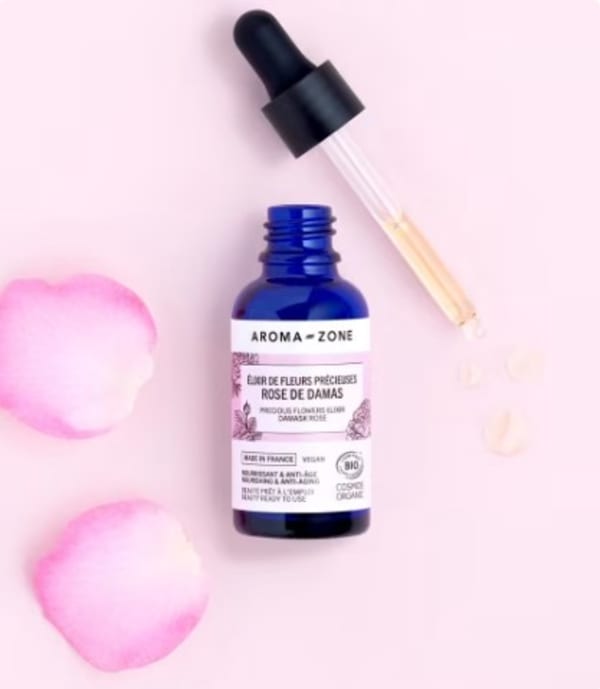
Organic Damask Rose Precious Flower Elixir

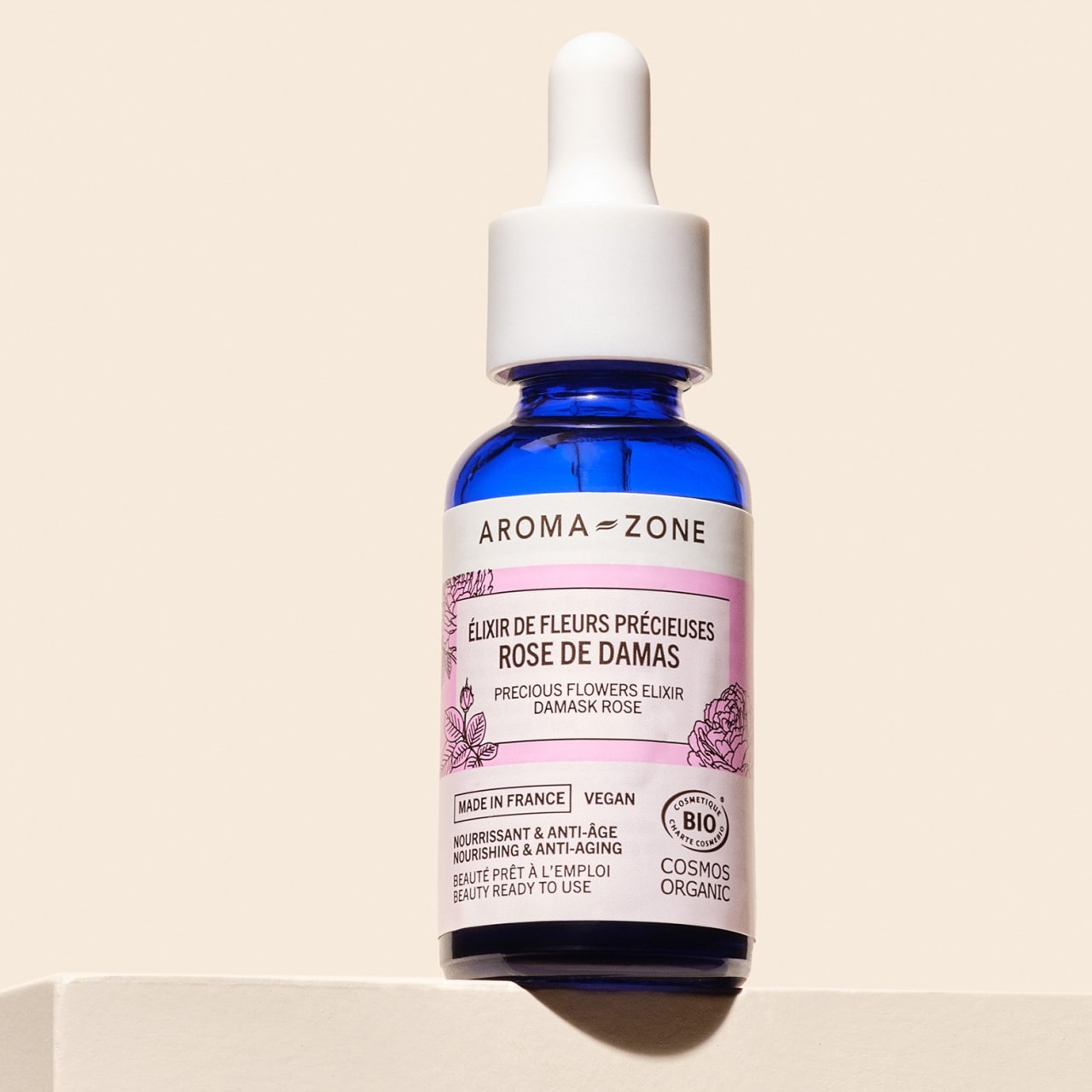
Organic Damask Rose Precious Flower Elixir: rich in antioxidants, it nourishes, protects and enhances the skin’s radiance, ideal for dry and mature skin.

Discover the Organic Damask Rose Precious Flower Elixir

073-heros02-aromazone-0508

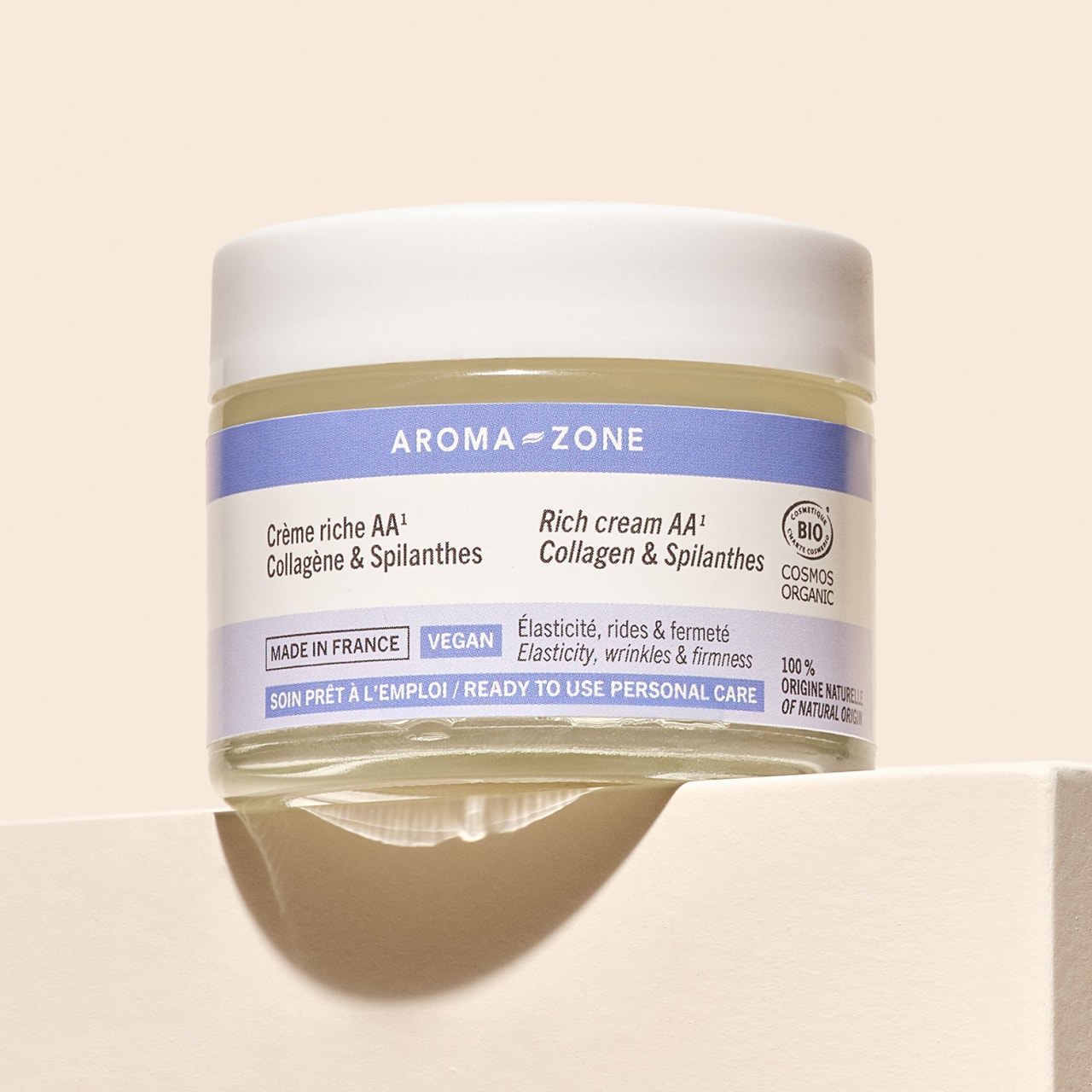
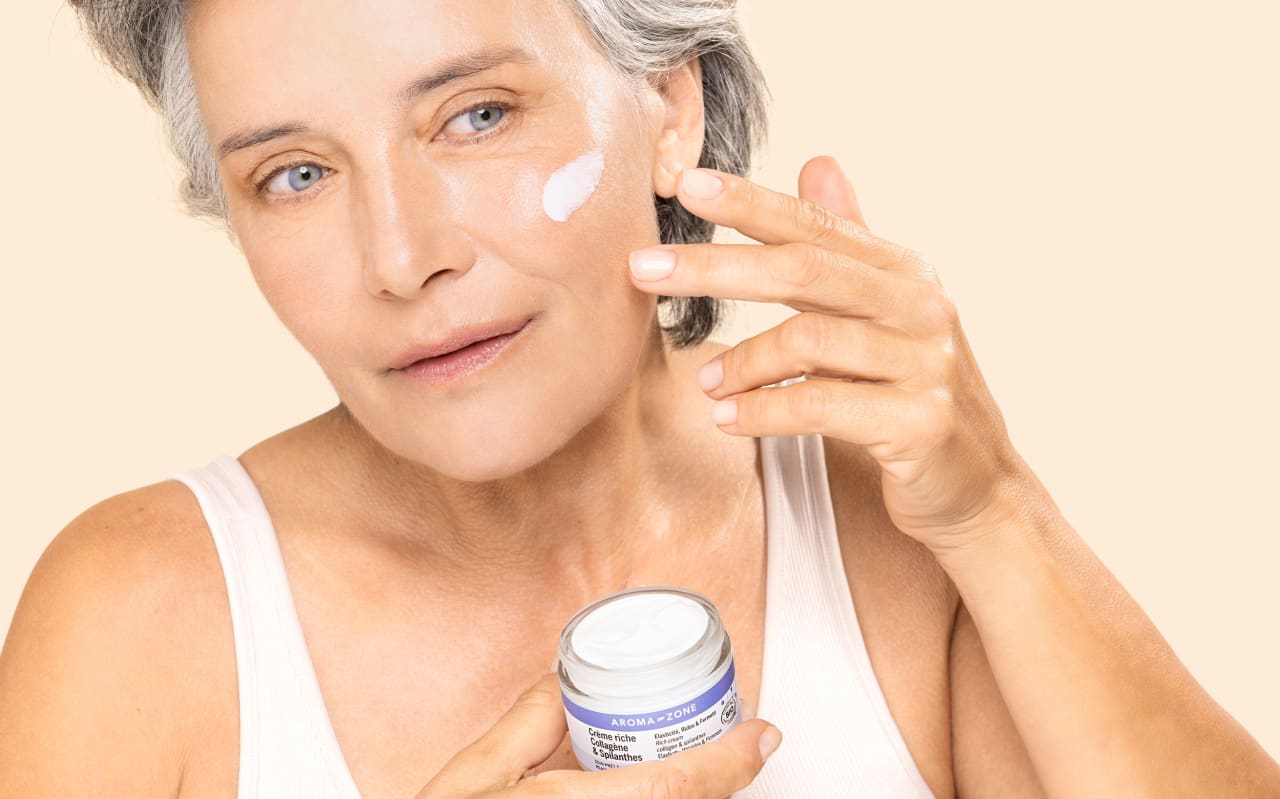
Rich vegan collagen and Spilanthes cream: certified organic, it plumps the skin, redefines the facial contours and visibly corrects 8 signs of ageing.

Discover the vegan collagen and Spilanthes cream

Mineral Sun Balm SPF 50

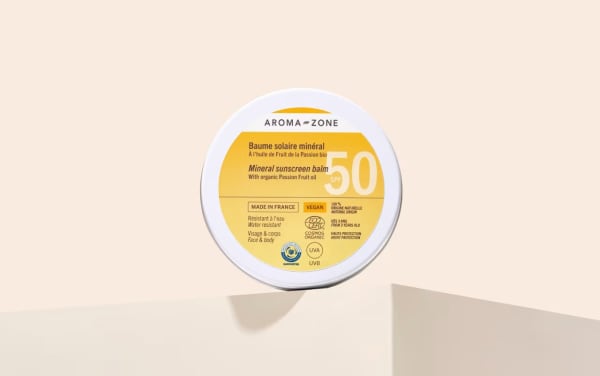
Mineral Sun Balm SPF 50: provides effective protection against UVA and UVB rays thanks to its 100% natural mineral filter, with a melt-in, non-greasy texture.

Discover the Mineral Sun Balm SPF 50

Used together or separately, these products form a complete natural skincare routine to moisturise, smooth and preserve the skin’s youthful appearance.

Precautions

Using anti-ageing cosmetics requires the utmost consistency and a gradual approach. Powerful active ingredients such as retinol should be introduced gradually to minimise irritation. We therefore recommend applying our serum two to three times a week for a fortnight, then gradually increasing the frequency of application. Consistency is key: a treatment applied only occasionally will not deliver the same results as a daily routine. Finally, combining this with sun protection remains the best scientifically recognised anti-ageing strategy.

Expert advice

Combining your anti-ageing cosmetics with self-massage techniques can greatly enhance their effects. By stimulating microcirculation and lymphatic drainage, these routines promote better penetration of active ingredients and help restore the skin’s radiance. Just a few minutes a day are enough, applying your serums or creams using light pressure and upward, circular movements. A simple technique involves gently smoothing the forehead from the centre towards the temples with your fingertips, applying light, even pressure. This movement helps to relieve facial tension whilst promoting the absorption of the skincare product, resulting in improved firmness and a greater sense of well-being.

Focus on our naturopathic editor: Lou Dumas

Lou_Dumas_02.JPG

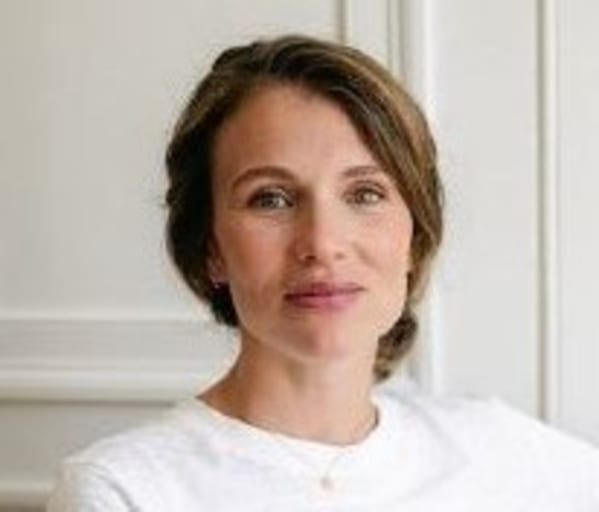
Lou graduated from HEC in 2012. She has ten years of experience in marketing cosmetics and perfumes before becoming an independent consultant in this field. She recently completed a three-year naturopathy course at the European College of Holistic Naturopathy (CENATHO, Paris) with the aim of supporting the physical and mental health of the individuals she works with through a comprehensive approach to healthy living.

Bibliography

  1. Watson REB, et al. A cosmetic “anti-ageing” product improves photoaged skin.

    J Dermatol Sci. 2009https://pmc.ncbi.nlm.nih.gov/articles/PMC2774146/

  2. Prospective Study of Knowledge and Perception towards Anti-ageing Dermatological Products.

    2017 https://www.scirp.org/journal/paperinformation?paperid=79486

  3. Research Progress on Skin Ageing and Active Ingredients.

    2023 https://pmc.ncbi.nlm.nih.gov/articles/PMC10385838/

  4. Gupta S., Walker L. et al. Handbook of Skin Anti-Ageing Theories for Cosmetic Formulation Development. 2016

  5. Perez-Reszkiewicz M.-A. When beauty defies age…

    Cosmetics for Older People in France. 2018

  6. Mordor Intelligence. Anti-ageing products market: analysis, trends and forecasts

    (2024–2029) https://www.mordorintelligence.com/fr/industry-reports/anti-aging-products-market

Frequently Asked Questions

Frequently Asked Questions