What are the benefits of matcha tea?

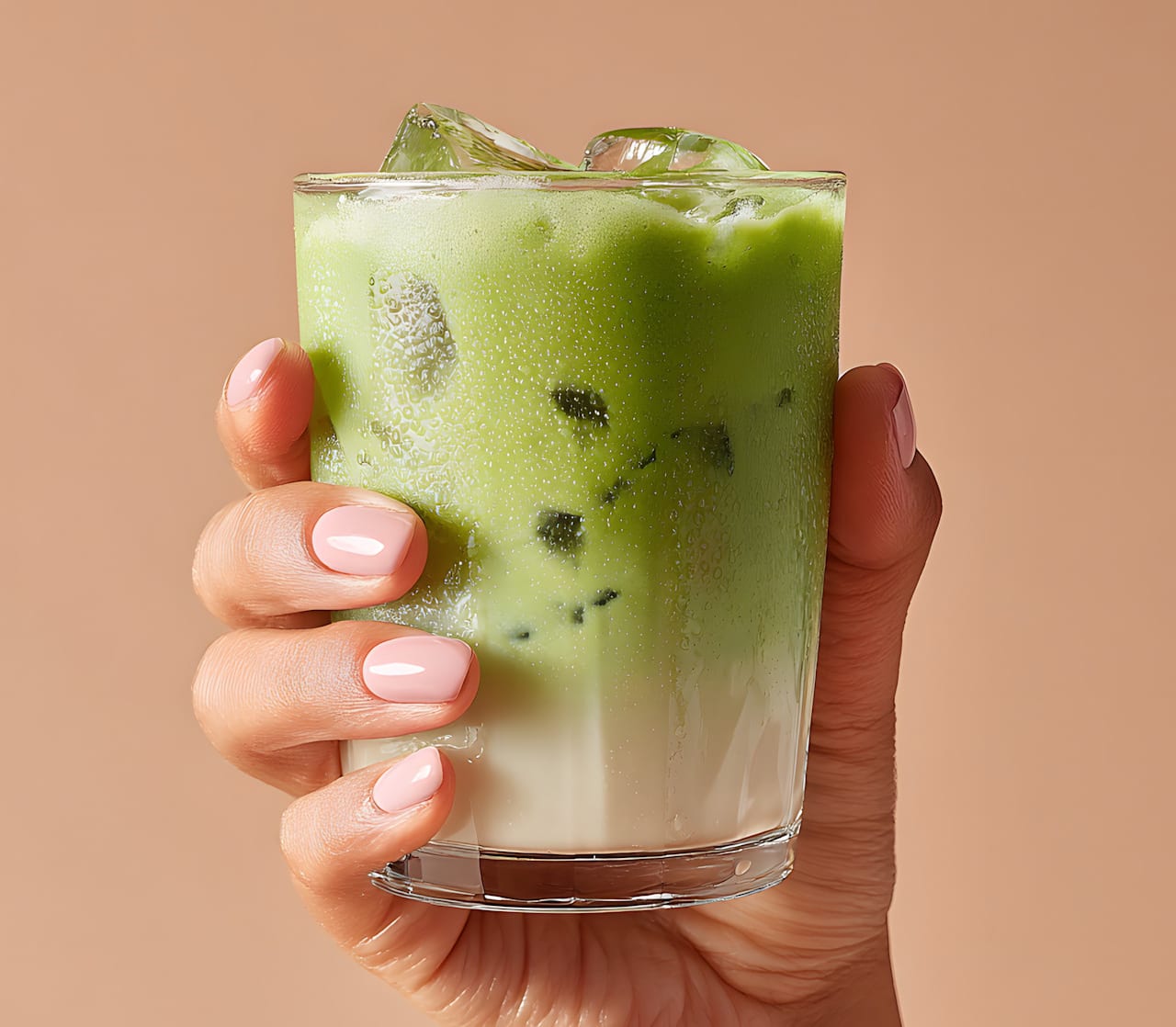
A variety of Japanese green tea, matcha tea is used in the Japanese tea ceremony and in cooking for its unique flavour. Highly valued around the world for its unique properties and health benefits, it is now used in a wide range of food, including mochis, ice creams and pastries. In this article, we explore the health benefits of matcha and the best ways to use it.

Reading time: 0 min.

What is matcha tea?

Matcha tea is a powdered green tea made from the leaves of Camellia sinensis, a shrub native to southern China. It is thought to been first invented in China in the 12th century and then imported to Japan by Buddhist monks.

Matcha tea is special due to its unique growing and processing methods. A few weeks before the harvest, the tea bushes are covered with bamboo mats to protect them from direct sunlight. This method stimulates the production of chlorophyll and the formation of essential amino acids, in particular L-theanine, giving the tea its green colour and unique flavour. The leaves are then dried and reduced to a fine green powder, before being consumed by adding the mixture to hot water. This method of preparation and consumption ensures that all the tea leaves are ingested, providing the maximum concentration of nutrients.
What makes matcha tea so special

Matcha tea contains catechins, polyphenols and vitamins (A, B1, B2, B3 and vitamin C), making it a powerful source of antioxidants. These help to combat free radicals, reducing oxidative stress in the body. The growing process also involves shading the tea plants before harvesting, increasing their chlorophyll content.

Why consume matcha tea?

The difference between green tea and matcha tea (its properties, etc.)

Green tea and matcha tea both come from green tea leaves, but their method of cultivation, harvesting and preparation differs considerably. Green tea leaves are generally steeped in hot water and then removed. This means that most of the nutrients remain in the leaves. Matcha tea, on the other hand, is ground into a powder, so the whole leaf is consumed. This gives it a higher concentration of nutrients:

  • particularly antioxidants and L-theanine, an amino acid that promotes relaxation.

  • L-theanine also allows the caffeine contained in matcha tea to be absorbed more diffusely, so it stays in the body longer.

What are the benefits of matcha tea?

  • High in antioxidants such as catechins and EGCG, matcha tea is renowned for its many health and wellness benefits.

  • Revitalising and energising, thanks to its high caffeine content, which helps improve alertness. The combination of caffeine and l-theanine boosts your energy levels, without the side effects and nervousness you might feel from drinking coffee. It also helps to improve concentration.

  • It's ideal for slimming and detox programmes, thanks to its caffeine and catechin content. Matcha tea can help increase energy expenditure by slightly increasing fat burning through the action of its catechins. It also increases the feeling of being full. It can really help people trying to lose weight.

  • Balancing and relaxing, it has no stimulating effects thanks to its L-theanine content, a rare amino acid which balances out the effects of caffeine and helps you feel calm and relaxed.

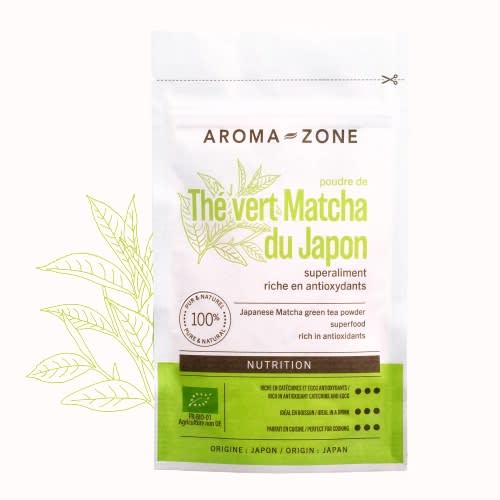
A closer look at our Aroma-Zone superfood: matcha powder

How do I take matcha tea?

As a traditional tea

In Japan, matcha is made in a ritual called "tea ceremony" according to very strict rules. Here's how to make your cup of matcha in the traditional way:

  1. Take a ceramic bowl called a "chawan", a bamboo whisk called a "chasen", a bamboo spoon called a "chashaku", and don't forget the matcha tea powder.

  2. Start by putting a level teaspoon of matcha tea into a bowl. You can vary the amount to suit your preferences.

  3. Sieve the powder through a tea strainer to avoid lumps.

  4. Heat about 70 ml of water to 70°C.

  5. Pour a small amount of water over the powder and start whisking, then add the remaining hot water.

  6. Whisk the matcha vigorously in an M shape until you have a nice creamy froth.

In the kitchen

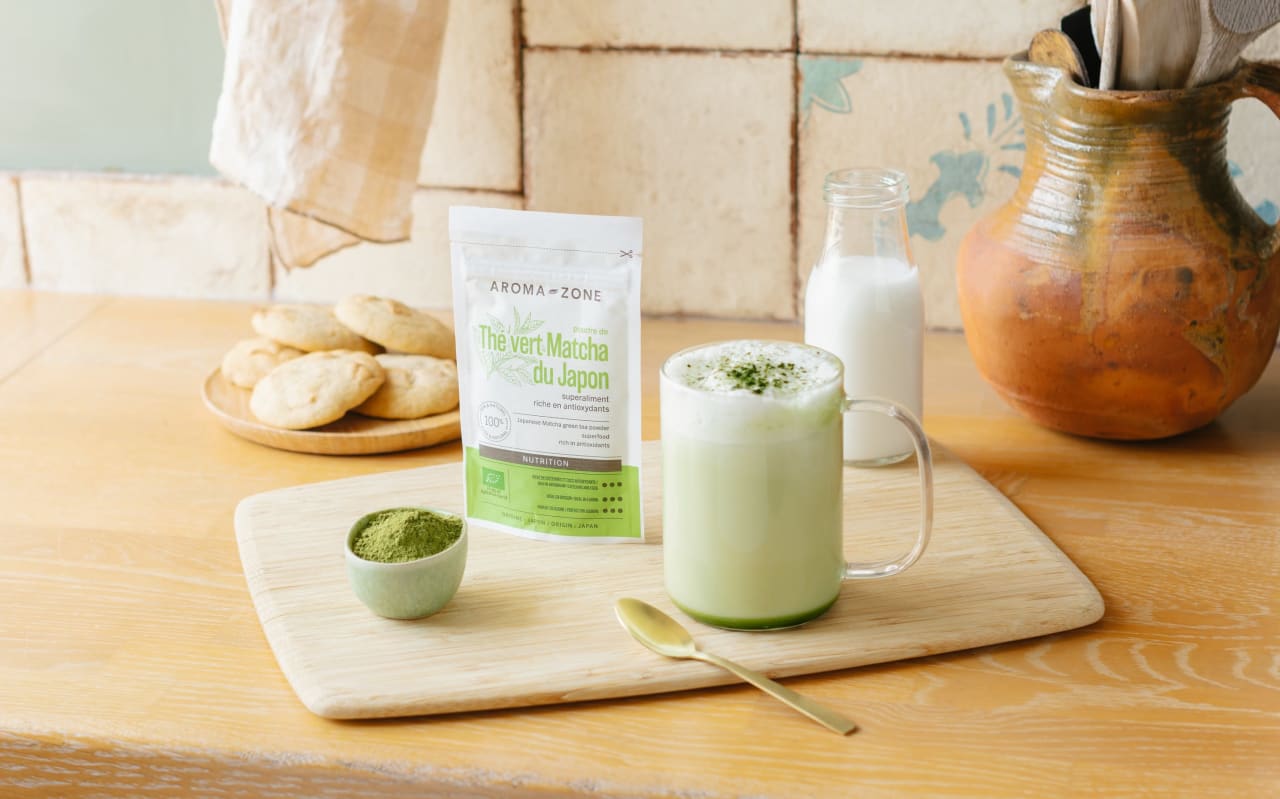
Matcha is a valued ingredient in cooking for its unique flavour. It can be incorporated into a multitude of desserts, such as pastries, ice creams and desserts in glasses, for an attractive green colour. It also goes very well with ingredients such as white chocolate, almonds and red berries, or orange blossom water.

  1. To incorporate matcha into your culinary recipes, mix the matcha powder with the other dry ingredients.

  2. Mix the dry ingredients during the other stages of the recipe.

  3. Remember to taste your mixture to adjust the matcha level in the process of making the recipe.

When should I drink matcha tea?

Morning or evening?

Matcha tea can be enjoyed at any time of day, depending on your preferences and needs:

  • The morning is the ideal time to take it so you get the benefits of continuous energy throughout the day. Matcha can be an excellent substitute for coffee, providing a shot of caffeine that makes you feel alert without the side effects of coffee.

  • You may also want to drink it in the afternoon, for a mid-day energy boost. A cup of matcha can be revitalising and improve concentration.

  • Drinking matcha tea before physical exertion can also improve sports performance and improve your post-workout recovery.

  • However, if you are sensitive to caffeine or suffer from sleep disorders, we advise against drinking matcha in the evening.

What dosage

The amount of matcha you can consume depends on various factors, including your tolerance to caffeine, your health goals and your preferences. Generally speaking, one to three cups of matcha a day is considered a reasonable amount. Please note that matcha has a higher concentration of caffeine than ordinary green tea. The European Food Safety Authority recommends that you do not consume more than 400 mg of caffeine a day, or 200 mg acutely (in a single dose). We therefore advise you to restrict your consumption of it and monitor the effects on your body.

Contraindications

Caffeine can cause sleep disorders, anxiety and palpitations. Pregnant and breast-feeding women should also restrict their intake. And be careful if you have allergies to theaceae.

What can you combine with matcha?

Our matcha tea recipes

Melt-in-the-mouth matcha tea and white chocolate muffins

Ingredients (with scale)

Preparation

1

Melt the butter until light and fluffy.

2

Beat the eggs with the sugar in an electric mixer until the mixture whitens.

3

Add the organic matcha tea powder to the mixture and blend again with a mixer.

4

Sieve the flour and cornflour. Add to the other mixture.

5

Mix everything together. Add the fleur de sel.

6

Preheat the oven to 180°C.

7

Butter and flour the muffin tins.

8

Divide the batter between the muffin tins to make 6 equal muffins.

9

Place two squares of white chocolate in the centre of each muffin, pressing them in well.

10

Bake for 8 to 9 minutes. Remove when the top crust has formed.

11

It's ready to enjoy!

Light tiramisu-style dessert with matcha tea, vanilla and speculoos

Ingredients (with scale)

Preparation

1

Separate the egg whites and yolks.

2

Whisk the egg yolks briskly with 60 g sugar until the mixture whitens.

3

Add the ricotta and mix well.

4

Whisk the egg whites with a pinch of salt in a bowl in the fridge, then add 30 g of sugar, whisking constantly to stiffen them.

5

Gently fold the egg whites into the egg yolks, along with a teaspoon of organic matcha powder and the organic vanilla extract (adjust to taste) and mix.

6

Make the mixture smoother by adding 3 to 4 tablespoons of cream.

7

Crumble a dozen speculoos biscuits.

8

Add 1 tablespoon of crumbled speculoos and 3 tablespoons of the mixture to glass dessert bowls, alternating with each layer.

9

Sprinkle with matcha and decorate with 1 biscuit. Chill the dessert in the fridge.

Precautions for use

Close the bag tightly after use. Store your matcha tea in a clean, dry place away from moisture.

Expert advice

You must be very careful with the temperature of the water you use when making your matcha. The water should not be boiling (ideally around 70-80°C) so that you don't degrade the nutrients present in the matcha. If the water is too hot, this could reduce its benefits and also give the matcha a more bitter taste.

Find out more

How much caffeine does matcha contain?

Matcha contains around 70 mg of caffeine per cup (1 gram of matcha), which is less than a cup of coffee but more than most teas. The presence of L-theanine attenuates the effects of caffeine, providing a more stable kind of energy.

How can I combat the bitter taste of matcha?

To reduce the bitterness of matcha, there are a number of tricks you can try: use cooler water. If the temperature is too hot, it can accentuate the bitterness. You can also add a sweetener or milk to make it milder.

How should matcha be stored?

To preserve its freshness and nutrients, matcha should be stored in an airtight container, away from light and moisture, preferably in the refrigerator.

Article written by Emilie Turin, naturopath

A naturopath, kinesiology and Chi Nei Tsang practitioner, Emilie helps her consultants to improve their dietary, physical and emotional health.

Passionate about natural medicine and food, and keen to raise awareness of preventive health care, Emilie regularly runs naturopathic workshops and shares her naturopathic advice and healthy recipes on her Instagram account (@lacaznaturo).

Bibliography

1

Exploring the Health Benefits of matcha: A Comprehensive Review. (2024). Journal of Education Health and Sport, 68. DOI: 10.12775/JEHS.2024.68.51235. License: CC BY-NC-SA 4.0.

2

Caffeine: how much can you safely consume? European Food Safety Authority...