Summer Sore Throat: Causes and Symptoms

Although most often associated with winter, a sore throat can also occur in the height of summer. It is usually mild, but should nevertheless be taken seriously when accompanied by persistent or particularly troublesome symptoms. Staying well-hydrated, getting plenty of rest and taking a few precautions can help improve your day-to-day comfort, but medical advice is still recommended if you have any concerns.

Reading time: 0 min.

What is summer tonsillitis?

Tonsillitis is an acute inflammation of the tonsils, sometimes accompanied by irritation of the throat. Although often associated with the winter months, it can also occur during the summer. This is commonly referred to as ‘summer tonsillitis’, even though the symptoms are similar to those seen at other times of the year: a sore throat, difficulty swallowing, a possible fever, tiredness or tender lymph nodes.

In summer, certain factors can contribute to throat irritation or weaken the mucous membranes, such as air conditioning, temperature fluctuations, dry air, very cold drinks or exposure to irritants. A sore throat can be caused by a virus or a bacterium. If you have a high fever, severe pain, persistent symptoms or are unsure, it is advisable to seek advice from a healthcare professional.

What is the difference between red sore throat and white sore throat?

The terms ‘white tonsillitis’ and ‘red tonsillitis’ refer to the appearance of the tonsils during a bout of tonsillitis, helping to identify the cause and the appropriate treatment. The white tonsillitis, or erythematopultaceous tonsillitis, is characterised by a whitish coating (pus) on the tonsils, often caused by a bacterial infection such as group A streptococcus, which generally requires antibiotics. In contrast, red tonsillitis, or erythematous tonsillitis, is characterised by very red and inflamed tonsils and throat without pus; it is mainly caused by viral infections and is treated with symptomatic measures such as hydration and painkillers.

What is the difference between a sore throat and tonsillitis?

A sore throat refers to pain, irritation or discomfort in the throat. It can have several causes: an ENT infection, dry air, pollution, smoke, air conditioning or overuse of the voice. Tonsillitis, on the other hand, refers more specifically to inflammation of the tonsils, sometimes affecting the pharynx as well. Not all sore throats are therefore cases of tonsillitis, even though tonsillitis generally causes a sore throat.

Why can you get a sore throat in summer?

Although it is often associated with winter, a sore throat can also occur during the summer months. It is most commonly caused by a virus, but can also be linked to bacteria, particularly group A streptococcus. In summer, certain factors can contribute to throat irritation or facilitate the spread of the viruses and bacteria responsible.

Viruses are still present in summer

Viral sore throats remain the most common. In summer, viruses continue to circulate, particularly on public transport, at holiday destinations, in enclosed spaces or at gatherings. Close contact facilitates their transmission, even when temperatures are higher.

Air conditioning

Air conditioning can dry out the mucous membranes and irritate the throat, especially when set to a very low temperature. It does not directly cause a sore throat, but it can make the throat more sensitive and increase discomfort.

Temperature fluctuations

Moving from a hot outdoor environment into a heavily air-conditioned indoor space can exacerbate throat irritation. These sudden changes put strain on the respiratory tract and can weaken the mucous membranes locally.

More frequent contacts

Holidays, travel, group activities, summer evenings: there are many occasions where people are in close proximity to one another. This close contact can facilitate the spread of infectious agents, whether viral or bacterial.

Bacterial sore throats

Although rarer than viral sore throats, bacterial sore throats can also occur in summer. Group A streptococcus is the bacterium most commonly involved. In the event of a fever, severe pain, tender lymph nodes or persistent symptoms, seeking medical advice will enable a test to be carried out if necessary.


What are the signs of a sore throat?

The symptoms of a sore throat can vary depending on whether it is caused by a virus or a bacterium, and from person to person. Certain signs are common, but they do not always all occur at the same time.

  • Sore throat: persistent pain or discomfort, often worse when swallowing

  • Fever: temperature sometimes exceeding 38 °C

  • Swollen tonsils: red, swollen tonsils, sometimes covered with a whitish coating

  • Tender lymph nodes: swelling or tenderness in the neck

  • Fatigue: a feeling of weakness or an unusual drop in energy

  • Headache: headaches which may accompany the infection

  • Muscle or joint pain: diffuse pain, sometimes associated with a general feeling of being unwell

  • Cough: more common when the sore throat is viral in origin

  • Hoarseness: throat irritation which may temporarily alter the voice

  • Skin rash: a less common symptom, which may occur in certain streptococcal infections.

In the event of a high fever, severe pain, breathing difficulties, difficulty swallowing or persistent symptoms, it is recommended that you seek advice from a healthcare professional.

A word from the doctor

Zinc supports innate immune function and reduces the duration of ENT infections: a meta-analysis shows that supplementation started within 24 hours halves the duration of cold symptoms (Science, 2020). Propolis, rich in flavonoids, has proven antiviral and antibacterial activity, particularly against streptococci. Finally, a balanced oral and gut microbiota strengthens local defences by modulating the inflammatory response in the respiratory tract."

Dr Yoni Assouly – Doctor specialising in functional and nutritional medicine

How is a sore throat diagnosed?

The diagnosis of a sore throat is based on a clinical examination and, in some cases, on a rapid test to detect a Group A streptococcal infection. This step is important, as the majority of sore throats are viral in origin, whilst some may be bacterial.

  1. Assessment of symptoms: The healthcare professional first asks the patient about their symptoms: sore throat, fever, difficulty swallowing, tiredness, any cough or tender lymph nodes.

  2. Examination of the throat: They then examine the tonsils and pharynx to check for redness, swelling, whitish deposits or other signs associated with a sore throat.

  3. Assessing the possible cause: Based on the symptoms and the examination, the doctor assesses whether the sore throat appears to be primarily viral or whether a bacterial cause should be investigated, particularly if Group A streptococcus is suspected.

  4. Carrying out a rapid diagnostic test for tonsillitis if necessary: The rapid diagnostic test involves taking a sample from the tonsils using a swab. The result is available within a few minutes and can detect the presence of Group A streptococcus.

  5. Management recommendations: If the test is negative, the sore throat is usually viral in origin. If the test is positive, a bacterial cause is confirmed and a healthcare professional can recommend appropriate treatment.

What are the natural remedies for relieving a summer sore throat?

In addition to seeking medical advice where necessary, certain natural remedies can help soothe the throat and provide relief during episodes of irritation. Herbal teas, plant extracts or lozenges can be used during periods of discomfort.

To soothe a sore throat

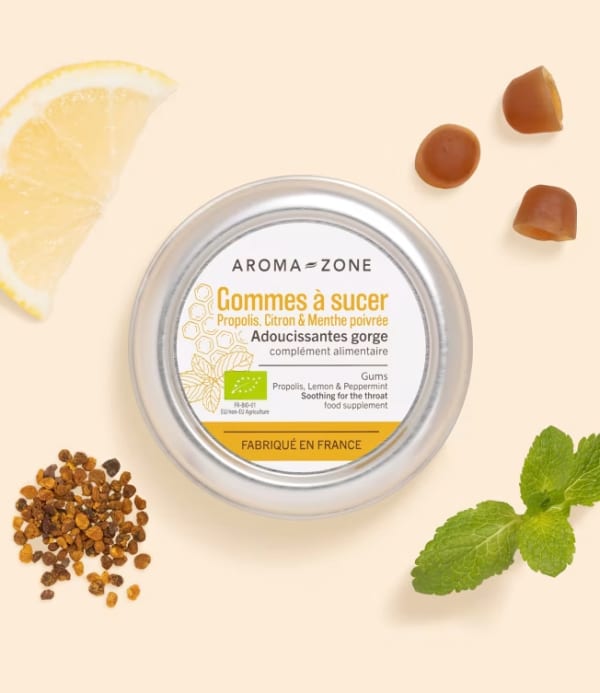
Organic Throat-Soothing Lozenges: these lozenges combine organic essential oils of lemon and peppermint, organic marshmallow extract, honey and propolis to soothe the throat and promote comfort in the pharynx. Convenient to carry around, they should be taken at a rate of 5 lozenges per day, for a maximum of 7 days. Not recommended for pregnant or breastfeeding women, children under 6 years of age, or people with allergies to bee products. Seek medical advice in the event of bile duct obstruction, gastro-oesophageal reflux, liver or pancreatic disorders, a history of epilepsy, convulsions or neurological conditions. Take separately from medication, leaving at least a 1-hour interval. Monitor blood pressure in people with high blood pressure. Do not use for prolonged periods.

Discover the Organic Soothing Throat Lozenges

To enjoy the benefits of herbal teas

Organic Eucalyptus Respire Herbal Tea: this herbal tea combines several plants traditionally used to support respiratory comfort. Drunk hot, it also helps maintain good hydration, which is particularly welcome when the throat feels uncomfortable. Not recommended for pregnant or breastfeeding women, or for children.

Discover the Organic Eucalyptus Respire Herbal Tea

To support the body’s natural defences

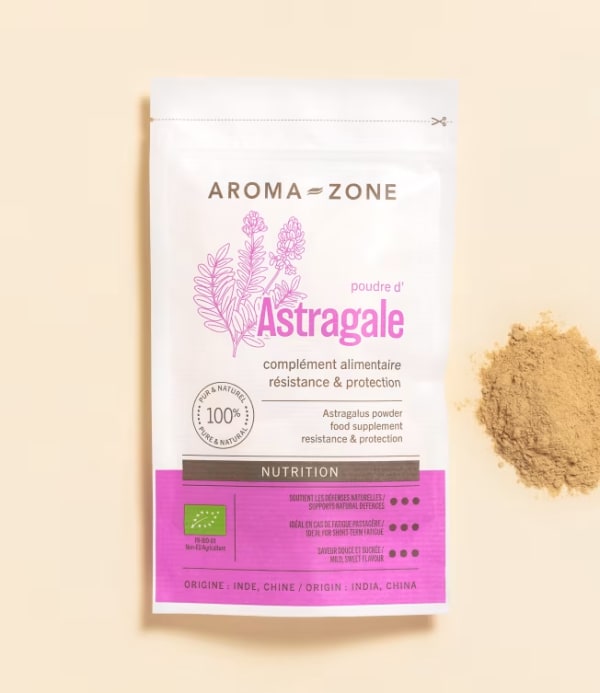
Organic Astragalus Powder: renowned in traditional Chinese medicine, Astragalus is an adaptogenic herb valued for treating temporary fatigue or a dip in energy levels. It helps to support the body’s natural defences and overall resilience. This pure root powder is easy to use in a herbal tea, a smoothie, yoghurt or other everyday recipes. Not recommended for children, pregnant or breastfeeding women, or women with a personal or family history of breast cancer. 

Discover Organic Astragalus Powder

To support the body during seasonal changes

Organic Propolis Extract: produced by bees to protect the hive, propolis is traditionally valued during seasonal changes. This organic brown propolis extract, which is alcohol-free, sugar-free and preservative-free, guarantees a high content of active polyphenols. As it is water-soluble, it can be taken neat or diluted in a glass of water. Not recommended for people with allergies to bee products, pregnant or breastfeeding women, or children under 6 years of age without medical advice. Prolonged use (> 3 weeks) is not recommended.

Discover the Organic Propolis Extract

What are the best ways to relieve a summer sore throat?

When symptoms are mild, certain habits can help soothe the throat, alongside medical advice if necessary. The main aim is to minimise irritation, stay well hydrated and support the body during this period of discomfort.

  • Drink regularly: water, herbal teas or broths help keep the throat hydrated and can reduce the feeling of dryness

  • Opt for lukewarm drinks: these are often better tolerated than very hot or very cold drinks when your throat is sore

  • Avoid irritants: tobacco, pollution, very dry air or air conditioning set too high can make throat discomfort worse

  • Rest your voice: talking for long periods or straining your voice can prolong the irritation, especially when your throat is already weakened

  • Humidify the air: if the air is dry, ventilate the room regularly and maintain an adequate level of humidity, which can help with breathing comfort

  • Seek medical advice if symptoms persist: a high fever, severe pain, difficulty swallowing or prolonged symptoms require a consultation.

Standard precautions

Natural remedies can help soothe a sore throat, but they are no substitute for medical advice when symptoms are severe or persistent. In the event of a high fever, severe pain, difficulty swallowing or breathing, very painful lymph nodes, or symptoms lasting several days, it is advisable to consult a healthcare professional.

Certain precautions are also necessary depending on the products used. Throat lozenges and propolis extracts are not recommended for people who are allergic to bee products. Products containing essential oils are not suitable for everyone, particularly young children, pregnant or breastfeeding women, and people who are sensitive or have a history of allergies.

Dietary supplements, such as astragalus or propolis, must be used in accordance with the recommended doses. They are not a substitute for a varied and balanced diet or a healthy lifestyle. If you are undergoing medical treatment, have a chronic condition or have specific health concerns, it is best to seek advice from a healthcare professional before use.

Expert advice

Sucking on lozenges can relieve the discomfort and pain associated with a sore throat. Did you know that simply sucking on lozenges stimulates saliva production? Saliva plays an important role in moistening and lubricating the throat, which helps to reduce dryness and irritation. A well-hydrated throat is less prone to inflammation and discomfort. Saliva also contains enzymes and antibacterial substances that can help fight off minor infections.

Find out more

Can you go swimming if you have a sore throat?

If you have a fever, are feeling very tired or have severe symptoms, it is best to avoid swimming. Cold, wind or temperature changes can make a sore throat worse. If symptoms remain mild and you are generally feeling well, a short swim may be considered, provided you make sure to dry off thoroughly and wrap up warm when you get out of the water.

What are the typical symptoms of a summer sore throat?

The symptoms of a summer sore throat are similar to those of a sore throat occurring in winter. The most common are a sore throat, pain or discomfort when swallowing, a feeling of irritation in the throat, and unusual tiredness. Fever, tender lymph nodes in the neck, headaches or aching muscles may also occur. Depending on the cause of the infection, the tonsils may be red, swollen or have a whitish coating. If symptoms are severe or persist for several days, it is advisable to consult a healthcare professional.

How can you minimise the risk of sore throats in an air-conditioned environment?

It is best to avoid air conditioning that is set too cold or directed straight at your face. Regularly airing the room, drinking plenty of fluids and keeping the air less dry can also help to keep your throat comfortable. Regular maintenance of air conditioning filters is also important to minimise the circulation of dust and irritants.

Meet Our Expert Editor, Stéphanie Le Guillou, Pharmacist and Doctor of Molecular Biology

A qualified pharmacist since 2010 and a PhD graduate in Molecular Biology since 2012, Stéphanie has been writing medical and scientific content for nearly 15 years. Passionate about sharing knowledge, she is committed to making complex health information accessible and easy to understand while maintaining the highest standards of scientific accuracy.


Bibliography

1

Shulman S.T., Bisno A.L., Clegg H.W. et al. (2012). Clinical Practice Guideline for the Diagnosis and Management of Group A Streptococcal Pharyngitis. Clinical Infectious Diseases

2

Mustafa Z., Ghaffari M. (2020). Diagnostic Methods, Clinical Guidelines, and Antibiotic Treatment for Group A Streptococcal Pharyngitis. Frontiers in Cellular and Infection Microbiology

3

Sykes E.A., Wu V., Beyea M.M. et al. (2020). Pharyngitis: Approach to diagnosis and treatment. Canadian Family Physician

PMCID: PMC7145142 PMID: 32273409

4

Kennis M., Tagawa A., Kung V.M. et al. (2022). Seasonal variations and risk factors of Streptococcus pyogenes infection: A multicentre research network study.

Therapeutic Advances in Infectious Disease doi: 10.1177/20499361221132101