Summer Cold: Causes and Symptoms

Summer Cold: Causes and Symptoms


By Stéphanie Le Guillou

Published on: Tuesday, May 21, 2024, Updated on: Wednesday, October 28, 2026

With the arrival of warmer weather, we naturally expect to leave the unpleasantness of winter infections behind us. However, summer colds are entirely possible and even quite common! This seasonal discomfort can come as a surprise, since its symptoms resemble winter colds, including a runny nose, cough, headaches, and tiredness. But why do we catch a cold in the middle of summer? Exposure to cold viruses and environmental factors such as air conditioning are the main causes. To tackle this nuisance, natural solutions can relieve symptoms and support a faster recovery. From staying hydrated to traditional remedies, find out how to look after yourself while you have a summer cold.

Contents

Related products

What Is a Summer Cold?

Colds aren’t limited to winter – they can strike at any time of year! They are viral upper respiratory tract infections, just like winter colds. These colds can occur in the middle of summer and cause symptoms similar to those we experience in winter. Although less common than winter colds, summer colds can be just as troublesome.

How Can You Tell the Difference Between a Cold and COVID-19?

With the COVID-19 pandemic, it’s reasonable to wonder whether the symptoms described below are more likely to be those of a cold or of a COVID-19 infection. The symptoms may overlap, but there are a few key differences:

  • Fever: Fever is more common and often higher with COVID-19

  • Loss of Taste and Smell: This symptom is specific to and common with COVID-19 and rare with a common cold

  • Shortness of Breath: COVID-19 often causes breathing difficulties, which is rare with a summer cold

  • Severe Fatigue: Fatigue caused by COVID-19 is generally more severe

If you have symptoms of COVID-19, it is important to get tested, especially if you are in regular contact with people at risk of developing severe forms of the disease (pregnant women, older people).

Why Do We Catch a Cold in Summer?

Contrary to popular belief, colds aren’t just a winter phenomenon. Even when temperatures rise, certain factors can encourage virus spread or temporarily weaken your immune system. Let’s take a look at the most common reasons why you might catch a cold in the middle of summer: 

Temperature Fluctuations Can Sometimes Be Significant

Moving from a sunny terrace to an air-conditioned office, or getting into a very cool car after being out in the heat, can put your body under a lot of strain. These sudden and frequent changes during the summer can irritate the respiratory tract and make it more vulnerable to viral infections such as the common cold.

Air Conditioning Dries Out the Mucous Membranes

In summer, air conditioning is ubiquitous on public transport, in shops and in workplaces. However, overly dry air can weaken the nasal mucous membranes, which play a vital role in defending against viruses.

Viruses Continue to Circulate All Year Round

Many viruses that cause the common cold remain active even during the summer months. Gatherings, travel, and busy places always facilitate their transmission, whatever the time of year.

Fatigue Caused by Holidays or Travel

Journeys, changes in routine, going to bed later or a busy schedule, etc., can take their toll on the body during the summer. When the body recovers less effectively than usual, the natural defences may be temporarily less effective, allowing a cold to take hold.

Travelling Increases the Chances of Infection

Railway stations, airports, public transport, and tourist accommodation all encourage close contact with large numbers of people on the move. This close proximity naturally increases the risk of catching a respiratory virus such as a cold.

Lack of Sleep Can Weaken the Body

Long summer evenings, holidays, or changes to your routine can reduce the amount of sleep you get. However, insufficient rest is often linked to a weaker immune response to common infections. For more on this topic, read our article: How can you get a good night’s sleep?

Inadequate Hydration Can Irritate the Airways

In hot weather, the body’s need for water naturally increases. When daily fluid intake is insufficient, the mucous membranes can become drier and less effective at trapping infectious agents that enter the respiratory tract and cause colds.

Swimming and Draughts Can Contribute to Respiratory Discomfort

Staying in a damp swimsuit for a long time, being exposed to a cool breeze after a swim, or spending several hours in air-conditioned surroundings does not directly cause a cold. However, these situations can irritate the respiratory tract and create a more favourable environment for a viral infection to take hold, especially if they occur regularly.


What Are the Signs Associated With a Summer Cold?

A summer cold has symptoms very similar to those of a winter cold. Here are the main symptoms of a summer cold:

  • Runny or Blocked Nose: One of the most common symptoms of a summer cold is nasal congestion. You may have a constantly runny nose or, conversely, a completely blocked nose. This symptom is caused by inflammation of the nasal mucous membranes due to a viral infection, which leads to overproduction of mucus. This congestion can make breathing difficult, particularly at night, thereby disrupting sleep

  • Frequent Sneezing: Sneezing is your body’s natural defence mechanism to expel irritants from the airways. When you have a cold, you may find yourself sneezing frequently. Sneezing helps spread the virus, which is why it is important to cover your mouth and nose with a tissue or your elbow when you sneeze

  • Sore or Scratchy Throat: A sore or scratchy throat is also a common symptom of a summer cold. Inflammation and mucus can cause a burning or scratchy sensation in the throat, making it uncomfortable to swallow. This symptom is often the first to appear and can persist for several days

  • Dry or Productive Cough: The cough may be dry or chesty, depending on the stage and severity of the infection. A dry cough is usually caused by throat irritation, while a chesty cough is linked to mucus buildup in the airways. The cough can be particularly troublesome at night, disrupting sleep and prolonging fatigue

  • General Fatigue: Fatigue is a common response from your body when it is fighting an infection. If you have a summer cold, you may have less energy. This general fatigue is due to your immune system mobilising its resources to fight the virus

  • Mild Headaches: Mild headaches are often caused by sinus congestion and inflammation. Increased pressure in the sinuses due to a build-up of mucus can lead to pain and a feeling of heaviness around the eyes and forehead

  • Mild Fever or Feeling of Fever: Although less common in summer, a mild fever can sometimes accompany a cold. A fever is a sign that your body is fighting off the infection. However, it is usually mild and does not last long in the case of a cold

Please note: These symptoms can vary from person to person and may be more or less severe depending on the individual. Some people may experience all of these symptoms, while others may only experience a few. Symptom duration and severity may also depend on factors such as age and overall health.

What Natural Remedies Are There for a Summer Cold?

A cold that strikes during the summer usually clears up on its own within a few days. However, here are a few natural remedies that may help you feel better:

Soothing a Sore Throat

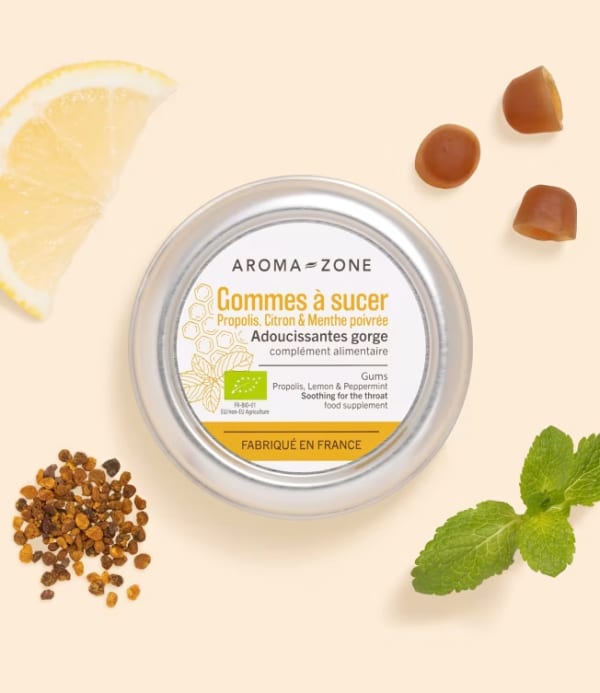
Organic Throat-Soothing Lozenges 45 g – Food supplement

Soothing Throat Lozenges: These lozenges combine propolis, traditionally used to soothe the throat, with honey, which provides a soothing sensation. They are useful for a dry or sore throat caused by a summer cold. To use them, simply let a sweet dissolve in your mouth as required, repeating several times a day. Please note that this product is not recommended for pregnant or breastfeeding women, children under 6 years of age, or people with allergies to bee products, nor should it be used in cases of neurological disorders, epilepsy, or liver, biliary or digestive disorders (such as acid reflux). Seek advice from a healthcare professional if you are undergoing medical treatment (leaving at least a 1-hour gap between doses) or have a specific medical condition, and monitor your blood pressure if you have high blood pressure. Keep out of reach of children. Finally, ensure you take no more than 5 lozenges a day, for a maximum of 7 days. To find out more, read our article: Sore throat? Treat yourself to these natural gummies for immediate relief.

Discover the Throat-Soothing Gummies

Improving Respiratory Comfort

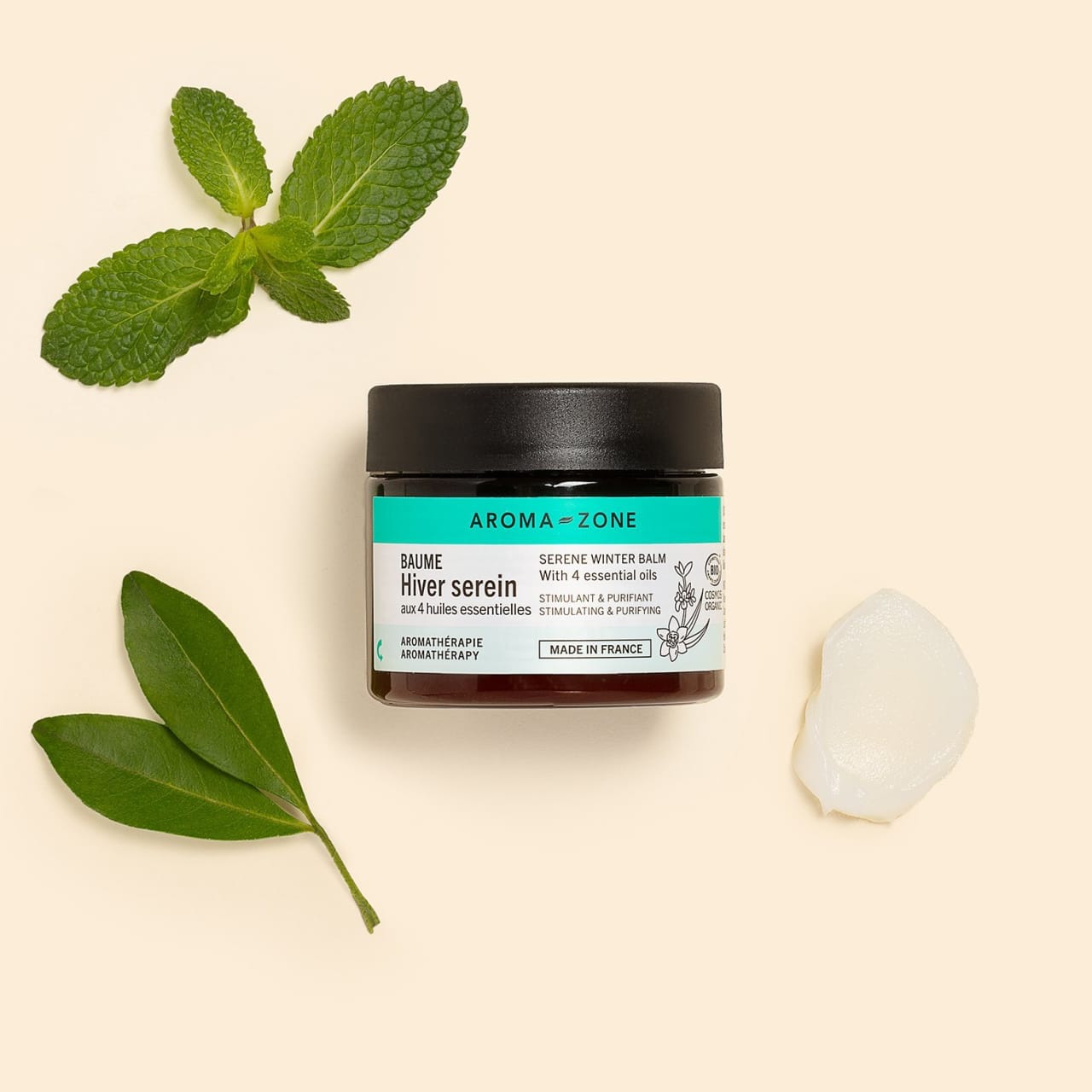
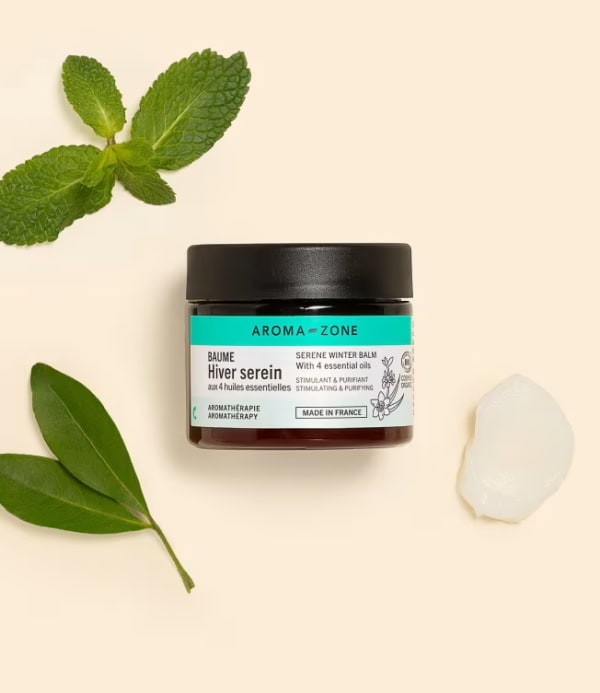
‘Serene Winter’ aromatherapy balm with 4 essential oils

‘Serene Winter’ Aromatherapy Balm With 4 Essential Oils: Although this balm is designed for use in winter, it can be an effective aid in soothing your summer cold. Indeed, this chest balm can help restore easier breathing when your nose is blocked or your throat feels tight. Its formula combines several organic essential oils such as Eucalyptus radiata, Ravintsara, Thymol-rich thyme, and Turpentine, known for their purifying and decongestant properties. Camphor and Menthol provide an immediate sensation of freshness, which is welcome when experiencing respiratory discomfort. To enjoy its benefits, massage it onto the chest, upper back, nape of the neck or behind the ears, once or twice a day depending on age. For children aged 6 to 10, a single daily application is sufficient; for those over 10, up to two applications a day may be considered. Please note: this product is not recommended for pregnant women, children under 6 years of age, or people with asthma, epilepsy or a history of allergies or seizures. Do not apply around the eyes, on mucous membranes or on irritated skin. For external use only; wash hands after application and keep out of reach of children.

Discover the ‘Serene Winter’ Aromatherapy Balm with 4 Essential Oils

Supporting the Body’s Natural Defences

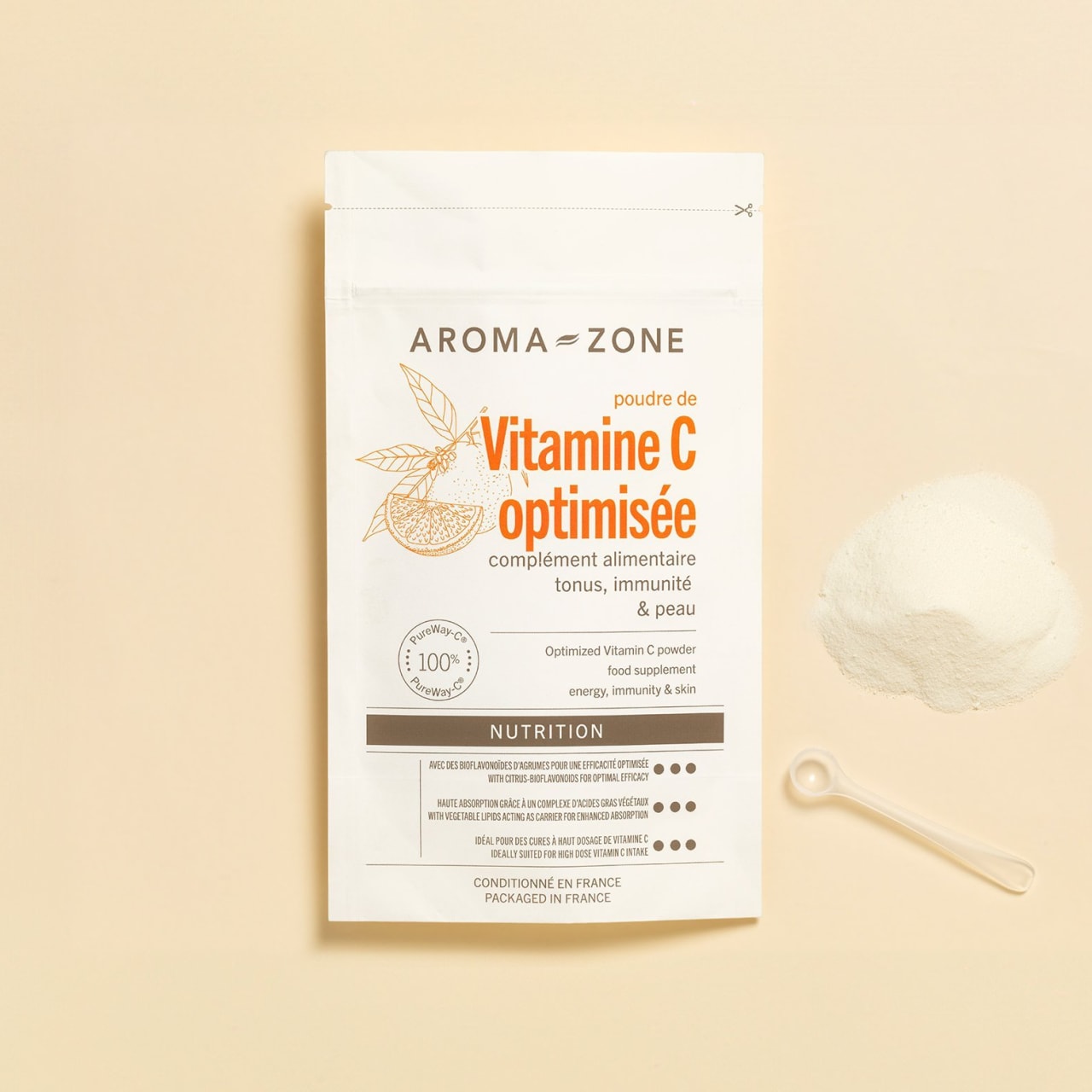
Optimised Vitamin C Powder: If you’ve caught a summer cold, Vitamin C can be a real help in enabling the body to cope better with external stresses and bouts of tiredness. Its formula, based on PureWay-C® and combining plant-based lipids and citrus bioflavonoids, promotes optimal absorption and supports the proper functioning of the immune system. It also helps reduce fatigue, which is beneficial when you’re feeling a bit under the weather. Our advice? Simply take 1 to 2,500mg measuring spoons per day, mixed into a glass of water, juice, or a shaker. If taking the maximum dose, it is best to split the intake into two doses throughout the day, morning and evening, for better absorption. This product is for adults only. Do not exceed the recommended daily dose; this product is not a substitute for a varied and balanced diet. Not recommended for pregnant or breastfeeding women without medical advice. Keep out of reach of children and store in a cool, dry place away from light.

Discover Optimised Vitamin C Powder

Staying Well Hydrated

Organic Lemon Detox Herbal Tea

Organic Lemon Detox Herbal Tea: If you have a summer cold, it’s essential to stay well hydrated. Why not kill two birds with one stone with a soothing and enjoyable herbal tea? This Organic Lemon Detox herbal tea combines rosemary and nettle, two plants known to support the body’s natural detoxification processes. Its fresh, lemony flavour makes it an easy drink to incorporate into your daily routine, especially when you’re feeling a bit tired or congested. To prepare it, steep 1 teaspoon in simmering (not boiling) water for 5 to 10 minutes, depending on the desired strength. You can drink 2 to 3 cups a day, spread throughout the day, to help you stay well-hydrated until you feel better. In hot weather, feel free to enjoy your herbal tea cold for a gentle, refreshing treat. 

Discover the Organic Lemon Detox Herbal Tea

What Are the Best Ways to Get Rid of a Summer Cold Quickly?

If you’ve caught a summer cold, there are a few simple steps you can take to support your body effectively and help you get back on your feet quickly. We’ve shared our simple, gentle tips below: 

  1. Stay Well Hydrated: Drinking plenty of water is essential when you have a cold. Staying hydrated helps thin out nasal secretions, making them easier to clear and reducing congestion. It also keeps the mucous membranes moist, which can soothe irritation in the throat and airways. As well as water, broths, herbal teas, and fruit juices diluted to reduce sugar intake are good options for staying hydrated

  2. Make Yourself Some Herbal Teas: Herbal teas are a way of relieving the symptoms of a summer cold. Thyme has antiseptic and expectorant properties that can help clear the airways and soothe a cough. Ginger is known for its anti-inflammatory properties. A fresh ginger infusion can soothe a sore throat and help boost the immune system. Chamomile has soothing effects and can help reduce inflammation of the mucous membranes. A cup of chamomile tea can also promote better sleep

  3. Have Some Honey and Lemon: A classic but effective remedy is to mix honey and lemon in hot water. Honey is traditionally recognised for its soothing properties and its gentle effect on the throat¹. It can soothe a sore throat and reduce a cough. Lemon is rich in vitamin C, an antioxidant that can support the immune system. To make this drink, add a tablespoon of honey and the juice of half a lemon to a cup of hot water. Drink this mixture several times a day to ease any discomfort

  4. Make Sure to Get Plenty of Rest: Rest is essential. Your body uses energy to fight off the infection. Resting allows your immune system to function at its best. Make sure you get enough sleep and take breaks throughout the day to help your body recover

  5. Try Inhalation: Steam inhalation can help clear the nasal passages and relieve congestion

  6. Gargle with Salt Water: Gargling with salt water can soothe a sore throat and help eliminate germs in the mouth and throat

  7. Eat Foods Rich in Vitamin C: Make sure you eat foods such as oranges, strawberries, peppers, and broccoli to increase your intake of Vitamin C and boost your immune system

Precautions

The advice provided in this article is for information purposes only. It is in no way a substitute for the advice of your GP, nor does it replace a balanced lifestyle tailored to your individual needs. If your summer cold symptoms persist despite adopting good health practices, please contact your GP for a check-up. Finally, exercise caution when using natural products or dietary supplements. Always follow the recommended dosages and seek your GP’s approval if in doubt.

Expert Advice

It’s important to realise that whilst air conditioning provides real comfort during hot weather, it tends to dry out the air, which can sometimes irritate the throat. When you can’t switch it off, a few simple habits can make a real difference. Stay well hydrated throughout the day with water or lukewarm drinks, and avoid very cold drinks as much as possible, as they can make the discomfort worse. Regularly airing the room also helps to refresh the air and reduce that feeling of dryness. Finally, if you’re particularly sensitive, a light scarf around your neck can help protect your throat from cold draughts.

Meet Our Expert Writer: Stéphanie Le Guillou

Stéphanie is a pharmacist (since 2010) and holds a PhD in molecular biology (since 2012). Passionate about writing, she has produced medical content for nearly 15 years. Her goal is to make information accessible and easy to understand, without ever sacrificing scientific accuracy.

Bibliography

  1. Israili, Z. H. (2014). Antimicrobial properties of honey. American Journal of Therapeutics.

    https://pubmed.ncbi.nlm.nih.gov/23782759/

  2. Eccles, R. (2005). Understanding the symptoms of the common cold and influenza. The Lancet Infectious Diseases.

    https://pubmed.ncbi.nlm.nih.gov/16253889/

  3. Heikkinen, T., & Järvinen, A. (2003). The common cold. The Lancet.

    https://www.thelancet.com/journals/lancet/article/PIIS0140-6736(03)12162-9/fulltext

  4. Centres for Disease Control and Prevention (CDC). (2024). Common cold: Symptoms and causes.

    https://www.cdc.gov/common-cold/about/index.html

  5. Eccles, R. (2002). An explanation for the seasonality of acute upper respiratory tract viral infections.

    https://pubmed.ncbi.nlm.nih.gov/11936911/

Frequently Asked Questions

Frequently Asked Questions

Associated recipe

Associated tip