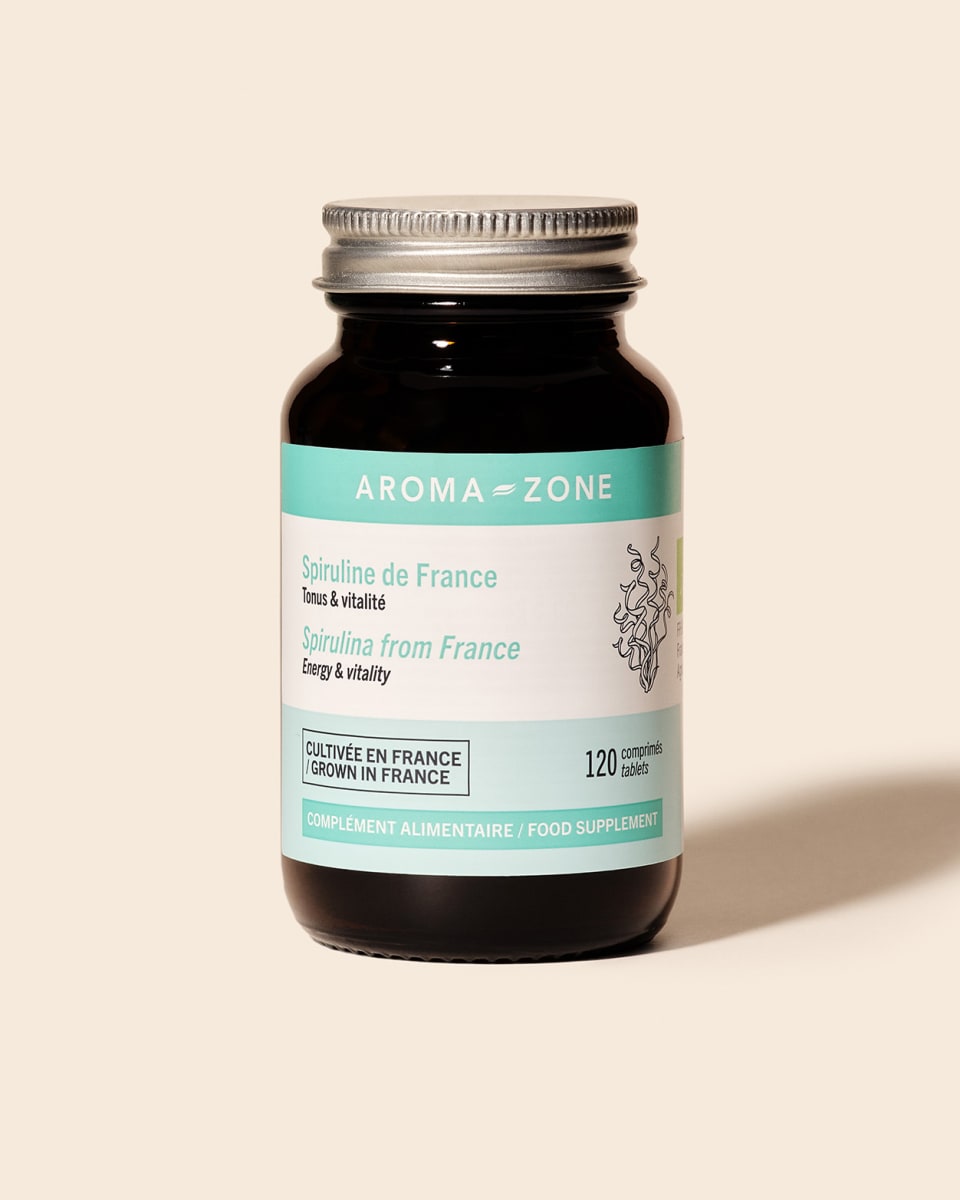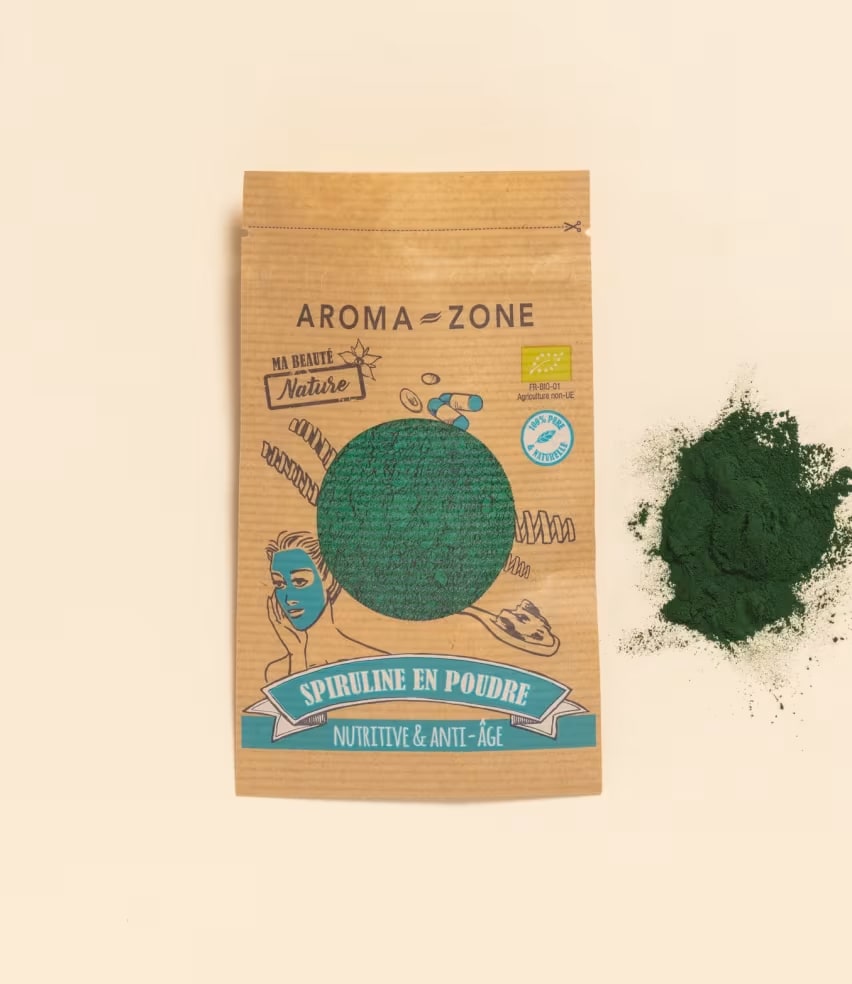
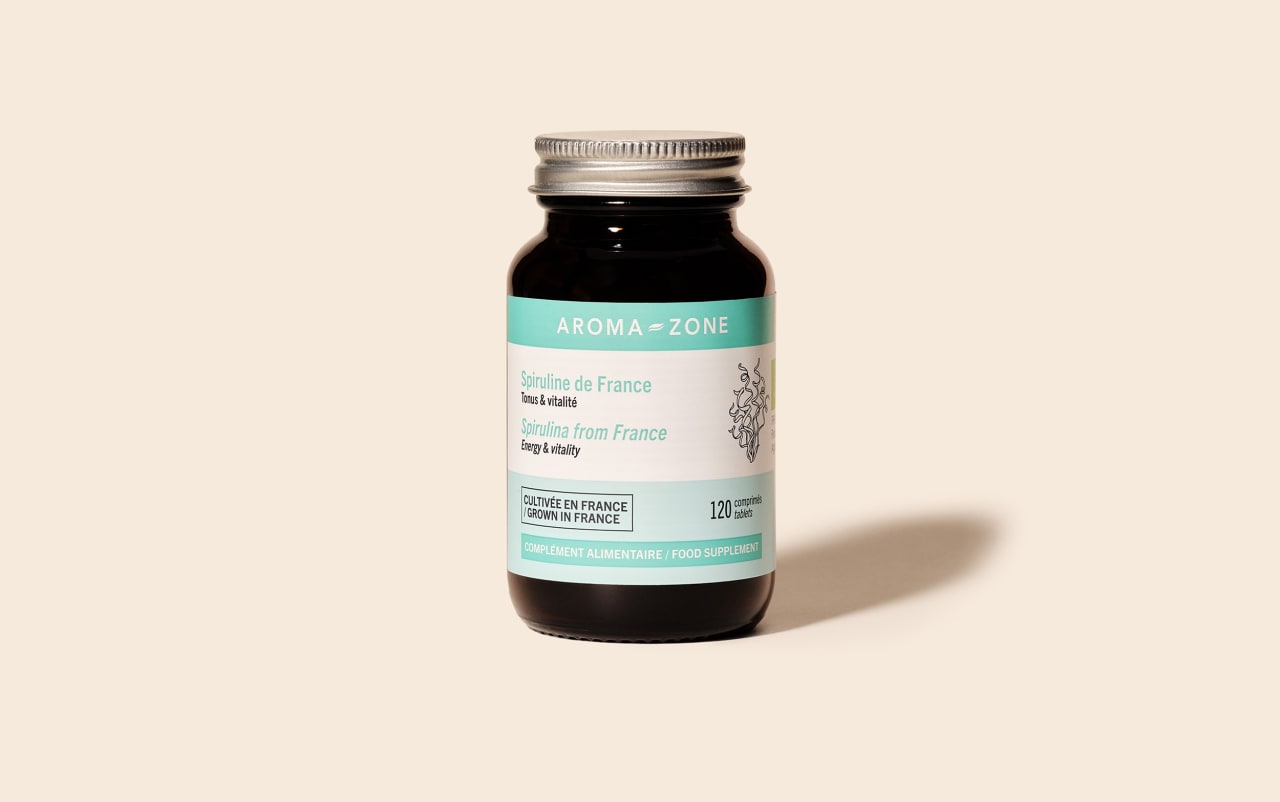
Spirulina is a micro-algae with beneficial properties for improving the body's physical and physiological condition.
Nutritional deficiency: spirulina has an exceptional nutritional composition. Rich in proteins, amino acids, minerals (magnesium, phosphorus), vitamins (D and B group vitamins) and trace elements (zinc, iron, manganese), this micro-algae is an ideal ally in cases of nutritional deficiency.
Digestive problems: the presence of fibre and enzymes gives spirulina benefits for the digestive system. It is an effective remedy for constipation, bloating, flatulence and other intestinal discomfort.
Fatigue: spirulina is considered a superfood and helps to reduce fatigue by boosting vitality. Consume spirulina after exercise to promote recovery or in the event of fatigue following convalescence. If you're going through a period of burnout or exams, spirulina can help you regain your energy while supporting your immune system.
Vegetarian and vegan diets: vegetarianism and veganism are diets that exclude animal products or products derived from animals (honey, cheese, eggs). These types of diets can create deficiencies if they are not properly balanced. That's why, as a vegetarian or vegan, it's important to have a sufficient supply of protein for healthy muscles, bones and the immune system, as well as for the manufacture and transport of your hormones. A supplement of certain vitamins and minerals, in particular vitamin D, iron, zinc, calcium and magnesium, is also necessary for your body to function properly. Spirulina has the advantage of containing most of the essential nutrients you need daily.
For the hair: spirulina promotes hair growth, strengthens the scalp and prevents grey hair, while adding softness, shine and volume.
For sports: spirulina has become a popular supplement among sports enthusiasts because of its many benefits. Its richness in proteins, essential amino acids, vitamins and minerals makes it a premium ally for those who take part in regular physical activity. Spirulina can help to increase endurance, speed up muscle recovery, strengthen the immune system under strain during exercise, and provide essential nutritional support. Incorporating spirulina into your diet can help maximise sports performance while promoting optimal recovery.