
The stomach, an essential organ of the digestive system located between the oesophagus and the duodenum, plays several roles in digestion. When food enters the stomach, it is mixed with gastric juices containing hydrochloric acid and digestive enzymes such as pepsin. This process begins the breakdown of proteins and transforms the food bolus into chyme, a semi-liquid substance.
The hydrochloric acid in the stomach maintains a very low pH, between 1.5 and 3.5, creating an acidic environment that supports pepsin activation and protein digestion. This high acidity also contributes to the body’s defence against pathogens that may enter the digestive system.
The stomach also regulates the flow of its contents into the small intestine via the pylorus, a sphincter that controls gastric emptying. This regulation allows chyme to be released gradually into the small intestine, supporting digestion and nutrient absorption.
Finally, the stomach lining is coated with mucus produced by its cells. This mucus forms a protective barrier that helps prevent hydrochloric acid from damaging the stomach lining. Without this protection, the stomach’s acidity could cause damage, including lesions or ulcers.
What is Gut Flora? Where is It Located?
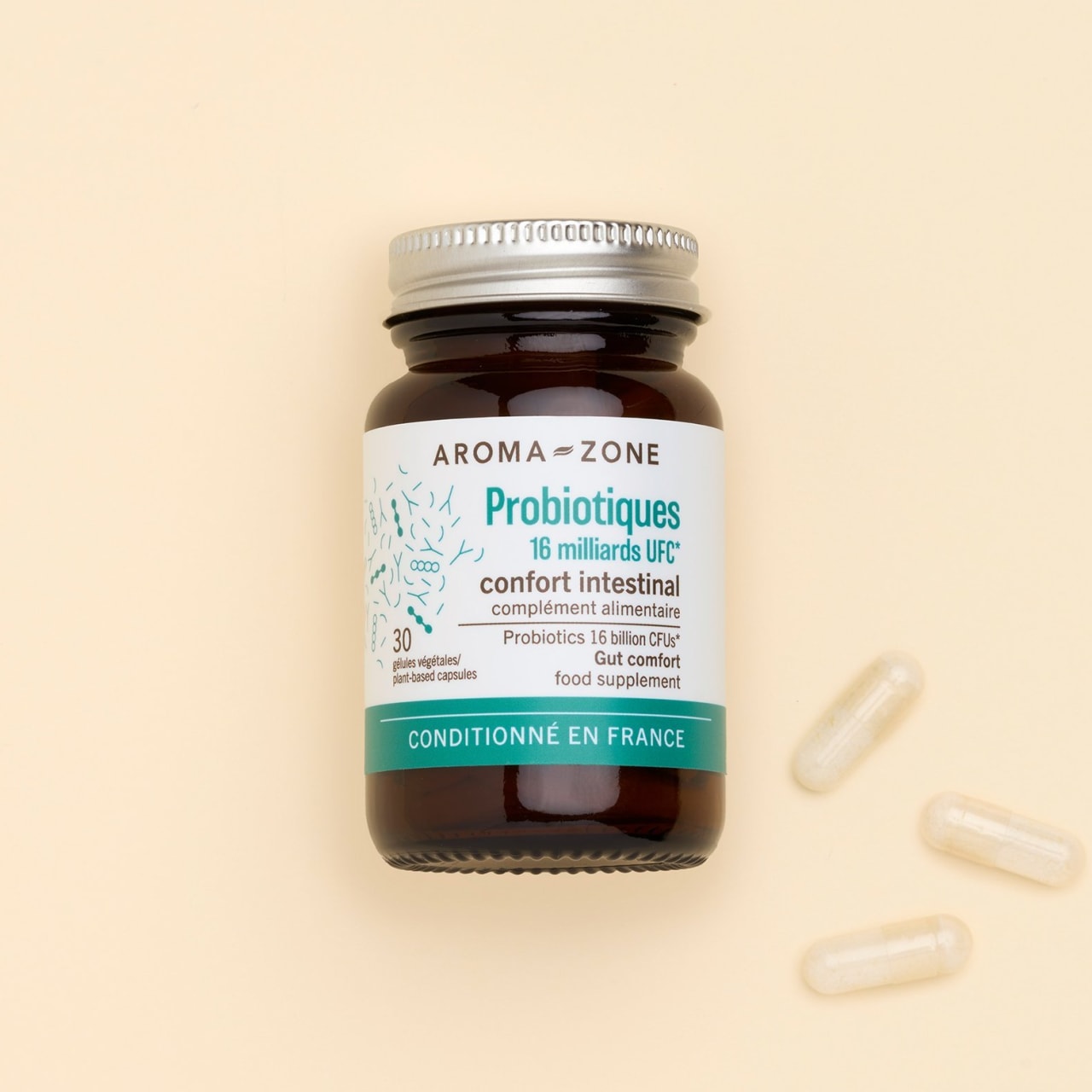
The gut microbiota, formerly known as gut flora, is a collection of microorganisms (bacteria, yeast, viruses) living primarily in the colon, but also in other parts of the digestive tract, such as the small intestine and the stomach. This microbiota plays a central role in fibre digestion, the synthesis of certain vitamins, protection against pathogens, and the modulation of the immune system.