
Erysipelas (also known as “acute dermohypodermitis”) is a bacterial skin infection that primarily affects the superficial layer and causes redness, pain, and swelling. Usually localised on the legs, face, or arms, this infection requires special attention to prevent recurrence or complications.

Our Home Remedies for Erysipelas
Published on: Wednesday, April 17, 2024, Updated on: Wednesday, October 28, 2026
Erysipelas is a skin infection caused by the proliferation of a bacterium called Streptococcus pyogenes. Its symptoms, including redness, pain, and swelling, can become uncomfortable and lead to complications. Managing erysipelas is important and it is crucial to see a doctor for an accurate diagnosis and appropriate treatment. In this short guide, discover all our advice on this skin infection and our home remedies to help alleviate its symptoms.
Contents
Related products
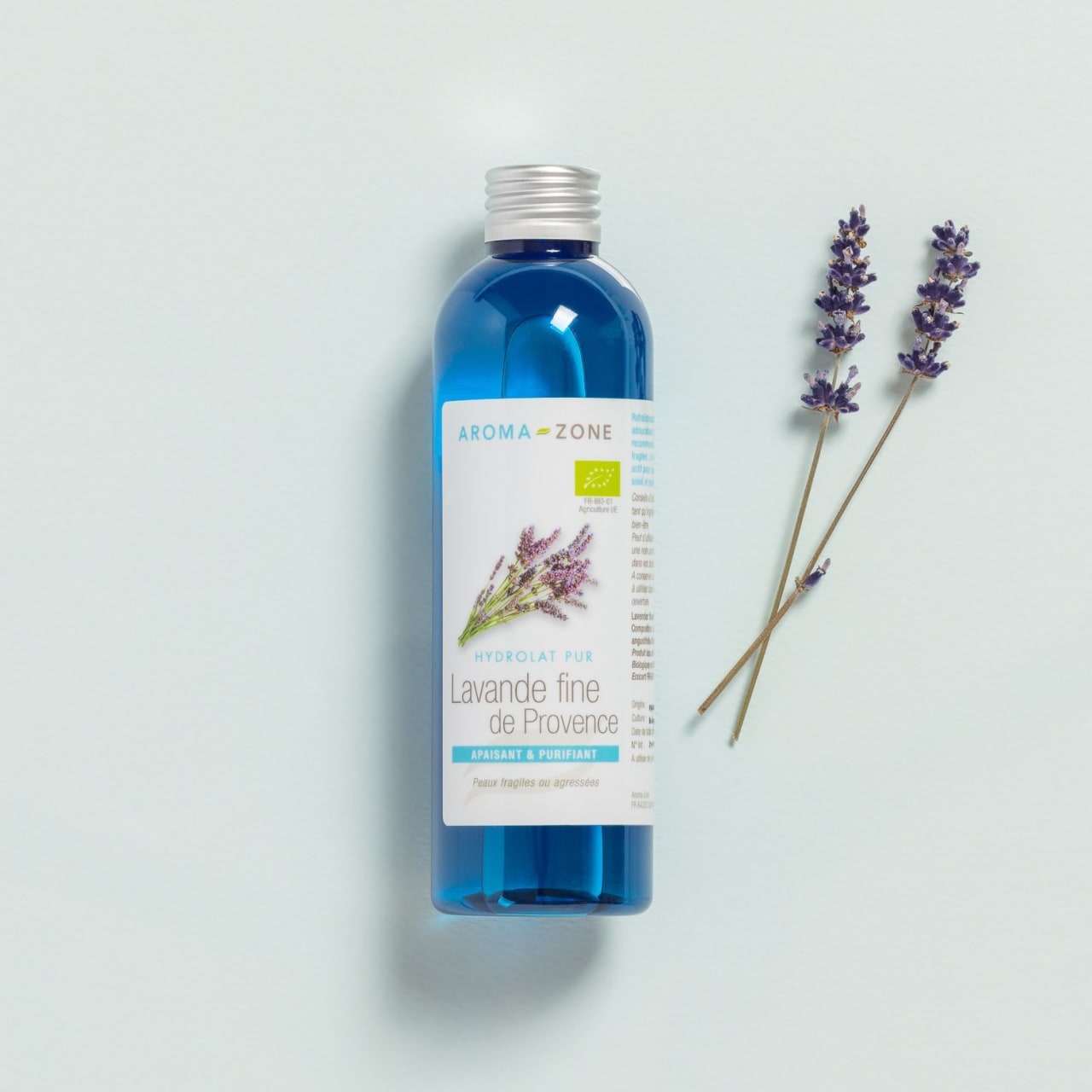
Organic Fine Lavender Hydrosol
Soothing
Refreshing
£4.00
200 ml
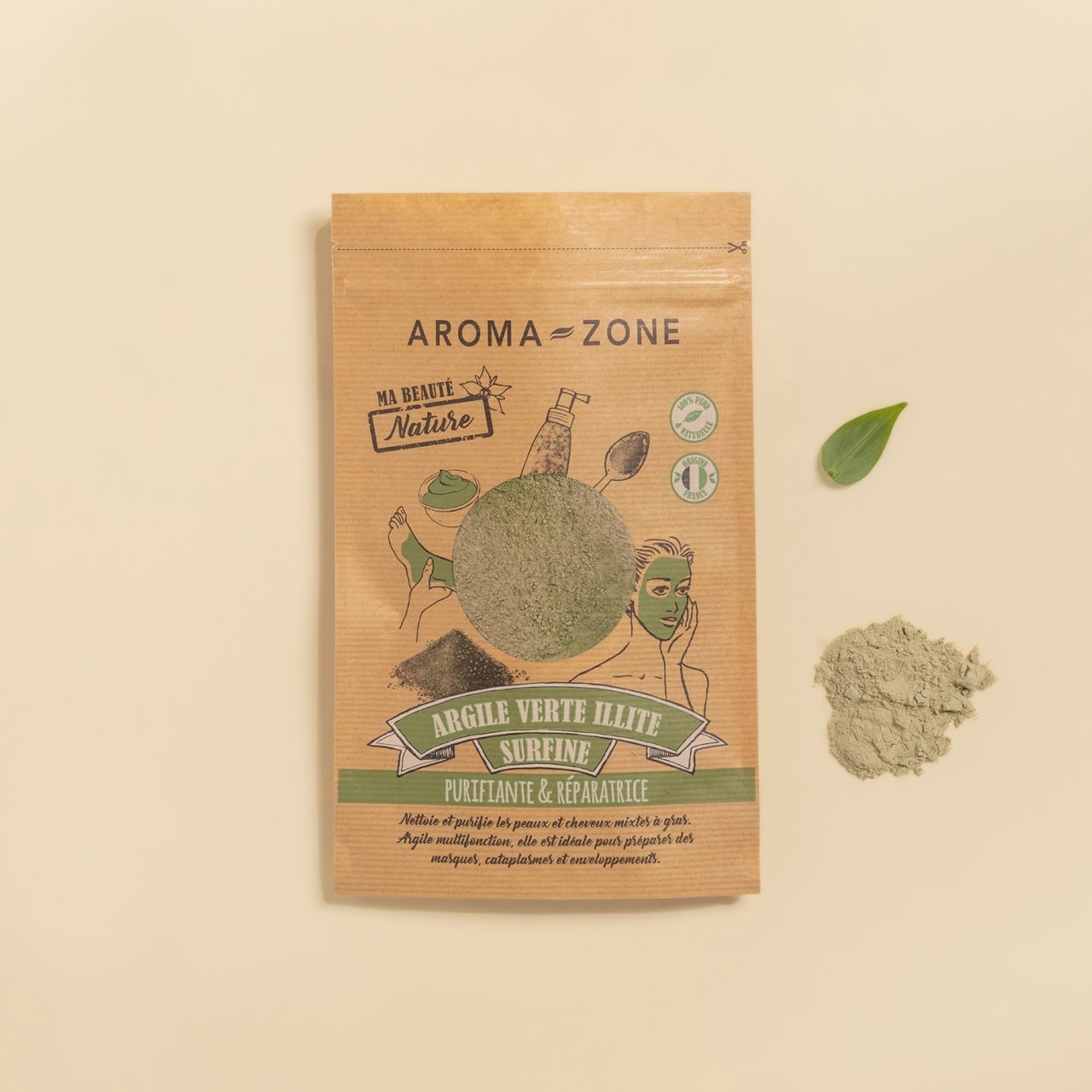
Superfine Green Illite Clay
Cleansing
Anti-blemishes
£5.50
500 g
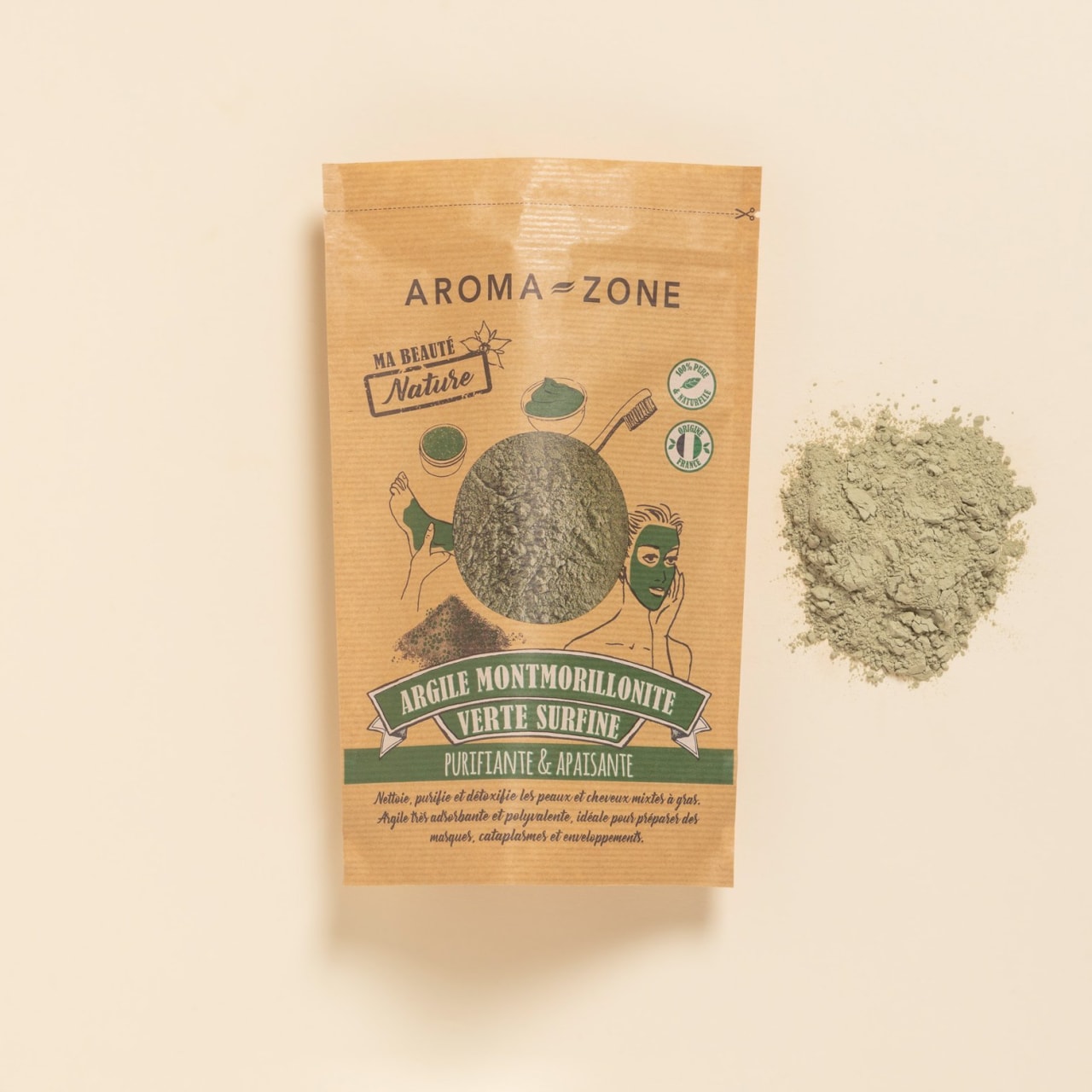
Superfine Montmorillonite Green Clay (Smectite)
Cleansing
Anti-blemishes
£5.50
500 g
What is Erysipelas?
Why Do People Get Erysipelas? The Causes
The main cause of erysipelas is primarily linked to streptococcus (Streptococcus pyogenes). This bacterium, which is naturally present on the skin, can penetrate the skin tissue through a wound, small cracks, an injury, a lesion (burn, fungal infection, etc.) or through areas of excessive moisture, thereby promoting its excessive growth and triggering a skin infection.
People at Risk and Predisposition to Erysipelas
Some people are at increased risk of developing erysipelas, particularly those with circulatory problems (such as varicose veins), those with a weakened immune system, a history of recurrent skin infections, or certain predisposing conditions such as diabetes or obesity.
People who have recently undergone surgery, suffer from lymphedema, or have lymphatic system disorders are also more likely to develop erysipelas.
What Are the Associated Symptoms?
The symptoms of erysipelas can vary, but the most common include:
Redness of the skin, often with well-defined borders
Swelling and warmth when touched
Increased pain and tenderness in the affected area
Fever and chills in the most severe cases
What Are the Natural Remedies for Relieving the Symptoms of Erysipelas?
When used with caution and consistency, home remedies and natural solutions can provide effective relief from the symptoms of erysipelas. However, we remind you of the importance of consulting a healthcare professional for an accurate diagnosis and appropriate treatment. Here is our small selection of home remedies:
Cold Compresses
Applying a cold compress to the affected area can help reduce inflammation and relieve the pain associated with erysipelas. The cold constricts blood vessels, thereby reducing blood flow to the inflamed area and alleviating symptoms.
To use, wrap ice cubes in a clean cloth and gently apply to the affected skin for about 15 minutes, several times a day. Never place an ice cube directly on the skin. Instant cooling and relief!
Hydrosols
Hydrosols can be used for their soothing, calming, healing, and anti-inflammatory effects on the skin.
Roman chamomile hydrosol, Calendula hydrosol, or the Lavender hydrosol are particularly recommended for relieving the symptoms of erysipelas.
Apply the hydrosol of your choice to the affected area using a sterile, soaked compress. Leave it on for about 20 minutes, and repeat several times a day for optimal relief. You can secure it with a bandage if needed.
Clay Poultices
Poultices made with green clay, known for their anti-inflammatory and soothing properties, can relieve the symptoms of erysipelas.
To make a green clay poultice: Mix the green clay powder with lukewarm water using a spoon (avoid using metal utensils) until you obtain a smooth, even paste. Apply this paste in a thick layer to the area affected by erysipelas. Then cover it with plastic wrap or sterile gauze to keep it in place for 1 to 2 hours.
Then gently remove the paste and clean the skin with warm water. Repeat once or twice a day as needed.
Herbal teas
Certain plants such as chamomile, calendula, and echinacea have soothing and anti-inflammatory properties that can help relieve the symptoms of erysipelas.
Prepare the tea by steeping one teaspoon of dried herbs in one cup of simmering water for about 10 minutes. Let it cool, then apply the solution to the affected skin using a cotton ball or sterile compress. You can also use pre-packaged tea bags containing these herbs. Repeat this procedure several times a day for best results.
Our Natural Products to Relieve Your Symptoms

Organic Roman Chamomile Hydrosol
This hydrosol is known to revitalize, soothe, and purify the skin. It is used to create soothing skincare products for delicate skin as well as for sensitive teeth. It is also known to help calm those feeling stressed.

Organic Calendula Hydrosol
Obtained by distilling marigold flowers, Calendula Hydrosol is a marvel for fragile or irritated skin. Loved for its gentle floral scent, it’s a popular ingredient in homemade skincare for delicate, inflamed, or irritated skin. Perfect for making lotions, it’s the hydrosol of choice for leaving skin supple and soft!

Organic Fine Lavender Hydrosol from Provence
Refreshing and soothing, this hydrosol is used to prepare skincare products for delicate, tight, or uncomfortable skin. Astringent and purifying, it is also a key ingredient for creating skincare products for blemish-prone skin.
Surfine Illite Green Clay
It cleanses and purifies combination, oily, and blemish-prone skin, purifies the scalp, and combats excess sebum in oily hair. It is ideal for preparing masks, poultices, and wraps for well-being. This clay is a daily essential!
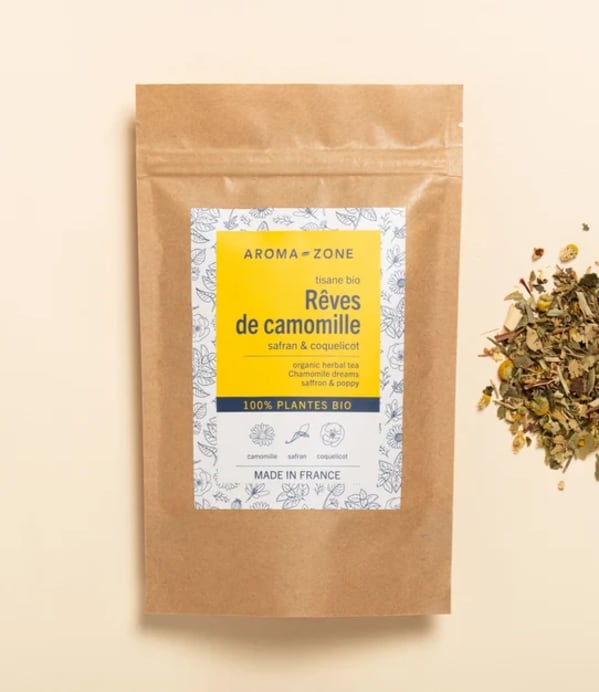
Chamomile Tea
Herbal Teas: Certain herbal teas can help prevent unpleasant odours. For example, chamomile or fennel tea is renowned for its soothing and antibacterial properties.
What precautions Should You Take? Our Recommendations
Although natural remedies can provide relief from your symptoms, it is essential to consult a healthcare professional at the first signs of erysipelas. An accurate diagnosis will then be made, and an appropriate medical treatment will be prescribed (antibiotics may sometimes be necessary to prevent complications).
Erysipelas and the Use of Natural Remedies: Precautions
When using natural remedies, be sure to follow the recommended dosages and test them first on a small area of skin to avoid allergic reactions.
And Above All: don’t delay in seeing a doctor if symptoms persist or worsen, or if you have any doubts.
Expert Advice
Remember that prevention is key. Be sure to maintain good skin hygiene, treat wounds promptly, and strengthen your immune system through a healthy lifestyle based on a varied and balanced diet, proper hydration, effective stress management, and regular physical activity.
Article Written by Stéphanie Catrysse, Naturopath

Stéphanie Catrysse is a naturopath (certified by the FENA), a wellness massage and lymphatic drainage practitioner, and a personal development coach. Passionate about alternative medicine, she practices with a holistic approach to health.
Bibliography
https://www.ameli.fr/roubaix-tourcoing/assure/sante/themes/erysipele/definition-symptomes-evolution
https://www.msdmanuals.com/fr/professional/troubles-dermatologiques/infections-cutanées-bactériennes/érysipèle
https://www.vidal.fr/maladies/peau-cheveux-ongles/erysipele.html

Frequently Asked Questions
Associated tip
Face care tips


