
Aphids, also known as plant lice, are small sap-sucking insects that feed on plant sap. They are usually found on plant leaves and can vary in species and colour. In general, each aphid species targets a specific type of plant. When they become widespread, their presence can be particularly damaging and troublesome for your plants.
Time-Tested Tips for Getting Rid of Aphids
Published on: Thursday, April 11, 2024, Updated on: Tuesday, October 20, 2026
Aphids, those small insects dreaded by plant lovers and gardeners alike, can quickly become a source of nuisance. In this short guide, we share our best natural solutions and old-fashioned remedies for tackling aphids. We also offer some simple tips to help prevent an infestation.
Contents
Related products
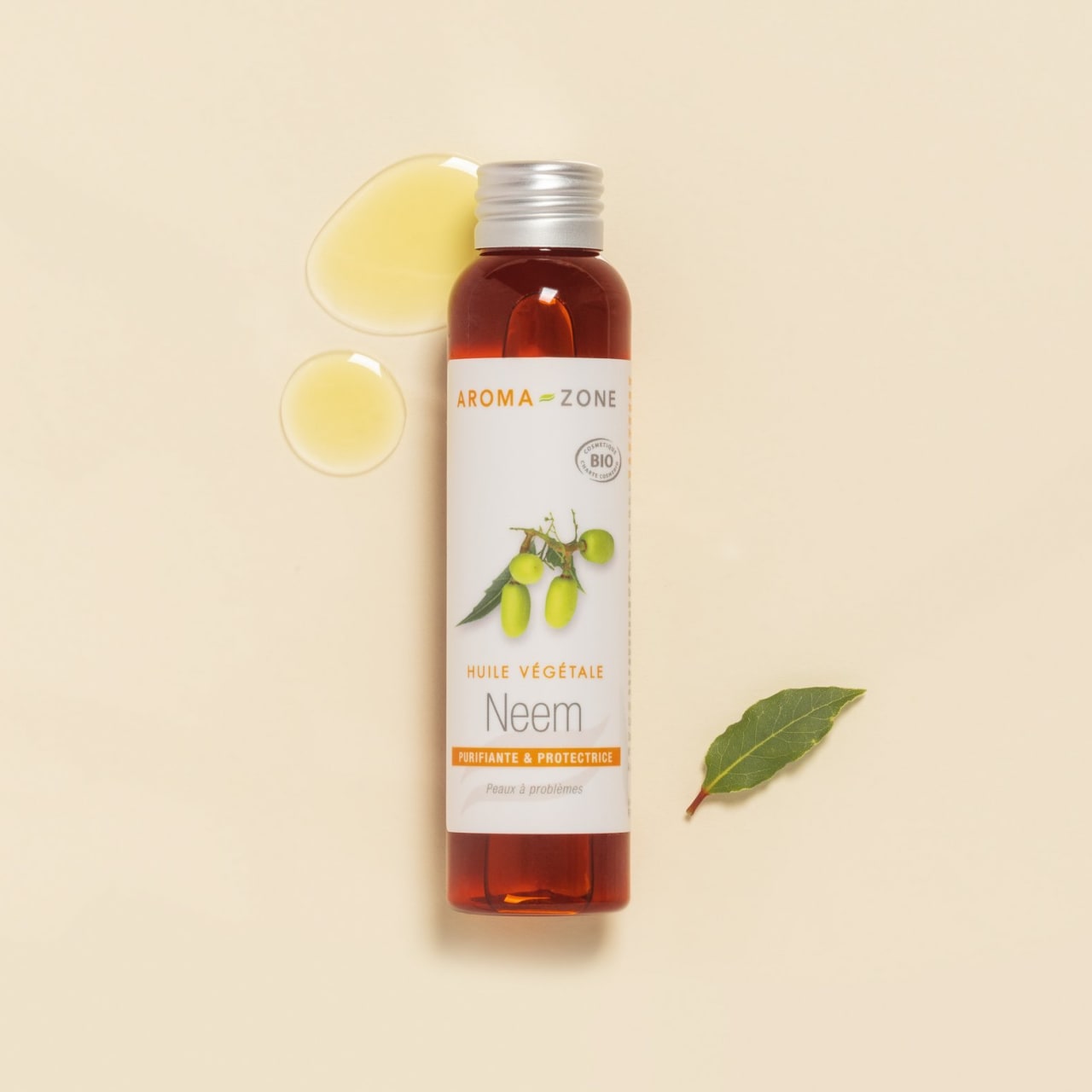
Organic Neem Oil
Protective
Purifying
£3.50
£5.00
100 ml
What Is an Aphid?
What Attracts Aphids?
Aphids are attracted by several factors, including:
Tender, young plants: Aphids prefer feeding on soft, young, and actively growing plants, as these contain easily accessible nutrients.
Buds and new shoots: Aphids are attracted to plant buds and new growth, where the sap is rich in sugars.
Favourable weather conditions: Aphids reproduce quickly in warm, dry weather. They are also attracted to plants experiencing water stress.
Presence of other insects: Some aphid species are attracted by the presence of other insects, such as ants, which protect them from predators and collect their honeydew (a sugary secretion produced by aphids).
Poor air circulation: Aphids often thrive in areas with limited air movement, which encourages humidity and fungal growth.
Lack of biodiversity: Gardens or environments with low biodiversity can encourage aphid infestations, as there are fewer natural predators to keep them under control.
Why Can Aphids Be a Problem at Home?
Damage to indoor plants: Aphids feed on plant sap, which can weaken houseplants and lead to yellowing, wilting, or distorted leaves. In severe cases, an aphid infestation can even cause the plant to die.
Rapid spread: Aphids reproduce quickly and can soon infest several indoor plants. A single female can produce dozens of offspring within a few weeks, making infestations difficult to control.
Honeydew and sooty mould production: Aphids excrete a sugary substance called honeydew, which can attract other unwanted insects such as ants. Honeydew can also encourage the growth of a black fungus known as sooty mould, which can cover leaves, block light, and reduce the plant’s ability to photosynthesise.
Discomfort for household members: Aphids can be bothersome due to their presence on indoor plants and the nuisance they cause. In some sensitive individuals, their presence may also contribute to skin irritation or allergic reactions.
Difficulty getting rid of them: Aphids can be challenging to completely eliminate, especially once a large population has established itself. Control methods such as introducing natural predators, using insecticidal soap, or applying neem oil can be effective but often require repeated treatments to fully manage an infestation.
In summary, although aphids are small creatures, their presence in the home can pose various problems for houseplants and household members, often requiring quick and effective action to eliminate them.
How to Get Rid of Aphids?
To combat aphids naturally, here are our top 5 effective home remedies:
Soapy Water: Simply dilute black soap in warm water and spray this solution onto the infested plants. If necessary, wipe each leaf of the plant with a cloth soaked in this soapy water to clean it thoroughly. The soap works by clogging the aphids’ pores, thereby depriving them of oxygen. It also helps cleanse and protect the plant.
Organic Neem Oil: An effective natural insecticide. To use it, mix a few drops of Neem oil with a little natural soap in water. Shake vigorously to emulsify the mixture, then spray it on the plants to eliminate aphids.
White Vinegar: Mix with water in a 1:3 ratio and spray this solution on the aphids. The vinegar works by disrupting their respiratory system.
Organic Olive Oil: can also be used to control aphids. Mix one tablespoon of olive oil with one teaspoon of natural soap in one liter of warm water. Shake well to emulsify the mixture, then spray onto the infested plants. Olive oil suffocates aphids while protecting the plant leaves.
Garlic Infusion: Boil garlic cloves in water, let steep, then strain. Spray this mixture on plants to repel aphids thanks to its strong odor.
Yellow sticky traps: You can also consider placing yellow sticky traps near plants that are likely to be affected. Aphids and fungus gnats are attracted to the yellow colour and will become trapped on the sticky surface.
For more tips on repelling flies and gnats, check out our article: Natural Fly Repellents: 9 Repellent Solutions and Three Effective Essential Oils.
Our Natural Homemade Solutions
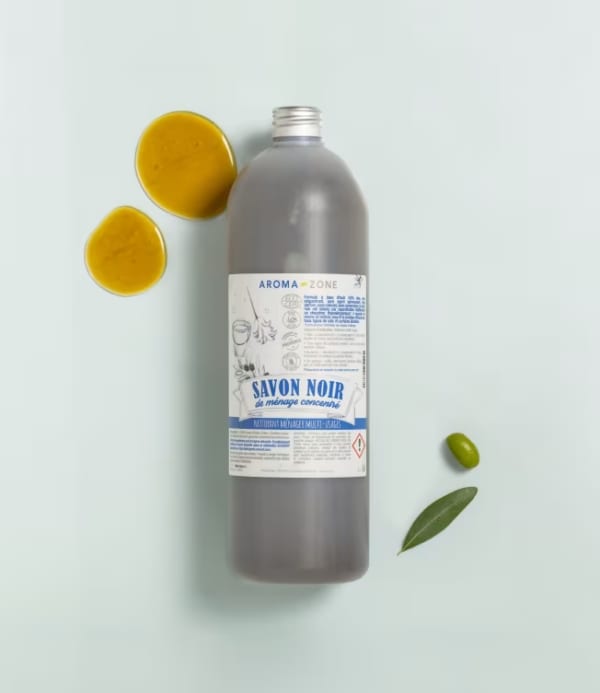
Concentrated Black Household Soap
Formulated with 100% olive oil, free of sequestrants, foaming agents, fragrances, dyes, and preservatives, this black household soap is made in Provence using traditional kettle saponification. An essential for traditional cleaning, this soap is used for cleaning floors and surfaces, as well as for making your own economical "homemade" cleaning products. Hypoallergenic, it is gentle on hands and effectively cleans, nourishes, and protects all types of washable floors and surfaces.
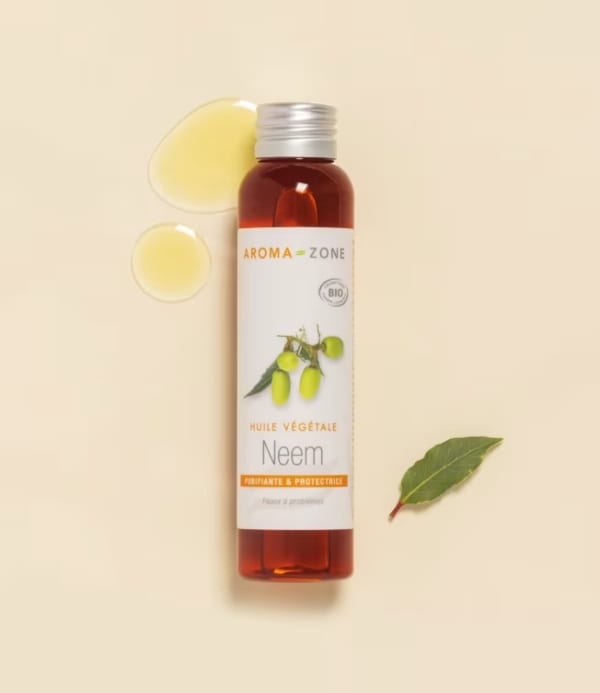
Organic Neem Oil
Stemming from Ayurvedic tradition, Neem was traditionally used in India for its many properties, whether in skin or hair care, or in plant care. A powerful purifier, Neem oil is now an essential active ingredient in cosmetics for blemish-prone skin.
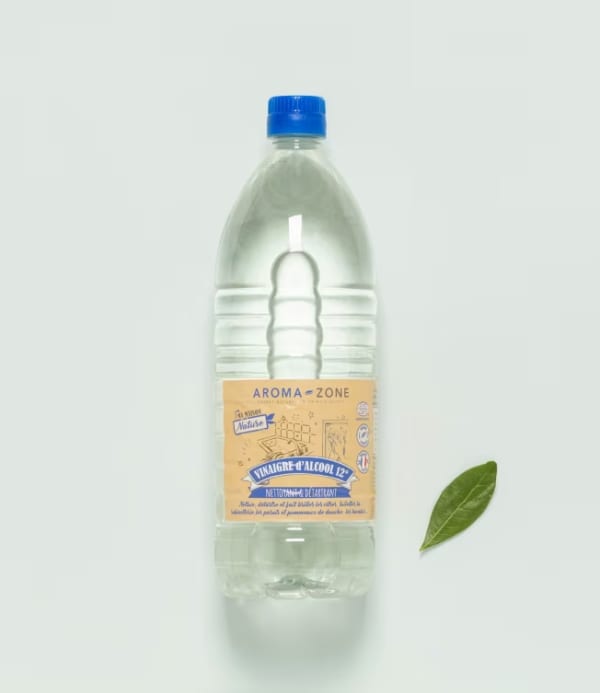
12% Alcohol Vinegar Ecodetergent
Highly concentrated, this natural white vinegar with 12% acidity is ideal for all household uses. It is highly effective for cleaning, descaling, and making windows, faucets, showers, sinks, washbasins, and toilet bowls shine, as well as for deep-cleaning and descaling your household appliances (coffee makers, washing machines, etc.)… 100% plant-based, it’s an essential for natural household cleaning!
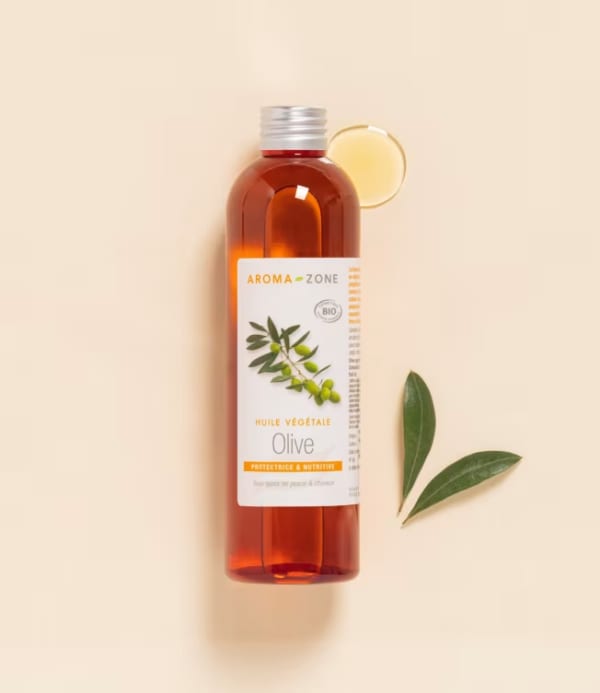
Organic Olive Oil
Rich in vitamin E and polyphenols, this oil can be used in your skincare routines to combat the signs of aging. It protects and nourishes the skin, and adds strength and shine to hair. It is also a traditional ingredient in liniments.
Our Natural Recipe for Repelling Aphids
How to Fight Aphids: Our Preventive Tips
To avoid aphid infestations, here are our tips and steps to follow:
Inspect your plants regularly to spot the first signs of an infestation and take action as quickly as possible if needed.
Encourage biodiversity in your garden by planting a variety of flowers and aromatic herbs (thyme, nasturtium, dill, lavender, parsley, marigold, coriander, etc.) to attract natural aphid predators such as ladybirds and hoverflies. Diverse hedges also provide valuable shelter for these beneficial insects, helping encourage their presence in your garden.
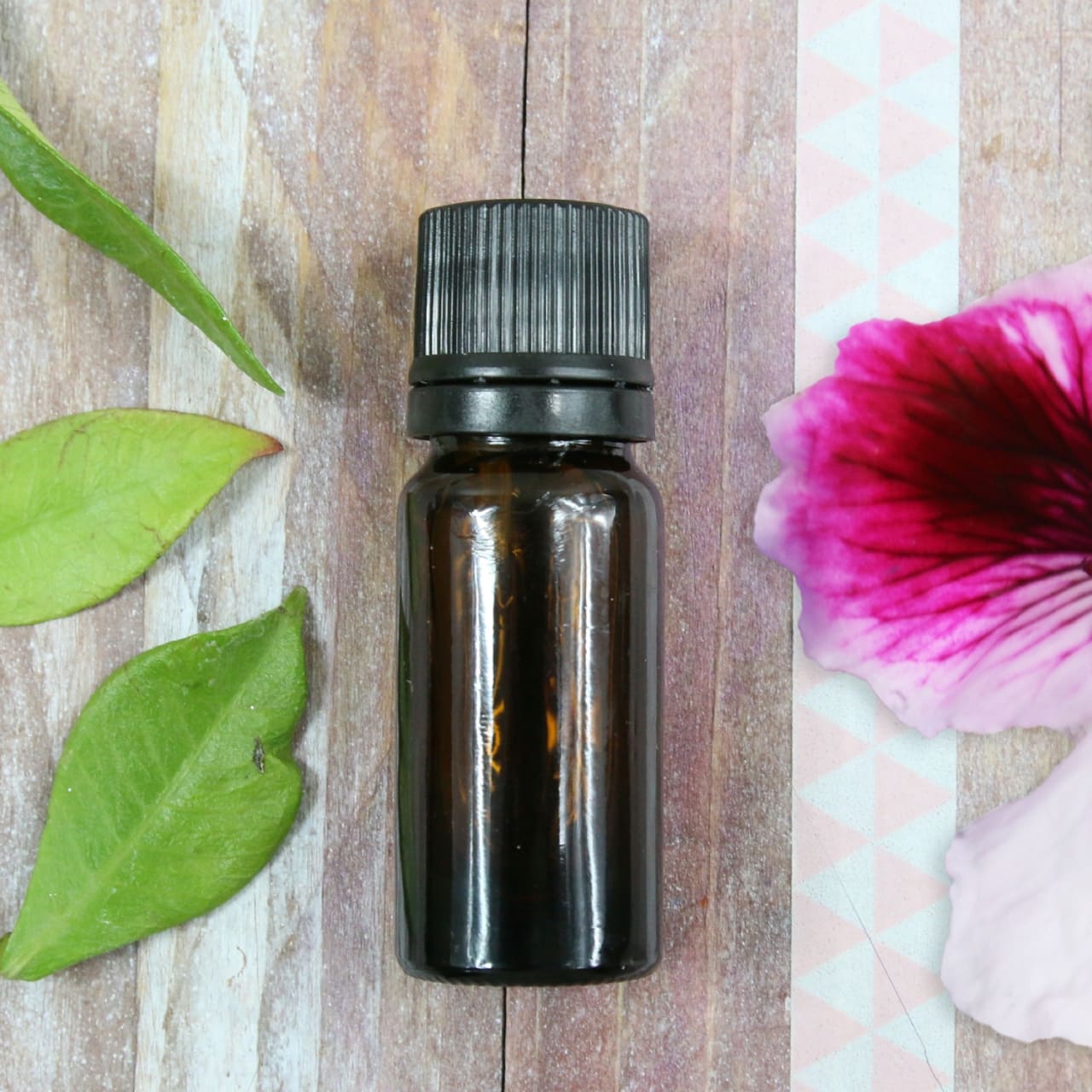
Essential oils: Some essential oils, such as lemongrass, Atlas cedar and geranium, have scents that aphids dislike and may help keep them away.
Avoid excessive use of nitrogen-rich fertilisers, which can encourage aphid populations to grow.
Apply mulch around plants to help regulate soil moisture and reduce water stress, which can make plants more vulnerable to aphid attacks.
Place yellow sticky traps near your prized plants. Aphids, like many flying insects, are particularly attracted to the colour yellow.
Aphids and Natural Aphid Remedies on Rose Bushes: Precautions
Sensitivity test: Before using any natural remedy, test it on a small area of the plant to ensure there is no unwanted reaction, such as yellowing or wilting leaves.
Avoid excessive use: Applying certain natural remedies too frequently or in high amounts may harm plants. Use them sparingly and only when needed.
Impact on beneficial wildlife: Treatments can negatively affect other beneficial insects. Try to target aphids specifically while protecting natural predators such as ladybirds.
Expert Advice
When applying natural remedies against aphids, make sure to cover all parts of the plant, including the underside of leaves and stems, where aphids may hide. Even application helps ensure effective aphid control and reduces the risk of re-infestation. Be patient and persistent when dealing with aphids, as several applications may be needed to fully eliminate an infestation. Natural methods are gentle on the environment and help preserve the long-term health of your plants.
Article Written by Stéphanie Catrysse, Naturopath

Stéphanie Catrysse is a naturopath (certified by the FENA), a wellness massage and lymphatic drainage practitioner, and a personal development coach. Passionate about alternative medicine, she practices with a holistic approach to health.
Frequently Asked Questions
Associated recipe
Associated tips
Home care tips
Aromatherapy advice

Wound care tips


