Ovarian Pain Without Your Period: What Should You Do?

Ovarian Pain Without Your Period: What Should You Do?


By Coralie Techer

Published on: Friday, April 19, 2024, Updated on: Wednesday, October 28, 2026

Experiencing pain in your ovaries outside your period can leave you wondering. What could it mean? Should you worry at the slightest sensation, or is it nothing to worry about? We’ll tell you everything.

Contents

Related products

What Is the Role of Ovaries?

Ovaries play an important role not only in the female reproductive system, but also in hormonal health. Located on either side of the womb, these two small, almond-shaped glands are responsible for producing eggs, as well as secreting essential female hormones such as oestrogen and progesterone.

These hormones are crucial for regulating the menstrual cycle, influencing the development of secondary sexual characteristics, and preparing a woman’s body for a potential pregnancy. It is perhaps less well known, but beyond this reproductive function, the ovaries also play a role in bone health, cardiovascular well-being, and even mood. Understanding their role and how they function is therefore essential to grasping their importance for a woman’s general well-being, particularly in the event of hormonal imbalance.

Why Do We Sometimes Experience Lower Abdominal Pain When We’re Not on Our Period?

Experiencing lower abdominal pain when you’re not on your period can be frightening. But before you start panicking, it’s important to know that there are several possible explanations. Most are harmless, but others require medical attention.

Some common causes of so-called pelvic pain outside of your period:

  • Lower Abdominal Pain During Ovulation: Ovulation pain, also known by its scientific name Mittelschmerz (German: ‘middle pain’), occurs when the egg is released from the ovary. Some women experience sharp pain or discomfort on the side of the ovary releasing the egg. It is important to note that the two ovaries take turns releasing eggs each month. This pain is usually brief but can sometimes last for several hours or even longer

  • Irritable Bowel Syndrome (IBS): IBS is a chronic digestive disorder characterised by abdominal pain, bloating and changes in bowel habits. Symptoms can vary considerably from one person to another and can sometimes be mistaken for gynaecological pain

  • Ovarian Cysts or PCOS: Ovarian cysts (or PCOS, polycystic ovary syndrome) are fluid-filled sacs that form on the ovaries. Although they are often asymptomatic, they can cause pelvic pain if they become particularly large, rupture or cause the ovary to twist (ovarian torsion). If you are unaware that you have this condition and your ovarian pain persists, you should seek medical advice if in doubt, as an ovarian cyst needs to be monitored

  • Endometriosis: Endometriosis is a condition in which tissue similar to the lining of the womb grows outside the womb. It can cause significant pelvic pain, which often intensifies during menstruation but may also occur at other times. As with cysts, if you suspect you may have endometriosis, it is important to see a healthcare professional for an examination

  • Digestive Problems: Conditions such as diverticulitis, gallstones, and ulcers can also cause abdominal pain in the lower abdomen and be mistaken for gynaecological pain. Here too, you should seek medical advice if there is any doubt
When Should You Be Concerned About Pain in Your Ovaries?

Ovarian pain is relatively common and can have many causes, ranging from normal ovulation to more serious conditions requiring medical attention. If the pain is severe and persistent, if it’s accompanied by other symptoms (vaginal bleeding, dizziness, fever, etc.), or if the pain prevents you from carrying on with your daily life, you must consult your doctor.

How Can You Relieve Ovarian Pain Naturally?

As we’ve seen in this article, lower abdominal pain can have various causes, some more serious than others. If the pain is linked to ovulation or excess gas following a change in diet, there may be natural remedies to ease the discomfort. In other cases, it’s always necessary to see a doctor. 

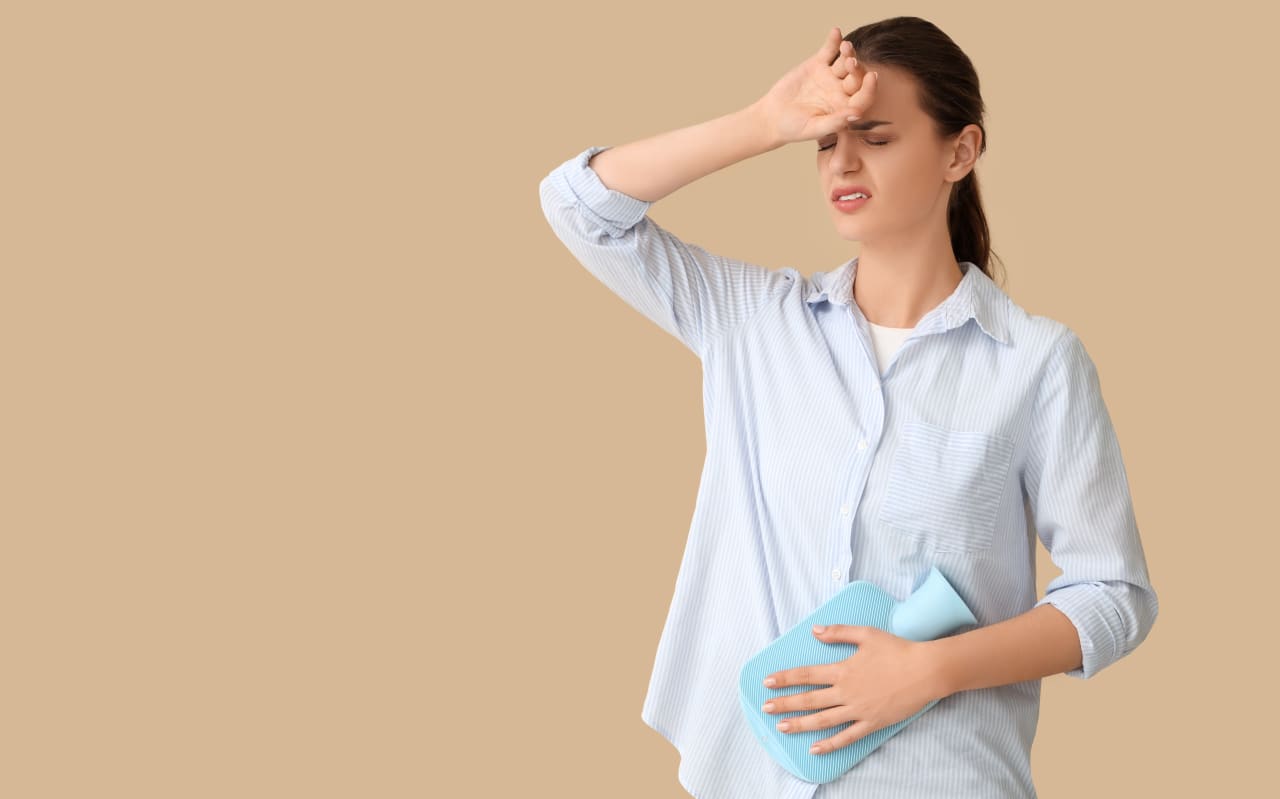
  1. Apply Heat to the Painful Area: Using a hot water bottle or a heating pad on the lower abdomen can help to relax the muscles and relieve the pain. Heat helps to increase blood flow to the affected area, which can reduce the sensation of pain

  2.  Do Some Light Exercise: Doing light exercise, such as walking or yoga, can help reduce ovulation pain. Physical activity promotes the release of endorphins, hormones that act as natural painkillers. In case of gas, moving around can also help to release it

  3. Take a Warm Bath: Just as with applying localised heat, taking a warm bath can help relax the body and mind, thereby relieving pain and stress while allowing you to enjoy a lovely moment. Add some scented bath bombs to make the experience even more enjoyable

  4. Eat a Balanced Diet: Eating foods rich in omega-3, such as oily fish, linseeds, and nuts, can help reduce inflammation. Avoiding foods that can cause bloating (refined sugars, fizzy drinks, unhealthy fats) or digestive discomfort may also be a good idea

  5. Practise Meditation or Guided Relaxation: Relaxation and meditation techniques can help manage pain by reducing stress and promoting a state of deep relaxation. Apps and online videos can guide you through these practices

Our Natural Solutions

Drink Herbal Teas

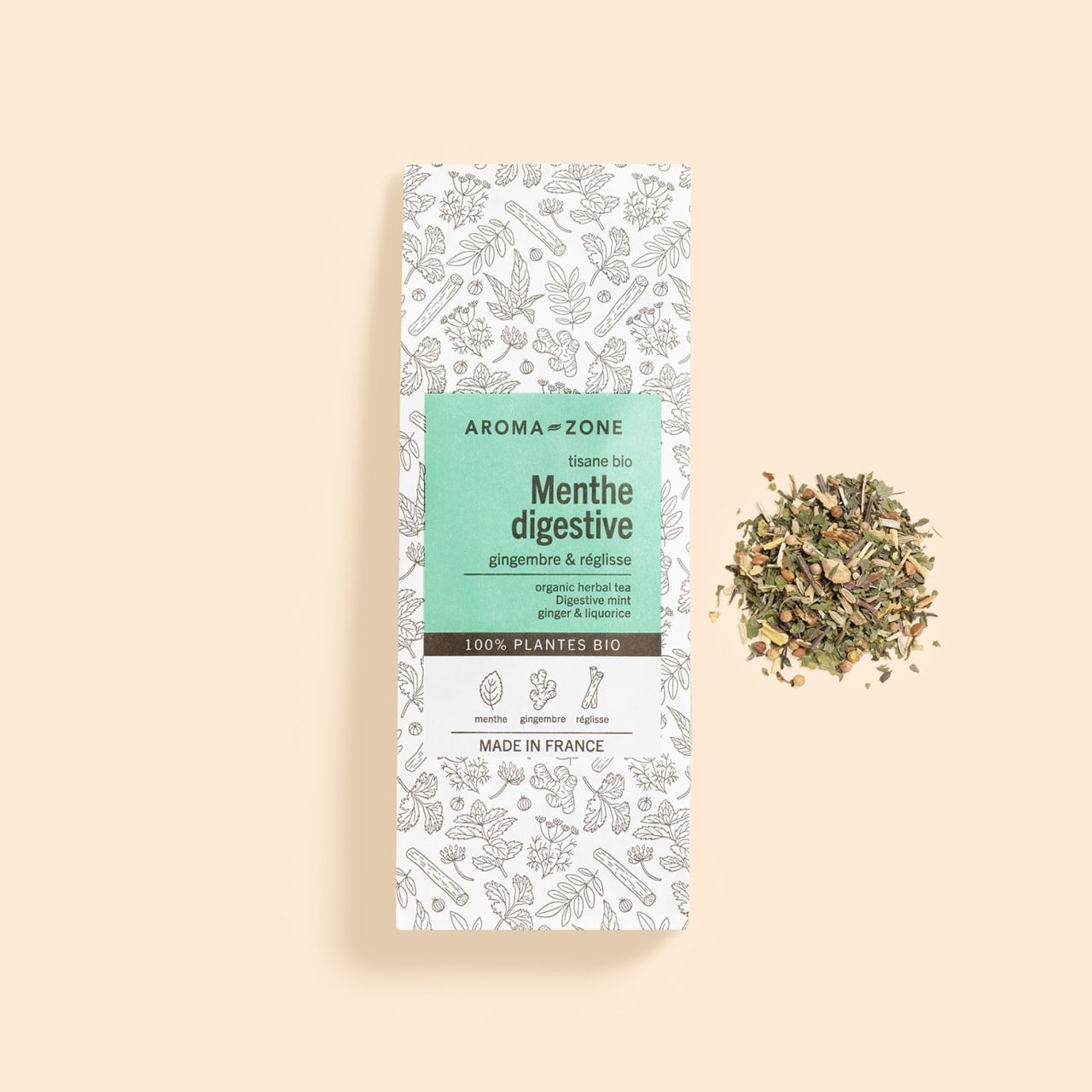
Herbal teas are excellent for managing minor everyday ailments! Opt for herbal teas made from chamomile, ginger, or peppermint – they provide real relief thanks to their anti-inflammatory and relaxing properties. They can also help to soothe the digestive system and reduce bloating.

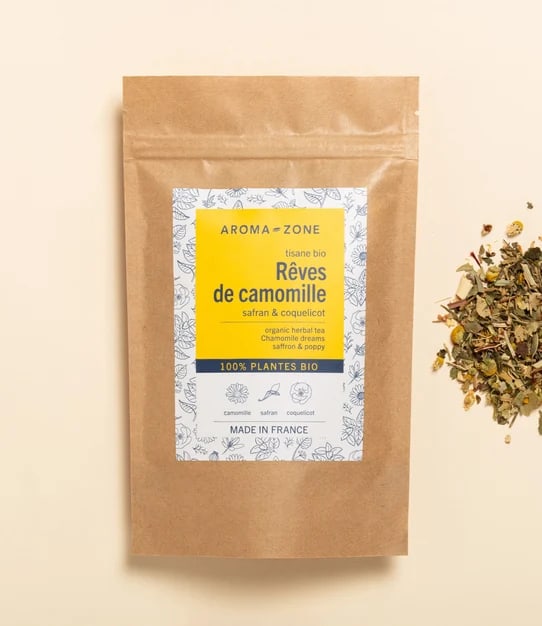
Spotlight on Organic Chamomile Dreams Herbal Tea

Loved for its mild and comforting flavour, the organic Rêves de Camomille herbal tea is ideal for enjoying in the evening to help you unwind and get a good night’s sleep. Made from a blend of organic herbs selected for their relaxing properties and recognised benefits for sleep, its smooth, floral notes of chamomile work wonders for easing the day’s tensions.

Discover Organic Rêves de Camomille Herbal Tea

Aroma Zone Herbal Tea Recipes

What Precautions Should You Take if the Pain Persists?

The only sensible course of action if the pain persists despite these various natural remedies is to book an appointment with your healthcare professional. They will be able to examine you thoroughly, make a diagnosis, and prescribe a specific treatment to relieve the pain you’re experiencing.

Expert Advice

Generally speaking, drinking enough water throughout the day (at least 1 litre) is essential for staying healthy. In the case of pelvic pain, it’s a good way to prevent cramps and ease discomfort by keeping the whole body functioning properly.

Spotlight on Our Writer: Coralie Técher

Coralie Técher

Coralie has been a journalist and editor specialising in women’s interests for seven years. With a particular interest in topics related to beauty and wellbeing, she is passionate about highlighting the solutions nature offers for self-care and is always keen to stay informed on the subject so she can share the very best insights. 

Bibliography

  1. Ovarian pain: what does it mean and how can you get rid of it? – Qare

  2. Ovarian pain: symptoms that warrant seeking medical advice - Femme Actuelle

  3. Ovarian pain: understanding what’s causing it and why – Reflex Osteo

Frequently Asked Questions

Frequently Asked Questions