Menopause: Everything You Need to Know About Bleeding and Managing It Naturally

Menopause: Everything You Need to Know About Bleeding and Managing It Naturally


By Marion Alves de Oliveira

Published on: Wednesday, September 03, 2025, Updated on: Friday, October 30, 2026

Menopause marks an inevitable stage in a woman’s life. It corresponds to the permanent cessation of menstrual periods after 12 consecutive months without menstruation. However, some women continue to experience bleeding after menopause, which can be light at times and heavier at others. Is this a normal sign that the body is adjusting, or a warning that should not be ignored? From hormonal fluctuations and delicate mucous membranes to more specific causes such as fibroids, there are many possible reasons. This article helps you to better understand this phenomenon and suggests natural solutions to help you navigate this period with peace of mind.

Contents

Related products

What Is Post-Menopausal Bleeding?

Menopause marks the permanent cessation of menstruation, when the ovaries stop releasing eggs and the production of sex hormones (oestrogen and progesterone) drops. It is confirmed after 12 consecutive months without a period. In this context, any bleeding that occurs after menopause is considered unusual, as it is no longer part of the natural cycle. It can take several forms:

  • Spotting: Small spots of blood, pinkish or brownish in colour, visible on underwear or toilet paper

  • Light Discharge: A light flow, similar to the end of a period, without clots

  • Heavier Bleeding: Resembling a full period, sometimes accompanied by clots

It is essential to distinguish post-menopausal bleeding from the final periods of the pre-menopausal phase. During pre-menopause, the cycles become irregular, sometimes spaced several months apart, with periods of varying heaviness. Once menopause has been confirmed, the absence of periods is permanent, and the appearance of blood should be interpreted as a specific sign. Although some explanations are benign (fragility of the vaginal lining, dryness, or a small polyp), post-menopausal bleeding should always be taken seriously. This is not to cause unnecessary alarm, but to highlight that it often reflects a hormonal imbalance or a change in the lining of the uterus. In summary, bleeding after menopause is not considered to be the return of a period, but rather seen as a signal from the body. Understanding this phenomenon is the first step towards dealing with it calmly and, if necessary, consulting a healthcare professional to identify the exact cause.
The Causes of Bleeding During Menopause

Bleeding that occurs after menopause does not have a single cause. It may be linked to normal hormonal changes, benign conditions affecting the uterus, or external factors such as certain treatments.

Residual Hormonal Changes

The gradual decline in oestrogen and progesterone alters the balance of the female cycle. Even after periods have stopped, small hormonal fluctuations can still stimulate the lining of the womb and cause light bleeding. This phenomenon is most commonly observed during perimenopause, the transitional period leading up to confirmed menopause.

Vaginal Mucosal Fragility

The drop in oestrogen leads to vaginal dryness and tissue atrophy. The lining becomes thinner and more fragile, which can cause slight bleeding, for example after sexual intercourse or a gynaecological examination.

Uterine Fibroids and Polyps

Certain benign conditions, such as fibroids (non-cancerous tumours of the uterus) or endometrial polyps, can persist after menopause and cause bleeding. They are often associated with heavier or prolonged bleeding.

Endometrial Hyperplasia

In some cases, the lining of the womb (endometrium) may thicken as a result of a hormonal imbalance, particularly where there is a relative excess of oestrogen. This hyperplasia can lead to irregular bleeding.

Taking Hormone Replacement Therapy (HRT)

Women on hormone replacement therapy may experience irregular bleeding, particularly in the first few months of treatment. This is a normal reaction of the endometrium to the hormonal treatment.

Other Factors

Certain medicines (anticoagulants, blood thinners) can increase the risk of bleeding. Vaginal or uterine infections, although more rare, can also cause light bleeding. In rare cases, post-menopausal bleeding may indicate a more serious condition affecting the uterus. This is why post-menopausal bleeding should never be ignored and always requires medical advice.

What Are the Associated Symptoms?

Bleeding during menopause does not always occur on its own. It may be accompanied by other symptoms that provide clues as to its cause. Among the most common are:

  • Appearance of the Flow: Light spotting, pinkish or brownish discharge, or, conversely, a heavy flow similar to a period

  • Presence of Blood Clots: Often seen during pre-menopause, these indicate a heavier flow

  • Pelvic Pain or Cramps: Sometimes linked to fibroids or uterine contractions

  • Unusual Tiredness: A possible consequence of repeated blood loss leading to low iron levels

  • Feeling of Heaviness in the Abdomen: A sign suggestive of a fibroid or endometrial hyperplasia

  • Vaginal Dryness and Intimate Discomfort: Fragility of the mucous membrane which may cause micro-bleeding

  • Bleeding After Intercourse: Typical of vaginal atrophy or tissue fragility

These symptoms do not allow the cause to be identified with certainty, but they help to better understand the context and to know when it is necessary to seek medical advice.

What Natural Remedies Are Available to Help With Menopause?

Bleeding that occurs after menopause should be assessed by a healthcare professional. Natural remedies -are not intended to stop the bleeding, but they can be used alongside medical care to support your overall wellbeing, such as hormonal balance, vitality, and emotional and skin comfort. These approaches help you cope better with this stage of life and minimise some of the associated discomforts. During menopause, certain plants are traditionally used to support this hormonal transition. Common sage is a key example of this, as it helps to support hormonal balance and alleviate the discomforts associated with this stage, whilst also providing a relaxing and digestive effect. Other plants, such as yarrow, lady’s mantle, or raspberry leaves, are best known for their benefits during the pre-menopausal period, when periods become irregular or heavy.

Remineralising Herbs to Help Reduce Fatigue

spiruline

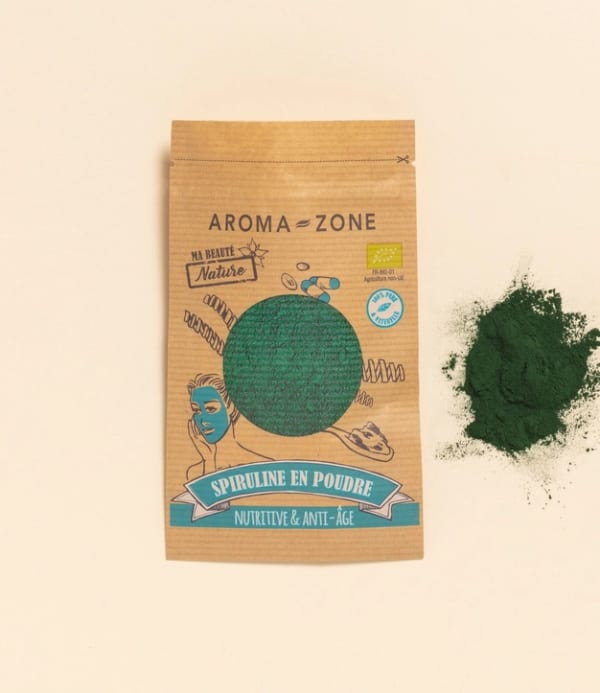
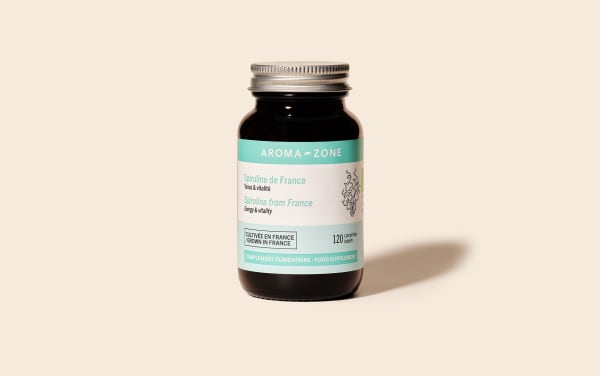
Repeated bleeding, even if light, can weaken the body. Spirulina, a microalgae rich in protein, iron and antioxidants, also supports energy levels and vitality. When combined with plants or foods rich in Vitamin C, such as citrus fruits or kiwi, iron absorption is optimised. A diet including lentils, chickpeas, dried beans, pumpkin seeds, quinoa, and leafy green vegetables effectively complements this approach. Take 3 to 10 tablets a day with a glass of water.

Discover Organic Spirulina from France

Supporting Emotional Balance with Saffron & Rhodiola

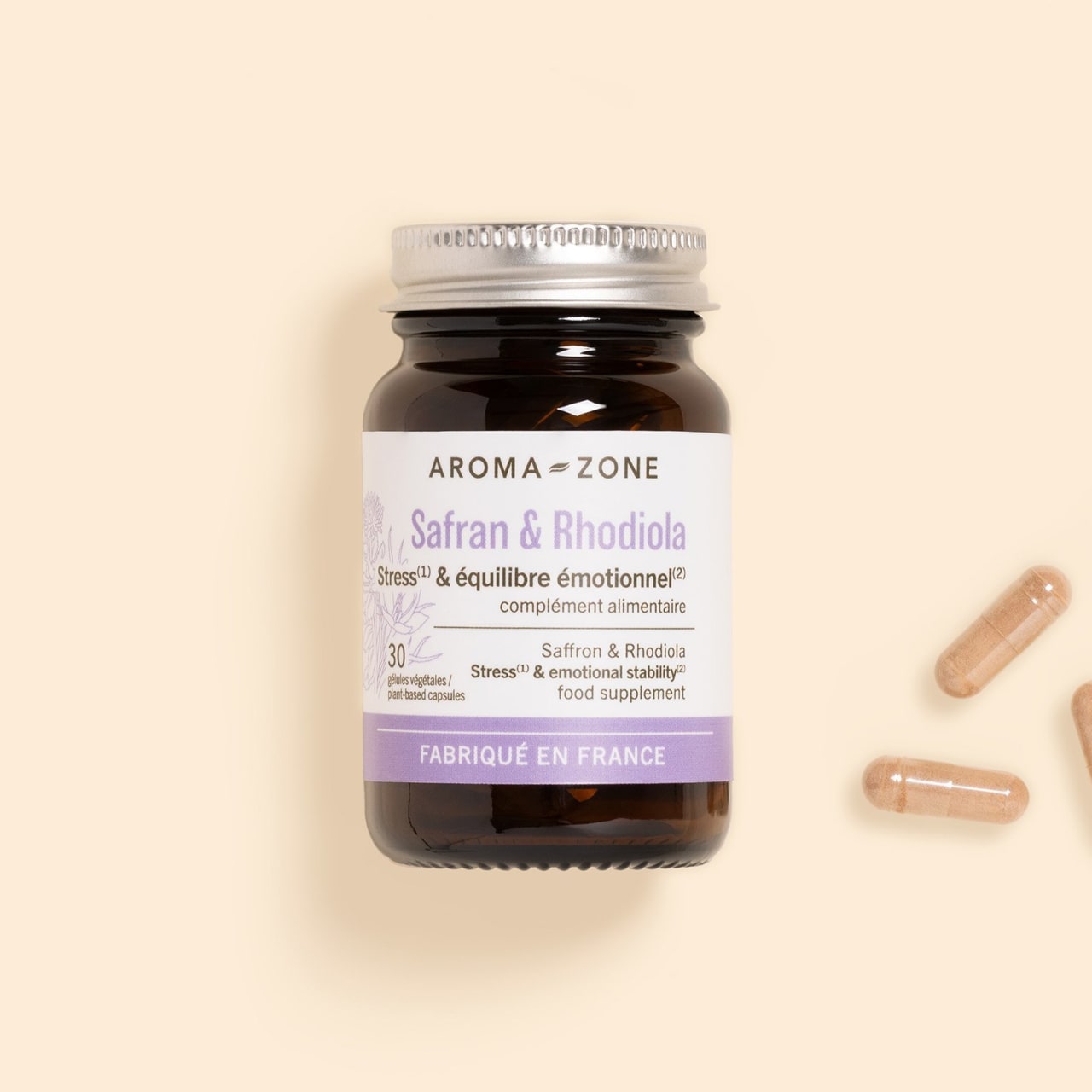
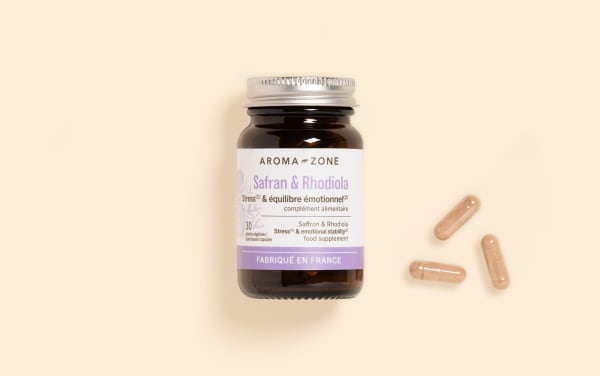
Saffron & Rhodiola – 30 capsules – Dietary supplement

The hormonal changes of menopause do not only affect the body, but they also influence your mood. Stress, irritability, or mood swings can exacerbate fatigue associated with bleeding. The supplement Saffron & Rhodiola combines two patented extracts: Safr’Inside™, derived from saffron, contributes to emotional balance and mental well-being, whilst Rhodiolife®, derived from the adaptogenic plant Rhodiola, helps the body adapt better to mental or physical stress. This combination is particularly beneficial for managing the emotional imbalances associated with menopause and reducing nervousness. Not recommended whilst taking antidepressants. Not recommended for people with phenylketonuria, haemochromatosis, high uric acid levels, or muscle or liver conditions. Contains phycocyanin, which may cause an allergic reaction.

Discover Saffron & Rhodiola

Boost Vitality and Balance with Ashwagandha

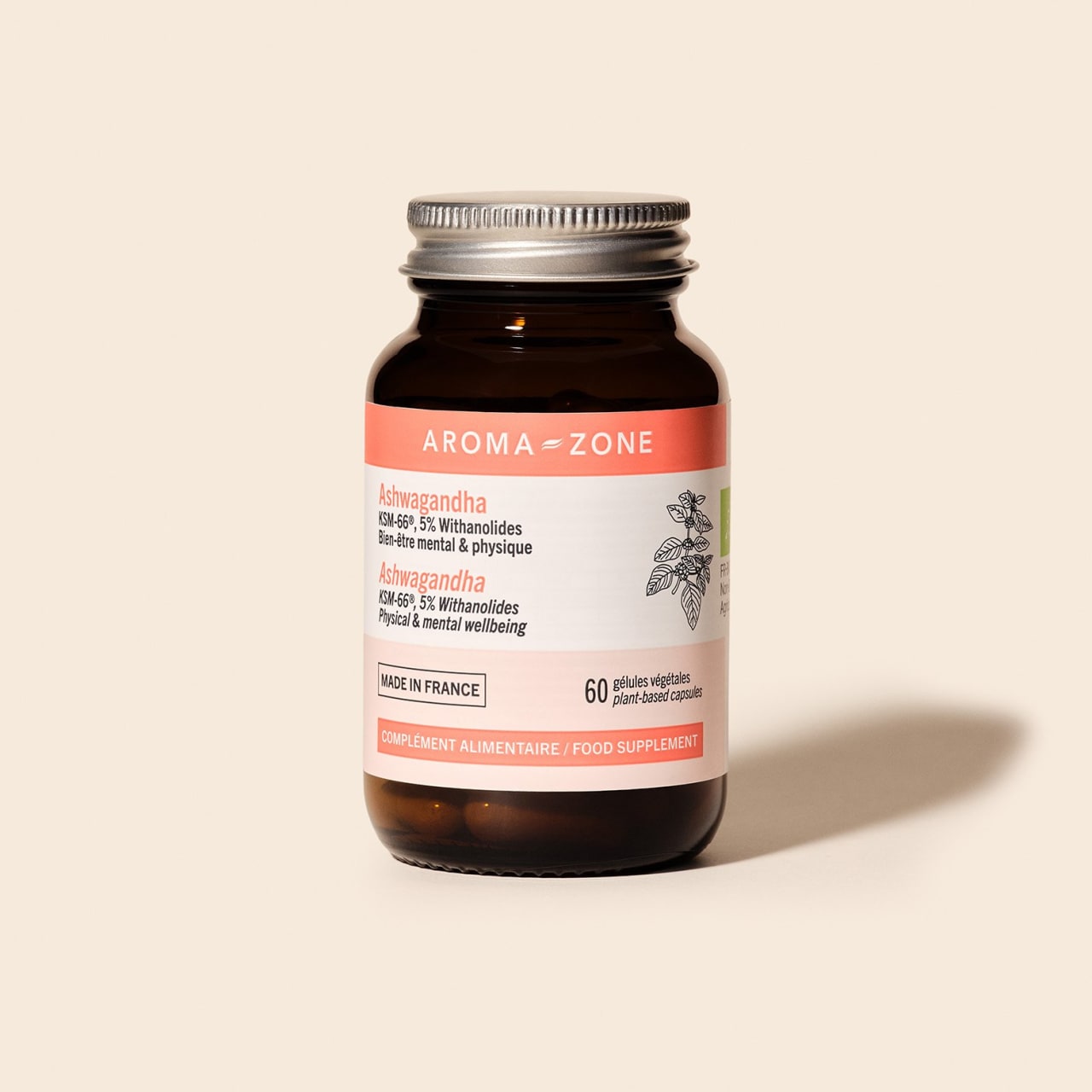
017-pack-aromazone-0167-1

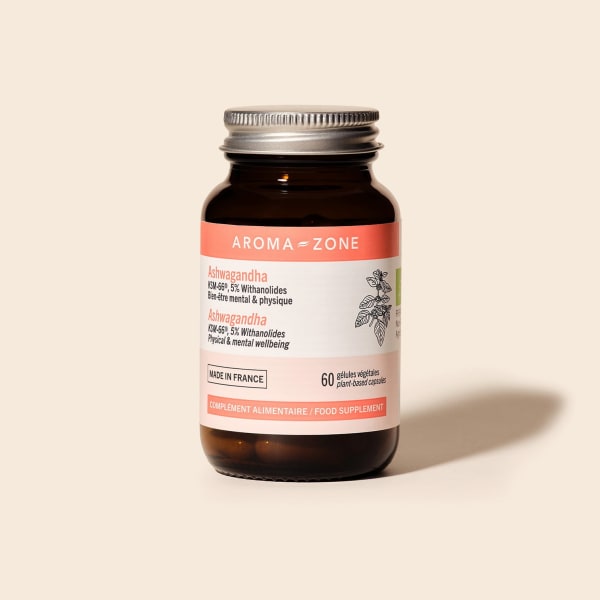
Ashwagandha is a key herb in Ayurveda, known for its adaptogenic properties. It helps maintain vitality, mental balance, and stress resistance - three aspects that are particularly challenged during menopause. The patented KSM-66® extract used by Aroma-Zone is standardised to contain over 5% withanolides, guaranteeing its quality. 100% natural, vegan and additive-free, this supplement can be a valuable ally in managing hormonal imbalances. Not recommended for those with endocrine, thyroid, liver, or heart conditions, or for people taking medication that affects the central nervous system.

Discover Organic Ashwagandha

Caring for Your Skin With Organic Borage Oil

bourrache

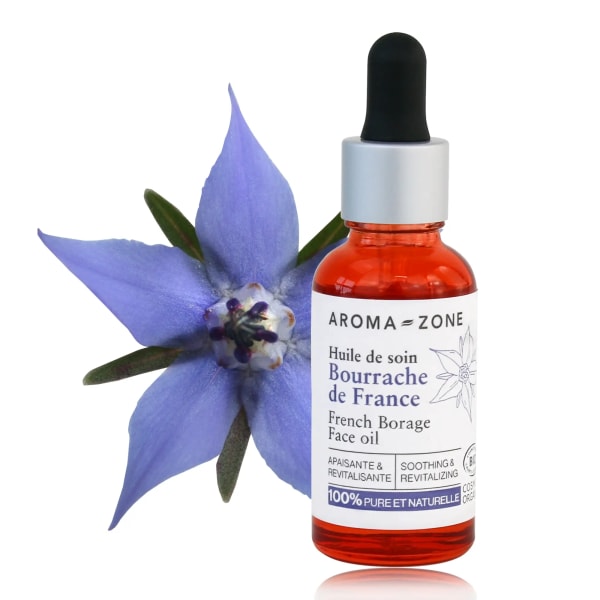
Menopause often leads to dryness and a loss of skin elasticity. Borage Oil is particularly rich in essential fatty acids, including gamma-linolenic acid. It strengthens the hydrolipidic film, maintains hydration and nourishes delicate skin or skin prone to tightness. Used daily as a serum, a few drops applied to the face, neck or décolletage provide comfort and softness. It can also be applied to the nails to strengthen them.

Discover the Organic French Borage Skincare Oil

Reading More: Menopause Attitude by Linda Hardy

Book: Menopause Attitude

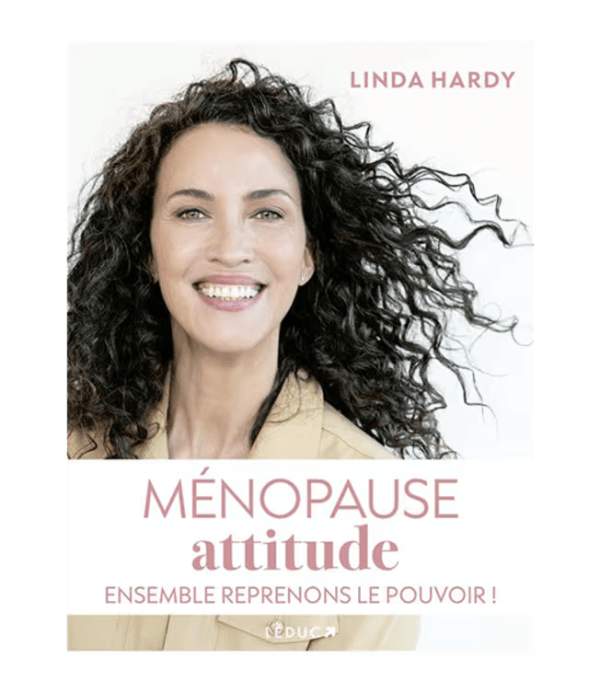
What if menopause became a new adventure? In this honest and positive book, Linda Hardy breaks down taboos and shares her experience, routines, and insights to help you navigate this stage of life more effectively. Practical advice, well-being tips and expert insights make this a valuable guide to regaining confidence, peace of mind and energy in your daily life.

Discover Menopause Attitude by Linda Hardy

What Natural Routine Should You Adopt?

Incorporating simple, regular habits can help support your body and minimise the discomfort associated with post-menopausal bleeding. Here is a suggested routine, which you can adapt to suit your needs and preferences.

1. In the Morning: Wake Up and Nourish the Body. Start the day with a large glass of lukewarm water with a splash of fresh lemon juice to boost hydration and aid iron absorption. A sage tea can help support female balance first thing in the morning. To boost vitality, adding a spoonful of organic spirulina powder to a smoothie or yoghurt provides a concentrated source of iron, protein and antioxidants

2. Throughout the Day: Supporting Energy and Balance. A remineralising herbal tea made from nettle or horsetail can be enjoyed throughout the day. When it comes to meals, prioritising iron-rich foods (lentils, chickpeas, quinoa, green leafy vegetables), combined with a source of Vitamin C (parsley, peppers, citrus fruits), optimises absorption. For those experiencing nervous exhaustion or increased irritability, taking Organic Ashwagandha or Saffron & Rhodiola can help maintain emotional balance and resilience to stress. Gentle exercise such as walking or yoga promotes circulation and relaxes the pelvic area

bourrache

3. In the Evening: Encourage Eelaxation and Recovery. If you experience pelvic tension, applying heat (a hot water bottle or a seed-filled cushion) to the lower abdomen helps to relax the muscles. A skincare routine using a few drops of Organic French Borage Skincare Oil, massaged into the face, neck or chest, restores suppleness and comfort to the skin

4. Every Week: Establish Wellness Rituals. Before bed, a relaxing herbal tea made from chamomile, verbena or lime blossom helps you drift off to sleep and enjoy a restful night’s sleep. Keeping a tracking diary allows you to note the frequency and intensity of bleeding, as well as any associated symptoms (fatigue, mood, pain), to facilitate better communication with a healthcare professional if necessary. Regular deep-breathing exercises or meditation help to manage stress more effectively. Finally, setting aside time for rejuvenating activities — such as spending time in nature, creative hobbies or socialising — nurtures overall wellbeing and boosts self-confidence

Precautions for Use

Bleeding after menopause should never be taken lightly: it always requires medical advice to identify the cause, even though it is most often a benign condition. Hormone-regulating herbs, such as common sage, are not recommended if you have a history of hormone-dependent conditions. As for dietary supplements, they should not be used as a substitute for a varied and balanced diet or a healthy lifestyle. It is important to adhere to the recommended daily dose.

Expert advice

For a long time, menopause was a taboo subject, shrouded in silence and misconceptions. Today, women are speaking out more freely, personal accounts are becoming more common, and women are taking back control of this stage of their lives. Naming the discomforts, sharing experiences and discussing possible solutions helps to break the cycle of isolation. Menopause is no longer an inevitable fate endured in the shadows: it is a transition that can be experienced with awareness, support and freedom.

Spotlight on Marion Alves De Oliveira

Marion ALVES DE OLIVEIRA

Marion has a Doctor of Pharmacy and is a naturopath and coach. After twelve years in the cosmetics industry, she now helps clients achieve greater overall balance and adopt a more mindful lifestyle, with a particular focus on sustainable nutrition. She also created a podcast where she shares insights to promote a lifestyle philosophy that respects both health and the environment.

Bibliography

  1. French National College of Gynaecologists and Obstetricians (CNGOF). Menopause CME 2021

  2. Inserm. Thematic dossier: ‘Menopause’

  3. Hardy, L. Menopause Attitude: Let’s Take Back Control Together! 2025, Leduc Éditions

  4. Hart-Smith, J., Masson, E. The Gourmet’s Guide to the Menopause. Paris: Seuil, 2023

  5. Mouly, M. Menopause: Don’t Suffer in Silence Anymore. 2024, Éditions Leduc.

Frequently Asked Questions

Frequently Asked Questions