
Common lady’s mantle, or Alchemilla vulgaris, is a hardy, perennial herbaceous plant belonging to the Rosaceae family. Alchemilla derives from the word ‘alchemy’, while vulgaris means ‘common’. In the Middle Ages, it was known as ‘the alchemist’s herb’ because its dew was collected by alchemists. It grows clumps approximately 50 cm in diameter, anchoring itself in the ground via a thick, brown, woody rhizome. Its stems are erect, slightly branched and can reach a height of 10 to 50 cm. The basal leaves are broad, round and lobed, with a velvety texture. Its characteristic shape, marked by fan-shaped leaves somewhat reminiscent of wild mallow, causes it to gather water, making the plant easily recognisable. The leaves of lady’s mantle not only retain morning dew but also secrete a liquid sometimes known as ‘heavenly water’. Flowering normally takes place from May to September. The flowers are small, yellow-green in colour and clustered in dense inflorescences. Each flower has four sepals and no petals. Lady’s mantle is rather unusual in that it can produce seeds without fertilisation. This ability contributes to the ease with which it propagates across various habitats. As such, common lady's mantle is found across Europe, Western Asia and parts of North America. It prefers moist, partially shaded environments, such as meadows, roadsides, wooded areas and wasteland. The whole plant, except for the roots, is used for its medicinal properties.
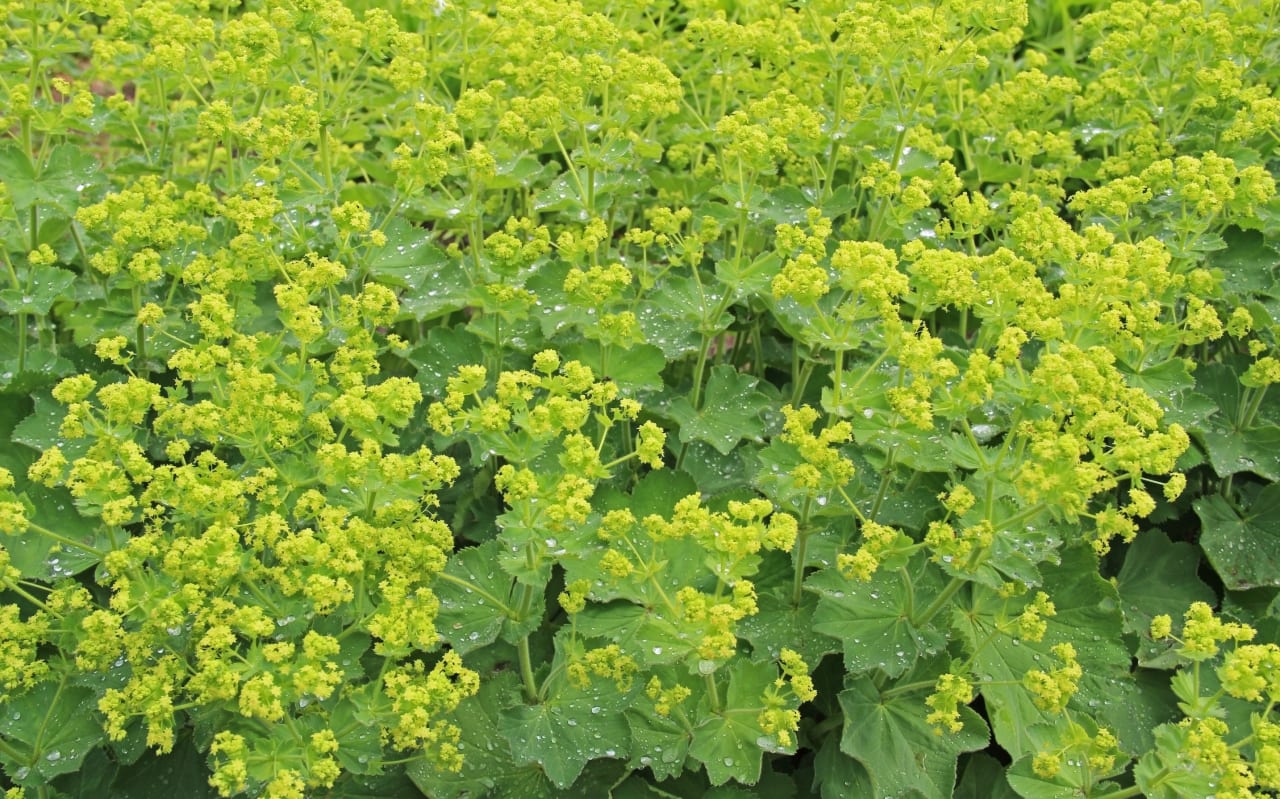
Lady’s Mantle (Alchemilla vulgaris): Definition, benefits and uses
Published on: Tuesday, November 19, 2024, Updated on: Wednesday, October 28, 2026
Lady’s mantle is a remarkable and versatile plant that combines botanical beauty with therapeutic and cosmetic benefits. Thanks to its beneficial properties for women’s health, digestion and its cosmetic uses, lady’s mantle continues to be fascinating and relevant in our modern world. This article explores the many properties of this remarkable plant, highlighting its many different values.
Contents
Related products
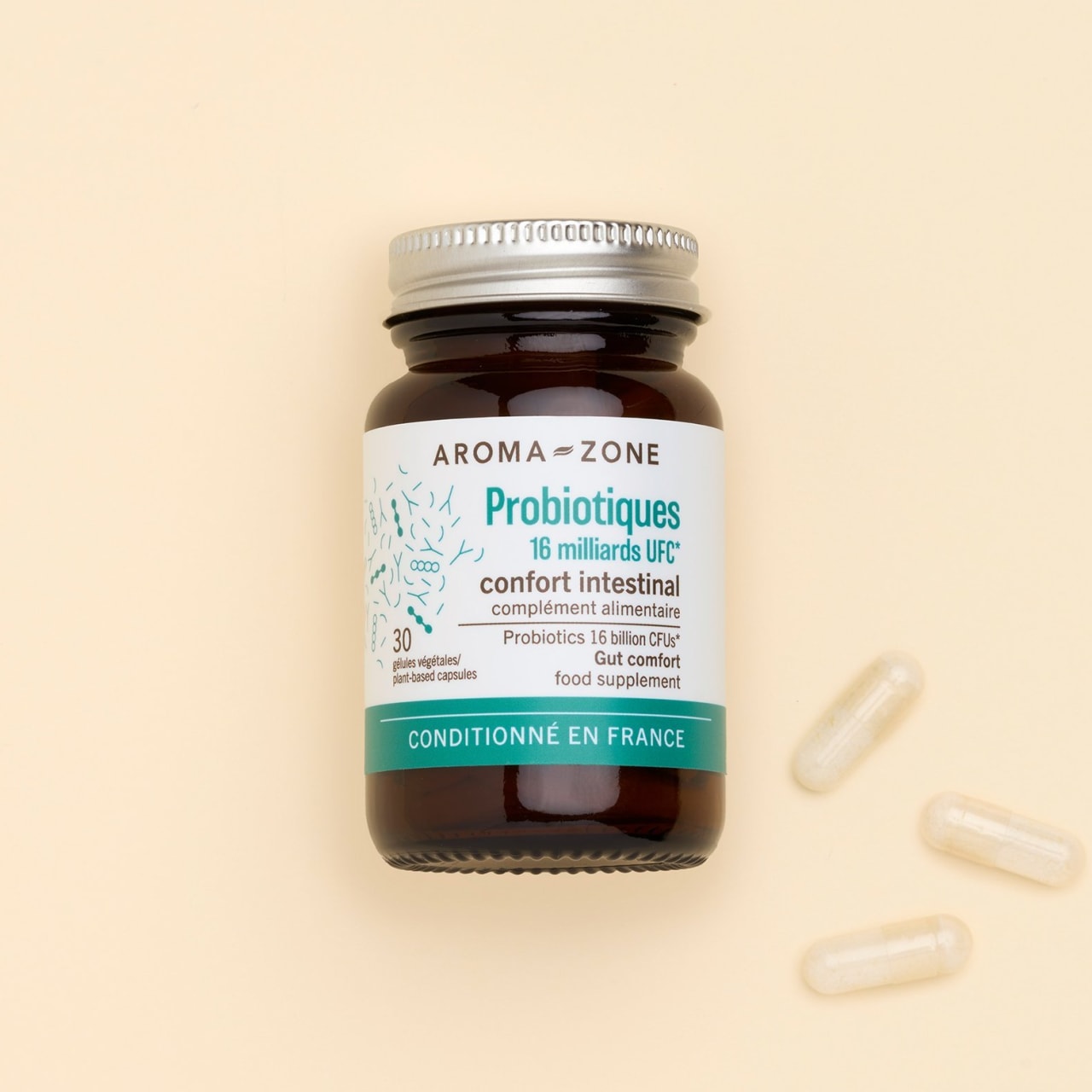
Digestive comfort
£17.00
1 article
What is common lady’s mantle?
The main properties of the lady’s mantle plant
Lady’s mantle is recognised for its wide-ranging health and beauty properties:
Gynaecological health and hormonal balance
Lady’s mantle is primarily known for its beneficial effects on women’s health. It has traditionally been used to relieve various gynaecological problems, notably menstrual disorders and symptoms associated with premenstrual syndrome (PMS). Its effect, similar to that of progesterone, helps to regulate the menstrual cycle, making it a popular choice amongst women seeking natural remedies to correct hormonal imbalances.
Digestive wellness
Lady’s mantle is also valued for its benefits for the gastrointestinal system and the liver. It has astringent and anti-inflammatory properties, and is used to relieve mild diarrhoea, heartburn and bloating, thanks to its digestive and antispasmodic effects.
Cosmetic effects: antioxidant, anti-inflammatory and astringent
Lady’s mantle extract, rich in flavonoids and phenolic acids, is a powerful antioxidant that neutralises free radicals responsible for skin ageing. It thus can help to improve the skin’s elasticity, reduce fine lines and prevent the appearance of new wrinkles, potentially giving the skin a more youthful appearance. Furthermore, lady’s mantle is a valuable ally in natural sun care, thanks to its ability to protect the skin from environmental damage. This plant's anti-inflammatory properties are particularly beneficial for soothing irritated skin and reducing skin inflammation. It helps to reduce blemishes and soothe problem skin. Lady's mantle also has astringent properties that help tighten pores and tone the skin. This makes it an ideal ingredient for lotions and toners, helping to reduce the appearance of enlarged pores and prevent blemishes and breakouts
Aiding healing
When used externally, lady’s mantle promotes the healing of wounds and skin ulcers, making it particularly suitable for use in skincare formulations for problem skin. By stimulating collagen production, it also helps to reduce the appearance of stretch marks and improve skin texture.
The benefits of common lady’s mantle
In short, lady’s mantle is particularly beneficial for:
Menstrual disorders and symptoms associated with premenstrual syndrome (PMS), as well as hormonal imbalances.
Minor digestive problems, such as occasional diarrhoea, acid reflux and bloating.
Irritated, sensitive and mature skin, as it may help to relieve eczema, psoriasis and acne.
As a hair tonic.
Natural uses for lady’s mantle
As a tea: Lady’s mantle can be consumed as a tea or infusion to relieve menstrual complaints and digestive issues. Use 2 to 4 g of dried leaves per 200 ml of water and drink 2 to 3 cups a day, ideally between the 10th and 24th day of the menstrual cycle to help with premenstrual syndrome.
As a dietary supplement: Available in capsules or as a mother tincture, lady’s mantle is also used as a dietary supplement. It is recommended that you follow the manufacturer’s instructions or consult a healthcare professional before starting a course of treatment.
In skincare: Alchemilla extracts are incorporated into toners, creams and serums for their astringent and antioxidant properties, which are ideal for sensitive and mature skin.
In hair care: when used as a rinse, a lady's mantle infusion can strengthen the hair, giving it shine and vitality.
Lady’s mantle can be combined with other plants for targeted effects, such as Common sage, German chamomile or matricaria, and Yarrow, depending on your specific needs.
Precautions for use
The tannins present in the plant may interfere with the absorption of certain medicines in the digestive tract. It is therefore strongly recommended that you seek medical advice before taking lady’s mantle internally, particularly if you are taking any medication.
As it is astringent, lady’s mantle consumed in large quantities or over the long term may also cause constipation. It is contraindicated for people suffering from chronic gastric and/or digestive disorders.
Although lady’s mantle has benefits for menstrual health, it is generally not recommended for children, pregnant women or breastfeeding women, due to its potential hormonal effects and its impact on the menstrual cycle.
Expert advice
Lady’s mantle is a plant whose internal use requires a considered and cautious approach. The key lies in informed and responsible use, always in line with a doctor’s advice. As for its cosmetic uses, this little plant has enormous potential for skincare; it is effective at protecting the skin against external damage and pollution of all kinds.
Spotlight on Our Specialist Writer: Catherine Gilette

Catherine is passionate about plants and their properties. She studied natural cosmetics at the École Lyonnaise des Plantes Médicinales in the early 2000s. Driven by curiosity, she has continued to explore the richness and potential of plants. This led her to train in aromatherapy at the École Française d’Aromathérapie Intégrative. She discovered an almost unexplored world in olfactotherapy, and valuable tools for getting to know herself better and practising what she calls inner ecology.
Bibliography
Maria Treben. Health from God’s Pharmacy.
Ed. Ennsthaler, first edition 1983. ISBN 3850681238. Lady’s Mantle: pp. 13–14
Rosemary Gladstar, *Herbal Healing for Women*,
Simon and Schuster, 2017, p. 245
https://alicemonney.fr/fertilite/achillee-millefeuille-alchemille/

Frequently Asked Questions
Associated tip

Face care tips


