How many eggs can you eat a day? Experts are revising their recommendations

How many eggs can you eat a day? Experts are revising their recommendations


By Laetitia De Rosa

Published on: Friday, December 12, 2025, Updated on: Friday, October 02, 2026

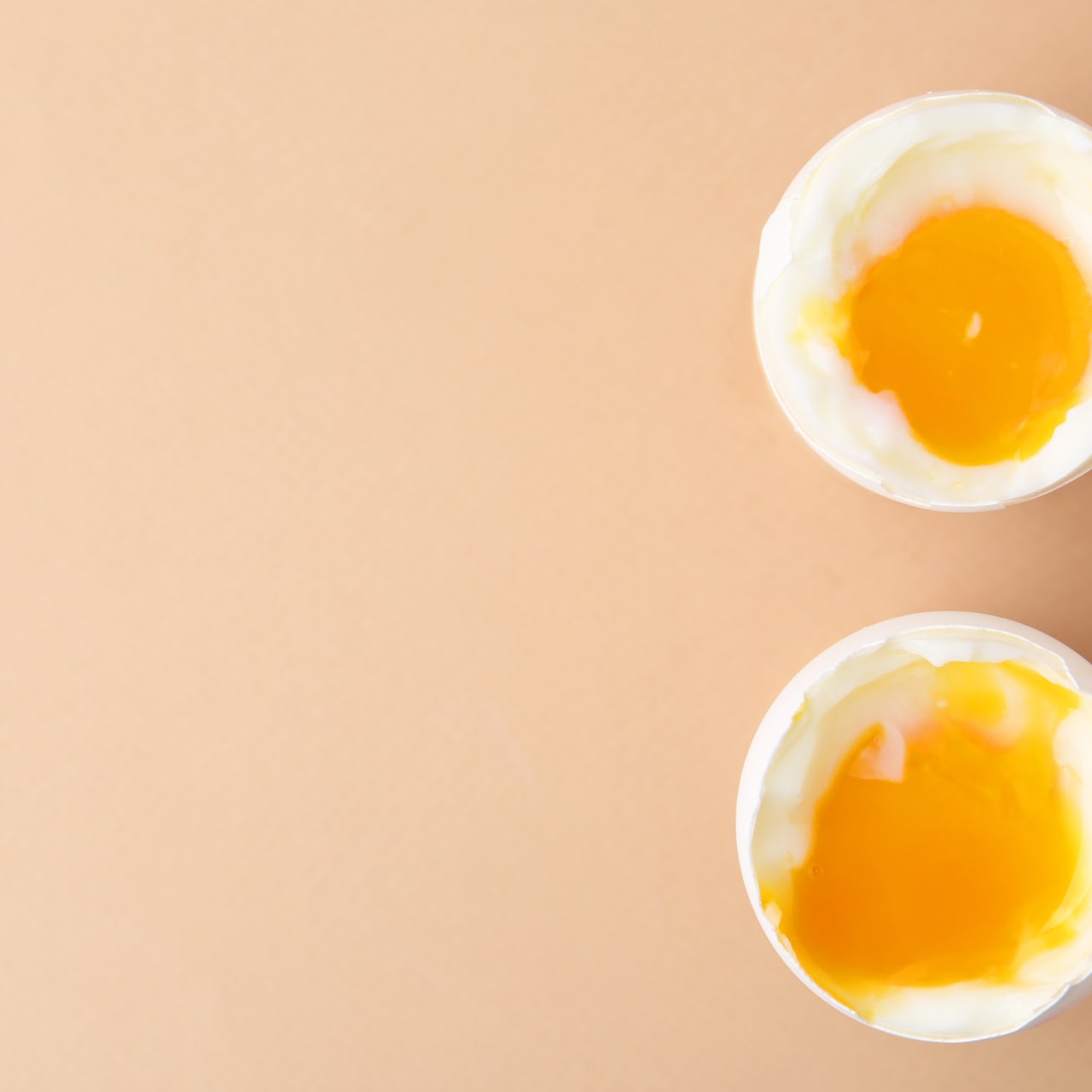
Long shunned because of their cholesterol content, eggs are now making a comeback on our plates. A source of complete protein, vitamins and choline, they are among the most nutritious and easy-to-prepare foods for everyday meals. But can we eat them regularly? And how many? Experts agree on one point: for healthy adults, eating eggs several times a week is not a problem provided your diet remains balanced. It's not referred to these days as a ‘strict limit’, but rather common sense: listening to your body’s needs, varying your protein sources and incorporating them naturally into your meals.

Contents

Related products

Why have the recommendations on eggs changed?

For decades, eggs were associated with cholesterol. As they naturally contain cholesterol, it was thought that regular consumption raised ‘bad’ cholesterol levels and increased the risk of cardiovascular disease. Hence the very cautious recommendations of the 1980s and 1990s: no more than two to three eggs a week. Since then, our understanding has evolved. Studies show that dietary cholesterol has less of an impact on blood cholesterol than previously thought, and that other factors are more significant: 

  • the overall quality of the diet (particularly an excess of saturated fats), 

  • physical activity, 

  • smoking,

  • genetic predisposition. 

For most healthy adults, eggs therefore have a limited impact on cholesterol levels, which explains why the recommendations are much more flexible today.
How many can you eat (and for which groups)?

There is no single figure that applies to the entire population. Current recommendations focus primarily on alternating protein sources throughout the week, rather than specifically limiting eggs. The key is not the exact number, but the overall balance of the diet.

  • For children. During growth, eggs provide complete proteins, as well as B vitamins, iron and choline, which are beneficial for development. Portion sizes simply increase with age, as with other protein sources. For children under 5, the yolk should always be thoroughly cooked, as a health precaution.

  • For older people. As we age, meeting our protein requirements becomes essential for maintaining muscle mass. Eggs provide a complete serving of protein that is easy to incorporate into daily meals.

  • For people with diabetes. Eggs have no effect on blood sugar levels. For people with diabetes, the focus is primarily on sugars and the quality of fats. An overall balanced diet remains crucial.

What natural alternatives are there for varying your protein intake?

Varying your protein sources throughout the week helps to balance your diet without imposing strict rules on yourself. Alongside eggs, certain plant-based options can easily be incorporated into everyday recipes, from breakfast to dinner. They also provide specific nutrients that are beneficial to the body.

Oat Protein

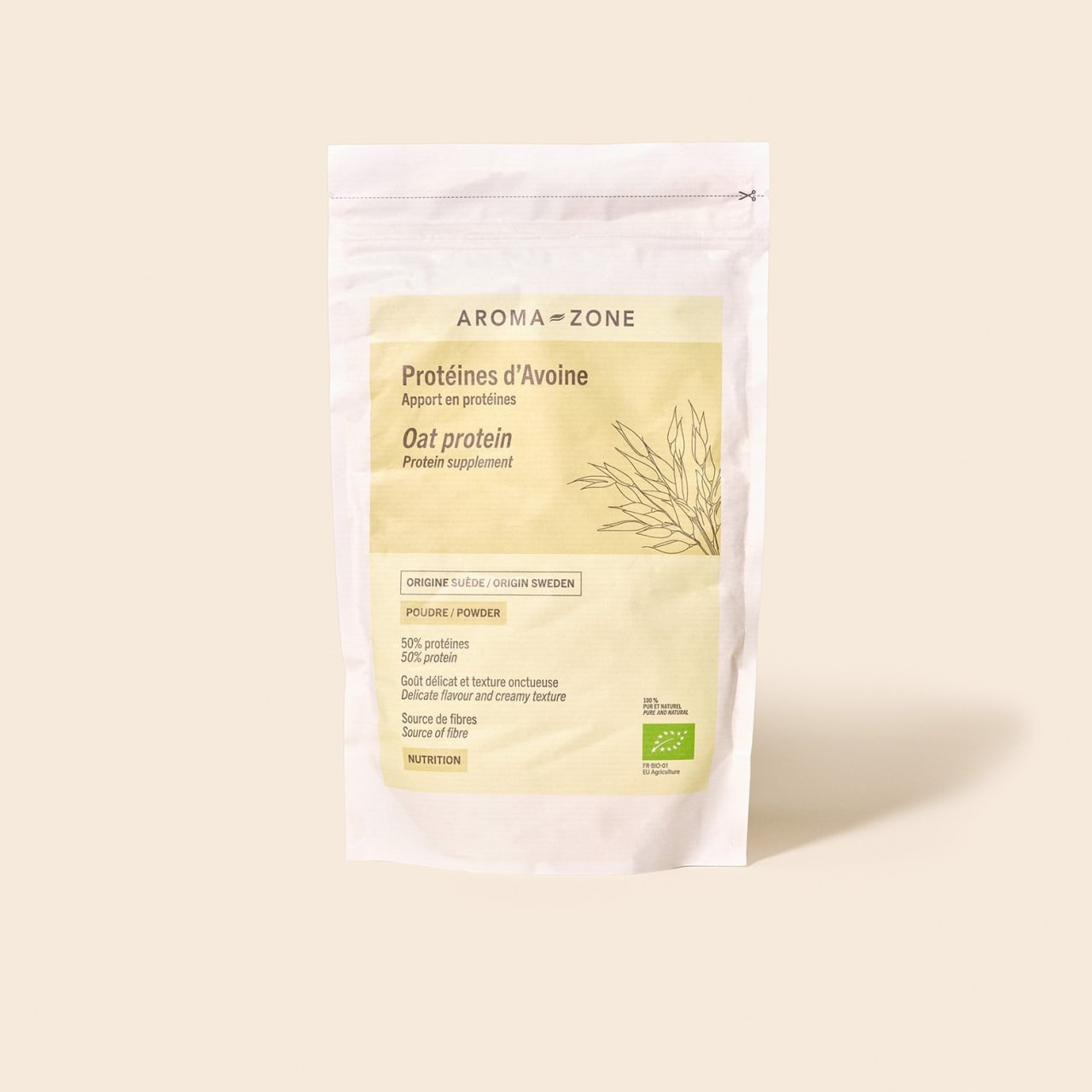
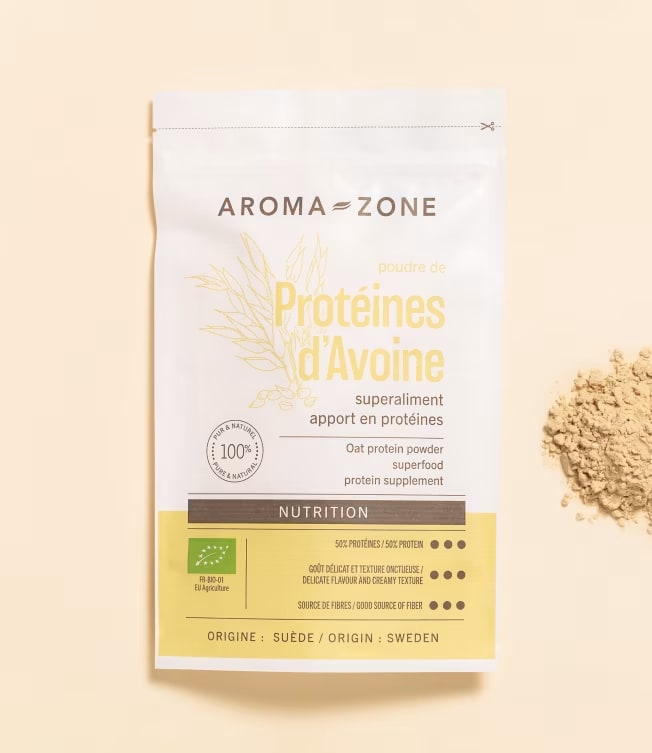
Made from Swedish organic oat bran, oat protein provides a plant-based source rich in protein and fibre, with a smooth texture that’s easy to incorporate. Its neutral flavour makes it ideal for smoothies, shakes, enriched porridge, or in pancake or savoury cake batter, as a partial replacement for flour. A simple way to boost the protein content of your meals, particularly at breakfast.

Focus on Organic Oat Protein

Packed with plant-based protein from Swedish organic oat bran, and ideal for shakes or nutritious dishes, this oat powder is the perfect choice for athletes, vegetarians and vegans. Its creamy texture and comforting flavour transform your smoothies, soups and desserts into healthy culinary experiences, whilst promoting healthy digestion.

Discover our Organic Oat Proteins

Almond Protein

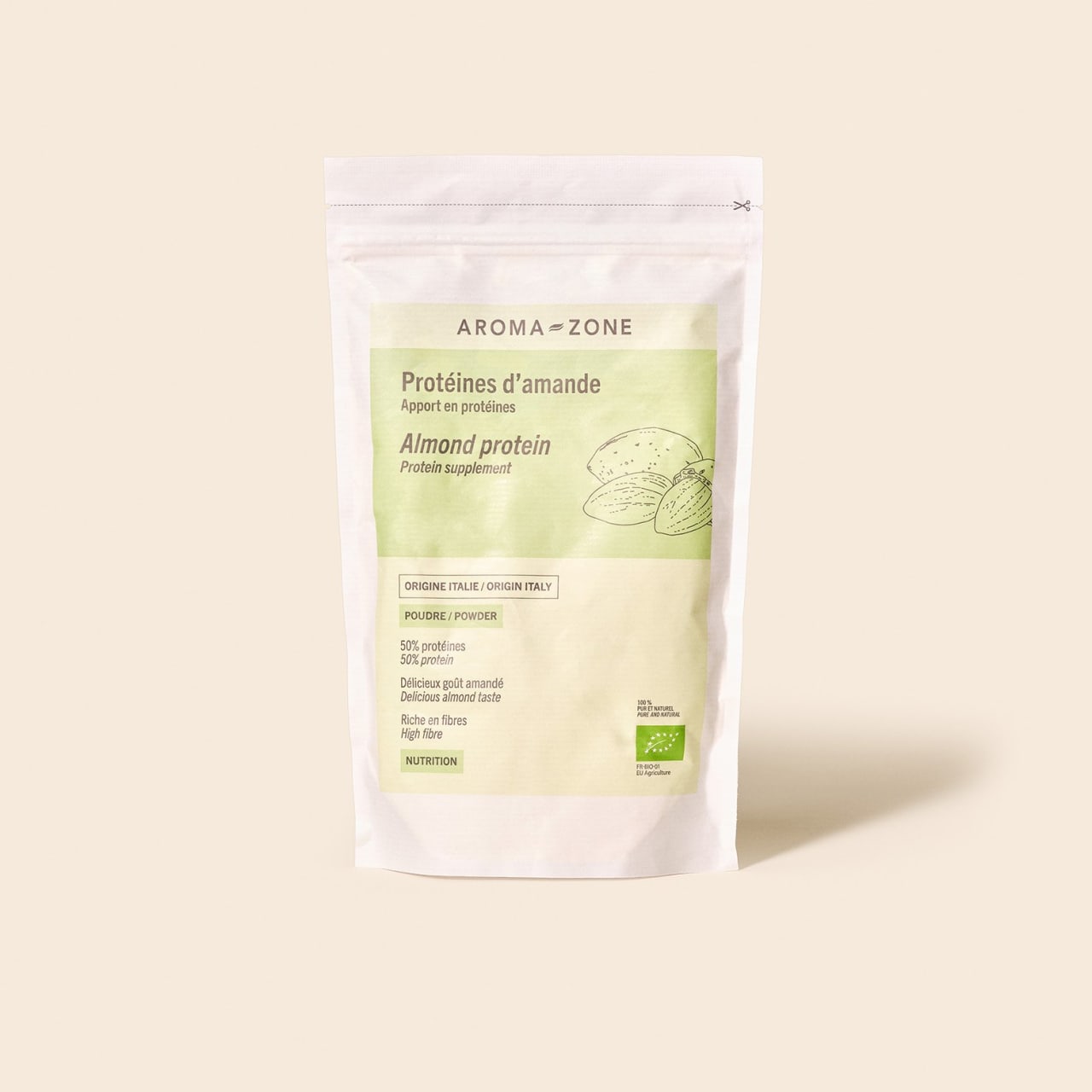
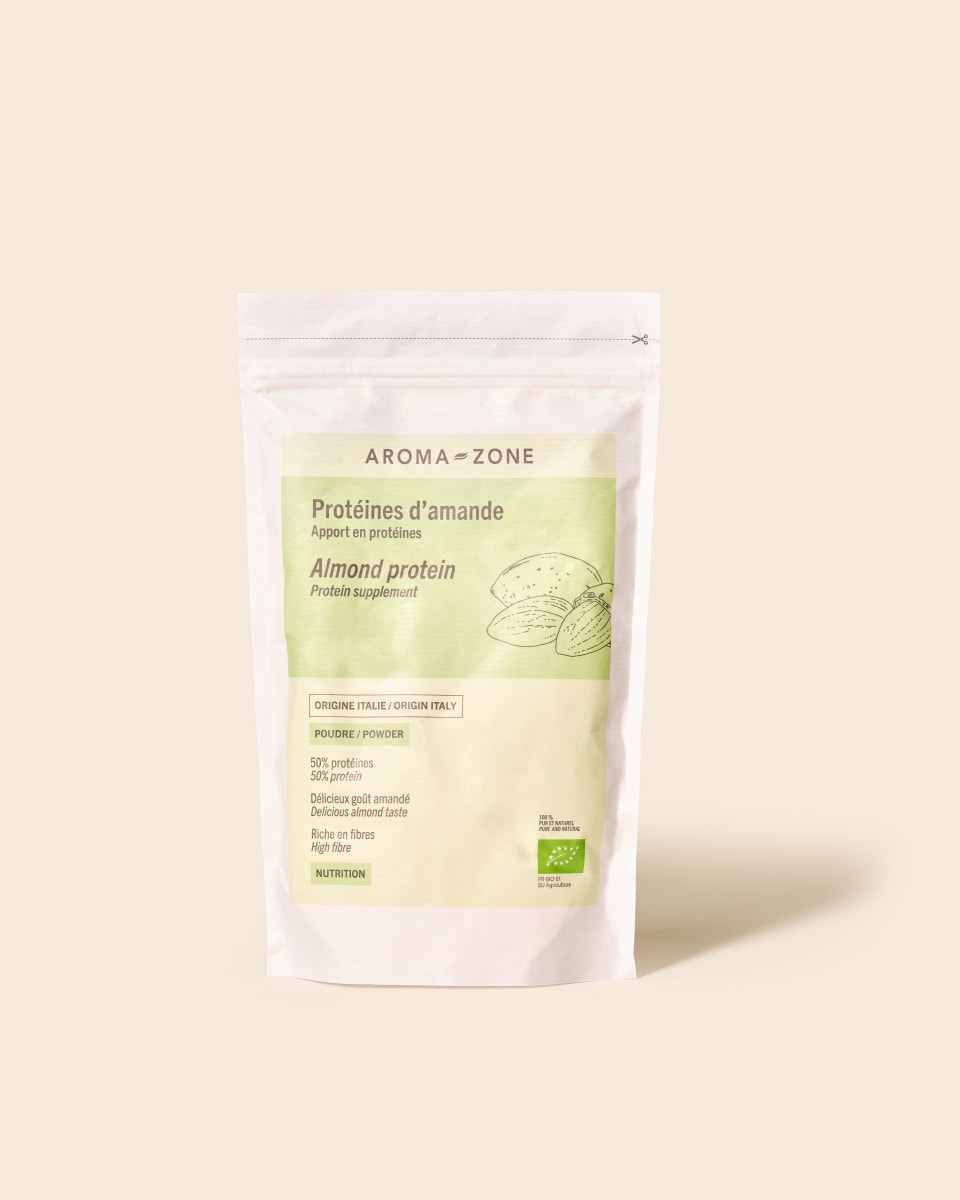
Made from organic almonds, this powder provides 50 per cent plant-based protein. It can be added to a smoothie, porridge or energy balls, or used to replace some of the flour in a homemade cake. It’s a simple way to boost your protein intake whilst varying your sources throughout the week.

Organic_Almond_Protein

Focus on Organic Almond Protein

Rich in plant-based protein, this organic almond protein powder – with its mild, nutty flavour – is sourced from Italian crops and produced using a cold-press process. It fits easily into your fitness, cooking or dietary routine, and is perfect for shakes, desserts and healthy snacks.

Discover our organic almond protein

Hemp protein

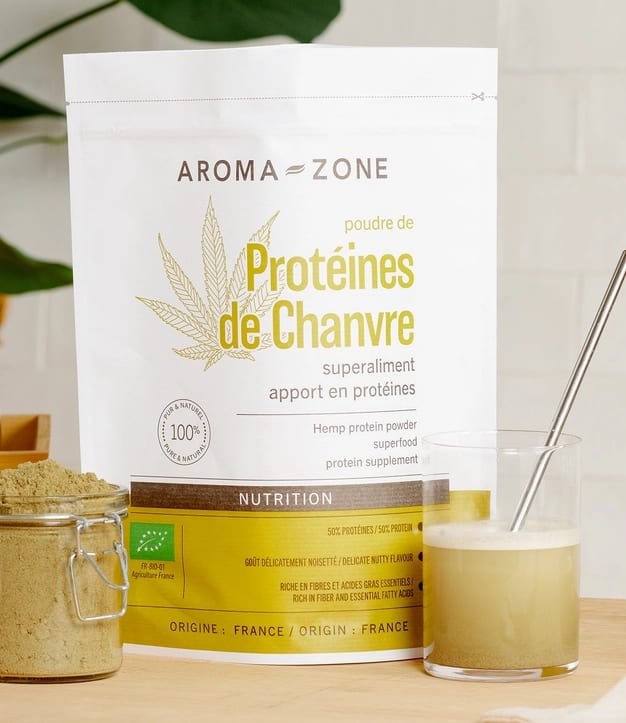
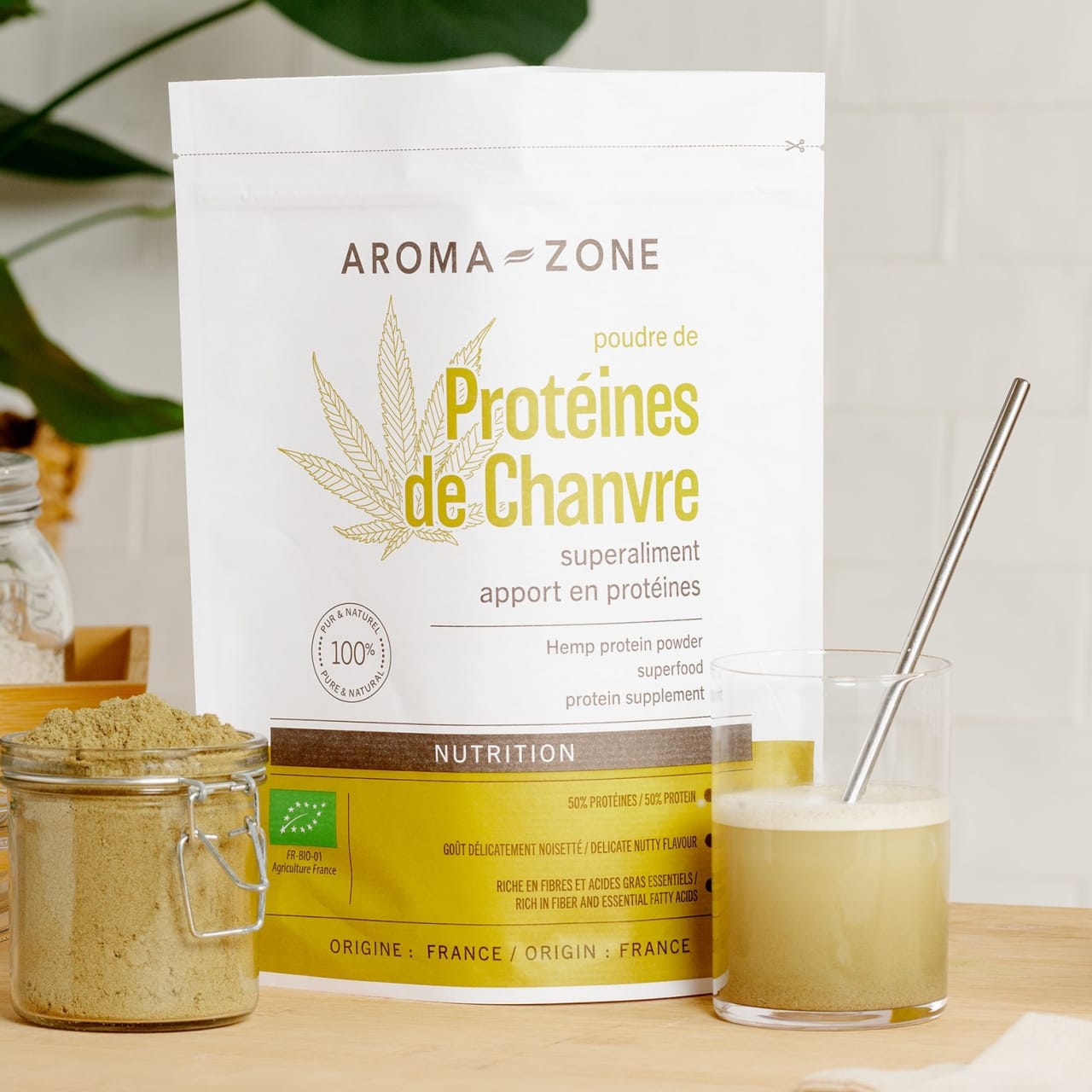
This French organic hemp protein powder provides nearly 50 per cent plant-based protein, with a complete profile of essential, easily digestible and bioavailable amino acids. Its slightly nutty flavour and easy-to-work-with texture make it ideal for shakes, energy balls or homemade recipes, in a gluten-free version. A great option for a healthy and tasty diet, packed with high-quality plant-based protein.

Organic hemp protein – a superfood

Focus on Organic Hemp Protein

Rich in digestible and bioavailable plant-based protein, this 100% French organic hemp protein powder is ideal for athletes, vegetarians and vegans seeking a balanced intake of amino acids and fibre. With a slightly nutty flavour and gluten-free, it enhances shakes, energy balls and homemade recipes, for a healthy, tasty and energising diet every day.

Discover our organic hemp protein

Cocoa & Hemp Protein Drink Recipe

Easy to prepare, this drink combines the rich flavour of cocoa with plant-based hemp protein. It fits easily into a balanced routine, whether for breakfast or after a workout.

Ingredients for 1 serving:

Discover all the steps in the full recipe for making this homemade protein drink.

Method:

  1. Blend the water, cocoa and hemp protein in a shaker or blender, 

  2. Add xylitol if desired, 

  3. Blend until smooth.

Spotlight on Our Specialist Writer, Laetitia de Rosa

Laetitia de Rosa 3.jpg

Laetitia is an editorial communications consultant specialising in beauty and wellness content. Passionate about natural cosmetics, she works with brands that share her vision of authentic and responsible beauty. Always on the lookout for the latest developments, she enjoys analysing trends and innovations in the sector.

Bibliography

  1. Jin, J. S., & Lee, J. H.

    (2018). The impact of egg nutrient composition and its consumption on cholesterol absorption and cardiovascular health. Journal of Nutrition and Metabolism https://doi.org/10.1155/2018/6303810

  2. Formisano, E., Neri, L. de C. L., Caffa, I., Borgarelli, C., Ferrando, M. R., Proietti, E., … Pisciotta, L.

    (2025). Effect of egg consumption on health outcomes: An updated umbrella review of systematic reviews and meta-analysis of observational and intervention studies. Nutrition, Metabolism and Cardiovascular Diseases https://doi.org/10.1016/j.numecd.2025.103849

  3. Sanlier, N.

    (2021). Egg consumption and health effects: A narrative review. Journal of Food Science https://doi.org/10.1111/1750-3841.15892

Associated tip