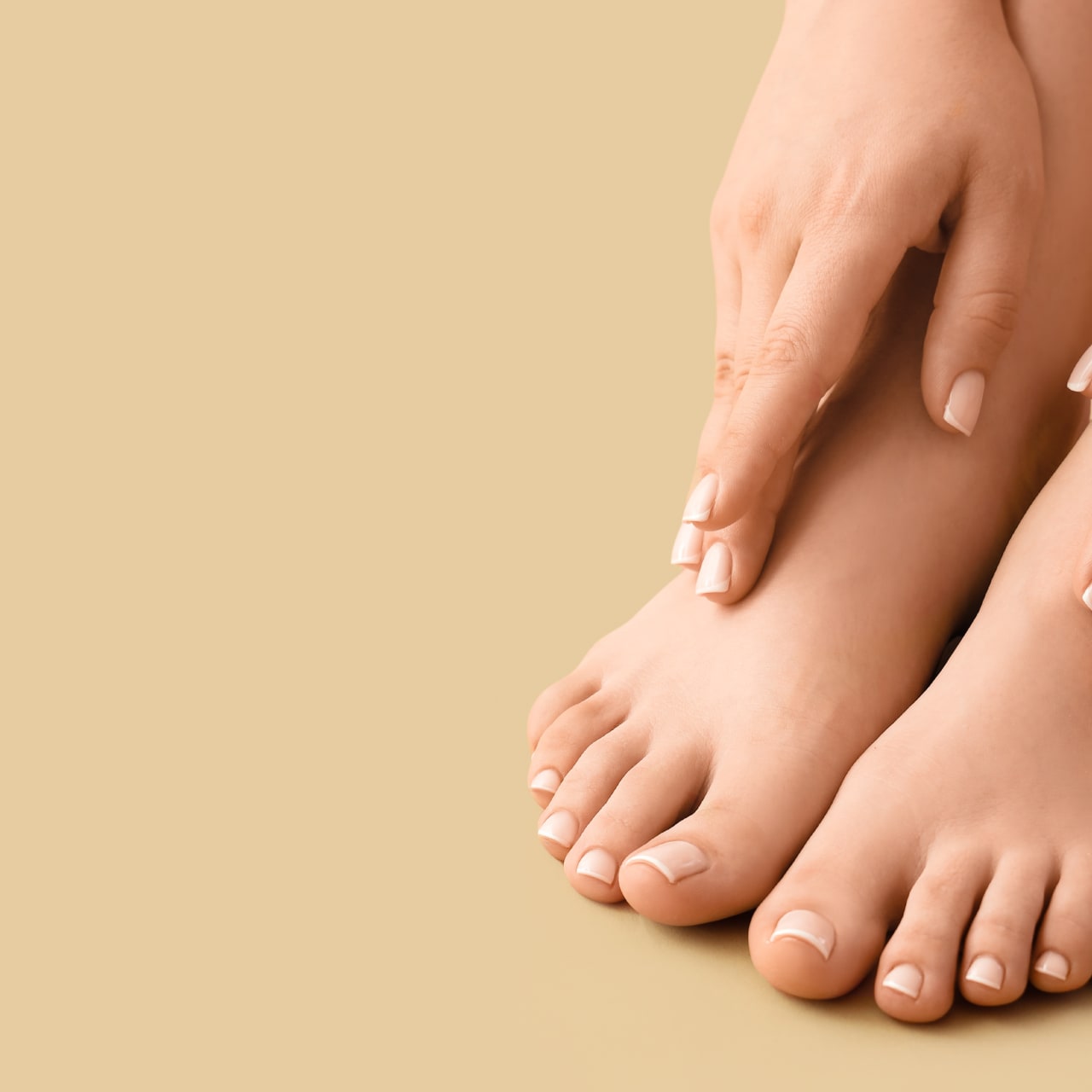
A pedicure is a foot care treatment that involves cleaning, exfoliating, and moisturising the feet, as well as grooming the toenails. This treatment isn’t just for aesthetic reasons; it also helps keep your feet healthy by preventing various problems such as calluses, ingrown toenails, and infections. Neglected feet can become painful, making walking an unpleasant experience. The same applies to toenails: if you let them grow too long, the risk of injury increases.
How Do You Give Yourself a Pedicure at Home?
Published on: Friday, July 26, 2024, Updated on: Wednesday, October 28, 2026
Feet, just like hands, deserve our full attention, especially in summer when they’re on show and exposed to the elements. If you’d like to have beautiful feet without having to visit a podiatrist or beauty salon, we’re sharing all our practical tips with you. How to do it, what are the benefits, and which products should you use? Find out everything you need to know about home pedicures.
Contents
Related products
Epsom Salt
Exfoliating
£3.50
500 g
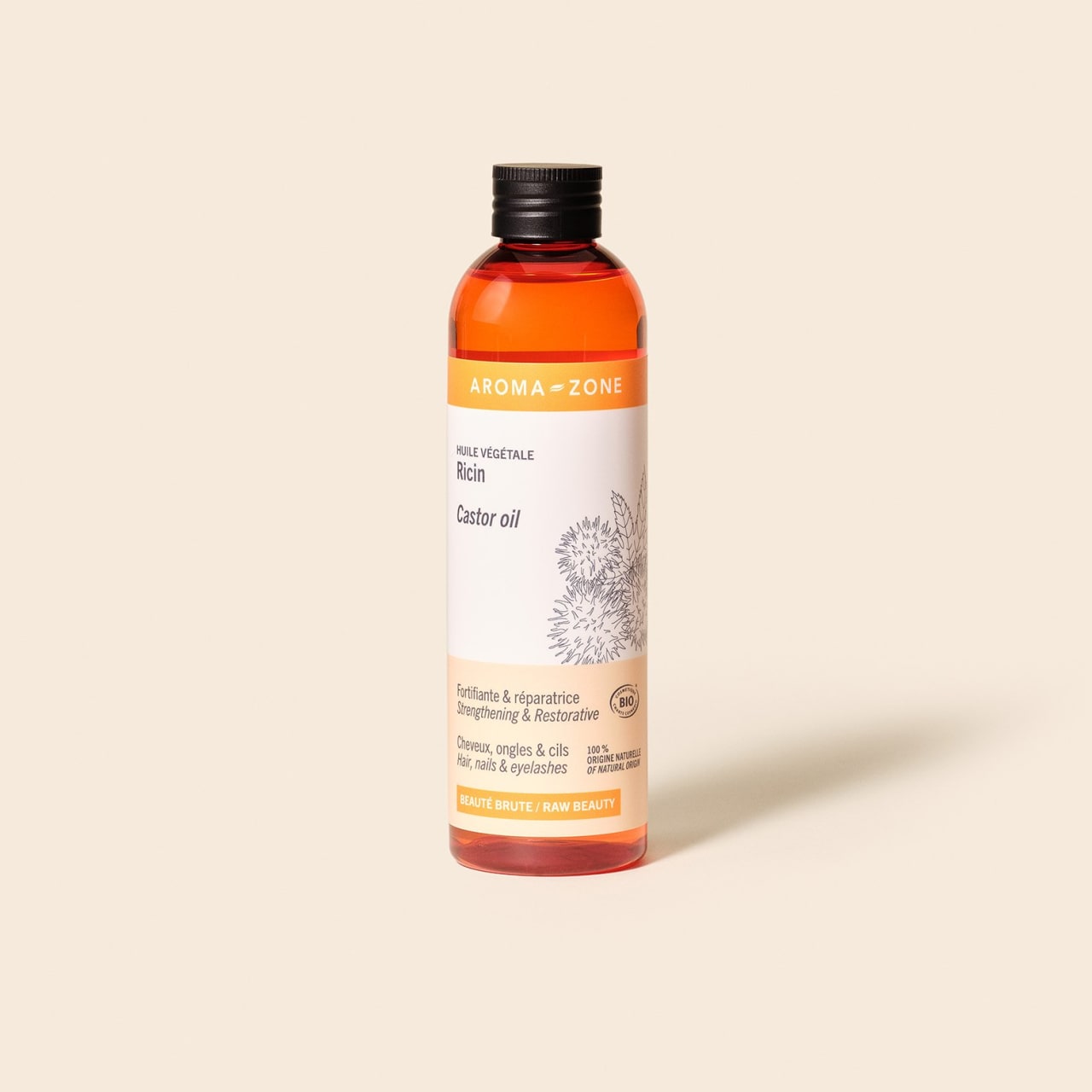
Organic Castor Oil
Repairing
£7.50
250 ml
2 options
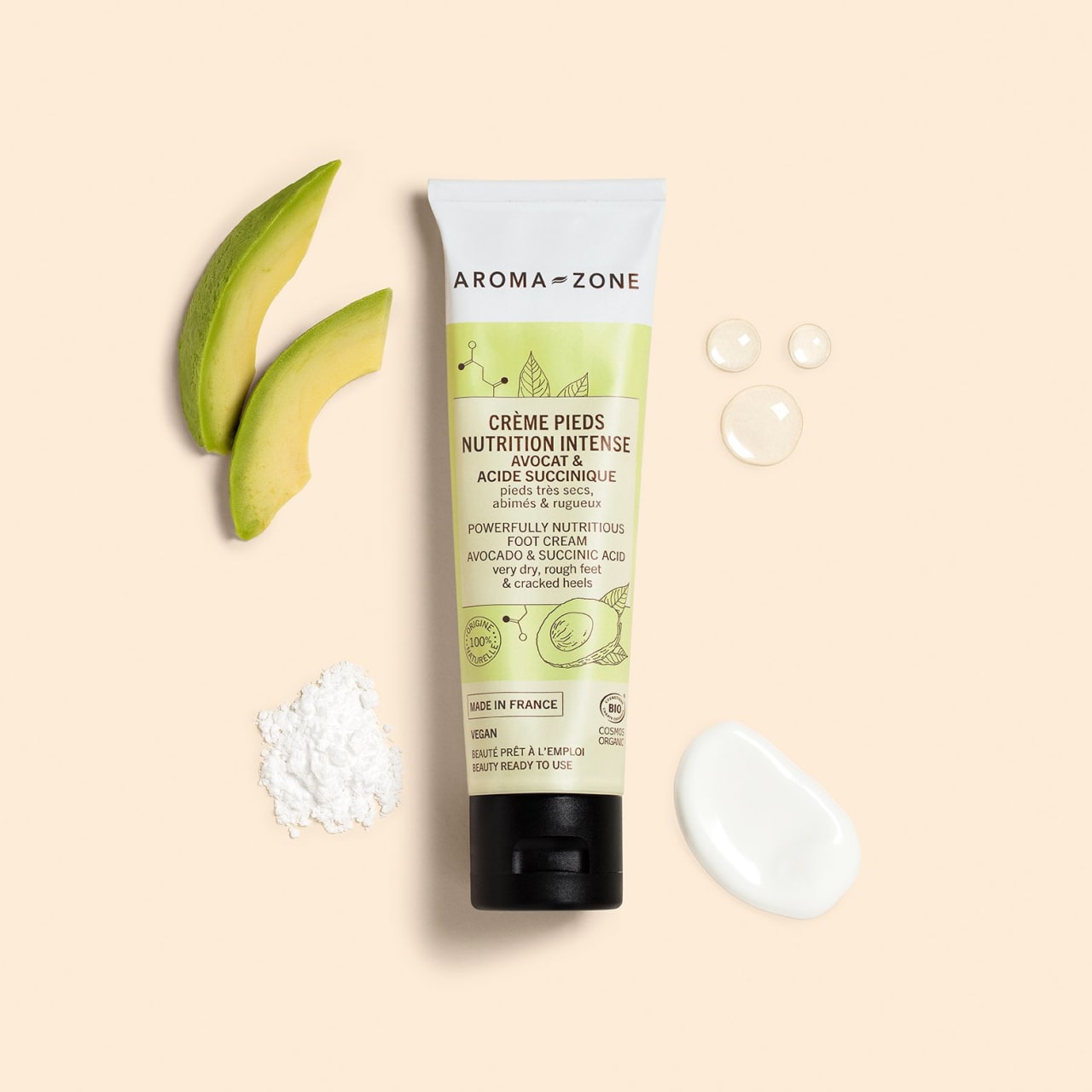
Avocado & Succinic Acid Foot Cream
Repairing
Nourishing
£7.00
90 ml
What Is a Pedicure?
What Are the Benefits of a Pedicure or Foot Care?
There are many benefits to a pedicure, including:
A Moment of Relaxation: Taking the time to give yourself a pedicure allows you to enjoy a moment of calm and relaxation. Soaking your feet in warm water and massaging them helps to soothe the mind and reduce everyday stress
Improved Circulation: Massaging the feet and calves stimulates blood circulation. By stimulating blood flow, you help to reduce swelling and that heavy feeling in your legs. It’s ideal during the summer or if you suffer from water retention
Removal of Dead Skin: Calluses and rough patches can cause discomfort and pain. Exfoliating your feet regularly with a foot file can help prevent these thickened areas of skin from forming
Preventing Ingrown Toenails and Infections: Trimming your toenails regularly prevents ingrown toenails, which can be very painful and lead to infections. Cleaning and pushing back the cuticles also prevents the build-up of dirt and bacteria at the base of the nails (which also reduces odours)
Aesthetic Appeal: Well-groomed feet and neat nails improve your overall appearance. Having regular pedicures allows you to wear sandals or walk barefoot with confidence
Comfort: Regular pedicures reduce discomfort and pain when walking or running. Healthy feet help to ensure good posture and maintain normal mobility, which is essential for an active lifestyle
A pedicure is therefore not just a cosmetic treatment; it is virtually essential for ensuring your feet are healthy and stay that way. If you walk a lot, run or often find yourself barefoot, we recommend having regular pedicures.
Spotlight on Our Foot Cream
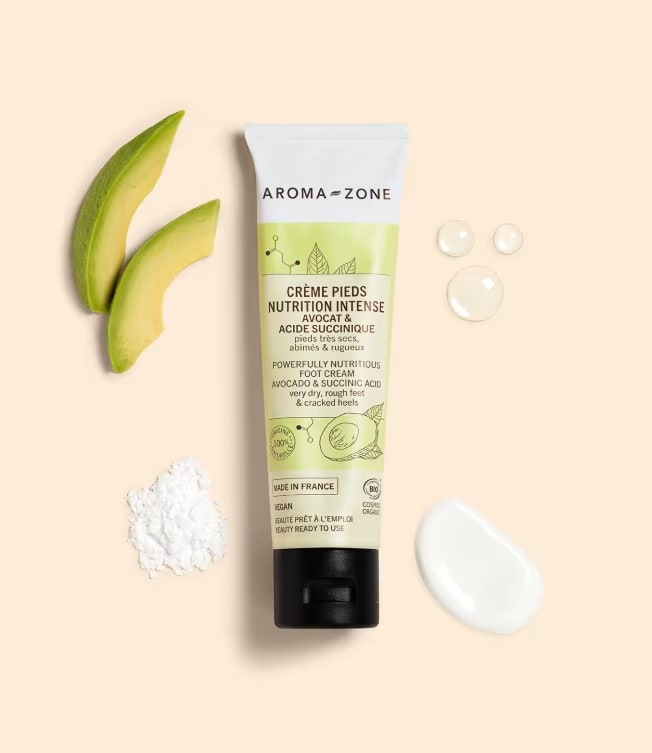
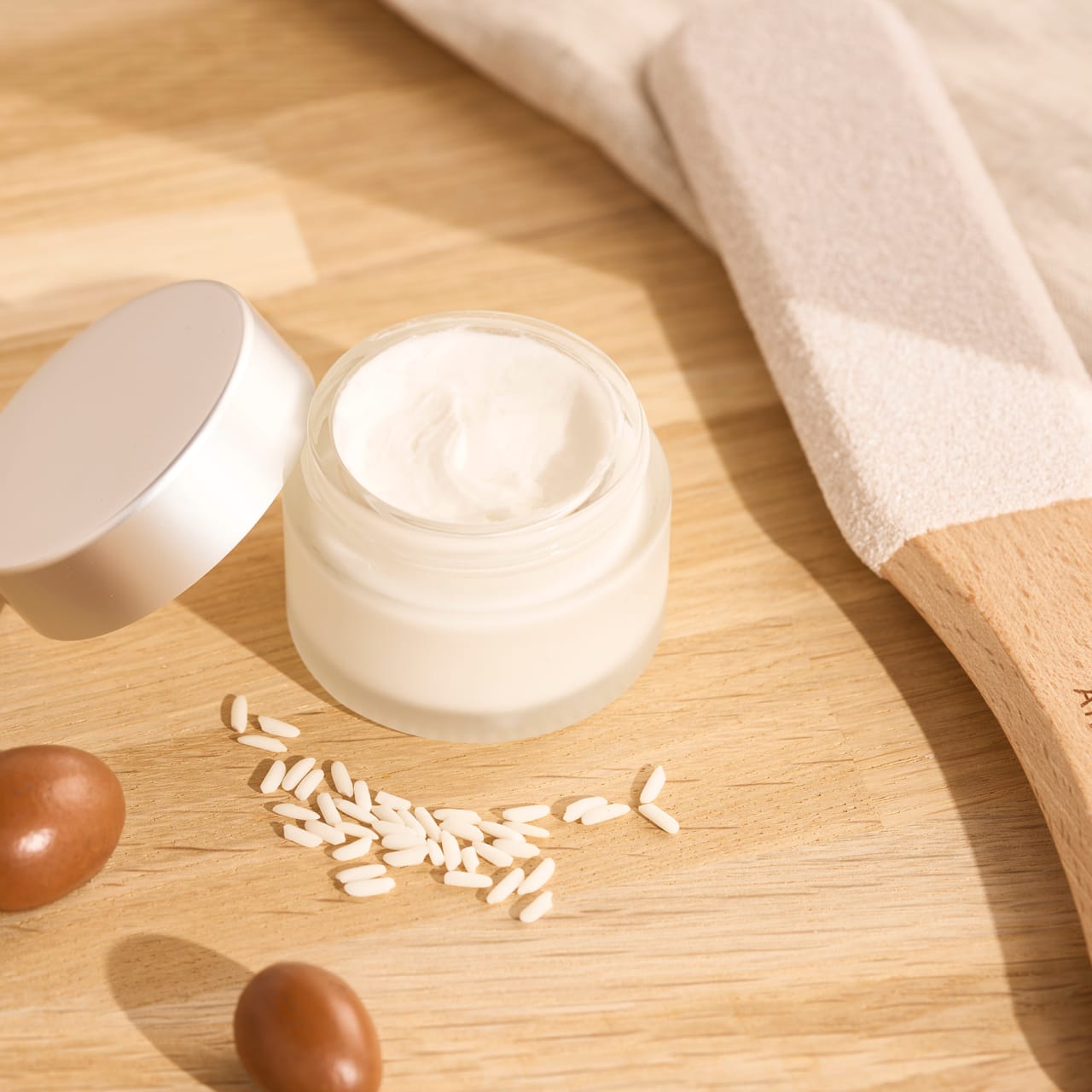
This ultra-repairing cream exfoliates, softens, nourishes, and protects dry and damaged feet. Its 100% natural, certified organic formula combines succinic acid, with its keratolytic action, with a repairing and protective chia seed extract to prevent and reduce calluses and rough patches on heavily used feet. Enriched with moisturising hyaluronic acid, nourishing organic avocado oil and soothing plant-based bisabolol, this cream strengthens the skin’s barrier and forms a protective film that stimulates skin regeneration. Upon application, it provides immediate comfort to dry, damaged, cracked feet prone to fissures. Its deeply soothing balm-like texture envelops the feet in a velvety film.
Discover the Intense Nourishing Foot Cream: Avocado & Succinic Acid - Aroma Zone
What Are the Natural Solutions for a Home Pedicure?
What treatments are recommended for looking after your feet naturally? Here are our must-have products:
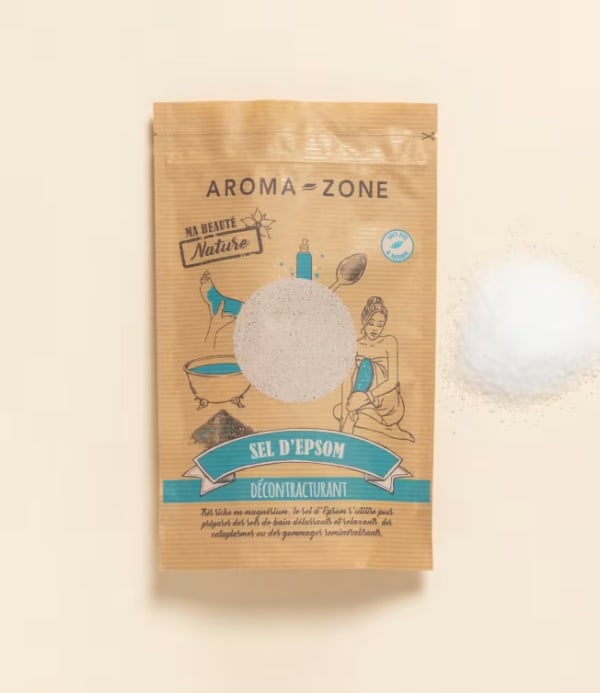
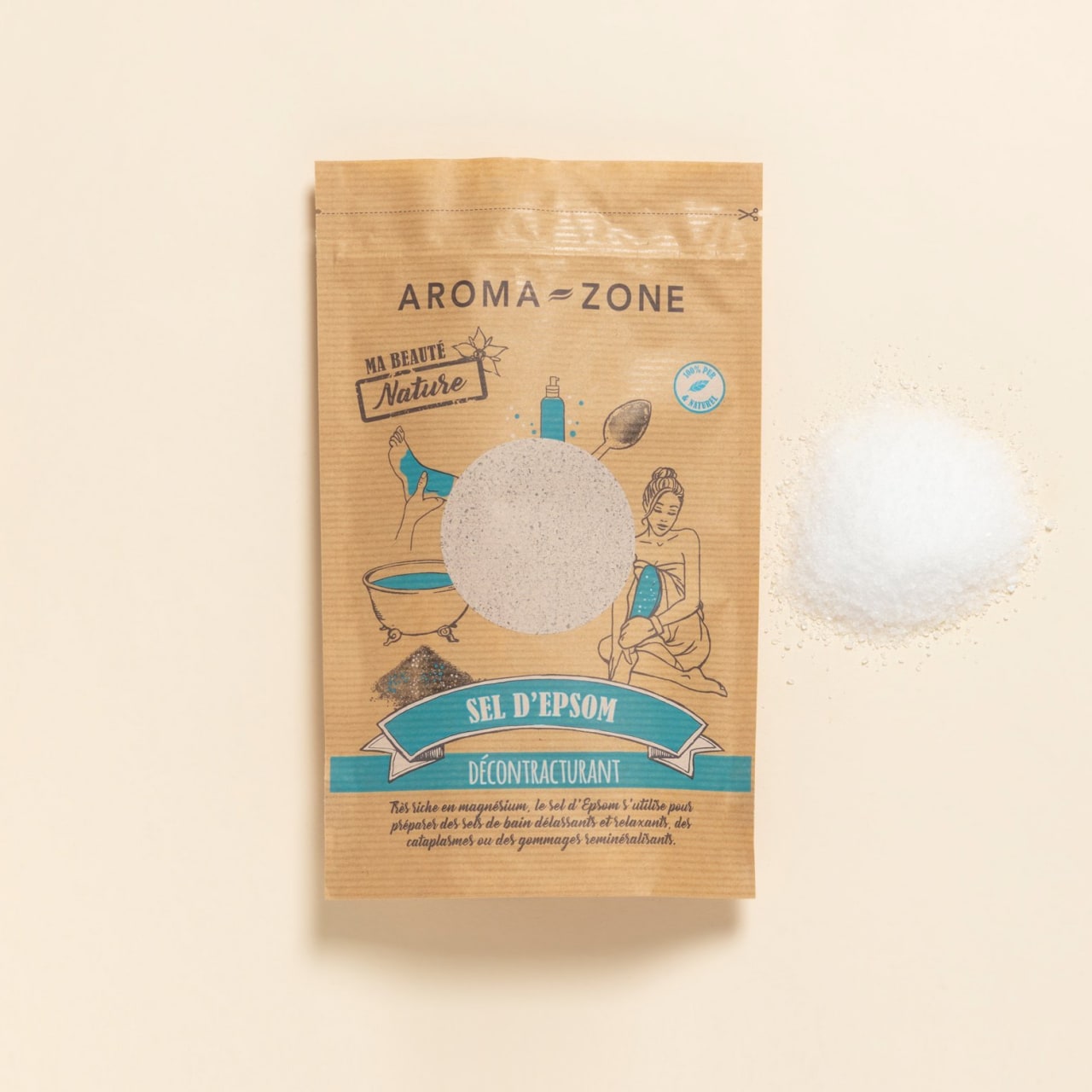
Epsom Salt
Perfect for foot baths, it helps to relax the muscles and soften the skin. Sea salt is also very effective.
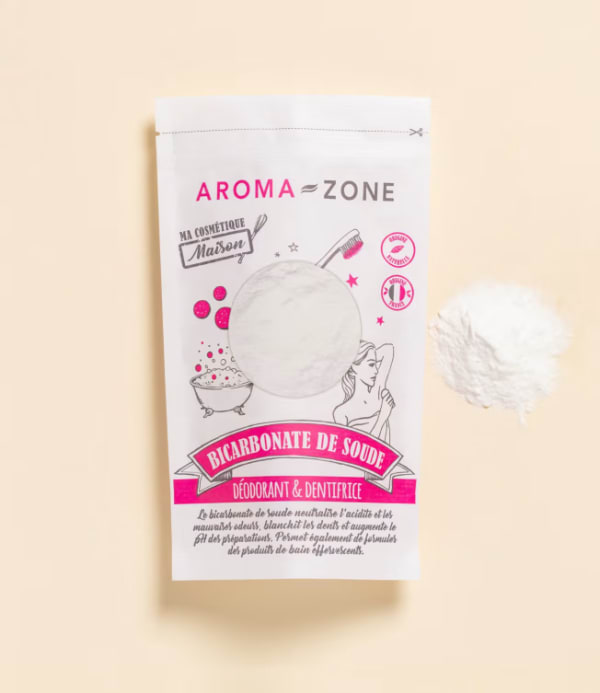
Bicarbonate of Soda
When mixed with water, it acts as a gentle exfoliant. You can mix it with lemon juice or vegetable oils.
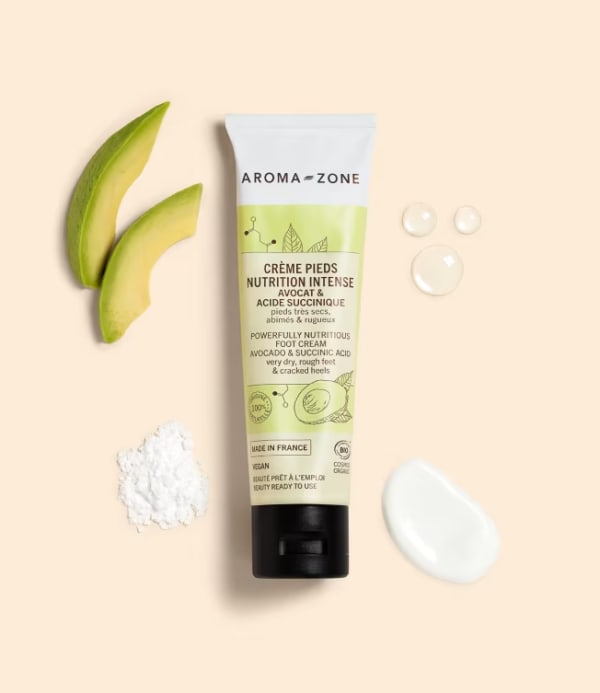
Avocado Foot Cream
This ultra-repairing cream exfoliates, softens, nourishes, and protects dry and damaged feet. Succinic acid, with its keratolytic action, is combined with a repairing and protective chia seed extract to prevent and reduce calluses and rough patches on feet that are put under a lot of strain.
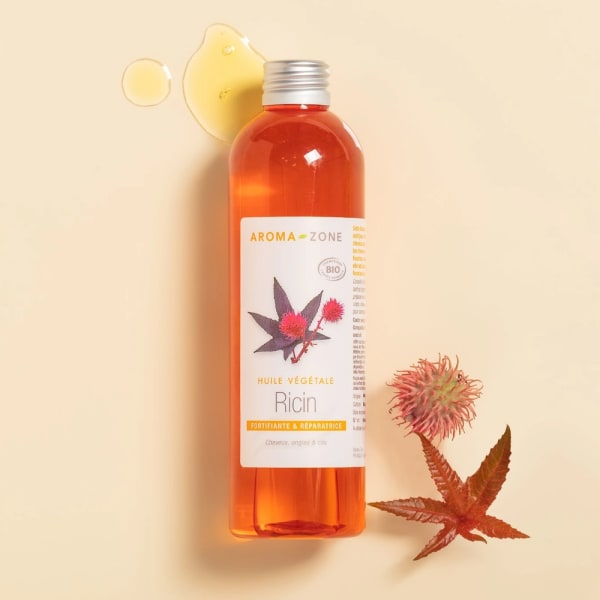
Castor Oil
Recommended for its fatty acids; it’s rich in ricinoleic acid, making it an excellent moisturiser for dry, cracked skin on the feet. Thanks to its emollient and healing properties, castor oil can help repair cracked heels and prevent new cracks, as well as helping to strengthen the nails.
Daily Nail Care
There’s no question of starting a pedicure without the right tools. For a salon-quality pedicure, you’ll need:
A Nail Clipper: Used to trim your nails to the desired length. Choose a good-quality pair to avoid ingrown nails
A Nail File: To smooth and shape the edges of your nails. Opt for a glass or crystal file for gentle, precise filing. Metal files are often too coarse
A Pumice Stone or Foot File: To remove calluses and dead skin. A pumice stone is ideal for gentle exfoliation, whilst a foot file is more effective for thicker calluses
A Wooden Cuticle Stick: To gently push back cuticles without damaging them. Make sure you sterilise the stick thoroughly before use, or use a new one each time, as this is how bacteria can get in
A Nail Buffer: To smooth the surface of your nails and give them a natural shine. A four-sided buffer helps you achieve a professional finish, even at home
How to Give Yourself a Perfect Pedicure at Home? The Steps to Follow
Soaking Your Feet: Start your pedicure by soaking your feet helps to relax and soften the skin and nails. It prepares your feet for the next steps by softening calluses and making it easier to file your nails and cuticles
Mechanical Exfoliation: After soaking, use a foot file to remove calluses. Gently rub rough areas such as cracked heels and dry soles. Be sure to use circular movements to avoid damaging the skin
Foot Scrub: Next, apply a scrub designed for the feet. Massage in circular motions to remove dead skin and soften the skin. You could use a homemade sugar scrub with olive oil or coconut oil for a naturally moisturising effect
Trimming: Use nail clippers to trim your nails straight across, both on top and at the sides, to minimise the risk of ingrown nails. Do not cut them too short either, to avoid pain and infection
Filing: Use a nail file to gently round off the corners and smooth the edges. We recommend filing in one direction only to avoid splitting your nails and making them brittle
Moisturising: Choose a rich moisturiser and apply it generously to your feet. Massage well, paying particular attention to the heels and the driest areas. The massaging movements stimulate blood circulation and help the cream to penetrate more effectively.
Finishing and Aftercare: To finish, you can buff your nails with a polishing block and then apply a nail varnish of your choice. Start with a base coat, followed by one or more coats of nail varnish. Finish the pedicure with a top coat and moisturise thoroughly
Precautions for Use
While a pedicure may seem risk-free, some people should avoid doing it at home if they haven’t mastered professional techniques:
People with diabetes are particularly susceptible to infections and problems with wound healing. A poorly carried out pedicure can lead to serious complications
Fungal infections, such as athlete’s foot, require specific treatment. Poor hygiene or inadequately disinfected tools can make the infection worse. A podiatrist will be best placed to offer you safe solutions
If you have poor circulation, skin conditions such as psoriasis or eczema, or any other medical condition affecting your feet, it is recommended that you consult a podiatrist rather than having a pedicure at home
Applying nail varnish to infected nails will prevent them from ever healing under a layer of varnish
Exfoliating your feet too much risks leaving them ‘raw’
Do not use tools without disinfecting them first, to avoid increasing the risk of spreading germs and bacteria
Spotlight on Our Writer, Laura Almeras

Laura is a health, beauty and lifestyle writer. Passionate about travel and gastronomy, she shares all her nutritional advice on how to combine pleasure with well-being. Through her articles, she is committed to providing you with meaningful information and practical advice to nourish your body and mind.
Bibliography
https://fr.wikihow.com/faire-une-p%C3%A9dicure
https://www.podexpert.com/blog-confort-soin-pxl-153_381.html