How Can You Relieve Vaginitis Naturally?

How Can You Relieve Vaginitis Naturally?


By Marie-Adine Bories

Published on: Thursday, April 18, 2024, Updated on: Wednesday, October 28, 2026

75%. That’s the proportion of women who will experience vaginitis at least once in their lifetime. 

Itching, a burning sensation, vaginal discharge - vaginitis can have various causes and the list of symptoms is quite long.

In this article, we explain everything: the different types of vaginitis, the natural remedies available, and the best preventative measures to take. Enjoy the read!

Contents

Related products

What Is Vaginitis (also known as vulvitis or vulvovaginitis)?

Vaginitis is an inflammation of the vaginal lining and, in some cases, the vulva. There are several types of vaginitis, arising from different causes, including bacterial or hormonal factors. However, it is not always easy to distinguish between their symptoms.

Bacterial Vaginitis or Gardnerella-Induced Bacterial Vaginosis: Bacterial vaginitis results from a complex change in the vaginal flora: the number of lactobacilli (the ‘good’ bacteria) decreases, allowing pathogenic bacteria to develop. Bacterial vaginosis caused by Gardnerella (a bacterium naturally present in the vagina) is the most common vaginal infection. This form of vaginitis is often recognisable by the coloured, foul-smelling vaginal discharge that accompanies it. Examination of these secretions during a medical consultation helps to confirm the diagnosis.

Fungal Vaginitis: Fungal vaginitis is also known as ‘candidal’ vaginitis, or vaginal thrush, as it is caused by an overgrowth of a fungus: Candida albicans. It generally causes thick, white discharge and itching in the vulva and vagina, which may vary in severity. A pelvic examination and an analysis of the vaginal pH can confirm the diagnosis.

Trichomoniasis: Trichomoniasis is a sexually transmitted vaginal infection caused by Trichomonas vaginalis. It usually presents with heavy, discoloured and foul-smelling vaginal discharge, pain of varying severity in the vulva and vagina, and pain during urination and sexual intercourse. However, it can sometimes be asymptomatic. Various laboratory tests and a gynaecological examination are required to confirm the diagnosis.

Non-Infectious Atrophic Vaginitis: Caused by dryness and a reduction in vaginal secretions, this type of inflammation of the vulva and vagina is linked to a drop in oestrogen levels during the menopause. This non-infectious vulvovaginitis can cause itching, a burning sensation, discomfort during sexual intercourse and urinary problems.
Vulvar Infection: What Causes It?

The most common causes of vaginitis vary depending on the age of the person affected.

Vaginitis in Children

  • Poor perineal hygiene

  • Certain soaps and bubble baths with irritating formulas

  • Presence of a foreign object (e.g., toilet paper)

  • Infection by a pathogen (e.g., staphylococci, Candida)

  • Sexual abuse 

Vaginitis in Menstruating Women

  • A change in vaginal pH caused by menstruation, the presence of semen, or a change in the vaginal flora 

  • Poor intimate hygiene

  • Vaginal douching 

  • The presence of a foreign object (e.g., a forgotten tampon)

  • Sexual intercourse (whether protected or unprotected) and the use of sex toys 

  • Pregnancy 

  • Presence of an IUD

Vaginitis in Postmenopausal Women

  • Hormonal changes, particularly a drop in oestrogen 

  • Certain treatments (e.g., pelvic radiotherapy, chemotherapy) 

  • Inappropriate intimate hygiene

Bacterial vaginitis and yeast vaginitis are rare in postmenopausal women. The most common form of inflammation of the vaginal and vulval mucosa is non-infectious atrophic vaginitis.

Other Causes

  • Reaction to sanitary or intimate hygiene products 

  • Reaction to sanitary towels, tampons, or toilet paper

  • Reaction to washing powders, fabric softeners, or synthetic fibres 

  • Reactions to various forms of contraception, creams, and lubricants

What Are the Associated Symptoms?

  • Abnormal vaginal discharge, sometimes with an odour

  • Irritation or pain

  • Itching

  • Erythema, redness, or swelling of the vulva

  • A burning sensation when urinating

What Are the Natural Remedies for Relieving Vaginitis?

1. Restore the Balance of the Vaginal Flora

Take a course of probiotics in capsule form or as vaginal suppositories. 

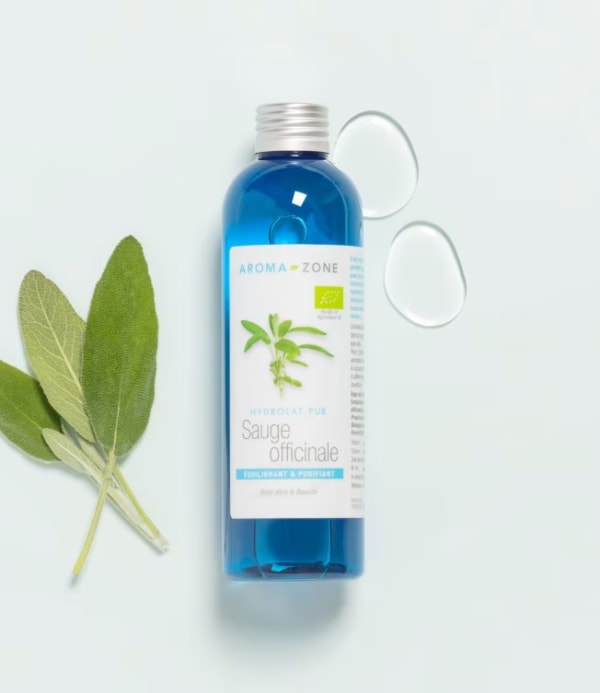
Take baths with common sage hydrosol to strengthen the vaginal flora.

2. Soothe Vaginitis Topically

Make compresses using plain, organic yoghurt, which is particularly rich in probiotics. Soak a compress in yoghurt (sugar-free!) and insert it into the vaginal opening. Leave it in for 1 hour, twice a day for fifteen days. 

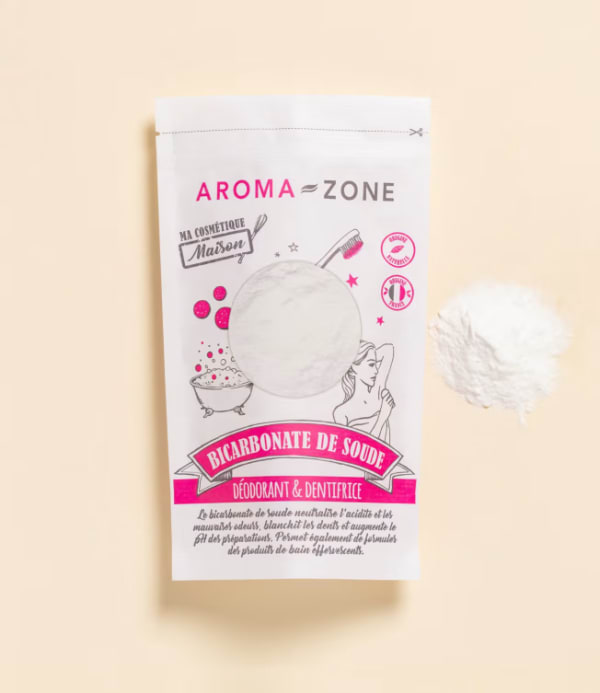
Take a bicarbonate of soda sitz bath. Mix 1 tablespoon into 1 litre of lukewarm water to alkalise the area. Do not rinse and pat dry gently without rubbing.

3. Boost Your Immunity

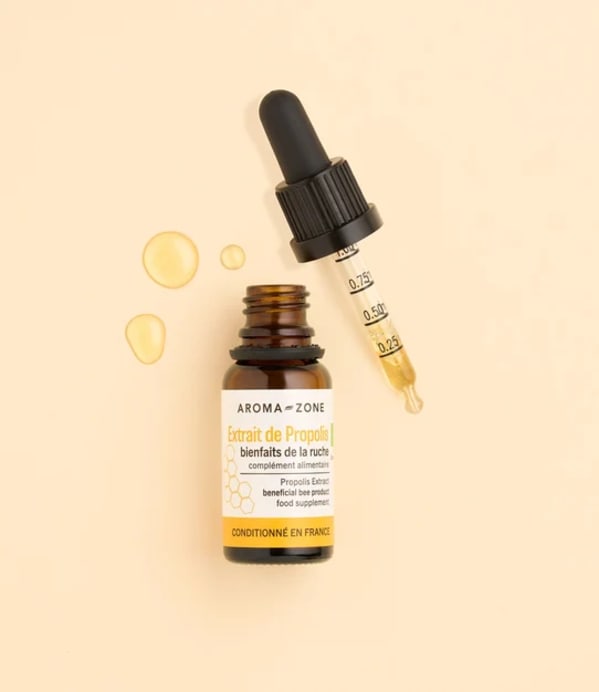
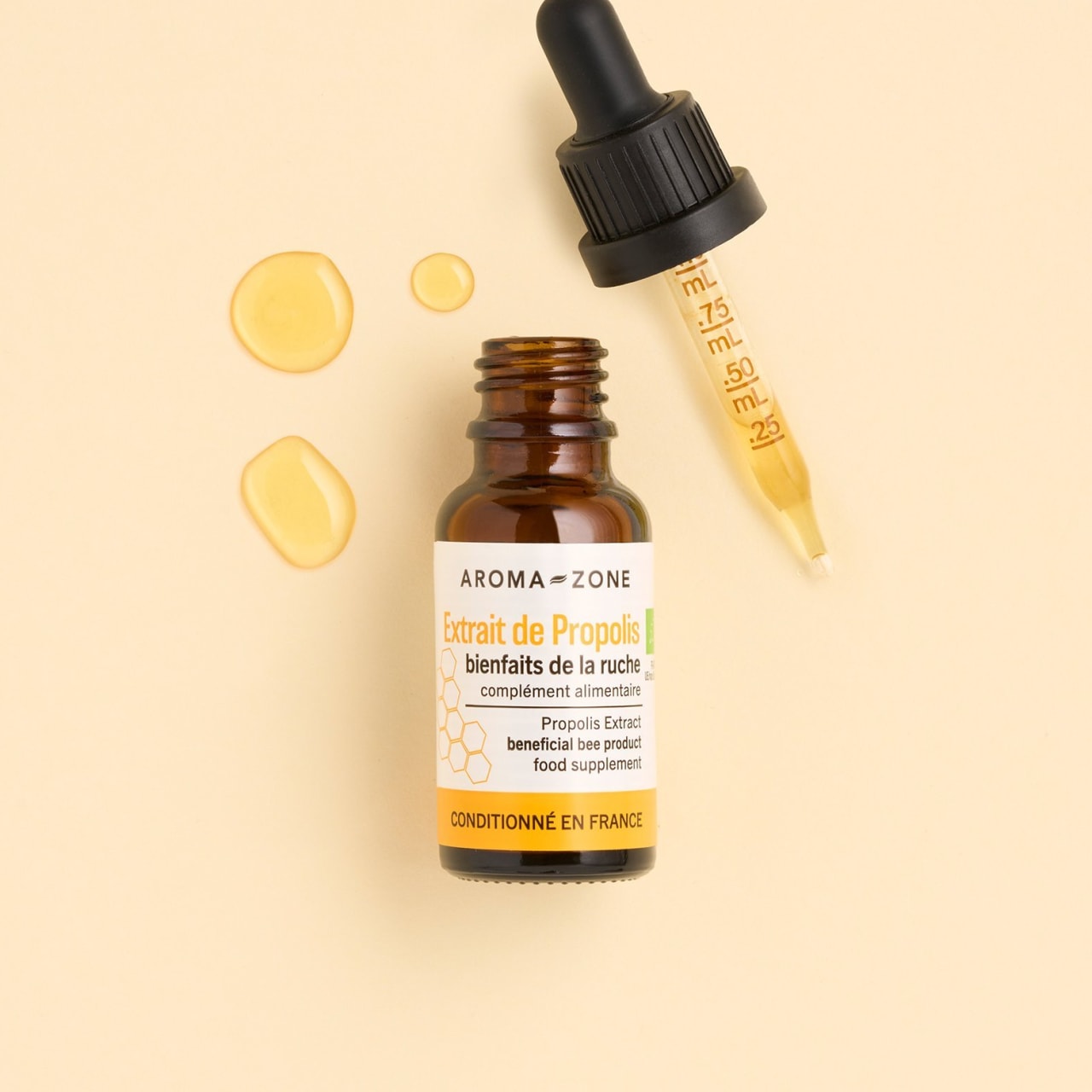
You can follow a course of treatment with Propolis: one 1ml per day, either on the tongue or diluted in a glass of water, for 21 days.

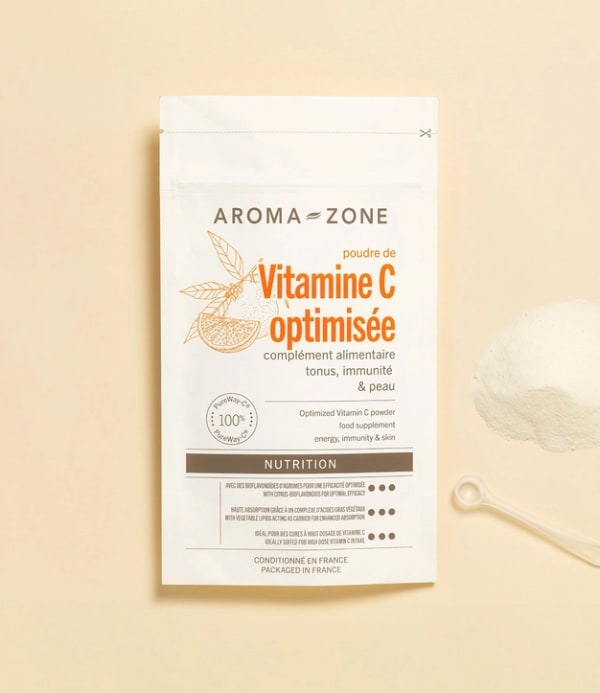
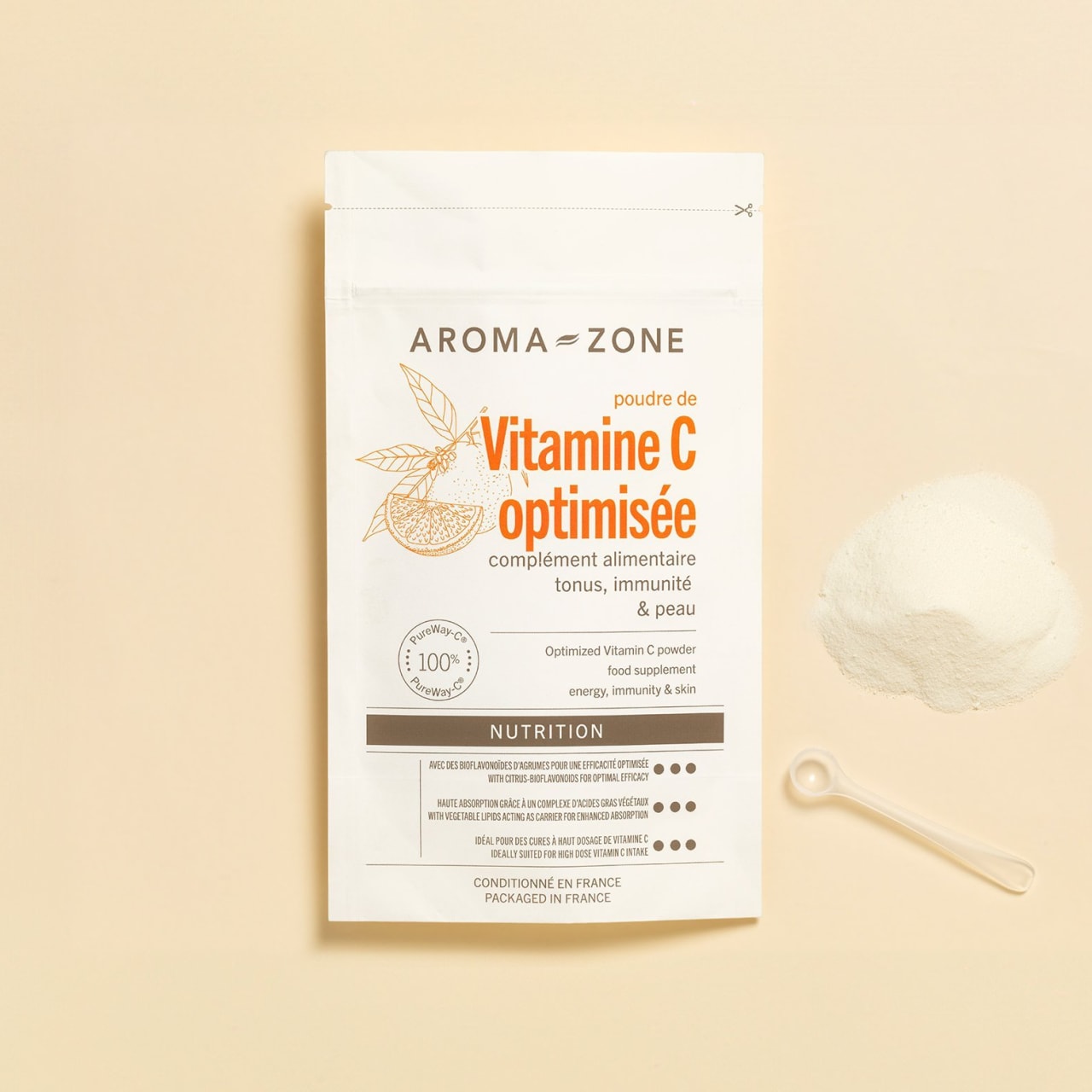
You can also take a dietary supplement containing Vitamin C: 1 to 2 measuring spoons of 500mg powder per day for 1 to 3 months (for the Aroma-Zone Optimised Vitamin C Powder), diluted in a glass of water or fruit juice.

4. Adopt a Suitable Diet

Eat foods rich in probiotics (lacto-fermented products) and prebiotics (fibre and mucilage).

Consume natural antifungals such as garlic and turmeric.

Avoid foods that encourage the growth of Candida: sugars with a high glycaemic index, foods high in mould and yeast, overripe fruit, alcohol, and ultra-processed foods.

5. Learn How to Manage Your Stress More Effectively

Stress is one of the risk factors for vaginitis. Learn how to manage it by practising relaxation techniques, such as yoga, meditation, walks in nature, deep breathing, and Qi Gong.

Discover Our Natural Remedies to Relieve Your Symptoms

Organic Sage Hydrosol

Known for combating skin blemishes linked to the female cycle and the menopause, it is an ingredient of choice for oily skin. It is also renowned as an active ingredient for regulating perspiration and enhancing the beauty of the hair.

Discover Organic Sage Hydrosol

Bicarbonate of Soda

The ultimate multi-purpose product, bicarbonate of soda, or sodium bicarbonate, can be used in cosmetics, cooking, household cleaning, and gardening. It’s an alkaline pH adjuster that will help raise the pH of your preparations.

Discover Bicarbonate of Soda

Organic Propolis Extract – 20 ml – Food supplement

Organic Propolis Extract – 20ml – Food supplement

An essential ally for winter, propolis is a true natural treasure produced by bees to protect the hive from pathogens. Alcohol-free, sugar-free and preservative-free, this organic brown propolis extract has a guaranteed high polyphenol content of 12mg/ml and contains the full range of propolis’s many active ingredients.

Discover Organic Propolis Extract – 20ml – Food Supplement

Optimised Vitamin C Powder

Ideal for boosting immunity before winter or in cases of temporary fatigue, Vitamin C is an essential dietary supplement that can be taken daily or as a short course to give you a boost. Vitamin C is also a great ally for skin health as it plays a role in collagen synthesis and helps combat oxidative stress.

Discover Optimised Vitamin C Powder

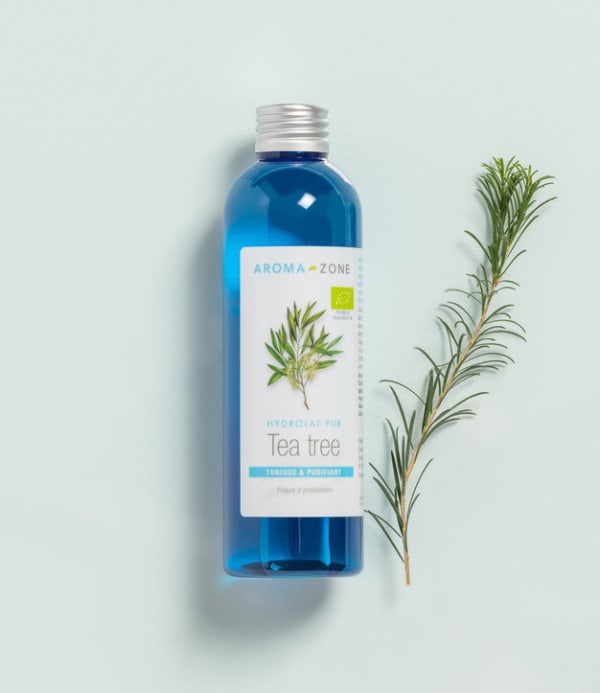
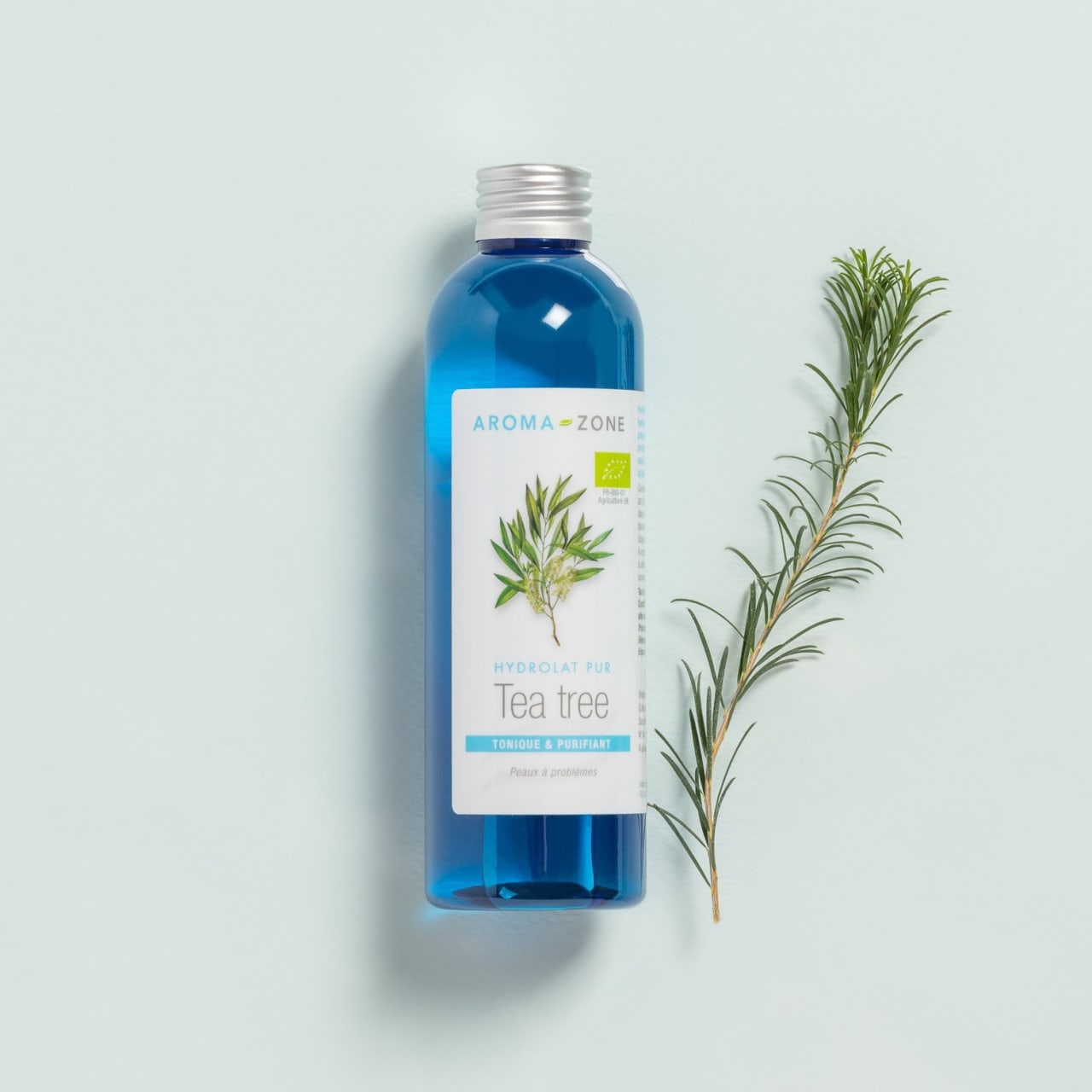
Organic tea tree hydrosol

Organic Tea Tree Hydrosol

With its purifying properties, this hydrosol can be used in your homemade skincare products for acne-prone and blemish-prone skin. It is also renowned for its invigorating effects when you’re feeling run down.

Discover Organic Tea Tree Hydrosol

What Routine Should You Follow for Intimate Hygiene?

The ‘Rule of 3’ for Intimate Hygiene

For your intimate hygiene

  • Choose very gentle intimate hygiene products

  • Rinse the vulva with a mixture of water and tea tree hydrosol

  • Use a cotton towel and cotton underwear

Things to Avoid

  • Avoid perfumed soaps and wipes

  • Don’t wash more than once a day

  • Do not douche, as this is too harsh on the vaginal flora

  • Avoid underwear made from synthetic fibres

  • Avoid tampons and menstrual cups if you’re prone to infections; opt for period panties instead

Precautions for Use

Be sure to check the list of contraindications for each product carefully, particularly if you are pregnant or breastfeeding. 

Regarding the use of certain dietary supplements to relieve the symptoms of vaginitis:

Propolis:

  • Propolis is not recommended for people allergic to bee products, pregnant, or breastfeeding women, or children under 6 years of age without medical advice

  • Do not use for prolonged periods (more than 3 weeks)

Vitamin C:

  • Vitamin C supplements are for adults only

  • Pregnant or breastfeeding women are advised to consult a healthcare professional before taking any supplements

  • Adhere to the recommended daily doses

Always consult your doctor first.*

Expert Advice

Simply managing the symptoms isn’t enough. It’s important to ask yourself what’s causing your problem: is it a specific incident? Inappropriate hygiene habits? A hormonal imbalance? Excessive stress? 

Especially when vaginitis or yeast infections are recurring, it’s worth taking a holistic look at your lifestyle and adopting some healthy habits to boost your vitality. 

A healthcare professional or naturopath can help you with this process.

Spotlight on Our Specialist Editor: Marie-Adine Bories

Marie Adine.jpg

Marie-Adine is a naturopath and a graduate of the Institut de Naturopathie Humaniste. For several years now, she has been helping her clients to be proactive about their own health by creating personalised, educational programmes. Passionate about our emotions and their impact on our ability to heal, she teaches a range of health techniques to help us manage stress, improve sleep, and boost vitality.

Frequently Asked Questions

Frequently Asked Questions