
The term "herpes circinatus" refers to a dermatophytosis affecting hairless skin, i.e. the non-hairy areas of the body. The term is misleading: it has no connection with viruses of the Herpesviridae family. It is a fungal infection, caused by filamentous fungi known as dermatophytes. These microorganisms feed on keratin, a protein found in abundance in the outer layers of the skin. Clinically, this condition presents as one or more rounded, well-defined, erythematous-squamous patches (red with scales), the outer edge of which is more active and raised. The paler centre gives the lesion a ring-like appearance, typical of this fungal infection. This pattern has inspired the comparison with the Wheel of Saint Catherine, a religious figure who was martyred on a wheel. Ringworm is a contagious condition, transmitted through direct contact with infected skin, or indirectly via contaminated surfaces or objects.

Ringworm: Causes and symptoms?
Published on: Thursday, April 17, 2025, Updated on: Wednesday, October 28, 2026
Ringworm is a skin condition that's often unfamiliar to the general public, despite how common it is. Despite the name, it has nothing to do with worms. It's actually a superficial fungal infection of the skin, caused by dermatophyte fungi, the same family responsible for conditions like athlete's foot. This skin condition typically appears as red, circular patches, often scaly and itchy, with the ring-like shape giving it its misleading name. While not dangerous, it is contagious and can spread quickly without appropriate treatment.
Contents
Related products

Soothing
£4.00
100 g
Soothing
Purifying
£4.00
100 g
What Is Ringworm?
What causes these circular red patches on the skin?
Circular herpes is caused by infection with dermatophytes, mainly species of the genera Trichophyton, Microsporum and Epidermophyton. These fungi grow in the superficial layers of the epidermis without invading living tissue. Several sources of infection have been identified.
Contagion from person to person
It results from contact between people, either directly or via shared objects. The species most commonly involved are Trichophyton rubrum and Trichophyton interdigitale. Damp public places (swimming pools, changing rooms, communal showers) facilitate transmission.
Contagion from animals
Contact with infected pets (cats, dogs, rabbits) is a common route of transmission, particularly among children. Microsporum canis, a zoophilic fungus, is often the cause. The lesions may then be more inflammatory.
Soil-borne infection
Although rarer, it involves exposure to soil contaminated with fungal spores, particularly when walking barefoot in damp or soiled environments.
What are the symptoms associated with this fungal skin infection?
Ringworm presents with a series of easily recognisable skin signs, although these may be confused with other skin conditions.
Red circular patches: the lesions are ring-shaped, bordered by a raised, inflamed rim, which is sometimes vesicular.
Central desquamation: the centre of the patch is often paler, dry, and shows fine scaling.
Progressive spread: the lesion expands outwards, sometimes reaching several centimetres in diameter.
Moderate to severe itching: pruritus is common, particularly during the active phase.
Increase in the number of lesions: in the event of secondary infection or self-inoculation, several plaques may appear.
Variable location: the trunk, arms, legs and neck are the areas most commonly affected.
What are the medical recommendations for treating this fungal skin infection?
This condition warrants a visit to the doctor for an accurate diagnosis and an appropriate prescription. Treatment is based on an antifungal strategy tailored to the severity and extent of the lesions.
Topical treatment: as a first-line treatment, antifungal creams should be applied twice daily for 2 to 4 weeks.
Systemic treatment: if topical treatment fails or there are multiple lesions, an oral antifungal may be prescribed.
Combinations not recommended: corticosteroids alone should be avoided, as they mask the symptoms without treating the infection and promote so-called ‘tinea incognito’ forms.
Hygiene measures: wash daily with water and mild soap; change clothes frequently; wash bed linen and towels at 60 °C; avoid prolonged physical contact
What natural remedies are available to relieve the symptoms?
Certain natural products can provide relief, alongside medical treatment.
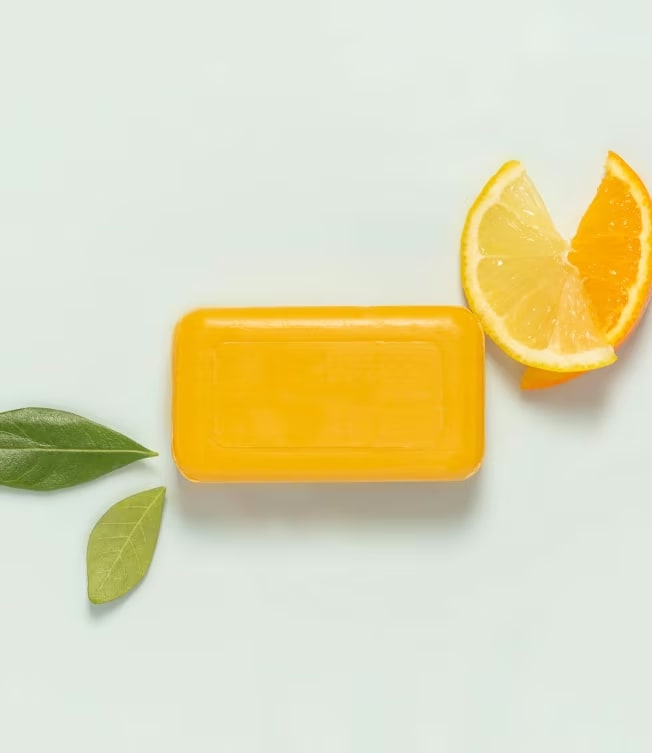
Extra-mild vegetable soap
Certified organic, this exceptionally gentle soap combines essential oils of mandarin, orange and petitgrain with apricot kernel oil, renowned for its emollient properties. It respects the skin’s hydrolipidic film – the thin natural barrier that protects it – and helps to maintain a feeling of freshness and suppleness. Its fruity scent, with sunny, citrusy notes, delicately envelops the skin in a light and pleasant fragrance.
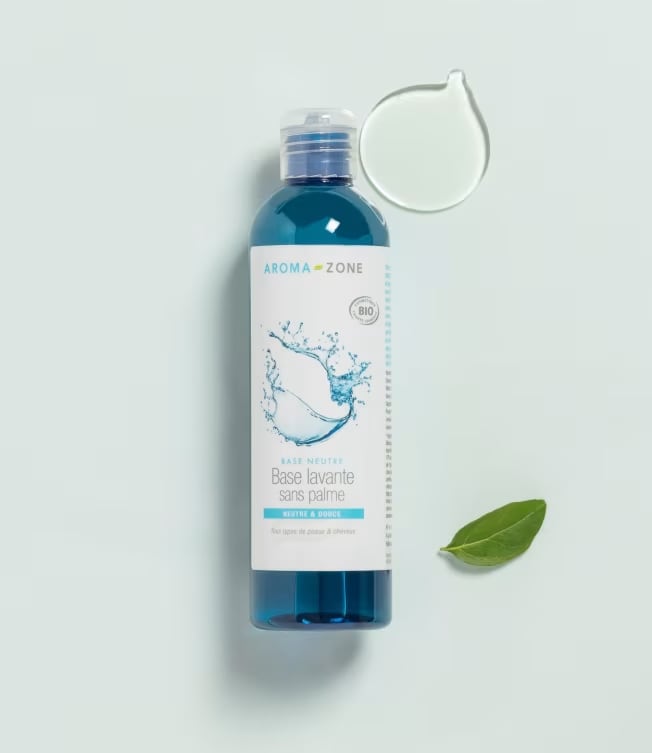
Neutral, palm-oil-free cleansing base
Formulated using 100% naturally derived ingredients and certified organic, this cleansing base combines the benefits of organic verbena hydrosol, organic aloe vera and organic vegetable glycerine, known for their soothing, softening and refreshing properties. Free from sulphates and palm oil derivatives, it cleanses the skin and hair whilst respecting their natural balance.
What routine should you follow to prevent this fungal skin infection?
Preventing recurrences of ringworm (herpes circinatus), or, more broadly, cutaneous dermatophytoses, relies on rigorous hygiene, keeping one's personal environment clean, and a few simple adjustments to daily routines. This routine, which should be followed systematically during high-risk periods (hot and humid weather, intensive exercise, close contact with others), aims to prevent the proliferation of fungi on the skin and in its immediate surroundings.
Clean the skin morning and evening using a fragrance-free dermatological soap, preferably a moisturising one, to preserve the hydrolipidic film whilst removing sweat residues and any fungal spores.
Dry all areas thoroughly, without rubbing, particularly skin folds (groin, under the breasts, armpits, behind the knees). Residual moisture is a major factor in maceration and fungal growth.
Wear loose-fitting clothing made from natural fibres (such as cotton or linen) to minimise excessive sweating. Avoid synthetic materials, especially where they come into direct contact with the skin.
Change your underwear and sportswear daily, even if there is no visible perspiration. After physical activity, it is recommended that you take a quick shower and put on clean clothes.
Regularly disinfect items and textiles that come into contact with the skin: Towels, sheets, pillowcases, nightwear, as well as shoes, exercise mats and shared equipment. Washing at 60 °C is recommended as soon as possible. Alternatively, using a specific antifungal spray or a suitable textile disinfectant is a valid option.
Air out your shoes and alternate between pairs from one day to the next to allow them to dry thoroughly. Placing a sachet of bicarbonate of soda or a moisture absorber in your shoes once or twice a week can help to sanitise the inside.
Avoid sharing household linen, washcloths or sports equipment. Each member of the household, particularly if they have a suspicious skin lesion, should have their own personal items.
Check for potential animal sources (cats, dogs, rodents), especially if a child is affected. A veterinary examination is recommended if an animal has areas of hair loss or flaky skin.
Monitor for the appearance of new lesions: In the event of a circular red patch, do not apply corticosteroids without a diagnosis, and seek medical advice promptly to prevent the condition from spreading or developing into an atypical form.
Related recipes


Standard precautions
Natural products, even if well tolerated, are no substitute for a prescribed antifungal treatment. If there is any doubt about the cause of a skin lesion, medical advice is essential.
Expert Advice
Ringworm is a benign but contagious fungal infection of hairless skin. With properly managed antifungal treatment, the prognosis is generally favourable. To prevent recurrence, it is essential to identify the source of infection and maintain strict hygiene.
Meet Our Expert Writer: Stéphanie Le Guillou

Stéphanie is a pharmacist (since 2010) and holds a PhD in molecular biology (since 2012). Passionate about writing, she has produced medical content for nearly 15 years. Her goal is to make information accessible and easy to understand, without ever sacrificing scientific accuracy.
Bibliography
National Union of Dermatologists and Venereologists. Fungal infections of the skin, mucous membranes, hair and nails.
https://dermatos.fr/les-mycoses-cutanees-peau-muqueuses-cheveux-et-ongles/

Frequently Asked Questions
Associated tips
Skin care tips

Face care tips


