Chlorophyll: What Are the Health Benefits?

Chlorophyll: What Are the Health Benefits?


By Marie Anne Vion

Published on: Monday, May 19, 2025, Updated on: Tuesday, November 03, 2026

Natural, plant-based, and rich in pigments, chlorophyll is known for its effects on digestion, energy, breath, and even the skin. Found in green plants, certain algae, and matcha, it's also available in powder or supplement form. Why is this ingredient so sought-after? And how can you incorporate it safely into a wellness routine? Discover its benefits and the best ways to use it day to day.

Contents

Related products

What is chlorophyll?

Chlorophyll is the natural pigment that gives plants their green colour. Found in leaves, it plays a fundamental role in photosynthesis: it captures light and converts it into energy. But beyond its role in plants, it offers real benefits for the human body.

Extracted from algae, alfalfa, or spinach, it is available as a supplement in various forms: liquid, powder, or capsules. Some formulations combine chlorophyll with magnesium, a mineral with which it acts synergistically. This is known as magnesium-bound chlorophyll, recognised for its bioavailability and gentle absorption.

This natural active ingredient easily fits into a wellness routine, whether to support digestion, vitality, skin health, or oral hygiene.

What is its role?

Chlorophyll plays a dual essential role, both for plants and for humans.

In plants, it is at the heart of photosynthesis: it captures light energy and enables the conversion of carbon dioxide into glucose, the foundation of the entire food chain. Without chlorophyll, plants cannot grow or produce oxygen, a vital element for all living beings.

In humans, this plant pigment acts as a natural support for several key functions: oxygenation, elimination, acid-base balance, and digestive comfort. Its structure, similar to that of hemoglobin, partly explains its beneficial effects on the body.

Why might it be beneficial to use?

Easy to incorporate into a wellness routine, chlorophyll can support various daily needs. It offers natural support in many situations, as a complement to a balanced diet.

For digestive issues or bloating

Chlorophyll is often used to promote better digestive comfort. It helps limit fermentation, regulate intestinal gas, and soothe feelings of heaviness after meals. Its gentle effect on the microbiome makes it a valuable ally for sensitive stomachs. That’s why chlorella is often recommended to relieve bloating.

During periods of fatigue or low energy

Its structure, similar to that of hemoglobin, makes it a useful aid for cellular oxygenation. When combined with a healthy lifestyle, it can help restore vitality, particularly during periods of overwork or seasonal changes.

As part of a rebalancing regimen

Chlorophyll is also highly popular in so-called “detox” routines thanks to its cleansing properties. With no irritating effects, it can be gently incorporated to support a return to eating or a transition phase.

For skin prone to breakouts or imbalances

Thanks to its purifying properties and its gentle effect on intestinal balance, chlorophyll can help improve the appearance of certain skin types that are oily or prone to breakouts. By supporting the body’s elimination functions, it can have an indirect beneficial effect on skin radiance and regulation, particularly when there is a link between digestion and skin balance.

Chlorophyll benefits

It gently supports several key bodily functions and can address various needs, depending on the form chosen and how regularly it is taken.

It is particularly known for:

  • Contributes to improved digestive comfort by limiting intestinal fermentation and promoting the balance of the gut microbiota

  • Naturally freshens breath, thanks to its cleansing properties in the oral cavity

  • Supports cellular oxygenation, which helps maintain energy and vitality, particularly during periods of fatigue

  • Supports seasonal transitions by stimulating the body’s natural elimination functions

  • Improves skin radiance and helps regulate blemishes by acting indirectly through toxin elimination and support of the emunctory organs

  • Promotes acid-base balance by helping to neutralise excess acidity in the modern diet

  • Strengthens natural defences: thanks to its antioxidant content and its potential to support red blood cell formation

Note

These effects vary depending on the form used (liquid, magnesium-based, mentholated, for internal or external use) and each person’s specific needs. Regular consumption, as part of a healthy lifestyle, allows you to fully benefit from its natural properties.

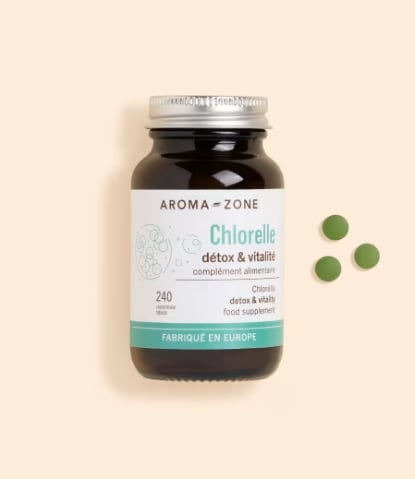
Spotlight on Our Organic Chlorella Dietary Supplement Tablets

Chlorelle - 360 comprim%C3%A9s - Compl%C3%A9ment alimentaire

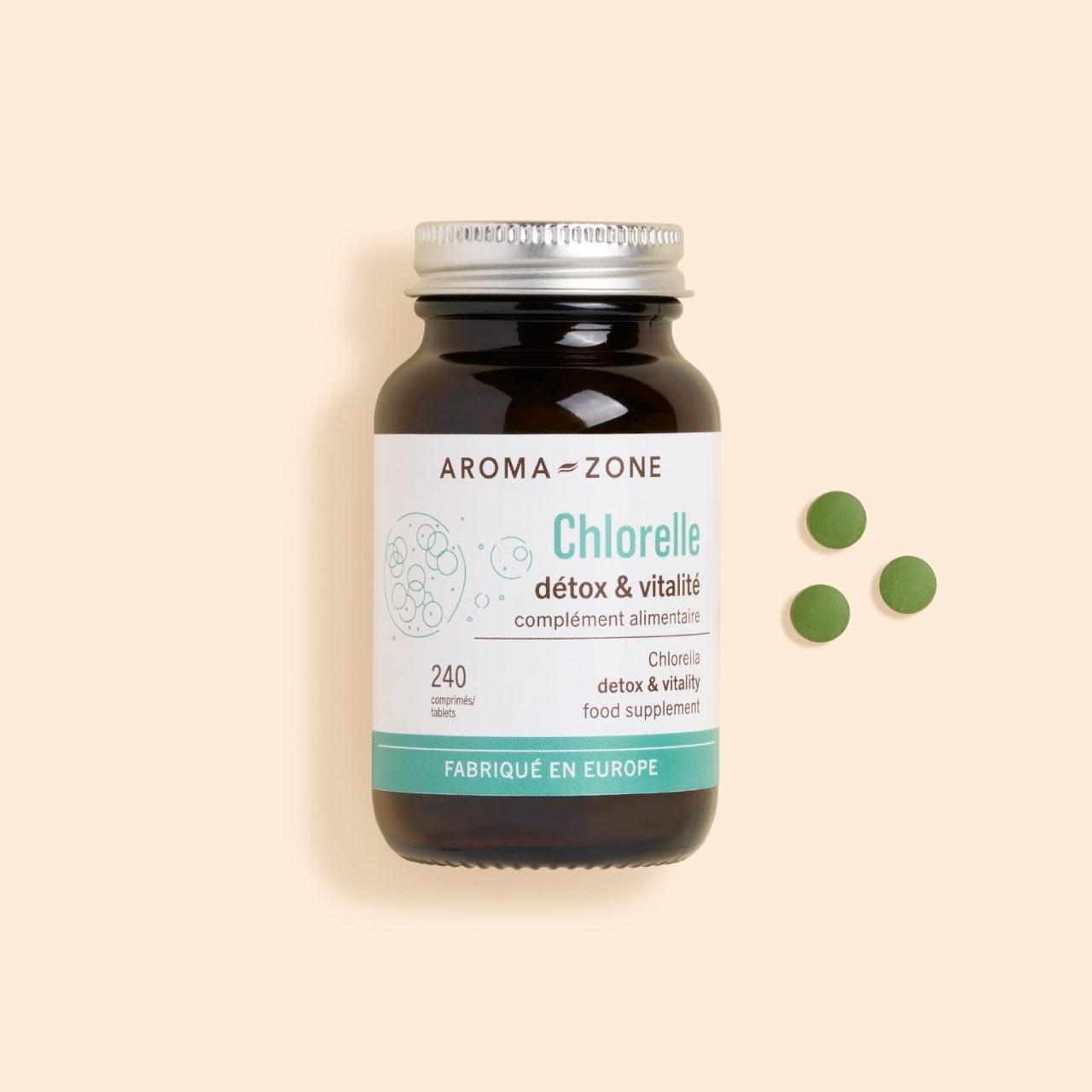
Treat your body to the detoxifying and revitalising benefits of chlorella, a freshwater microalgae exceptionally rich in chlorophyll, protein, and minerals. 100% plant-based and organic, it is grown in a controlled environment, free from additives and preservatives.

Ideal for supporting elimination functions, boosting vitality, and rebalancing gut flora, chlorella easily fits into your routine thanks to its convenient tablet form. A simple regimen to help you through seasonal changes or complement your wellness routine.

Discover our Chlorella Dietary Supplement - 240 tablets

Not recommended for pregnant or breastfeeding women without medical advice. Do not exceed the recommended daily dose. Keep out of reach of children.

What skin and hair types is it suitable for?

While chlorophyll is best known for its digestive and energy-boosting benefits, it can also be beneficial in certain skincare routines, particularly for blemish-prone skin and oily scalps.

Skin prone to breakouts

Thanks to its purifying properties, chlorophyll can help rebalance skin prone to oiliness, enlarged pores, or occasional breakouts. It works from the inside by supporting the elimination of toxins, which can help improve the skin’s appearance, particularly when digestive imbalances are linked to skin conditions.

Hair and Scalp

For some people, a chlorophyll regimen can help improve sebum regulation, particularly on the scalp. It can therefore be incorporated into routines targeting oily hair or scalp discomfort. This benefit is indirect but consistent with its overall effect on internal balance.

In what forms can you find it?

When extracted for use as a supplement, it is available in several forms:

As dietary supplements: Chlorophyll is generally available in liquid form (magnesium chlorophyll), in capsules, or in tablets. These products are specifically formulated for oral use, often to support digestion, reduce body odour, or boost energy.

In the form of microalgae such as chlorella or spirulina, which are naturally rich in chlorophyll and approved for internal use. These algae come in powder or tablet form, to be diluted or incorporated into a nutritional routine.

In cosmetic form, such as the Liquid Chlorophyll Colouring Agent offered by Aroma-Zone. This product is intended solely for external use: to colour your homemade preparations or to formulate deodorant products, thanks to its purifying properties. It must not be ingested.

Before consumption, it is essential to clearly distinguish between products intended for internal use and those reserved for cosmetic use.

What are its potential side effects?

Chlorophyll is generally well-tolerated, especially when consumed in moderate doses. However, some people may experience mild digestive discomfort at the start of a regimen, such as nausea, looser stools, or a greenish tint to urine or stools. This is a harmless effect, though it can sometimes be surprising.

In sensitive individuals, reactions such as stomachaches or a slight increase in bowel movements may occur. These symptoms are rare and temporary.

If in doubt or if you have specific health concerns (ongoing treatment, intestinal sensitivity), it is recommended to start with low doses and seek medical advice.

Where can you find chlorophyll naturally in your diet?

Chlorophyll is naturally present in all green plants. The darker the colour, the higher the chlorophyll content. To consume it regularly, simply incorporate plants rich in this pigment into your meals, either raw or lightly cooked to preserve their nutrients.

Here are some foods particularly rich in chlorophyll:

  • Spinach

  • Arugula

  • Fresh parsley and cilantro

  • Swiss chard

  • Broccoli

  • Kale

  • Matcha tea

  • Seaweed such as spirulina or chlorella

These plants can be added to salads, green juices, smoothies, or simply steamed. In addition to being rich in chlorophyll, they provide fibre, vitamins, and antioxidants, which are essential for a balanced diet.

What natural routine should you adopt to support digestion?

To help with digestive discomfort, you can create a simple routine by combining foods naturally rich in chlorophyll with plants known for their digestive benefits. Here’s a gentle, natural approach that’s easy to incorporate into your daily life:

1. Brew digestive herbal teas after meals

The Organic Digestive Mint herbal tea combines peppermint, known for its soothing properties on the digestive system, with other digestive herbs such as anise and fennel. It helps relieve bloating, aids digestion after a heavy meal, and provides a pleasant sensation of freshness. Enjoy it hot or warm, preferably after meals. Discover Organic Digestive Mint Herbal Tea

carre%C3%83 %C3%83 chlorelle aliments-

2. Supplement with chlorophyll-rich green algae

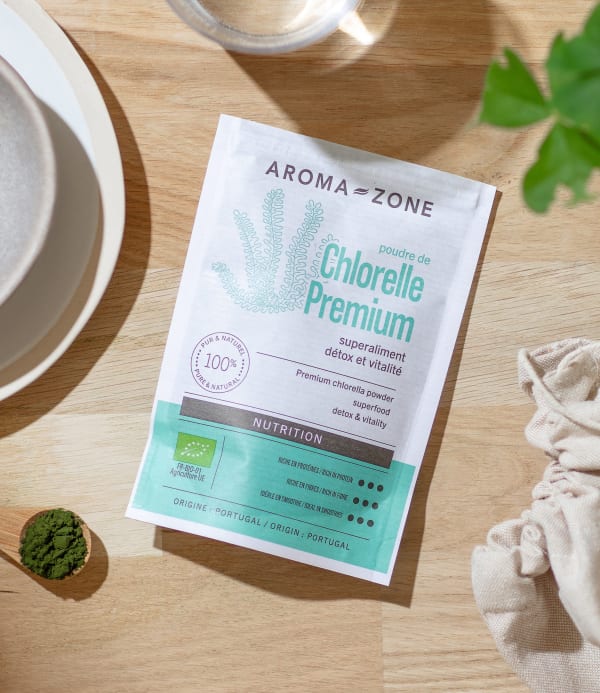
Chlorella powder, a freshwater microalgae exceptionally rich in chlorophyll, can be taken as a course of treatment to support elimination functions. It gently aids digestion and can help rebalance the gut flora.

Discover Premium Chlorella Powder

3. Incorporate matcha tea into a daily hot beverage

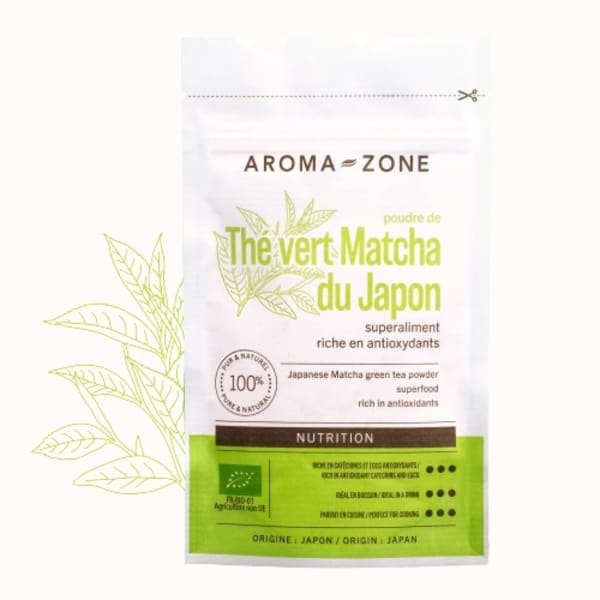
Matcha, rich in chlorophyll and antioxidants, can be added to a plant-based beverage or warm water. It provides gentle energy while promoting smoother digestion thanks to its high polyphenol content.

Discover Organic Matcha Green Tea Powder

4. Detoxify the body with spirulina

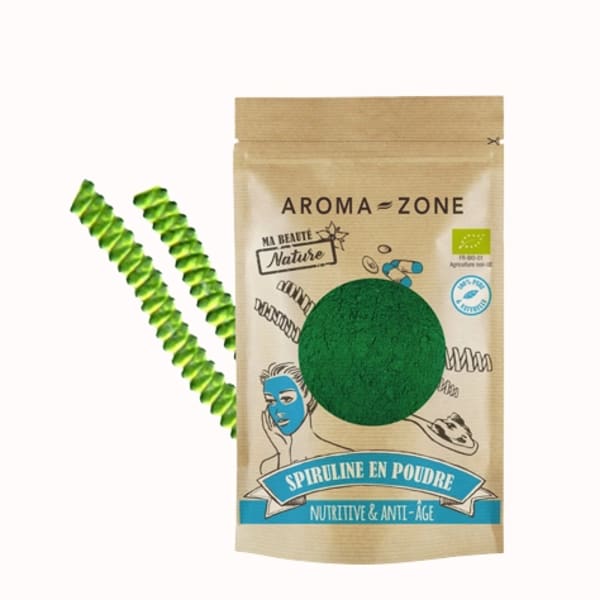
A natural source of chlorophyll, spirulina is also known for its purifying effects. It can help reduce digestive discomfort caused by an unbalanced diet, while supporting overall vitality.

Discover Organic Spirulina Powder

What precautions should you take before using it?

Chlorophyll is generally well-tolerated, but its use requires some precautions, especially in cases of digestive sensitivity, ongoing medical treatment, or specific health conditions. Like any plant-based supplement, it should be incorporated as part of a mindful approach tailored to your needs.

Before starting a course of treatment, it is advisable to consult a healthcare professional, particularly if you have persistent intestinal issues, kidney disease, or follow a specific diet.

Excessive or prolonged use without supervision can sometimes cause discomfort, such as accelerated bowel movements or abdominal discomfort. It is also important to carefully read the product ingredients, particularly for liquid forms or capsules containing concentrated extracts or magnesium.

Finally, caution is advised for pregnant or breastfeeding women, as there is insufficient data on safety in these situations.

Expert Tip

  • Chlorophyll is a valuable plant-based ingredient, but it should not be viewed as a miracle cure. Its benefits lie in consistent use, its gentle action, and how it complements an overall healthy lifestyle.

  • To fully experience its effects, it’s best to incorporate it into a simple, sustainable routine: a balanced diet, proper hydration, regular physical activity, and restful sleep naturally enhance its benefits.

  • When taking a course of treatment, choose formats suited to your needs and always start with moderate doses. The most important thing is to listen to your body and adjust your intake based on how you feel, without expecting immediate results.

Spotlight on Our Nutrition and Food Expert, Marie-Anne Vion

Marie-Anne Vion.jpg

Faced with digestive disorders such as IBS and SIBO, Marie-Anne turned to nutrition and natural solutions. Passionate about wellbeing, she is now studying dietetics and nutrition. She shares her expertise through articles that offer accessible advice and insights. Drawn to the brand's natural approach, she helps promote a balanced diet and self-reliance in health matters.

Bibliography

  1. VIDAL

    https://www.vidal.fr/parapharmacie/complements-alimentaires/chlorophylle.html

  2. Wikipedia

    https://fr.wikipedia.org/wiki/Chlorophylle

  3. PubMed

    https://pubmed.ncbi.nlm.nih.gov/37513218/

Frequently Asked Questions

Frequently Asked Questions