
A muscle contracture occurs when a muscle or group of muscle fibres contracts involuntarily, sometimes causing sharp pain. This condition is not serious, although it can be uncomfortable. Longer-lasting than a simple cramp, it generally persists for a longer period, lasting from a few hours to several days.

Calf Muscle Contractures: What Should You Do?
By Gipsy Dauge
Published on: Thursday, July 18, 2024, Updated on: Wednesday, October 28, 2026
Often mistaken for cramps, calf muscle contractures are common among athletes and can be quite uncomfortable, even though they're not serious. In this article, discover how to respond effectively if you experience a calf muscle contracture.
Contents
Related products
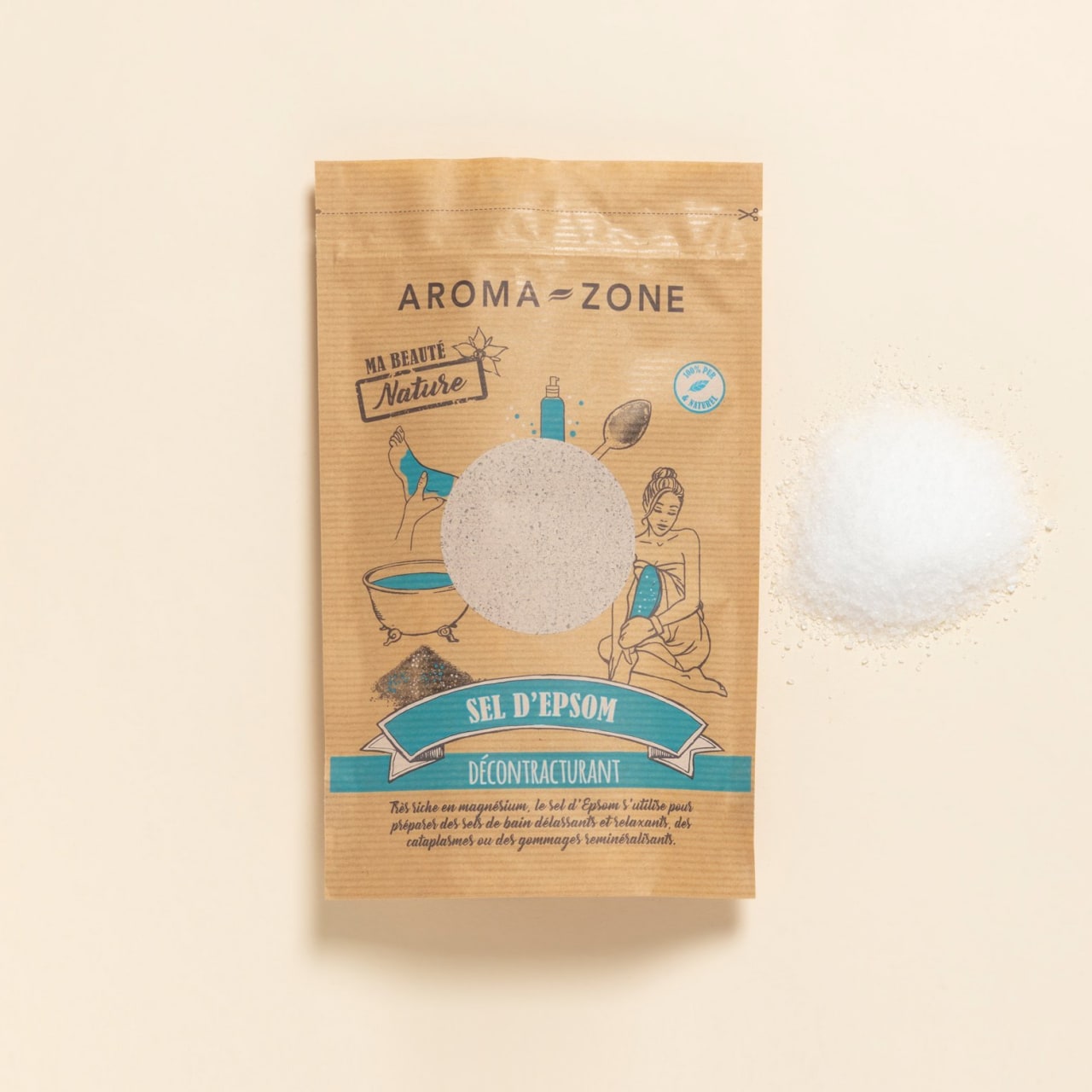
Epsom Salt
Exfoliating
£3.50
500 g

Soothing Balm With 5 Essential Oils
Sport
Relaxing
£7.00
25 g
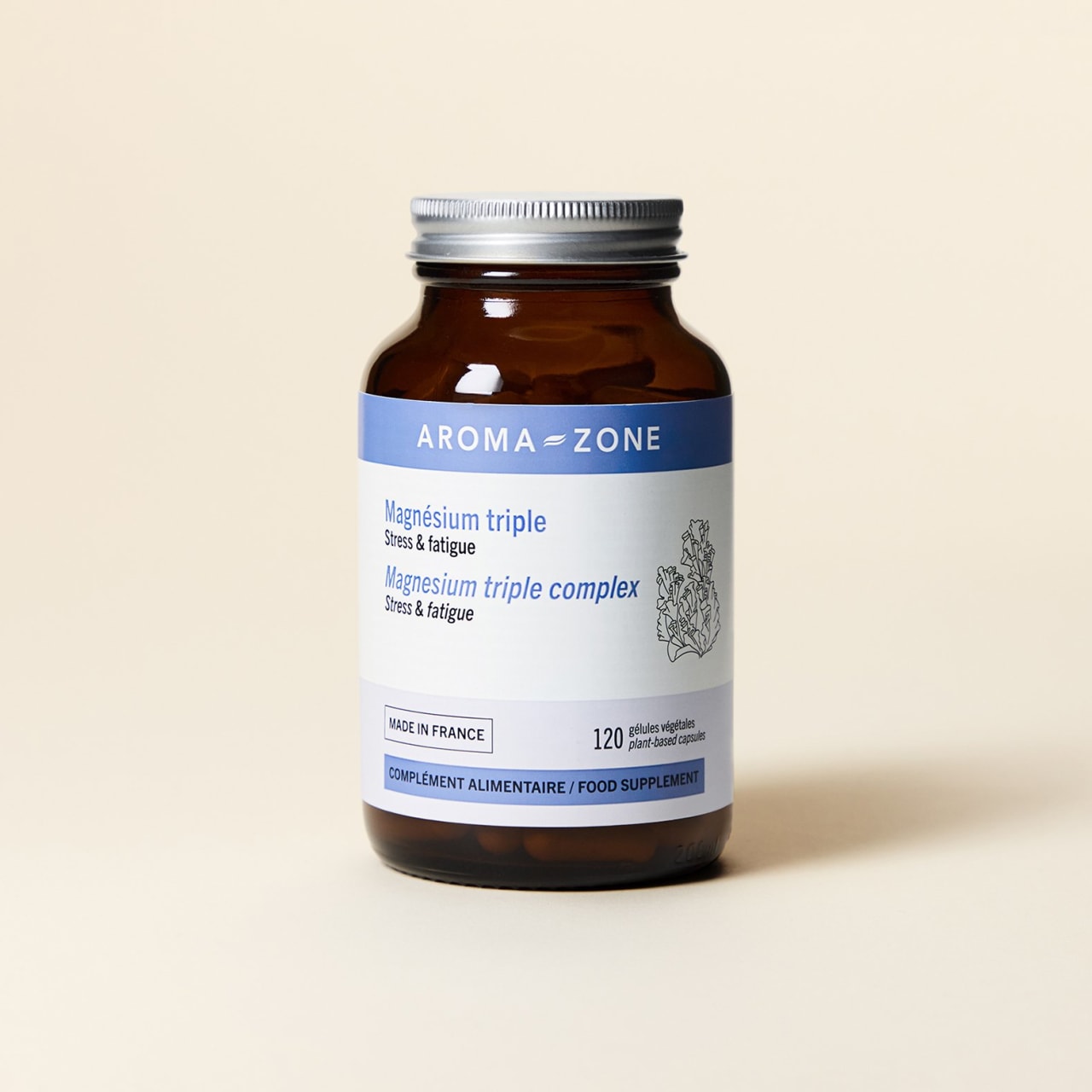
Triple Magnesium Complex - 120 Capsules
Vitality
Stress
£15.00
article
Organic Nigella (Black Cumin) Oil
Purifying
£5.60
£8.00
100 ml
What is a muscle contracture?
Why does a calf contracture occur?
Calf muscle spasms can result from various causes, such as muscle fatigue linked to intense physical exertion, dehydration, injuries, electrolyte imbalances, or poor posture.
How do I know if I have a calf contracture? What are the symptoms?
People affected by a calf contracture, whether it involves the gastrocnemius or the soleus muscle, generally experience pain of varying intensity, often made worse by pressure. The pain can feel like a stabbing sensation in the muscle, and a small lump may sometimes be visible. Worth noting: a calf contracture can last several weeks, though it typically persists for between 5 and 10 days.
Calf muscle cramps: what to do?
The first thing to do if you experience a calf muscle spasm is to rest. Once recovery has begun, you can use our natural remedies.

Epsom Salt
Take a warm bath enriched with a handful of Epsom salt. Its high content of bioavailable magnesium makes it renowned for its relaxing effects.

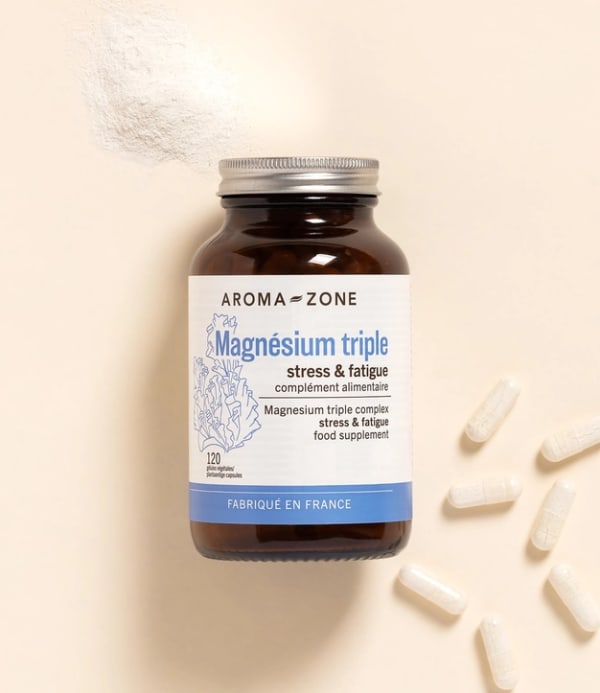
Triple Magnesium
To combat cramps and/or recurring muscle spasms, try a course of Triple Magnesium.
What steps can you take to naturally prevent calf contractures?
Here are some simple tips to help you naturally prevent calf muscle spasms:
Eat a healthy, varied, and balanced diet
Drink at least 1.5 litres of water per day, and more during intense physical activity
Take the time to warm up before exercising and stretch your muscles afterward
Get a massage or perform regular self-massages to relieve any muscle tension.
Our natural remedies to prevent muscle spasms






Precautions
Triple Magnesium:
For adults only.
Pregnant or breastfeeding women should consult a healthcare professional before taking any supplements.
Magnesium may have a laxative effect in some people.
Organic sea lettuce extract (seaweed) provides a small amount of iodine (<10 µg per daily dose of 3 capsules, or less than 6.7% of the Reference Intake of 150 µg/day for iodine). If you have thyroid issues, consult your doctor.
Expert advice
To effectively stretch your calves, stand with your back against a wall and gently pull your toes toward you, alternating sides. You’ll immediately feel the benefits of this stretch on your calf muscle pain.
Spotlight on Our Writer: Gipsy Dauge

Gipsy is a graduate of ESJ Paris. After 10 years’ experience in general and women’s magazines, she decided to specialise in writing about health and well-being. With a yin yoga qualification under her belt, she now skilfully combines her writing with her yoga mat. Her aim goes far beyond mere words. Her commitment runs deep: to help readers incorporate small tips into their daily lives that help them look after themselves and their environment. Every word is an invitation to adopt a balanced and fulfilling lifestyle.
Bibliography
Family Health Encyclopedia: Understanding, Preventing, and Treating

Frequently Asked Questions
Associated recipe

Associated tips
Aromatherapy advice

Muscle and joint comfort tips


