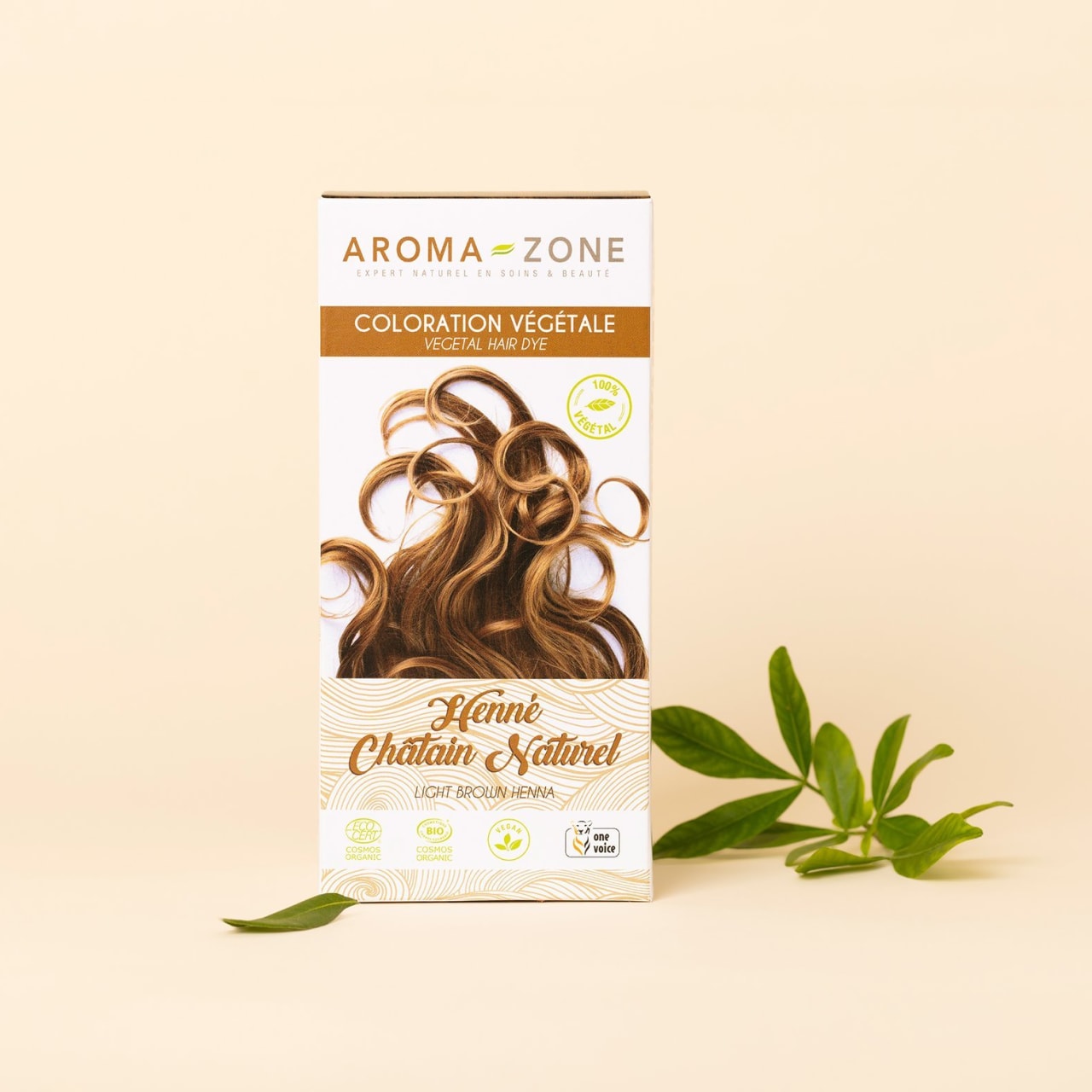
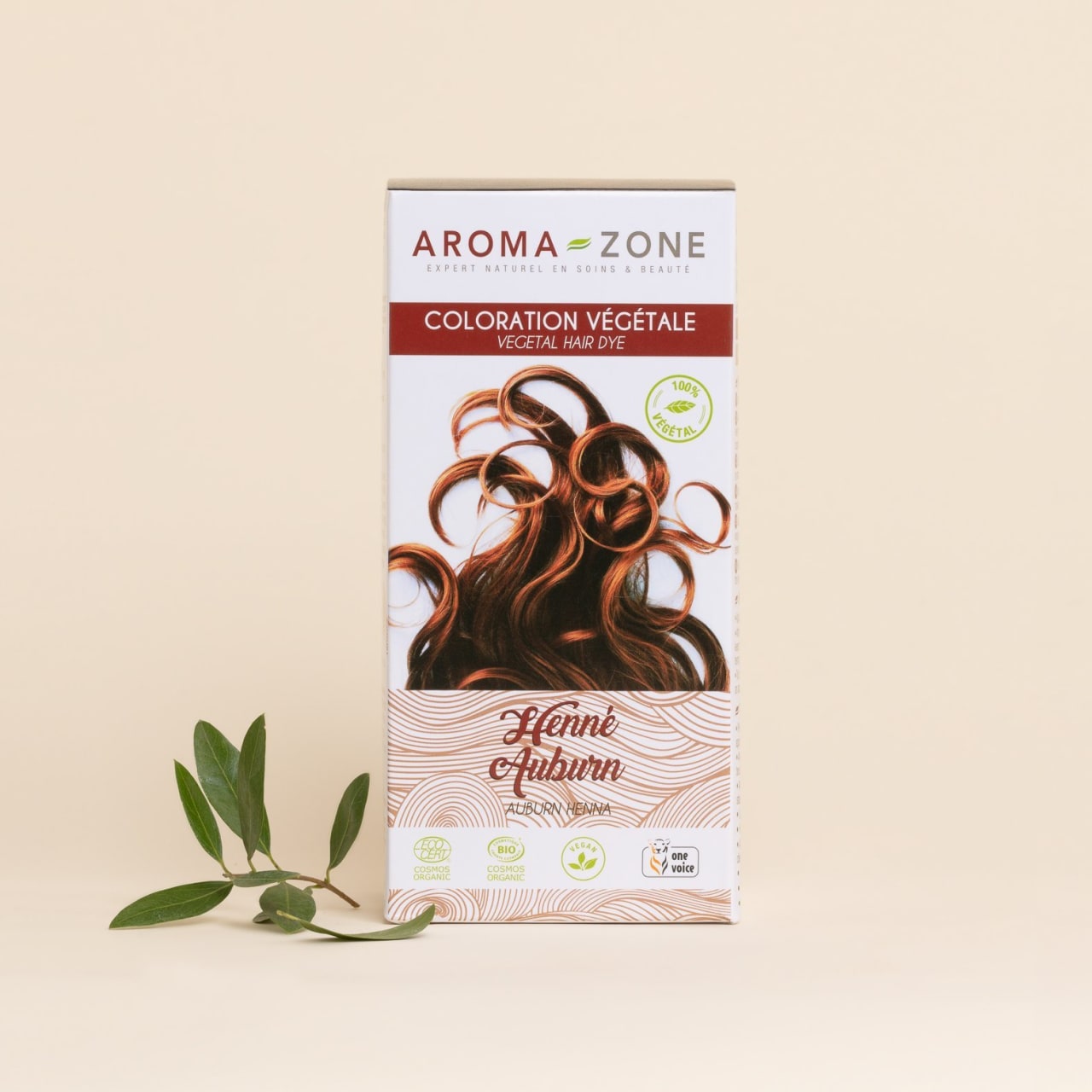
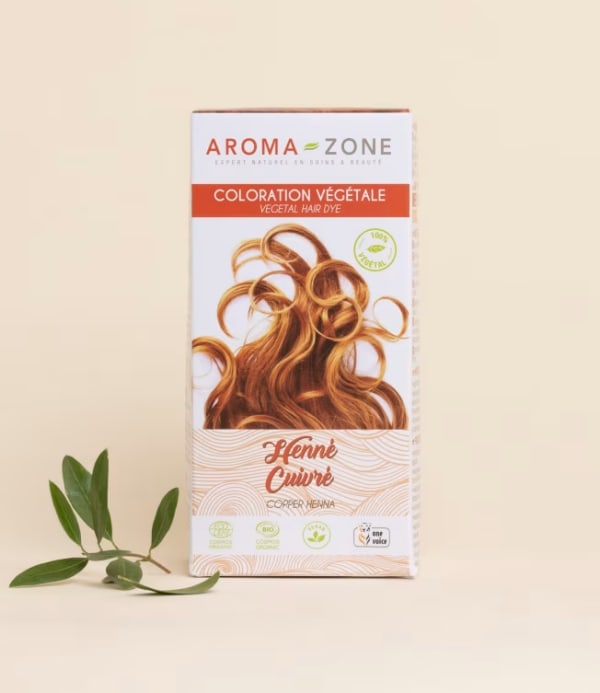
Prepare your hair carefully. It must be clean, dry, and thoroughly detangled. Keep hair clips handy if needed to make it easier to divide your hair into sections. Place a towel over your shoulders (choose one you don’t mind getting stained) and put on suitable gloves.
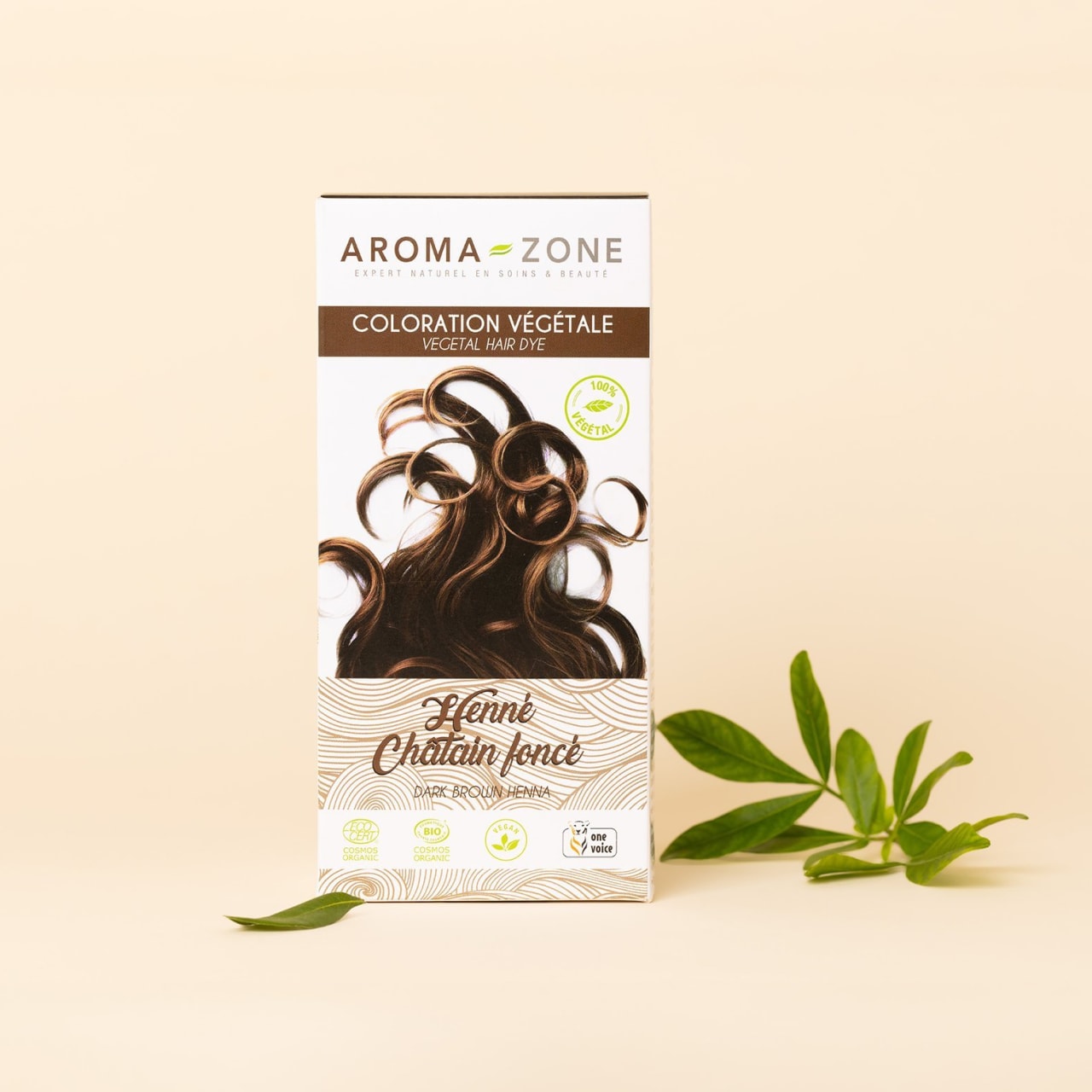
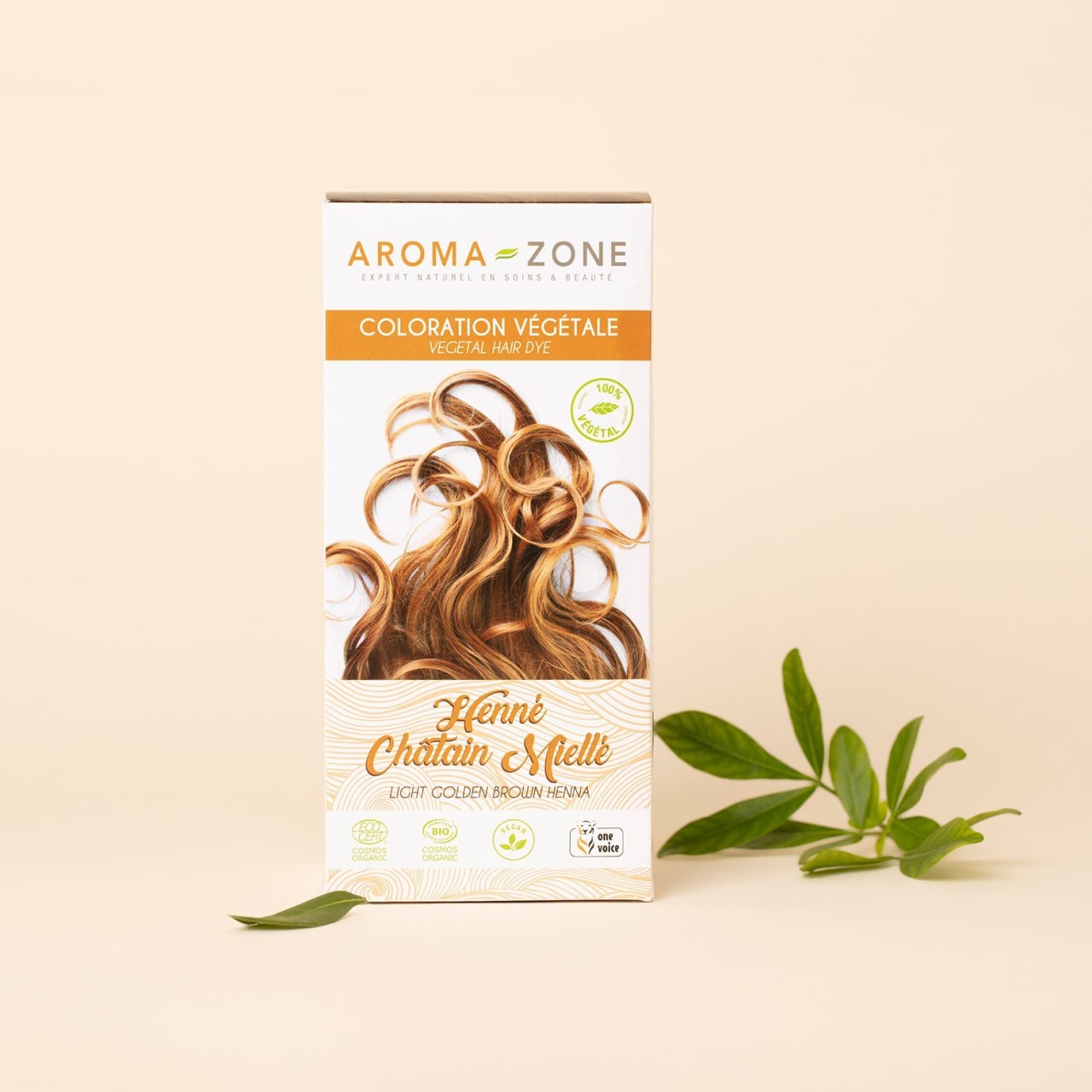
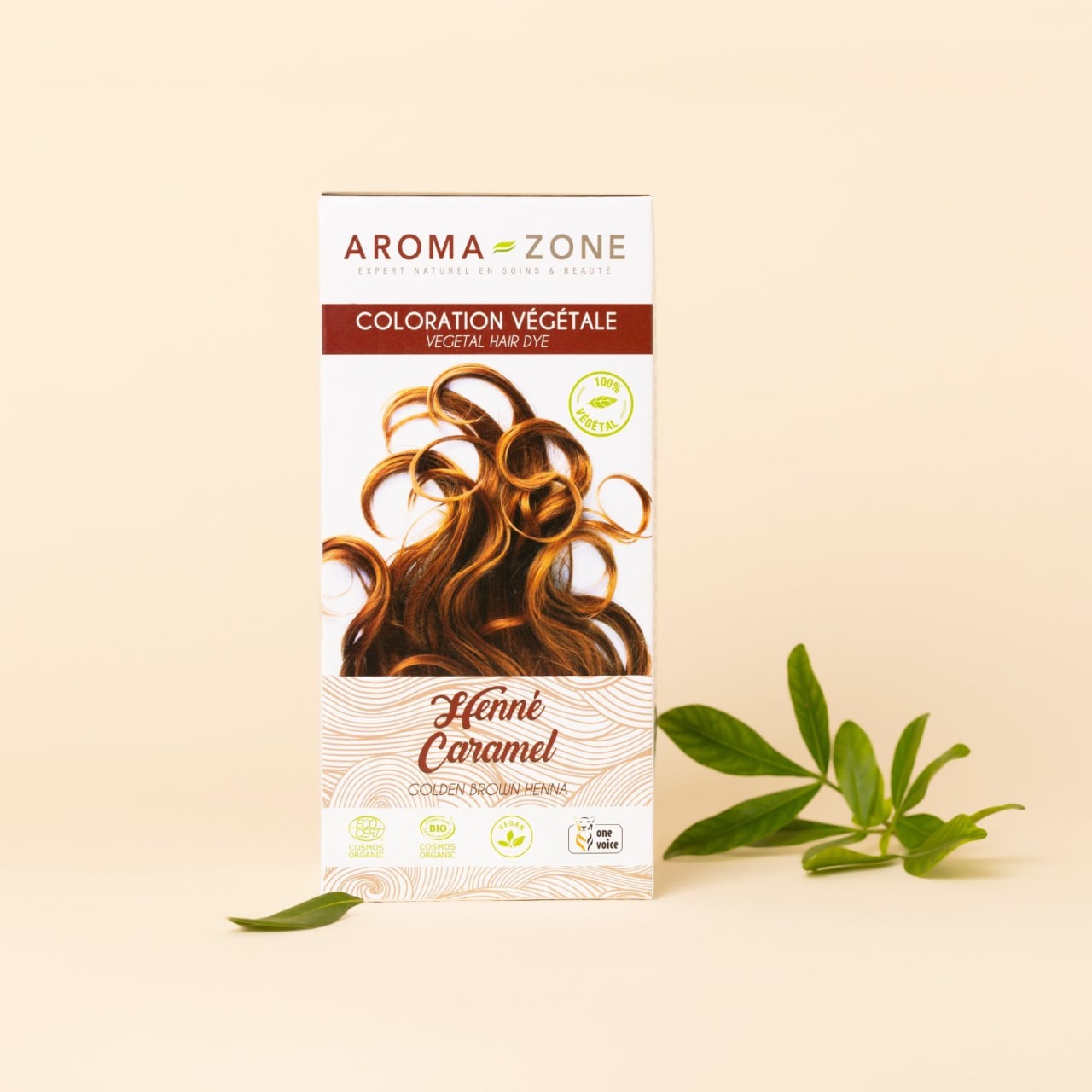
Measure out the correct amount of powder. This varies depending on the length of your hair. If you choose our ready-to-use plant-based hair dyes, use 1 packet for short hair, 2 packets for medium-length hair, and 4 packets for long hair.
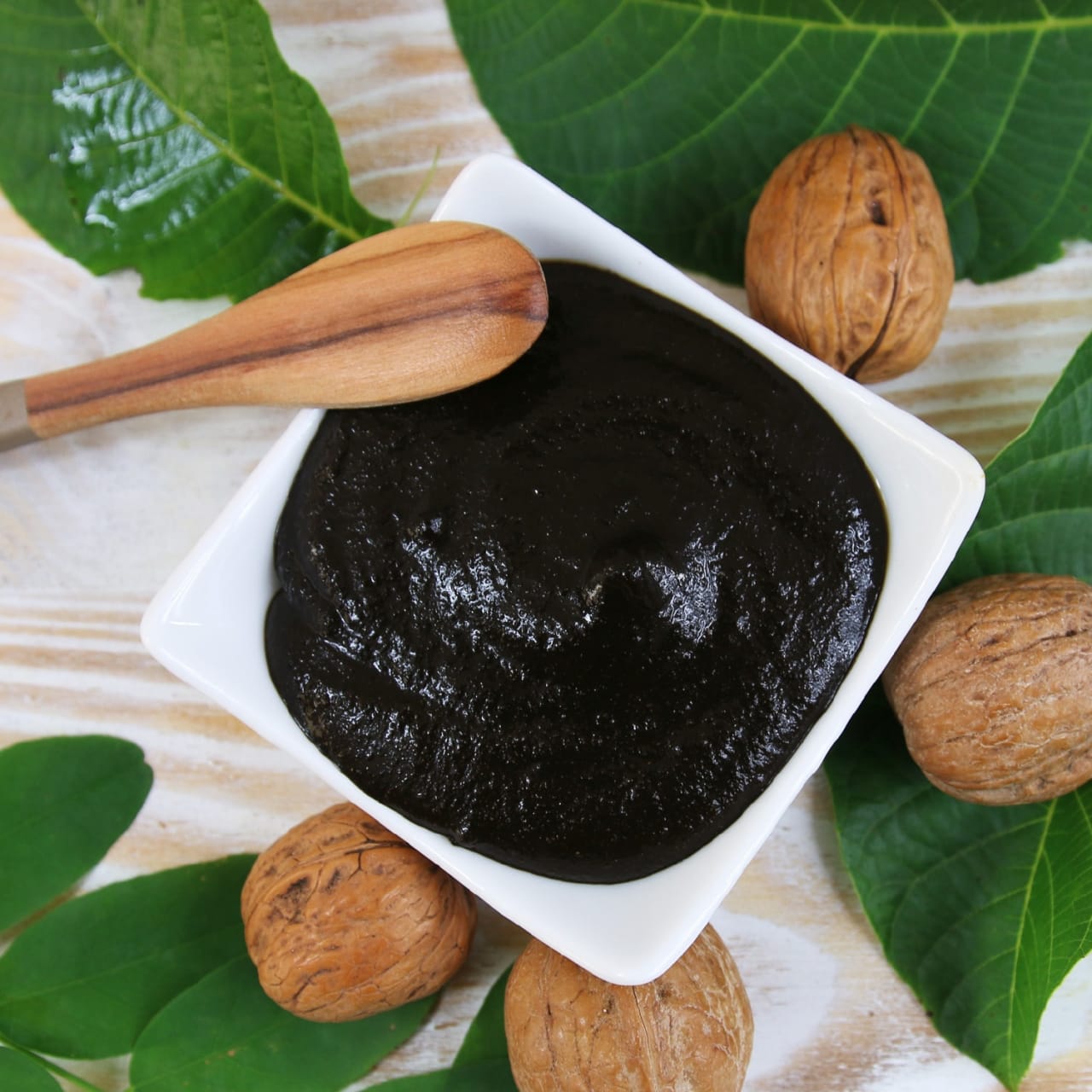
Make your dye paste. Simply mix the powder with lukewarm water (about 35–40°C). Add the water gradually, mixing with a wooden utensil or a spatula. You should end up with a smooth, even consistency, free of lumps.
Apply your mixture. Don’t hesitate to apply a thick layer to achieve a richer color on your grey hair. Start at the back of your head, working strand by strand. Gradually work your way up toward the scalp, focusing on the roots. Massage the mixture in and gather your hair into a bun under a shower cap.
Follow the processing time. For porous hair (which is often the case with grey hair), the minimum processing time generally applies. Our ready-to-use henna products require a processing time of 1.5 to 3 hours. Be sure to read the instructions carefully before use.
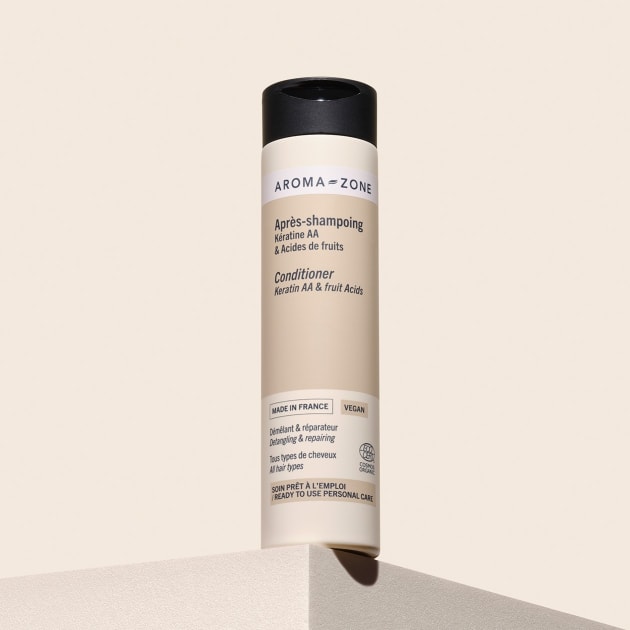
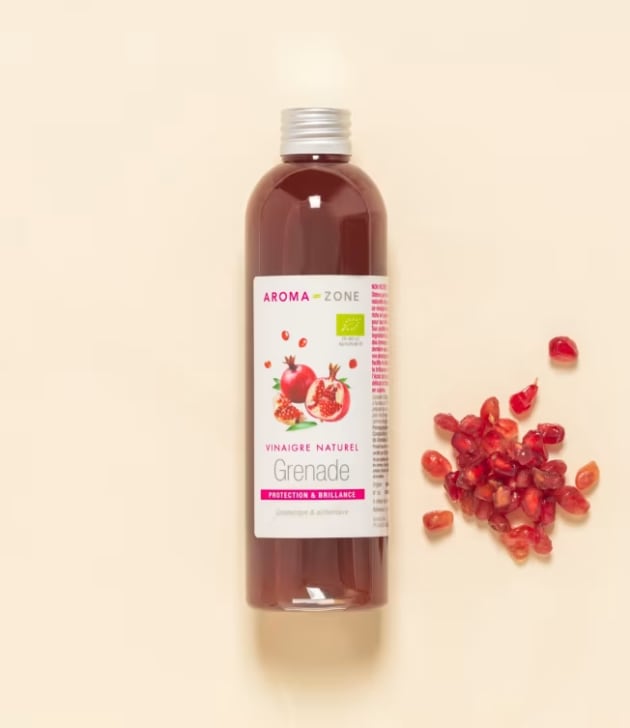
Rinse thoroughly. Take the time to remove all traces of the dye paste. Follow up with conditioner to make detangling easier if you have longer hair. Otherwise, finish with a simple rinse using vinegar water to close your hair cuticles.
A Word from the Trichologist
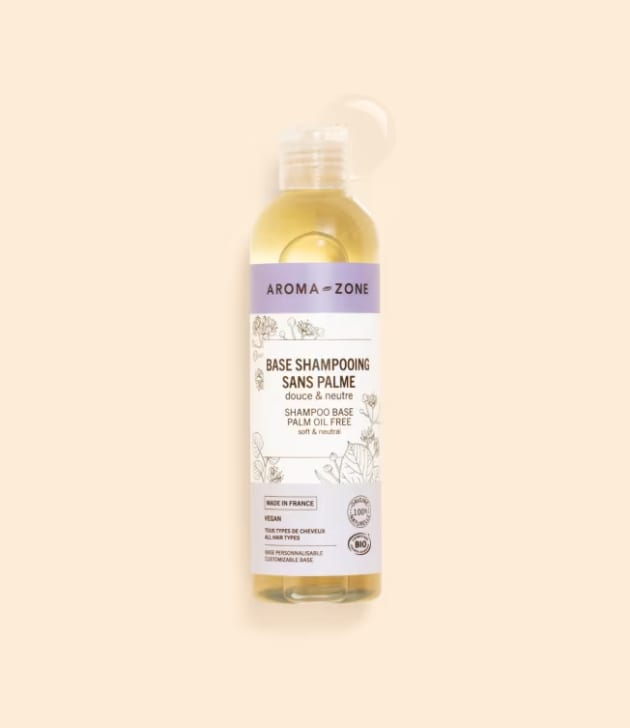
"To maintain your colour when you have grey hair, there are several factors worth considering. Choosing a natural or plant-based dye allows you to use tinting powders such as Rajasthan henna, indigo, madder or katam, which colour the hair without chemical oxidation, without breaking down the disulphide bonds and without damaging the hair fibre. It's also worth choosing gentle, sulphate-free shampoos, since certain surfactants can alter the colour and dry out the hair fibre, whereas sulphate-free shampoos help colour last longer and keep hair hydrated. Limiting excessive heat is also important, as straighteners, hairdryers and curling irons can weaken the fibre and dull the colour when used at too high a temperature; it's best to opt for gentle or air drying and to use a heat protectant when needed. To avoid damaging lengths that are already coloured, it's best to dye only the roots, touching up regrowth while leaving the lengths untouched. It also helps to protect and nourish the hair after colouring by applying a hydrating treatment or a nourishing mask rich in proteins and plant oils, favouring lighter oils such as avocado, jojoba, broccoli, sweet almond, rocket, grape seed or aloe vera, and using smoothing conditioners to help flatten the cuticle and preserve shine. Finally, it's best to avoid prolonged exposure to the sun and to hard water, since sun, chlorine or limescale can dull the colour, and protective sprays or lightweight oils can help limit fading."
Dalila Belmokhtar, @dalilahairscience Doctor of Pharmacy & Trichologist