
Vulvar irritation is characterised by inflammation or tenderness of the delicate skin that surrounds the vaginal opening and comprises several parts: the labia majora, the labia minora, the vulval vestibule, the clitoris, and the perianal region. Each of these areas can be prone to irritation, causing redness, itching, and discomfort. Vulvar irritation can be caused by various factors, ranging from unsuitable hygiene products to infections, allergies and hormonal imbalances.
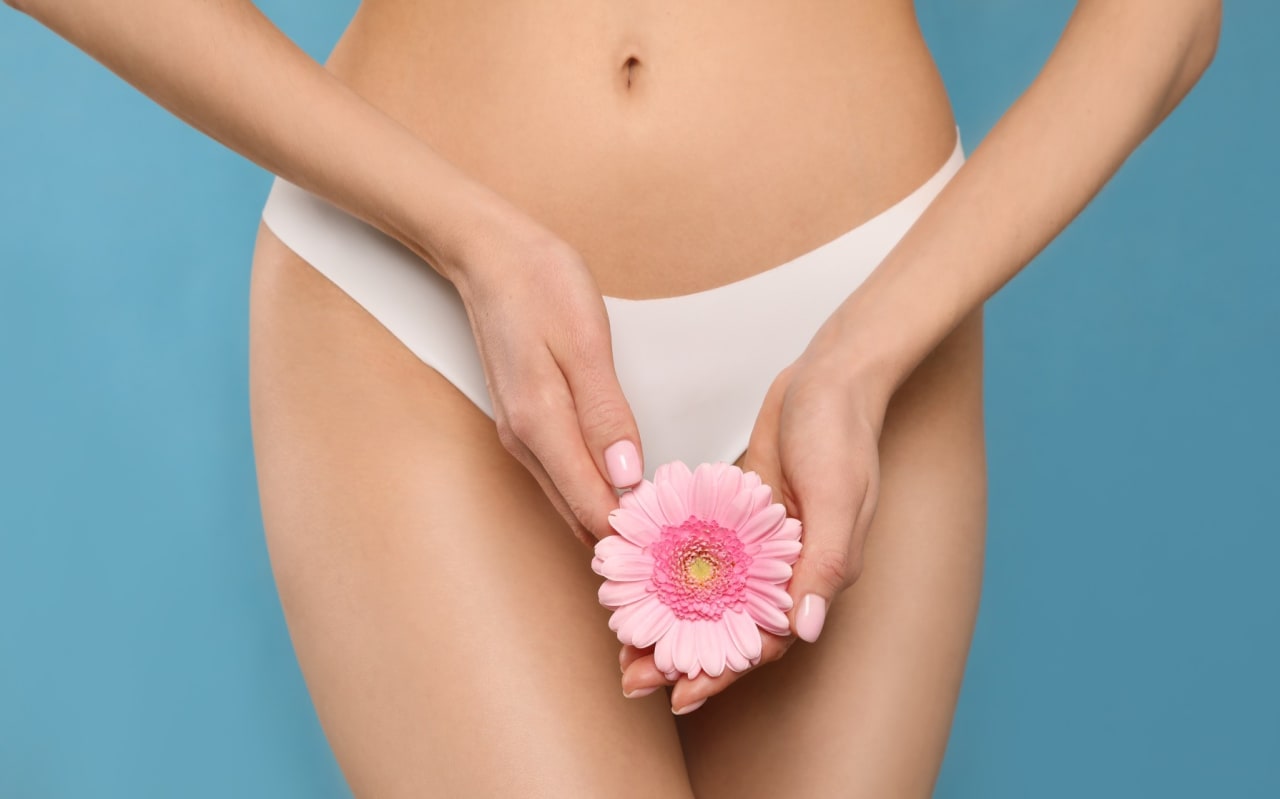
What Natural Remedies Can Help Relieve Vulvar Irritation?
Published on: Tuesday, April 30, 2024, Updated on: Tuesday, November 03, 2026
Are you experiencing unusual dryness, inflammation, a tingling sensation or a burning sensation in the vulva? Do you notice any pain or discomfort during sexual intercourse? Your vulva may be irritated, and we advise you to consult a healthcare professional as soon as possible. In this guide, discover our natural solutions to relieve your symptoms, as well as our comprehensive advice on intimate hygiene to prevent vulvar irritation.
Contents
Related products
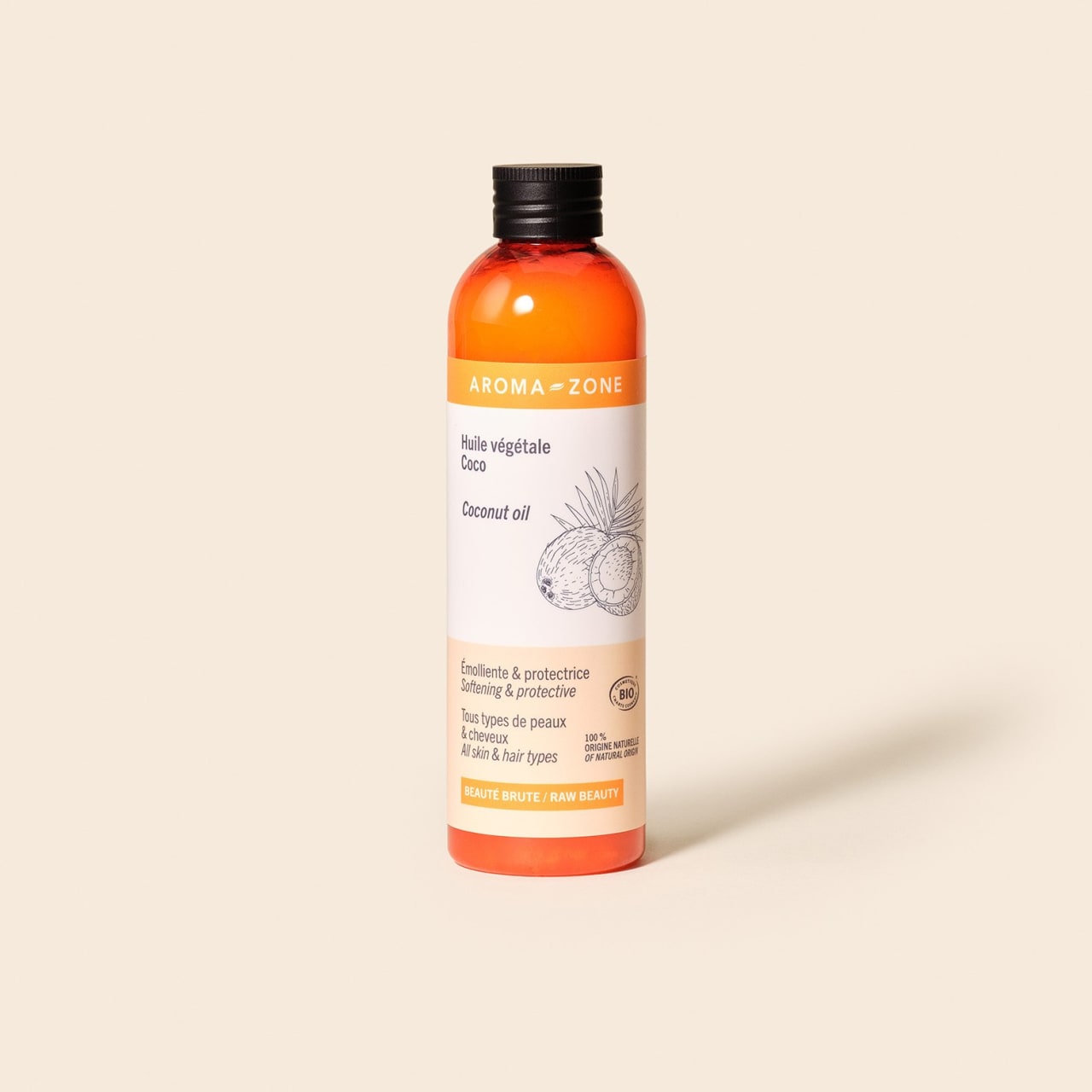
Organic Coconut Oil
Nourishing
Protective
£8.00
250 ml
3 options
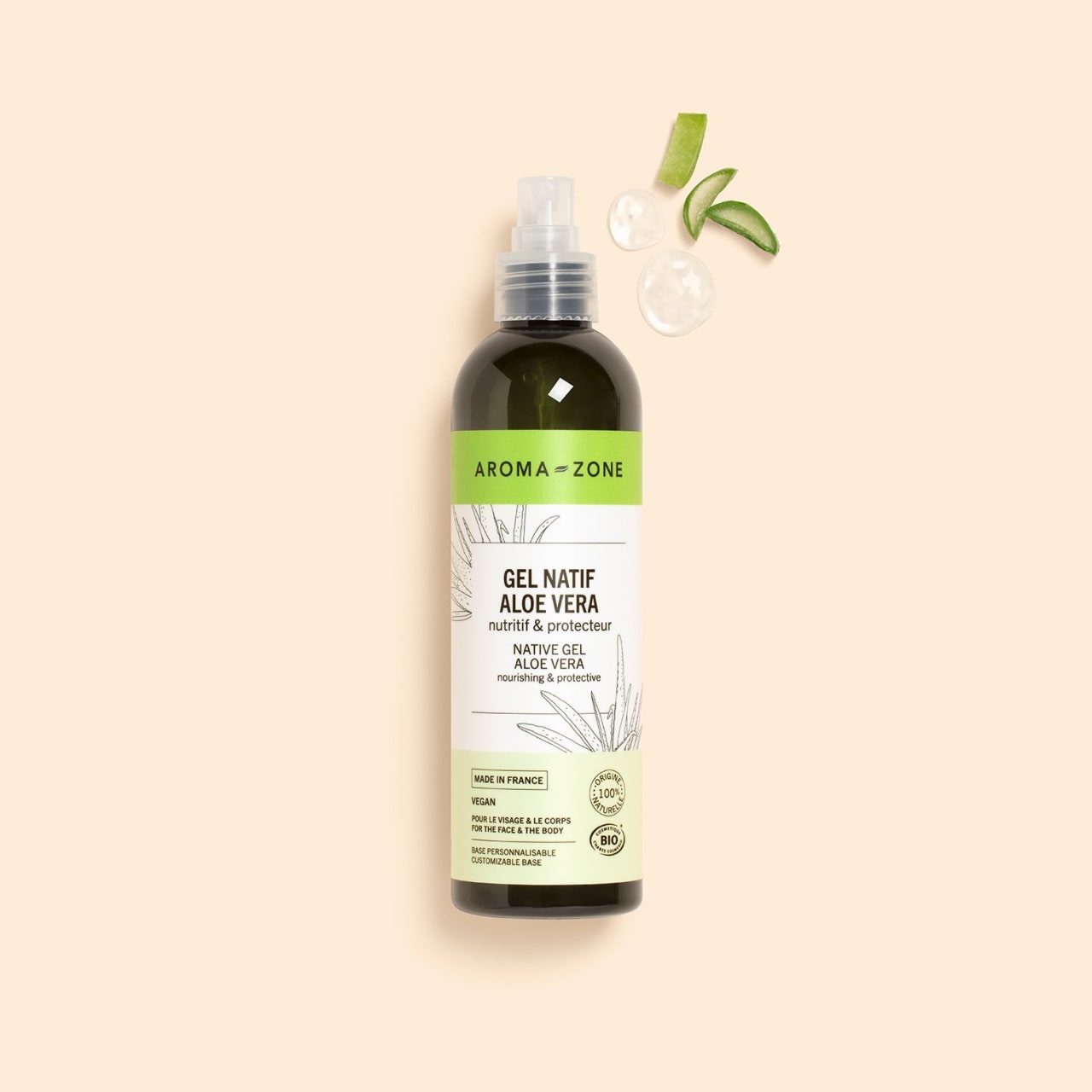
Organic Native Aloe Vera Gel
Protective
Nourishing
£10.00
250 ml
What Is Vulvar Irritation?
What Causes Vulvar Irritation?
There can be many causes of vulvar irritation, and we advise you to always consult a healthcare professional (doctor, gynaecologist) to obtain an accurate diagnosis. Among the many possible causes are:
The use of overly harsh hygiene products (perfumed soaps, irritating shower gels)
Allergies to certain fabrics or chemicals (detergents, feminine hygiene products, hair removal products, washing powder, synthetic underwear, etc.)
Fungal infections (candidiasis, yeast infections, etc.)
Irritation caused by friction (tight clothing, intense physical activity, horse riding, etc.)
A hormonal imbalance (menopause, pregnancy, etc.)
An underlying condition (vulvar eczema, vulvar psoriasis, vulvar lichen sclerosus and atrophicus, vulvodynia, etc.)
What Are the Associated Symptoms?
The symptoms associated with vulvar irritation can vary from one woman to another. Here are the most common symptoms:
Redness and inflammation
Itching
A burning or stinging sensation
A feeling of dryness
Pain or discomfort during sexual intercourse
How Can You Soothe Vulvar Irritation? Our Natural Solutions to Relieve Symptoms
If you are suffering from vulvar irritation, we advise you to consult a healthcare professional first. To relieve your symptoms, you can try natural remedies, such as:
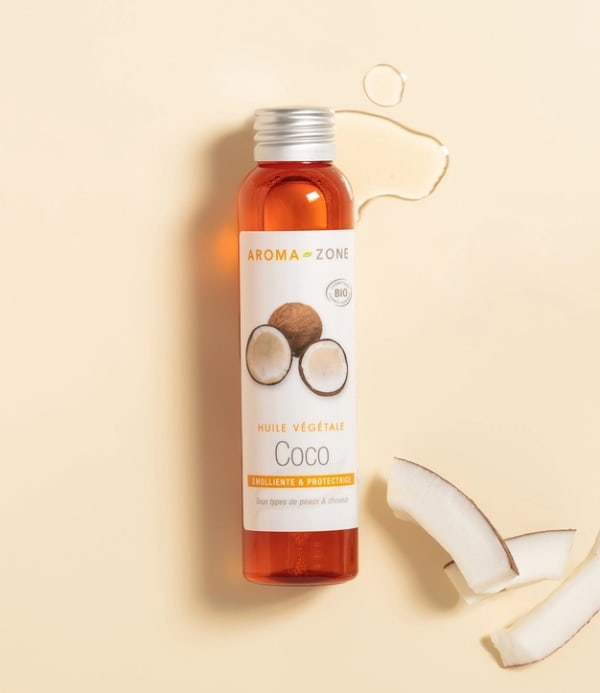
Virgin Coconut Oil
Coconut oil soothes, moisturises, and protects the skin thanks to its nourishing, emollient and antimicrobial properties.
Gently apply a small amount of coconut oil to the affected area, for example after a shower.
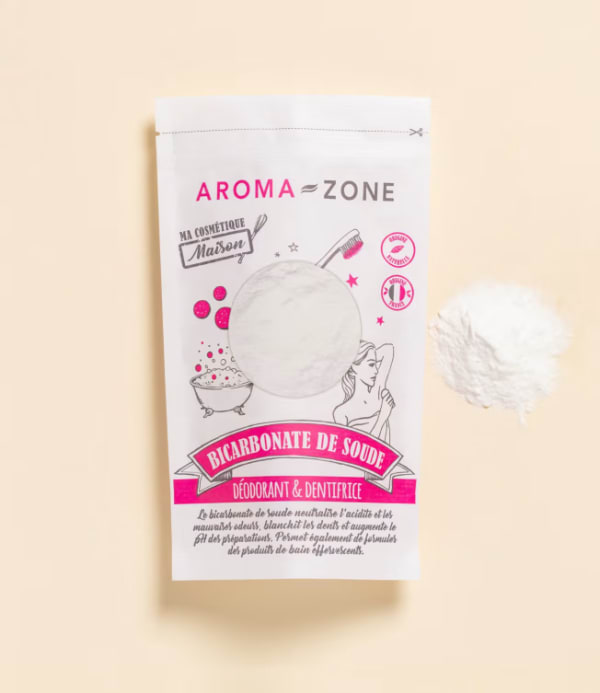
A Sitz Bath With Lukewarm Water and Bicarbonate of Soda
A sitz bath can help reduce local inflammation and relieve itching.
Add one tablespoon of bicarbonate of soda to the lukewarm water in the sitz bath and soak your intimate area for around fifteen minutes.
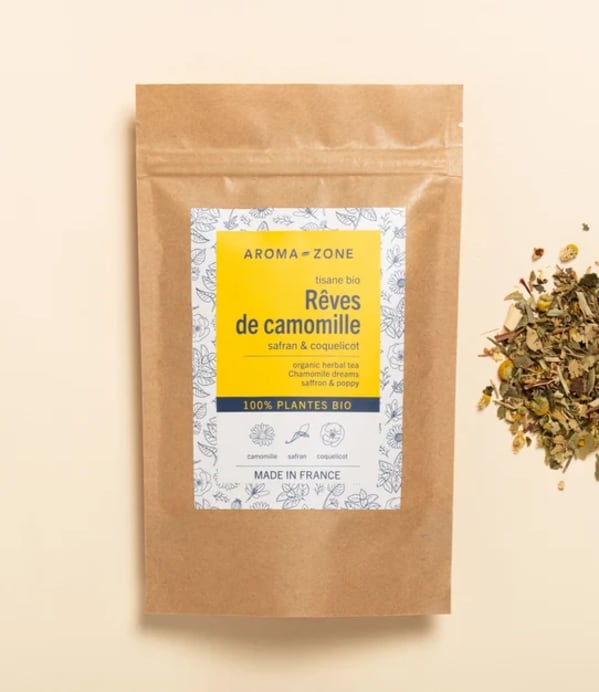
A Chamomile Herbal Sitz Bath
You can also try a chamomile sitz bath as chamomile is a plant known for its soothing and calming properties. Prepare an organic chamomile infusion, leave it to cool, then add it to lukewarm water in a shallow bath. Take a sitz bath for about 15 minutes to soothe vulvar irritation and itching. Repeat this once or twice a day until symptoms improve.
Cold Compresses
Cold compresses help to reduce inflammation and relieve a burning sensation.
Apply a cold, sterile compress to your vulva for a few minutes, several times a day.
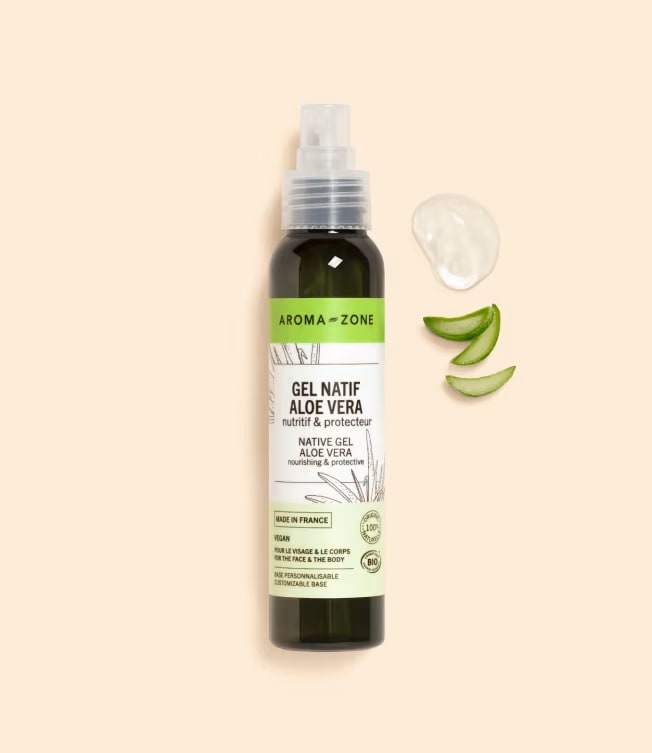
Focus on Organic Aloe Vera Gel
This Aloe Vera Gel moisturises, soothes irritation and regenerates the skin. Its guaranteed concentration of aloeverose (minimum 1200 mg/L) gives it exceptional restorative properties. 100% natural, it can be used undiluted on the skin and hair or as a base for your homemade skincare products. Ideal for moisturising, soothing redness, providing relief after sun exposure, or caring for dry and damaged hair.
Attention
These solutions should be applied topically to the outer skin of the vulva, taking care to avoid the mucous membranes. You must not apply any products inside your vagina, anus, or urethra.
To find out more about this topic, check out our comprehensive guide: Home Remedies to Soothe Intimate Itching
What Routine Should You Follow for Good Intimate Hygiene?
To avoid any risk of vulvar irritation, here are some simple steps and habits to adopt and incorporate into your intimate hygiene routine:
Use a mild, unscented soap or a cleansing product specifically designed for intimate hygiene. Gently pat yourself dry after each wash with a clean, dedicated towel
Avoid vaginal douches, as these disrupt the natural balance of the vaginal flora
Wear underwear made from natural fibres such as cotton, which allows the skin and mucous membranes to breathe properly
Change your underwear every day, and use a mild, hypoallergenic washing powder
Avoid tight-fitting clothes, which can cause chafing and irritation
Wipe from front to back after using the toilet to prevent the spread of bacteria from the anus to the vagina and thus avoid infections
Limit as much as possible the use of tampons, sanitary towels, and panty liners that are scented or contain synthetic ingredients
Avoid bubble baths and perfumed personal hygiene products
Make sure you drink enough water every day and maintain a balanced diet to promote healthy skin. A varied and balanced diet, rich in vitamins, minerals, healthy fats and lean proteins, is the key to beautiful skin and a strong immune system
After each sexual encounter, urinate and rinse yourself with lukewarm water to remove any bacteria that may have been introduced and prevent urinary and vaginal infections
See your healthcare professional regularly to detect and treat any underlying health issues
Precautions for Use
If your symptoms persist or worsen despite using natural remedies, see a doctor as soon as possible
Avoid contact with any known allergens
Always test new products on a small area of skin to check for any allergic reactions before using them more widely
Expert Advice
As every woman is unique, vulvar irritation can have various causes, which may be physical or, in some cases, psychological. Listen to your body and adjust your intimate hygiene routine and choice of products accordingly. If in doubt, always seek advice from a healthcare professional.
Spotlight on Our Naturopathic Writer: Stéphanie Catrysse

Stéphanie Catrysse is a naturopath (certified by the FENA), a wellness massage and lymphatic drainage practitioner, and a personal development coach. She is passionate about alternative medicine and practices a holistic approach to health.
Bibliography
https://www.ddg-gastro.be/remede-grand-mere-demangeaisons-intimes/
https://www.ameli.fr/roubaix-tourcoing/assure/sante/bons-gestes/quotidien/faire-toilette-intime
Crann SE, Cunningham S, Albert A, Money DM, O’Doherty KC, BMC Women’s Health. 2018
"Vaginal health and hygiene practices and product use in Canada: a national cross-sectional survey".
https://claripharm.fr/gynecologie-et-intimite-feminine/gynecologie-et-hygiene-feminine/

Frequently Asked Questions
Associated tip
Intimate care tips


