What Are the Potential Side Effects of Harpagophytum (Devil's Claw)?

What Are the Potential Side Effects of Harpagophytum (Devil's Claw)?


By Catherine Gilette

Published on: Friday, July 19, 2024, Updated on: Wednesday, October 28, 2026

While harpagophytum, also known as devil's claw, is often hailed as the queen of anti-inflammatory and pain-relieving plants in the plant kingdom, rest assured that this title is well-deserved! However, it is essential to be aware of the precautions for use to ensure safe consumption, as it is not without health risks. Here is a brief overview of its benefits and side effects.

Contents

Related products

What is Harpagophytum?

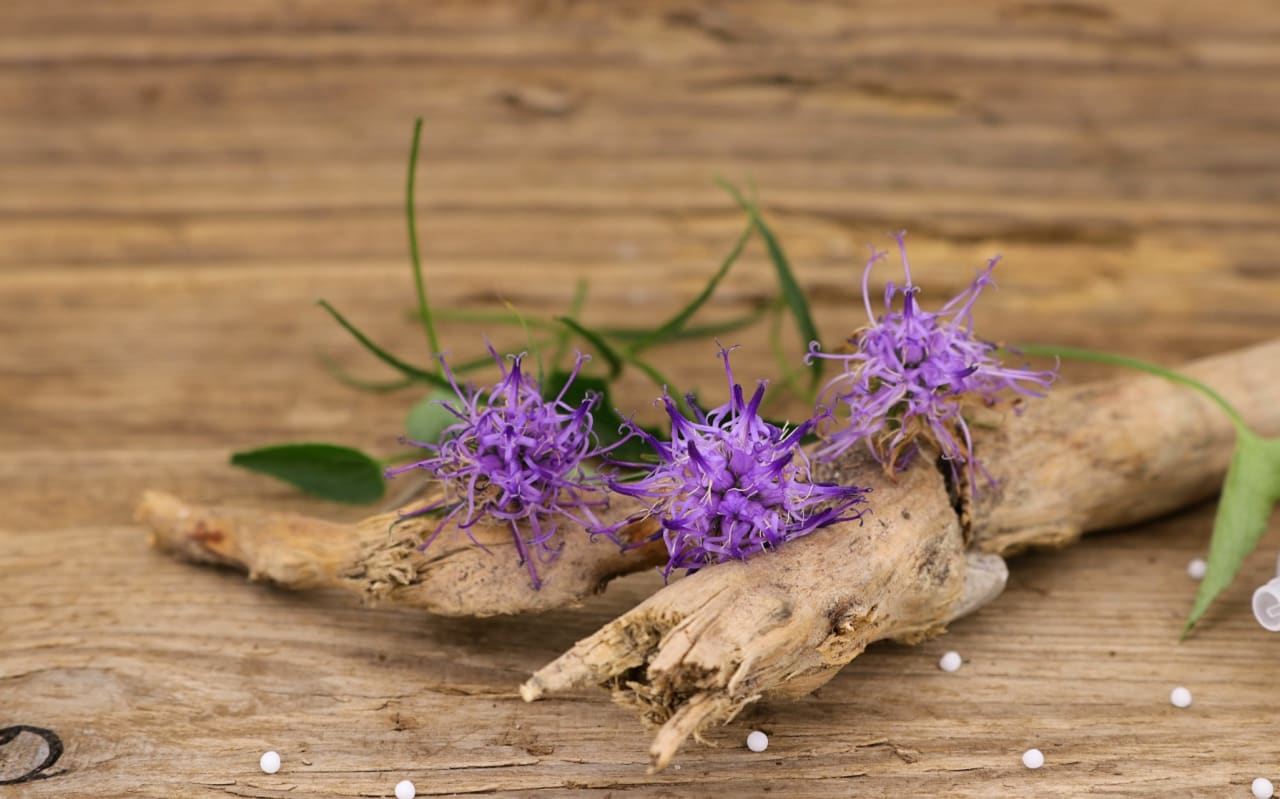
Harpagophytum, commonly known as devil's claw, is a tuberous perennial herbaceous plant of the genus Harpagophytum in the Pedaliaceae family. This plant, which has only recently become known in the West, originates from the desert regions of southern Africa: the steppes of Namibia, the Kalahari Desert, and southern Africa. Harpagophytum, Harpagophytum procumbens, derives its name from the Greek phyton, "plant," and harpagos, "harpoon." This is the origin of the term devil's claw, as its harpoon-shaped fruits with sharp hooks attach themselves to the fur of animals such as sheep and cattle, and to the hooves of antelopes, all of which thrash about frantically to rid themselves of them as if they had "the devil in their bodies." It is a strategy, successful to say the least, for dispersing its seeds. As for procumbens, it is derived from the Latin procubo, meaning "to lie prone, stretched out." Indeed, its stem is creeping and can spread up to 2m in length. It bears alternate leaves with ovate blades as well as solitary, ephemeral, red-violet, trumpet-shaped flowers that bloom for only a single day. The fruit is a woody capsule with a crown adorned with several sharp hooks, the famous devil's claw.

Its main, woody root burrows vertically up to 1m into clay or sandy soil. From this main root, several secondary roots branch out, forming bulbous storage tubers, sometimes very large, weighing up to 1.5kg, found as deep as 2m. These serve as a reserve of water and nutrients for the plant, enabling it to withstand periods of drought. These tubers reach a size of 4 to 6cm in diameter and 15 to 25cm in length after 3 to 4 years, at which point they are harvested. Indeed, only these tubers (which constitute up to 90% of the plant's weight) are used in traditional medicine in southern Africa and in our pharmaceutical industry.

The medicinal potential of Harpagophytum became widely known in the Western world in the 1970s and 1980s. A victim of its own success, Harpagophytum became an endangered species in the early 2000s. Today, devil's claw enjoys protected status that regulates its harvesting, but it remains vulnerable. Various cultivation trials are underway, yet devil's claw remains difficult to grow.

What are the uses of Harpagophytum?

Harpagophytum is primarily used for all types of osteoarticular pain.

  • Lower back pain: back pain, lumbago, neuralgia, sciatica

  • Joint pain: arthritis, rheumatoid arthritis, osteoarthritis

  • Muscle pain: Tendinitis, sprains, strains

  • Reduction of gout symptoms: Thanks to its anti-inflammatory properties, harpagophytum can help relieve gout symptoms by reducing inflammation and pain

  • For painful periods.

What are the potential side effects?

Harpagophytum can cause side effects and interact with many medications. The following have been reported in particular:

  • Gastrointestinal issues: diarrhea, nausea, vomiting, abdominal pain, as well as increased stomach acidity. In the latter case, caution is advised when using antacids.

  • An increased risk of bleeding when Devil’s Claw is taken with anticoagulants or nonsteroidal anti-inflammatory drugs.

  • Harpagophytum can significantly alter the concentration or action of medications, particularly with hypoglycemic agents.

  • When combined with certain antihypertensives, Harpagophytum enhances the antihypertensive effect and consequently causes hypotension.

  • Harpagophytum may alter the rhythm and strength of heart contractions; therefore, extreme caution is recommended in patients taking antiarrhythmics or digitalis-based medications.

  • Caution is also advised in cases of renal insufficiency.

  • Nervous system disorders: headaches, dizziness

  • Allergic reactions: skin reactions (red patches, hives); edema, particularly facial.

What dosage should be followed?

For all forms of Devil’s Claw—whether as a dry extract or a fluid extract—it is generally recommended not to exceed 6g of Harpagophytum per day. However, this depends on the concentration of the plant’s active ingredient; therefore, it is essential to follow the dosage recommended by the manufacturer. 

Courses of 3 to 4 weeks are generally recommended, to be repeated for osteoporosis, joint flexibility, and osteoarthritis. For other conditions, Harpagophytum should be taken during the period of pain, not exceeding 4 weeks. It is best to alternate with other herbs in cases of chronic pain to avoid side effects and tolerance to the active compounds.

What are the natural alternatives to harpagophytum?

To address the numerous contraindications, side effects, and precautions associated with Harpagophytum as an anti-inflammatory and pain reliever, the following plants and dietary supplements can be used:

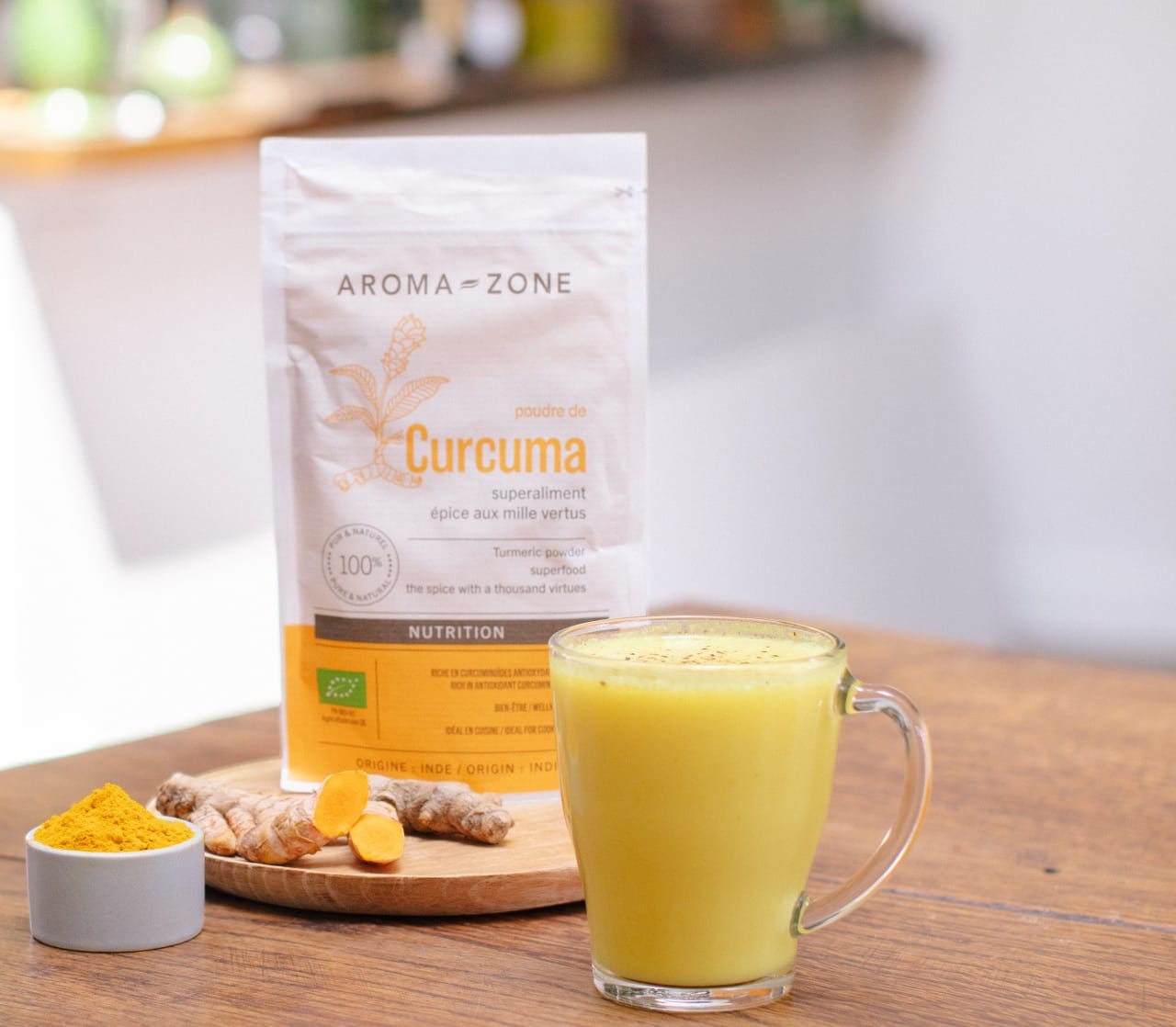
  1. Turmeric is recognised as an excellent anti-inflammatory and pain reliever. What’s more, it protects cartilage; when combined with black pepper, it effectively combats inflammatory diseases.

  2. Fresh ginger is a remarkable anti-inflammatory that can be easily incorporated into diet and juice blends, offering benefits for all types of inflammatory conditions.

  3. Boswellia or indian frankincense (also known as Boswellia serrata): is a remarkable anti-inflammatory

  4. Ash is a remarkable anti-inflammatory and analgesic, used in particular for joint pain and gout

  5. White Willow contains acetylsalicylic acid, a precursor to aspirin, a well-known anti-inflammatory

  6. Arnica is a plant used both for bruises and for acute or chronic pain such as rheumatism. Just like Harpagophytum, mountain arnica suffers from its own popularity.

  7. Daisy is a small, very common plant whose analgesic and anti-inflammatory effects are less well known. It is a very interesting alternative to mountain arnica.

  8. The oil macerate of St. John's Wort is a very good anti-inflammatory used on painful areas of the body.

  9. Collagen strengthens cartilage and offers real benefits for the joint system; it is a beneficial supplement for preventing joint-related problems.

Precautions for use

Although Harpagophytum is generally well-tolerated, it can cause side effects in some people, such as gastrointestinal issues (nausea, diarrhea) or allergic reactions. People with specific medical conditions, such as stomach ulcers, or those taking medications, should consult their doctor before using Harpagophytum.

Expert Advice

Although Harpagophytum is a remarkable plant, it does carry side effects that other, more commonly used plants don't. It's best used occasionally rather than long-term, both to limit the risk of side effects and to help preserve the resources that indigenous peoples are entitled to benefit from.

Spotlight on Our Specialist Writer: Catherine Gilette

ada2d2_d8651e3eb63b4f06b1e322964cd90ca6-mv2.webp

Catherine is passionate about plants and their properties. She studied natural cosmetics at the École Lyonnaise des Plantes Médicinales in the early 2000s. Driven by curiosity, she has continued to explore the richness and potential of plants. This led her to train in aromatherapy at the École Française d’Aromathérapie Intégrative. She discovered an almost unexplored world in olfactotherapy, and valuable tools for getting to know herself better and practising what she calls inner ecology.

Bibliography

  1. Chrubasik S, Model A, Black A, Pollak S.

    A randomized double-blind pilot study comparing Doloteffin and Vioxx in the treatment of low back pain. Rheumatology (Oxford). 2003 Jan;42(1):141-8

  2. Chantre P, Cappelaere A, Leblan D, Guedon D, Vandermander J, Fournie B.

    Efficacy and tolerance of Harpagophytum procumbens versus diacerhein in the treatment of osteoarthritis. Phytomedicine. June 2000;7(3):177-83.

  3. Leblan D, Chantre P, Fournié B.

    Harpagophytum procumbens in the treatment of knee and hip osteoarthritis. Four-month results of a prospective, multicenter, double-blind trial versus diacerhein. Joint Bone Spine. 2000;67(5):462-7.

  4. Vlachojannis J, Roufogalis BD, Chrubasik S.

    Systematic review on the safety of Harpagophytum preparations for osteoarthritic and low back pain. Systematic review on the safety of Harpagophytum preparations for osteoarthritic and low back pain. Phytother Res. 2008 Feb;22(2):149-52. doi: 10.1002/ptr.2314

  5. Warnock M, McBean D, Suter A, Tan J, Whittaker P.

    Effectiveness and safety of Devil's Claw tablets in patients with general rheumatic disorders. Phytother Res. 2007 Dec;21(12):1228-33.

  6. Wegener T, Lüpke NP.

    Treatment of patients with hip or knee osteoarthritis using an aqueous extract of devil's claw (Harpagophytum procumbens DC.). Phytother Res. 2003 Dec;17(10):1165-72.

  7. Wegener T.

    Degenerative diseases of the musculoskeletal system—overview of current clinical studies of Devil’s Claw (Harpagophytum radix). Wien Med Wochenschr. 2002;152(15-16):389-92.

  8. Gagnier J, Chrubasik S, Manheimer E.

    Harpagophytum procumbens for osteoarthritis and low back pain: A systematic review BMC Complement Altern Med. 2004; 4: 13

  9. Laudahn D, Walper A.

    Efficacy and tolerance of Harpagophytum extract LI 174 in patients with chronic non-radicular back pain. Phytother Res. 2001 Nov;15(7):621-4

  10. Abdelouahab N, Heard C.

    Effect of the major glycosides of Harpagophytum procumbens (Devil’s Claw) on epidermal cyclooxygenase-2 (COX-2) in vitro. J Nat Prod. 2008 May;71(5):746-9. doi: 10.1021/np070204u.

  11. Anauate MC, Torres LM, de Mello SB.

    Effect of isolated fractions of Harpagophytum procumbens D.C. (devil’s claw) on COX-1, COX-2 activity and nitric oxide production in whole-blood assay. Phytother Res. 2010 Sep;24(9):1365-9. doi: 10.1002/ptr.3124

  12. Baghdikian B, Guiraud-Dauriac H, Ollivier E, N'Guyen A, Dumenil G, Balansard G.

    Formation of nitrogen-containing metabolites from the main iridoids of Harpagophytum procumbens and H. zeyheri by human intestinal bacteria. Planta Med. 1999 Mar;65(2):164-6.

  13. Navarette Sandra, Saussays Charline.

    Interactions between plants and medications. Pharmaceutical Sciences. 2011. <dumas-00641779>

  14. Jurado Camille, Nouaille Yves. (2013).

    Medication advisory regarding Harpagophytum: risk of worsening renal insufficiency. Pharmaceutical News. 52. 50-51. 10.1016/j.actpha.2013.03.022.

  15. Menghini, L., et al., Devil's claw (Harpagophytum procumbens) and chronic inflammatory diseases

    A concise overview of preclinical and clinical data. Phytother Res, 2019. 33(9): pp. 2152–2162.

Frequently Asked Questions

Frequently Asked Questions