In general, official recommendations are to eat two servings of fish per week, alternating between oily and lean fish. This allows you to enjoy their nutritional benefits while limiting your exposure to traces of contaminants that are sometimes present in the marine environment. Varying the species also helps to balance the intake of different types of lipids in the diet, including for people who are monitoring their cholesterol with a professional.
What are the benefits of salmon?
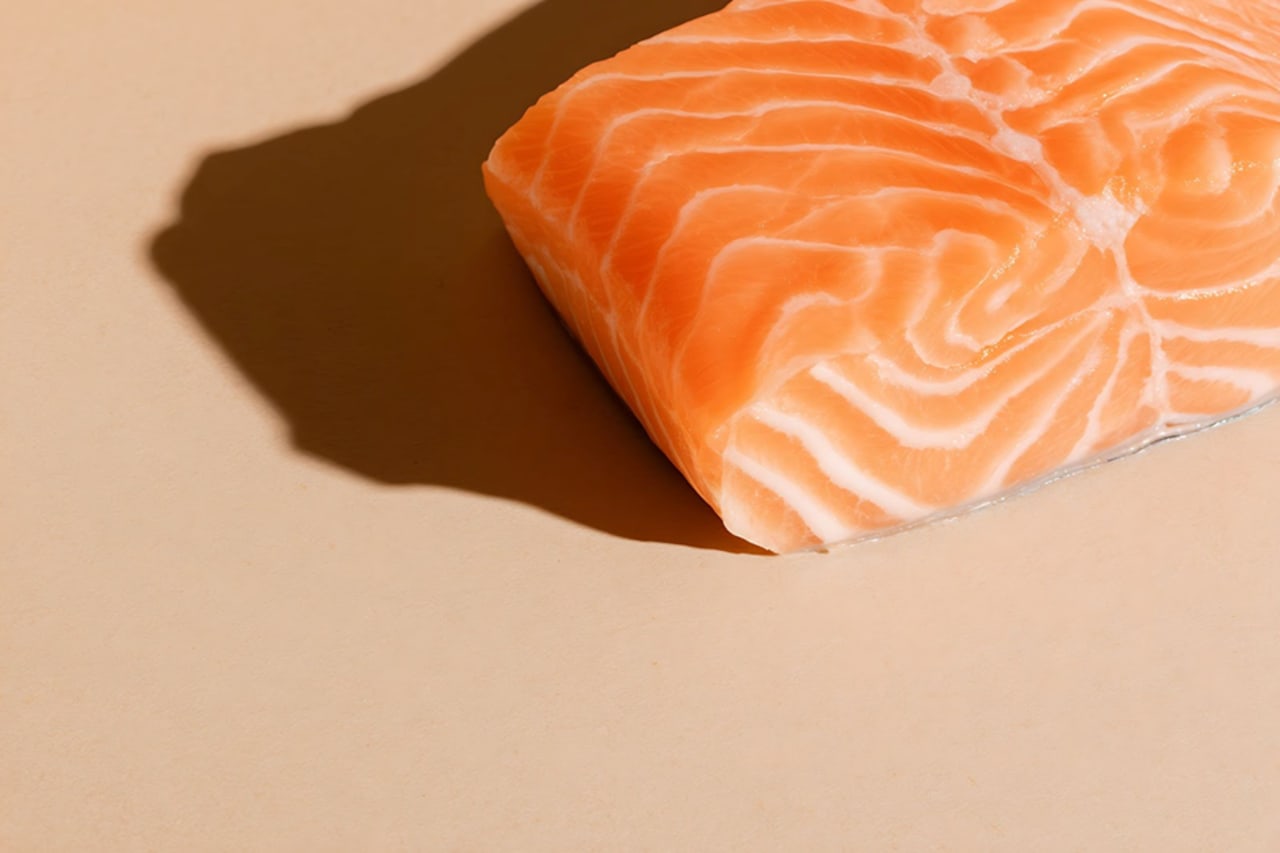
Salmon is one of the most widely consumed fatty fish in the world. Highly prized for its taste and health benefits, it is used in many recipes.

What are the nutritional benefits of salmon?
Salmon is one of the foods often mentioned when discussing a balanced diet, particularly due to its natural nutrient content (114).
Protein: a 100 g serving of salmon provides an average of 23 g of protein
Calories: approximately 200 kcal per 100 g (slight variation depending on whether it is wild or farmed)
Fat: 11 g per 100 g, varying from one fish to another, mainly composed of nutritionally beneficial fats
Omega-3 EPA and DHA: naturally present in salmon, with amounts varying depending on the fish's diet and origin
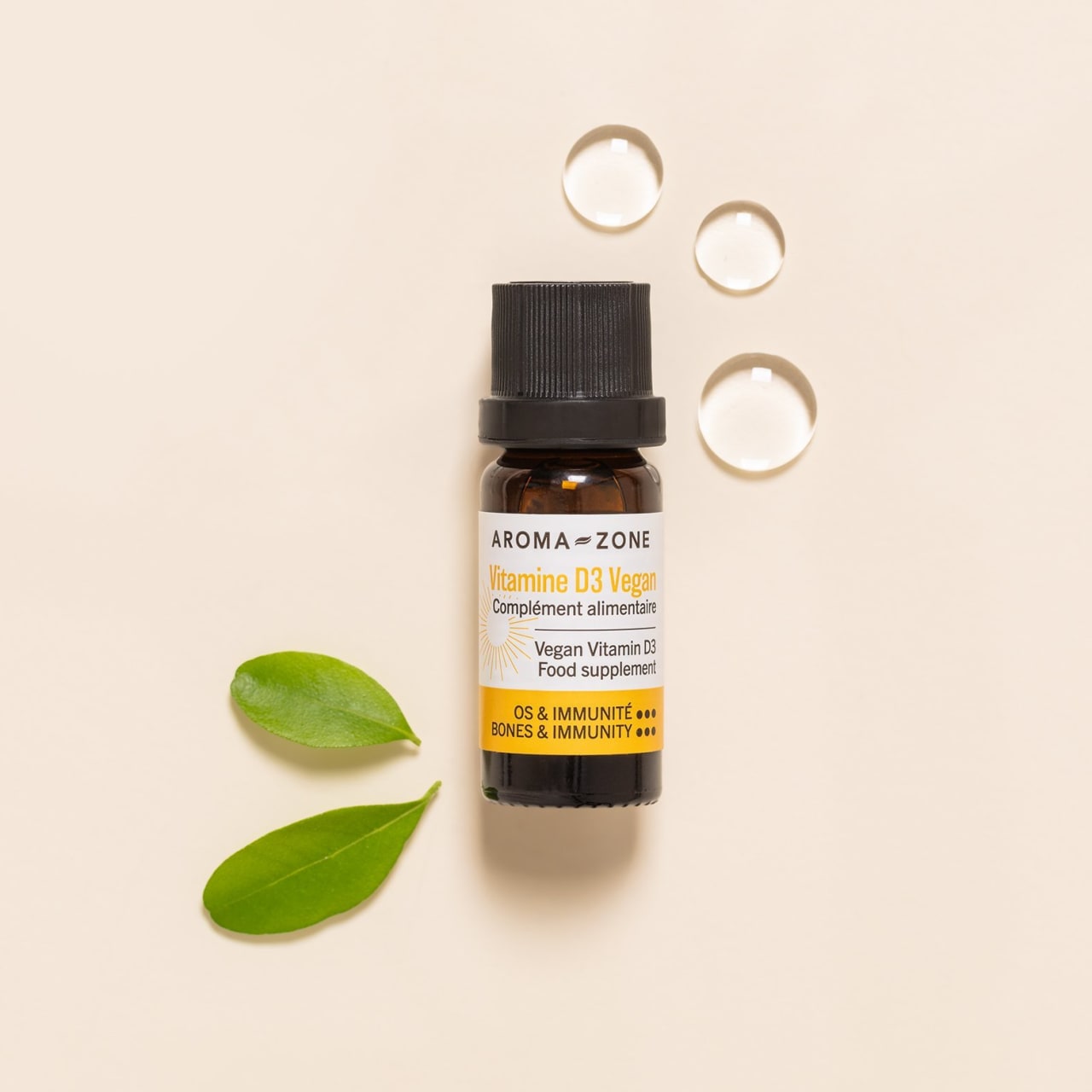
Vitamins: vitamin D and vitamin B12
What are the benefits of omega-3s, and why should you eat them?
Omega-3s are fatty acids known as "essential" because the body cannot produce them on its own. They come in several forms found in food.
But what are its benefits for the skin?
Omega-3s are also beneficial for the skin! They help strengthen the skin's lipid barrier and prevent dehydration and the appearance of wrinkles. With their anti-inflammatory action, they also help combat dermatological problems such as rosacea,inflammatory acne, psoriasis, and more.
The different forms of omega-3
ALA (alpha-linolenic acid): found mainly in vegetable oils and seeds
EPA (eicosapentaenoic acid): found mainly in oily fish
DHA (docosahexaenoic acid): also found in oily fish
Its role in the body
Omega-3 fatty acids contribute to the proper functioning of the body 15(2):
Cell structure: contribute to the composition of cell membranes
Vision: may play a role in certain physiological functions of the retina
Brain function: may contribute to the maintenance of certain cognitive functions throughout life
Cardiovascular balance: may be involved in certain heart and circulatory functions
Salmon mainly contains EPA and DHA. Their levels vary depending on the origin or diet of the fish, but salmon remains one of the most accessible sources for regular intake.
What are the key points to know about salmon?
Although salmon remains an interesting food, there are a few points to keep in mind in order to enjoy it with peace of mind. As with all fatty fish, it is mainly a question of balance and variety.
Marine pollution: Salmon may contain traces of pollutants present in the marine environment. The levels measured are generally low and lower than those observed in large predatory fish (such as tuna or sea bream), but remain higher than in small oily fish such as sardines or mackerel. These variations depend in particular on the fishing or farming area.
Heavy metals (3): Like other oily fish, salmon may contain traces of mercury or, more rarely, dioxins and PCBs. Concentrations remain within the limits set in Europe (EFSA) and within thresholds considered acceptable for the general population (ANSES), but these substances can accumulate in the food chain. It is also for this reason that the authorities remind us of the importance of varying the species and origins of fish consumed throughout the year.
Official recommendations: In France, it is recommended to eat fish twice a week, alternating between fatty and leaner fish (4). This rotation allows you to benefit from their different nutritional contributions while limiting exposure to marine contamination.
Dietary diversity: An observational study of 260 elderly people (5) suggests that weekly consumption of baked or grilled fish is associated with slightly higher volumes of gray matter in certain areas of the brain, regardless of their omega-3 content. This reminds us that we can benefit from eating fish without limiting ourselves to oily fish, and that diversity remains a good overall benchmark.
In summary, the most important thing is to vary the species and methods of preparation in order to enjoy fish while maintaining a good balance in the long term.
Focus on Chlorella
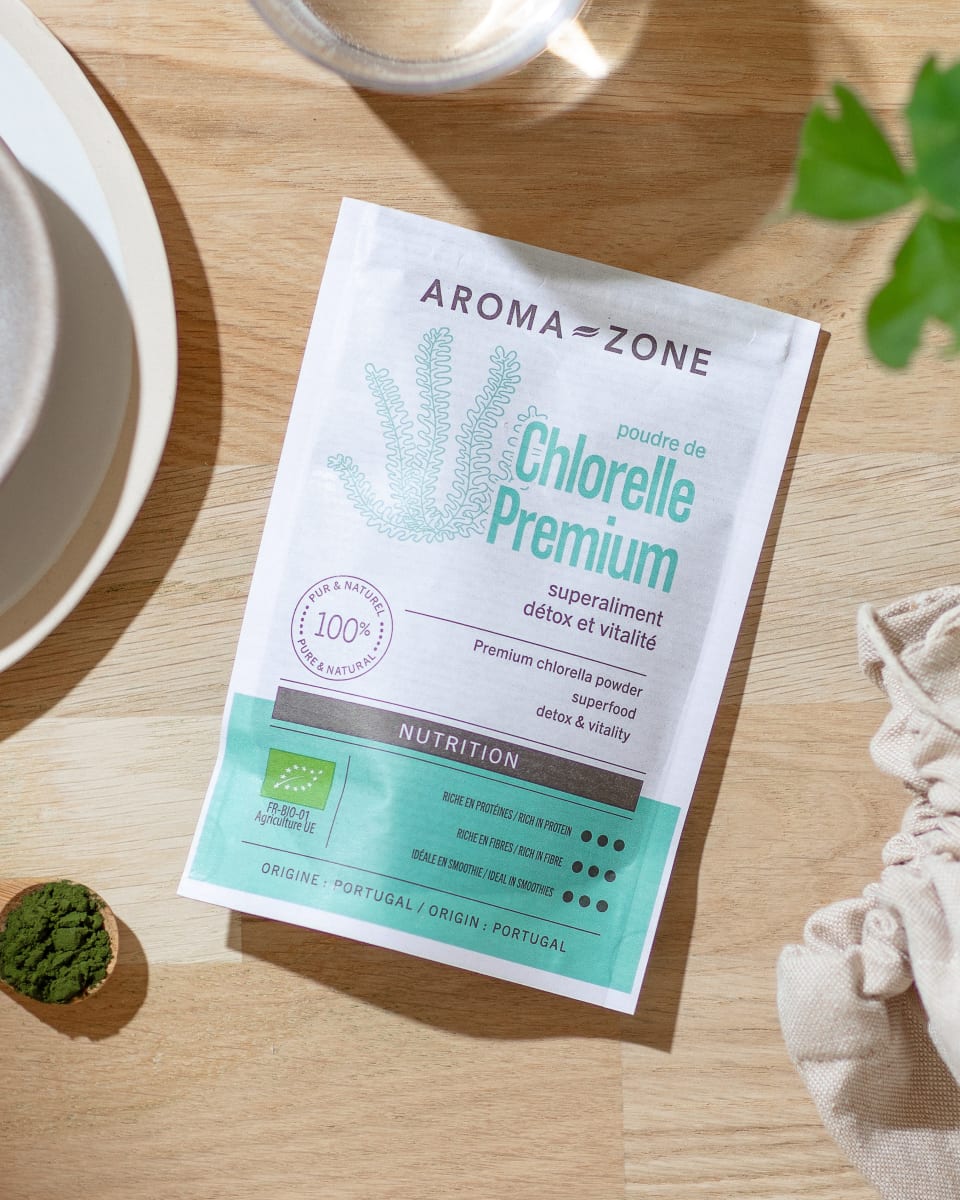
Chlorella powder is sometimes used as part of a "detox" routine because it is valued, among other things, for its ability to capture certain heavy metals and pollutants. It can be incorporated into a varied diet, for example in a smoothie or mixed into yogurt.
Precautions: Chlorella is not recommended during pregnancy and breastfeeding. If you have a known allergy to seafood or seaweed, it is best to avoid consuming it or to seek the advice of a healthcare professional.

Focus on Premium Chlorella Powder
Chlorella, the star of microalgae, is known for its exceptional benefits and nutritional properties. Rich in protein, vitamins, and minerals, it is ideal for a healthy diet and is particularly suitable for those suffering from temporary fatigue, as well as vegetarians, vegans, athletes, and more. Renowned for its detoxifying properties, Chlorella is also ideal for seasonal cleanses and weight loss programs.
Focus on Chlorella
Renowned for its detoxifying properties and rich in vitamin B12, Chlorella is ideal for supporting the body's natural defenses, combating temporary fatigue, and promoting liver health. This high-quality Chlorella is grown in Europe in closed environments protected from pollution. Presented in the form of small, 100% pure Chlorella tablets that are easy to chew or swallow, it is an ideal dietary supplement for those seeking natural well-being!
Discover Chlorella tablets: microalgae cultivated in Europe - Aroma Zone
How can you get omega-3s from sources other than salmon?
Although salmon is a good source of omega-3, it is not the only food that provides it. Varying the species you eat is a good way to balance your fish consumption throughout the year.
Other fatty fish, such as sardines and mackerel, also naturally provide EPA and DHA. They are often smaller and therefore less affected by the accumulation of pollutants, making them interesting options for variety.
There are also plant-based alternatives, although they do not provide the same forms of omega-3. Walnut, rapeseed, and flaxseed oils contain ALA, a different omega-3 that is useful for diversifying your intake. Certain seeds, such as chia or flax seeds, are a good addition to the mix.
Finally, certain algae oils provide DHA of plant origin. They are not a complete substitute for oily fish but can be a good option for variety. The idea, basically, is to increase the number of sources to maintain a good balance, without relying on a single food.
Focus on Omega-3
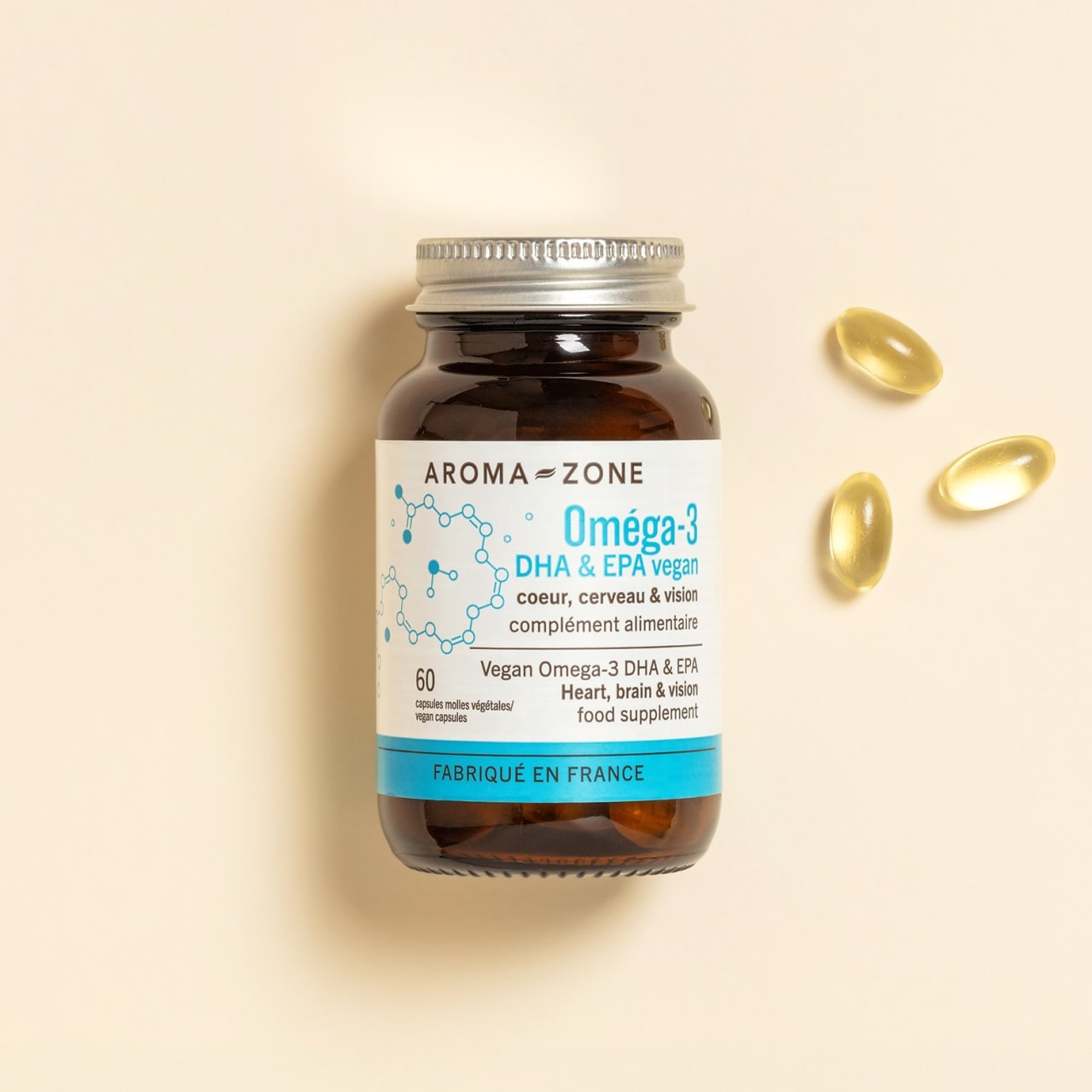
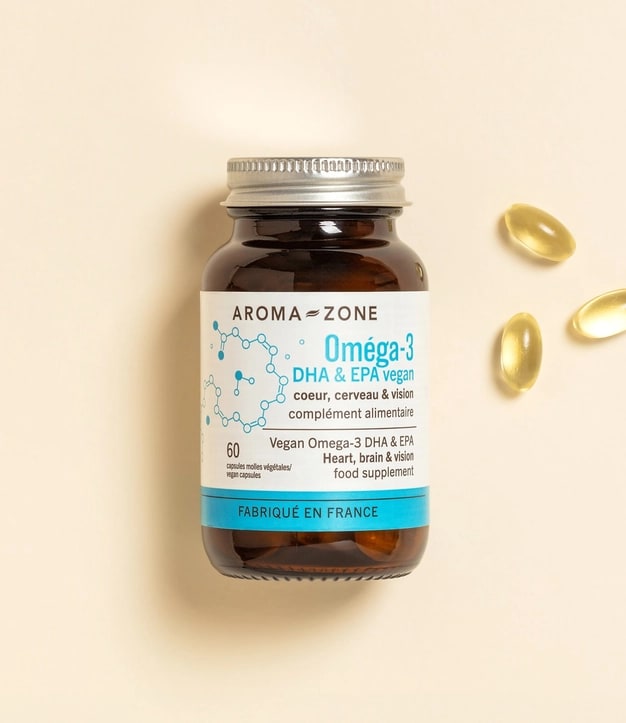
For people who eat little or no fish, Vegan Omega-3 capsules can be a practical alternative. They provide DHA and EPA from microalgae (Schizochytrium sp.) which have beneficial effects on brain function, vision, and heart function.

Precautions: Do not use on children under 12 years of age. Pregnant or breastfeeding women and children should seek the advice of a healthcare professional.

Focus on Vegan Omega-3 capsules
Highly concentrated in DHA and EPA derived from Schizochytrium sp. microalgae, these vegan Omega-3 capsules are an essential natural dietary supplement for supporting brain function, vision, and cardiovascular well-being. The algae oil used is manufactured in France using a patented process that guarantees its high quality and stability against oxidation. Omega-3s are polyunsaturated fatty acids that are essential for health. Extracted from microalgae, these omega-3 DHA and EPA are an ideal vegan alternative to fish oils.
Do the omega-3s in salmon withstand cooking?
The omega-3 fatty acids in salmon hold up quite well when cooked gently. They lose some of their content if the heat is too high or the cooking time too long, but steaming, baking, or pan-frying over moderate heat preserves most of them.
High-heat cooking methods, such as frying, tend to alter the fragile fatty acids more. This is one more reason to choose gentler cooking methods when you want to enjoy the nutritional benefits of salmon.
Farmed or wild salmon: how to choose the right salmon?
The difference between wild salmon and farmed salmon lies mainly in their lifestyle and diet, which can slightly alter their composition. Wild salmon is often slightly less fatty, as it swims more and feeds on a variety of prey. This generally gives it a different lipid profile, with a better omega-6/omega-3 ratio.
The diet of farmed salmon is controlled, which allows it to remain a source of omega-3 in most modern farms.
For some people, environmental criteria also come into play: sustainable fishing labels, certified aquaculture, or clearly indicated origin. These elements provide additional insight into practices, without changing the nutritional value of salmon.
Raw, cooked, or smoked salmon?
Raw salmon is very popular in sushi, sashimi, and tartare. In this form, it retains more vitamins and omega-3 fatty acids since it is not cooked. However, as with all raw fish, it can pose certain microbiological risks. Caution should be exercised with the most sensitive individuals (pregnant women, young children, and immunocompromised individuals). Pre-freezing is a common precaution, especially in restaurants, to limit the risk of parasites.
Smoked salmon is not actually cooked: it is salted and then smoked at a low temperature, which preserves its texture and nutritional qualities. It is a tasty but fairly salty product, which means it should be consumed in moderation. The same precautions as for raw salmon apply to vulnerable groups, as it is not cooked. However, it can be eaten cooked, for example in a quiche or gratin.
Cooked salmon has a more tender texture and is smoother on the palate. As we have seen, depending on the method used, it can lose some of its omega-3 and certain heat-sensitive vitamins, but gentle cooking in the oven, steaming, or pan-frying over moderate heat preserves most of these nutrients. This is a simple and accessible way to enjoy salmon while limiting the risks associated with raw preparations.
Salmon or trout?
Trout and salmon are very similar, but there are a few differences in terms of nutrition.
Nutritional profile
Trout is also an oily fish, although it is often slightly lower in fat than salmon (1). It is a natural source of omega-3 EPA and DHA, but its content varies depending on the species and diet of the fish.
Taste and texture
Trout has slightly less fatty flesh, but salmon has a slightly more refined taste.
Pollutants
Like salmon, trout may contain traces of pollutants. The levels depend on the origin and farming method, as with salmon. The recommendations therefore remain the same: vary the species you eat throughout the year to limit accumulation in the food chain.
Farming and origin
Most of the trout consumed in France comes from local fish farms, often with better traceability of origin. Salmon, on the other hand, comes more from international sources (Norway, Scotland, Alaska, etc.), with practices varying from one farm to another.
Recipe: Salmon and spinach crumble (serves 4)
This salmon and spinach crumble is a different way to enjoy salmon while reaping its benefits.
Ingredients for the salmon and spinach crumble:
300 g fresh or frozen salmon steak
300 to 400 g fresh or frozen spinach
1 yellow onion
Dill
Salt and pepper
For the crumble topping:
150 g wheat flour
100 g unsalted butter
80 g grated Parmesan cheese
Preparation of salmon and spinach crumble:
Preheat the oven to 350°F.
Sauté the chopped onion in a pan with a drizzle of olive oil.
Add the spinach and allow it to release its water. If there is still too much water at the end of cooking, squeeze it in a colander.
Cut the salmon into cubes (if using frozen salmon, remember to defrost it in the refrigerator a few hours beforehand, or immerse it in boiling water for 1 to 2 minutes).
Mix the spinach with the salmon and place in a baking dish.
Prepare the crumble topping by cutting the cold butter into small cubes and mixing it with the flour and Parmesan cheese using your fingertips.
Spread the crumble mixture over the spinach and salmon.
Bake the salmon and spinach crumble for 35 minutes at 350°F.
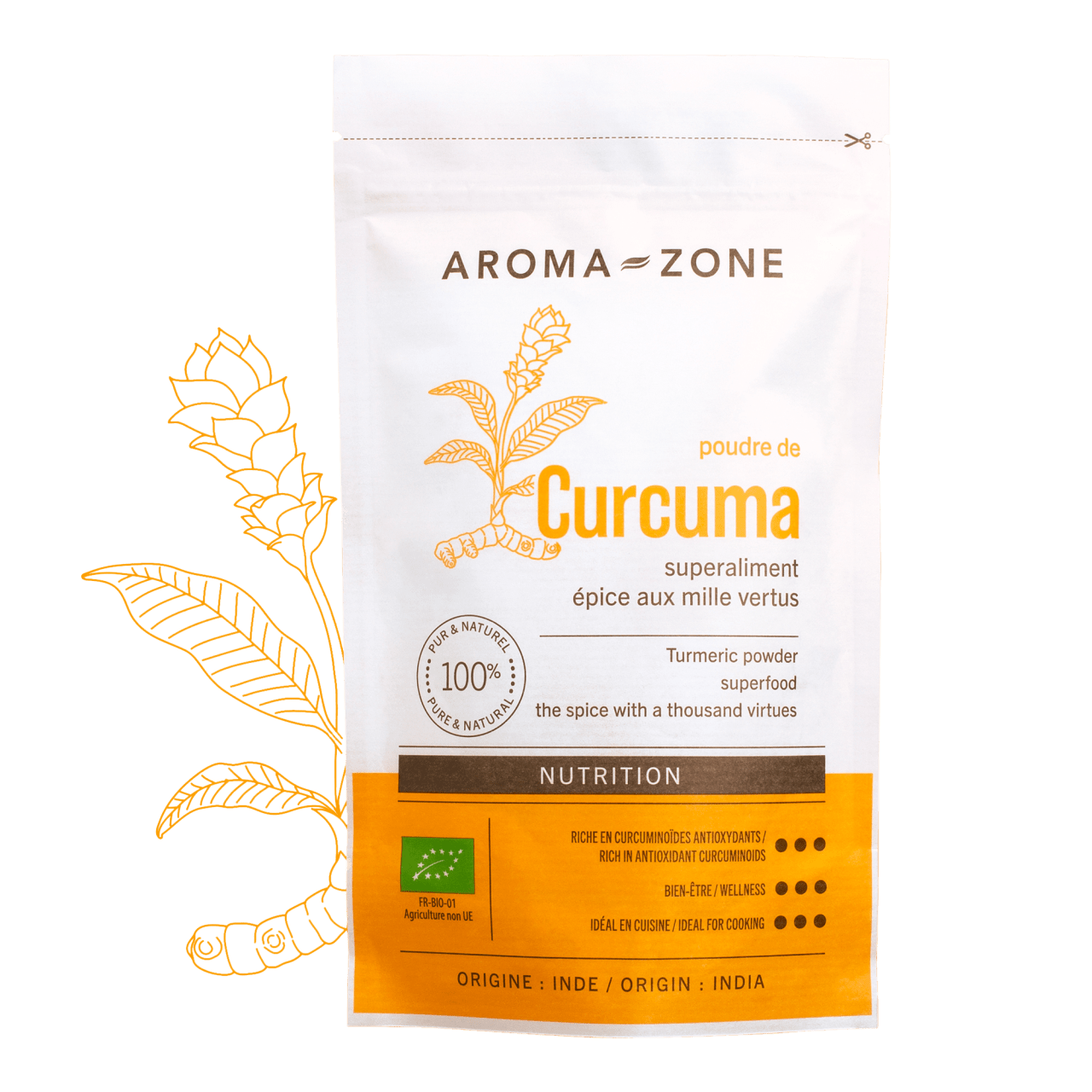
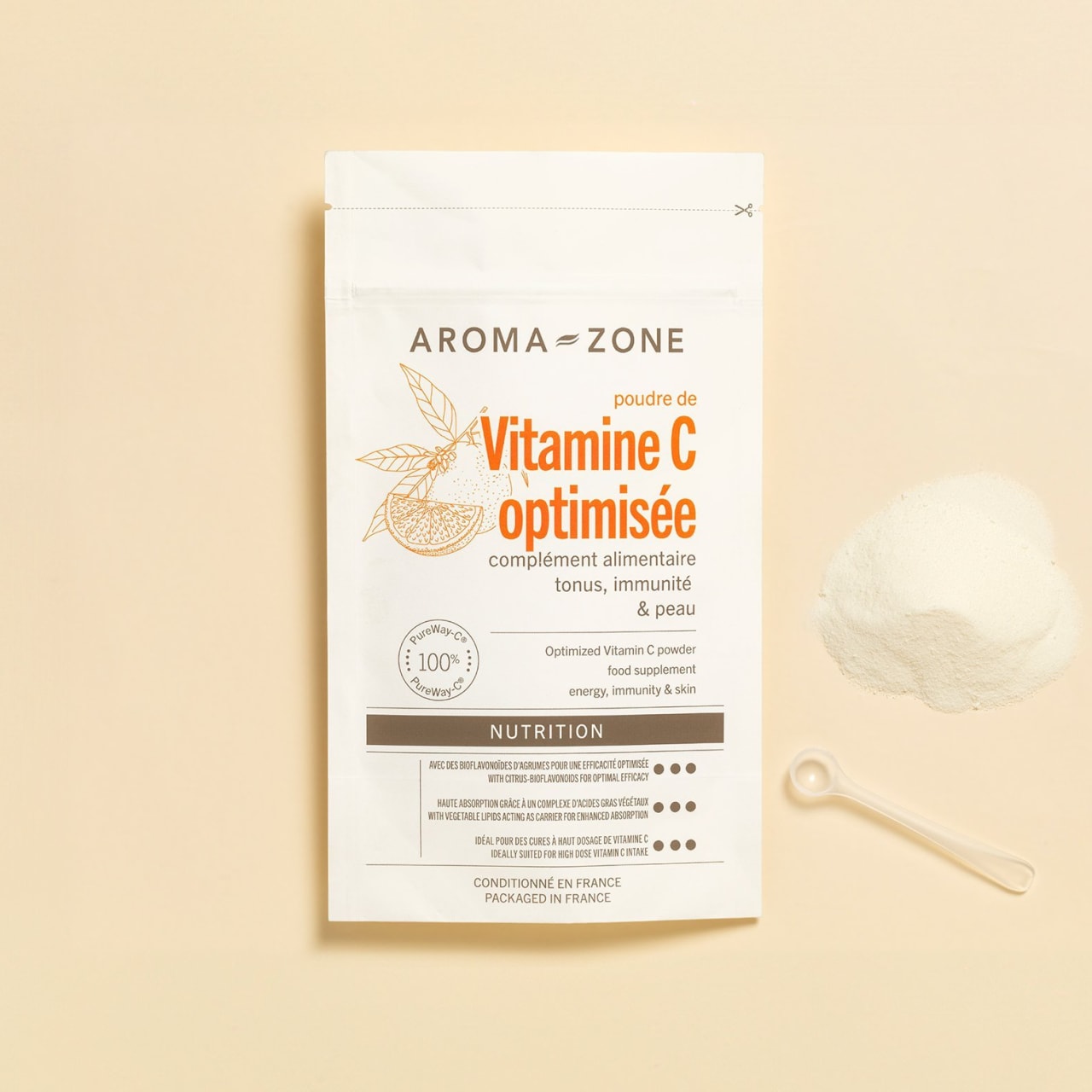
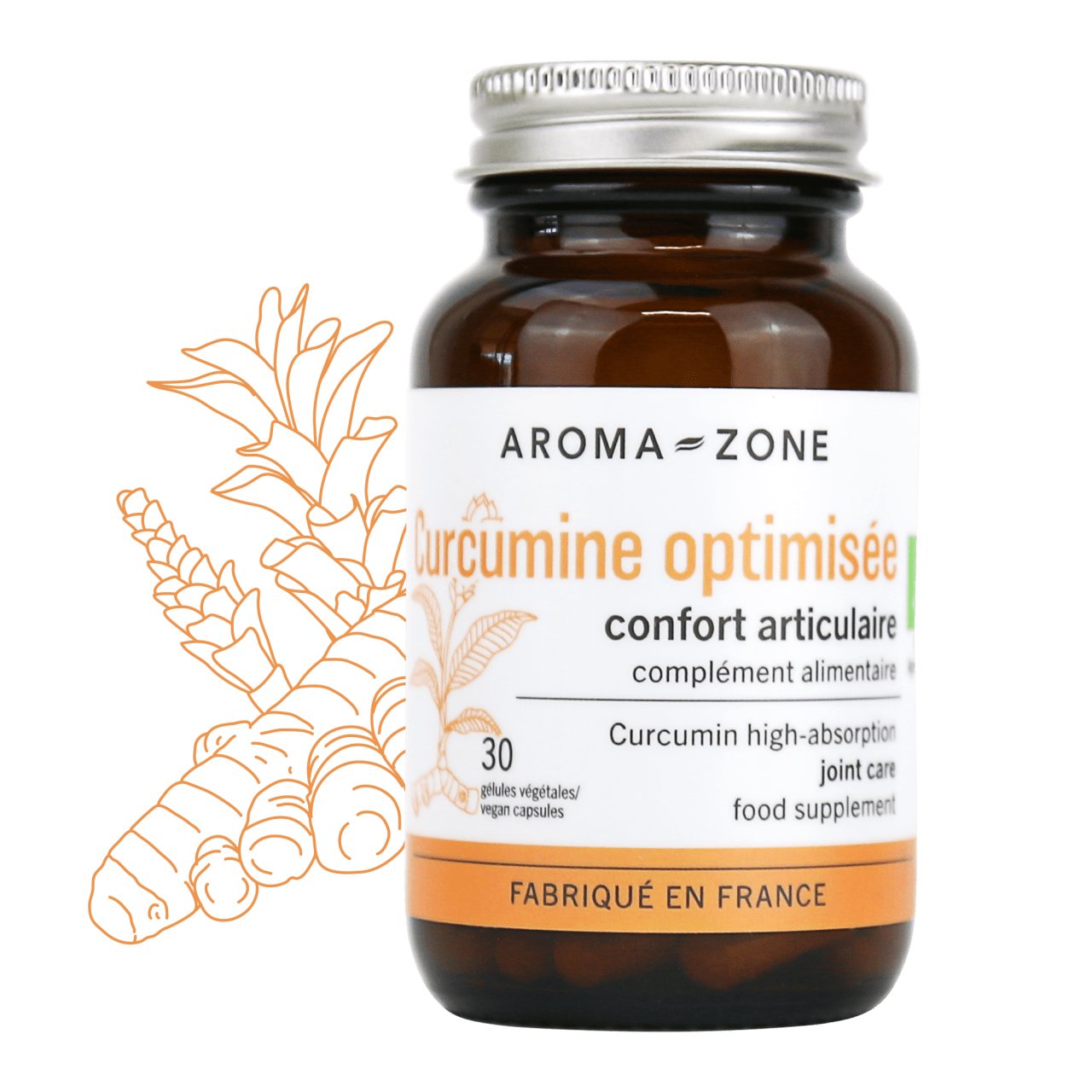
For an anti-inflammatory and antioxidant boost, you can add Aroma Zone turmeric powder to your salmon and spinach mixture and/or directly into the crumble mixture.
This salmon and spinach crumble is best enjoyed immediately.
Expert advice
Fatty fish are a natural source of EPA and DHA, and the ANSES recommendations are mainly in favor of a varied diet to enjoy them with peace of mind. Certain algae oils can also provide plant-based DHA, which allows for a more diverse intake. As for oils and seeds rich in ALA, they simply complement the whole, alongside fish.
Find out more

Should you limit your consumption of salmon?

Should you limit your consumption of salmon?

Why is salmon good for the brain?

Why is salmon good for the brain?
Salmon is a natural source of omega-3 EPA and DHA, two fatty acids that are found in cell membranes, particularly in the brain. Regular consumption of oily fish is one of the dietary habits often associated in scientific literature with better overall nutritional balance. It is just one element of a varied and balanced lifestyle.

What are the benefits of salmon?

What are the benefits of salmon?
Salmon provides protein, omega-3, vitamin D, and B vitamins, with amounts varying depending on its origin and how it is farmed. It is a fish that is appreciated for its nutritional richness and ease of integration into the diet. As with any fatty fish, consuming it as part of a varied diet simply allows for diversification of intake.
About the authors
This article was written by Joséphine Bourcier, dietitian at Ginette et Josiane, and Audrey Ho Van Cam, co-founder of Ginette et Josiane. Together, they work daily on developing a platform dedicated to digestive disorders and, in particular, creating low FODMAP recipes that are easy to digest and healthy. Their ambition: to reconcile French people with their food and their digestive health.
Spotlight on our editor, Audrey HO VAN CAM

Audrey Ho Van is the author of the book Vivre en paix avec ses intestins, published by Larousse, and co founder of Ginette et Josiane, an online support platform dedicated to Irritable Bowel Syndrome.
After 15 years of friendship and 10 years of exploration, unexpected experiences, medical tests and daily conversations on the subject, Audrey and Audrey, two childhood friends both living with Irritable Bowel Syndrome, chose to turn their personal and professional journeys into something meaningful. Together, they created Ginette et Josiane, a genuine support platform designed to help people live better with Irritable Bowel Syndrome and digestive disorders more broadly.
Their ambition is clear. To provide practical, concrete solutions, and above all to bring patients and healthcare professionals together within one shared community, raising awareness of this condition and transforming it into a collective movement.
Bibliography
1
Ciqual. (n.d.-a).
https://ciqual.anses.fr/
2
Omega-3 fatty acids. (2025, March 28). ANSES - French Agency for Food, Environmental and Occupational Health & Safety.
https://www.anses.fr/fr/content/les-acides-gras-omega-3
3
European Food Safety Authority (EFSA). (2015). Scientific opinion on the risks for public health related to the presence of dioxins and dioxin-like PCBs in food. EFSA Journal, 13(2), Article 3982
https://www.efsa.europa.eu/en/efsajournal/pub/3982?
4
Raji CA, Erickson KI, Lopez OL, Kuller LH, Gach HM, Thompson PM, Riverol M, Becker JT. Regular fish consumption and age-related brain gray matter loss. Am J Prev Med. 2014 Oct;47(4):444-51. doi: 10.1016/j.amepre.2014.05.037. Epub 2014 Jul 29. PMID: 25084680; PMCID: PMC4171345.
https://pubmed.ncbi.nlm.nih.gov/25084680/