
The benefits of krill oil make it an increasingly popular dietary supplement, particularly in the form of capsules. It is an animal-based oil made from krill, which is simply a generic name given to several species of small crustaceans – Euphosia superba being the most commonly used. It is a very abundant zooplankton that serves as food for many animals in the seas and oceans: salmon, seals, penguins, whales, etc. It plays a key role in the marine food chain, as it facilitates the transition from the plant world (it feeds on phytoplankton) to the world of animal proteins (it feeds all carnivorous predators).
What are the benefits of krill oil?
Published on: Friday, April 04, 2025, Updated on: Wednesday, October 21, 2026
Are you planning to take omega-3 supplements? Don’t wait—learn about the benefits of krill oil! Derived from tiny shrimp of the Euphausiidae family, it offers so many health and wellness benefits that it would be a shame to miss out. Cholesterol, memory, cardiovascular health, brain function, joints, skin health… This dietary supplement has sparked such a craze that some researchers fear Krill populations may be depleted in the long term. If you’re concerned about these ethical and environmental concerns, know that there are other natural alternatives with very similar benefits.
Contents
Related products
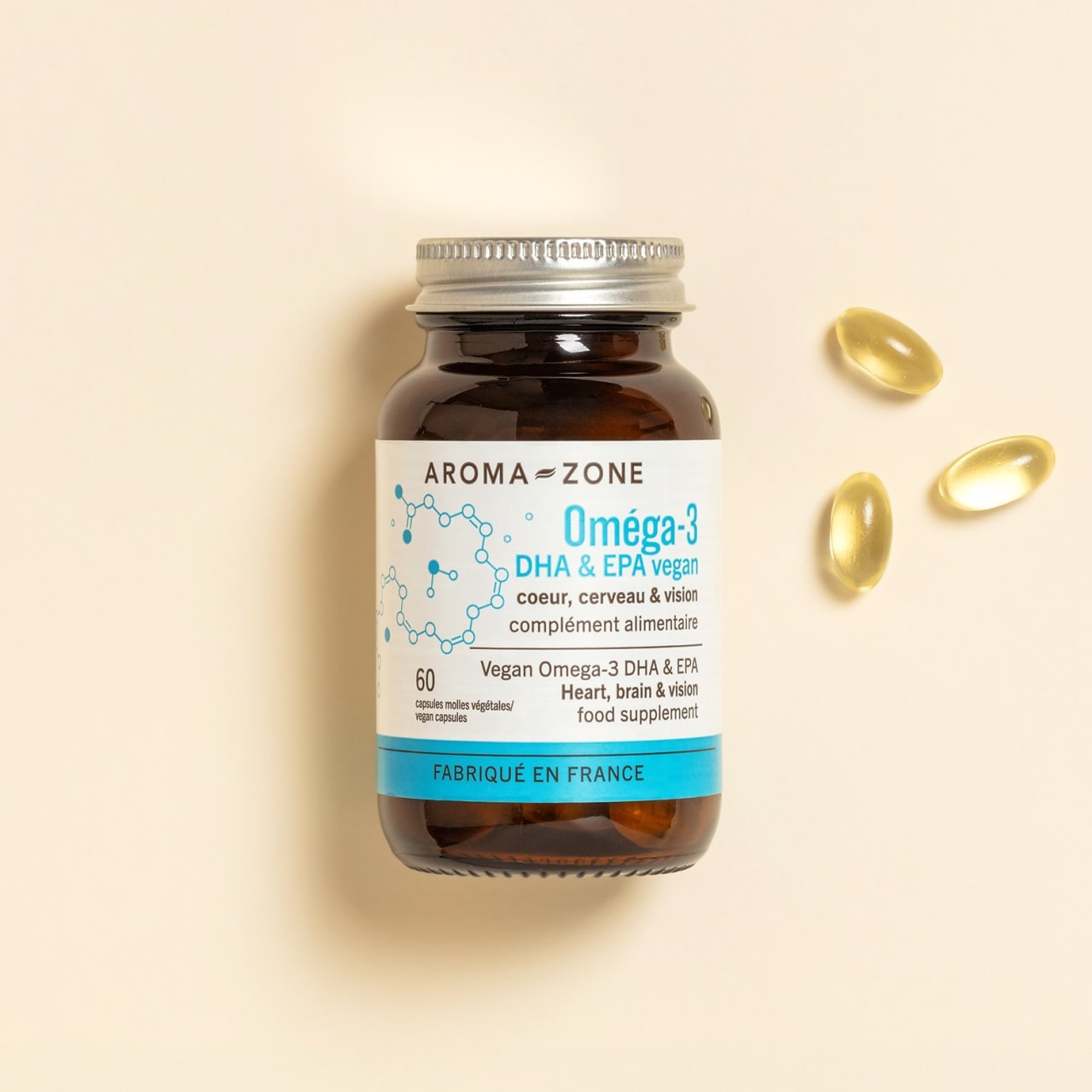
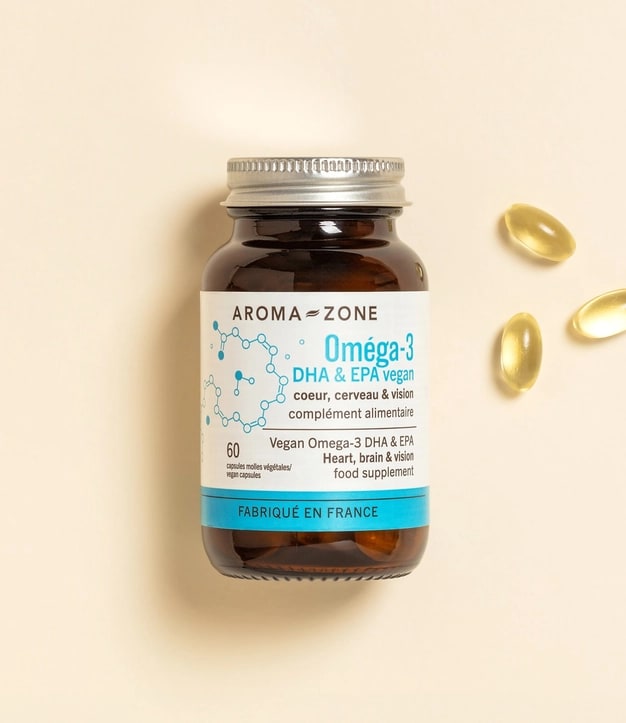
Vegan Omega-3 - 60 Capsules
Heart
Vision
£20.00
article
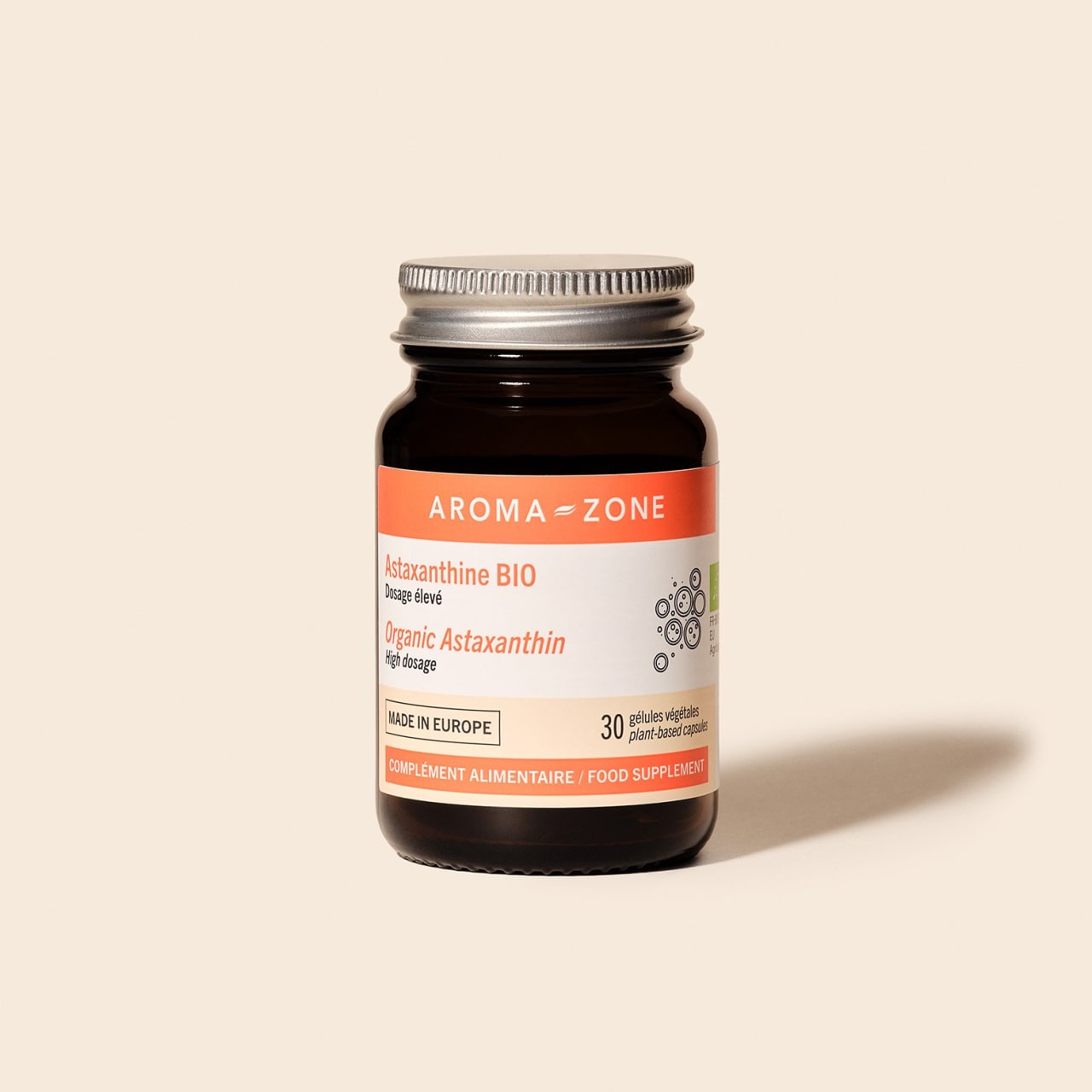
Astaxanthin - 30 Capsules
Tanning
Anti-ageing
£16.00
1 article
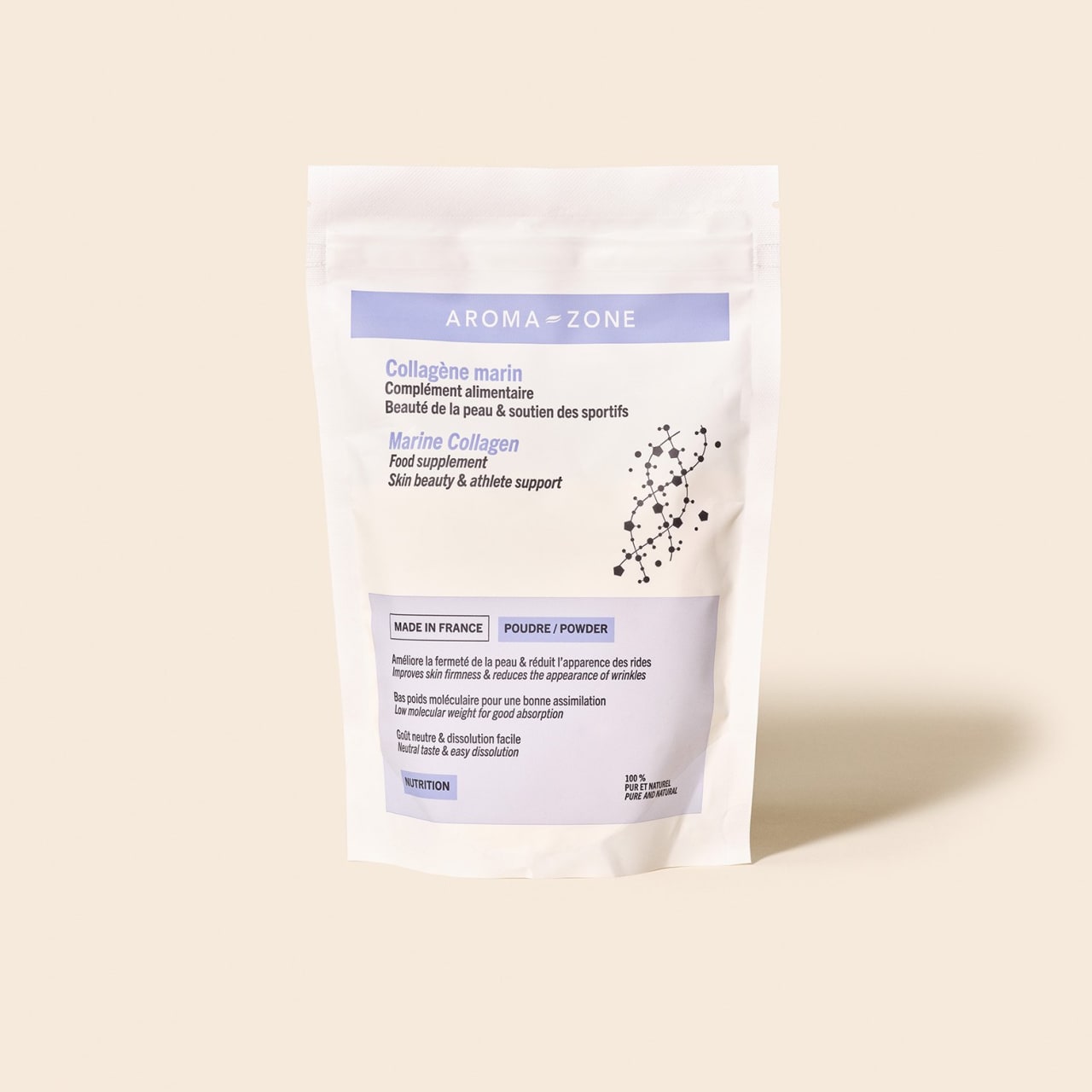
Marine Collagen
Firming
Sport
£22.00
250 g
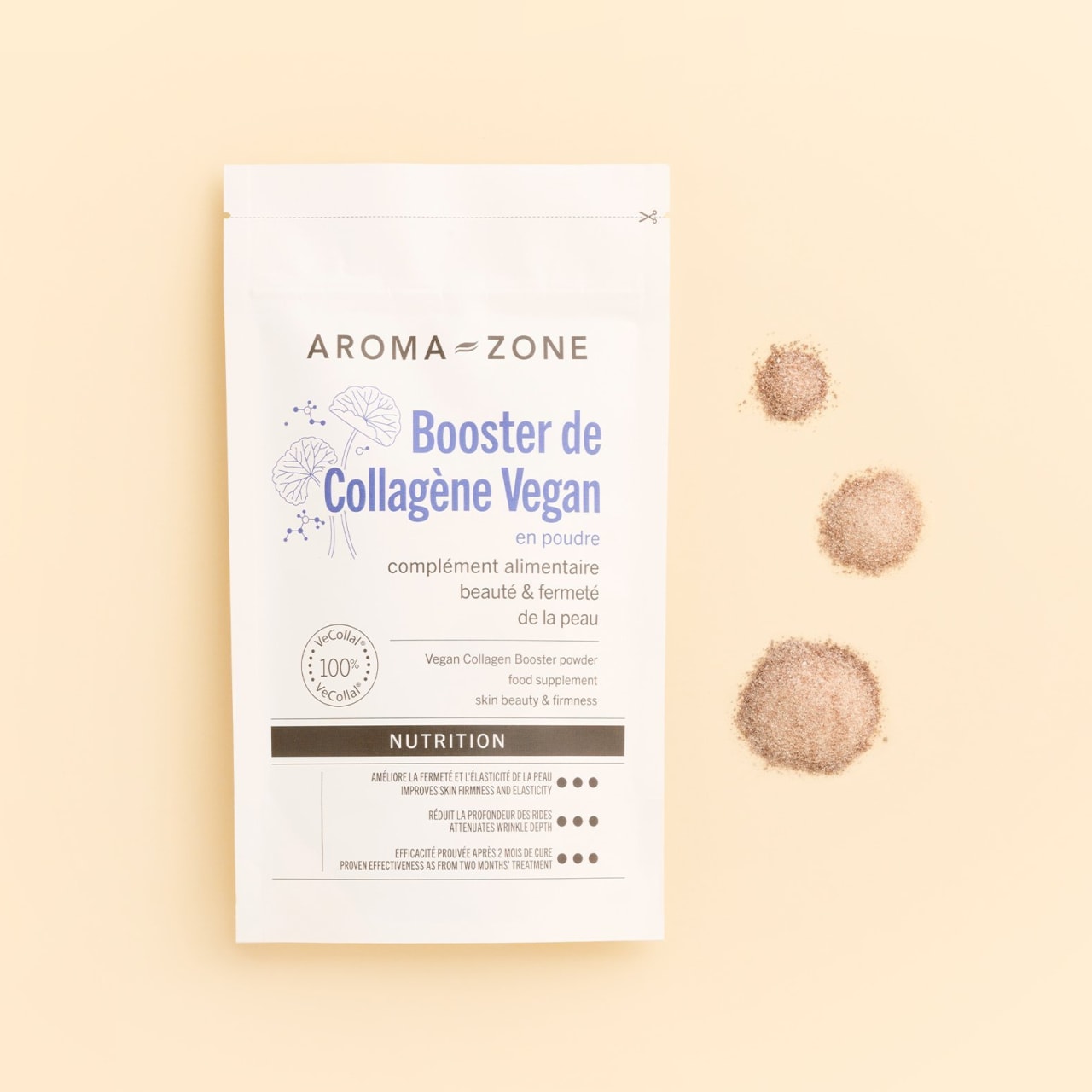
Vegan Collagen booster
Firming
Skin
£17.00
150 g
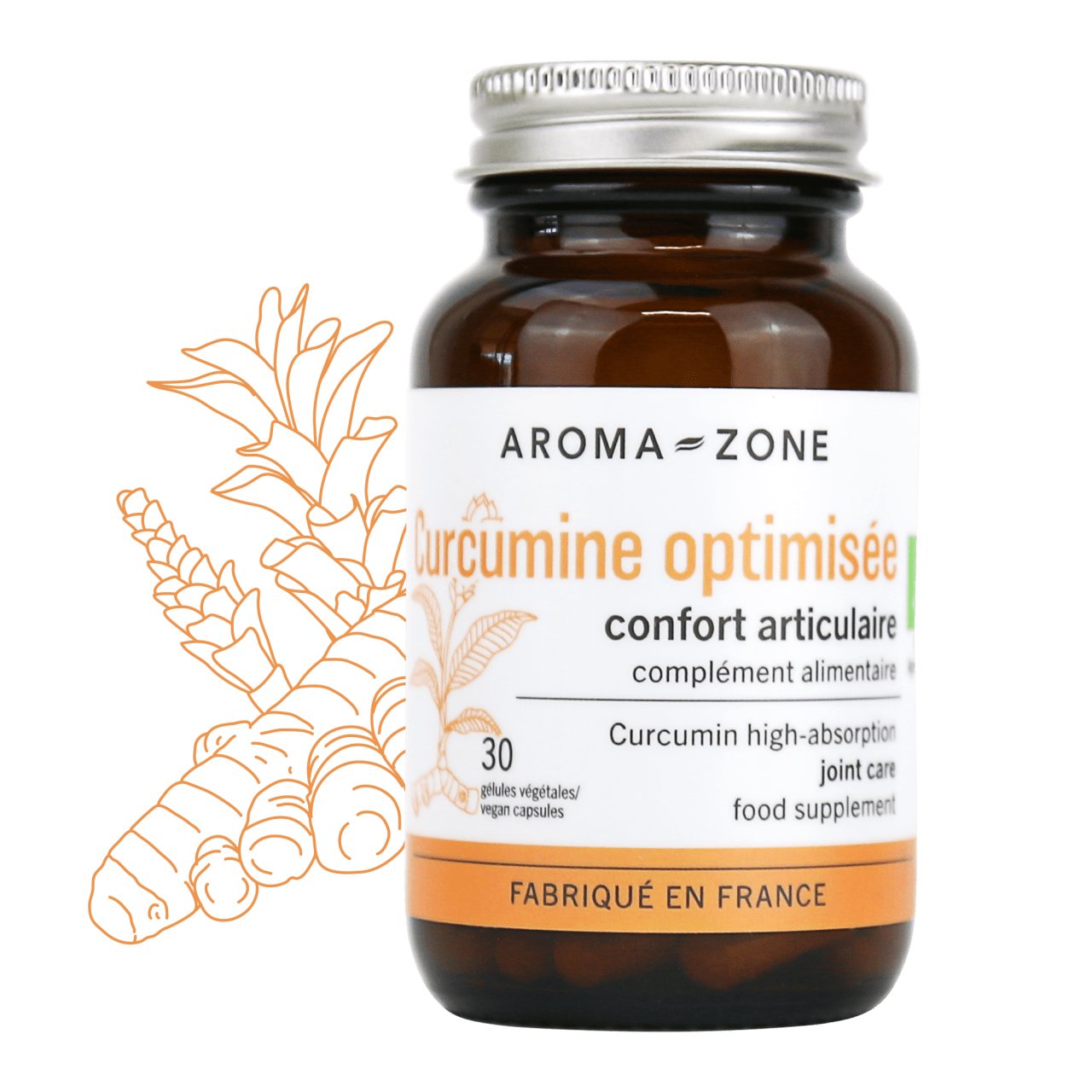
Optimised Curcumin - 30 Capsules
Joint comfort
£15.00
article
The benefits of pure krill oil: from the marine world to nutraceuticals
What are the benefits of krill compared to fish oil?
Krill-based dietary supplements are often compared to fish oil capsules. In fact, both oils are exceptionally rich in omega-3 fatty acids (DHA and EPA), which are all too often “overlooked” in our diets. But given the studies on the benefits of krill oil, it may actually be even more beneficial to our bodies than the well-known fish oil.
It is less contaminated with heavy metals, particularly mercury. This is because it sits at the very bottom of the marine food chain. In contrast, carnivorous fish such as salmon or tuna absorb and accumulate the harmful substances from their prey in their flesh.
It is much richer in antioxidants. Rich in astaxanthin, its ability to absorb oxygen radicals (ORAC index) is 47 times greater than that of fish oil! It can therefore help protect your body more effectively, while staying fresh longer without going rancid.
It has no aftertaste. A major plus for those of us who were traumatized by spoonfuls of cod liver oil. More pleasant to consume, it also has the advantage of minimizing the risk of burning, foul-smelling heartburn.
It offers superior bioavailability. This is because, unlike fish oils, its famous omega-3s are bound to phospholipids. These are much easier for our bodies to absorb, allowing them to be quickly transported where they’re needed.
What are the main properties of krill oil?
Krill Oil and Cholesterol
Elle can indeed help balance the ratio of “good” cholesterol (high-density lipoproteins: HDL) to “bad” cholesterol (low-density lipoproteins: LDL). It is believed to be capable of lowering LDL cholesterol by up to 40% and, conversely, increasing HDL levels by up to 60%. It could therefore be beneficial as a complementary approach to managing hypercholesterolemia and hyperlipidemia, while simultaneously offering additional benefits for weight management. Maintaining healthy cholesterol levels is also known to reduce cardiovascular risks.
Read also: How to naturally balance cholesterol?
Our solutions with benefits similar to krill oil
Omega-3: Discover our vegan omega-3 capsules
Marine collagen (dietary supplement). For skin beauty and athletes. Derived from farmed fish, it has been developed to a premium quality that ensures optimal absorption. Marine collagen is known for its skin-firming properties. It can also contribute to the well-being of athletes looking to build muscle mass.
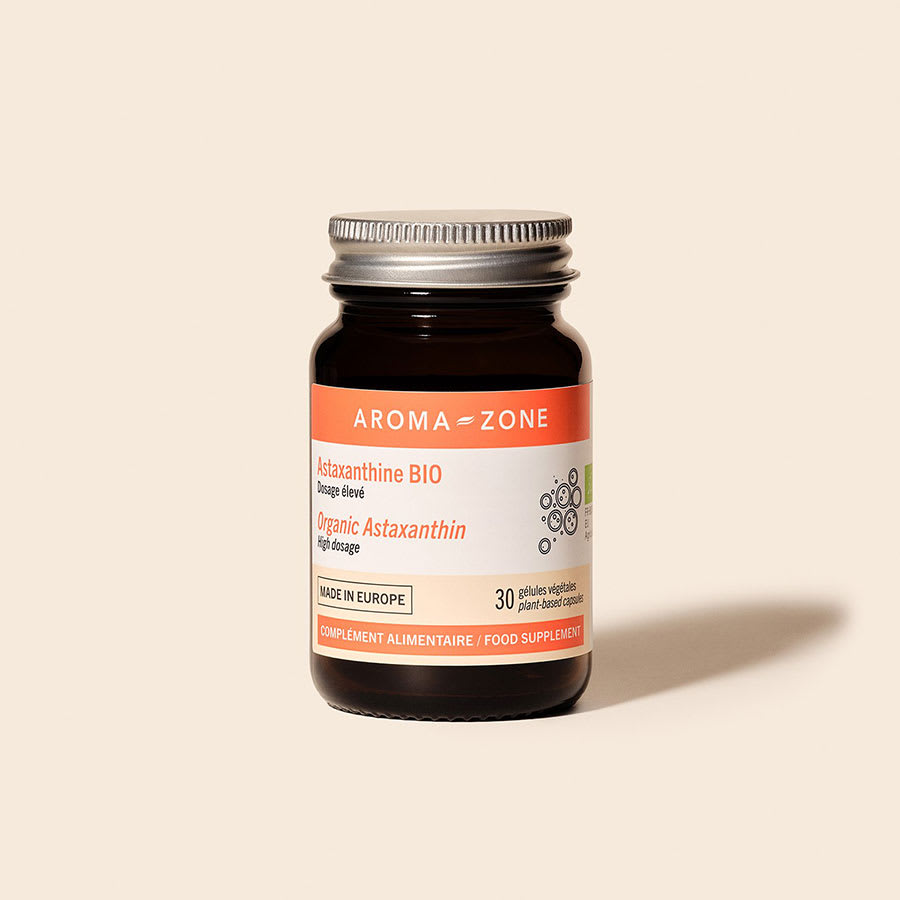
Organic Astaxanthin (dietary supplement). One of the most powerful natural antioxidants known. Naturally present in krill, astaxanthin is offered here in a concentrated form that is 100% natural and vegan. It is extracted from the algae Haematococcus pluvialis, cultivated in Europe in a closed environment protected from pollution.
What are the benefits of krill oil?
It is said to relieve joint pain. Its high astaxanthin content may inhibit apoptosis, a process of programmed cell death involved in osteoarthritis. The anti-inflammatory activity of this carotenoid has already been proven in arthritis.
It may be beneficial for PMS (premenstrual syndrome). The benefits of krill oil are said to help alleviate painful periods (dysmenorrhea). They may also help soothe feelings of stress and irritability associated with PMS or menopause.
It is said to be good for the eyes. This is attributed to its omega-3 DHA, EPA, and phospholipids, which play a crucial and well-documented role in eye health. However, it should be noted that studies conducted to date do not directly concern krill oil.
How should you take it for an effective treatment?
Choose your dietary supplement carefully. Opt for a pure oil, checking its nutrient concentration and ensuring it contains no excipients (sunflower oil, colorants, etc.).
Store your krill oil capsules in a cool, dark, and dry place to ensure optimal preservation. Avoid putting them in the fridge, as the cold can damage the gelatin in the capsules.
Take them with meals (before, during, or after). The lipase and bile salts produced during a meal maximize the nutritional bioavailability of your oil.
Opt for a long-term regimen, as it sometimes takes time to notice effects. Manufacturers generally recommend taking the supplement continuously for 2 to 3 months.
Adjust the dose to your actual needs (without exceeding the recommended maximum), based on how you feel and your dietary intake. Consult a healthcare professional.
You can take several courses of treatment throughout the year if you wish. We simply recommend taking a break of several months between each course.
Our recipes with a taste of the sea


Precautions for use
Although generally well-tolerated, this animal-derived oil may cause some side effects, starting with gastrointestinal discomfort (nausea, diarrhea). Due to its composition (crustaceans), it is not suitable for people allergic to seafood.
The benefits of krill oil should not lead you to believe that dietary supplements can replace a varied and balanced diet and a healthy lifestyle. Be sure to consult your doctor beforehand to ensure this product is suitable for you, especially if you are part of a high-risk group (children, pregnancy, breastfeeding, illness, or ongoing treatment). In all cases, follow the recommended daily doses listed on the packaging. This precaution applies to all dietary supplements, without exception.
Dietary supplements enriched with omega-3 are generally not recommended for people on anticoagulant medication or those preparing for surgery (due to their blood-thinning effect). Krill oil may also be contraindicated for people with type 2 diabetes, as it may reduce insulin sensitivity.
Expert advice
Wondering what the “NKO” label on your box of krill capsules means? It stands for “Neptune Krill Oil,” referring to a patented cold-extraction process that preserves the oil’s purity and its active ingredient content. You can also look for recognized labels that provide evidence of the manufacturer’s commitment to environmental responsibility, particularly regarding overfishing, the preservation of the marine ecosystem, and the environment.
Focus on Our Writer: Hélène Betoux

Hélène Betoux is a French beauty journalist specialising in web media. Every day she writes tips, advice, and guides to help consumers choose the right beauty products. With a strong interest in natural, organic, and clean cosmetics, she analyses and shares trends and innovations in the sector.
Bibliography
J. Mercola, L. Zuili, Natural and Effortless Health, Hugo New Life, 2019.
J. Dinicolantonio, J. Fung, C. Lombardo Marti, The Longevity Solution, Thierry Souccar, 2020.
P. Mollo, A. Noury, The Plankton Handbook, Charles Léopold Mayer, 2013.
Vidal, Dietary Supplement: Omega-3 from Fish Oils, updated October 2018 [accessed March 2025].
N. Ouertani, Krill: A Crustacean with Multiple Therapeutic Benefits, Pharmaceutical Sciences, 2017.

Frequently Asked Questions
Associated tips
Hair care tips

Hair care tips

Face care tips

Body Care Tips


