
A vaginal lubricant is a substance used to increase the natural lubrication of the vaginal mucosa. It can be applied locally to reduce friction, pain and feelings of dryness during sex or in other situations where natural lubrication isn't enough.

Vaginal Lubrication: Which Natural Intimate Lubricants Should You Use?
Published on: Wednesday, April 17, 2024, Updated on: Friday, October 30, 2026
Vaginal lubrication is a natural process that plays a key role in intimate comfort, protecting the mucous membranes and sexual pleasure, but it can be thrown off by stress, hormonal changes, certain treatments or menopause. As the vagina is a sensitive and delicate area, discover which natural intimate lubricants to use so you can support its balance and your intimate wellbeing.
Contents
Related products
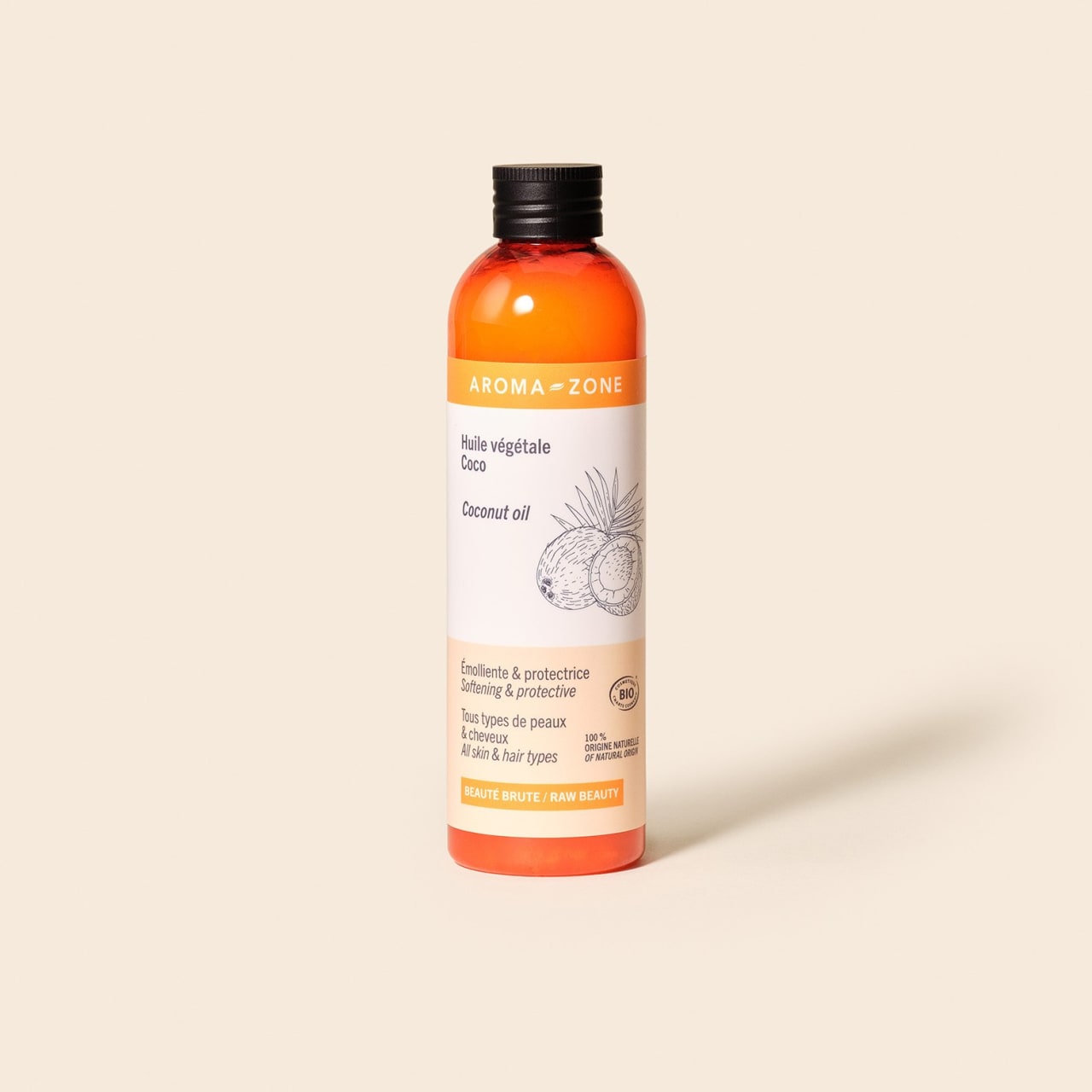
Organic Coconut Oil
Nourishing
Protective
£8.00
250 ml
3 options
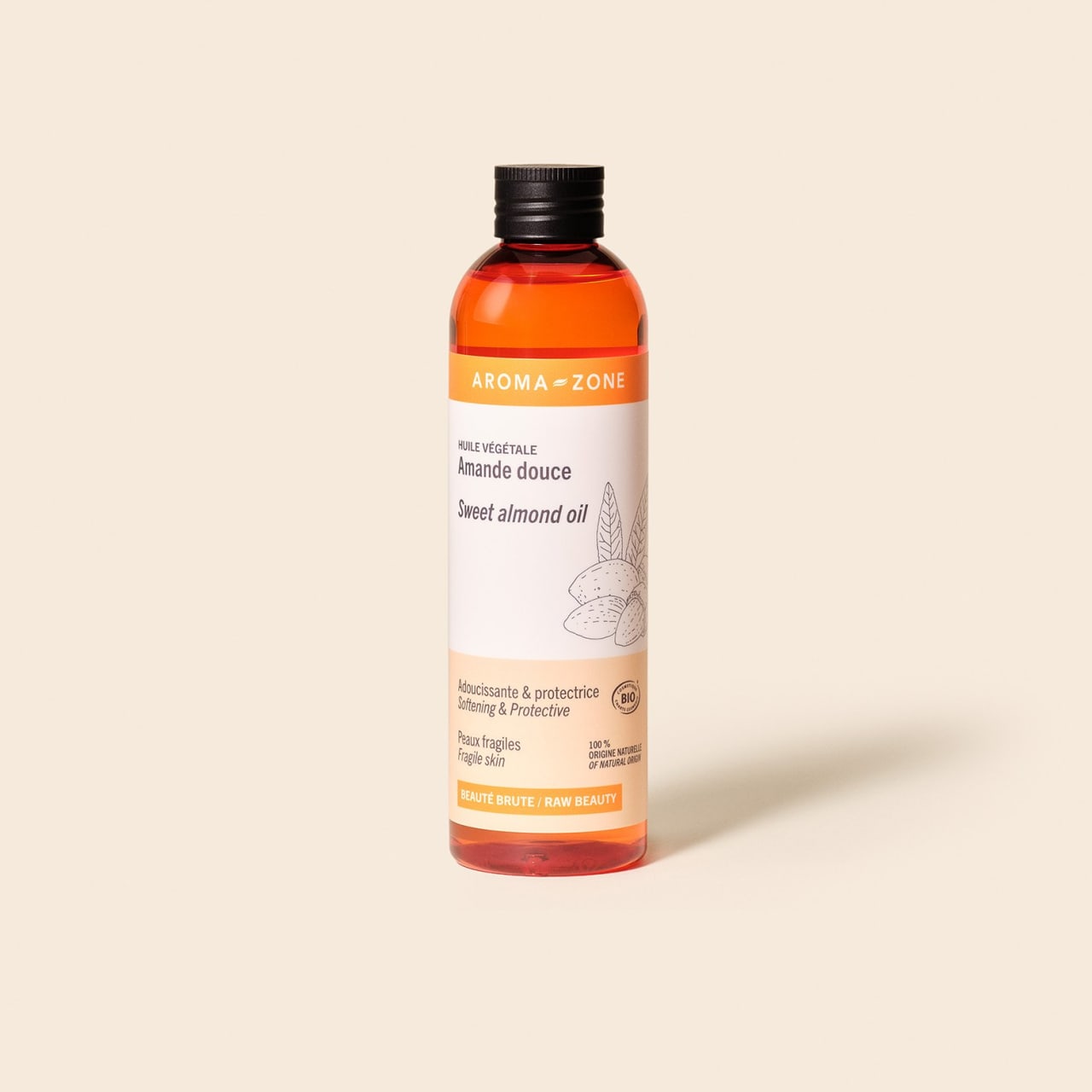
Organic Sweet Almond Oil
Protective
£13.00
250 ml
2 options
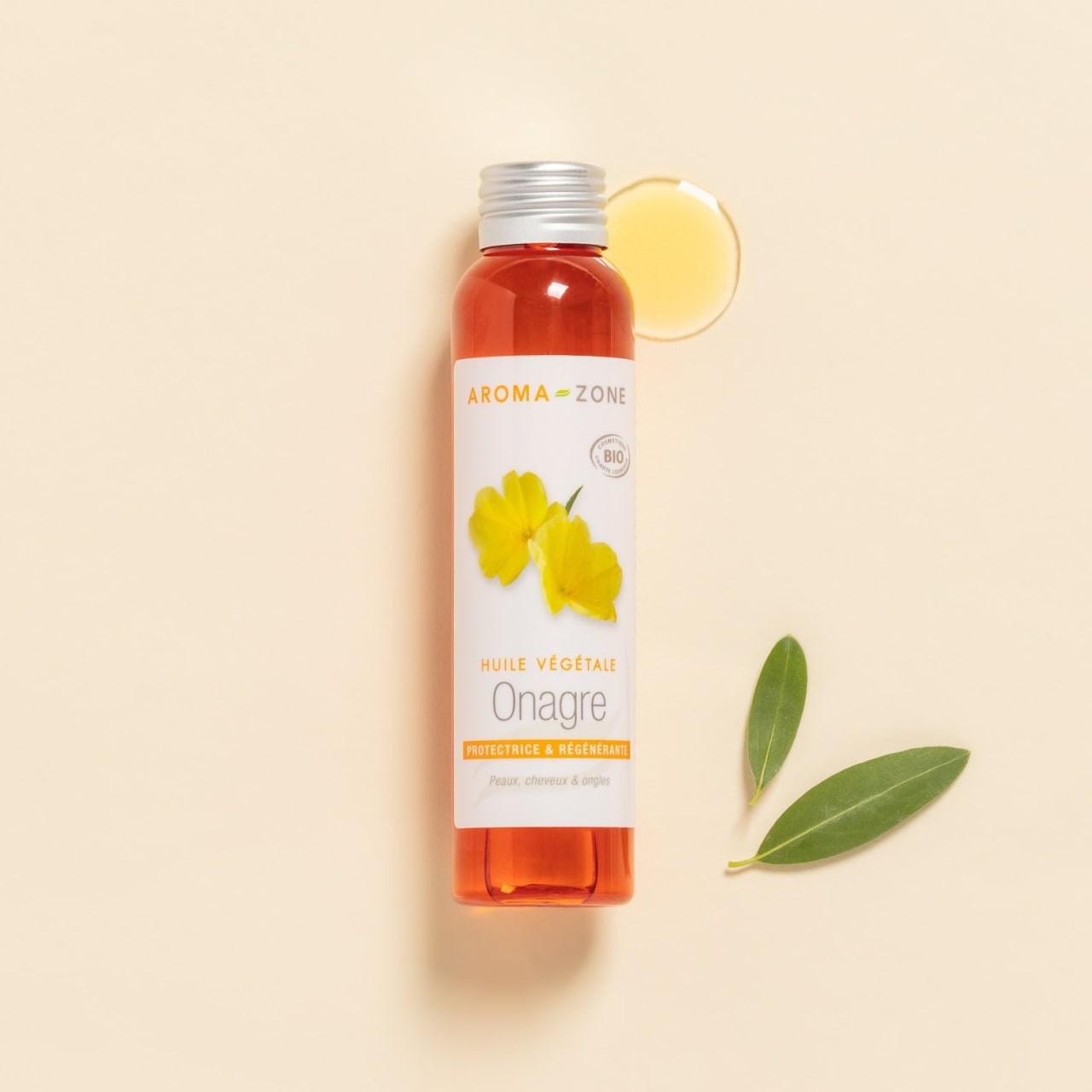
Organic Evening Primrose Oil
Anti-ageing
£9.00
100 ml
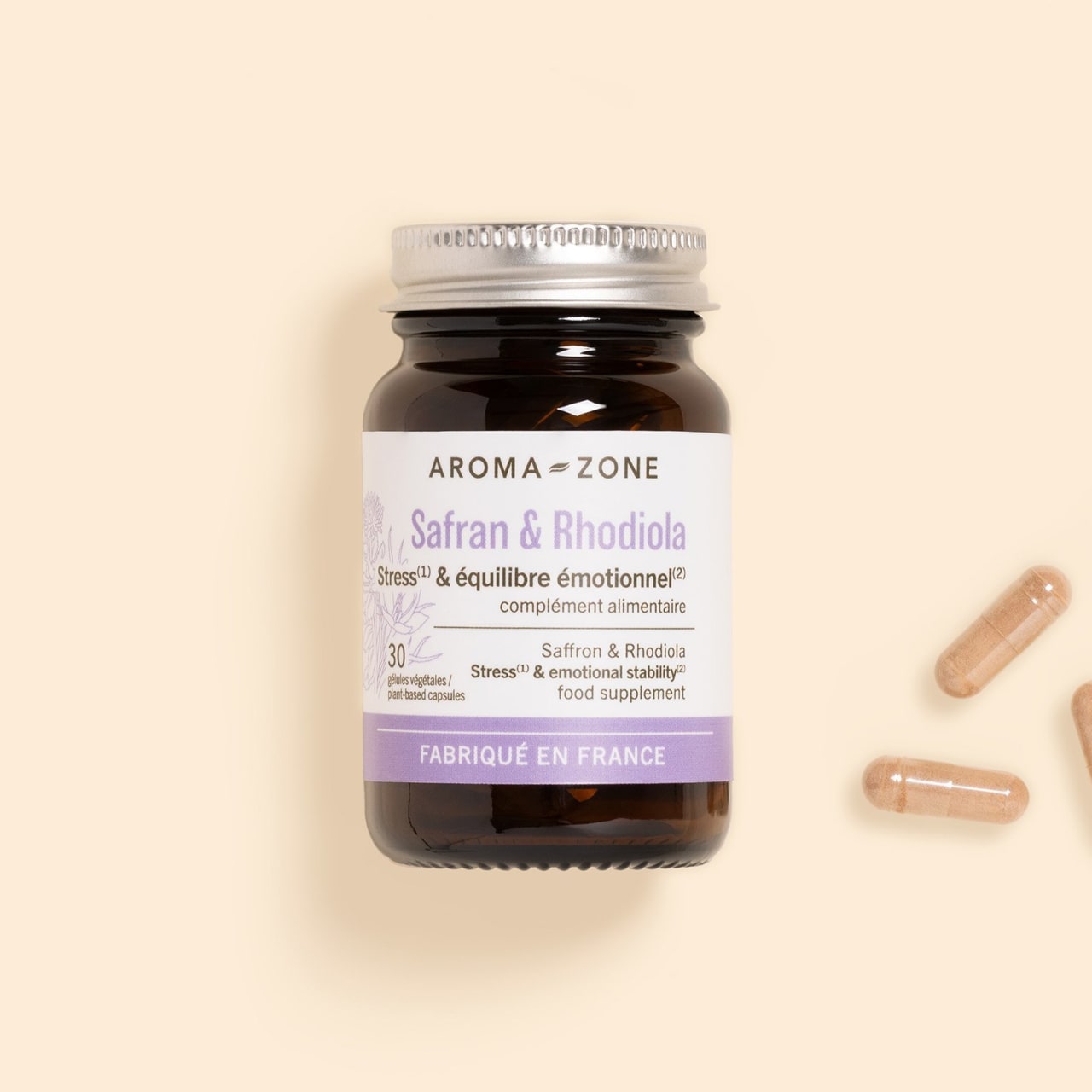
£19.00
article
Zinc Bisglycinate - 120 Tablets
Skin
Hair
£9.00
49.5 g
What is a Vaginal Lubricant?
Why Use a Natural Intimate Lubricant?
Protecting Sensitive Mucous Membranes
Formulas made with naturally derived ingredients help limit burning, tingling or discomfort, particularly in cases of chronic intimate dryness, postpartum or menopause. By creating a slippery film, they reduce friction and therefore the risk of pain during intercourse, which helps overall comfort.
Improve Comfort and Pleasure
Certain natural ingredients add a nourishing or soothing effect, which can extend the feeling of wellbeing after sex. This is the case with some plant oils. This dual action of pleasure and care can be a real plus in an intimate routine.
Choosing a Gentle Formula
The vagina is one of the most intimate regions of our anatomy. More and more people want to know exactly what they're applying to their mucous membranes so as not to disrupt their intimate flora. Natural intimate lubricants favour short formulas, free from synthetic fragrances, dyes or certain petrochemical derivatives.
Which Natural Intimate Lubricants Should You Choose?
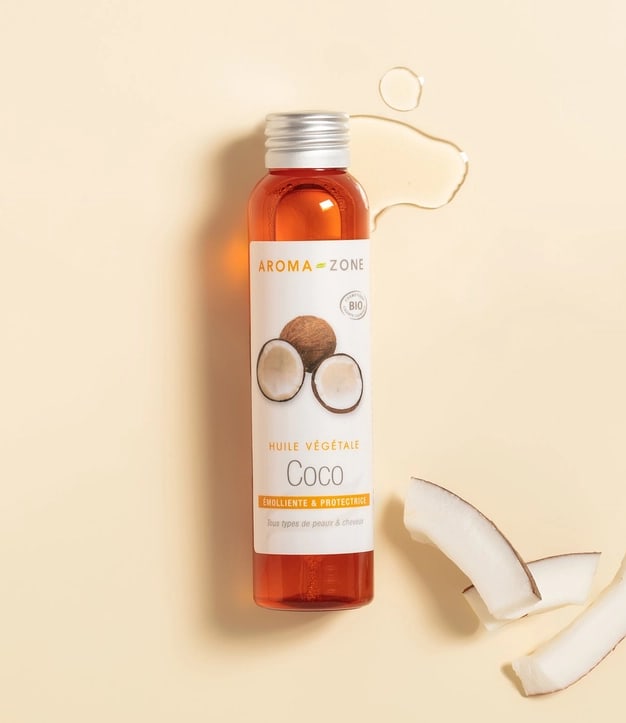
Coconut oil
Coconut oil is widely recognized for its moisturizing and antimicrobial properties. It absorbs quickly into the skin, leaving a feeling of softness and hydration. In addition to its benefits for lubrication, coconut oil can also help soothe skin irritations and inflammation as well as vaginal infections.
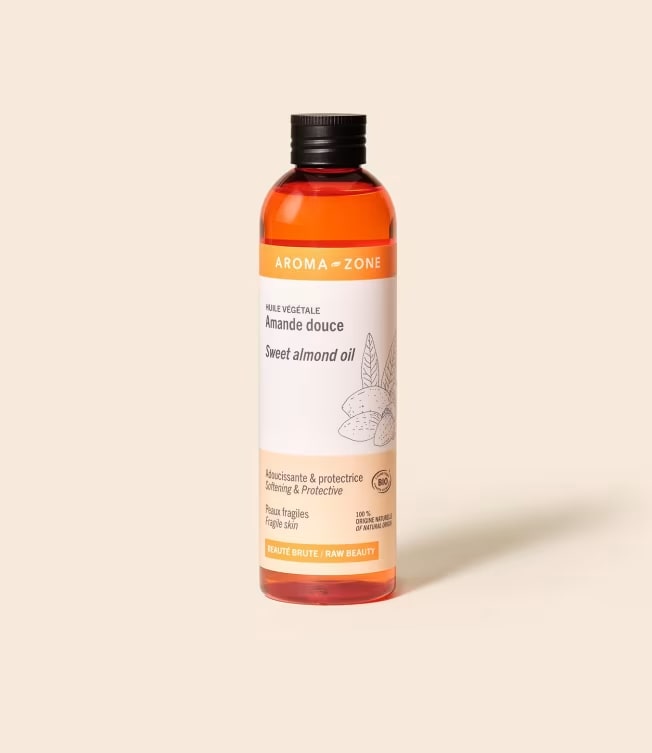
Sweet Almond Oil
Sweet almond oil is soothing and nourishing for the skin, particularly for sensitive skin prone to dryness. It is rich in essential fatty acids and vitamins, making it an excellent choice for vaginal lubrication. Sweet almond oil is also known for its soothing properties, which can help relieve irritation and itching.
Contraindications : Not recommended for people allergic to nuts. Some doctors now advise against the continuous use of sweet almond oil during pregnancy due to the increase in cases of nut allergies. Alternate with other natural solutions to avoid the risk of sensitization.
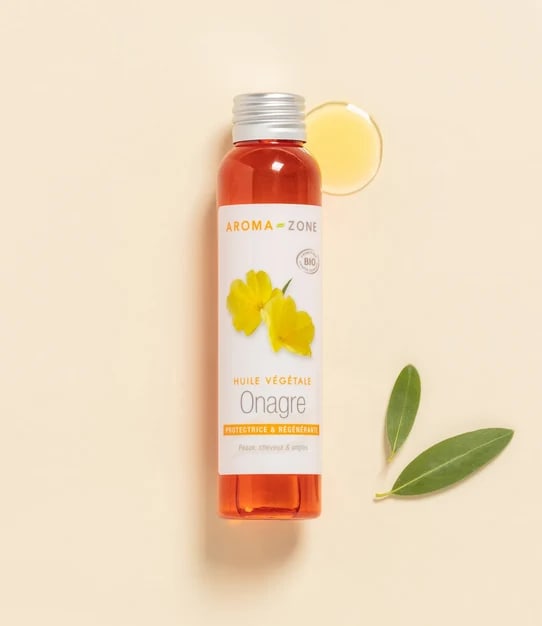
Evening Primrose Oil
Evening primrose oil is rich in omega-6 fatty acids, which are essential for maintaining the health of the skin and mucous membranes. It is often recommended for women experiencing vaginal dryness due to hormonal fluctuations, such as menopause. In addition to its lubricating properties, evening primrose oil can also help relieve symptoms associated with hormonal imbalances.
Water-based natural lubricants
Water-based natural intimate lubricants are also a good option. They have the advantage of not feeling sticky. Unlike oil-based lubricants, they are fully compatible with latex condoms. Choose ones with a pH between 4 and 5 to preserve the vagina’s natural acidity and avoid disrupting the intimate flora.
Contraindications : Water-based lubricants dissolve quickly upon contact with water, which is why it is not recommended to use them in a pool, in the shower, or in the bath.
How to Lubricate the Intimate Area?
Choose the right product: Select a high-quality natural intimate lubricant suited to your needs and sensitivity. Read labels carefully and avoid products containing irritating or allergenic ingredients. Make sure it is condom-safe if needed
Apply a sufficient amount: Use enough lubricant to ensure the area is well-covered. Don’t hesitate to reapply if necessary, especially during prolonged sexual intercourse
Apply gently : Use clean fingers to apply the lubricant to the intimate area. Gently massage the area to distribute the product evenly and ensure optimal lubrication
Avoid excessive rubbing: When applying the lubricant, avoid sudden movements or excessive rubbing, especially if your intimate area is sensitive. Take your time and be gentle to avoid irritation
Clean up after use: After using a lubricant, be sure to clean your intimate area with warm water and a mild, pH-balanced soap to remove any product residue. This can help prevent irritation and infections.
How to Increase Natural Female Lubrication?
To naturally increase female lubrication, it’s important to take care of your overall health. Make sure to stay hydrated by drinking enough water throughout the day. Additionally, certain foods rich in omega-3 fatty acids, such as fatty fish and flaxseeds, can help maintain proper hydration of the skin and mucous membranes.
Habits for Maintaining Good Intimate Hygiene
Good intimate hygiene is essential for adequate lubrication, to prevent infections, and to maintain the natural balance of the vaginal flora. Here are our simple tips for good intimate hygiene:
Gently clean the genital area with a mild, fragrance-free soap with a pH between 4.2 and 5.6
Avoid vaginal douching, which can disrupt the vaginal pH balance
Wear cotton underwear, which allows the skin and mucous membranes to breathe
Avoid tight-fitting clothing, which can promote moisture and infections.
Precautions for Use
Although natural lubricants are generally safe, we recommend consulting a healthcare professional before using them, especially if you have a history of allergies or skin sensitivities. Also avoid using lubricants containing mineral oils or fragrance, which can irritate the skin and disrupt the vaginal balance.
If you notice any reaction or irritation after using a natural lubricant, stop using it immediately and make an appointment with a doctor or gynecologist if necessary.
Expert Advice
Beyond natural lubricants, don’t forget to take care of your overall health to promote optimal intimate lubrication. Be sure to maintain a balanced diet rich in essential nutrients, such as omega-3 fatty acids and vitamins B and E, which are beneficial for skin and mucous membrane health. In addition, regular physical activity can help improve blood circulation to the pelvic region, which may promote natural lubrication. By taking care of your body as a whole, you can support your intimate health and overall well-being.
Spotlight on Our Naturopathic Writer: Stéphanie Catrysse

Stéphanie Catrysse is a naturopath (certified by the FENA), a wellness massage and lymphatic drainage practitioner, and a personal development coach. She is passionate about alternative medicine and practices a holistic approach to health.
Bibliography
NIH, Lubricants for the promotion of sexual health and well-being: a systematic review, March 2022
https://pmc.ncbi.nlm.nih.gov/articles/PMC8942543/
NIH, Approach to lubricant use for sexual activity, July 2025
https://pmc.ncbi.nlm.nih.gov/articles/PMC12312864/

Frequently Asked Questions
Associated tips
Sexual wellness tips

Intimate hygiene
Hormonal balance


