Intimate Odours: Everything You Need to Know

Intimate Odours: Everything You Need to Know


By Laura Almeras

Published on: Wednesday, April 10, 2024, Updated on: Thursday, October 29, 2026

Intimate odours are a natural part of a woman's body. Whether pleasant or unpleasant, they aren't necessarily a sign of infection or hormonal imbalance. When should you be concerned, and why do they change? We tell you everything you need to know to feel at ease with your intimate odours.

Contents

Related products

What are intimate odours?

Intimate odours are an integral part of women’s health. They result from the complex interaction between various biological, microbial and environmental factors. Generally, intimate odours are naturally produced by the vaginal flora, which includes beneficial bacteria known as lactobacilli. These bacteria help maintain vaginal pH balance, helping it function properly.

Normal intimate odours can vary slightly from one woman to another and may be influenced by factors such as diet, hydration levels, the menstrual cycle and even stress levels. Furthermore, it is important to note that vaginal odours can also vary throughout the menstrual cycle, often being more pronounced during the premenstrual and menstrual periods due to hormonal fluctuations. 

What causes intimate odours?

Intimate odours can be influenced by a multitude of factors. They reflect the complexity of the female reproductive system and its microbial ecosystem. Here are some of the factors that may play a role in the development of intimate odours:

  • Diet: What you eat can affect your body odour, including that of your intimate area. Certain foods, such as garlic and strong spices, can temporarily alter body odour. A balanced diet rich in fruit, vegetables, and whole foods can help maintain a neutral body odour.

  • Hygiene: Proper intimate hygiene is essential for preventing unwanted odours. It is also recommended to avoid excessive vaginal douching, as this can disrupt the natural balance of the vaginal flora. Contrary to what one might think, excessive washing can lead to unpleasant odours.

  • Hormones: Hormonal fluctuations, such as those that occur during the menstrual cycle, pregnancy and the menopause, can influence body odours. For example, oestrogen levels can affect the amount and consistency of vaginal discharge, which in turn can influence odours.

  • Stress: Chronic stress can impact the immune system and lead to hormonal changes. This stress can manifest as changes in body odours, including intimate odours.

  • Infections: Vaginal infections, such as yeast infections, fungal infections and bacterial vaginosis, can cause abnormal intimate odours. These infections disrupt the natural balance of the vaginal flora, leading to an overgrowth of certain bacteria or yeasts that produce unpleasant odours.

In summary, a variety of factors can influence intimate odours, and you need to learn to recognise them. If, despite this, you are self-conscious about your intimate odours, do not hesitate to discuss this with your GP or gynaecologist.

What are the different types of vaginal odours? Why might odours change?

The normal odour of the intimate areas can be described as slightly acidic or musky. This odour is generally subtle and may vary slightly from one woman to another. It is mainly attributed to beneficial bacteria, known as lactobacilli, that naturally inhabit the vagina and help balance vaginal pH.

Vaginal odours can vary depending on different stages of a woman’s life. Various events or changes in physiological conditions can also cause changes. Here are the main ones: 

During your period: Hormone levels fluctuate during this time, which can change vaginal odour. Furthermore, menstrual blood itself may have a distinct, slightly metallic odour. These variations are often considered normal and temporary and should not be a cause for concern.

After sex: After sexual intercourse, it is common for your intimate odour to change slightly. This is due to the sexual activity itself, as well as the bodily fluids exchanged during the act. However, if the odour persists or becomes strong, this may indicate an imbalance in the vaginal flora or a sexually transmitted infection. Don’t hesitate to have regular check-ups.

If you have gone through menopause: During menopause, oestrogen levels fall, which can lead to a reduction in vaginal mucus production and increased vaginal dryness. These imbalances can also affect vaginal odour, sometimes making it stronger or more pronounced. Using vaginal moisturisers or other suitable treatments can help alleviate these changes.

During pregnancy: During pregnancy, hormone levels can fluctuate considerably and lead to changes in vaginal odour. In addition, increased blood flow to the pelvic region can affect odours. In most cases, these changes are considered normal and temporary. However, monitor any significant changes or unusual odours, as these may indicate an underlying health issue.

When should you be concerned about unpleasant odours?

When unpleasant odours persist despite impeccable hygiene and no hormonal problems, this may signal an underlying issue. Here are a few situations where it is advisable to consult a gynaecologist. 

However, if the odour persists or is strong despite good hygiene, it may indicate an imbalance in the vaginal flora or an underlying infection. If the odour is accompanied by other symptoms such as itching, a burning sensation, pain during sexual intercourse, unusual discharge or vaginal bleeding, you are advised to consult a healthcare professional.

Focus on the ‘Intimate Comfort’ dietary supplement

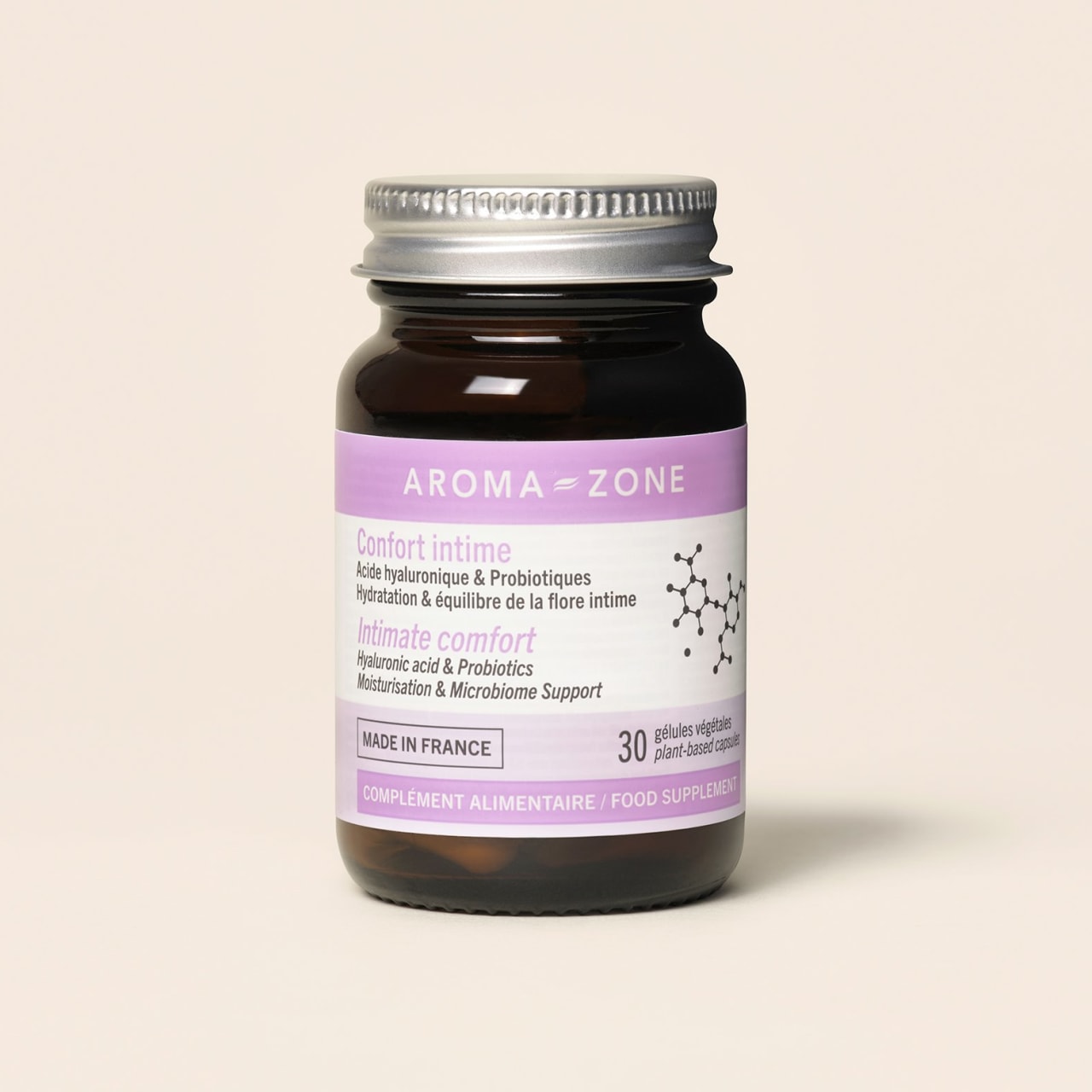
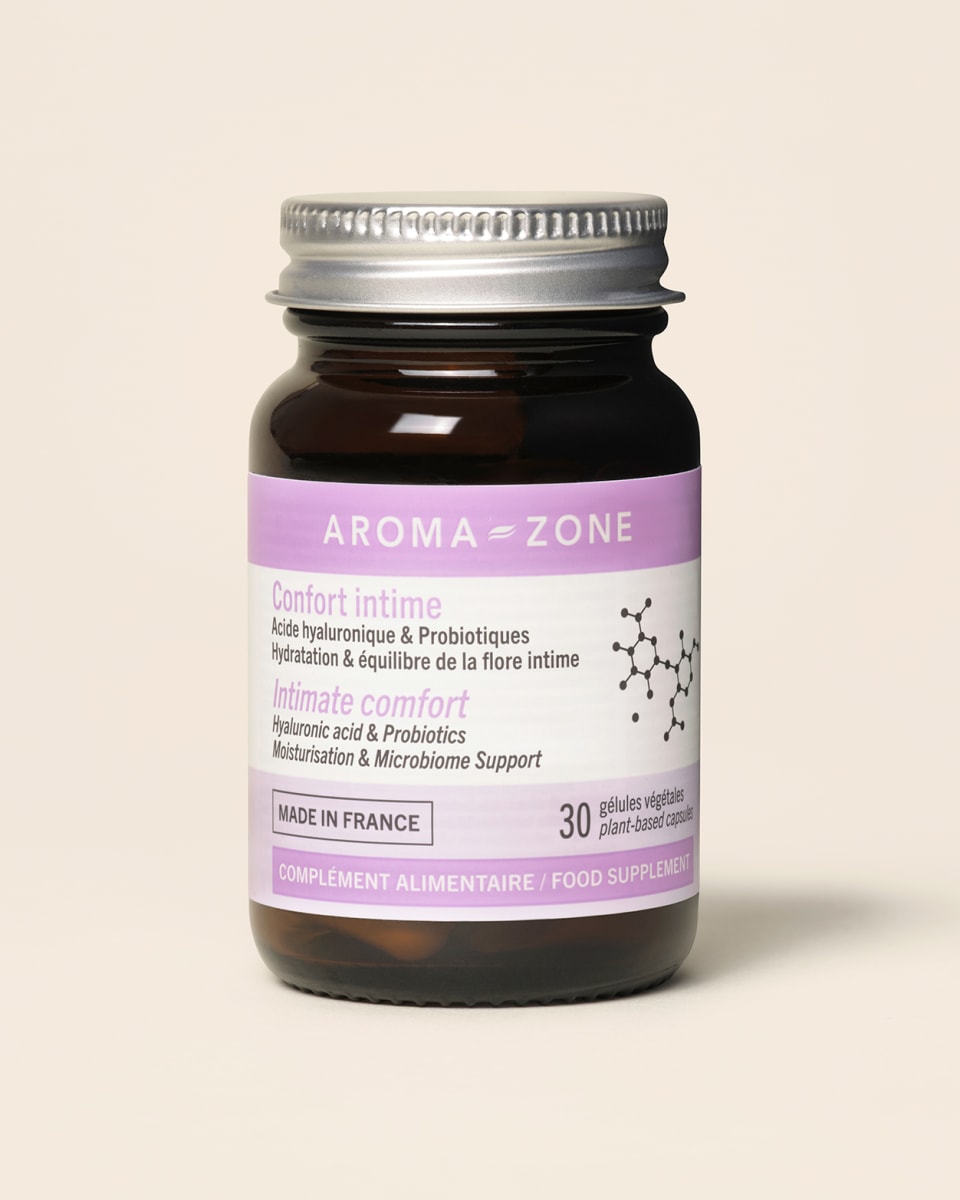
Intimate Comfort – 30 capsules – Dietary supplement

Specifically formulated for intimate comfort, this innovative dietary supplement combines ExceptionHYAL® Blossom hyaluronic acid, probiotic strains specifically selected for their targeted action on the vaginal microbiota, and naturally sourced vitamin B2, recognised for its role in maintaining healthy mucous membranes. A unique formula, designed to support women from their menstrual years through to the menopause and beyond, to promote vaginal balance, hydration and sexual comfort.

Discover the Intimate Comfort dietary supplement

How can you get rid of intimate odours quickly? Natural solutions

When it comes to getting rid of intimate odours, several natural, effective, and safe solutions can help. Here are a few of them:

Multi-purpose agent Baking soda

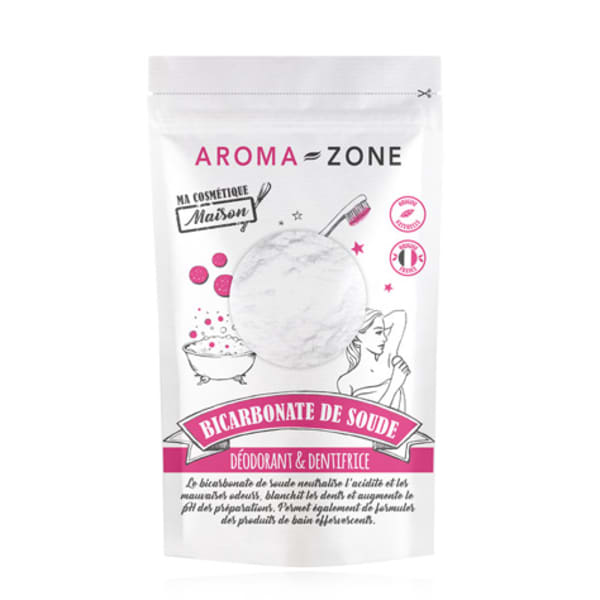
Using bicarbonate of soda: Bicarbonate of soda is a natural remedy known for its antibacterial and deodorising properties. Add a tablespoon of bicarbonate of soda to your sitz bath or dilute it in water to rinse yourself with after your shower. Repeat this daily until your symptoms disappear.

Discover our bicarbonate of soda

Using a pH-neutral soap such as the neutral cleansing base daily with lukewarm water and a mild soap is key to removing impurities and the bacteria responsible for odours. Make sure you dry the area thoroughly after washing to prevent humidity, which encourages bacterial growth. But be careful not to overdo it – excessive washing can disrupt the natural balance of the vaginal flora and lead to imbalances and odours.

Discover our palm-free neutral cleansing gel

Chamomile Tea

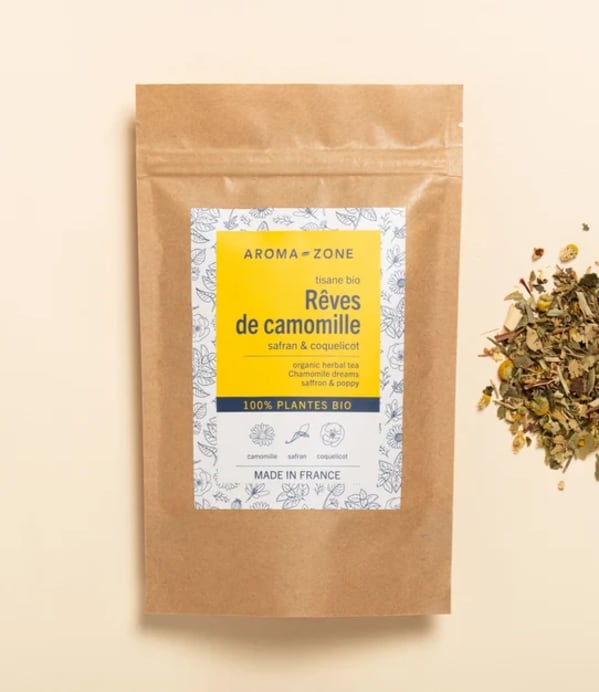
Herbal Teas: Certain herbal teas can help prevent unpleasant odours. For example, chamomile or fennel tea is renowned for its soothing and antibacterial properties.

Discover our Chamomile Tea

Bonus tip

Probiotics can help restore the balance of the vaginal flora by promoting the growth of good bacteria. Eat foods rich in probiotics, such as plain yoghurt, kefir or lacto-fermented vegetables, to support vaginal health. Alternatively, probiotics are available that are specially formulated to support your vaginal flora.

Intimate odours and natural solutions: what you need to know

When choosing natural remedies to reduce intimate odours, take a few important precautions:

Always carry out a patch test on a small area of skin before using the product more widely to check for any possible allergic reactions or irritation.

Use these remedies in moderation, as excessive use could disrupt the delicate balance of the vaginal flora, leading to irritation or infections.

Check the ingredients of the natural products you choose carefully to avoid any potentially irritating or allergenic ingredients.

If you have ongoing concerns about intimate odours or experience symptoms such as itching, a burning sensation or unusual discharge, consult a healthcare professional promptly for an accurate diagnosis and appropriate treatment.

By following these recommendations, you can use natural remedies safely and effectively to alleviate intimate odours while maintaining the health of your vaginal flora.

Expert advice: The right steps to take

Maintaining a fresh and pleasant odour in your intimate areas is essential for feeling clean and confident. Here are a few good habits to adopt to keep your intimate areas smelling fresh:

  • Maintain good intimate hygiene

  • Wear cotton underwear

  • Change your underwear regularly

  • Eat a healthy diet

  • Use gentle, unscented products

Spotlight on Our Writer, Laura Almeras

The_Luuxx_Photographer_-_Pro_Shoot_Laura-15.jpg

Laura is a health, beauty and lifestyle writer. Passionate about travel and gastronomy, she shares all her nutritional advice on how to combine pleasure with well-being. Through her articles, she is committed to providing you with meaningful information and practical advice to nourish your body and mind.

Bibliography

  1. https://www.frequencemedicale.com/oncosein/patient/28994-Odeurs-vaginales-les-signes-qu-il-faut-consulter-un-medecin#

  2. https://www.mon-gyneco.com/mauvaises-odeurs-vaginales

  3. https://www.pourquoidocteur.fr/Articles/Question-d-actu/42807-Odeurs-vaginales-signes-qu-il-faut-consulter-medecin

Frequently Asked Questions

Frequently Asked Questions