
It’s not uncommon to notice a small, non-itchy spot on your tummy. This is usually an isolated, benign and temporary blemish. This type of blemish or lesion may be linked to an ingrown hair, irritation caused by clothing, or even heat and perspiration. Simply the rubbing of a belt or tight clothing can also be enough to cause it to appear. It is important to remember that this is not a medical diagnosis: if the spot changes, becomes painful, spreads or causes particular concern, you should always consult a healthcare professional.
Understanding a small spot on your tummy that doesn’t itch
Published on: Friday, September 12, 2025, Updated on: Tuesday, November 03, 2026
Have you noticed a small spot on your tummy that doesn’t itch and doesn’t seem to be inflamed? Don’t panic. Whether it’s on your tummy, arm or other parts of the body, this type of blemish is common and, in the vast majority of cases, nothing to worry about. The important thing is to learn how to recognise this spot and to know when it might be worth seeking medical advice. In this article, we’ll look at the possible causes, the signs to watch out for and natural remedies to help care for your skin.
Contents
Related products
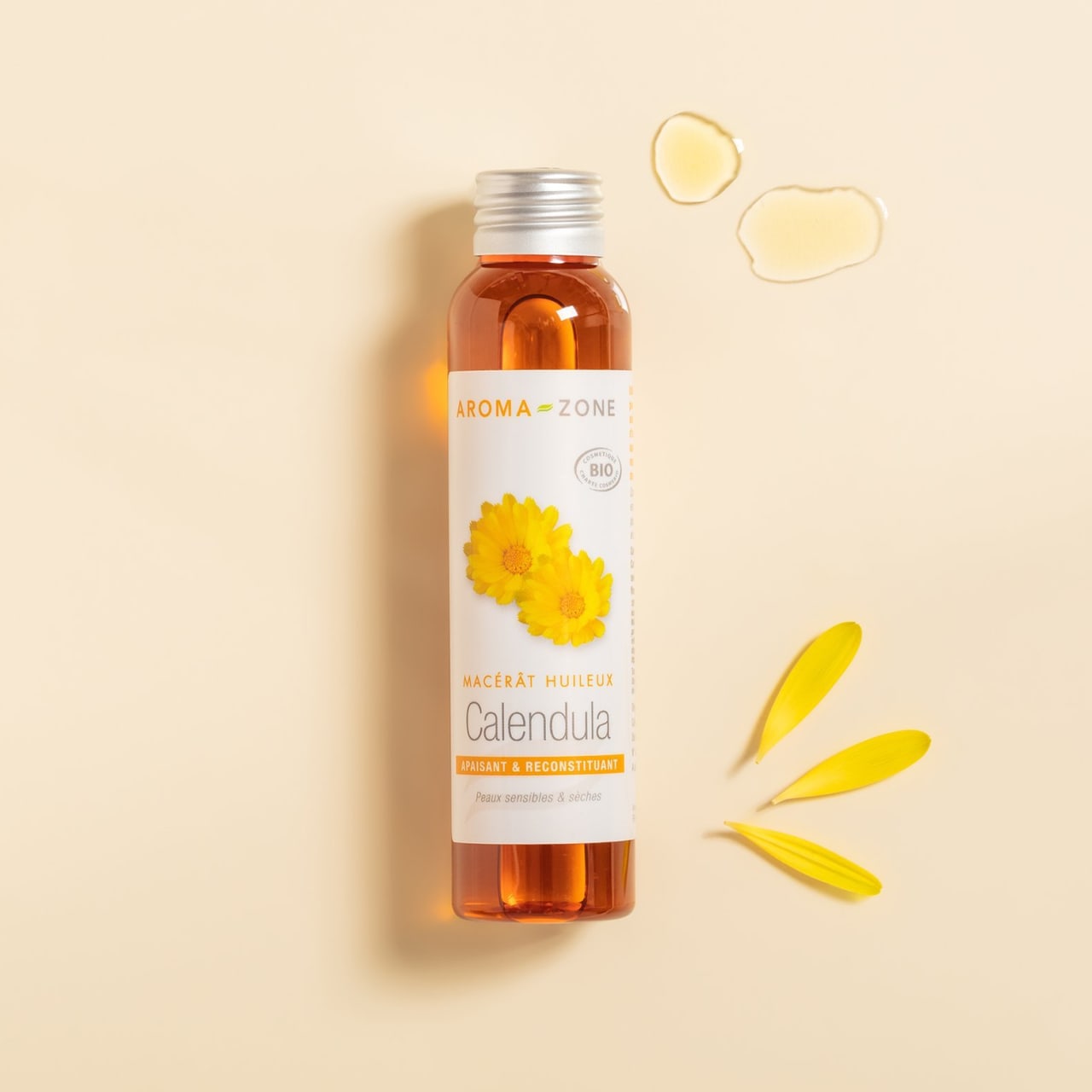
Organic Calendula Infused Oil
Soothing
£6.50
100 ml
2 options

Organic Bourbon Geranium Hydrosol
Soothing
Purifying
£6.00
200 ml
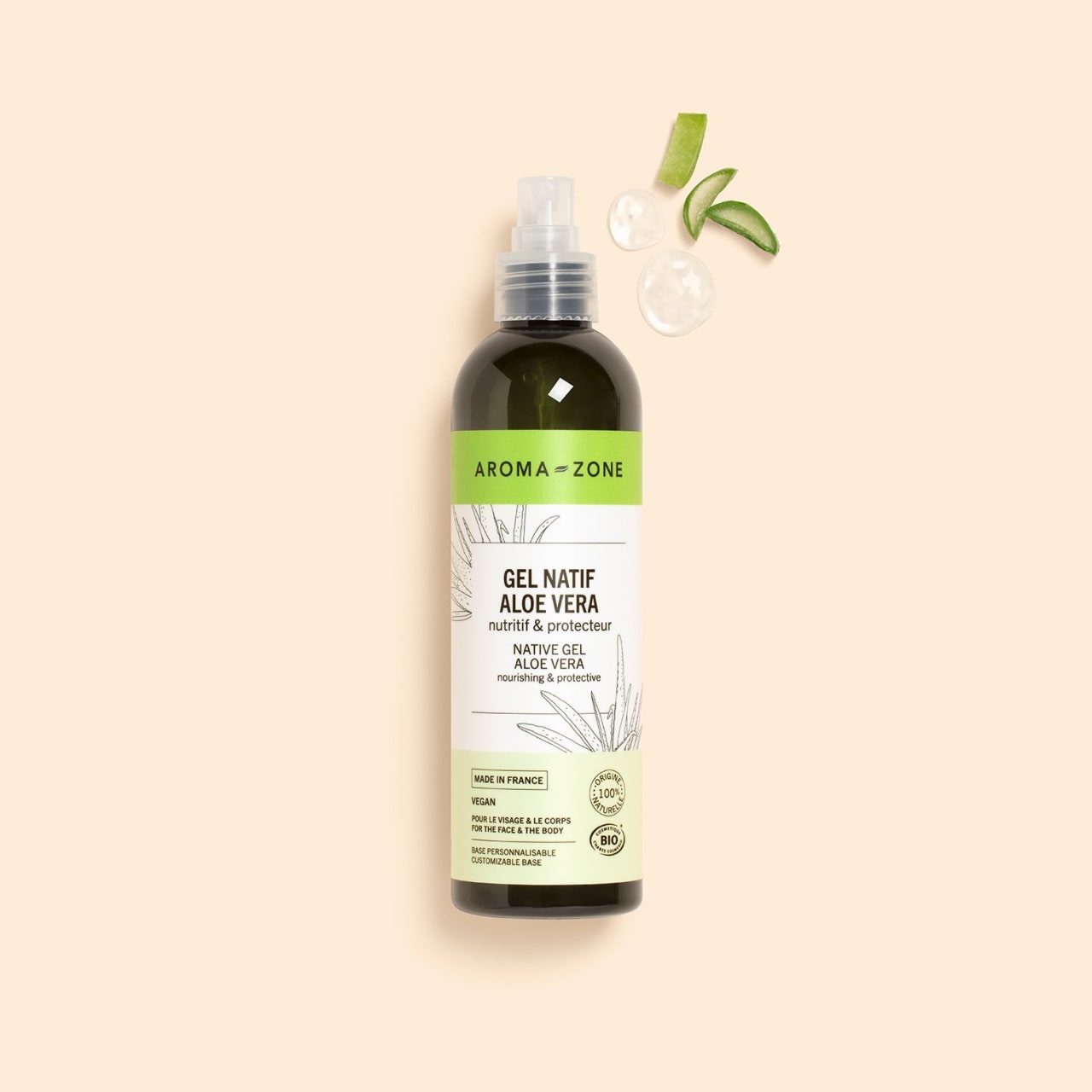
Organic Native Aloe Vera Gel
Protective
Nourishing
£10.00
250 ml
In brief
A small spot on your tummy that doesn’t itch may be harmless, often linked to a skin reaction, a sebaceous cyst or simple irritation. It’s essential to identify its appearance and how it has developed so you can tailor your response.
The article details the possible causes of a non-itchy spot, as well as natural remedies to relieve them and prevent further outbreaks.
The article highlights warning signs that should not be ignored, such as the onset of pain or a rapid change in the spot’s appearance, as well as the necessary precautions to take before self-medicating or applying new products.
What could a small, non-itchy spot on your stomach indicate?
What are the possible causes of a red or white spot that doesn’t itch?
A small spot on your tummy that doesn’t itch may be red, raised or white when it contains a little sebum trapped beneath the skin. In most cases, these are harmless conditions linked to superficial skin reactions. Find out about the most common causes below:
Mechanical irritation
Repeated contact with a belt, high-waisted trousers or synthetic fabrics can cause localised irritation. Under the effect of pressure and friction, the skin barrier becomes compromised: the cells of the stratum corneum become damaged, causing micro-inflammation. The pores can then become blocked more easily, leading to the formation of a small, isolated red spot that does not itch. This type of reaction is harmless and usually clears up quickly when friction is minimised and loose, breathable clothing is worn.
An ingrown hair or regrowth after hair removal
After shaving or hair removal, a hair can sometimes curl back under the skin instead of breaking through. This results in a small reddish spot, which can sometimes feel firm to the touch. Unlike a skin infection, this kind of small spot on the stomach doesn’t itch and is often painless. This is a common occurrence, particularly in areas subject to regular hair removal, and it usually clears up over time or with gentle exfoliation.
Keratosis pilaris
Keratosis pilaris is a benign condition caused by a build-up of keratin in the hair follicles. It manifests as small, dry, rough bumps – red or white in colour – often likened to ‘strawberry skin’. Although it is more common on the arms and thighs, it can occasionally affect the stomach. These bumps do not itch or cause pain, but give the skin a grainy appearance. Gentle exfoliation and regular moisturising can help reduce this condition.
Small, superficial spots
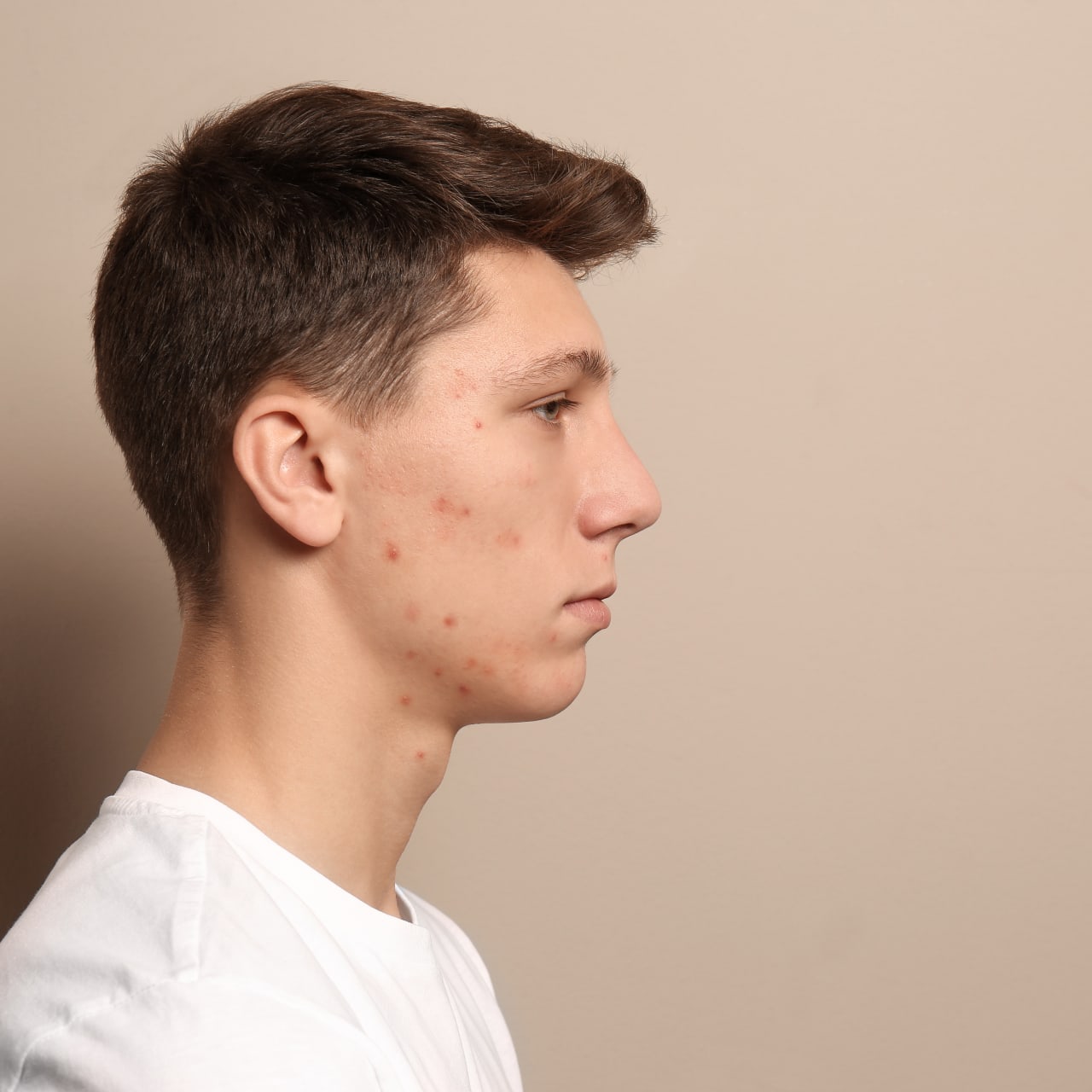
Acne isn’t limited to the face: although it’s less common, it can also appear on the torso and stomach. In this case, the white spot is a small pustule, filled with sebum and dead skin cells. This type of small spot on the stomach doesn’t itch, but it can be unsightly and you’ll usually want to encourage it to disappear quickly. Spots are common in teenagers or adults with oily skin and usually clear up on their own.
Mild skin reactions
Heat, excessive sweating or temporarily sensitised skin can be enough to trigger small rashes. This type of small blemish on the stomach doesn’t necessarily itch and is usually a one-off, disappearing quickly once the skin has been cooled or soothed. They’re often seen in summer or after a workout, when sweat remains in prolonged contact with the skin. Unlike hives or eczema, these spots do not cause itching.
Localised reactions
Certain cosmetics that are too occlusive (rich creams, unsuitable oils) can block the pores and lead to a small, non-itchy spot on the stomach, which is usually white and isolated. Some insect bites can also leave a small, isolated spot without causing significant itching. These reactions are usually temporary and generally clear up on their own.
How can you naturally relieve a small spot on your tummy that doesn’t itch?
Even if your little spot on your tummy doesn’t itch, it’s important to look after it and create the right conditions to help it clear up more quickly. To do this, you can use the following ingredients:
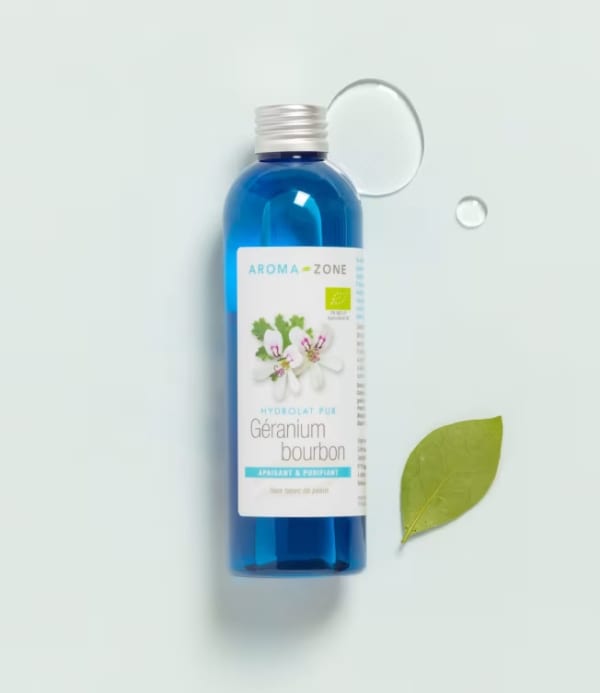
Organic Bourbon Geranium Hydrosol: this hydrosol is traditionally used to purify and soothe the skin. Applied as a light compress or as a mist, it can help to calm skin discomfort and help reduce the spot. Certified 100% organic by Ecocert, this product gently and naturally supports your skin’s wellbeing. Remember to keep it in the fridge between uses.
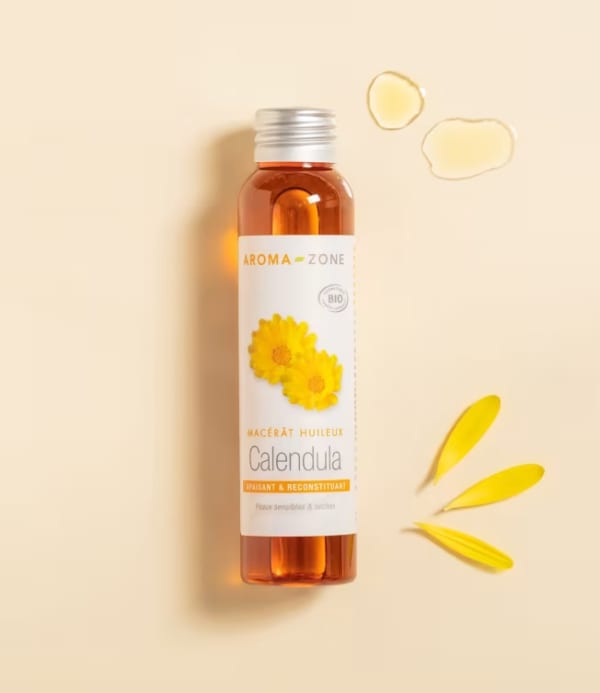
Organic Calendula Oil Macerate: known for its soothing properties, Calendula is particularly suitable for sensitive or compromised skin when applied topically. Produced by sun-macerating organic calendula flowers in organic high-oleic sunflower oil, this macerate offers a natural, pure and gentle skincare solution. Just a few drops applied to the affected area is enough to nourish the skin and soothe feelings of tightness, particularly in the case of a small spot that doesn’t itch. May cause allergic reactions in people sensitive to the Asteraceae family. This coloured oil macerate may stain clothing; we recommend allowing it to be fully absorbed into the skin before getting dressed.
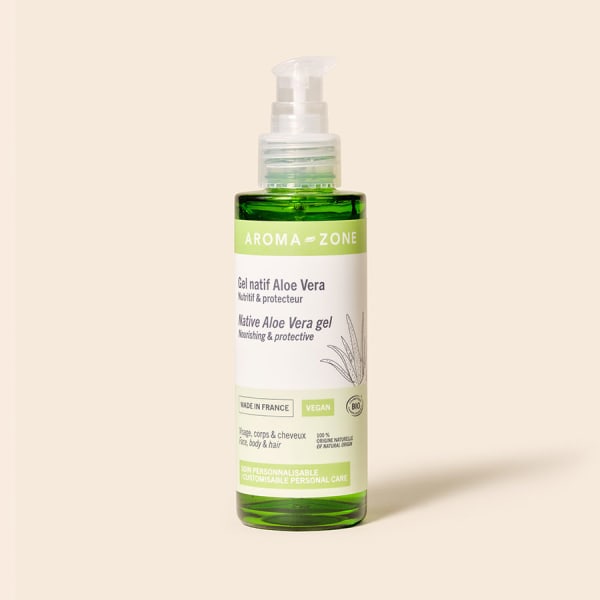
Organic Aloe vera gel: moisturising and soothing, Aloe vera gel can be applied directly to the spot or the affected area. Its light texture provides an immediate cooling sensation, which is particularly welcome in cases of irritation caused by rubbing against clothing, a belt that’s too tight, or even a minor heat rash. Comprising 93% organic, unprocessed Aloe vera juice, this product features a 100% natural formula that’s gentle on your skin. Remember to keep it in the fridge between uses.
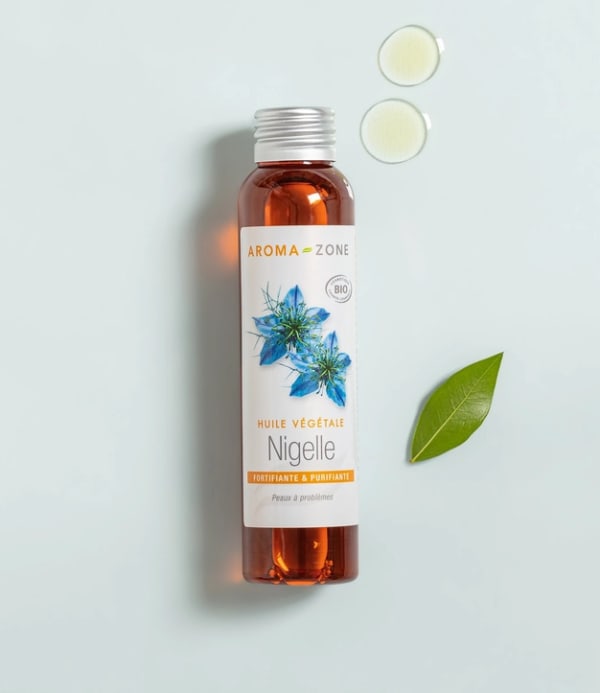
Organic nigella black cumin oil: traditionally used for blemish-prone skin, black cumin or nigella oil is recommended for gently soothing and repairing the skin. It can be beneficial for minor skin reactions such as a spot on the stomach. Applied topically in small quantities, our virgin, first-cold-pressed black cumin oil helps to soothe and support your skin’s natural balance.
What are the best habits to adopt to prevent small spots from appearing?
To minimise the appearance of small, non-itchy spots on your stomach, a few simple steps can make all the difference in your daily routine. By looking after your skin and reducing irritants, you create a more favourable environment for maintaining its balance. We suggest you follow these simple yet effective tips:
Wear breathable clothing: opt for cotton and natural fibres, which allow the skin to breathe and limit excessive sweating
Cleanse your skin gently: choose a mild soap that respects the skin’s hydrolipidic film. Avoid harsh cleansers as much as possible, as they can weaken the skin
Moisturise daily: nourishing the skin strengthens its natural barrier, but we often forget to moisturise the body as much as we do the face. If you have sensitive areas, taking extra care is key.
Minimise repeated rubbing: avoid belts that are too tight, synthetic clothing or stiff seams, which can irritate the skin and lead to the appearance of small spots
Maintain a healthy lifestyle: staying hydrated, eating a balanced diet and taking regular exercise also help to maintain the skin’s balance.
Precautions
Before applying a new cosmetic or natural product, it’s advisable to test it on a small area of skin and wait 24 hours to check for any reaction. If a child or baby has a small spot on their tummy that doesn’t itch, it’s essential to see a doctor promptly to rule out any underlying causes requiring specific treatment.
Expert advice
When dealing with a isolated spot, the natural remedies presented here are general in nature and are intended solely to soothe the skin. However, to determine exactly what the problem is and tailor your skincare routine accordingly, nothing can replace the advice of a healthcare professional, particularly a dermatologist. A diagnosis helps to identify the exact cause of the spot and then choose the most suitable products.
Spotlight on our editor, Marine Leleux

Marine is a naturopath specialising in children’s wellbeing and a parenting coach. With 10 years’ experience supporting families, she now channels her passion into serving her community by sharing natural and caring advice.
Bibliography
Inserm. (2016). Atopic dermatitis (atopic eczema): a common chronic inflammatory skin condition.
https://www.inserm.fr/dossier/dermatite-atopique-eczema-atopique/
Médecin Direct. (2025). Keratosis pilaris: causes, symptoms and treatments.
https://www.medecindirect.fr/maladies/keratose-pilaire
Litchman, G. (2023). Contact Dermatitis. National Library of Medicine.
https://www.ncbi.nlm.nih.gov/books/NBK459230/
Benedetti, J. (2025). Description of skin lesions. The MSD Manual, version for healthcare professionals.
https://www.msdmanuals.com/fr/professional/troubles-dermatologiques/prise-en-charge-du-patient-atteint-de-troubles-dermatologiques/description-des-l%C3%A9sions-cutan%C3%A9es

Frequently Asked Questions
Associated tip
Skin care tips


