Kola Nut: What Are the Benefits?

Kola Nut: What Are the Benefits?


By Hélène Betoux

Published on: Wednesday, February 26, 2025, Updated on: Wednesday, October 28, 2026

Did you know kola nut was once the secret ingredient in a famous dark soft drink known the world over? Although the recipe has since changed, the seed of the kola tree remains valued for its stimulating and antioxidant properties, particularly in Africa, where it holds an important place in folklore and traditional medicine. Naturally rich in caffeine, it's ideal for giving both body and mind a boost. You could even think of it as a cross between a cup of coffee and a bowl of cocoa, but in solid form. And if you're looking for other medicinal plants with similar effects, think guarana and matcha tea, superfoods that offer far more than just a quick boost!

Contents

Related products

The Kola Nut: The Pretty Pink Seed of the Kola Tree

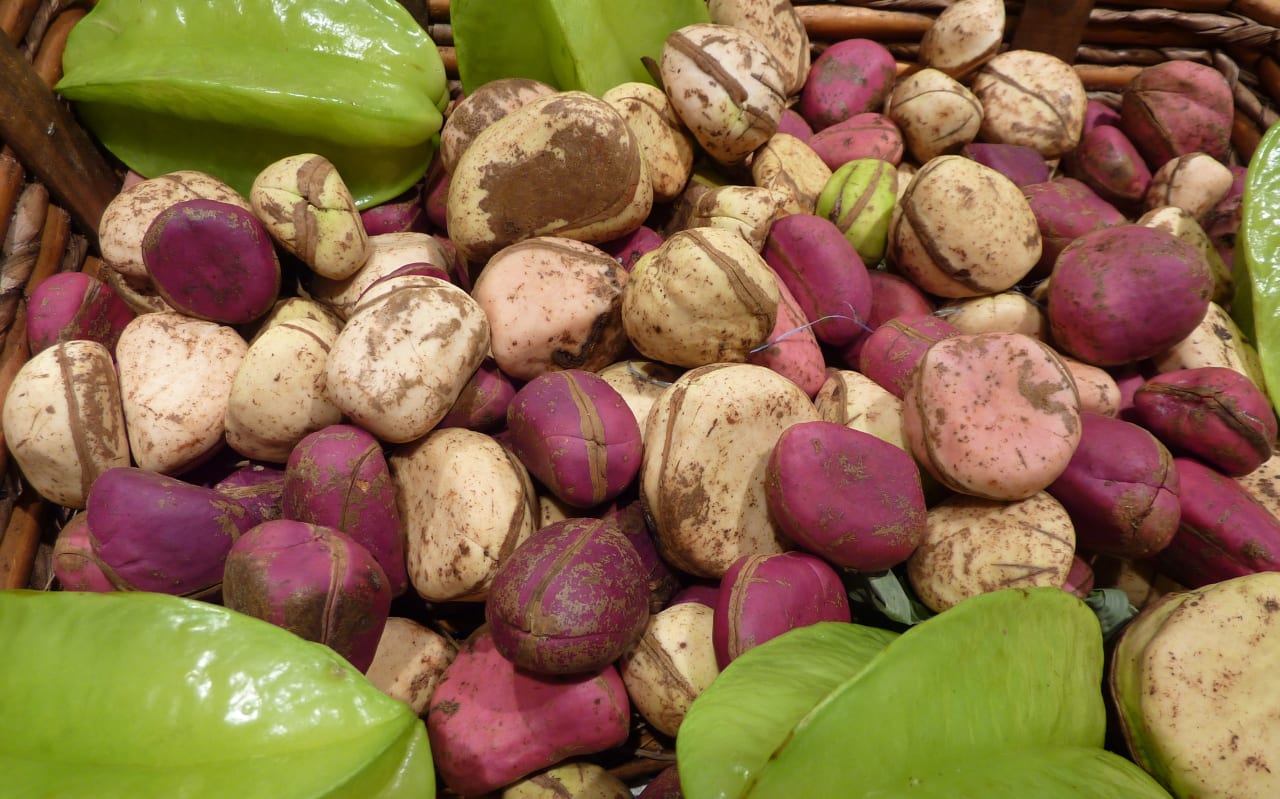
The kola nut (or cola nut) is the seed of the kola tree (cola tree), a fruit-bearing tree of the Sterculiaceae family. It may be the species Cola nitida, known as ‘large kola’, or Cola acuminata, known as ‘small kola’. It is cultivated in western and central Africa, particularly in Côte d’Ivoire (the largest producer of kola nuts) and Mali (the largest consumer of kola nuts). A medium-sized tree, it bears large leaves and fruits weighing almost 2kg, each consisting of follicles containing several large seeds or nuts.

The kola nut has a lovely, completely natural pink or even red colour. It plays an important role in the social and cultural life of many African peoples. As a symbol of goodwill, it is sometimes given to visitors as a welcome or to newlyweds to wish them a prosperous marriage. It is also edible: despite its bitter taste, it offers surprising health benefits.
From Traditional African Tonic to Energy Drinks

The kola nut is primarily renowned for its tonic and stimulating properties. It contains a large amount of alkaloids (3 per cent caffeine, as well as 1 to 2 per cent theobromine, as found in cocoa, and kolatine) which stimulate the nervous system and give it its characteristic bitterness. It is therefore no coincidence that, in several African countries, people chew a kola nut when they’re feeling a bit sluggish! In particular, it is said to have the ability to reduce feelings of tiredness, hunger and thirst. Some traditional remedies also attribute aphrodisiac properties in men. It also contains polyphenols, powerful antioxidant molecules. It could therefore help to protect our bodies from oxidative stress, that is to say, by limiting the impact of free radicals on our cells’ components… and thus our premature ageing. The Cola nitida variety also appears to be richer in phenols than Cola acuminata.

Did you know? All these characteristics brought this nut into the global spotlight at the end of the 19th century. That's when an American pharmacist named John Pemberton developed his first recipe for a restorative drink made from… kola nuts. Later, the lovely African nut was removed from the recipe, and it became the dark, fizzy drink we all know and love.

What are the benefits of kola nuts?

  • It is said to improve mental performance. Its caffeine content is thought to influence the activity of certain neurotransmitters that regulate how our brain functions. It is therefore thought to boost our reflexes, mental alertness and concentration levels.

  • It is said to reduce feelings of tiredness. Its polyphenols are said to provide a sense of both physical and mental energy. Its effects on tiredness are said to offer additional benefits for minor mood disorders by promoting positivity.

  • It may promote weight loss. This is mainly because it contains caffeine, which acts as an appetite suppressant, as well as other extracts that are thought to act as fat burners. It could therefore form part of a weight-loss diet.

  • It is said to support cardiovascular health. This seed may help improve blood flow and thus enhance oxygenation of certain organs in the body. When this oxygenating effect benefits the brain, it also contributes to its role as an intellectual stimulant.

  • It is thought to support the immune system. A source of antioxidants, it is traditionally used in Africa to treat coughs and fevers. It may also be effective in combating certain microbes and pathogens, such as Staphylococcus aureus.

Read also: How can you boost your concentration and reduce stress naturally?

How can you use it at home?

  1. Chew it. It’s perfectly possible to buy whole kola nuts in shops. You can then take a leaf from certain African medicinal practices and munch on it whenever the need arises. Be warned, though: their astringent taste may surprise you.

  2. Steep it in fortified wine. Some traditional recipes recommend leaving crushed kola nuts to steep in fortified wine for several days. You can thus make your own homemade kola wine and drink it (in moderation) as a tonic.

  3. Brew it as tea. You can also make your own kola herbal tea. Simply pour boiling water over a few crushed nuts and leave to steep for several minutes before straining. Enjoy the resulting drink in the morning, for example, instead of your coffee.

  4. Look for it in dietary supplements. This is probably the most accessible option. It usually comes in powder or capsule form. You’ll find it in its pure form (100% kola) or combined with vitamins and herbs with similar effects.

Need a bit of a boost? Discover our other health & energy solutions

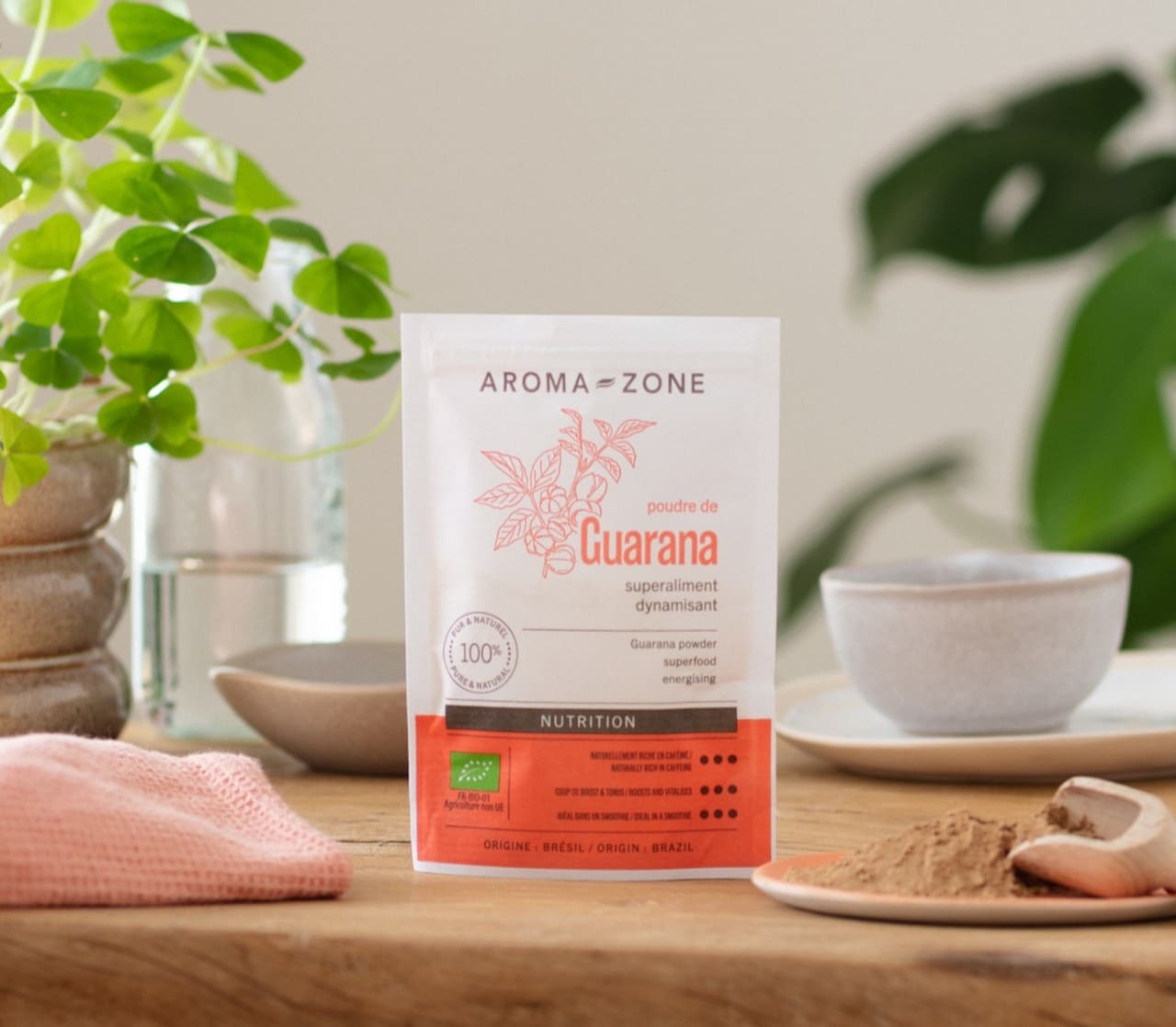
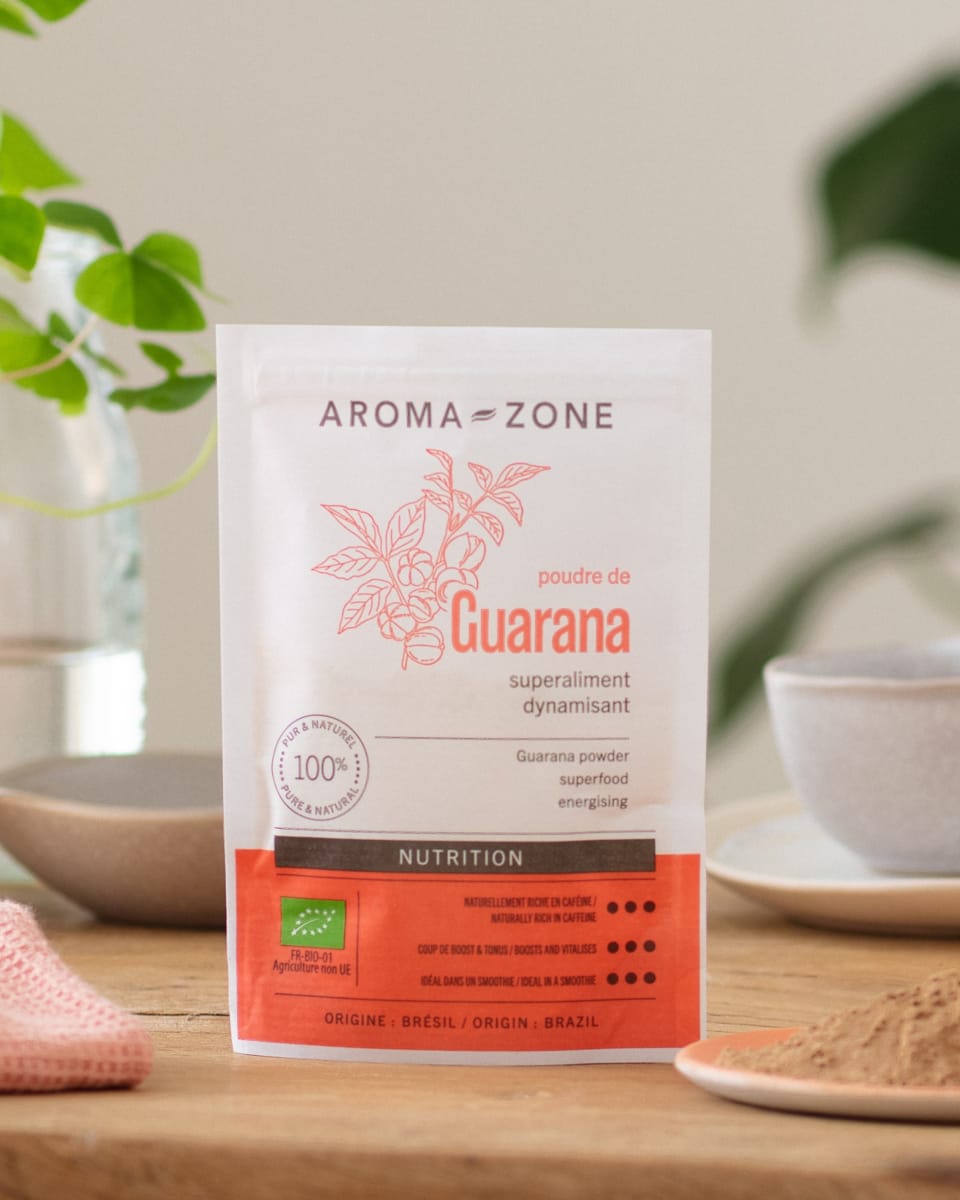
Organic Guarana Powder

Organic Guarana Powder (superfood): for sport, work and diets. Very rich in natural caffeine, guarana is known to stimulate physical and mental activity. It is therefore ideal for athletes looking to support their metabolism or for anyone wishing to boost their alertness and concentration. It’s also an excellent aid to weight loss. Mix it into your protein shakes, smoothies, energy bars, etc.

Discover our Organic Guarana Powder (superfood)

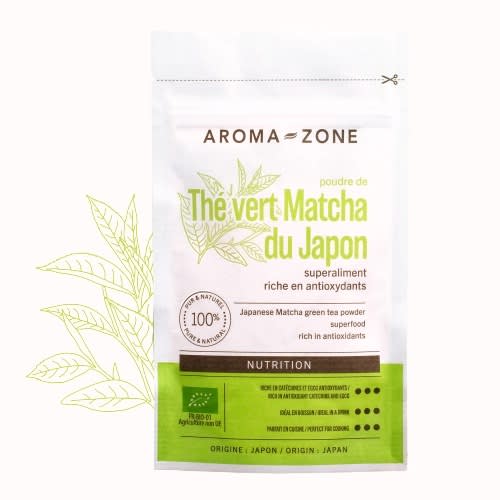
Organic Matcha Green Tea Powder (superfood): for antioxidant protection and mental balance. A traditional Japanese drink, Matcha is packed with valuable antioxidants, such as catechins and EGCG. It also contains caffeine, but its stimulating effects are balanced by the presence of a rare amino acid: L-theanine. Use it in your latte recipes, desserts, pastries or sprinkled over your raw vegetables.

Discover our Organic Matcha Green Tea Powder (superfood)

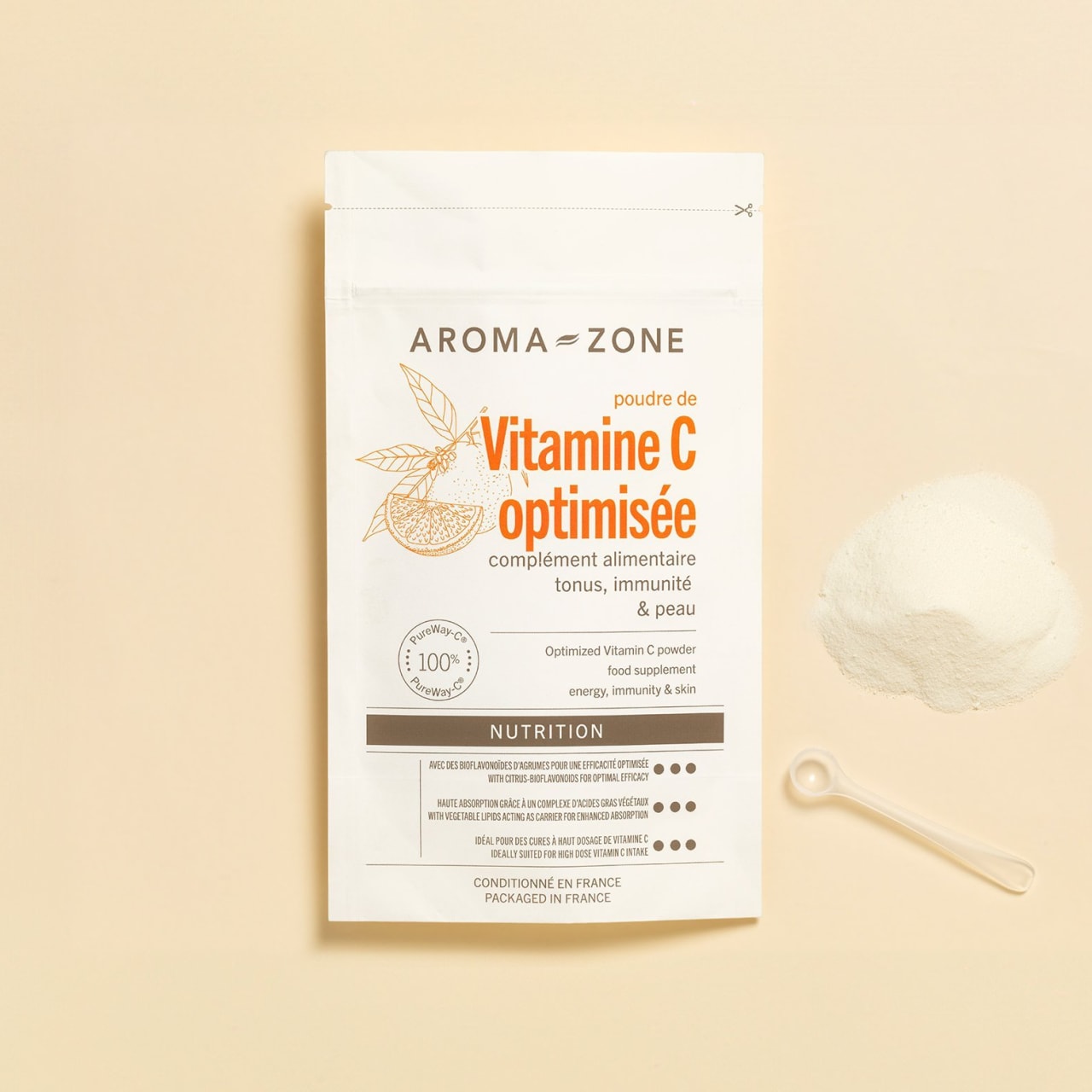
Optimised Vitamin C (food supplement): for immunity and energy. This vitamin C powder is combined with a complex of plant-based fatty acids that optimises its absorption and makes it easier for the body to digest. It can be taken daily or as a ‘course’ to give you a boost, particularly in cases of temporary tiredness or to prepare for the winter months. Dosage: 1 to 2 measuring spoons (500 mg of powder) per day, to be dissolved in a glass of water.

Discover our Optimised Vitamin C (food supplement)

Our energising, caffeine-rich recipes

Precautions for use

Take dietary supplements as part of a varied and balanced diet and a healthy lifestyle. Always follow the recommended daily dose. Seek advice from your doctor before starting to take kola nuts, particularly if you are taking medication, are pregnant, are breastfeeding or have a medical condition. For example, kola nuts are not recommended for people with stomach ulcers, as they increase gastric secretions.

Expert advice

As the kola nut has a high caffeine content, it’s best to consume it in moderation. Too much caffeine can lead to a number of unwanted side effects. Most people can tolerate up to 400mg of caffeine a day, but remember we don’t all have the same tolerance. Also, like coffee, avoid consuming this seed in the evening to minimise the risk of insomnia. Opt for a soothing herbal tea instead!

Spotlight on Our Writer, Hélène Betoux

Hélène Betoux is a French beauty journalist specialising in digital media. She writes practical tips, advice and guides to help readers choose the right beauty products. Passionate about natural, organic and clean beauty, she explores the latest trends and innovations in the industry.

Bibliography

  1. H. Boukoulu, P. Mbete, ‘The social role of the cola nut in the Congo: considerations on the uses and distribution of Cola nitida in Brazzaville’ in Annales de l’Université Marien Ngouabi, volume 11, issue 1, 2010, pp. 1–14.

  2. Emmanuel Tachie-Obeng, Nick Brown, Cola nitida & Cola acuminata. A state of knowledge report undertaken for the Central African Regional Programme for the Environment, Plant Sciences, N. C.

  3. G. Debuigne, F. Couplan, *Petit Larousse des plantes médicinales*, Larousse, 2009, pp. 273–274.

Frequently Asked Questions

Frequently Asked Questions