Mastering Eyeliner: A DIY Guide

Mastering Eyeliner: A DIY Guide


By The Aroma-Zone editorial team

Published on: Friday, September 16, 2022, Updated on: Wednesday, September 30, 2026

An essential makeup item, eyeliner transforms your look. Discover how to easily make your own at home, in matte or glossy versions!

Contents

Related products

What is it?

Eyeliners are eye makeup products designed to draw a line along the edge of the eyelid to highlight it.

Technically, they are tinted gels. A gel is a mixture of an aqueous phase (water, hydrosol) and a gelling agent (guar gum, tragacanth gum, etc.) that forms a network to create a gel-like texture.
Which products?

This guide will help you create :

  • matte eyeliners

  • shiny eyeliners

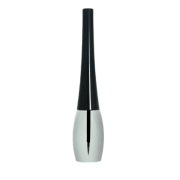
Use a very fine, precise eyeliner brush to pick up and apply the product. The applicator also lets you unleash your creativity, for example by drawing pretty swirls at the corner of the eye.

What’s in an eyeliner?

Aqueous phase

Mineral water or hydrosol (cornflower, chamomile, and linden, etc.) serve as the excipient, that is, the base of the formula. The use of acacia gum helps the product adhere to and dry on the eyelid.

Gelling Agent

A thickening gum is required to form the gel. The most suitable natural gelling gums are guar gum and tragacanth gum.

Pigments

Pigments provide the desired variety of colours and effects for eyeliner. We'll use oxides, plant-based pigments, and/or micas.

Preservative

A preservative is essential here. Aroma-Zone Grapefruit Seed Extract is recommended.

Highlights

Aroma-Zone offers soothing and antioxidant active ingredients (such as bisabolol, hyaluronic acid, allantoin, etc.) to help you customise your eyeliner.

How to do it

Step 1: 3 Key Points for Perfect Hygiene

All cosmetic products containing a water-based phase are highly susceptible to contamination by bacteria and fungi. It is therefore essential to maintain impeccable hygiene when preparing "homemade" mixtures containing water and/or hydrosols, particularly by following these few rules:

  1. Step 1

    Wash your hands thoroughly before beginning your makeup routine.

    To minimise contact with cream or lotion, we recommend using pump bottles instead of jars.

  2. Step 2

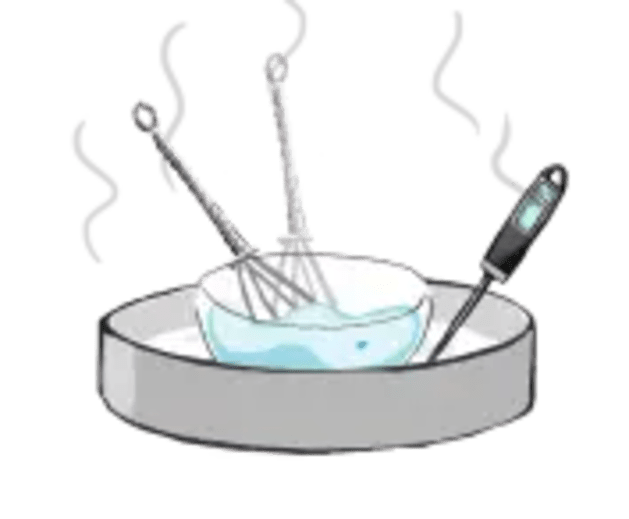
    Always disinfect the tools and containers you will be using either by immersing them in boiling water for 10 minutes and then drying them thoroughly with a clean cloth, or by wiping them down with rubbing alcohol and letting them air dry (for items that are not heat-resistant). Please note: not all utensils and containers are disinfected in the same way. Always refer to the cleaning and disinfection instructions in the "IN PRACTICE" tab of each product's technical data sheet.

  3. Step 3

    Store your mixture in a cool place and use it within one month.

    Use "natural preservatives" such as grapefruit seed extract or certain essential oils.

    Be careful: If you notice a change in smell or appearance, stop using the product.

  • Making creams or balms sometimes requires significant heating of certain steps or raw materials. Standard safety precautions must be followed to avoid burns and splashes. It is recommended to wear gloves and safety goggles.

  • Your ingredients and finished products must be carefully labelled and kept out of reach of children.

  • If your preparations contain alcohol, exercise extreme caution when handling it. In case of contact with the eyes, rinse thoroughly and for an extended period with water. Alcohol is highly flammable: handle alcohol away from any open flames or heat sources. Alcohol may irritate the respiratory tract: handle alcohol in a well-ventilated area.

  • Certain ingredients may pose an allergy risk to sensitive individuals: always perform a 48-hour patch test on the inside of your elbow to ensure no reaction occurs before using your products.

  • These recipes are examples of how to use the ingredient described in this technical data sheet. We assume no liability for these illustrations.

  • Before you begin, please review our safety warnings and precautions sheet.

This product is available on Aroma-Zone on the page "Cosmetic Manufacturing Supplies".

Step 3: Application

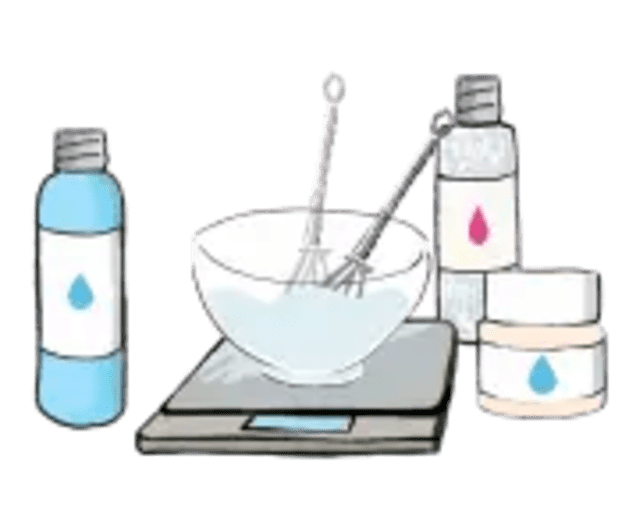
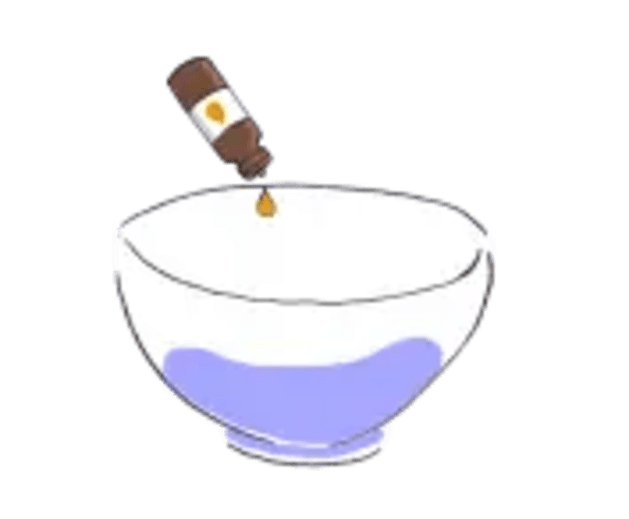
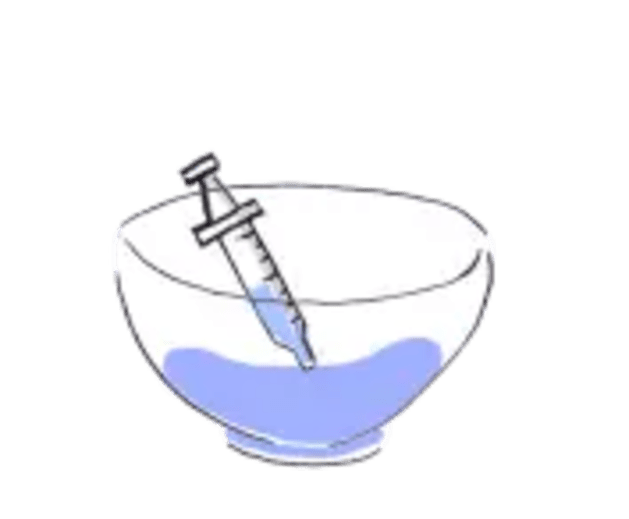
Prepare the two gels

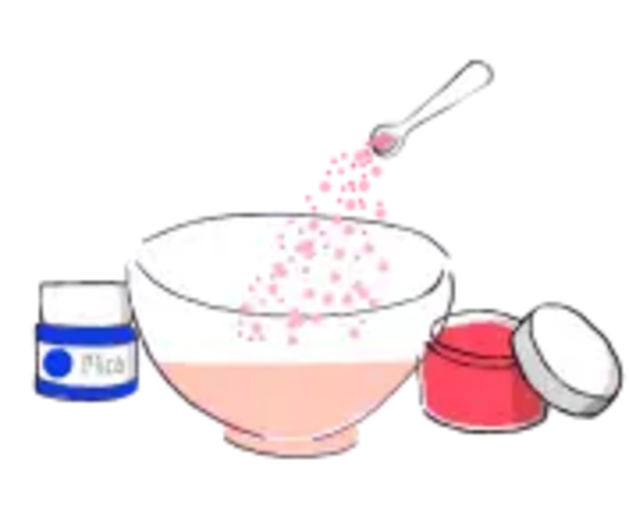
Tint your gel with pigments and/or micas

Marie-Laure’s tip

"To make it easier to mix the oxides with the gel, dilute them first in a little water"

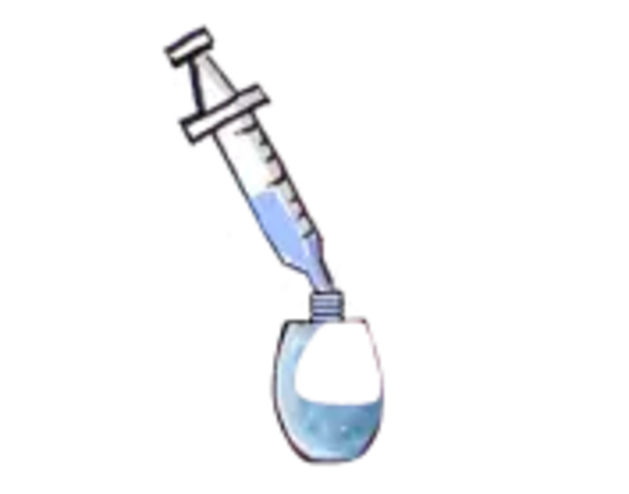
Transfer the mixture into your small bottle

Associated tip