Should you stop moving when your muscles or joints are aching – myth or reality?
Published on: Thursday, July 16, 2026, Updated on: Wednesday, September 30, 2026
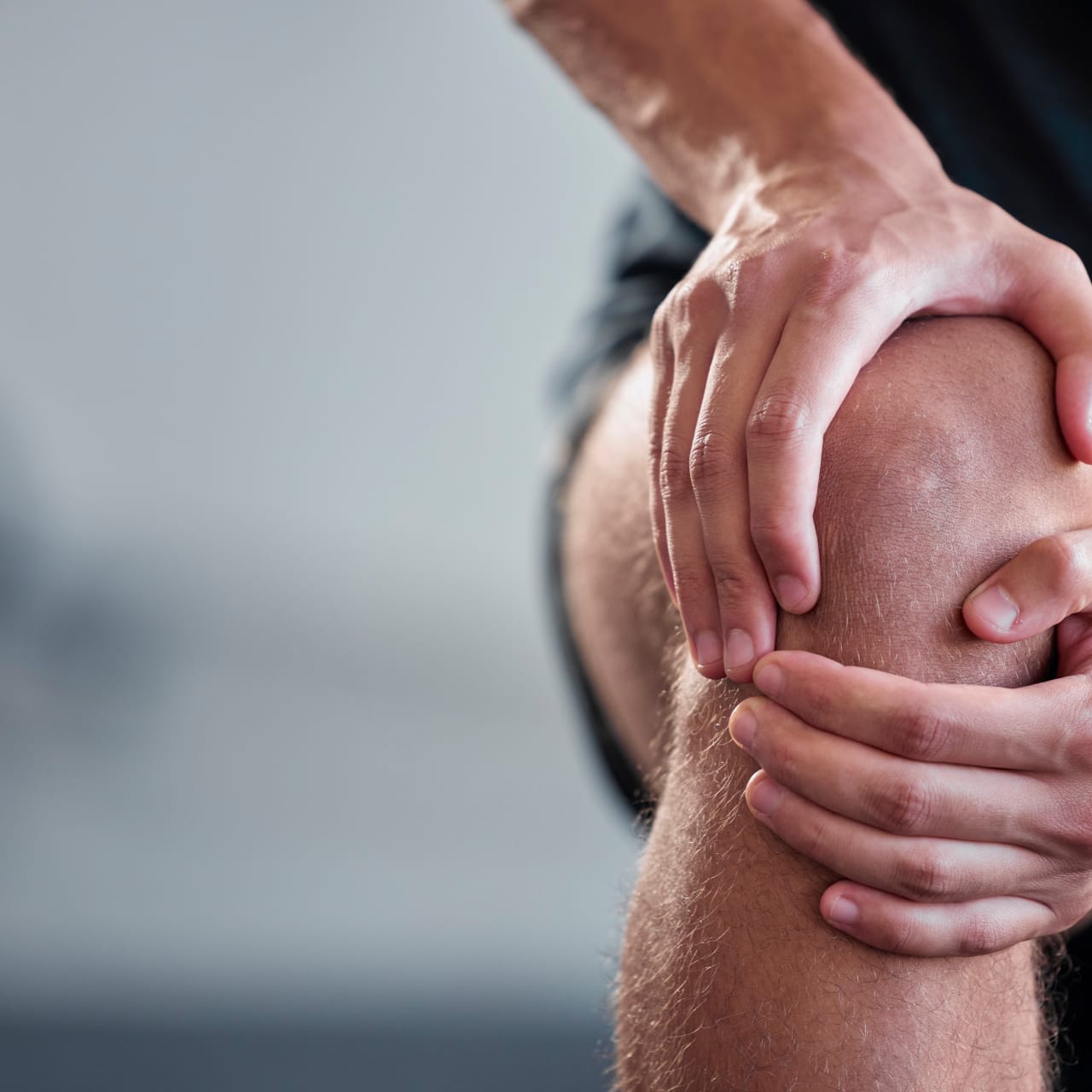
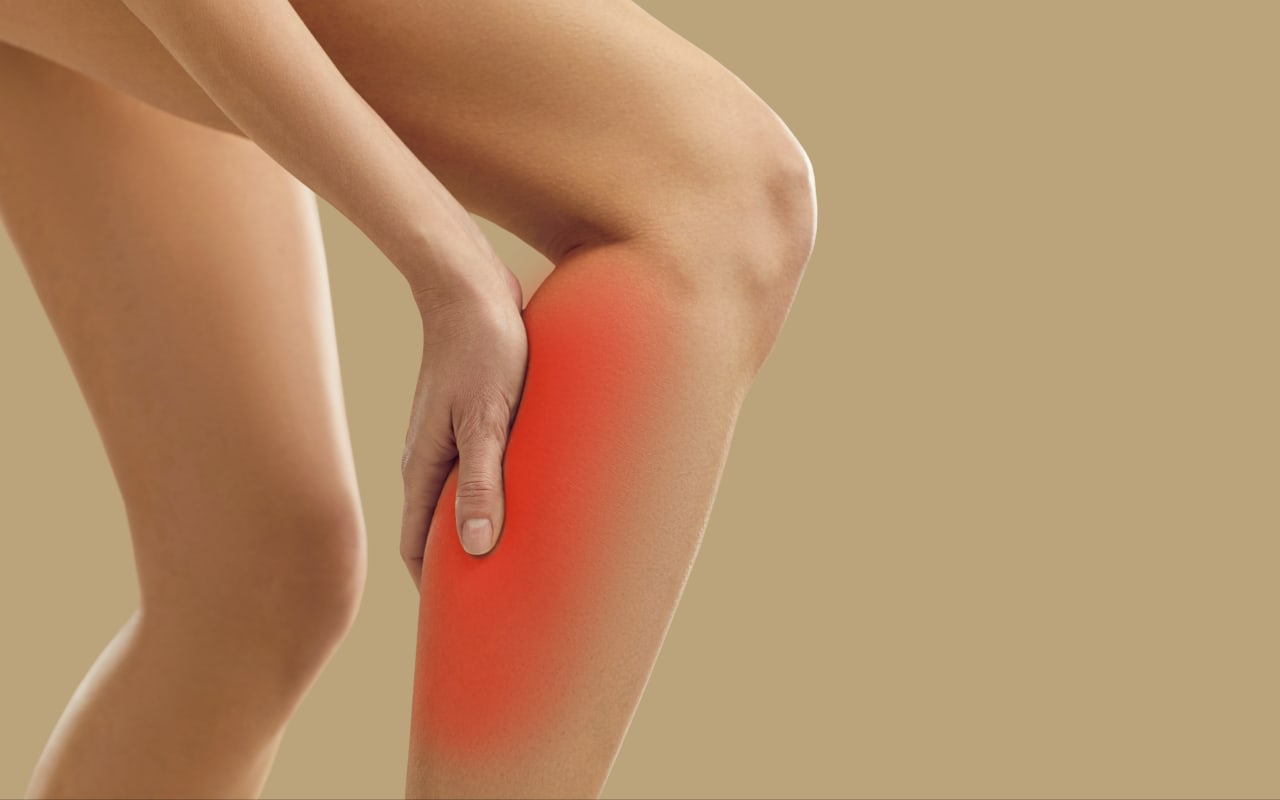
A knee that aches on the stairs, sore thighs after exercise, a stiff neck in the morning: our first instinct is often to slow down, or even stop moving altogether, in the hope that ‘taking it easy’ on the painful area will be enough to make the discomfort go away. This instinct to err on the side of caution seems like common sense. However, when we look at the scientific literature, the answer is often more nuanced: in many cases, moving a little is preferable to complete inactivity. Here’s a look at what to do and what to avoid when your muscles or joints are causing you trouble.
Contents
Related products
Sport
Relaxing
£7.00
25 g
Soothing
£11.00
100 ml
Nourishing
£9.00
250 ml
2 options
£7.00
50 ml
Joint comfort
£15.00
article
Soothing
£11.00
100 ml
In brief
In short:
Complete rest is not always the best response to common muscle or joint pain.
In many situations, resuming gentle, gradual activity is more helpful than staying still.
However, certain types of pain or circumstances do warrant taking it easy and require the advice of a healthcare professional.
Should you stop moving as soon as your muscles or joints start to ache?
In most cases, stopping all movement completely is not the best response.
This is particularly true of muscle soreness following unusual exertion. This usually sets in 24 to 48 hours after a more intense session than usual, and is primarily a normal reaction by the body to a new or poorly paced exertion (4). There’s nothing to worry about with this process: it’s simply how the muscle adapts to become more resilient next time.
The natural instinct when faced with this discomfort, however, is to stop everything and wait for it to pass. The opposite approach actually works best. Gentle, low-intensity movement, such as walking, cycling or light stretching, promotes local blood circulation and tends to ease the feeling of stiffness. Staying on the sofa all day tends to make it worse (1, 4). There’s no need to do much: the idea isn’t to replicate the activity that caused the discomfort, but simply to keep the body moving at a low intensity.
What are the signs of a medical emergency?
The only exception is if the pain is very sharp, unusual or completely prevents you from moving normally; in this case, it is best to take a break and seek appropriate advice before resuming physical activity, even if it is light.
Is there really a link between rest and pain relief?
Extended rest, which was long recommended in the event of an injury, is no longer the preferred course of action.
The standard protocol for sprains or strains has long been RICE (Rest, Ice, Compression, Elevation), with rest as the first line of treatment. Studies published since then have changed the picture: prolonged rest and ice are now understood to be among the least effective measures in the protocol. It has since evolved, first into POLICE, then into PEACE & LOVE, which advocates a brief period of protection lasting 48 to 72 hours, followed by a gradual return to movement (1, 2). The aim is to gently re-engage the injured tissue to stimulate its repair, rather than leaving it inactive.
The same finding applies to acute lower back pain, one of the most widely studied conditions in medicine. A Cochrane review involving over 1,900 patients shows that staying active aids recovery slightly more effectively than bed rest (2, 3). This is a surprising finding, as pain does not always reflect actual damage: a muscle or a joint may hurt without being damaged, and vice versa. It is this confusion that fuels kinesiophobia, that is, the fear of moving for fear of causing oneself pain (6). The longer one remains inactive, the more the muscles lose their fitness, leading pain to become chronic.
Pain may stem from overexertion, overuse or wear and tear, or, conversely, from a lack of movement.
For the muscles, the most common causes are unusual or overly intense exertion, a lack of warm-up, maintaining poor posture for too long, or simply accumulated fatigue.
For the joints, pain often stems from gradual age-related wear and tear, repeated mechanical overload, or a lack of activity that weakens the muscles meant to support the joint. In both cases, the body is sending a signal to adapt rather than a danger signal, except in the event of a clear injury or very severe pain.
According to research, which actions are truly effective for relieving muscle and joint pain?
There is no one-size-fits-all approach, but rather different ones that adapt to each type of pain.
Not all pain is the same. Sore muscles after exercise, joint discomfort that has persisted for several months, and pain that has arisen following an impact are not managed in the same way. The important thing is to adapt your level of activity to the situation (1, 4).
Type of pain | What to avoid | The recommended approach |
Sore muscles following unusual exertion (DOMS) | Remaining completely still until it goes away | Avoid complete inactivity: gentle exercise, without excessive intensity, can help restore flexibility and relieve stiffness. (4) |
Chronic joint pain (such as osteoarthritis) | Avoiding activity for fear of putting too much strain on the joint | Regular, gradual activity such as walking, swimming, light strength training or adapted exercises can help maintain mobility (5). |
Acute pain following an impact or a sprain | Resuming intense activity too soon, or conversely, remaining completely inactive for several weeks | In this case, start by protecting the area for 48 to 72 hours, then gradually resume activity depending on how the pain and symptoms develop. The aim is to avoid both being overly cautious and returning to activity too quickly (1, 2). |
Our conclusion, based on the scientific literature
Myth or reality?
It’s more of a myth. Except in very specific situations (severe trauma, very intense pain, the first few hours following an impact), stopping all movement completely is not the most effective response to muscle or joint pain, and may even slow down recovery (1, 2, 3).
What's true
A brief period of rest (24 to 72 hours) is helpful immediately after an acute injury (1).
Very severe or unusual pain warrants seeking medical advice before resuming activity.
Gradual, appropriate movement promotes recovery in almost all other situations (3, 4).
What’s not true
Pain is not always a sign of actual tissue damage (6).
Prolonged immobilisation does not speed up muscle or joint healing (1, 2, 3).
Moving while living with osteoarthritis or chronic pain does not automatically worsen the condition of the joint: in fact, the opposite has been shown to be the case (5).
Food for thought
Our instinct to stop everything as soon as a part of the body hurts has a simple explanation: pain is, by its very nature, a warning signal, and we have a strong drive to listen to this warning. But the body does not function like a binary alarm system. Pain can depend as much on the actual condition of the tissues as it can on emotions or past experiences. This explains kinesiophobia, or the fear of movement: the more we associate movement with risk, the more we avoid it, and the more this avoidance can perpetuate the pain over time rather than resolving it (6).
Advice from the physiotherapist
'In my practice as a sports physiotherapist, the first thing I emphasise is that feeling pain does not necessarily mean you are injured. Pain is a protective signal sent by the nervous system, but its intensity does not always reflect the severity of a potential injury.
It is always important to understand the context in which the pain first appeared:
Sudden-onset pain following an injury, accompanied by significant swelling, loss of strength, instability or an inability to bear weight, warrants stopping the activity and seeking medical advice.
Conversely, discomfort that develops gradually after resuming sport, or following an increase in the duration or intensity of training, often indicates a temporary strain exceeding the body’s ability to adapt.
The body is designed to adapt to stress, but it is the dose that matters. Moderate pain that remains stable during activity and returns to its usual level within 24 to 48 hours may be compatible with a gradual resumption of exercise. My advice, therefore, is to change only one parameter at a time (duration, intensity or frequency), to give the body time to adapt.
The correct approach is therefore neither systematic rest – which can itself lead to disadaptation – nor continuing with an activity at all costs. It involves adjusting the workload to your current capabilities and seeking advice if symptoms persist, intensify or give rise to the slightest doubt.'
Erwann Le Corre. Sports Physiotherapist. Director of Health & Performance – Annette K Formerly of Stade Français Paris & Paris FC
What natural routine can help relieve muscle or joint pain?
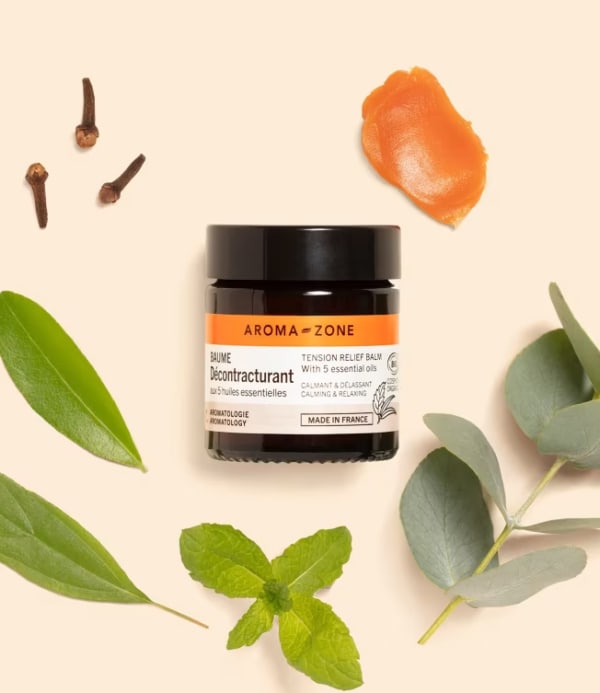
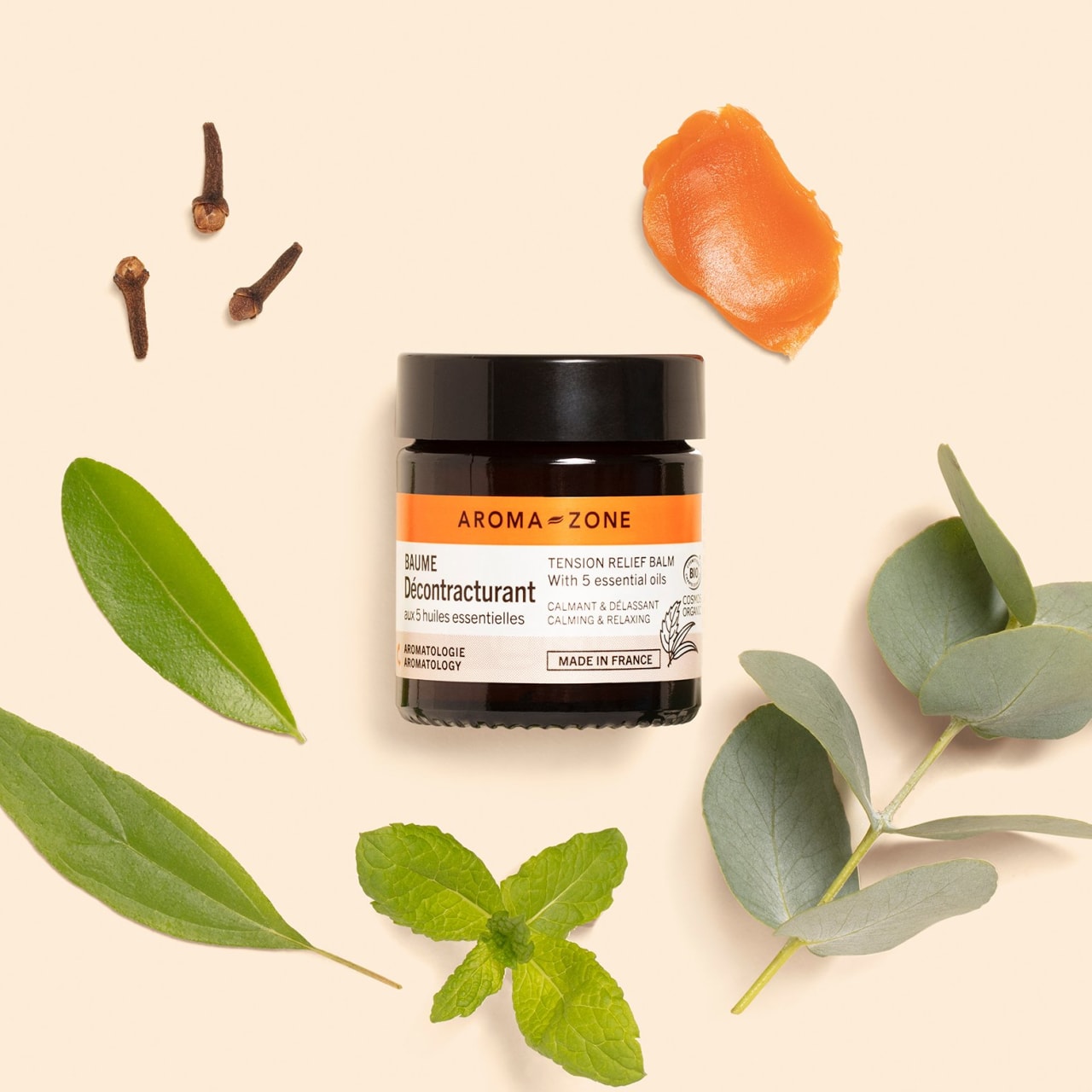
Relaxing balm with 5 essential oils
This balm, with its relaxing hot-and-cold effect, quickly relieves discomfort, thanks in particular to a blend of five essential oils recognised for their effectiveness against tension, muscle spasms and stiffness. It is recommended to apply it locally to the affected areas, massaging in circular motions until the product is fully absorbed. It is also the athlete’s best ally, both before and after exercise. Do not use on pregnant women or children under 6 years of age.
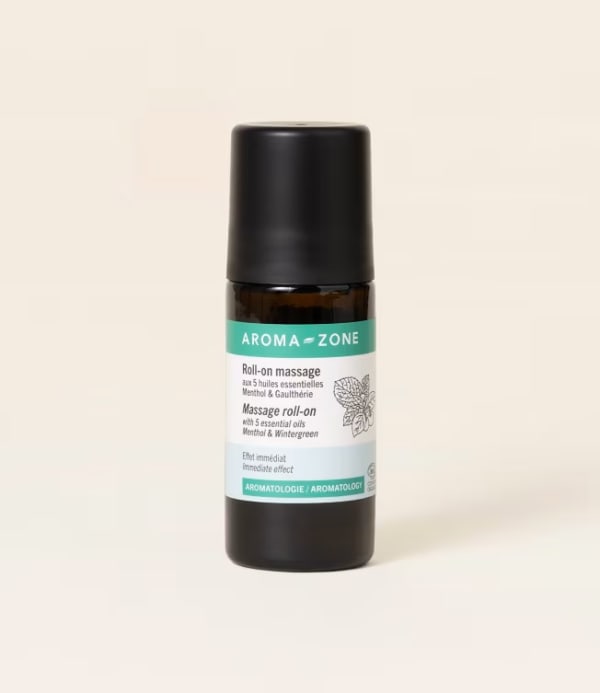
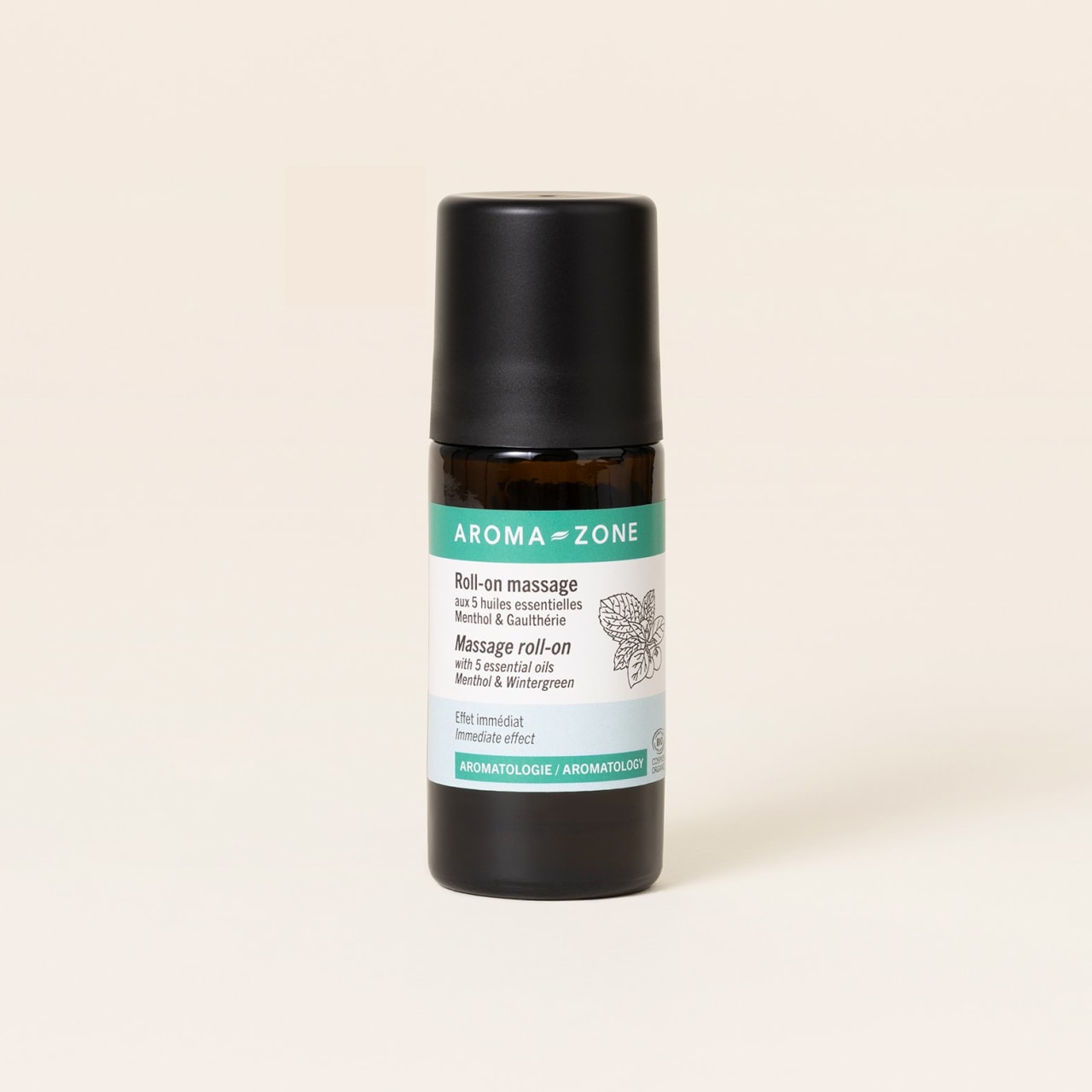
Massage roll-on with 5 essential oils
This menthol and camphor massage gel provides an intense cooling effect and quickly soothes areas of tension and discomfort. Its formula, containing 5 soothing essential oils and featuring an ice-like gel texture, glides over and melts into the skin for an instant, relaxing massage. Apply locally using circular massage movements to areas of discomfort, once or twice a day, until the product is fully absorbed. Do not apply before sun exposure. Do not use on pregnant women or children under 10 years of age.
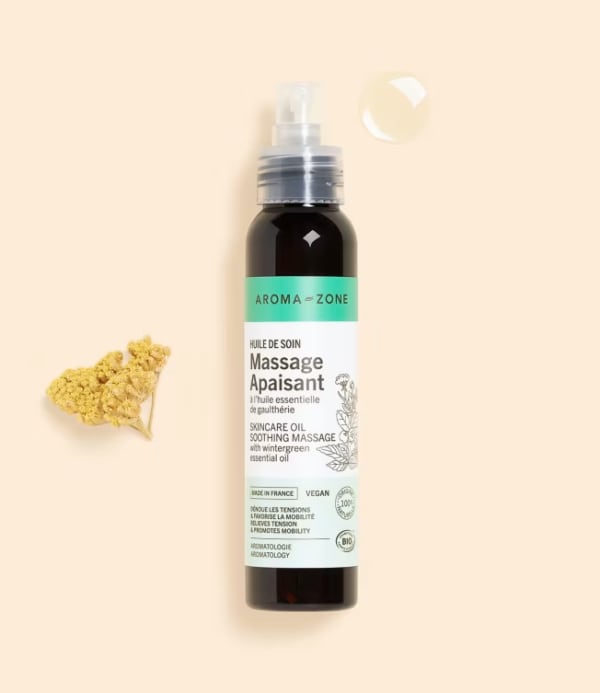
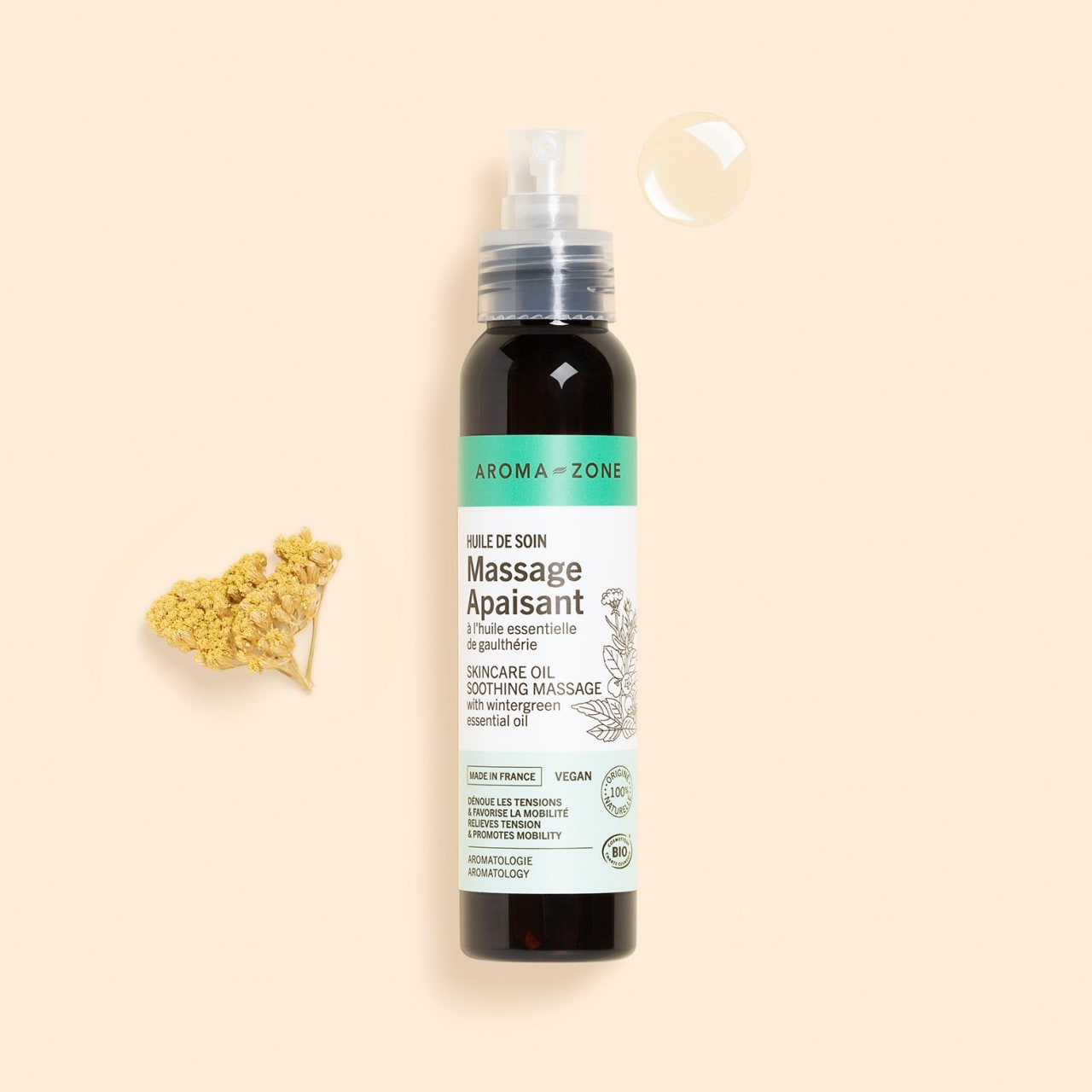
Soothing massage oil
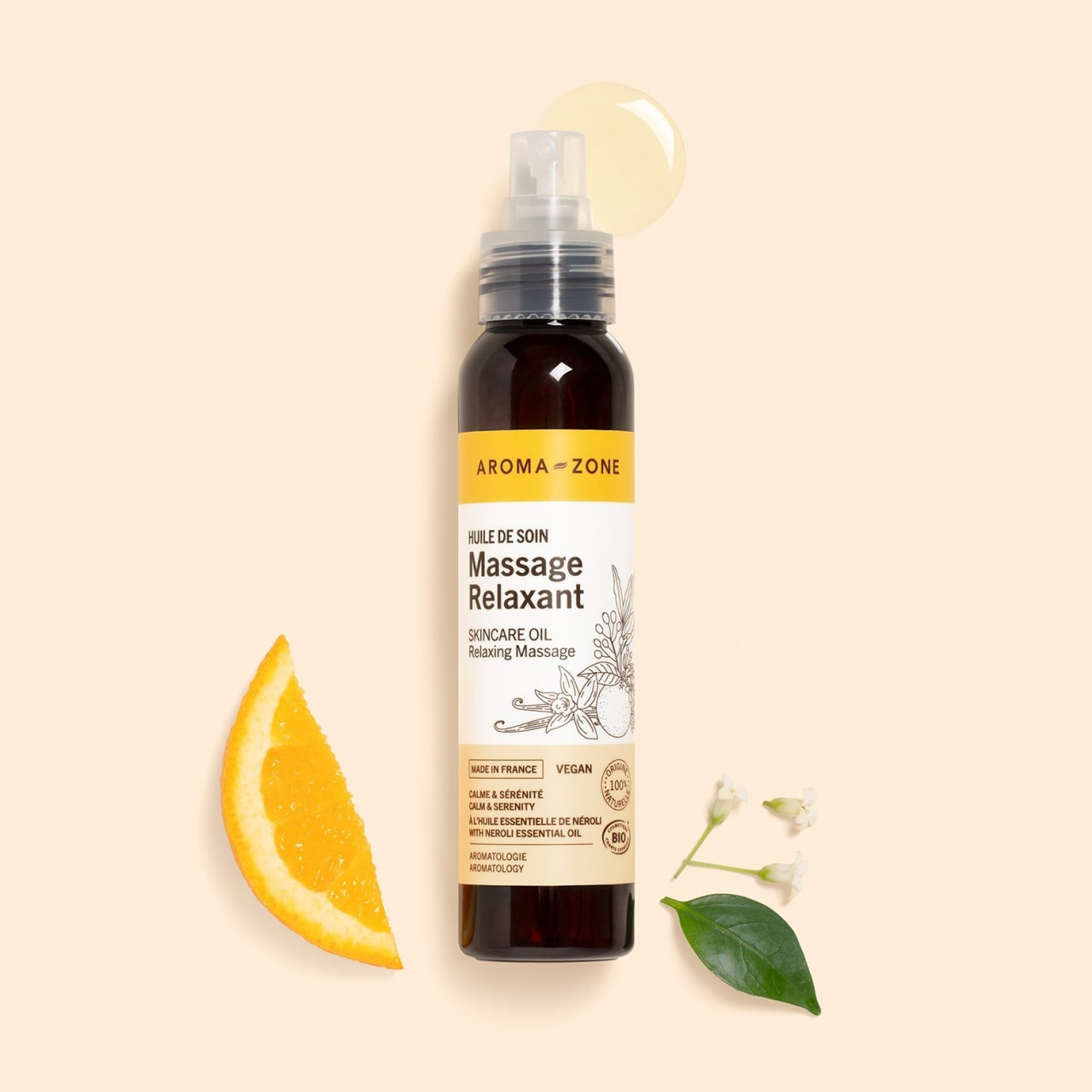
This aromatic organic body oil combines the soothing essential oils of wintergreen, organic Italian helichrysum, organic juniper and copahu with an organic St John’s wort oil macerate, renowned for its calming properties. This oil helps to soften the skin, leaving it feeling smooth and providing the perfect glide for relaxing and soothing massages on areas prone to muscular and joint discomfort: the legs, arms, shoulders, feet and hands… Do not use on children, pregnant women or breastfeeding women.
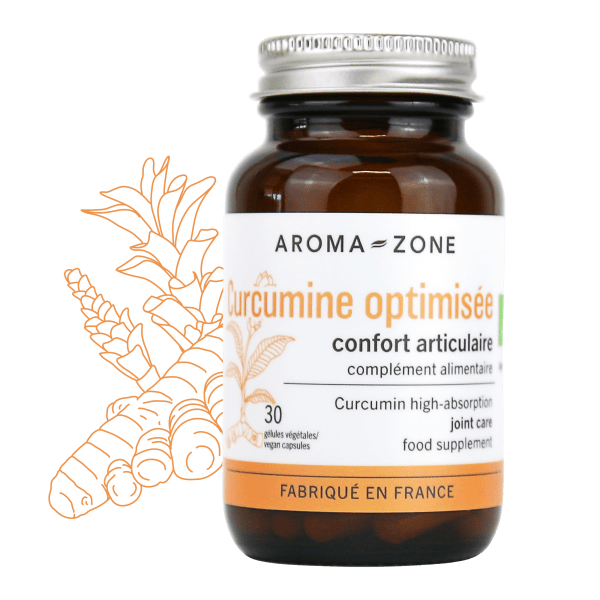
Optimised Organic Curcumin
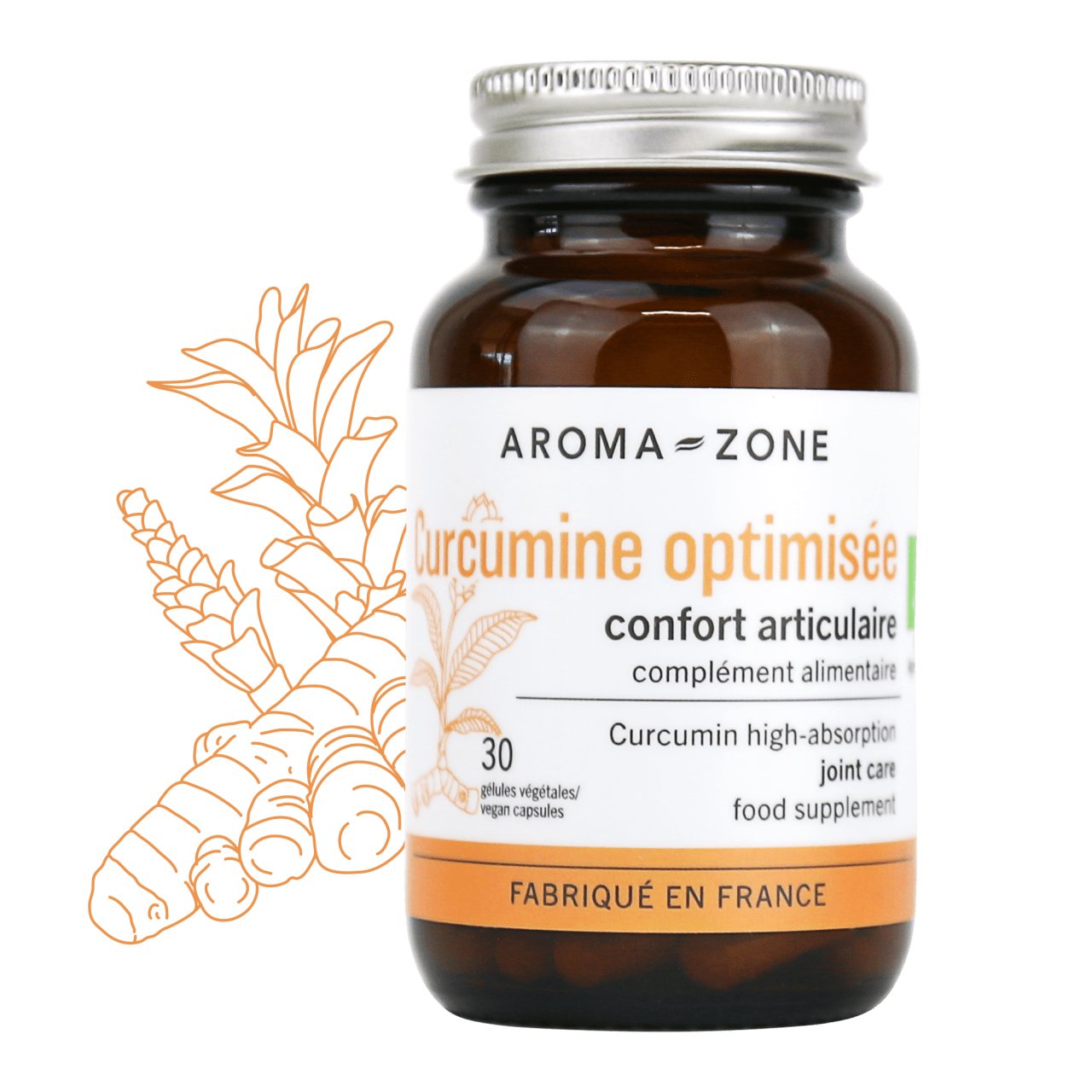
This 100% natural food supplement, manufactured in France, contains a patented extract of organic turmeric with a high curcumin content. Widely recognised for its many benefits, curcumin helps maintain joint flexibility in cases of reduced mobility and flexibility, or to support athletes’ recovery after exercise. Thanks to its potent formulation, one capsule a day is sufficient; take it with a glass of water before or after a meal. Not recommended during pregnancy or whilst breastfeeding.
Discover our minimalist 4-step routine too.
Precautions
Muscle and joint pain, which is almost inevitable over the course of a lifetime, is usually benign, linked to physical exertion, poor posture, overexertion or the natural ageing process. There are, however, certain situations where it is best to seek advice from a healthcare professional: particularly severe pain that prevents you from moving normally, significant swelling, a fever, or sensations of tingling, numbness or muscle weakness.
Spotlight on Our Writer: Louise Hourcade

After graduating from ESCP Business School in 2020, Louise began her career as a writer in 2021. Today, she writes a newsletter where she shares cultural recommendations and more personal articles, such as dating apps, therapy, and career guidance. She also writes for the media, brands and agencies on subjects such as well-being, mental health, culture, and society.
Bibliography
Dubois B, Esculier J-F. Soft-tissue injuries simply need PEACE and LOVE. British Journal of Sports Medicine. 2020;54(2):72-73. DOI: 10.1136/bjsports-2019-101253.
https://doi.org/10.1136/bjsports-2019-101253
Dahm KT et al. Advice to rest in bed versus advice to stay active for acute low back pain and sciatica. Cochrane Database of Systematic Reviews. 2022.
https://www.cochrane.org/evidence/CD007612_advice-rest-bed-versus-advice-stay-active-acute-low-back-pain-and-sciatica
Hagen, et al. The Cochrane review of advice to stay active as a single treatment for low back pain and sciatica. PubMed. 2002.
https://pubmed.ncbi.nlm.nih.gov/12195064/
Dupuy O, et al. An evidence-based approach for choosing post-exercise recovery techniques to reduce markers of muscle damage, soreness, fatigue, and inflammation: a systematic review with meta-analysis. 2018.
https://pmc.ncbi.nlm.nih.gov/articles/PMC5932411/
Goh SL, Persson MSM, Stocks J, Hou Y, Welton NJ, Lin J, Hall MC, Doherty M, Zhang W. Relative efficacy of different exercises for pain, function, performance and quality of life in knee and hip osteoarthritis: systematic review and network meta-analysis. British Journal of Sports Medicine, 2019
https://pubmed.ncbi.nlm.nih.gov/30830561/
A Rogers, et al. A meta-analysis of the associations of elements of the fear-avoidance model of chronic pain with negative affect, depression, anxiety, pain-related disability and pain intensity, 2022.
https://pmc.ncbi.nlm.nih.gov/articles/PMC9541898