Among the most well-documented natural active ingredients are arnica for post-exercise massage, capsaicin for localised pain, and certain essential oils traditionally used to promote muscle and joint comfort. When taken orally, curcumin is one of the most extensively studied ingredients for joint mobility (8). Omega-3s, hydrolysed collagen and magnesium may also be beneficial depending on the context.
Our top-rated treatments for muscle and joint relaxation
Acute or chronic discomfort or pain in the muscles or joints can result from intense or unusual physical exertion, poor posture, stress, inflammation, infection, degeneration and other causes. Given these varied causes, what steps should you take and how should you choose appropriate treatments for chronic joint pain vs localised muscle pain? In this article, we explore the root causes of muscle and joint pain, as well as skincare-based approaches to help reduce their occurrence. Finally, we present our selection of the highest-rated products for muscle and joint relaxation, backed by expert opinions and feedback from the community.

In brief:
The causes of muscle and joint pain can be mechanical, inflammatory, infectious, metabolic, medication-related or systemic.
This article explains the mechanisms at play in muscle and joint pain and presents a selection of expert treatments from Aroma-Zone: from muscle-relaxing balms to massage roll-ons, from dietary supplements to soothing massage oils. All these solutions and natural active ingredients have been validated and combined by our specialists.
What causes muscle and joint pain?
The causes of muscle and joint pain can be mechanical, inflammatory, infectious, metabolic, medication-related or systemic. They may affect the muscles alone, the joints alone, or both, depending on the location, stiffness, presence of swelling, relationship to physical exertion and general symptoms.
Muscle pain
Intense or unusual physical exertion: Minor damage to muscle fibres can trigger an inflammatory response known as delayed-onset muscle soreness. In this case, the pain is often diffuse, tender to the touch and temporary (1).
Mechanical or myofascial overload: poor posture or local overuse subjects the muscle to repeated stress, which can lead to persistent tender points (2, 3).
Muscle trauma or injury: a strain, tear or contusion can damage the fibres or their blood supply, mechanically causing more localised pain – which can sometimes be sudden – along with functional impairment.
Stress and nervous tension: stress can increase muscle tone and contribute to muscle spasms and muscle pain.
A viral infection or a general inflammatory condition: during infections causing flu-like symptoms, inflammatory cytokines can cause diffuse myalgia (muscle pain) and a feeling of aching muscles.
Metabolic or endocrine disorders: hypothyroidism, iron deficiency, and sometimes vitamin D deficiency can contribute to chronic myalgia or muscle weakness. This pain is prolonged, not readily explained by physical exertion, and associated with other general symptoms (4).
Certain medicines: taking statins is a known drug-induced cause of myalgia, sometimes accompanied by diffuse pain, stiffness or exercise intolerance.
Fibromyalgia: this syndrome of chronic widespread pain associated with central sensitisation, often accompanied by fatigue and sleep disturbances, is underpinned by complex neurophysiological mechanisms (4).
Joint pain
Joint injury: a sprain, ligament injury, fracture or repeated microtrauma can cause secondary mechanical or inflammatory pain.
Osteoarthritis: the most common cause of joint pain is linked to the gradual breakdown of cartilage and changes in the subchondral bone (the layer of bone beneath the cartilage). The pain is often mechanical in nature, worsening with exertion, and accompanied by brief stiffness upon waking.
Inflammatory arthritis: rheumatoid arthritis, psoriatic arthritis and spondyloarthritis result in painful, stiff and sometimes swollen joints, with a more pronounced inflammatory component at night and in the morning (2).
Gout: Gout and other microcrystalline arthropathies cause crystals to be deposited in the joint, triggering acute inflammation that is often very severe, with redness, a sensation of heat and swelling, sometimes affecting a single joint.
Joint infection: septic arthritis generally presents with severe pain, a warm, swollen joint and a deterioration in general health, and can rapidly damage the cartilage.
Certain systemic or autoimmune diseases: lupus, coeliac disease, sarcoidosis, myositis and other inflammatory conditions can cause joint pain or secondary arthritis, often accompanied by rashes, dryness, digestive problems or persistent fatigue (2).
Mixed pain
Fibromyalgia, viral infections, systemic inflammatory diseases and certain adverse drug reactions can cause both muscle and joint pain. The distribution of pain, the presence of joint swelling, morning stiffness and general symptoms should be considered in order to pinpoint the location of the pain and identify its cause. Mechanical pain tends to worsen with use, while inflammatory pain is more pronounced at rest, at night or upon waking (2, 4).
How can you tell if the pain is muscular or joint-related?
Muscle pain often occurs after physical exertion, a sudden awkward movement, prolonged contraction or overexertion. The pain increases when the muscle is contracted or stretched, and tends to subside at rest.
Joint pain is felt at the junction of two bones. The pain is deep-seated and is sometimes accompanied by stiffness, swelling, localised warmth or restricted range of motion. It can be triggered at rest in cases of inflammation, or when the joint is moved in cases of mechanical causes such as osteoarthritis.
Sometimes, the discomfort is both muscular and joint-related, when it involves the muscle, tendon and joint.
Which natural treatments can help improve muscle and joint relaxation?
To choose a truly effective soothing treatment, it’s worth scrutinising its formulation, texture, active ingredients and the recommended application technique. This guide helps you develop the right habits to promote muscle and joint comfort.
Key principles | Things to bear in mind |
Staying physically active without overexerting yourself | Maintaining a regular exercise routine that combines strength training, endurance and gentle stretching, while avoiding sudden movements, has beneficial effects on pain. Combined with breathing exercises, adequate hydration and good sleep (especially during the recovery phase after exercise), a healthy lifestyle can promote muscle relaxation (5). |
Using heat or cold | Heating patches or wraps, a hot shower or a hot water bottle applied locally tend to increase blood flow, tissue elasticity and relaxation in cases of muscle tension, stiffness and chronic pain. In the event of an impact, sharp pain after exercise, or when a joint appears inflamed, warm or swollen, applying a cold pack to the skin can help to temporarily reduce the pain (6). |
Massage | Gentle, slow pressure applied to tense areas, whether on yourself or by a professional, can reduce the sensation of tension, improve comfort and promote relaxation, particularly in cases of muscle pain and myofascial syndromes. Active ingredients such as capsaicin or arnica, applied topically during massage, can help relieve localised pain (4, 7). |
Consider course of oral supplements | In cases of chronic joint pain, a course of curcumin, omega-3 or collagen taken orally over several weeks can gradually alleviate pain and have beneficial effects on stiffness and function (8, 9). Other active ingredients may be considered for cases of osteoarthritis, such as glucosamine, chondroitin, Boswellia serrata and Harpagophytum, and more. |
Our top 10 best-rated treatments to promote muscle and joint relaxation
Once the cause and type of pain have been identified, it’s time to turn to the most effective natural treatments and ingredients for muscle and joint relaxation. Discover the list of products for which we’ve received the most positive feedback, tested by our experts and endorsed by people prone to muscle and joint pain.

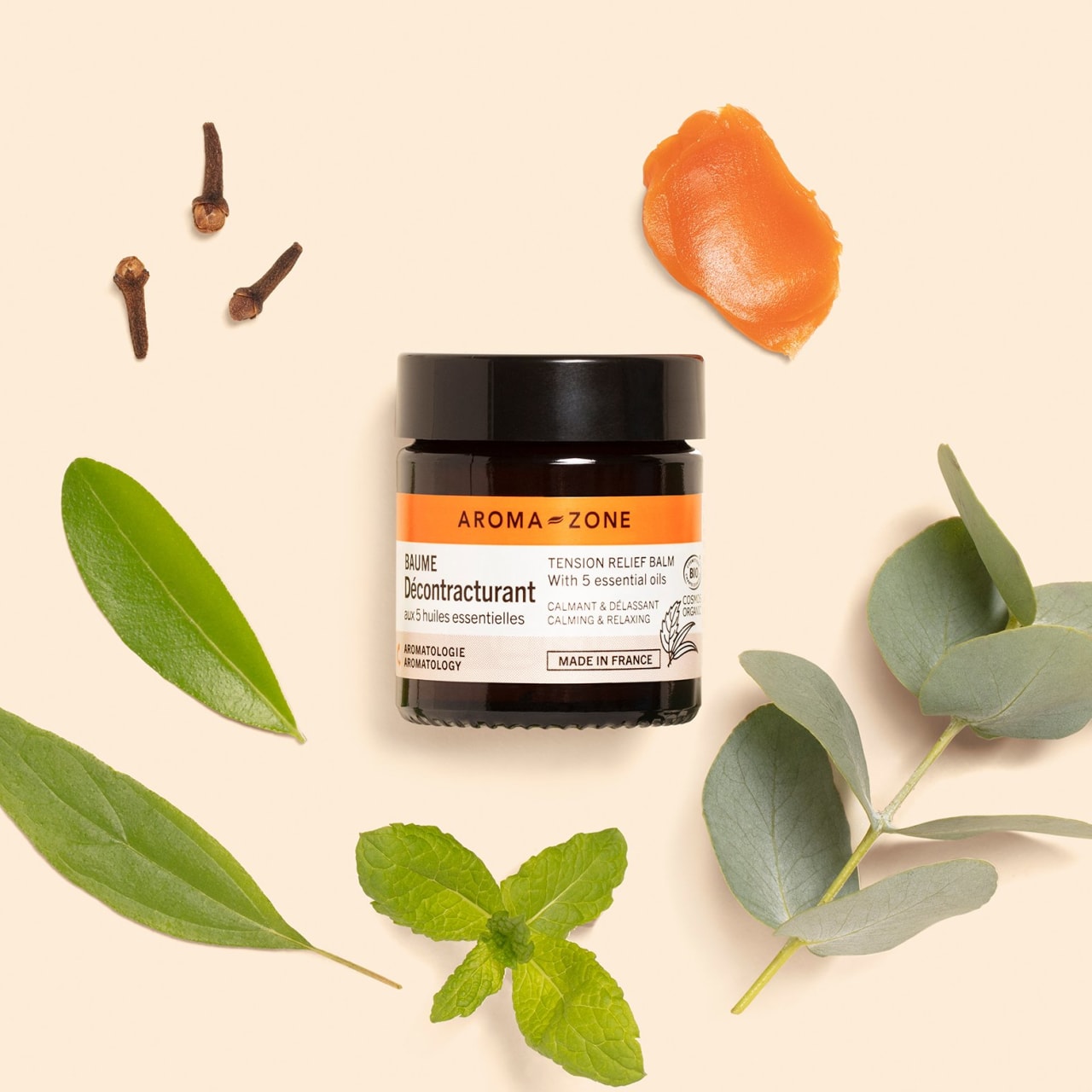
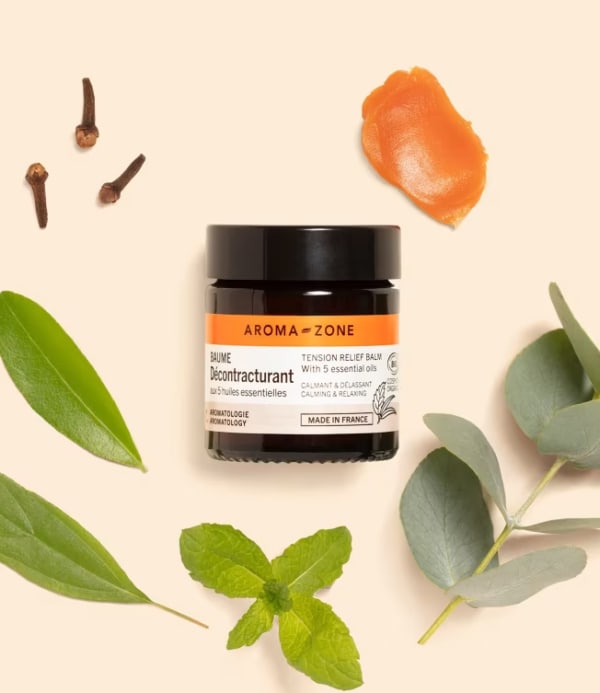
Relaxing balm with 5 essential oils
A favourite with athletes, this warm-to-cool balm—enriched with essential oils, camphor and organic menthol—is designed to relieve tension, reduce discomfort and relax muscle spasms. Its immediate and long-lasting effectiveness has been clinically proven. Do not use on pregnant women or children under 6 years of age, or on people with a history of epilepsy, allergies, asthma or a history of seizures.

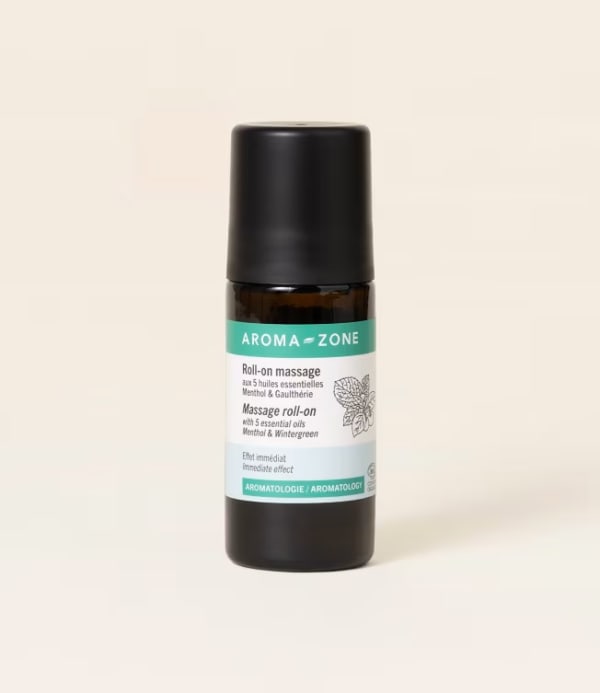
Massage roll-on with 5 essential oils
This roll-on, containing 5 soothing essential oils (including menthol and camphor) and featuring an ice-cool gel texture, provides immediate and long-lasting relief from discomfort and areas of tension. For quick and easy use to relieve discomfort caused by ageing, sporting activity, poor posture or stress. Do not use on pregnant women, children under 10 years of age, or people with epilepsy, allergies, asthma or a history of seizures.

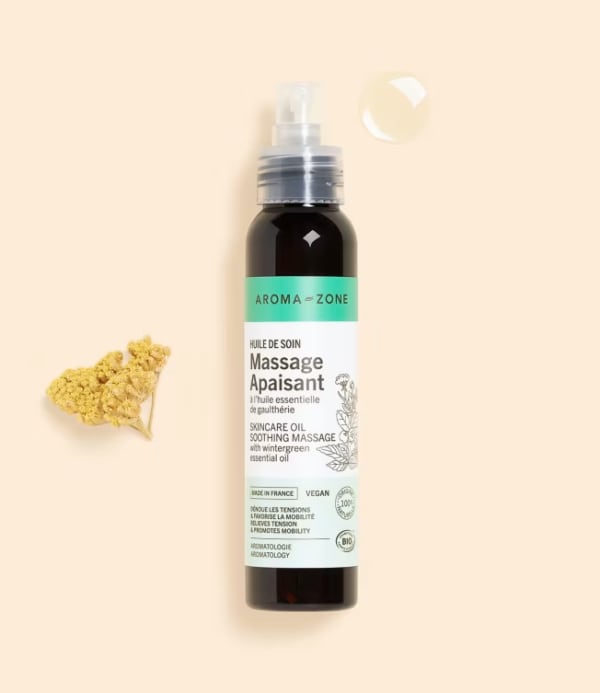
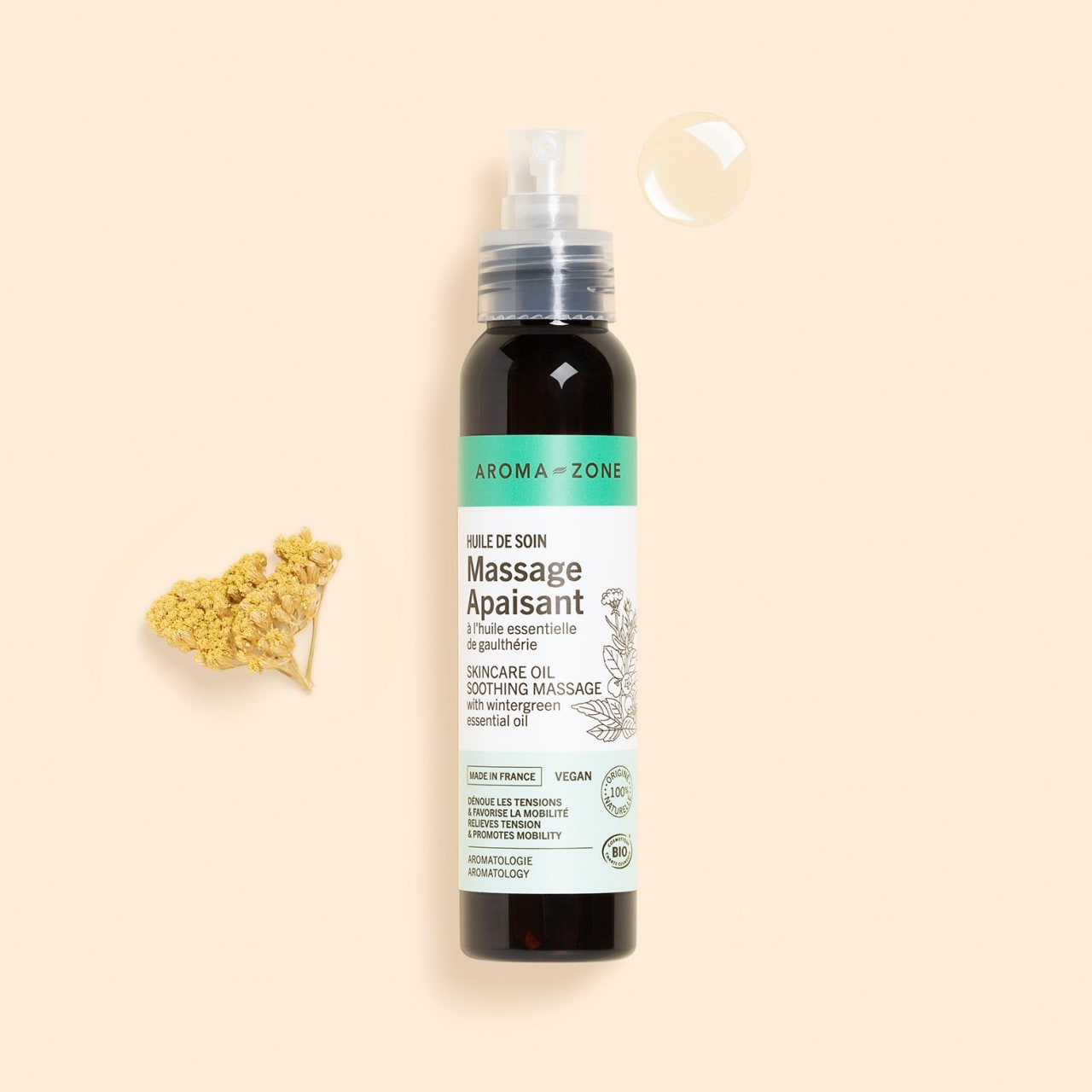
Soothing Massage Oil
Combining the soothing essential oils of Wintergreen, organic Italian Helichrysum, organic Juniper and Copahu with organic St John’s Wort oil macerate, renowned for its calming properties, this massage oil glides easily over the skin to relax knotted and tense areas. Do not use on children, pregnant or breastfeeding women. Do not use on irritated or broken skin, or on mucous membranes.

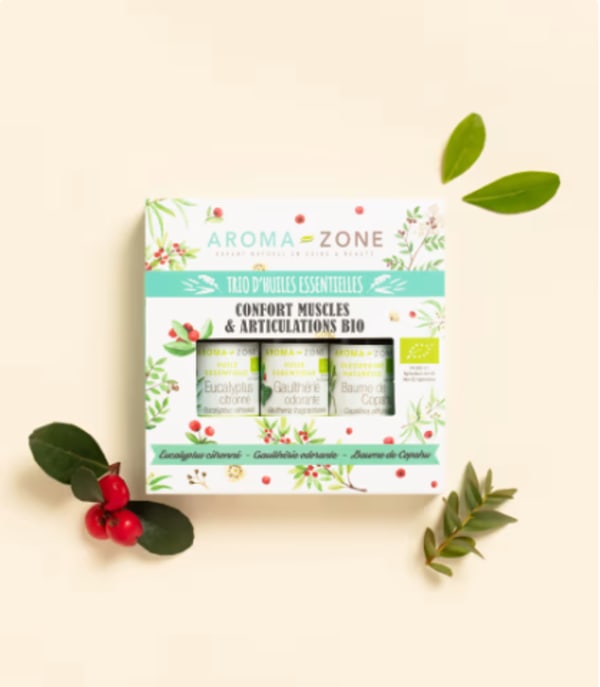
Organic Muscle & Joint Comfort Essential Oil Trio Set
This set of organic essential oils, combining lemon eucalyptus, wintergreen and copahu balm, is ideal for preparing massage oils. It comes with a handy guide detailing the recommended dosages for relieving joint pain, muscle discomfort, aches and pains, pinched nerves and other localised pain. Always read the specific precautions for use relating to the essential oils used.
Discover the Organic Muscle & Joint Comfort Essential Oil Trio Set

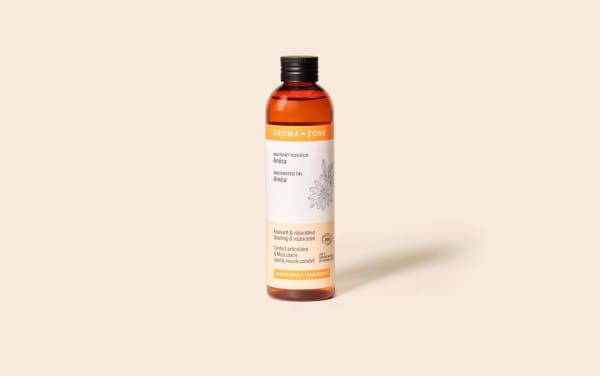
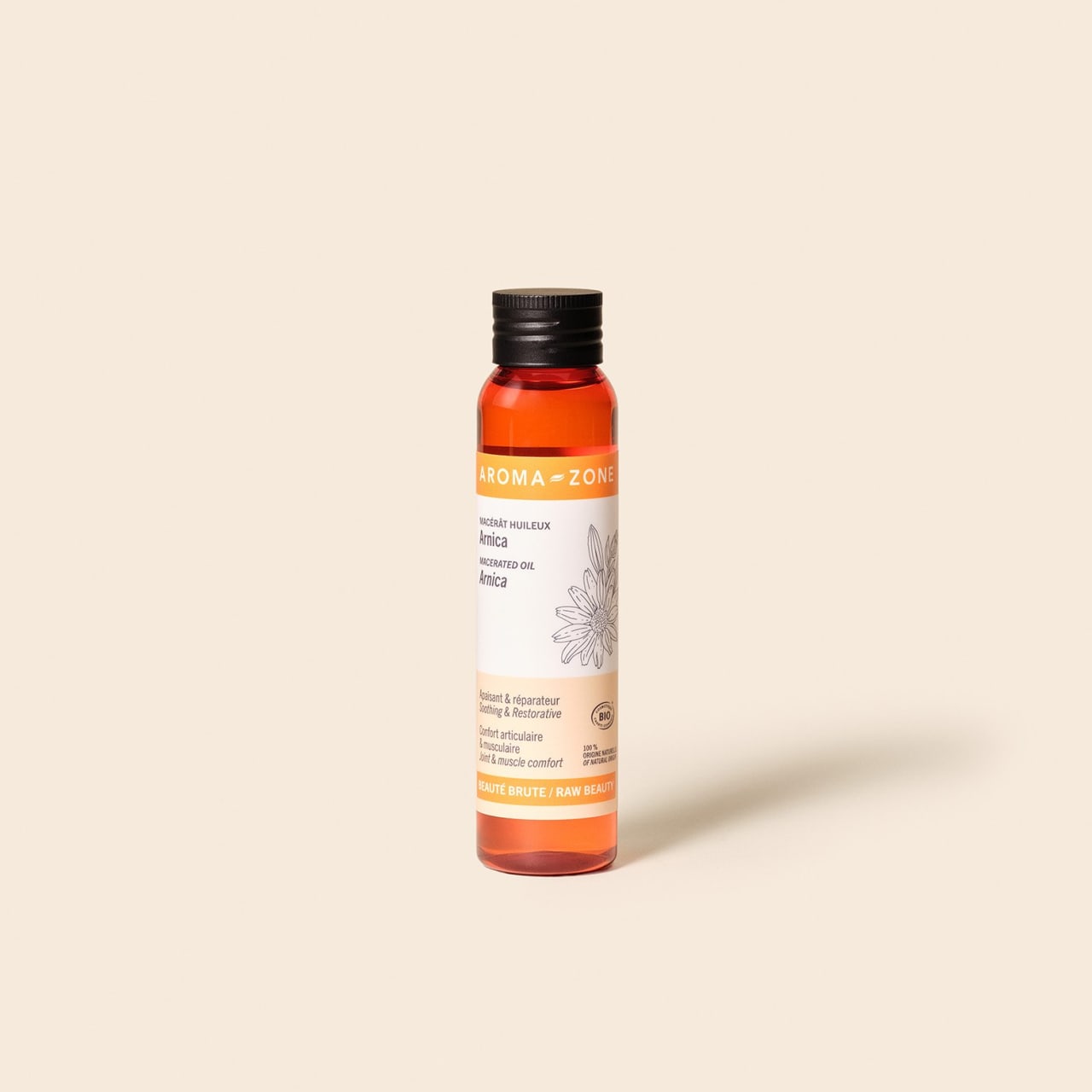
Organic Arnica Oil
This soothing arnica oil macerate is recommended for muscle and joint discomfort, aches and stiffness. It is used as an ingredient in preparations such as: gels and creams for pre-exercise preparation and muscle conditioning; relaxing massage oils and balms for use after exercise; and soothing oils for bruises, knocks and bumps. For external use only; may cause allergic reactions in people sensitive to the Asteraceae family.

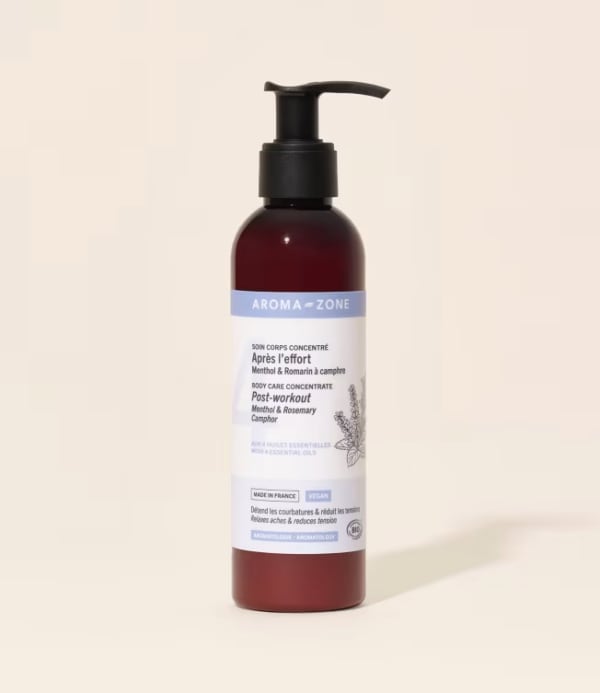
Concentrated organic post-workout body treatment
This cream gel with an immediate ‘ice cube’ effect combines menthol crystals with organic essential oils of Lavandin super, organic camphor rosemary, organic Italian helichrysum and thujanol marjoram for restorative and relaxing post-workout massages on the affected areas. Do not use on children, pregnant women or breastfeeding women.

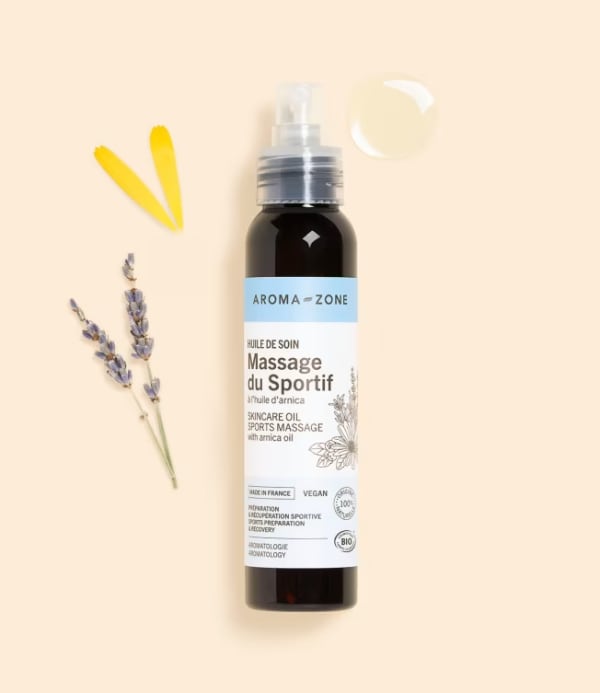
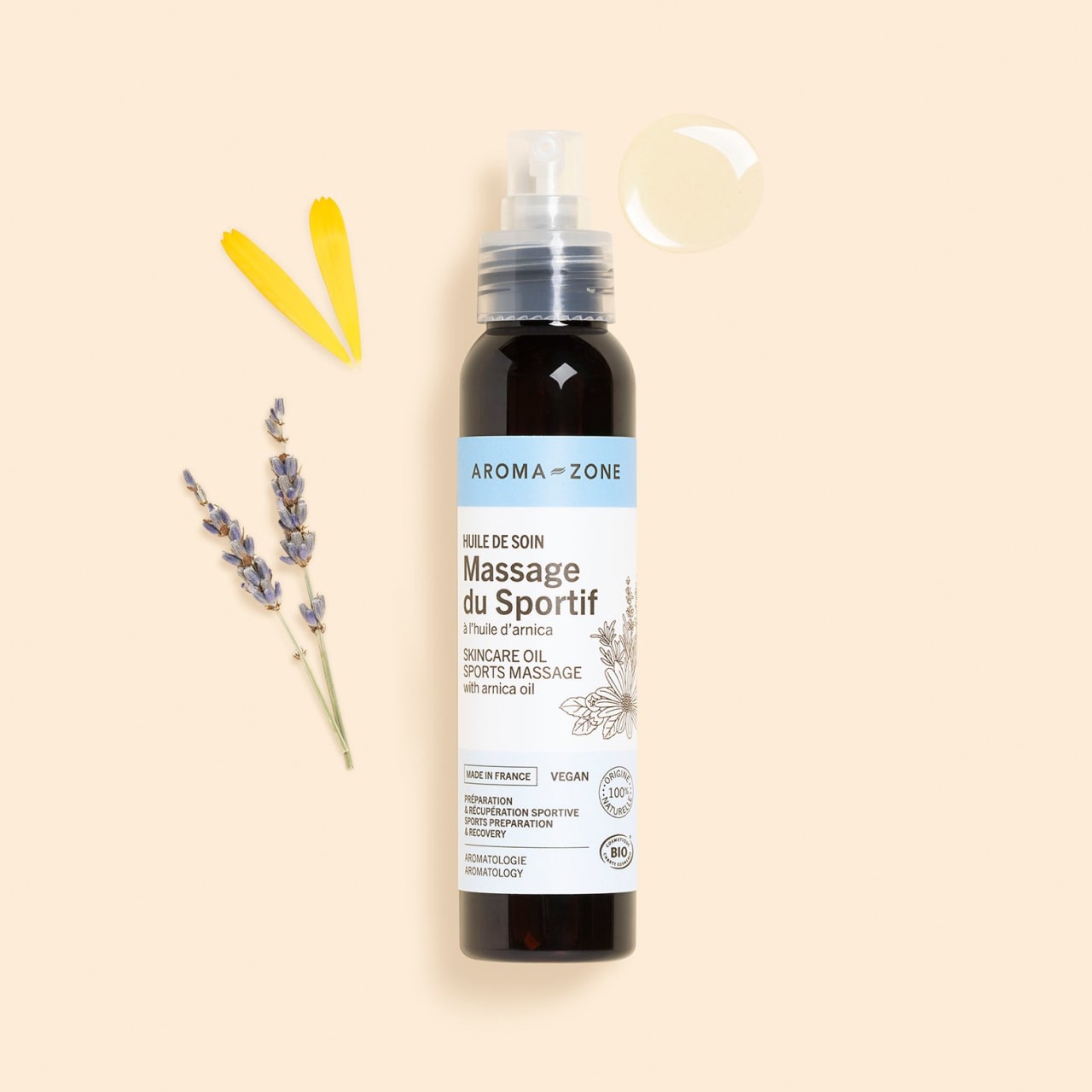
Sports Massage Oil
Enriched with organic Lavandin super essential oil, organic camphor rosemary, Copahu balm and wintergreen (active ingredients renowned for their use in relaxing, soothing and restorative massages), this organic arnica oil macerate, with its blend of essential oils, is ideal for post-workout massages to relieve fatigue.

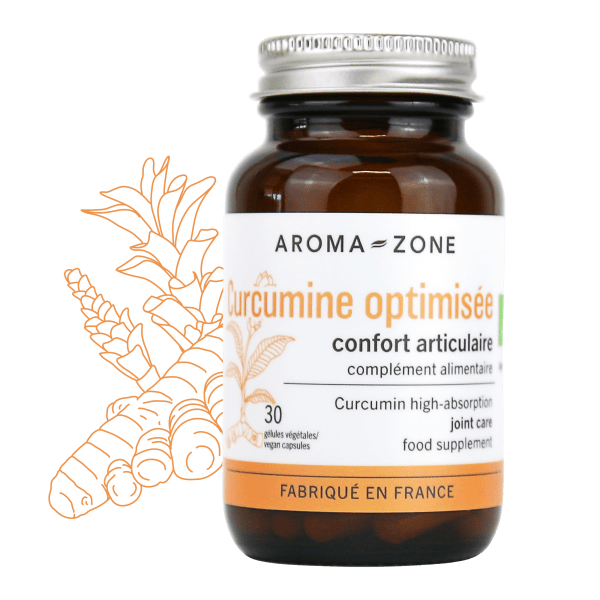
Organic Optimised Curcumin Food Supplement
This patented extract of organic turmeric with a high curcumin content, microencapsulated in a plant-based matrix for optimal absorption – without piperine and without any irritating effects – helps maintain joint flexibility. 1 capsule per day. For adults only; not suitable for pregnant or breastfeeding women; not recommended for people with liver or biliary disorders. Consult your doctor or pharmacist if taking anticoagulants at the same time.

Marine Collagen Food Supplement
Manufactured in France from fish sourced from sustainable aquaculture (Friend of the Sea certified), this premium-quality, highly bioavailable hydrolysed marine collagen helps support joint flexibility. Take 2.5 g to 10 g per day of micro-granulated powder, dissolved in a glass of water, juice, tea, coffee or a smoothie. For adults only; not recommended in cases of kidney failure or hypercalcaemia without medical advice. Pregnant or breastfeeding women are advised to seek advice from a healthcare professional.

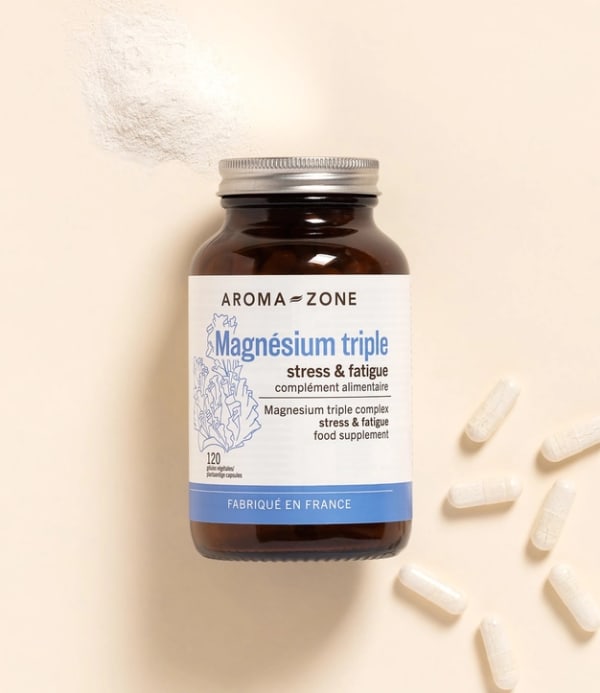
Triple Magnesium dietary supplement
Combining three forms of magnesium (magnesium bisglycinate, marine magnesium and organic sea lettuce extract) for optimal effectiveness by combining high bioavailability with a high magnesium content, this dietary supplement supports muscle function and contributes to bone health. 3 capsules per day. For adults only; pregnant or breastfeeding women should seek advice from a healthcare professional. Magnesium may have a laxative effect in some people; if you have thyroid problems, please consult your doctor.
What our customers say
At Aroma-Zone, feedback from our community complements the work of our experts and confirms the genuine effectiveness of our muscle and joint relaxation treatments.
'I have osteoarthritis in my knees and feet, which means my hip sometimes hurts and even walking becomes a struggle. I asked for advice on how to find relief; as well as curcumin capsules, I was able to make myself a bottle containing five essential oils that I was advised to use for massage, and, to be honest, the results were immediate. Excellent service, attentive staff, a great selection and very affordable prices for natural remedies. I highly recommend it!'
Lucette on the Organic Optimised Curcumin dietary supplement, 10 March 2026 (10).
'Very satisfied with the "Sports Care" range: massage oil + ice-effect cream'
Clara on the ‘Sports Care’ massage oil and the organic concentrated post-workout body treatment, 24 February 2026 (11).
'For the past few months, I’ve been suffering from severe pain in one knee. A friend advised me to try marine collagen. I’ve been taking it for three months now, and my pain has practically disappeared. So I’d definitely recommend it.'
Sonia on the Marine Collagen Food Supplement, 2 May 2026 (12).
Our experts’ views
A word from the functional medicine doctor
'Silent inflammation: is this sometijmes a factor involved in muscle and joint discomfort? I often tell my patients, "The best test you can have is a fatty acid profile", which reflects your diet over the last three months and very often reveals low-grade inflammation linked to a lack of omega-3s (as distinct from acute inflammation: redness, swelling, heat, etc.). This may be one of the causes of pain that is resistant to painkillers. Introducing omega-3s into the diet (small oily fish, camelina oil, etc.) and as supplements can help to improve this situation. Consuming too much sugar, either in large quantities or at the wrong time, can also play a role in low-grade inflammation (via the glycation mechanism), necessitating dietary adjustments. A vitamin D deficiency also fuels silent inflammation.'
Dr Yoni Assouly, functional medicine practitioner and author
A word from the nutritionist
'Exercising and taking a hot shower stimulate myocytes, which relaxes the muscle fibres and releases myokines to soothe the nervous system. The heat from saunas, steam rooms and infrared saunas is beneficial for the same reasons. This promotes the production of active compounds with pain-relieving (opioid neuromodulators, GABA, endorphins), anti-inflammatory (prostaglandins), anti-depressant (serotonin, dopamine, oxytocin) and anti-ageing properties – just as with exercise – which prolongs its beneficial effect.'
Dr Alexandra Dalu, a nutritionist specialising in anti-ageing medicine, lecturer, consultant and author
Precautions
If you experience pain accompanied by swelling, fever, redness, muscle weakness or rapid worsening of symptoms, you should consult a doctor. Food supplements are not a substitute for a varied and balanced diet and a healthy lifestyle. Do not exceed the recommended daily dose. Always read the specific precautions for use relating to the essential oils used.
Find out more

Which natural ingredients are most effective for muscle and joint relaxation?

Which natural ingredients are most effective for muscle and joint relaxation?

What criteria help identify a good muscle and joint relaxation treatment?

What criteria help identify a good muscle and joint relaxation treatment?
A good product must be suited to the nature of the discomfort: muscle tension, aching muscles, stiffness or chronic joint discomfort. The quality of the active ingredients, their concentration, ease of application and precautions for use are essential criteria. Clinical evaluations, where available, as well as user feedback, can also help guide your choice.

What is the most effective muscle relaxant?

What is the most effective muscle relaxant?
Curcumin for chronic joint pain and magnesium for certain types of cramps are among the powerful natural remedies recognised by the scientific community.

Hot or cold?

Hot or cold?
Hot or cold?
Heat and cold are not used for the same purposes. Heat is generally preferred in cases of muscle tension, spasms or joint stiffness, as it helps to relax the tissues and improve local circulation. Cold is generally recommended following an impact, intense exertion or when a joint feels hot, swollen or inflamed. If in doubt, alternating between heat and cold can sometimes provide additional relief.
Spotlight on our editor Vanessa Houpert

Vanessa HOUPERT, who holds a Master’s degree in cultural journalism from the Sorbonne Nouvelle University (Paris 3), has been working as a journalist, copywriter and editorial consultant for media organisations and brands for over 10 years. Inspired by all things related to beauty, good living and wellbeing, her holistic approach to consumer trends enables her to analyse the times.
Bibliography
1
J.-M. Coudreuse et al. Post-exercise muscle pain, Journal of Sports Traumatology, 2007.
https://www.sciencedirect.com/science/article/abs/pii/S0762915X07000800
2
Shayan Senthelal et al. Arthritis, NIH/NCBI Bookshelf, StatPearls, 2023
https://www.ncbi.nlm.nih.gov/books/NBK518992/
3
Gerwin RD. Myofascial pain and fibromyalgia: Diagnosis and treatment. J Back Musculoskelet Rehabil, PubMed, 1998.
https://pubmed.ncbi.nlm.nih.gov/24572598/
4
Robert D Gerwin. A review of myofascial pain and fibromyalgia—factors that promote their persistence, PubMed, 2005.
https://pubmed.ncbi.nlm.nih.gov/16259310/
5
John Booth et al. Exercise for chronic musculoskeletal pain: A biopsychosocial approach, PubMed, 2017.
https://pubmed.ncbi.nlm.nih.gov/28371175/
6
Gerard A Malanga et al. Mechanisms and efficacy of heat and cold therapies for musculoskeletal injury, PubMed, 2015.
https://pubmed.ncbi.nlm.nih.gov/25526231/
7
Selene Mak et al. Use of Massage Therapy for Pain, 2018–2023: A Systematic Review, PubMed, 2024.
https://pubmed.ncbi.nlm.nih.gov/39008297/
8
Nafiseh Shokri-Mashhadi et al. A Systematic Review of the Clinical Use of Curcumin for the Treatment of Osteoarthritis, PubMed, 2021.
https://pubmed.ncbi.nlm.nih.gov/34331696/
9
Montserrat Andrea Bahamondes et al. Effect of omega-3 on painful symptoms of patients with osteoarthritis of the synovial joints: systematic review and meta-analysis, PubMed, 2021.
https://pubmed.ncbi.nlm.nih.gov/34303654/
10
https://fr.trustpilot.com/reviews/69b01d0bb4cf2194e1b3fb30
11
https://fr.trustpilot.com/reviews/699dae525d5b6daf66640980
12
https://fr.trustpilot.com/reviews/69f5d56fe285993fde371b47