Should the serum be applied before or after the cream?

Should the serum be applied before or after the cream?


By Hélène Betoux

Published on: Tuesday, March 26, 2024, Updated on: Wednesday, September 30, 2026

The serum is a marvellous concentrate of active ingredients. It's so rich in benefits that it would be a real shame to use it incorrectly. But there's one mistake that many of us make with our skincare products: we put them on in the wrong order, and that can ruin everything. One of the questions you often ask is whether you should apply your serum before or after your cream. The answer is before, but you'll see that there are sometimes special cases where it's better to know about. Here's what you need to know to make the most of your serum every day.

Contents

Related products

Why apply a serum to your face?

A serum is like a superhero for our skin. Packed with active cosmetic ingredients, it has everything we need in the right place to support the other products in our skincare routine.

Unlike creams (whose essential role is to prevent dehydration), serums can be used to address specific beauty concerns. For example, there are anti-ageing, anti-dark spot and anti-imperfection serums. Some formulas focus on hydration, firmness, elasticity, oxidative stress, and radiance. In short, there's something for everyone!

Serums are so popular because they are reputed to be more 'powerful' than the other products in our routine. They are supposed to be much more concentrated in active substances (hyaluronic acid, vitamin C, nicotinamide, collagen), as well as being more easily absorbed. They are therefore ideal for focusing your routine on a specific concern and supporting your skin's essential functions.

A quick reminder: creams and serums are complementary products. One does not replace the other!

When should I apply a serum to my face?

Should the serum be used before or after the moisturiser?

The rule is simple: you should apply your serum before your day cream and before your night cream.

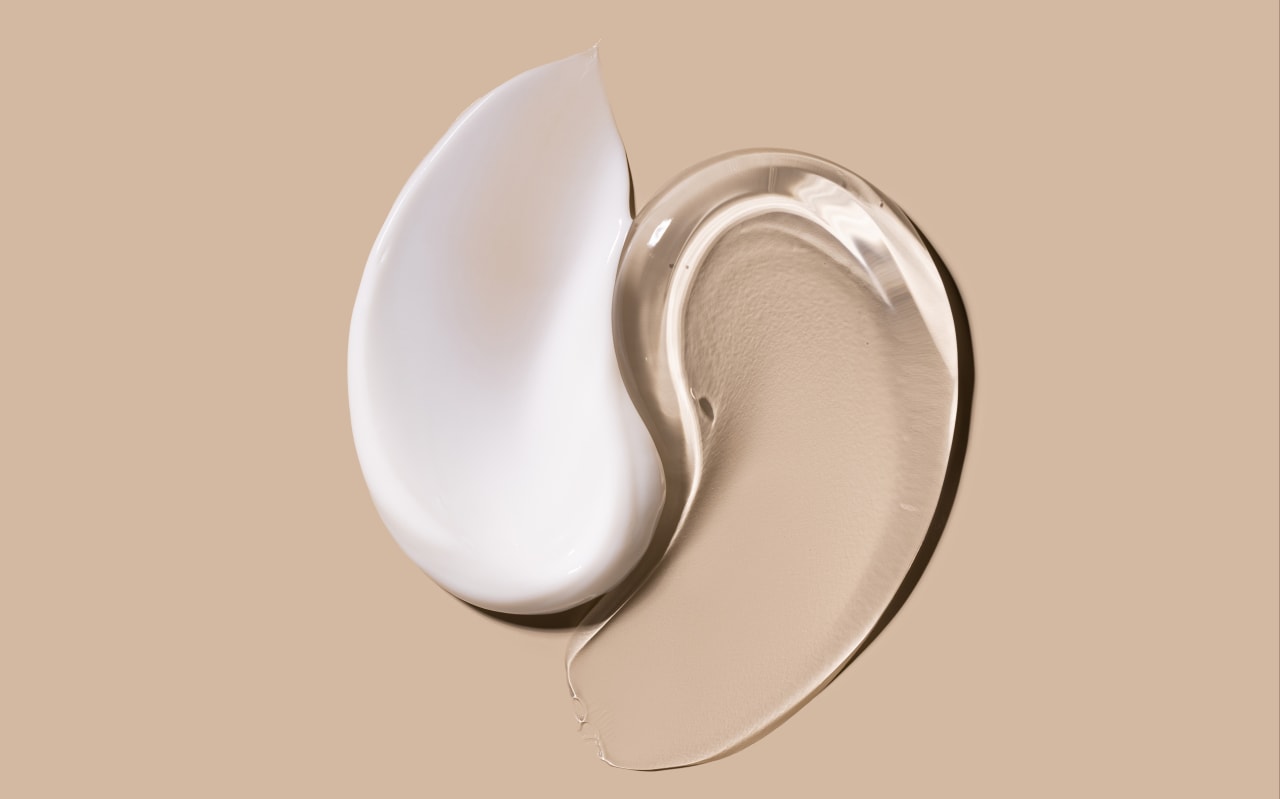
In their most common definition, serums are low-molecular-weight aqueous solutions. They are designed to penetrate the upper layers of the epidermis very quickly, where they can distribute their active ingredients in the best possible place. So they need to have free rein to do their job properly. This is why they are applied to perfectly cleansed, bare skin. Their cosmetic effectiveness depends essentially on good penetration.

If you do the opposite and apply a cream (a mixture of water and fat) first, the fatty phase of the emulsion may prevent the serum from penetrating. As a result, a large part of the product (and the active ingredients) will remain trapped on the surface of your skin, where it will evaporate prematurely.

Can you mix serum and cream?

It's best to apply your serum first and then layer on your moisturiser. If you're in a hurry, you can still use our 'mix and apply' method.

This question of mixing cream and serum is linked to a certain amount of confusion following the appearance of 'boosters' on the market. Like serums, these are formulas with a high concentration of active ingredients. However, these boosters are not applied like traditional serums. They are developed specifically to be mixed with a cream to reinforce certain properties.

When in doubt, always refer to the instructions for use on the package.

Oil: before or after cream?

Sometimes, the base of a serum is not water, but oil. This type of serum is generally aimed at dry, mature skin, helping to strengthen the skin barrier. In this case, it's best to apply your serum after your moisturiser. The oil will 'seal in' the humectant ingredients provided by the cream.

This tip should be adopted by all skin types during the cold season. A small layer of oil on top of the cream is a bit like wearing a down jacket over a jumper! It forms a lipid barrier that insulates the skin from external winter aggressors, particularly the wind and cold.

Can the serum be used before make-up?

Yes, always! Skin care and make-up are two distinct phases of a skincare routine. We recommend that you always carry out your skincare routine before applying makeup. Follow the same order of application as above.

Your foundation will appear more even on well-moisturised skin. Simply wait a few minutes after the last step of your routine to start applying your makeup. Some day creams make excellent make-up bases.

In what order should I apply my facial care products?

Serum, before or after cream? The first thing to understand is that, even if you have excellent skincare products, applying them in the wrong order would be counterproductive. They all have a specific role to play in your routine. They have different functions, but also textures with varying degrees of coverage and concentrations of active ingredients. All these factors need to be taken into account to determine the right order in which to apply your skincare products.

Overall, a good skincare programme can be summed up in three stages.

  1. Cleansing: this first stage includes make-up removers, cleansers, toning lotions and floral waters.

  2. Moisturising: this involves day cream, night cream, and eye cream. Serums and oils can also be included in this category.

  3. Protection: applying sun cream completes your daily skincare routine.

Discover our serums to care for your skin

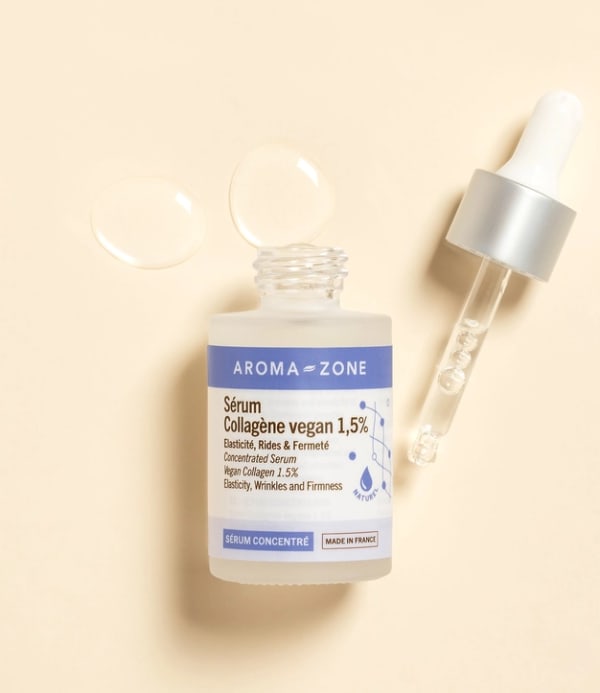
1.5% Vegan Collagen Serum Concentrate

For mature, sagging skin, this firming, anti-wrinkle and restructuring serum, concentrated with 1.5% vegan collagen, provides an all-round anti-ageing solution. It acts simultaneously on several signs of ageing thanks to a biomimetic complex of peptides and amino acids with proven effectiveness.

Discover 1.5% Vegan Collagen Serum Concentrate

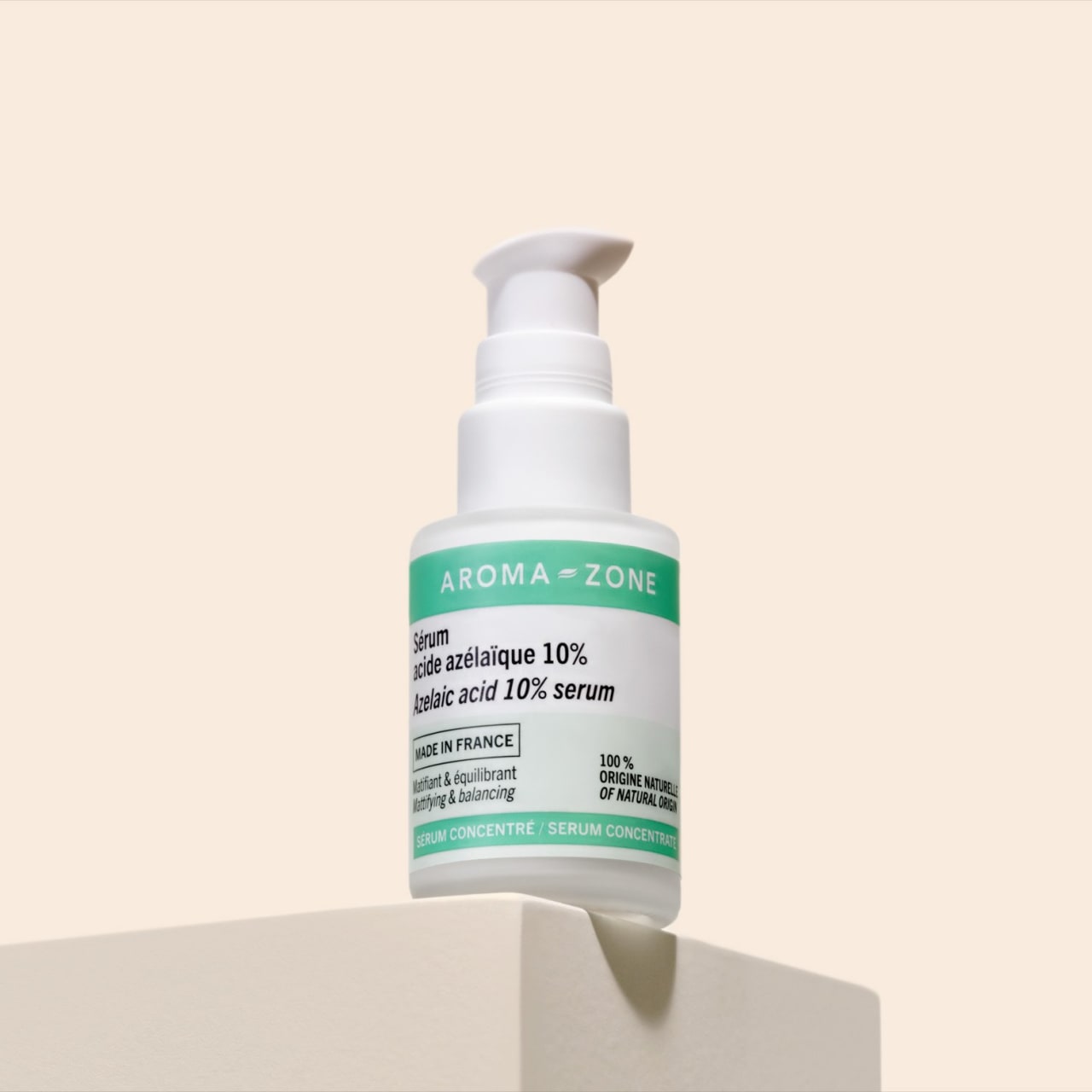
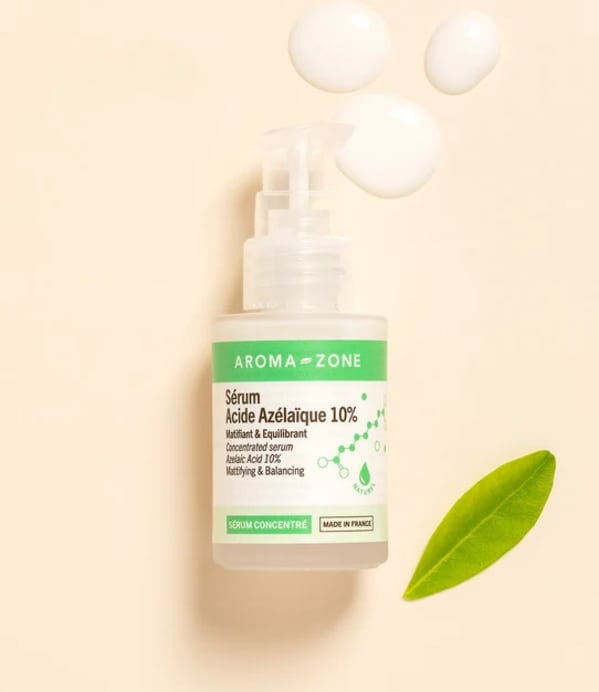
10% Azelaic Acid Serum Concentrate

An all-round anti-imperfection serum, this concentrated serum with 10% azelaic acid is the answer for combination, oily, blemish-prone and acne-prone skin looking for a clear, uncluttered complexion. Azelaic acid, known for its keratolytic, anti-comedonal and antibacterial effects, is 100% natural and acts simultaneously on several factors responsible for acne. This serum unclogs and tightens pores, regulates excess sebum and calms skin redness. The results? Blackheads and blackheads are reduced, pores are tightened and smoothed, and the complexion is clear and shine-free. Enriched with hyaluronic acid, this serum preserves the moisture and comfort of dehydrated skin.

Discover our 10% Azelaic Acid Serum Concentrate

az 22072025 az packshot serum nia 1325 3

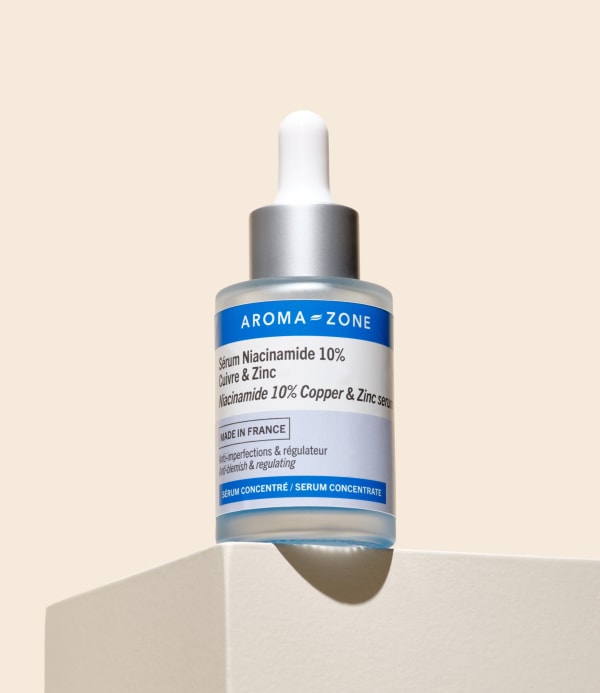
10% Nicotinamide, Copper & Zinc Serum Concentrate

Highly concentrated in nicotinamide (vitamin B3), zinc and copper, our face serum regulates sebum secretion, tightens dilated pores, prevents the formation of pimples and reduces redness and brown spots. A genuine elixir for 'flawless skin', it leaves the skin clear, the complexion even-toned, and the texture refined. It's the must-have skincare product for oily, combination, acne and blemish-prone skin. Its non-greasy formula, in an elegant ice-blue colour, is enriched with hyaluronic acid, moisturising and anti-wrinkle properties, for a soft texture and plumped-up skin.

Discover our 10% Nicotinamide, Copper & Zinc Serum Concentrate

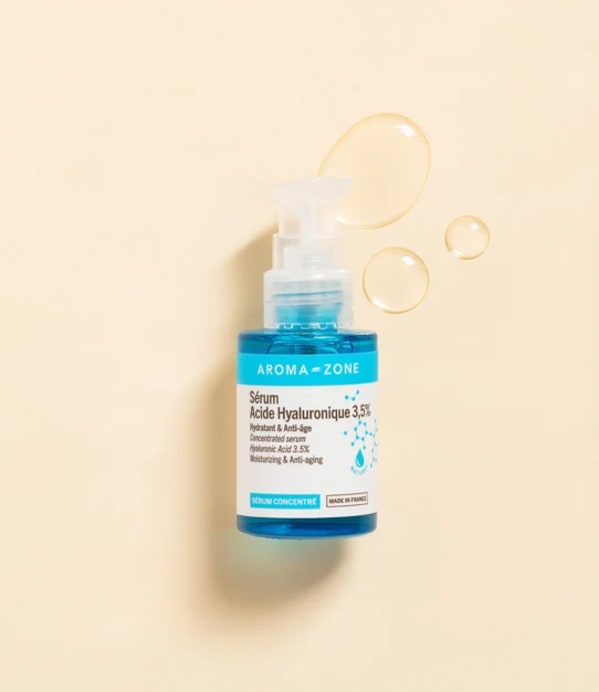
3.5% Hyaluronic Acid Serum Concentrate

This 100% natural hyaluronic acid serum is one of the most concentrated on the market: 3.5% compared with 0.1 to 1% hyaluronic acid in conventional cosmetics. Renowned for smoothing, moisturising and plumping the skin, its fresh, naturally gelled texture penetrates instantly without fluffing or pulling.

Discover 3.5% Hyaluronic Acid Serum Concentrate

004-pack-aromazone-0112

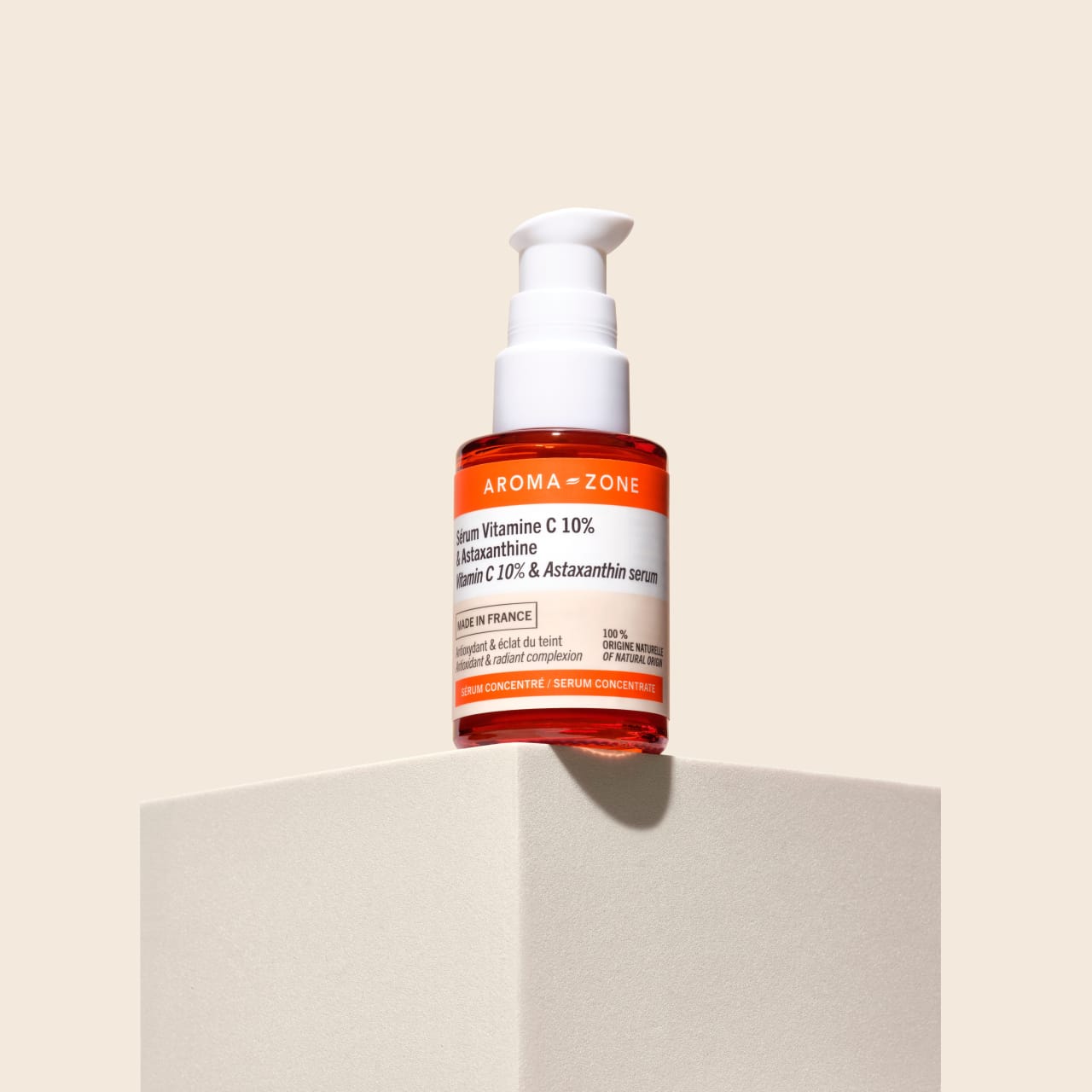
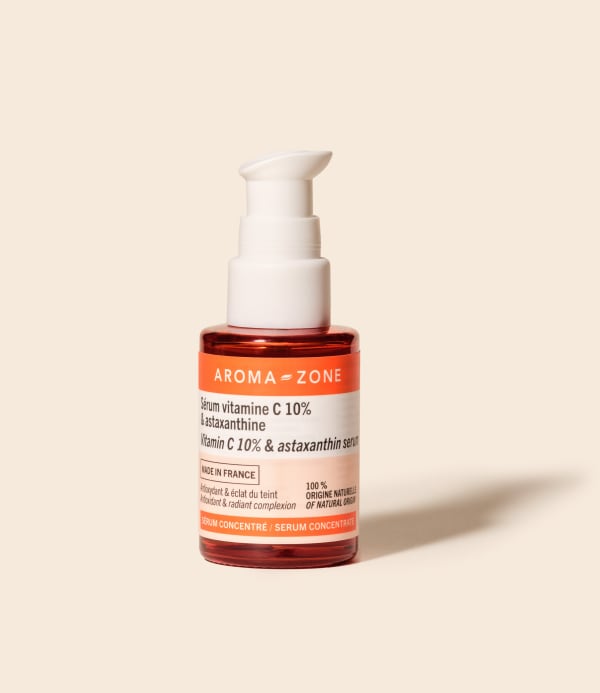
10% Vitamin C and Astaxanthin Serum Concentrate

This highly concentrated face serum with 10% vitamin C is a beauty elixir and radiance booster for the skin. A benchmark active ingredient for dull skin and a must-have in anti-ageing skincare, vitamin C stimulates collagen synthesis, fights the signs of photo-ageing, evens skin tone and reduces dark spots.

Discover 10% Vitamin C and Astaxanthin Serum Concentrate

005-pack-aromazone-0115 1

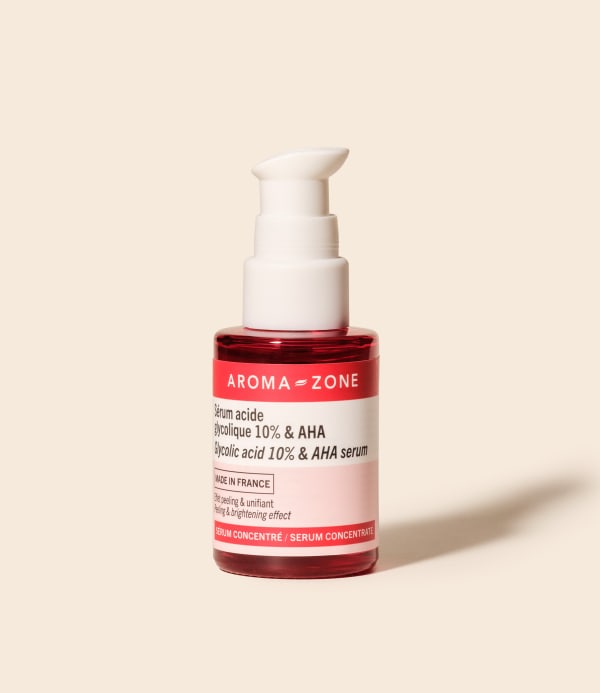
10% Glycolic Acid and AHA Serum Concentrate

Brighten up your complexion with our face serum, highly concentrated in glycolic acid and AHA fruit acids. Thanks to its peeling effect, this serum removes dead cells and stimulates skin renewal for a radiant, even complexion. Particularly suitable for sun-marked skin, smoking or premature ageing, it reduces acne scars and smoothes irregularities. It also tightens pores, fights blackheads and reduces wrinkles and dark spots. With its non-greasy gel texture, our glycolic acid concentrated peel serum is also enriched with hyaluronic acid, with moisturising and anti-wrinkle properties, for plumped-up skin.

Discover our 10% Glycolic Acid and AHA Serum Concentrate

003-pack-aromazone-0109

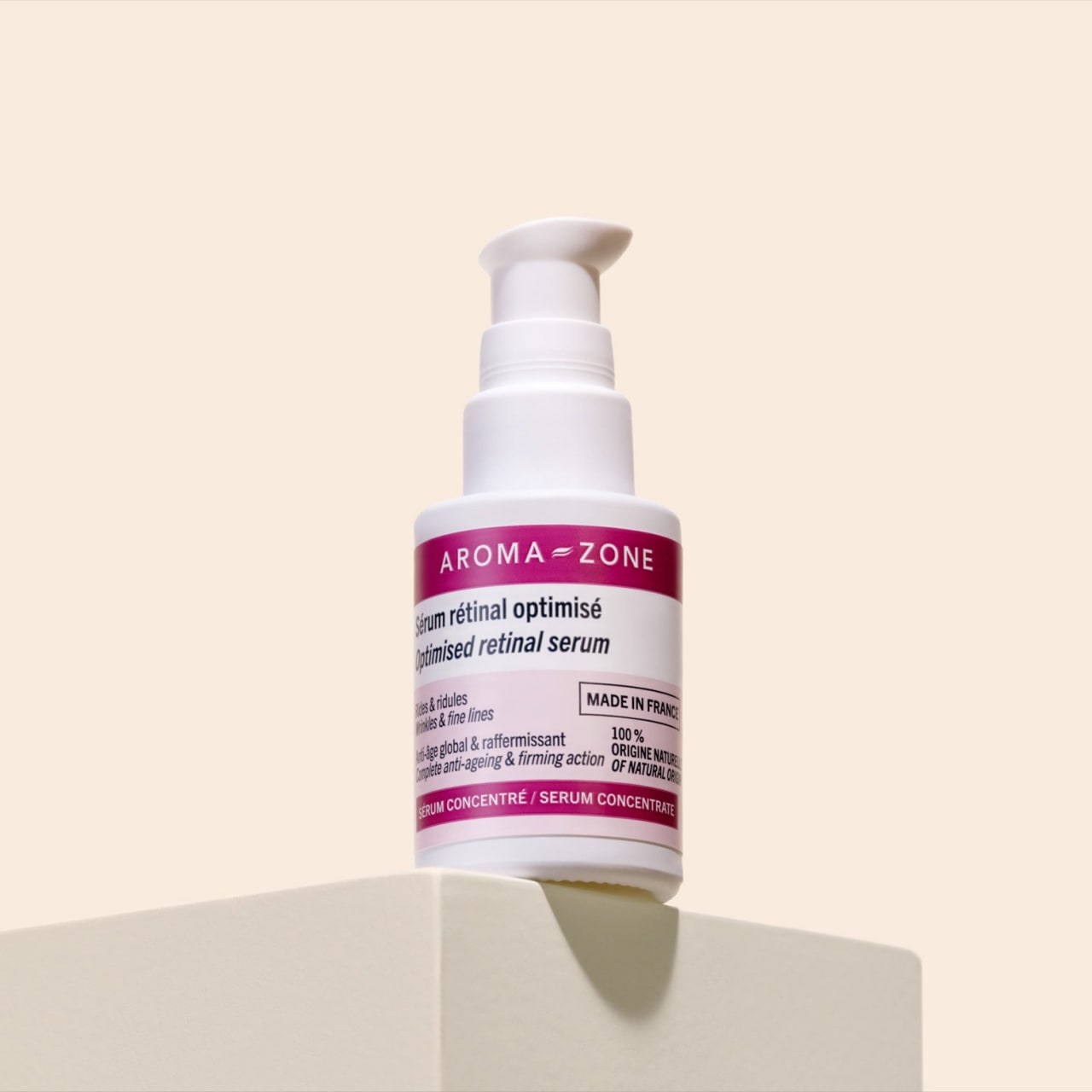
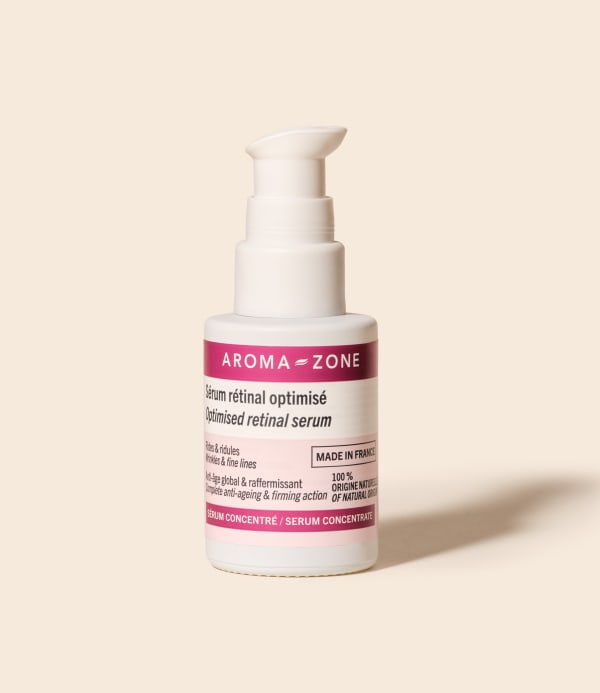
Optimised Retinal Serum Concentrate

A global anti-ageing treatment, this serum is concentrated in retinal, the precursor of retinoic acid, the only active form of vitamin A. An essential multi-targeting active ingredient against the signs of ageing, retinal firms the skin, reduces wrinkles and fine lines, fades spots and rosacea and brightens the complexion. Also well-known for treating acne-prone skin, it has an anti-inflammatory action, eliminates impurities, purifies, evens out and regulates oily skin.

Discover our Optimised Retinal Serum Concentrate

002-pack-aromazone-0105 1

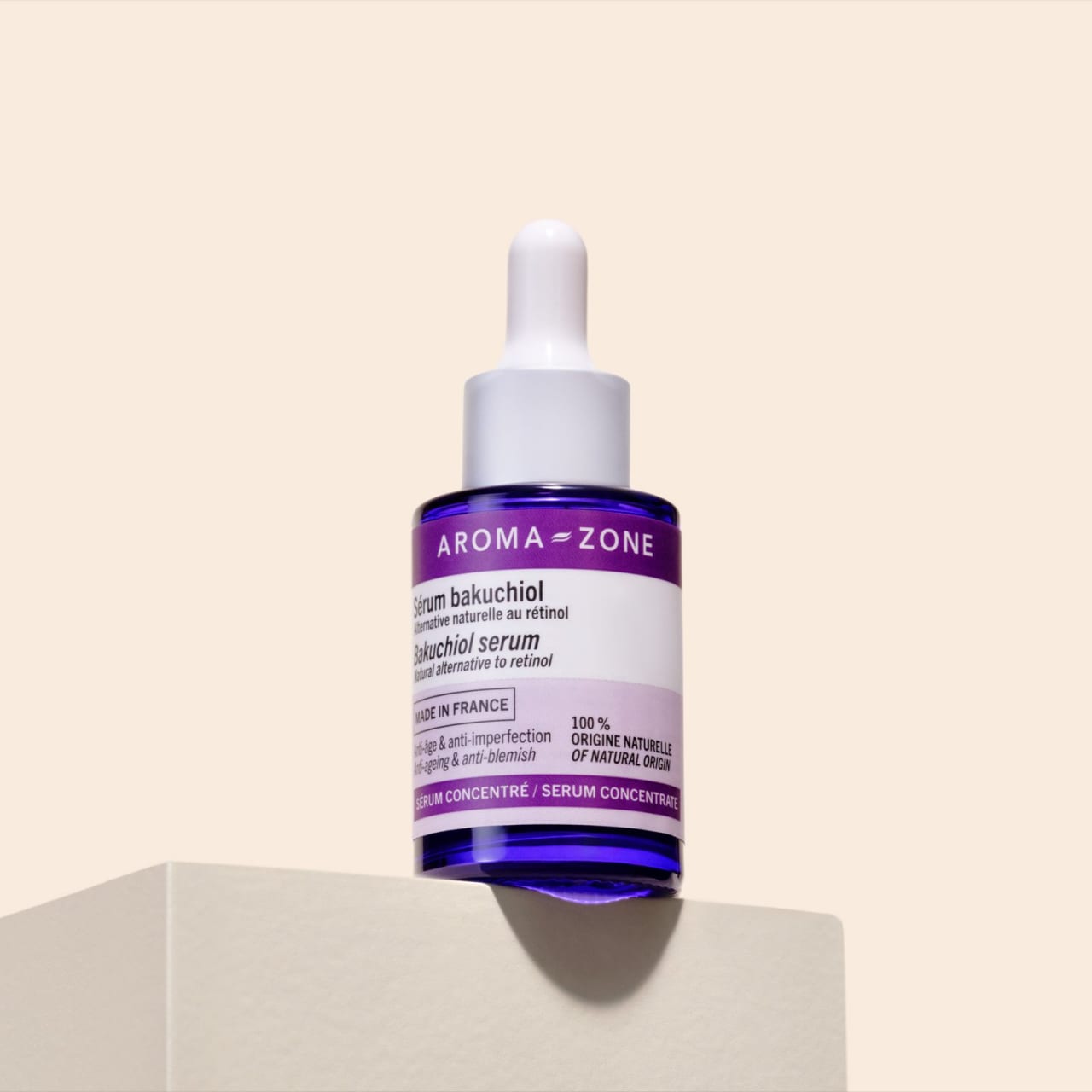
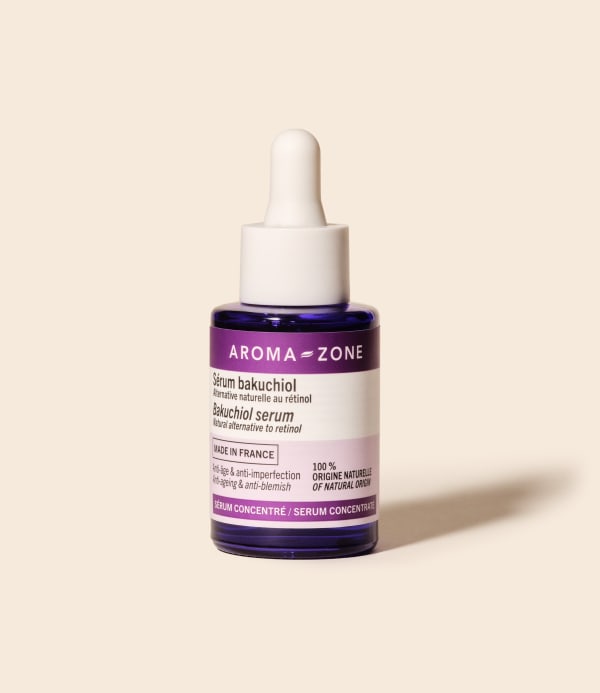
Bakuchiol Serum Concentrate

Both anti-ageing and anti-blemishes, our natural face serum contains a high concentration of bakuchiol, a revolutionary active ingredient recognised as an effective, non-photosensitising plant alternative to retinol. An antioxidant, regenerator and collagen booster, this natural active ingredient extracted from babchi seeds helps to maintain skin firmness, smooth fine lines and reduce dark spots. It also improves the condition of acne-prone skin, regulating, repairing and purifying it without harming it.

Discover our Bakuchiol Serum Concentrate

How do I apply my serum?

  1. Remove make-up and cleanse your skin as usual. Rinse and gently dry your face and neck with a clean towel.

  2. Take a small amount of serum (a few drops are enough). Using your fingertips, massage the serum into your skin using circular movements until it is completely absorbed. You can use a massage roller.

  3. Finish with your moisturiser, followed by your sunscreen.

  4. Wait a few minutes before applying makeup.

A few recipes for natural serums you can make at home

What precautions should be taken?

It is not advisable to apply a serum to damaged skin. If you have sensitive skin, dry your skin well before applying your serum. When introducing a new product into your routine, always carry out a sensitivity test before use. Also read: all our beauty tips for applying your face serum.

Expert advice

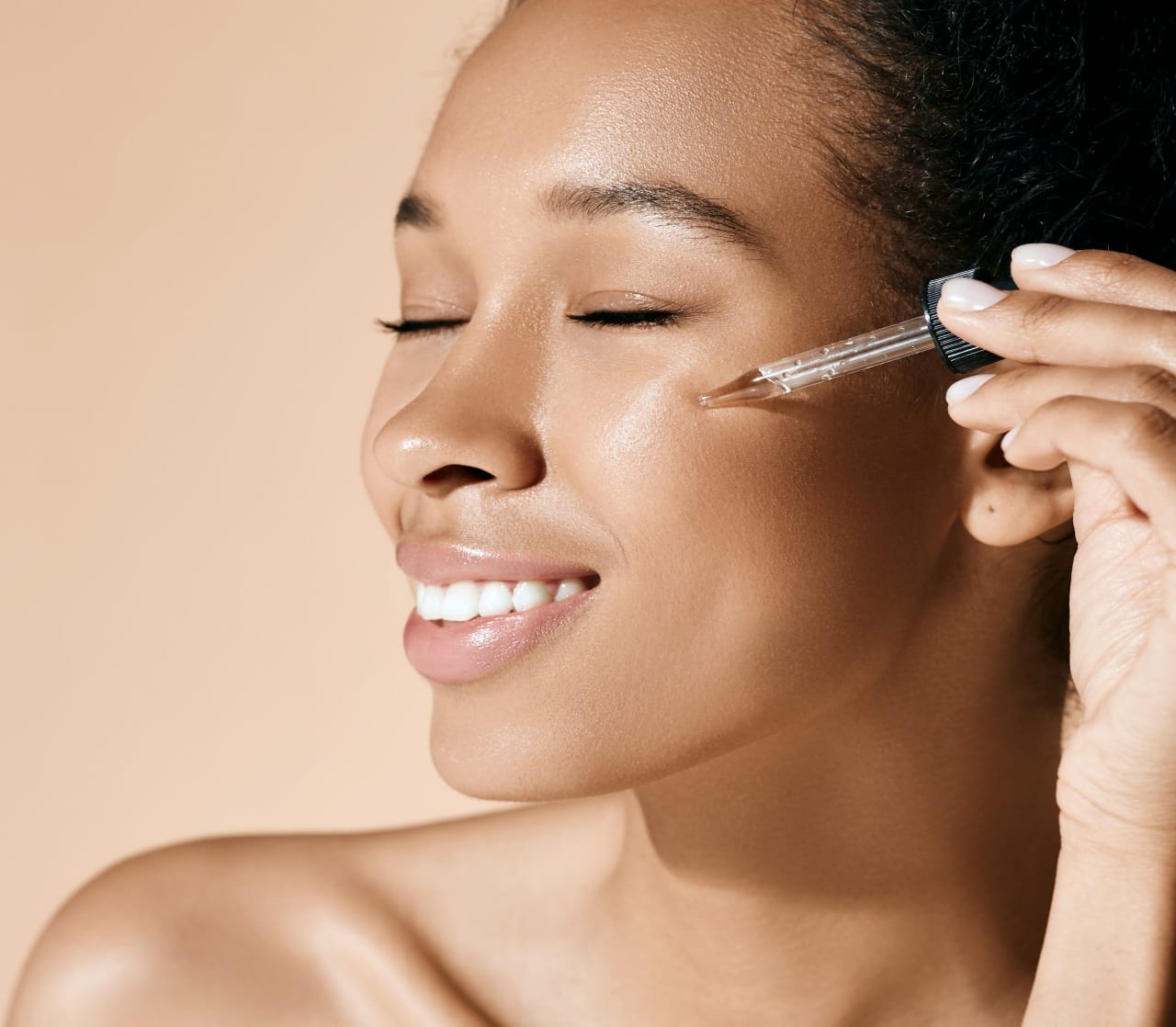
Many serums come with dosing pipettes. Resist the temptation to press the pipette against your skin to release the product. It's true, it's quite satisfying to look at in the mirror, but it's not at all hygienic. The pipette's contact with your skin encourages the deposit of micro-organisms, which can then contaminate your product when you screw the pipette back onto the bottle. The right thing to do is to pour the contents of the pipette over your hand, without touching the skin, then rub your palms together before applying the serum to your face.

Focus on Our Writer: Hélène Betoux

Hélène Betoux is a French beauty journalist specialising in web media. Every day she writes tips, advice, and guides to help consumers choose the right beauty products. With a strong interest in natural, organic, and clean cosmetics, she analyses and shares trends and innovations in the sector.

Bibliography

  1. Enhanced efficacy of a facial hydrating serum in subjects with normal or self-perceived dry skin. J Clin Aesthet Dermatol. 2011 Feb;4(2):51-5. PMID: 21386958; PMCID: PMC3050617.

    Werschler WP, Trookman NS, Rizer RL, Ho ET, Mehta R.

  2. Efficacy and tolerability of a facial serum for fine lines, wrinkles, and photodamaged skin. J Clin Aesthet Dermatol. 2011 Jul;4(7):51-4. PMID: 21779421; PMCID: PMC3140905. On line : https://www.ncbi.nlm.nih.gov/pmc/articles/PMC3140905/

    McCall-Perez F, Stephens TJ, Herndon JH Jr.

Frequently Asked Questions

Frequently Asked Questions