Red Spots Under the Eyes: Causes, Symptoms, and Solutions

Red Spots Under the Eyes: Causes, Symptoms, and Solutions


By Louise Hourcade

Published on: Tuesday, April 08, 2025, Updated on: Wednesday, October 28, 2026

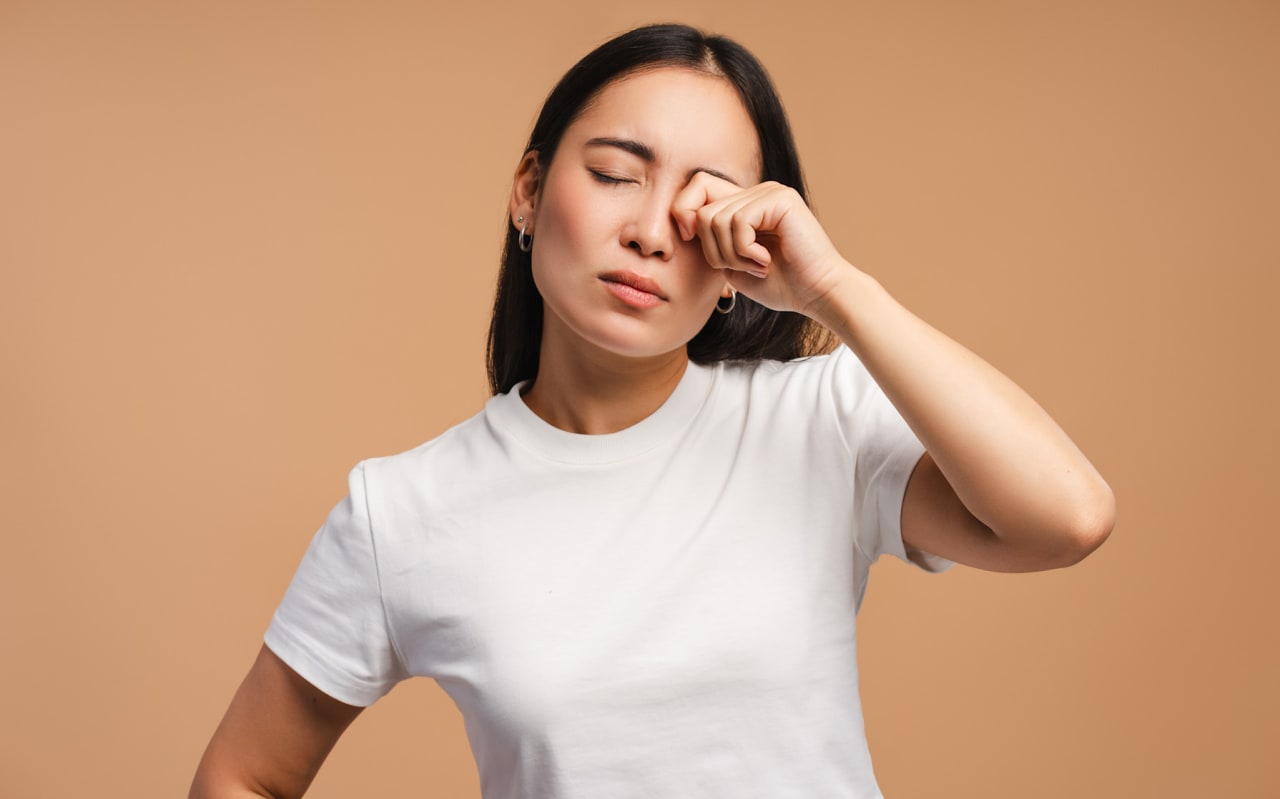
A red spot under the eye draws attention. It can be puzzling, embarrassing, or worrying. In this area, where the skin is particularly thin and sensitive, any redness should be taken seriously. Whether temporary or persistent, it often indicates a skin imbalance or a reaction in the body. Let’s explore the possible causes, the warning signs to watch for, and gentle solutions for caring for this delicate area.

Contents

Related products

Red Spot Under the Eye: What Is It?

The eye contour is an ultra-sensitive area. The skin there is very thin, almost translucent, and naturally less protected than on the rest of the face. It contains few glands, little oil, and fewer supporting fibres, making it more vulnerable to daily aggressors: wind, cold, poorly tolerated products, etc. That’s why a simple irritation can quickly result in a visible red spot. This redness can take several forms:

  • A dry or slightly rough patch

  • A small localized red spot, like a visible blood vessel

  • A slight swelling, often upon waking

In the vast majority of cases, these red patches are not serious. But they are a sign that the skin needs a little attention and gentleness.

Why Do I Have Red Patches Under My Eyes?

The under-eye area is one of the most fragile areas of the face. Its skin is particularly thin, about five times thinner than the rest of the face, and lacks sebaceous glands, collagen, and elastin. In other words, the skin is poorly protected, highly permeable, and therefore prone to irritation, inflammation, and skin imbalances.

The red patches that appear there can have a wide variety of causes, which are often intertwined. Here are the main causes:

Allergic Reactions

When an allergen comes into contact with the skin, such as pollen, dust, dust mites, poorly tolerated cosmetics, or eye drops, the immune system reacts with localised inflammation. The eye area, which is highly exposed and poorly protected, quickly becomes red. These allergies may be accompanied by itching, watery eyes, swelling, or small bumps. The skin becomes more reactive with each repeated exposure, which worsens the symptoms if the allergen is not identified.

Conjunctivitis

This is inflammation of the conjunctiva (the membrane lining the inside of the eyelids). It can be caused by a virus, bacteria, an allergy, or irritation. It causes redness in the white of the eye, as well as excessive tearing, itching, and even a burning sensation. Rubbing mechanically irritates the skin around the eyes, which explains why red patches also appear under the eyes. It’s a common vicious cycle.

Blepharitis

This condition affects the edges of the eyelids. It is often chronic and manifests as persistent redness around the eyes, swollen eyelids, a burning sensation, or even small scabs at the base of the eyelashes. Microorganisms such as Demodex folliculorum, which are naturally present on the skin, can proliferate excessively, disrupting the function of the Meibomian glands. The result is inflammation that is difficult to soothe without medical advice.

Eczema of the Eyelids

Very common, eczema is an inflammatory response of the skin to an irritant (allergen or irritant). When it affects the eyelids, it manifests as red patches, intense itching, localised dryness, and sometimes mild swelling. It may be contact eczema (a reaction to a cosmetic, an ophthalmic cream, or shampoo, or even allergens carried on the hands, such as nail polish, or carried in the air, such as scented candles or air fresheners) or atopic eczema in a sensitive individual. In any case, scratching worsens the lesions, and only a gentle approach can restore balance.

Eye strain and stress

Lack of sleep, accumulated stress, or excessive screen time can slow down microcirculation and cause eye strain. This promotes the appearance of redness under the eyes, exacerbated by rubbing, infrequent blinking, or visual irritation. This is not a pathological condition per se, but rather a condition that makes the skin more prone to irritation if it is already weakened.

A Word From the Dermatologist

What If It’s Dermatomyositis?

"In rare cases, a pinkish or even purplish rash on the eyelids may indicate dermatomyositis. This rare condition can cause patches to appear on the skin and, more importantly, lead to inflammation of the muscles, which lose their strength. It can be autoimmune or paraneoplastic. If redness on the eyelids persists, it is best to consult a specialist."

Dr. Agathe Aoun - Dermatologist and Venereologist

What Are The Symptoms Associated With Redness Under the Eyes?

Redness under the eyes is just the visible part of a broader imbalance. By closely observing your skin and how it feels, you’ll be able to better understand what’s going on. Every signal is a warning the skin sends, often in response to an external irritant or an internal imbalance. Here are the most common symptoms to watch for:

  • Burning or tingling sensation: The eye area is on high alert. These sensations, which can feel like pins and needles or a diffuse warmth, indicate developing skin irritation or an allergic reaction. The skin is then sensitised and hyper-reactive to touch

  • Swelling (mild edema): The lower eyelids may appear puffy, especially upon waking. This localised fluid retention often indicates tissue inflammation, which may be caused by an allergy, an infection, or circulatory imbalance

  • Watery eyes: A clear, continuous discharge may appear, as a reflex response of the eye to irritation. This is often a sign of conjunctivitis, dry eye, or an allergic reaction. Rubbing the eyes exacerbates the problem by weakening the surrounding skin

  • Intense itching: The urge to scratch is often irresistible, but dangerous. It worsens the lesions, increases redness, and can cause micro-tears. This is one of the most telltale symptoms of an allergic or eczema-related cause

  • Flaking: Skin that peels, cracks, or becomes rough is a sign of a damaged skin barrier. This can result from prolonged exposure to cold, overly harsh skincare products, or an atopic predisposition. This dryness increases sensitivity to redness

Redness Under the Eyes: What to Do?

When the skin under your eyes becomes unusually red, when the discomfort persists, or when other symptoms are present (itching, swelling, watery eyes, etc.), it is essential to consult a healthcare professional.

Why? Because only a medical evaluation can provide an accurate diagnosis, identify a potential allergic, infectious, or dermatological cause, and recommend appropriate treatment. Even though this redness is often harmless, it can signal a deeper imbalance that deserves your full attention. Don’t wait for a minor discomfort to become a bigger problem: a doctor, dermatologist, or allergist can guide you through the process with confidence, based on your specific situation. Seeking expert advice is also a way of taking care of yourself.

How Can You Prevent Redness Under the Eyes?

Prevention relies on simple, regular, yet essential steps. Good eye hygiene is one of the keys to preventing redness. By following this gentle routine, we help the skin around the eyes stay balanced, protected, and soothed.

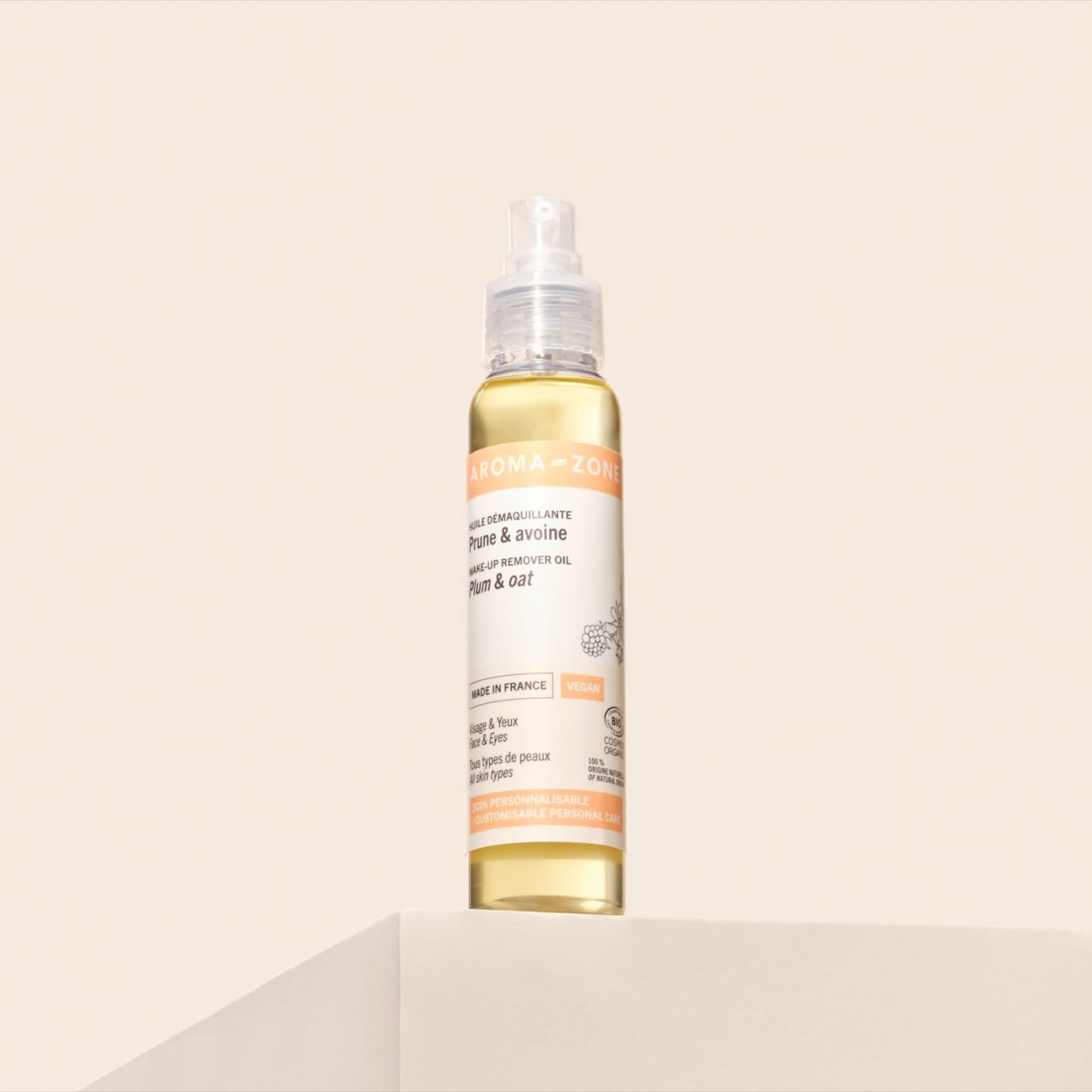
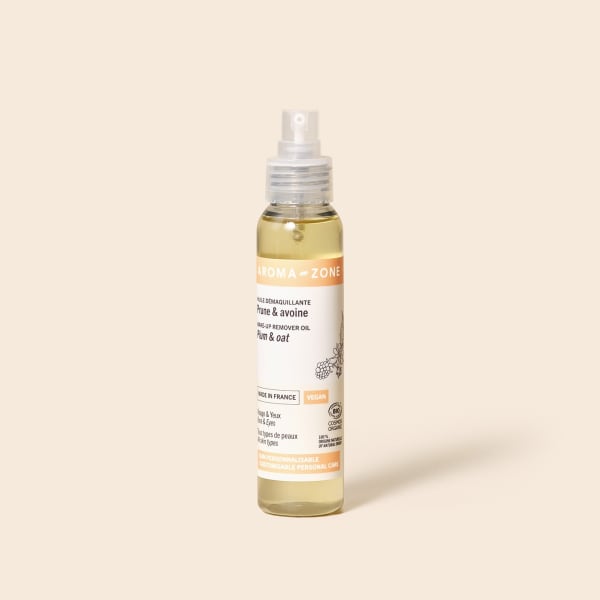
Plum & Oat Cleansing Oil

1. Gently remove makeup with suitable products: Rubbing is the number one enemy of this delicate area prone to redness. Use a washable cotton pad thoroughly soaked in a gentle makeup-removing oil and use smoothing motions outward. Ideal for soothing and revitalizing tired or delicate eyes, 'Cornflower Hydrosol can be used in your makeup-removing and soothing skincare preparations.

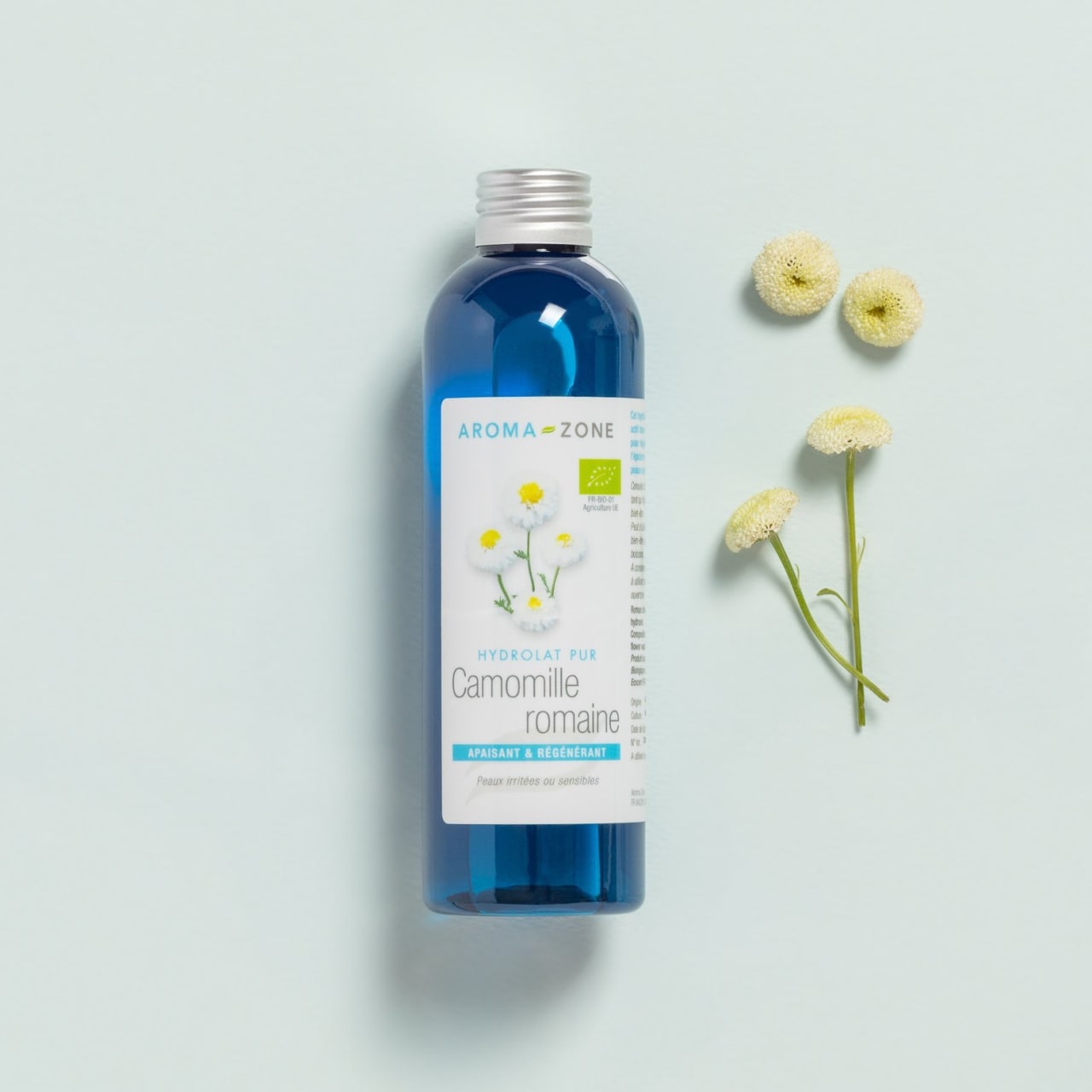
2. Apply cold compresses to soothe and reduce swelling: A simple yet incredibly effective step: apply a reusable compress, previously chilled in the refrigerator and soaked in Roman Chamomile Hydrosol, for 5 to 10 minutes. This ritual soothes mild inflammation, relieves burning sensations, and reduces diffuse redness.

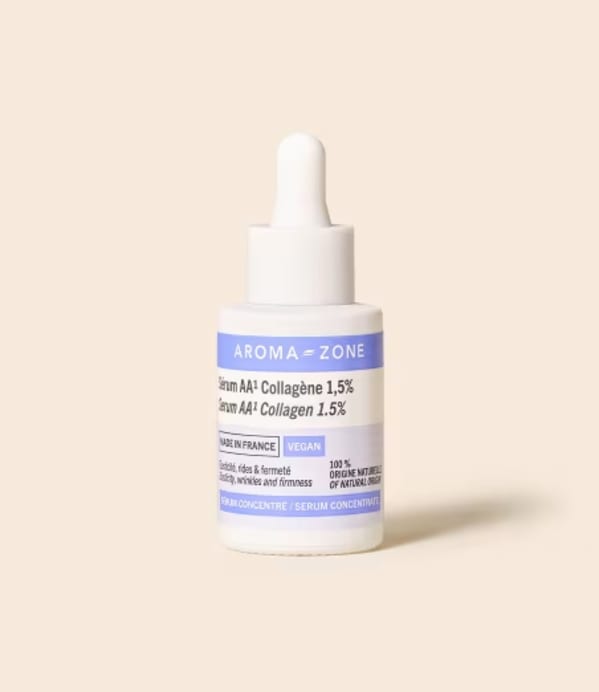
AA Collagen Serum 1.5%

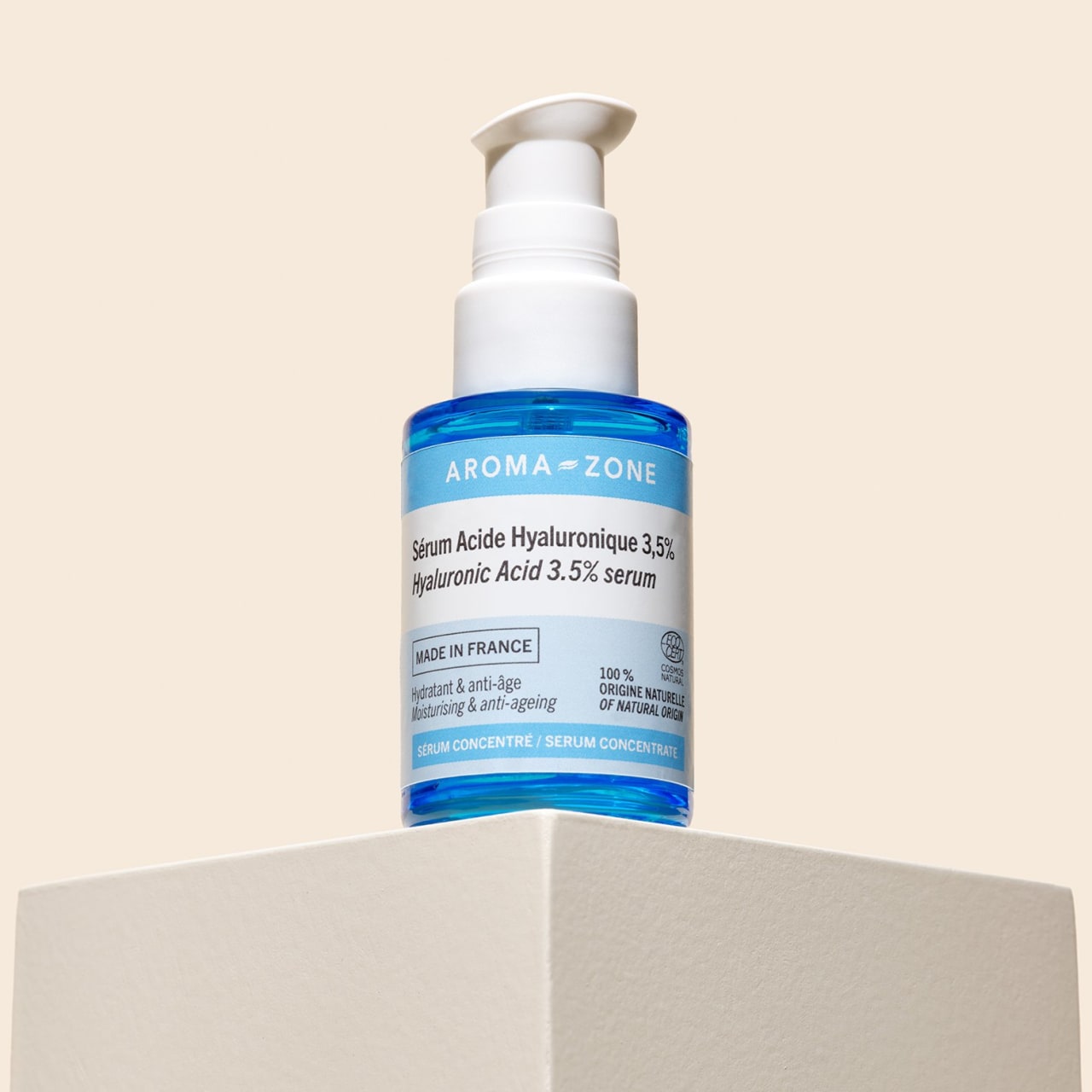
3. Apply a gentle serum: Choose a serum such as Collagen or Hyaluronic Acid to plump and decongest the eye area. These active ingredients, naturally present in the skin, help maintain suppleness and hydration.

Organic Rice Bran Vegetable Oil

4. Moisturize with a targeted, non-irritating product: A well-hydrated eye area is less vulnerable to external aggressors. Finish by moisturizing the eye area by applying an oil such as rice bran oil before bed, or Aloe Vera gel, known for its gentleness.

Redness Under the Eyes: Why It’s Essential to See a Doctor

Above all, it is essential to consult a doctor as soon as redness under the eyes becomes persistent, painful, or recurrent. A healthcare professional is the only one who can make an accurate diagnosis and tailor treatment accordingly. 

There is no single cause, nor is there a universal remedy: every instance of redness has its own causes. Here are some common cases that only a medical diagnosis can confirm.

  1. In cases of conjunctivitis: When viral, conjunctivitis presents as red, itchy, watery, or burning eyes. Gentle rinsing with saline solution may be sufficient, but only a medical consultation can distinguish between a viral, bacterial, or allergic reaction.

  2. In cases of blepharitis: This inflammation of the eyelids often requires rigorous eye hygiene. The doctor may recommend a specific daily cleansing routine, along with possible treatments if an infection is confirmed. Simply identifying the cause (bacterial, allergic, parasitic) can already provide effective relief.

  3. In cases of eyelid eczema: Eczema requires special attention: the skin is thin, the area is delicate, and treatments must be chosen with care. A doctor can recommend an appropriate topical treatment and, above all, help identify the trigger (allergen or irritant) to be eliminated from your daily routine.

  4. In cases of contact urticaria: Certain ingredients in cosmetic or ophthalmic products can cause an immediate reaction in the form of redness, swelling, and itching. Again, a consultation can help determine whether an allergy test is necessary.

  5. In cases of ocular rosacea: Less well known, this form of rosacea can affect the eyelids and cause redness, dryness, and eye inflammation. It requires specific monitoring to prevent recurrence.

Precautions

  • Never apply essential oils near the eyes

  • Avoid perfumed or alcohol-based cosmetics, which are too irritating for this area

  • Test each new product on a small area of skin

  • Always consult a healthcare professional if you experience painful, persistent, or unusual redness

Expert Advice

The eye area is one of the most vulnerable parts of the face. Its thinness makes it a fragile barrier, easily irritated by the cold, pollution, certain cosmetics, or even our own daily habits. Over-scrubbing when removing makeup, repeated rubbing, or staring at a screen for hours on end: all of these can be enough to cause redness or discomfort.

My advice? Adopt a minimalist, gentle, and consistent routine. A cornflower floral mist to soothe and decongest, a lightweight aloe vera cream to hydrate without weighing the skin down, and above all, clean hands, slow movements, and no pressure. It is through simplicity that delicate skin regains its balance. Learn to listen to what your eyes are telling you.

Spotlight on Our Writer: Louise Hourcade

After graduating from ESCP Business School in 2020, Louise began her career as a writer in 2021. Today, she writes a newsletter where she shares cultural recommendations and more personal articles, such as dating apps, therapy, and career guidance. She also writes for media outlets, brands and agencies on subjects such as well-being, mental health, culture, and society.

Bibliography

  1. Azari A., Barney N., Conjunctivitis: A Systematic Review of Diagnosis and Treatment, JAMA, 2013

  2. Bernardes T., Bonfioli A., Blepharitis, Seminars in Ophthalmology, 2010

  3. Goldenberg G. et al., Eczema and Dermatitis, Mount Sinai Journal of Medicine, 2011

  4. Voegeli R., The physiology of the eye area and its impact on anti-aging care, Int. J. Cosmetic Sci., 2020

  5. Schmidt C., Pollen Overload: Seasonal Allergies in a Changing Climate, Environ. Health Perspect., 2016

Frequently Asked Questions

Frequently Asked Questions