Pumpkin Seeds: Benefits and Precautions

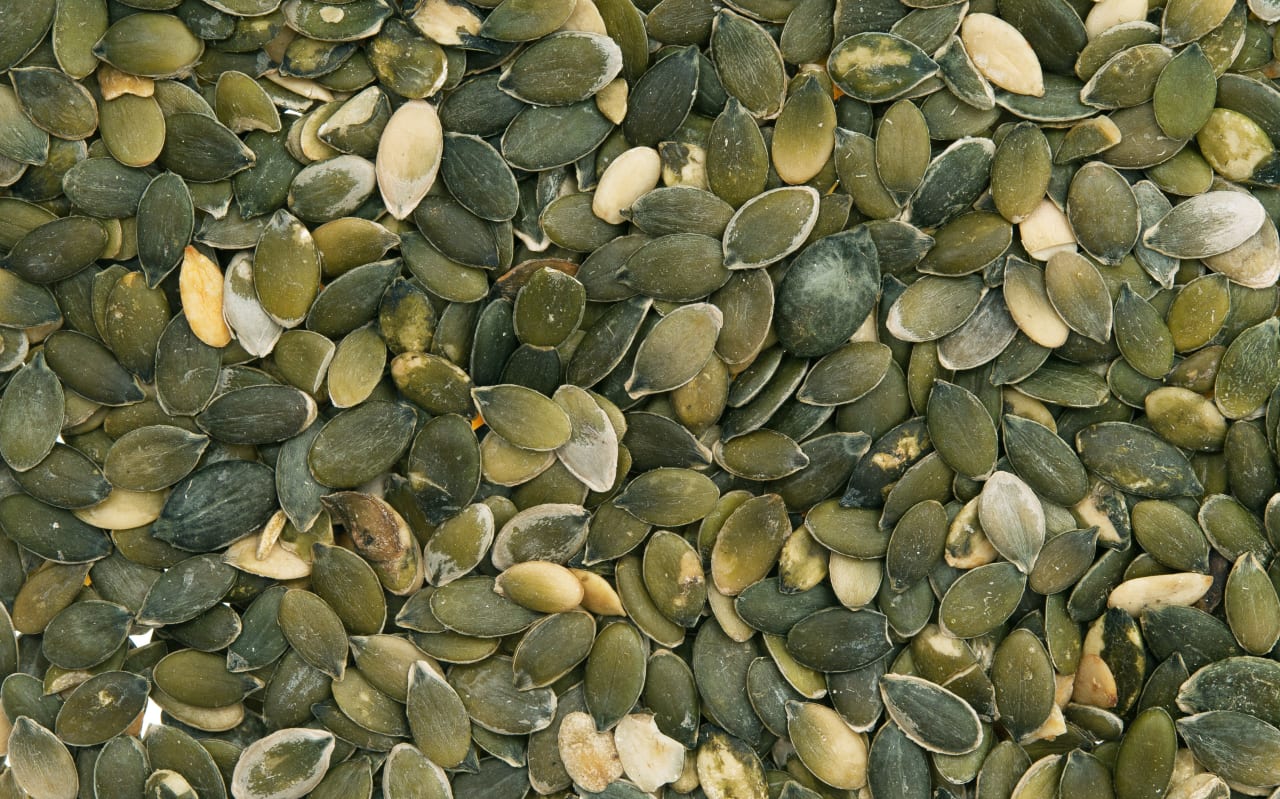
Pumpkin seeds come from the fruit of the squash, a vegetable belonging to the cucurbit family. Although squash originates from South America, it is now grown all over the world. Pumpkin seeds are found inside the fruit, usually nestled within a fibrous pulp. These small seeds are oval and flat in shape, with a pale green to beige outer colour and a white shell. They are known for their richness in essential nutrients, including fibre, protein, minerals and fatty acids. But what are the health benefits of pumpkin seeds, and how can they contribute to your wellbeing?

Reading time: 0 min.

The Benefits of Pumpkin Seeds

Pumpkin Seeds: Rich in Essential Nutrients

Pumpkin seeds are a concentrated source of essential minerals, including magnesium, iron, zinc, phosphorus, selenium and potassium. A 30g portion of pumpkin seeds can provide up to half the recommended daily intake of magnesium [1], which is crucial for bone, muscle and cardiovascular health.

They Promote Better Sleep

Pumpkin seeds contain high levels of tryptophan (576mg per 100g), an amino acid that can help regulate sleep. Tryptophan is converted into serotonin, a neurotransmitter that promotes relaxation and sleep quality. [1]

They Help Prevent The Risk Of Cardiovascular Disease

The unsaturated fatty acids found in pumpkin seeds help maintain healthy levels of good cholesterol (HDL) [4]. As a result, consuming them may help reduce the risk of heart disease.

They Support Better Digestive Transit

Dietary fibre found in pumpkin seeds supports regular digestive transit. It helps prevent constipation and digestive discomfort.

They May Help Prevent Anaemia

Pumpkin seeds are an excellent source of non-haem iron, providing around 8.8mg per 100g. A very recent study (Kumari, Curr Ther Res Clin Exp. 2025) [2] explored the value of these seeds (Cucurbita spp) in preventing anaemia. Their nutritional composition and mechanisms of action were examined, adding to the substantial body of existing scientific research already highlighting the role of these seeds in haematopoiesis due to their content of essential micronutrients such as iron, zinc and magnesium.

Pumpkin Seeds' Benefits For Women's Hormonal Wellbeing

A study conducted on rodents showed that pumpkin seeds could alleviate menopause-related symptoms by improving oxidative stress, thermogenesis, and lipid profiles. Human studies are needed to confirm these effects. [3]

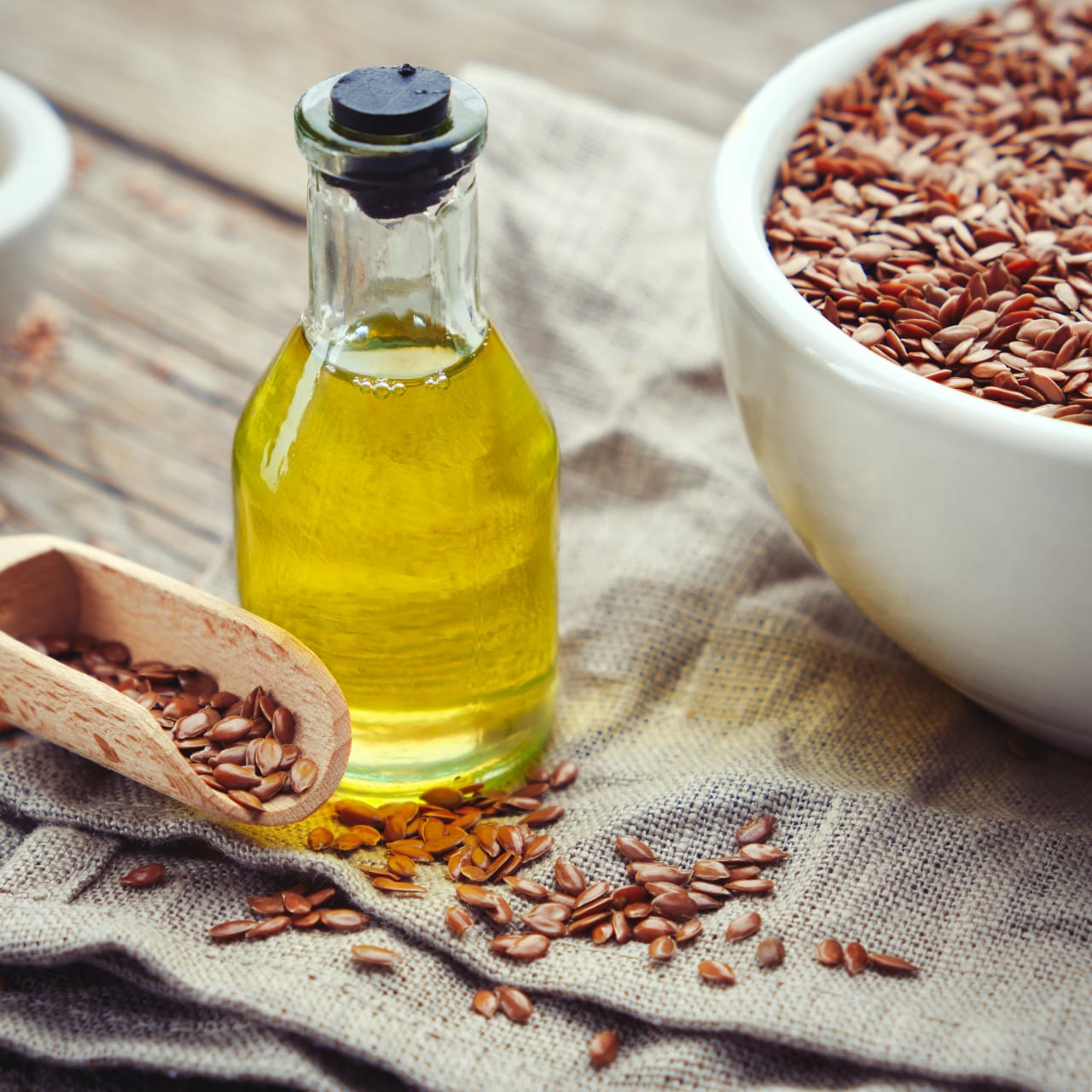
Pumpkin seed oil is rich in phytoestrogens. A study [4] evaluated the benefits of pumpkin seed oil in postmenopausal women. The results are promising: women who consumed 2g of pumpkin seed oil over 12 weeks saw a significant increase in high-density lipoprotein (HDL, or “good cholesterol”) levels and a decrease in diastolic blood pressure. A reduction in the severity of hot flashes, fewer headaches, and less joint pain were also observed. 

In addition, some women reportedly stated that regular consumption of pumpkin seeds alleviated symptoms of premenstrual syndrome, such as bloating and irritability.

How to Incorporate Pumpkin Seeds Into Your Diet?

Pumpkin seeds are versatile and can be added to many dishes. Here are a few ideas for incorporating these nutritious seeds into your diet:

  1. As a snack: Roasted pumpkin seeds make an excellent snack. Season them lightly with salt or spices for extra flavour.

  2. In salads: Add pumpkin seeds to your salads for a delicious crunch.

  3. In homemade cereal bars: You can include pumpkin seeds when making your own cereal bars for an extra nutritional boost.

  4. As a topping: Use them as a topping on dishes such as roasted squash, soups, or gratins.

  5. In bread dough: Add pumpkin seeds to bread dough for a touch of crunch.

  6. In a mix: Pumpkin seeds pair well with other seeds, such as flax, chia and sunflower, to create a nutritious mix to sprinkle over cereal, yoghurt or smoothies.

Precautions When Eating Pumpkin Seeds

Despite their many health benefits, it’s important to note that pumpkin seeds may not be suitable for everyone. Here are some contraindications and precautions to keep in mind:

Risk

Description

Precaution

Allergies

Itching, skin rashes, breathing difficulties

If you have a history of allergies to nuts or seeds, exercise caution and consult a healthcare professional before consuming them.

Pregnant women

Pumpkin seeds are generally considered safe for pregnant women.

Consult a healthcare professional with any questions or concerns regarding nutrition during pregnancy.

Saturated Fatty Acids

Although pumpkin seeds contain mainly unsaturated fatty acids, they also contain small amounts of saturated fatty acids.

If you are following a strict low-saturated-fat diet, monitor your intake.

Excessive intake

Gastrointestinal issues due to their fiber content (bloating, gas, diarrhea) and weight gain

Follow the recommended portions: moderation is key. Include as part of a balanced diet.

Storage

Loss of freshness and nutritional properties

Store pumpkin seeds in a dry place, away from light, preferably in an airtight glass jar.

Interaction with anticoagulants

Potential to increase the risk of bleeding in people taking anticoagulants

Consult a healthcare professional before regular consumption

Pumpkin seeds are true superfoods rich in essential nutrients and offering numerous health benefits. Regular consumption can help improve the quality of your diet and your life. However, as with any food, it is important to consume them in moderation and to consider any specific contraindications related to your personal situation. Consult a healthcare professional if you have any specific concerns about including pumpkin seeds in your diet.

Learn more

How Many Pumpkin Seeds Should You Eat per Day?

The amount of pumpkin seeds you can eat per day depends on several factors, including your overall diet, individual nutritional needs and personal tolerance. In general, pumpkin seeds are a healthy addition to the diet, but they should be consumed in moderation due to their calorie and fibre content. A standard serving of pumpkin seeds is around 30 grams, which is roughly equivalent to 1 to 2 tablespoons. This amount is usually sufficient to benefit from their nutritional properties without contributing excessive calories.

Should You Shell Pumpkin Seeds?

It is generally not necessary to shell pumpkin seeds before eating them. The outer shell is fully edible and also contains fibre, nutrients and beneficial antioxidants. In addition, pumpkin seeds are often roasted, which makes the shell more crunchy and enjoyable to eat. However, shelled seeds (the green kernels, often called pepitas) are also widely consumed and tend to be easier to eat and digest.

Spotlight on our Writer: Coralie Técher

Coralie Técher has spent seven years working as a journalist specialising in women’s issues. With a particular passion for beauty and wellbeing, she is committed to highlighting nature’s self-care solutions. Always staying up to date with the latest research and trends, she enjoys sharing the most relevant and trustworthy insights with her readers.

Bibliography

1

Batool M, Ranjha MMAN, Roobab U, Manzoor MF, Farooq U, Nadeem HR, Nadeem M, Kanwal R, AbdElgawad H, Al Jaouni SK, Selim S, Ibrahim SA. Nutritional Value, Phytochemical Potential, and Therapeutic Benefits of Pumpkin (Cucurbita sp.). Plants (Basel). 2022 May 24;11(11):1394. doi: 10.3390/plants11111394. PMID: 35684166; PMCID: PMC9182978. Nutritional Value, Phytochemical Potential, and Therapeutic Benefits of Pumpkin (Cucurbita sp.) - PMC

2

Kumari AS, Arumugam G, Babu S, Krishnan M, Singampalli NS, Chandramohan J. Pumpkin Seeds as a Natural Remedy for Anemia: Nutritional Insights and Therapeutic Potential. Curr Ther Res Clin Exp. 2025 May 14;103:100797. doi: 10.1016/j.curtheres.2025.100797. PMID: 40535566; PMCID: PMC12173052. Pumpkin Seeds as a Natural Remedy for Anemia: Nutritional Insights and Therapeutic Potential - PubMed

3

Oh J, Hong S, Ko SH, Kim HS. Evaluation of Antioxidant Effects of Pumpkin (Cucurbita pepo L.) Seed Extract on Aging- and Menopause-Related Diseases Using Saos-2 Cells and Ovariectomized Rats. Antioxidants (Basel). 2024 Feb 16;13(2):241. doi: 10.3390/antiox13020241. PMID: 38397839; PMCID: PMC10886273.

4

Gossell-Williams M, Hyde C, Hunter T, Simms-Stewart D, Fletcher H, McGrowder D, Walters CA. Improvement in HDL cholesterol in postmenopausal women supplemented with pumpkin seed oil: pilot study. Climacteric. 2011 Oct;14(5):558-64. doi: 10.3109/13697137.2011.563882. Epub 2011 May 5. PMID: 21545273. Improvement in HDL cholesterol in postmenopausal women supplemented with pumpkin seed oil: pilot study - PubMed