Psyllium: What Are the Side Effects?

Psyllium: What Are the Side Effects?


By Amandine Granger

Published on: Thursday, October 24, 2024, Updated on: Wednesday, October 21, 2026

Have you heard about the benefits of psyllium for digestive issues and would like to know more? What are its properties? When should it be used? Are there any risks associated with psyllium? Follow our guide to make the most of this fabulous plant while avoiding any potential side effects.

Contents

Related products

In brief

  • Lo psillio è generalmente ben tollerato, ma può causare effetti indesiderati a livello digestivo in caso di idratazione insufficiente. Può inoltre interferire con l'assorbimento di alcuni farmaci; per questo motivo, si raccomanda di distanziarne l'assunzione.

  • È importante iniziare con una dose ridotta, aumentarla gradualmente e bere una quantità sufficiente di acqua per limitare questi disturbi ed evitare il rischio di stitichezza o ostruzione intestinale.

  • L'articolo precisa che lo psillio è sconsigliato durante la gravidanza e l'allattamento, così come nei bambini. È inoltre controindicato, in particolare, in caso di occlusione o stenosi intestinale.

Psyllium (ispaghul): What is it?

Blond psyllium is also known as ispaghul, Indian plantain, or Plantago ovata by its Latin name. This annual plant native to India belongs to the Plantaginaceae family. It can adapt to extreme climatic conditions and is resistant to both cold and heat. More than 10 centuries before Christ, the Egyptians were already using psyllium for its natural laxative properties.

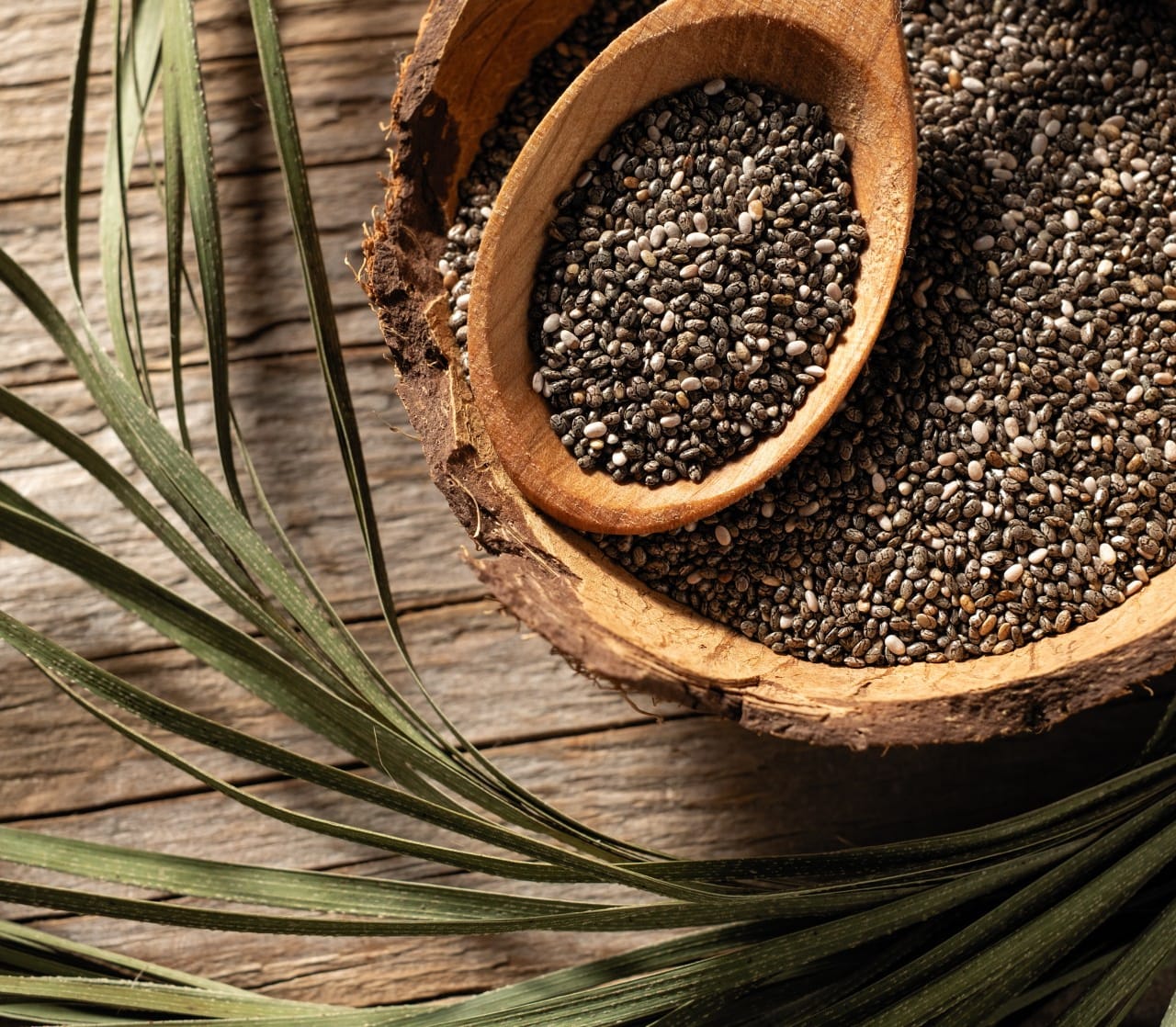
Psyllium is a short-stemmed plant that produces spike-shaped flowers. When they reach maturity, their fruits open, revealing tiny seeds. The term “psyllium” actually comes from the Greek “psyllia,” meaning “flea,” in reference to the tiny size of its seeds. It is these seeds that provide psyllium’s therapeutic benefits, particularly their husks, also known as bran or teguments. In fact, this husk surrounding them is composed largely of soluble fiber. When exposed to water, it swells in the same way as chia seeds and turns into mucilage: a viscous gel with numerous benefits for intestinal transit.

What Are the Health Benefits of Psyllium?

Psyllium offers numerous health benefits, particularly for the digestive system:

  • It helps regulate bowel movements, whether in cases of constipation or when bowel movements are too frequent. Thanks to its gentle mechanical action, it absorbs water and facilitates the passage of stool.

  • It acts as a gentle natural laxative, without the unwanted side effects associated with conventional laxatives

  • It helps improve digestive discomfort associated with irritable bowel syndrome

  • It contributes to maintaining healthy blood cholesterol levels by binding some fats in the digestive tract

  • It helps support a healthy gut microbiome and promotes optimal intestinal balance thanks to its high fibre content

Why Use Psyllium?

To Improve Intestinal Transit (Constipation and Diarrhoea)

Psyllium is a valuable natural ally for digestive comfort, thanks to its ability to help regulate bowel movements. This may seem surprising, but due to its high fibre and mucilage content, it can act both as a natural laxative and as a stool-regulating agent to help manage diarrhoea.

  1. For constipation: Psyllium’s mucilage binds water from digested food, increasing stool volume and softening them. This makes them easier to pass, which also relieves any pain associated with difficult bowel movements. Consuming psyllium is therefore very helpful for naturally alleviating constipation, as well as for hemorrhoids or anal fissures.

  2. In cases of diarrhoea: Psyllium seeds can absorb up to eight times their volume in water. As a result, the mucilages help absorb excess water in the stools, giving them a firmer consistency.

To Help Relieve Discomfort Associated with Irritable Bowel Syndrome

Irritable bowel syndrome (IBS) is a chronic inflammatory bowel disease. Irritable bowel syndrome can cause various symptoms, including bloating, abdominal pain, and alternating episodes of diarrhoea and constipation. Regular Psyllium intake may be beneficial for people affected by this condition. By helping regulate bowel movements, it may contribute to improved digestive comfort. It also has a broader role in supporting intestinal health thanks to its high fibre content. These fibres serve as nourishment for the beneficial bacteria in our gut flora, helping support a healthy microbiome, which is essential for the proper functioning of the digestive system.

To Help Control Cholesterol Levels

A diet low in saturated fats is one of the best approaches to help maintain healthy cholesterol levels and support cardiovascular health. In addition, the mucilages found in Psyllium may contribute to cholesterol regulation. These soluble fibres help trap some fats in the digestive tract, which can reduce their absorption into the bloodstream.

Psyllium: What Are the Side Effects?

You are now familiar with the many benefits of these small seeds for digestive health! But do they only have advantages? Can Psyllium consumption cause side effects? How can it be used safely?

In fact, the main risk associated with Psyllium comes from improper use. Its consumption should always be accompanied by sufficient hydration to allow the gel to form properly. Not drinking enough water may increase the risk of digestive blockage. To avoid this, it is very simple: drink at least 300 ml of water — a large glass — immediately after taking it.

Psyllium may also interfere with the absorption of certain medications. We therefore recommend spacing its intake at least one hour apart from your medication. We also advise checking with your doctor that Psyllium is compatible with your treatments and health situation.

In summary, when used according to the recommended guidelines, Psyllium is generally considered safe to take.

How to Use Psyllium Seeds to Benefit from Their Properties?

Here are our usage tips to fully enjoy the benefits of this natural dietary supplement while avoiding potential side effects:

Usage and Dosage

You can find psyllium in capsule or powder form. The advantage of taking it as a powder is that you can adjust the dosage to suit your needs. To ensure the mucilage works effectively, here’s what to do:

  1. Mix 1 teaspoon into a glass of water

  2. Drink immediately before the gel forms

  3. Then drink a large glass of water (30 cl)

The dosage depends on your needs:

To regulate intestinal transit: Start with 1 teaspoon (3 g). If needed, you can gradually increase the dose up to 20 g per day, which is approximately 4 tablespoons. Divide this amount into 2 to 3 doses and make sure to drink enough water each time.

To help control cholesterol levels: For optimal results, we recommend consuming at least 10 g of Psyllium husks per day over an extended period.

Simple Guidelines for Safe Psyllium Consumption

  1. Drink enough water after taking it: This is the golden rule for safe and effective use of this plant. If you increase your Psyllium intake, remember to increase your fluid consumption accordingly.

  2. Follow the recommended doses: You may be tempted to take more Psyllium to achieve faster results. However, we advise against doing so. When consumed in excessive amounts, Psyllium may overload the digestive system and increase the risk of obstruction. We also recommend spreading your doses throughout the day. This helps maintain a continuous effect and supports effective bowel regulation without putting too much strain on the intestines.

  3. Gradually increase the dose : Start with a small dose and increase it gradually to give your body time to adjust. If you experience discomfort, such as bloating, reduce the dose and let your digestive system adjust before increasing it again.

Should Psyllium Be Taken Before or After a Meal?

Depending on your needs, psyllium can be taken either before or after a meal. If you want to regulate your cholesterol levels, take it about 30 minutes before a meal. This will make its fat-absorbing action more effective. To help digestion and improve your bowel movements, take it during or right after a meal.

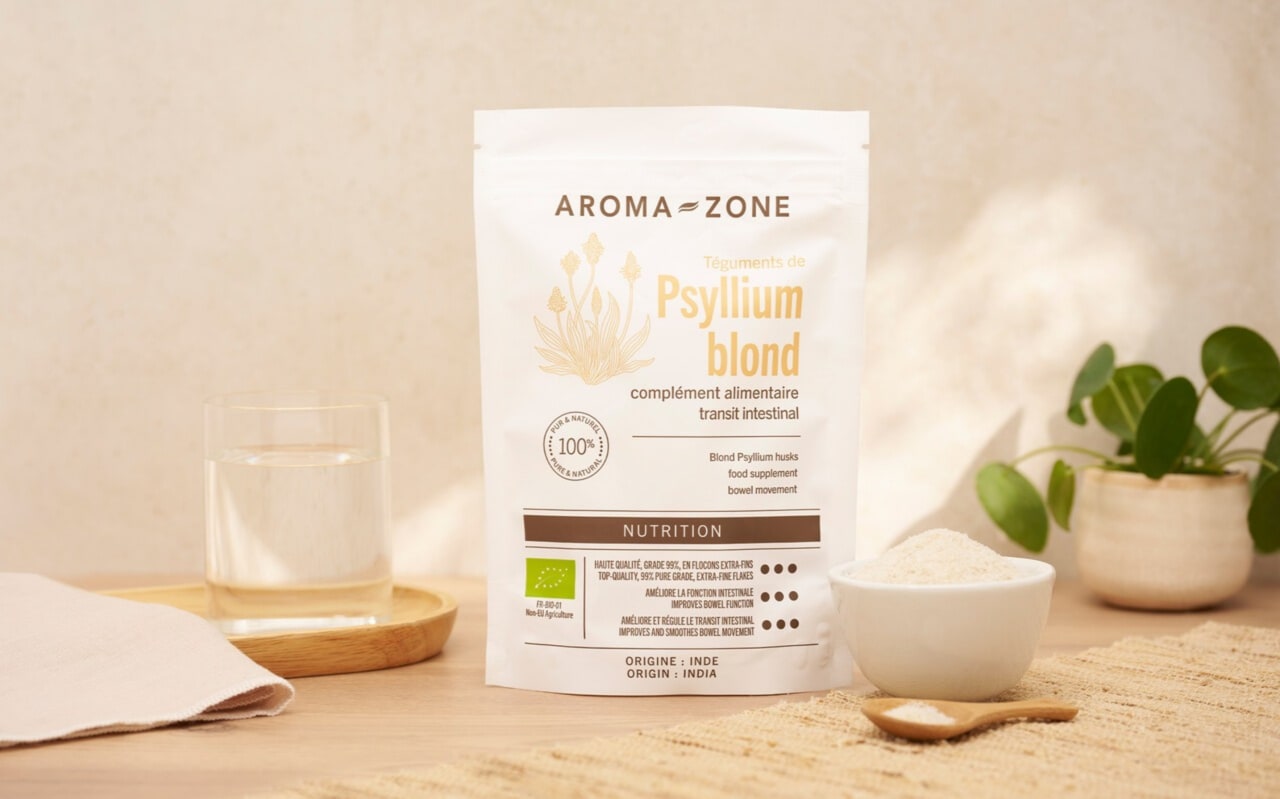
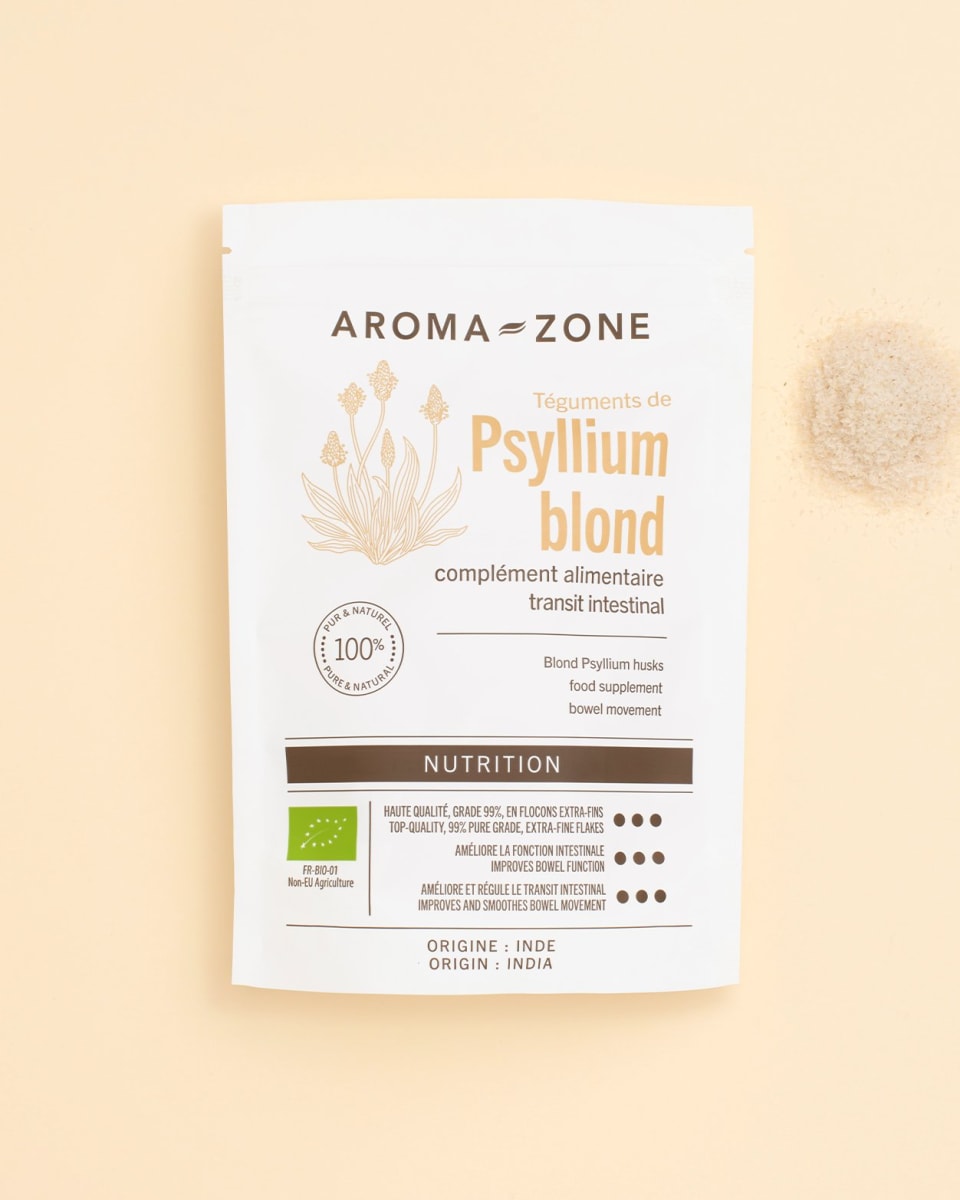
Product Spotlight: Organic Blond Psyllium - 300 g — Dietary Supplement

Blond Psyllium is a natural dietary supplement, ideal for those looking to improve their intestinal transit. Aroma-Zone’s Organic Blond Psyllium is made from 100% Psyllium husks with a 99% purity grade, ensuring the highest quality. Thanks to its high fibre and mucilage content, it gently supports intestinal function. Its practical packaging also makes it easy to use and store.

Discover our Organic Golden Psyllium - 300 g - Dietary Supplement

What Routine Should You Follow Alongside a Psyllium Course?

If you want to naturally improve your digestive comfort, several daily habits can help. The first step is to adapt your diet. Then, a Psyllium course can help support intestinal health and restore normal bowel function. To maximise its benefits, you can also:

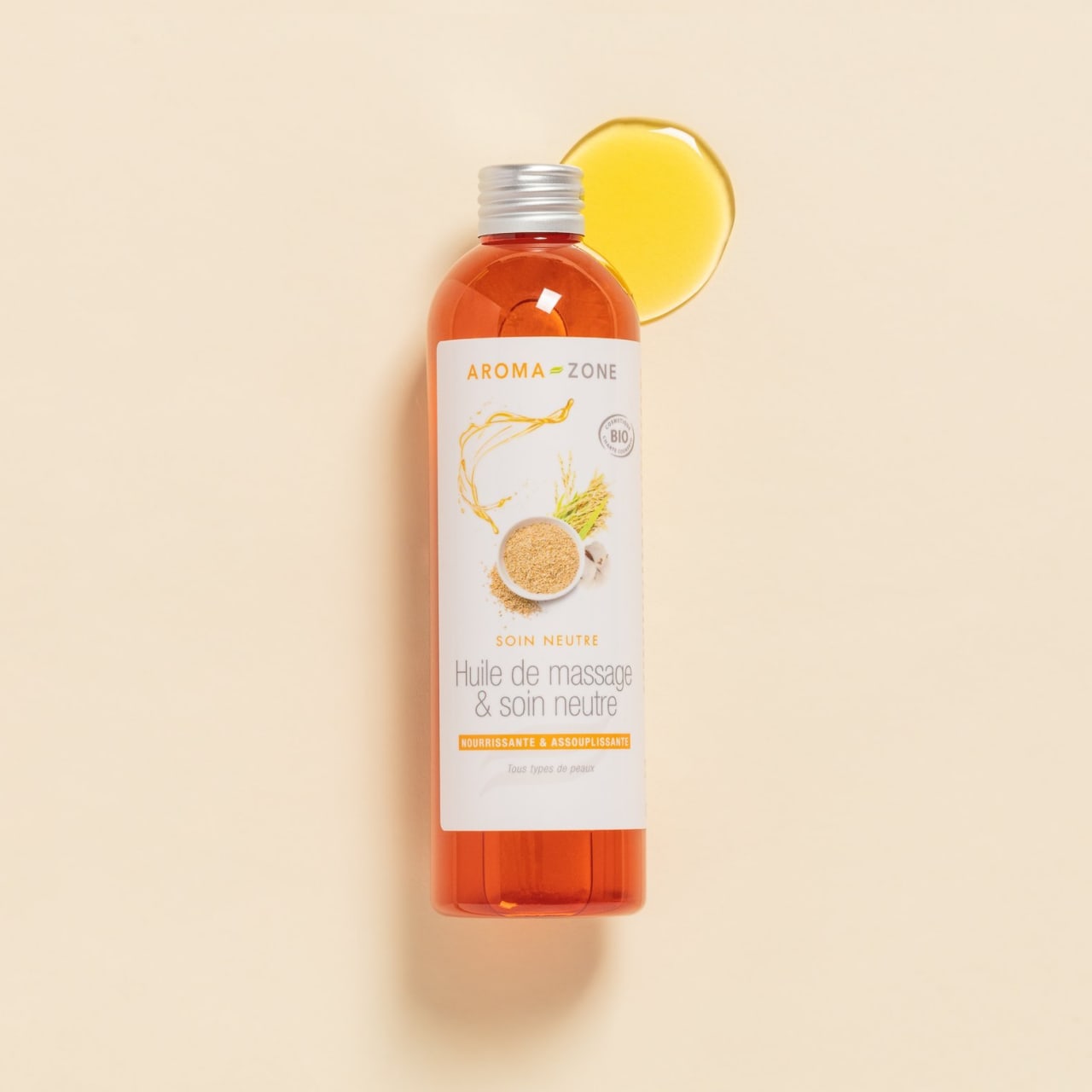
1. Massage your stomach: To stimulate bowel movements in cases of constipation, massage your stomach twice a day with massage oil. This will help stimulate bowel motility and relieve any abdominal cramps. Use a circular motion around the navel in a clockwise direction.

Discover our Organic Neutral Massage and Care Oil

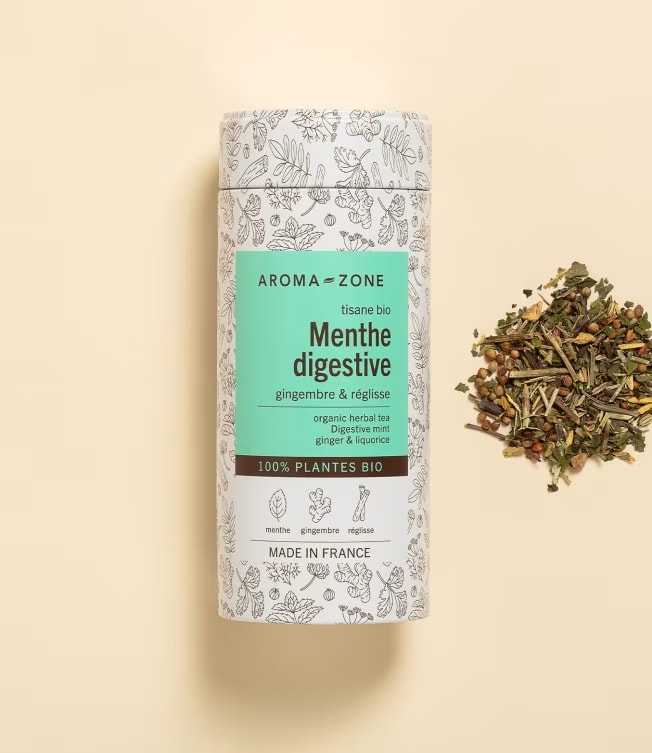
2. Drink digestive herbal teas: Our Digestive Mint Herbal Tea combines 7 plants with properties that aid digestion. Ideal after meals, it stimulates digestion and relieves discomfort.

Discover our Organic Digestive Mint Herbal Tea

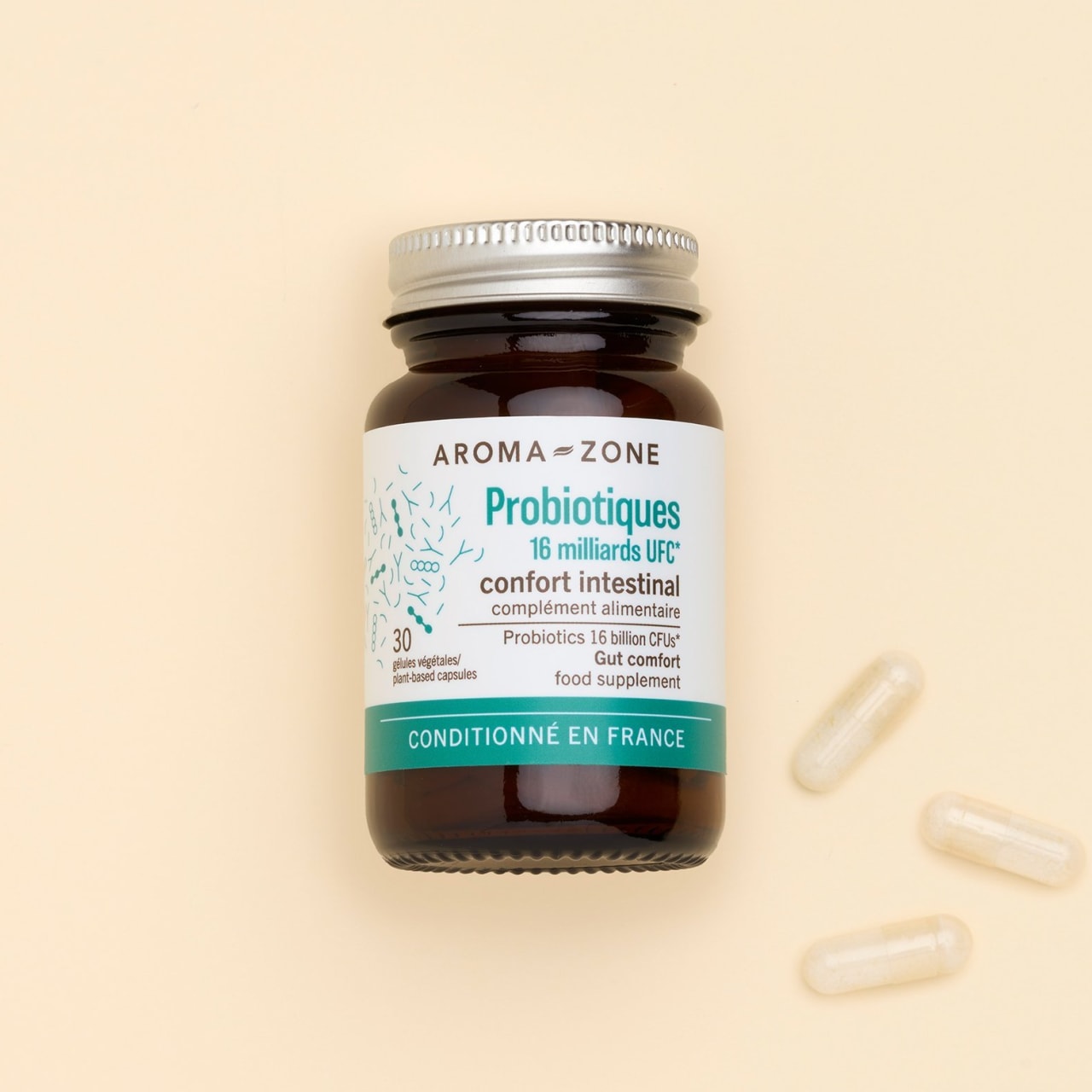
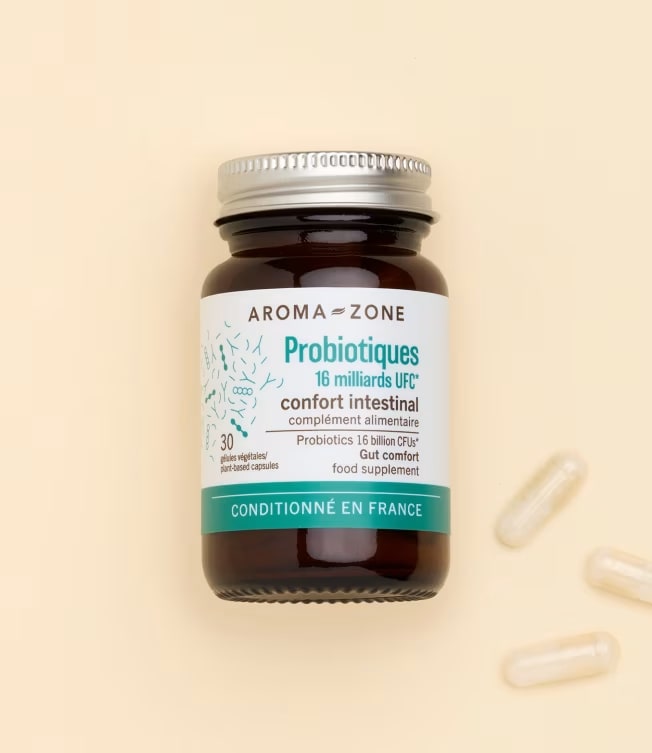
3. Take a course of probiotics: Probiotics help strengthen the digestive system by restoring the balance of good bacteria in the gut.

Discover our Probiotics for Digestive Comfort - 30 capsules - Dietary supplement

What Are the Contraindications of Psyllium?

Considering contraindications is essential to avoid potential risks associated with Psyllium. Like any natural remedy, this plant is not suitable for everyone.

We therefore advise against its use during pregnancy and breastfeeding, as well as in children. Its use is also contraindicated in cases of intestinal or oesophageal narrowing (stenosis), faecal impaction, blood in the stools, or intestinal obstruction. In general, we recommend seeking medical advice before taking Psyllium to ensure it is suitable for your health situation.

Psyllium may also interact with certain medications. We therefore recommend taking it separately from your medication, with an interval of at least one hour. This helps reduce the risk of Psyllium affecting their absorption. Once again, advice from a healthcare professional is recommended.

Expert Advice

If your symptoms persist despite using Psyllium, we recommend consulting your general practitioner. They will be able to establish an accurate diagnosis and suggest appropriate care and treatment.

Spotlight on Our Specialist Writer, Amandine Granger

Amandine is a writer specialising in natural health. Passionate about alternative medicine, she is training to become a naturopath. Through her articles, she aims to make her knowledge accessible to a wide audience, helping readers bring greater wellbeing and balance to their everyday lives.

Bibliography

  1. Psyllium — herbal medicine — VIDAL. (n.d.). VIDAL.

    https://www.vidal.fr/parapharmacie/phytotherapie-plantes/psyllium-ispaghul-plantago.html

  2. Clem. (February 9, 2024). The 5 Benefits of Psyllium and How to Use It. Max de Génie.

    https://www.maxdegenie.com/conseils-et-astuces/les-5-bienfaits-du-psyllium-et-comment-lutiliser/

  3. Blond psyllium (ispaghul) or brown psyllium: all its health benefits. (July 26, 2022). Santé Magazine.

    https://www.santemagazine.fr/medecines-alternatives/approches-naturelles/phytotherapie/le-psyllium-benefique-sur-la-constipation-la-digestion-le-cholesterol-334330

Frequently Asked Questions

Frequently Asked Questions

Associated tip