
Probiotics are live microorganisms, mainly bacteria and sometimes yeasts, that offer health benefits when consumed in sufficient quantities. The term "probiotic" comes from the Greek "pro bios," meaning "in favour of life." These microorganisms are also naturally present in our gut flora, the community of bacteria that lives in our intestines and helps support our digestive balance.

Probiotics and Diarrhoea: What's the Connection?
Published on: Thursday, October 17, 2024, Updated on: Monday, November 09, 2026
When the gut acts up, probiotics are often said to be an effective, natural way to restore balance. But is that really the case? What's the connection between probiotics and diarrhoea, and how might they help ease this kind of digestive discomfort?
Contents
Related products
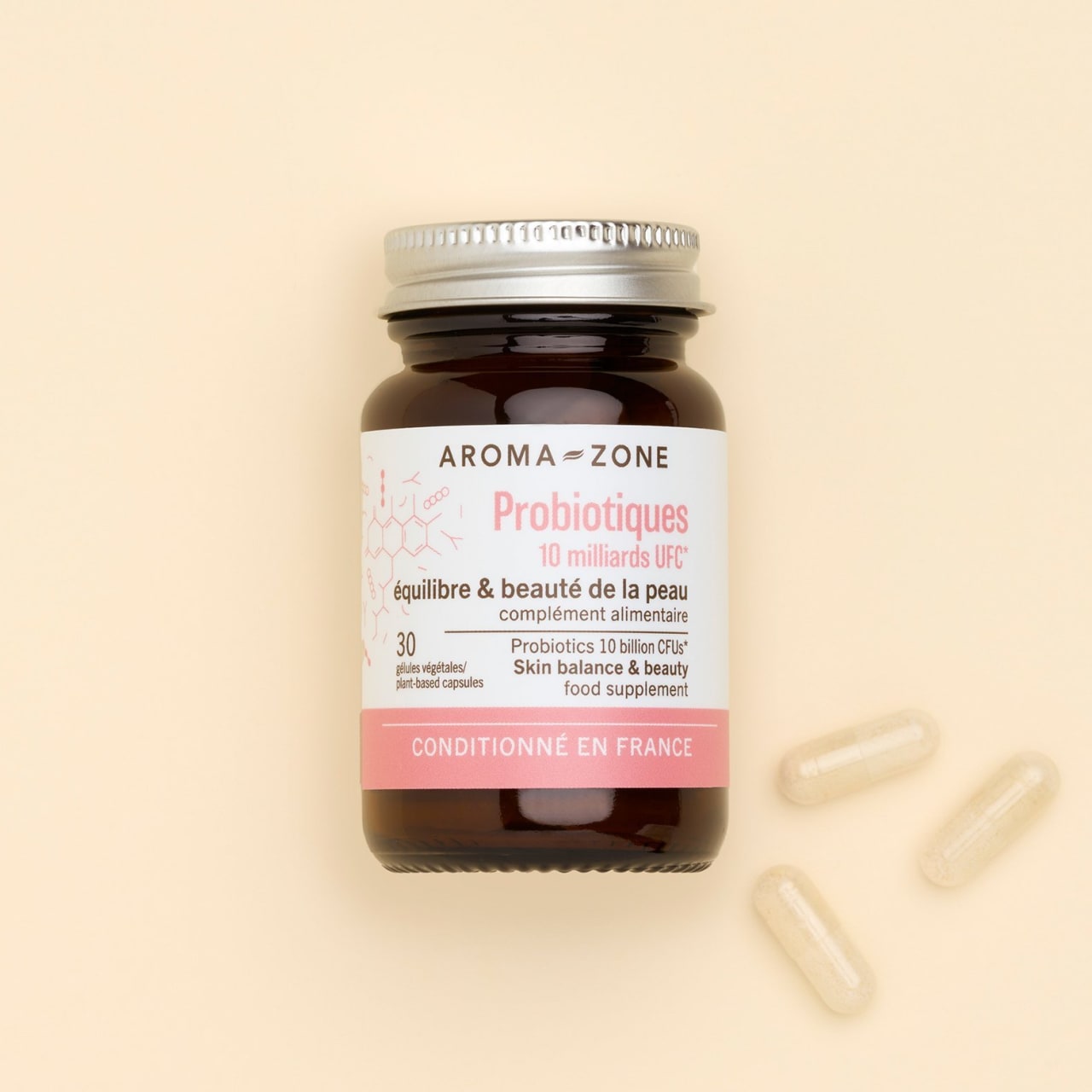
£16.00
article
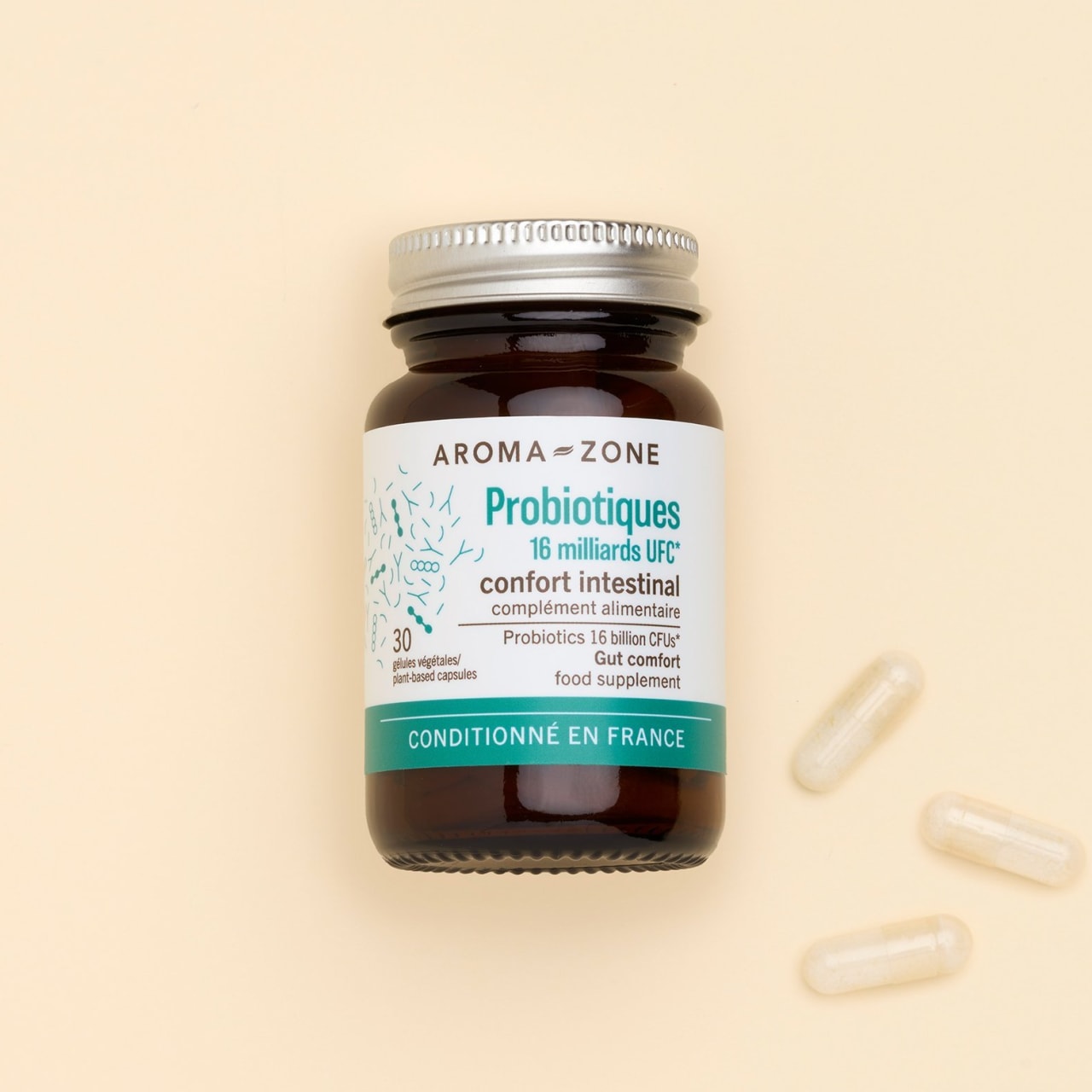
Gut Comfort Probiotics - 30 Capsules
Digestive comfort
£17.00
1 article
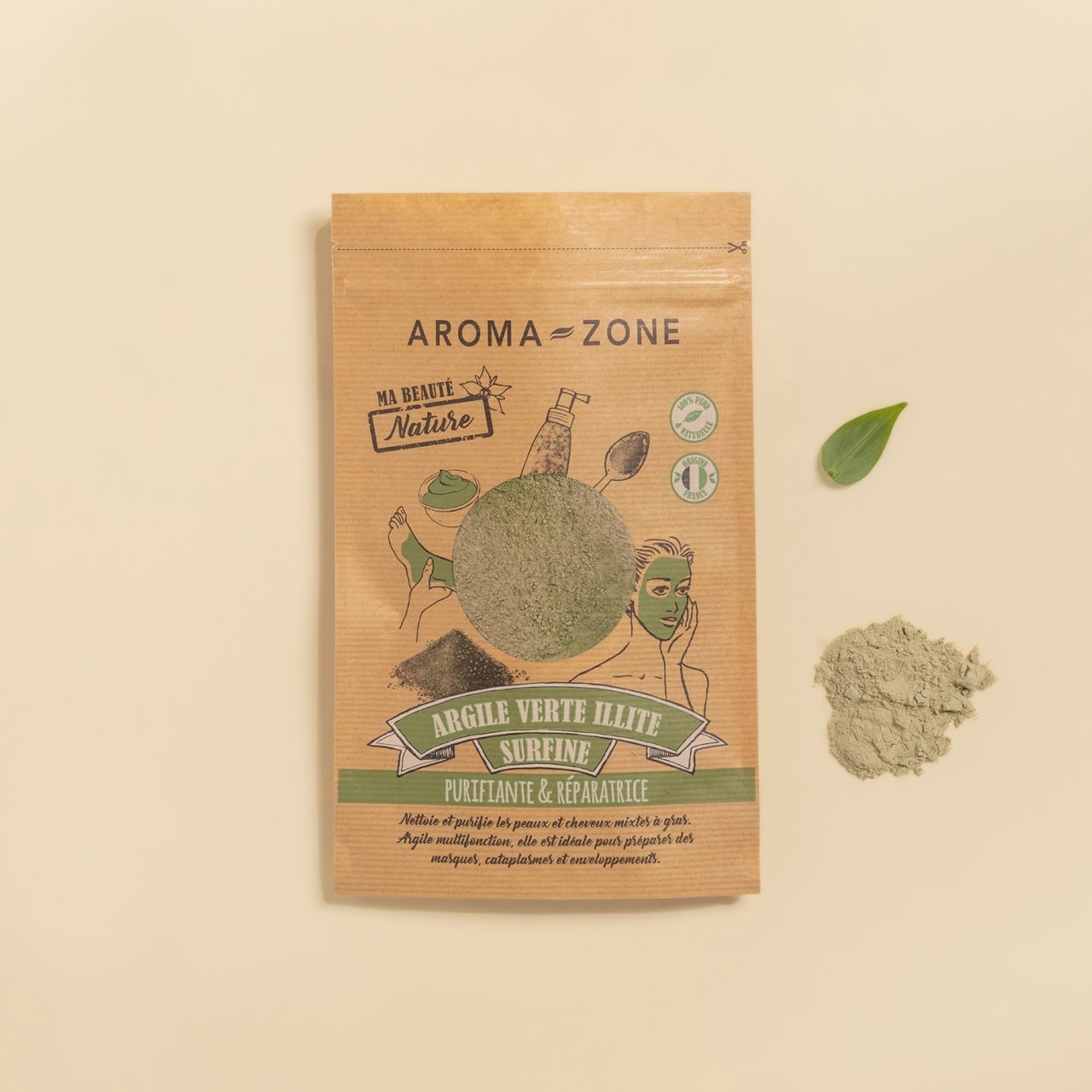
Superfine Green Illite Clay
Cleansing
Anti-blemishes
£5.50
500 g
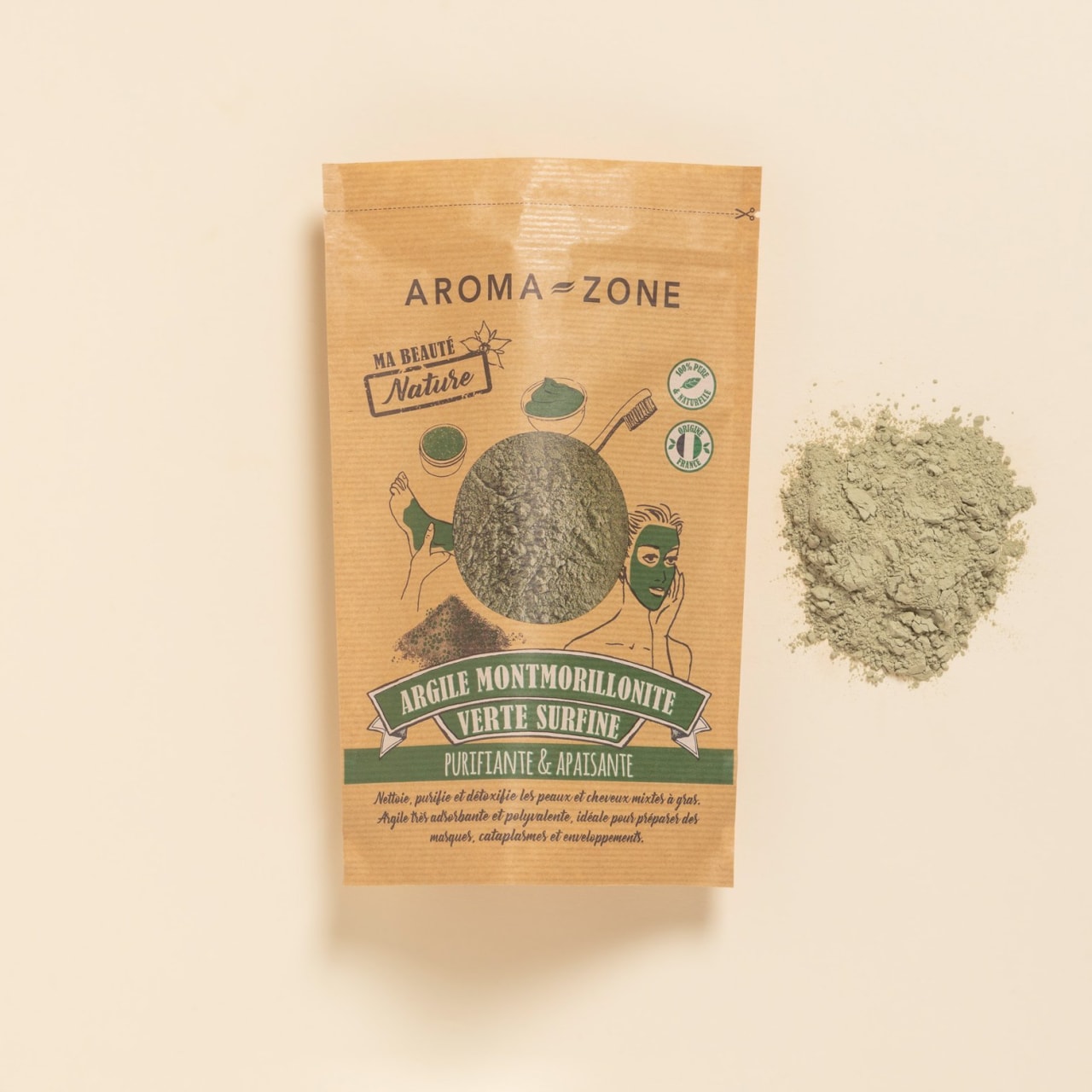
Superfine Montmorillonite Green Clay (Smectite)
Cleansing
Anti-blemishes
£5.50
500 g
What Is a Probiotic?
What Are the Benefits of Probiotics?
The main benefits of probiotics include:
Regulation of bowel movements: Probiotics primarily help to balance bowel movements, thereby reducing episodes of diarrhoea or constipation.
Strengthening the intestinal barrier: They also help protect the gut by strengthening the intestinal lining against pathogens.
Reduced inflammation: Certain probiotics can modulate the local immune response, thereby reducing inflammation in the digestive tract.
Rebalancing the microbiota: They also help to restore the gut flora following disturbances, such as those caused by antibiotic treatments or infections.
Immune support: By contributing to a healthy microbiota, probiotics play a fundamental and overarching role in the proper functioning of the immune system.
Why Do We Get Diarrhoea?
At the same time, many causes of this digestive disorder exist. Among them, viral or bacterial infections top the list, with pathogens such as rotavirus, E. coli, or Salmonella frequently causing gastroenteritis and episodes of acute diarrhoea. Furthermore, certain medicines, particularly antibiotics, can disrupt the balance of the gut microbiota, which can also lead to bouts of diarrhoea. This reaction often results from the elimination of beneficial bacteria that help regulate bowel function.
Food intolerances such as lactose or gluten can also cause recurrent diarrhoea. Irritable bowel syndrome is another common cause of chronic diarrhoea.
Finally, stress significantly affects the digestive system. It can directly speed up bowel movements, leading to episodes of diarrhoea, particularly in situations of high stress. Stress management is therefore a crucial part of treating associated digestive disorders.
How Can Probiotics Help the Gut and Relieve Diarrhoea?
Probiotics play a vital role in relieving diarrhoea, working on several levels to restore and maintain gut health. Firstly, they help to rebalance the gut microbiota by reintroducing beneficial bacteria, which is particularly important after an episode of diarrhoea, when this balance has been disrupted. In addition to restoring this balance, certain probiotics, such as Lactobacillus rhamnosus and Saccharomyces boulardii, directly combat pathogens. They occupy ecological niches in the gut, thereby preventing the proliferation of harmful microbes. Furthermore, certain probiotic strains produce antimicrobial substances, such as organic acids, which lower the intestinal pH, creating an environment unfavourable to pathogenic bacteria.
Finally, probiotics also strengthen the intestinal barrier by reinforcing the tight junctions between epithelial cells. This limits the passage of toxins and pathogens through the intestinal wall, thereby reducing the severity of diarrhoea. Thanks to these multiple actions, probiotics are valuable allies in managing diarrhoea and supporting digestive health.
Which Probiotic Should You Take for Chronic Diarrhoea? How and When Should You Take It?
The probiotics that are effective against chronic diarrhoea are generally those that have been the subject of clinical studies. Recommended strains include Saccharomyces boulardii, a yeast effective in treating antibiotic-associated and infectious diarrhoea. Lactobacillus rhamnosus GG is a bacterium recognised for its effectiveness against viral diarrhoea, particularly in children, while Bifidobacterium lactis helps rebalance the gut microbiota and reduce inflammation in people with chronic diarrhoea.
Probiotics are generally taken as dietary supplements, available in capsules or sachets. It is advisable to take them on an empty stomach or 30 minutes before a meal to maximise their survival as they pass through the stomach and enhance their effectiveness.
Can probiotics help restore the gut flora after an episode of diarrhoea?
Following an episode of diarrhoea, the gut microbiota – which is essential for digestive and immune health – is often disrupted. This imbalance, or dysbiosis, is characterised by a reduction in beneficial bacteria and an overgrowth of pathogens. A course of probiotics can help restore balance by acting in several ways:
Restore the gut flora with good bacteria
Probiotics introduce beneficial bacteria that recolonise the gut. They improve microbial diversity, which is essential following disruption caused by antibiotics or infections. In this way, probiotics occupy ecological niches in the gut, thereby limiting the proliferation of harmful bacteria. For example, Saccharomyces boulardii is effective against Clostridioides difficile, an organism responsible for severe diarrhoea. Furthermore, certain probiotics produce short-chain fatty acids (SCFAs) which help to restore a pH level that is favourable to beneficial bacteria and unfavourable to pathogens.
They help reduce gut inflammation
Strains such as Bifidobacterium and Lactobacillus modulate the gut’s immune response, reducing inflammation and speeding up the healing of the intestinal lining after diarrhoea.
Strengthen the gut barrier
Probiotics strengthen the tight junctions between gut cells, thereby preventing toxins and pathogens from leaking through the gut wall. By restoring a diverse gut microbiota and strengthening the gut barrier, probiotics reduce the risk of recurrent diarrhoea, particularly that associated with the use of antibiotics.
The Complete Natural Anti-Diarrhoea Routine
As well as taking probiotics during or after an episode of diarrhoea, adopting certain habits can not only reduce the frequency of these problems but also lessen their severity:
Drink plenty of water: As diarrhoea can lead to rapid dehydration, it is advisable to drink regularly, but in small amounts, in order to gently rehydrate the body. Oral rehydration solutions (ORS) can also help replenish lost minerals and electrolytes in cases of severe diarrhoea.
Split meals: Rather than eating full meals, it is recommended to have several small meals throughout the day so as not to overload the digestive system. Prioritise foods that are light and easy to digest.
Choose foods rich in soluble fibre: Foods such as bananas, apples (peeled), white rice and oats are rich in soluble fibre. This fibre helps absorb excess fluid in the bowel, thickening the stools and helping regulate bowel transit.
Avoid insoluble fibre and fatty or irritating foods: Unlike soluble fibre, insoluble fibre – found in foods such as wholemeal bread, raw green vegetables or nuts – can irritate the bowel and worsen symptoms. Therefore, limit these foods during bouts of diarrhoea. High-fat foods are difficult to digest and can further irritate the digestive tract. Similarly, avoid spices, coffee, and alcoholic drinks, as they can worsen diarrhoea.
Eating naturally fermented foods: Plain yoghurt, kefir, or unpasteurised sauerkraut contain natural probiotics that promote gut health. These foods can also help to restore the gut microbiota after episodes of diarrhoea by supplying beneficial bacteria.
Precautions for use
It is important to check the ingredients of probiotic supplements, as some may contain allergens such as lactose.
People with chronic conditions should consult a healthcare professional before taking probiotics.
Expert advice
If you suffer from occasional or chronic diarrhoea, opt for suitable probiotic strains and monitor your reaction carefully. If in doubt, seek advice from your GP or pharmacist.
Meet Our Expert Writer: Stéphanie Le Guillou

Stéphanie is a pharmacist (since 2010) and holds a PhD in molecular biology (since 2012). Passionate about writing, she has produced medical content for nearly 15 years. Her goal is to make information accessible and easy to understand, without ever sacrificing scientific accuracy.
Bibliography
Cochrane. Do probiotics help treat acute infectious diarrhoea? December 2020.




