Myth or reality: are natural products free from side effects?

Myth or reality: are natural products free from side effects?


By Hélène Betoux

Published on: Tuesday, January 13, 2026, Updated on: Monday, October 12, 2026

Even more than hedonism, it is above all the quest for safety that seems to be driving consumers towards natural products. Perceived as a safe haven in the face of sometimes controversial conventional cosmetics, they represent a genuine groundswell that is redefining our relationship with beauty and nature. Beyond the challenges posed by greenwashing, however, it is legitimate to ask whether these ‘greener’, plant-based skincare products are as harmless as users imagine, particularly from a toxicological perspective. From heuristic mechanisms to unexpected side effects, this article aims to shed light on an all too often idealised grey area of natural cosmetics.

Contents

Related products

Are cosmetics safe for the skin and health?

A look at the decline in popularity of so-called conventional cosmetics

The success of natural cosmetics stems in part from a growing mistrust of so-called conventional cosmetics, which are associated with petrochemicals and synthetic ingredients. At a time when the chemical industry was experiencing an unprecedented boom, the publication in 2001 of a book by the German journalist Rita Stiens (The Truth About Cosmetics), followed in 2006 by the broadcast on France 2 of an episode of Envoyé spécial, brought the first cosmetics scandals to public attention. Parabens, to name but one example, were linked to cases of breast cancer in a study by Philipa Varbre (published in the Journal of Applied Toxicology in January 2004). Glycol ethers, silicones, PEGs and phenoxyethanol were among the ingredients suddenly deemed undesirable. It was against this backdrop of fear that medicinal plants and traditional botanical recipes, presumed to be safer for health, gradually regained their appeal in the eyes of consumers.

The REACH Regulation and the safe use of cosmetics in Europe

Unlike the United States, where industrial excesses have paved the way for clean beauty , Europe strictly regulates the production of cosmetics within its territory. As well as being subject to Regulation (EC) No 1223/2009 on cosmetic products, the sector also falls within the scope of REACH. An acronym for Registration, Evaluation, Authorisation and Restriction of Chemicals, this regulation, adopted in 2006, aims to assess and better manage the risks associated with the use of chemical substances. As for ingredients not covered by REACH, they fall under the responsibility of the companies themselves.  In other words, products must be proven to be safe in order to be placed and remain on the market. This legislation applies to all cosmetics, whether they are natural, certified organic or sourced from more conventional channels. Whilst not infallible, it goes a long way towards managing the toxicological risks associated with the use of cosmetic products.

Toxicology and cosmetovigilance: some uncertainty remains

This regulatory framework, whilst rigorous, remains purely administrative. G.E. Pierrard thus points out that “anything not covered by these annexes [to the General Regulation] is free to be used in a cosmetic product, whilst remaining the responsibility of the manufacturer” (1). This monitoring system is known as cosmetovigilance. Furthermore, there is always a degree of uncertainty when choosing to apply a cosmetic product to one’s skin – whether natural or not. As the molecular toxicology expert Jacques Leclaire (2) points out, predicting systemic toxicity or chronic toxicity (linked to repeated exposure to a given substance) remains a major challenge across the entire industry. Finally, there are, of course, adverse effects that stem from individual reactions, such as certain allergies or intolerances.
Why do natural cosmetics have a reputation for being safer?

According to a survey carried out by Ifop in 2018 (3), 73 per cent of French people use organic or natural cosmetics to “look after their bodies and their health”. This is even their primary reason for purchasing, ahead of the supposed effectiveness of the products and environmental concerns. The idea that the naturalness of ingredients is enough to guarantee their safety is indeed deeply ingrained. It is essentially a mental shortcut, based on the assumption that the less a product has been processed, the safer it is. Social psychology even refers to naturalness bias: a cognitive bias that leads consumers to favour natural products over synthetic ones of equivalent effectiveness (4). Beyond the mistrust fuelled by various health scandals, the fantasy of a ‘natural’ ideal also appears to stem from a cultural construct and an emotional perception (5).

What side effects can natural products cause?

Cosmetovigilance recognises three types of side effects:

  • adverse effects (AE)

  • serious adverse effects (SAE)

  • misuse (use of the product not in accordance with the manufacturer’s intended use).

Fortunately, severe intolerances (leading to disability, hospitalisation or even a life-threatening condition, for example) are considered extremely rare. Cosmetic intolerance dermatitis can take the form of irritant dermatitis, eczema, photoirritation or even urticaria. Most of these contact dermatitis is delayed (6), meaning that it occurs several hours after exposure.

However, care must be taken not to confuse these adverse effects with the sensitivities of reactive skin. In most cases, this type of hypersensitive skin manifests its discomfort through a burning or stinging sensation. Most of these symptoms are, moreover, exacerbated by endogenous factors (such as hormonal fluctuations) and exogenous factors (particularly exposure to the cold).

Good to know: in DIY (Do It Yourself) cosmetics, which rely on natural or naturally-derived substances, the occurrence of adverse effects may also result from incorrect dosing, an inappropriate combination of active ingredients, a failure to observe hygiene measures, or a failure of the preservation system. It is also safer to select your raw material supplier carefully in order to minimise toxic risks associated with the supply chain.

Which natural ingredients can cause side effects?

Generally speaking, Betty Santonnat, Director of Development at Cosmebio, points out that “cosmetovigilance reports do not indicate any more cases of allergies in natural and organic cosmetics than in conventional products” (7). The European Cosmetics Regulation (EC) No 1223/2009 includes annexes listing prohibited substances (Annex II) and restricted substances (Annex III). Annex III lists nearly 400 such substances, some of which are of natural origin.

Natural ingredient or ingredient of natural origin

Possible toxic risk

Salicylic acid

It can cause contact dermatitis and allergies, although the frequency of these reactions appears to be very low. Conversely, it is quite common to experience mild discomfort during the first few applications of salicylic acid. Rest assured: this characteristic slight tingling sensation does not necessarily indicate a serious reaction.

Furocoumarins, which are found, for example, in citrus fruits such as lemon, bitter orange and bergamot.

These substances can have phototoxic effects, meaning they increase the skin’s sensitivity to the sun. You can, of course, include them in your skincare routine, but it is best to apply them in the evening and wear a high-factor sunscreen the following morning and on subsequent days.

Sesquiterpene lactones, found in plants such as arnica, yarrow and chamomile, amongst others.

These are well-known allergens. They can cause contact allergies. These most commonly manifest as eczema and, to a lesser extent, as skin rashes. To avoid any unpleasant surprises, remember to carry out a skin sensitivity test beforehand.

Phytoestrogens, found in particular in soya, lupin, red clover and hops.

They are considered to be potential endocrine disruptors. Despite this possible side effect on the hormonal system, isoflavones (a type of phytoestrogen), for example, are regularly recommended for mature skin, as they help to reduce certain signs of ageing.

Good to know: The main risks of side effects from natural cosmetics appear to be linked to the presence of essential oils in their formulation (5). These oils, in fact, contain 16 of the 26 fragrance allergens subject to mandatory declaration listed in Annex III (8).  Nevertheless, essential oils remain highly valuable active ingredients in cosmetics, with well-documented benefits. To enjoy them with peace of mind, please ensure you follow the recommended dosages and methods of use set out in our technical data sheets.

Our conclusion on the side effects of natural cosmetics

Myth or reality?

This is a myth. The use of natural or naturally derived ingredients does not guarantee that formulations are harmless. Natural and conventional cosmetics actually offer an equivalent level of safety, as they are subject to the same regulatory frameworks. The European cosmetics industry also benefits from one of the most rigorous regulatory frameworks in the world. Adverse reactions are always possible whenever you apply a foreign substance to your skin. This is why it is essential to carry out a skin sensitivity test whenever you introduce a new product into your routine.

The fallacy we must not lose sight of

The glorification of ‘natural’ products through the demonisation of synthetic ones constitutes a contemporary fallacy that largely serves the purposes of fear-mongering. Far from being entirely beneficial, the ‘naturalisation’ of the market also fuels counterproductive behaviour, particularly in terms of health and environmental protection. Pierrick Gomez, a professor of marketing at NEOMA Business School, points out that this phenomenon has been demonstrated in the food sector (9). Consumers reject beneficial technological advances (e.g. cultured meat) which they deem unnatural (10) and, conversely, prefer foods containing plant-based ingredients, even if those foods are ultra-processed and pose a probable risk to their health (11).

Towards the era of green chemistry

We must therefore not forget that cosmetics, even natural or organic ones, remain inextricably linked to chemistry. And more broadly speaking: everything is chemistry and can be summarised in terms of chemical reactions. Even ingredients of natural origin, by definition, have undergone various transformations to make them more stable, safer or more effective within a formulation. Whilst certain industrial processes remain open to criticism, the development of green chemistry in the cosmetics sector offers a promising prospect that reconciles environmental concerns with the pursuit of a sensible approach to naturalness.

Our 100% natural skincare range, specially formulated for sensitive skin

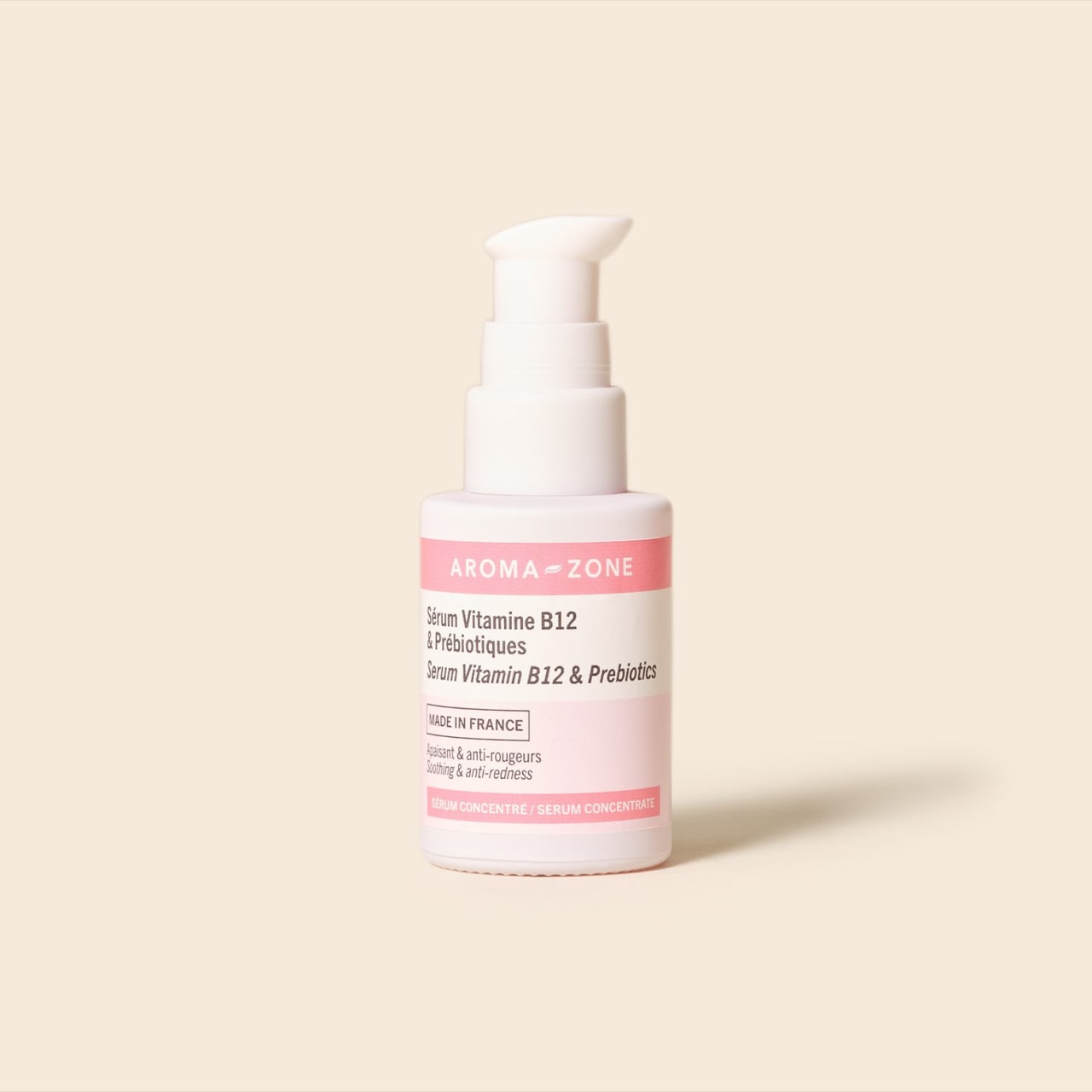
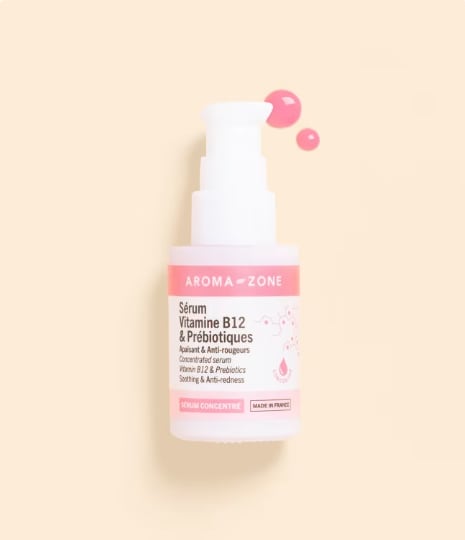
Concentrated Vitamin B12 & Prebiotics Serum

Spotlight on the Vitamin B12 & Prebiotics Concentrated Serum

Thanks to its high-tolerance formula, it provides immediate (within 1 minute) and long-lasting relief from the discomfort of reactive skin. Its water-based texture is ideal for application in the morning. Dermatologically tested, free from animal-derived ingredients, made in France.

Discover our Vitamin B12 & Prebiotics Concentrated Serum

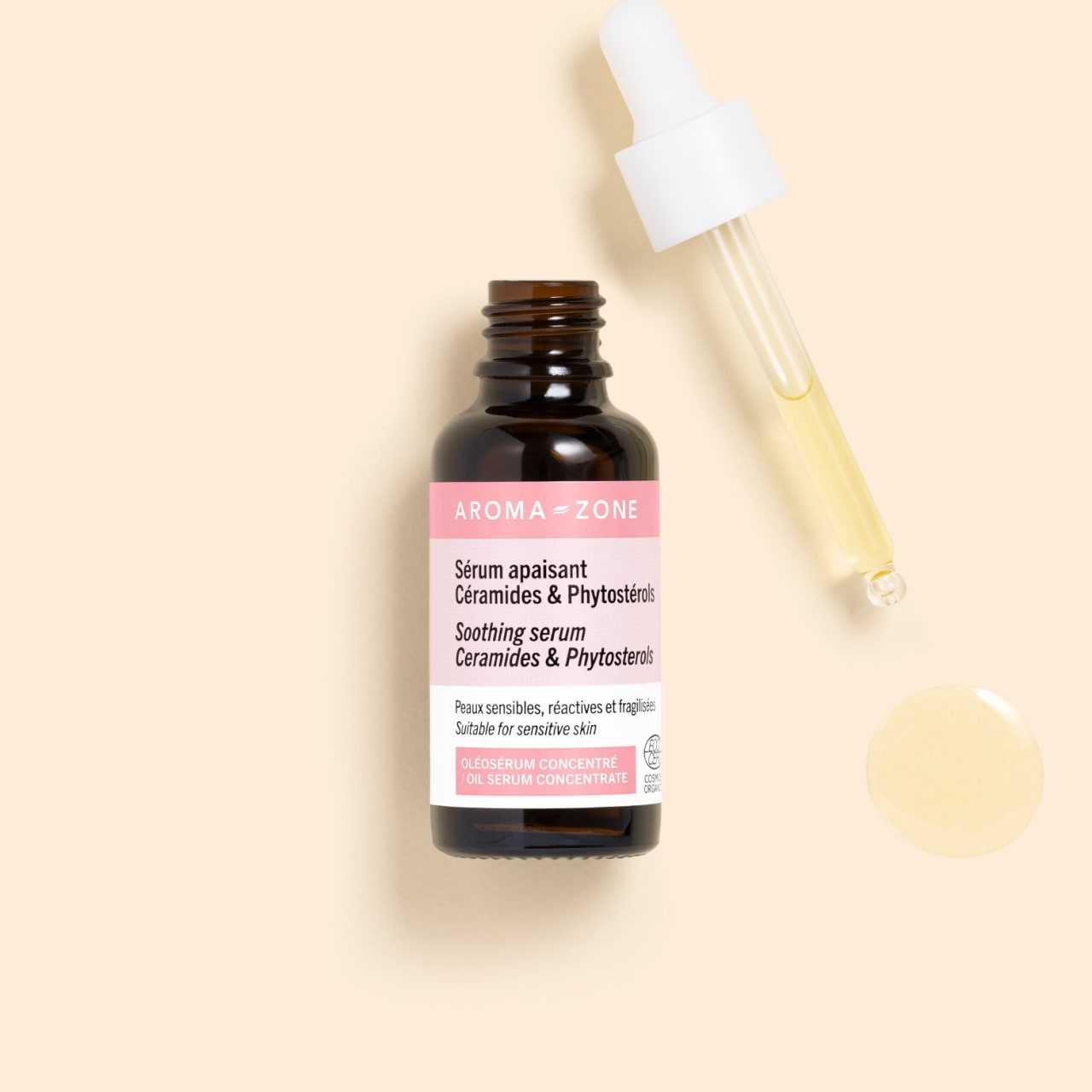
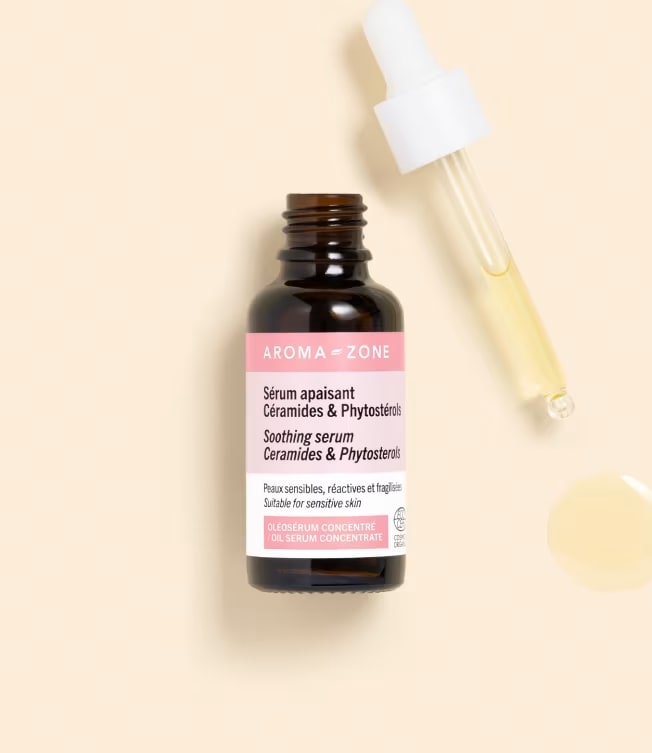
Soothing Ceramide & Phytosterol Oil Serum

Spotlight on the Soothing Ceramides & Phytosterols Oil Serum

This high-tolerance skincare product targets the appearance of redness and strengthens the skin barrier with a nourishing texture that’s ideal for evening use. 100% naturally derived ingredients, certified organic, dermatologically tested, made in France.

Discover our Soothing Ceramides & Phytosterols Oil Serum

Capture 02 02

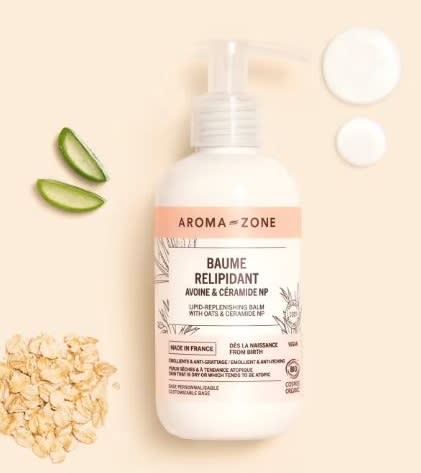
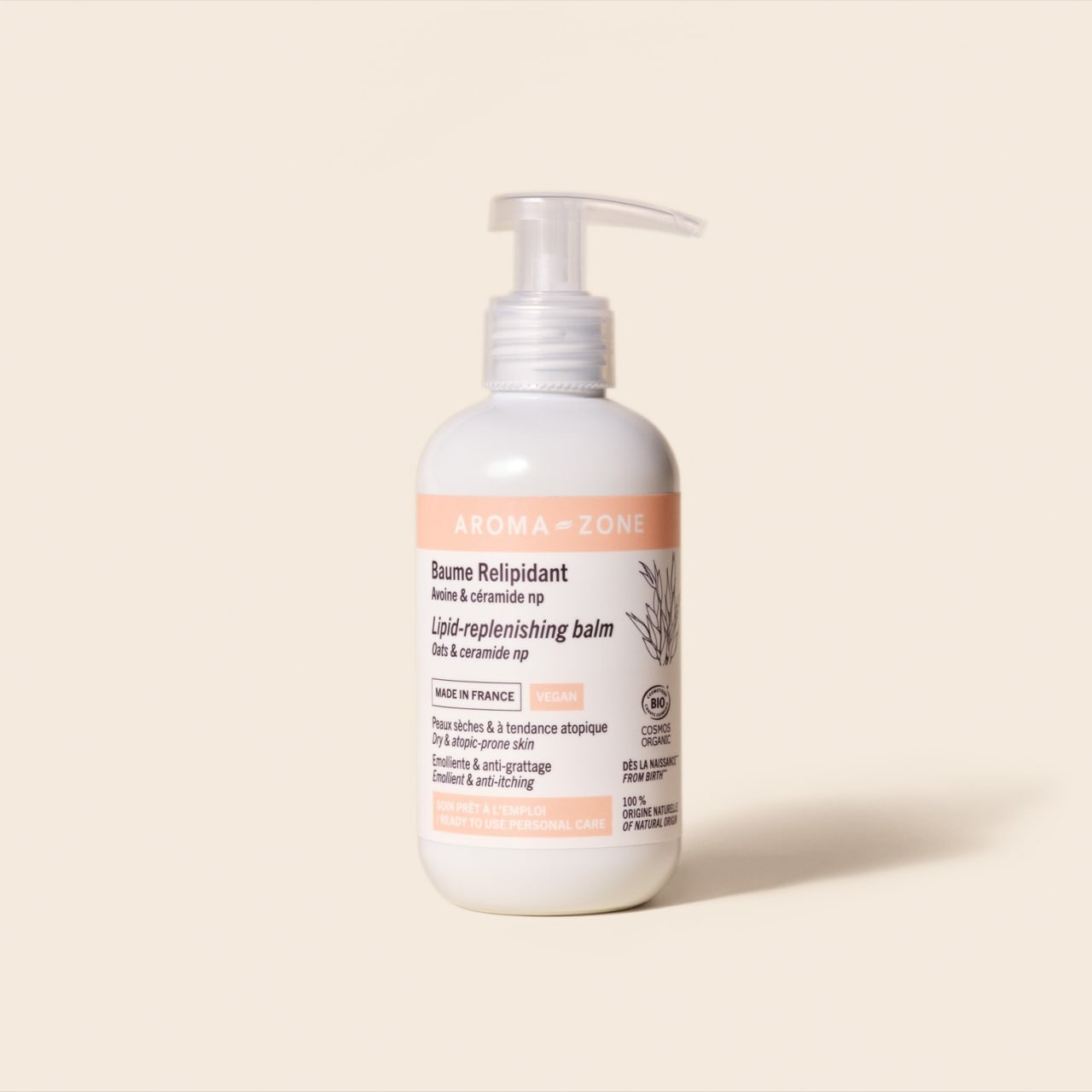
Spotlight on our Oat & Ceramide NP Lipid-Restoring Balm

Suitable for use on both the body and the face, its high-tolerance formula offers triple action against redness, dryness and itching. 100 per cent natural ingredients, free from animal-derived ingredients, certified organic, dermatologically tested, made in France.

Discover our Oat & Ceramide NP Lipid-Replenishing Balm

Precautions

Always test a new product on a small, hidden area of skin before using it more widely on your face or body. Wait 48 hours to check for any adverse reactions (redness, irritation, tingling, burning, etc.). If you make your own natural cosmetics, follow the measurements given in the recipe sheets to the letter. Seek advice from a doctor or pharmacist if in doubt. If you belong to a vulnerable group (pregnant or breastfeeding women, children, people with chronic illnesses, etc.), take extra care with the products you apply to your skin.

Expert advice

The quest for naturalness is just one of the pillars of more responsible cosmetics consumption. To make your bathroom more eco-friendly, you can also opt for locally made products, upcycled ingredients, zero-waste initiatives or companies with philanthropic projects.

Spotlight on Our Writer, Hélène Betoux

Hélène Betoux is a French beauty journalist specialising in digital media. She writes practical tips, advice and guides to help readers choose the right beauty products. Passionate about natural, organic and clean beauty, she explores the latest trends and innovations in the industry.

Bibliography

  1. G.E. Piérard et al.

    ‘Cosmetics, health and the environment: an update on a justified or exaggerated diatribe?’ Rev Med Liège 2015; 70: 10: 501–506

  2. Jacques Leclaire, “The quest for harmless products: a pioneering approach to safety in cosmetics” in Patrice André et al.

    Chemistry, Dermocosmetics and Beauty, EDP Sciences, pp. 229–262

  3. Ifop survey conducted via a self-administered online questionnaire from 6 to 10 September 2018 amongst a sample of 1,047 women, representative of the female population aged 18 and over

  4. Meier BP, Dillard AJ, Lappas CM. ‘The naturalness bias’. Curr Opin Psychol.

    Feb 2026;67:102143. doi: 10.1016/j.copsyc.2025.102143. Epub 1 Oct 2025. PMID: 41038740

  5. Berman MG, Hout MC, Kardan O, Hunter MR, Yourganov G, Henderson JM, Hanayik T, Karimi H, Jonides J.

    The perception of naturalness correlates with low-level visual features of environmental scenes. PLoS One. 22 December 2014;9(12):e114572. doi: 10.1371/journal.pone.0114572. PMID: 25531411; PMCID: PMC4273965

  6. French Society of Toxicology, Mulon Conseil

    ‘Toxic risks of natural extracts used in natural and organic cosmetics: myth or reality?’, 16 and 17 October 2014

  7. Erwan Seznec, ‘Les Fleurs du mal’ in Les Jours, 3 March 2017

  8. ANSM. Recommendations on the risk assessment of essential oils in cosmetic products. 2010

  9. ‘Is natural necessarily better?’, published on 29 July 2022, NEOMA website

  10. Inbar, Y., Phelps, J., & Rozin, P. (2020). ‘Recency negativity: Newer food crops are evaluated less favourably’. Appetite, 154, 104754.

  11. Drewnowski, A.

    (2021). “Perspective: Identifying ultra-processed plant-based milk alternatives in the USDA branded food products database”. Advances in Nutrition, 12(6), 2068–2075.

Frequently Asked Questions

Frequently Asked Questions