Myth or reality: should you change your skincare routine often?

Myth or reality: should you change your skincare routine often?


By Hélène Betoux

Published on: Friday, January 09, 2026, Updated on: Monday, October 12, 2026

The idea that the skin can gradually become desensitised to active ingredients in cosmetics sows doubt in the minds of beauty product users. Do skincare routines lose their effectiveness after a few months, or even a few weeks? This belief is behind trends such as the ‘cosmetic fast’, touted as a trendy solution for ‘resetting’ your skin. To separate fact from fiction, we offer an overview of the scientific evidence regarding whether the skin can become accustomed to a beauty routine.

Contents

Related products

Can your skin get used to cosmetic products?

The short answer: to date, there is no clinical evidence to suggest that the skin becomes accustomed to cosmetic products.

The skin interacts with topical products in an individualised way, if only because of the wide variations in the composition of our surface microbiomes. Beyond these individual nuances, researchers seem to agree that the efficacy of a cosmetic product depends on three key criteria. These are the transcutaneous penetration capacity of its formula, the concentration of its active ingredients, and the duration of application (1). As for the supposed need to rotate products, this is not mentioned in studies on the efficacy of skincare products. It is therefore unlikely that it determines the skin’s response to a cosmetic product or an active ingredient. On the other hand, it is entirely possible that the beneficial effects will disappear once a product is discontinued (2).

Which active ingredients can give the impression of causing dependency?


Active ingredient


Scientific explanations


Retinol : dermatologists generally advise gradually increasing the dose of retinol as part of a skincare routine (3). This ‘retinisation’ phase may give the impression that the skin eventually becomes less receptive to cosmetic properties of retinol, thereby reducing its anti-ageing effects.

This gradual introduction is actually intended to minimise skin irritation caused by contact with retinol. The state-of-the-art review conducted by Siddharth Mukherjee et al. on the cosmetic effects of retinoids (1) also points out that several weeks of regular use are required to observe an improvement in the appearance of wrinkles and dark spots. This link between regularity and efficacy contradicts fears of physiological habituation.  

AHAs (alpha-hydroxy acids) : they may tend to cause a tingling or burning sensation when first used. Over time, these discomforts subside. Some users therefore come to fear that their skin has become ‘immune’ to AHAs and that their skincare routine is losing its effectiveness.

Some skin types react unpleasantly to fruit acids because they are more sensitive or because their skin barrier is compromised. This phenomenon generally tends to subside, not because of habituation, but because the skin learns to become less reactive. It is essentially a question of skin tolerance.

Should you change your face cream regularly?

It may be necessary to change your cream several times a year, but not because of any biological ‘habituation’. Several factors can prompt a change in formula, without this need stemming from the skin becoming desensitised to its beauty products. Here are the main reasons put forward by research.

Factors to consider

Noticeable changes

Seasonal changes

Cold weather and lower humidity tend to increase the risk of dehydration and skin discomfort, particularly a tight, tingly sensation.

Hormonal fluctuations

Oestrogens are part of the mechanisms that regulate sebum secretion. A decrease (menopause) or increase (puberty) in oestrogen levels in the blood can therefore present new challenges within a skincare routine.

Physiological ageing


As we age, cellular activity slows down. These changes have a direct impact on the skin’s appearance and comfort. It generally becomes drier, thinner, duller and requires more intensive care.

Good to know: a skin regeneration cycle lasts an average of 28 days. This is why skincare experts recommend waiting at least a month before assessing how well a cosmetic product works on your skin.

Our conclusion, based on the scientific literature

Myth or reality?

This is partly a myth. It isn’t necessary to change your routine regularly to ‘desensitise’ your skin to certain active ingredients and maintain their cosmetic effects. However, some skin types may well need to adapt their routine throughout the year, particularly depending on climatic factors.

What is false

  • The skin does not become accustomed to active ingredients or cosmetic formulations. It is therefore pointless to attempt to desensitise it to counteract a supposed loss of effectiveness

  • It is not necessary to change your skincare routine regularly to improve the condition of your skin, unless your skin suddenly shows signs of discomfort.

What is true

  • The effectiveness of cosmetic products depends primarily on the penetration capacity of their formula and consistency in their use

  • Certain unstable cosmetic formulations (for example, those containing vitamin C) may lose their effectiveness after opening if stored in unsuitable conditions

  • People’s perception of the cosmetic results they observe can vary, creating the illusion that the skin has reached a physiological plateau.

Food for thought

The myth that the skin becomes accustomed to cosmetic products fuels lucrative trends for manufacturers, starting with ‘product hopping’, ‘maximalism’ and the resulting accumulation of products. By implying that it is necessary to change creams regularly to see satisfactory results, certain brands and influencers help pave the way for overconsumption. Yet the French are already heavy consumers of beauty products. In a single year (2016), the average consumer bought 38 cosmetic products (4). A 2019 survey also found that women use an average of 16 cosmetic products a day, nine of which are for the face alone (5). Debunking the myth that the skin gradually becomes accustomed to cosmetic active ingredients therefore puts taking responsibility for our consumption habits back at the heart of the debate. For the spectre of waste looms large. Indeed, nearly one in two French people (46 per cent) admit to having discarded a cosmetic product without finishing it (6).

Our super-simple natural routine suitable for all skin types

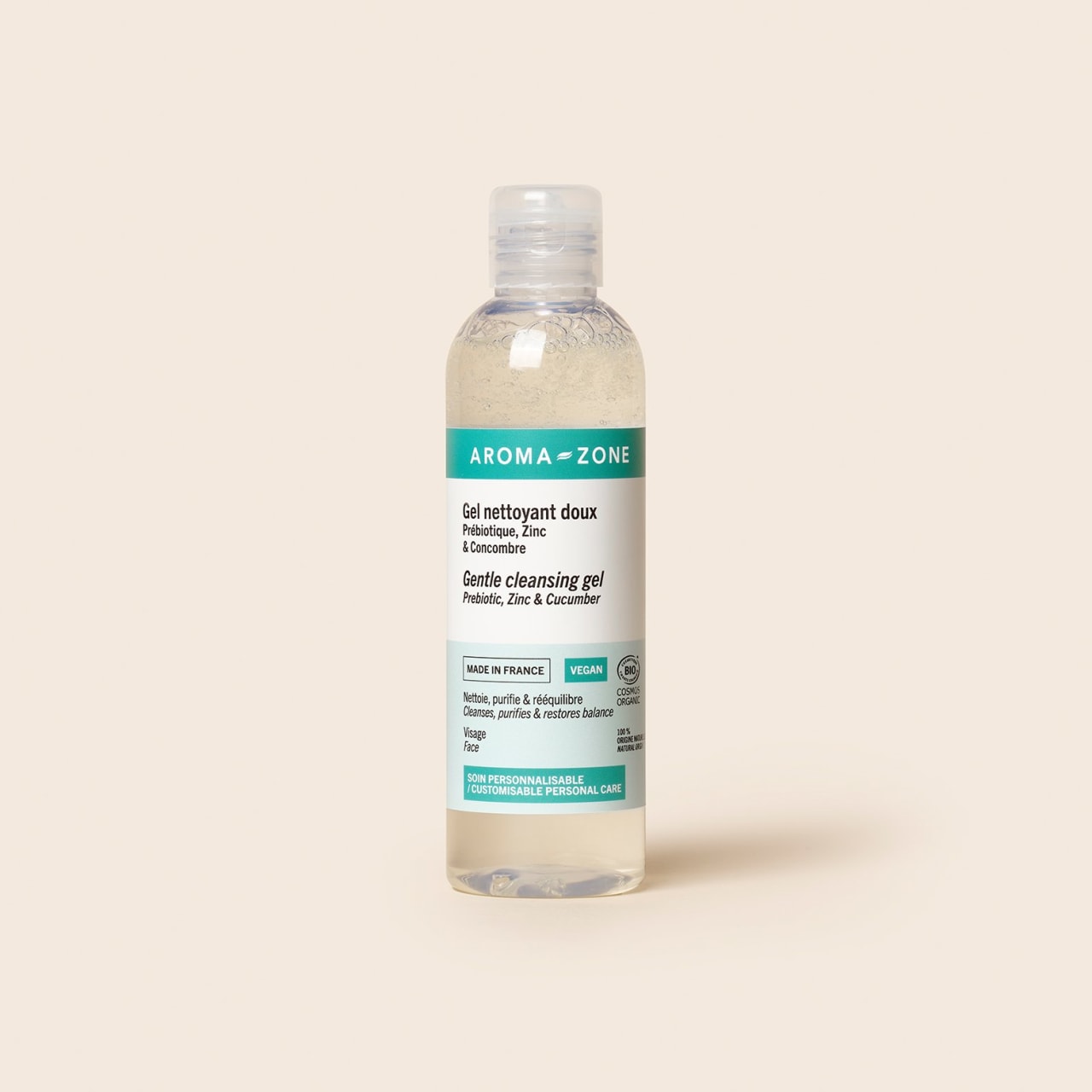
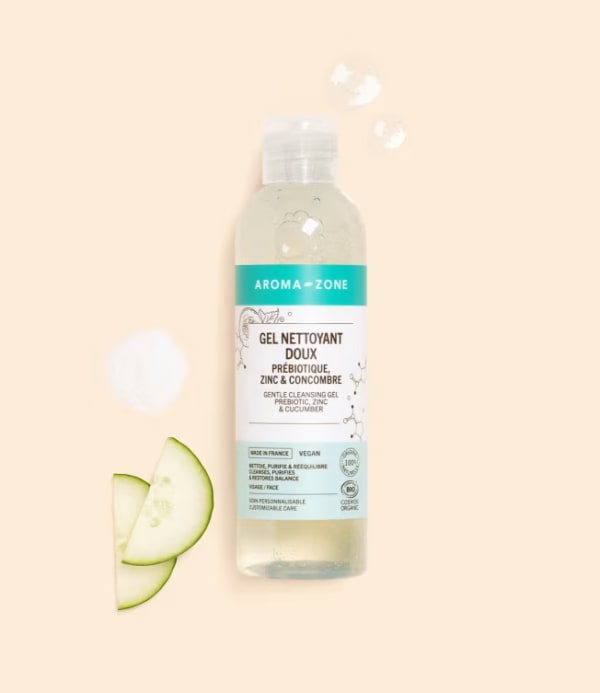
Gentle Prebiotic, Zinc & Cucumber Cleansing Gel

1. Gentle Prebiotic, Zinc & Cucumber Cleansing Gel. Lather a small amount onto damp skin before rinsing. Its minimalist, soap-free and fragrance-free formula thoroughly cleanses the skin without causing dryness or irritation.

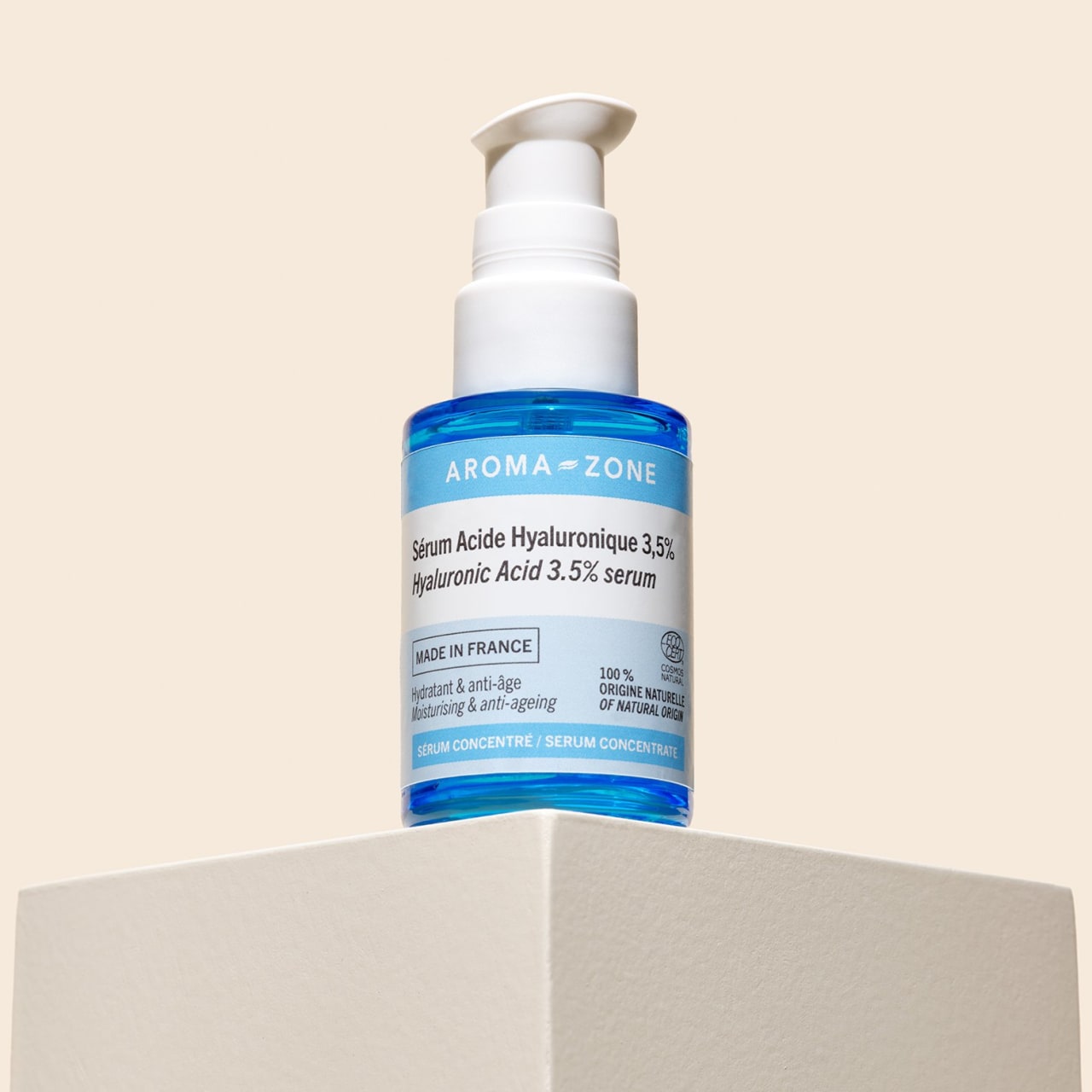
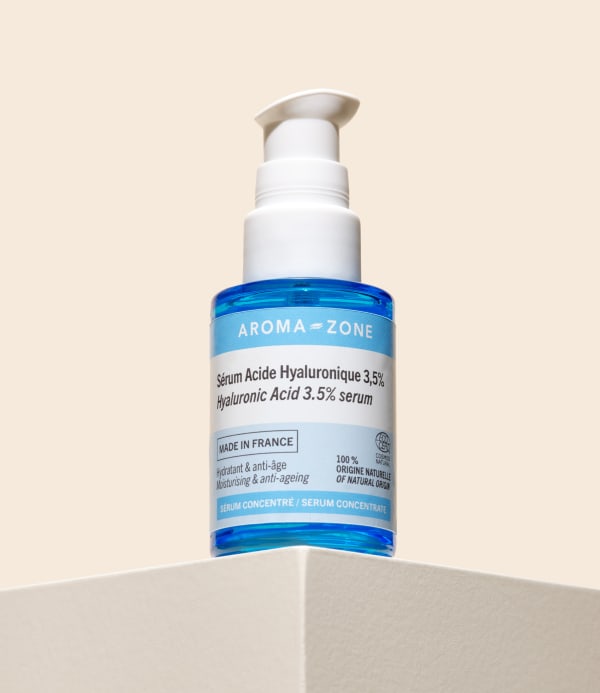
3.5% Hyaluronic Acid Concentrated Serum

2. 3.5% Concentrated Hyaluronic Acid Serum. Take advantage of your skin still being slightly damp to massage in one or two pumps of serum. Ideal for protecting the skin from dehydration, it helps plump up the skin’s appearance and gradually reduces the appearance of wrinkles.

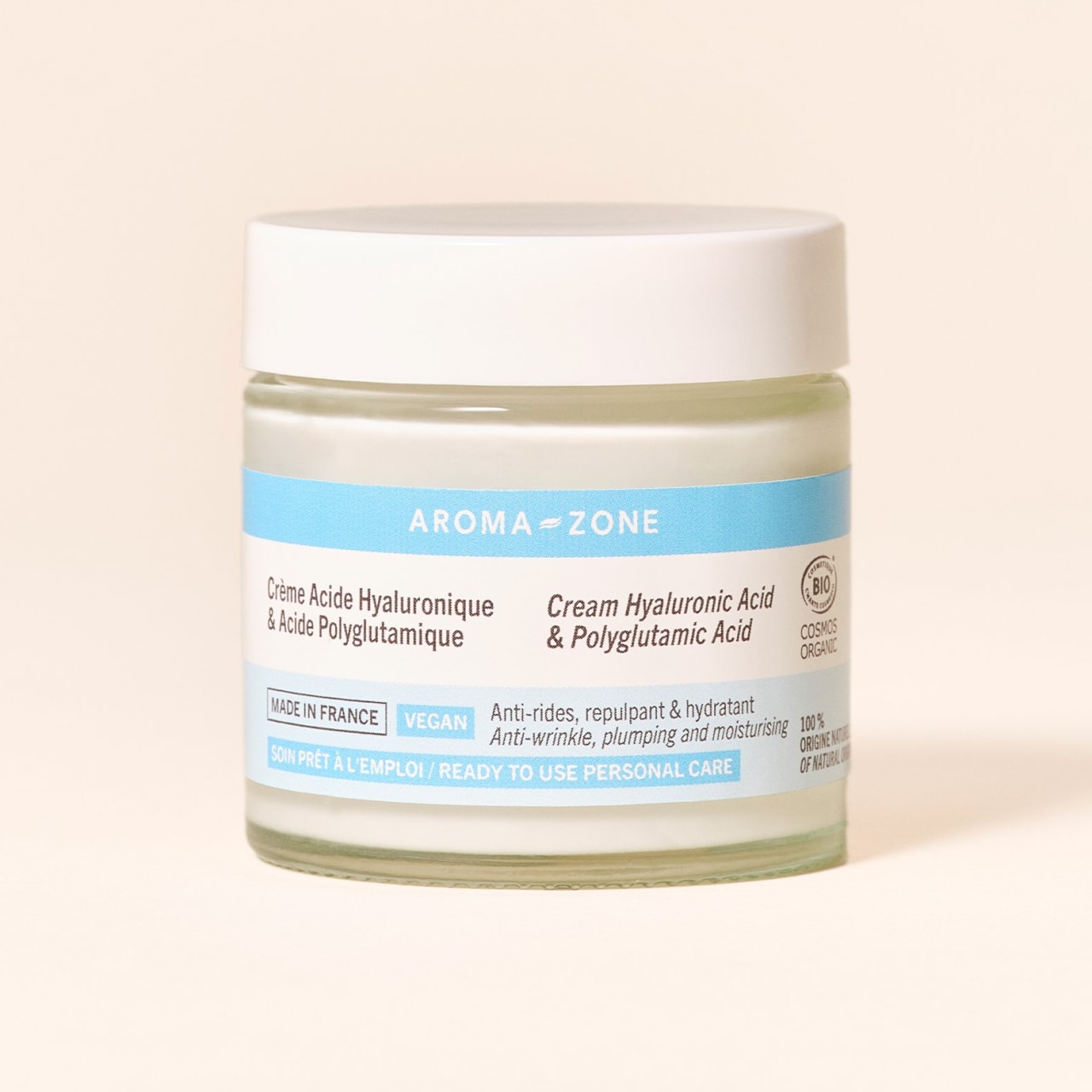
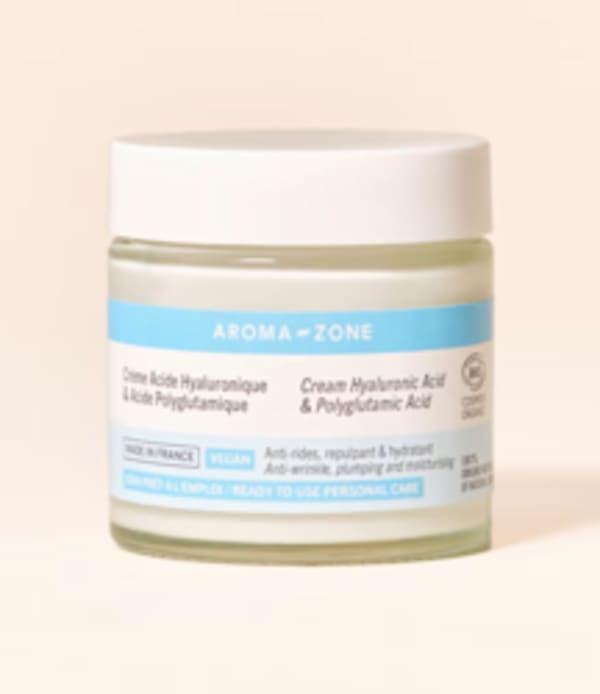
Hyaluronic Acid & Polyglutamic Acid Cream

3. Hyaluronic Acid & Polyglutamic Acid Cream. Finish your skincare routine by applying a small amount of cream to your face and neck. Certified organic, this 48-hour moisturiser leaves the skin soft, supple and plump, with a ‘baby-soft’ feel.

Precautions

When you switch to a new skincare product (cream, serum, etc.), remember to carry out a sensitivity test on your new product. This precaution will allow you to check that your skin tolerates the formula. It can be tempting to incorporate more products and active ingredients into your routine in order to maximise its effectiveness. However, before doing so, you must first ensure that the active ingredients in your various cosmetic products are compatible. Respect your skin’s natural rhythm and introduce the most potent active ingredients gradually, following the manufacturer’s instructions.

Expert advice

To avoid disappointment, we advise you to make choices that are suited to your skin type. If your skin is prone to blemishes, it is unlikely that you’ll need to switch from a light serum to a cold cream overnight. First and foremost, focus on how your skin reacts to establish a suitable routine that you can stick to in the long term. And if you’re unsure about your skin type and its needs, seek advice from a dermatologist.

Focus on Our Writer: Hélène Betoux

Hélène Betoux is a French beauty journalist specialising in web media. Every day she writes tips, advice, and guides to help consumers choose the right beauty products. With a strong interest in natural, organic, and clean cosmetics, she analyses and shares trends and innovations in the sector.

Bibliography

  1. G. Marti-Mestres, ‘Promoting skin absorption in cosmetology: formulations and instruments’, Annales de Dermatologie et de Vénéréologie

    FMC, Volume 2, Issue 6, 2022, pages 448–458

  2. Charlotte Montagnat-Rentier. Skin ageing and current anti-ageing cosmetic products available in pharmacies: regulations, composition, efficacy and customer expectations.

    Pharmaceutical Sciences. 2014

  3. Mukherjee S, Date A, Patravale V, Korting HC, Roeder A, Weindl G. Retinoids in the treatment of skin ageing: an overview of clinical efficacy and safety.

    Clin Interv Aging. 2006;1(4):327–48. doi: 10.2147/ciia.2006.1.4.327. PMID: 18046911; PMCID: PMC2699641

  4. The French cosmetics industry in 10 key figures

    The Cosmetics Observatory

  5. Roudot A-C, Ficheux A-S.

    Data on exposure to cosmetics amongst the French population. In 2019

  6. IFOP survey conducted in March 2020 amongst 2,000 women aged 18 and over, representative of the French population

  7. Arnaud Aubert, Francis Vial, Alexandra Lan, Bin Chen, Keesuh Lee, Dongfang Kang, Karl Lintner – East-West synergy in cosmetics: Demonstration of increased efficacy of an anti-ageing cream combined with Chinese herbal medicine

    30th IFSCC Congress – Munich, September 2018

  8. Shanbhag S, Nayak A, Narayan R, Nayak UY. Anti-ageing and sunscreens: a paradigm shift in cosmetics.

    Adv Pharm Bull. 2019;9(3):348–359. doi:10.15171/apb.2019.042

  9. Bouslimani, A., da Silva, R., Kosciolek, T. et al. The impact of skin care products on skin chemistry and microbiome dynamics.

    BMC Biol 17, 47 (2019).

Frequently Asked Questions

Frequently Asked Questions